The Rocks to the Opera House: The Town Sydney Kept Trying to Knock Down
120 min · 3.7 km · moderate
One good day in Sydney walks from the sandstone lanes of The Rocks around the harbour to the Opera House, then up the ceremonial spine of Macquarie Street, and every stretch is level enough and short enough to do on foot at your own pace. Start early where convict Sydney began, follow the shore round the cove to the white shells by midday, and read the city's founding street in the afternoon. Roamer self-guided audio tours cover the morning and the afternoon, so you can set the rhythm yourself with no group and no schedule. Here is how the day fits together, with the opening hours, tickets, and walking distances that actually matter.
The short answer: a walkable one-day route
The tightest version of a Sydney day threads three neighborhoods that sit side by side around the harbour:
- Morning (about 2 hours walking): The Rocks, Sydney's first European settlement, on unceded Gadigal Country, then round the cove to the Opera House. Cadmans Cottage, the Harbour Bridge at Dawes Point, a short climb to Observatory Hill, the Argyle Cut, the lanes, Circular Quay, and the Sydney Opera House. Just under 4 km.
- Midday (at your own pace): From the Opera House along the harbour edge through the Royal Botanic Garden to Mrs Macquarie's Chair. A level shoreline stroll with no audio tour.
- Afternoon (about 75 minutes walking): Macquarie Street, the grand street Governor Lachlan Macquarie laid out after 1810, past the Hyde Park Barracks, Parliament House, The Mint, and the State Library. Level and easy, roughly 2.4 km.
The three areas are within a short walk of each other, so you can stitch them into one continuous day or pick the two that suit you. The whole thing is walkable because central Sydney's oldest core is compact: The Rocks, Circular Quay, and the top of Macquarie Street sit within about a kilometre of one another.
You can plan the full set on our Sydney walking tours hub, and browse the city page at /australia/sydney.
Morning: The Rocks, round the cove to the Opera House
Hear a stop from this walk
Playfair Street: Where The Rocks Fought Back
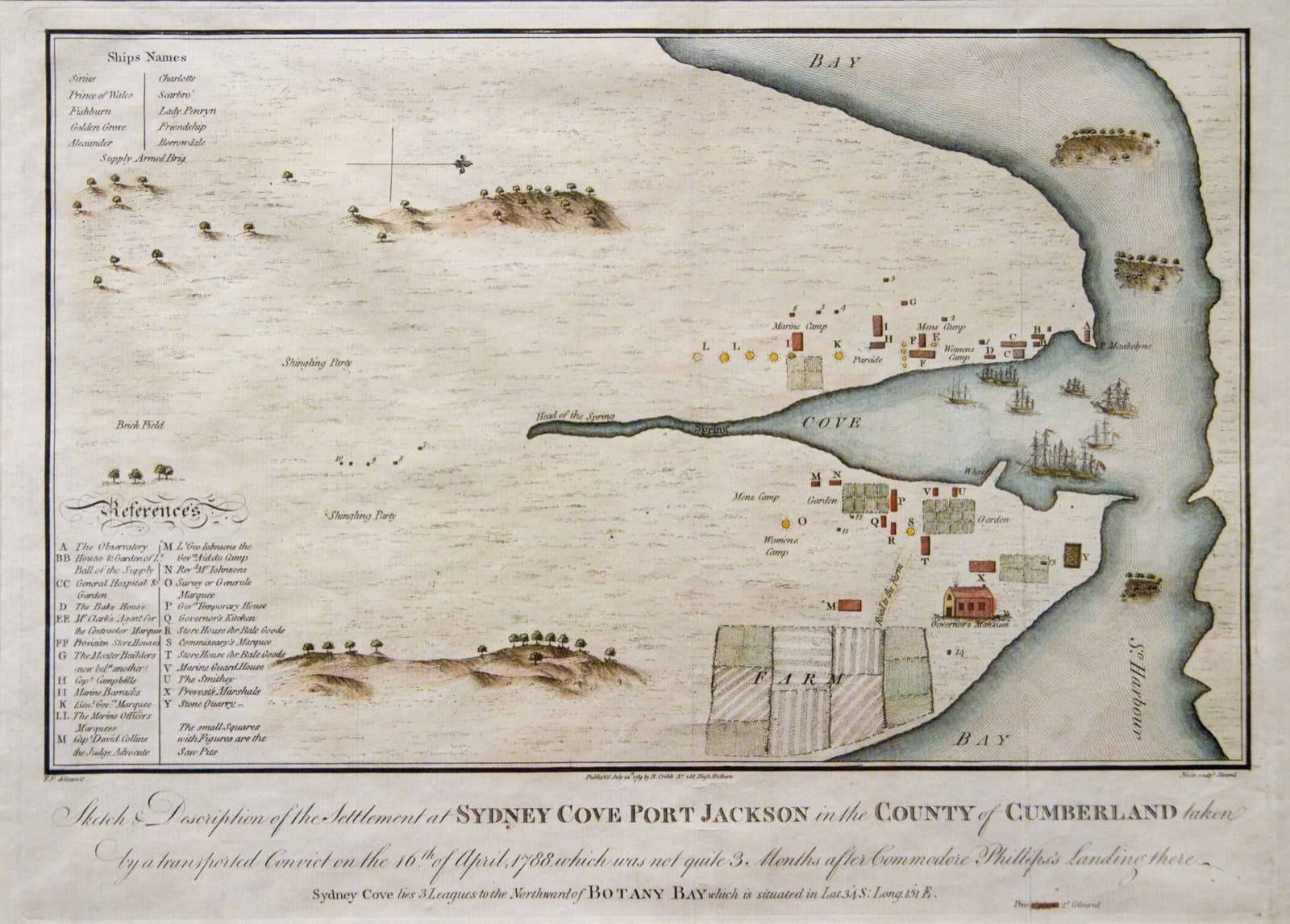
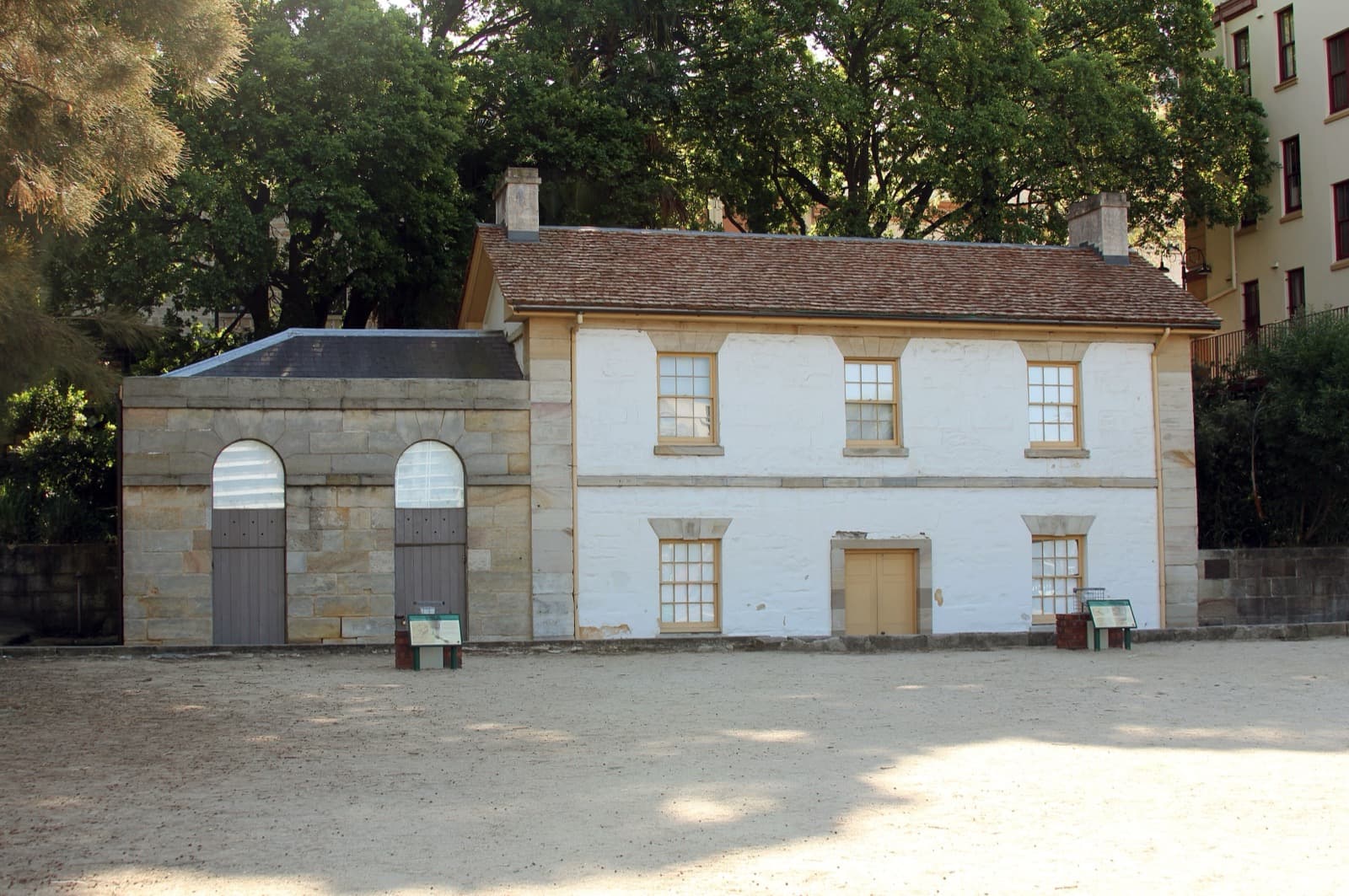
Begin in The Rocks while the lanes are still cool and quiet. This is where the First Fleet came ashore at Sydney Cove, called Warrane in the Gadigal language, and the district still carries its early sandstone bones: Cadmans Cottage near the water, the narrow cut-through lanes like Nurses Walk and the Suez Canal, the workers' terraces at Susannah Place, and the Argyle Cut, begun by convict labour through the ridge.
Most of this morning is free and outdoors. The lanes, Cadmans Cottage exterior, and the Argyle Cut cost nothing to walk. Susannah Place charges for its guided tours if you want to go inside, and you can skip it without losing the thread of the walk.
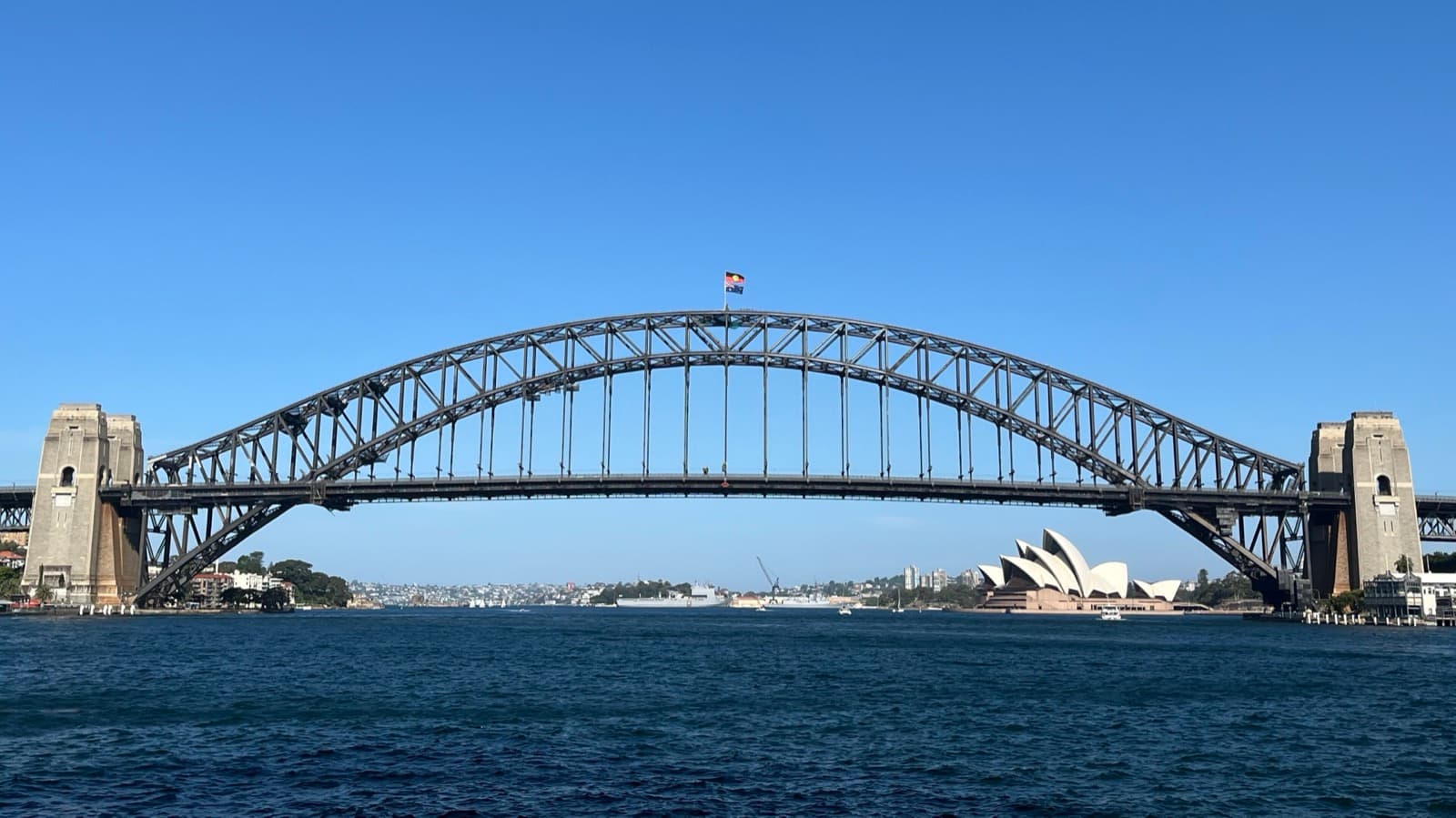
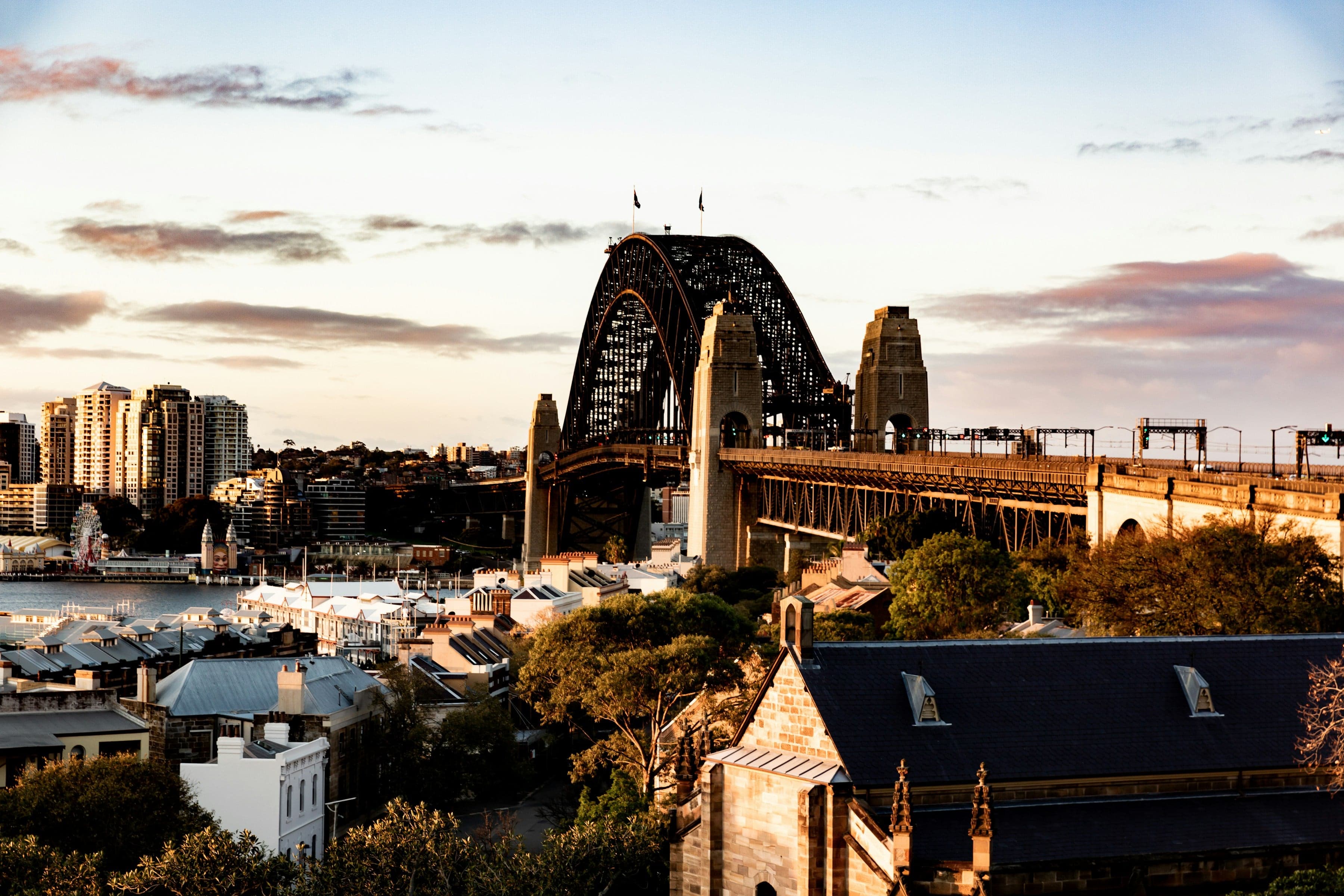
Early on, the walk passes beside the southern pylons of the Sydney Harbour Bridge at Dawes Point, called Tar-ra. Its one real climb is to Observatory Hill. Sydney Observatory's time ball, a signal that once let ships in the harbour set their chronometers, traditionally dropped at 1:00 pm on weekdays, but the Powerhouse, which runs the observatory, does not currently publish a drop schedule, so check before you time your climb around it. The grounds and exhibition are free, Thursday to Sunday from 12:00 to 6:00 pm (to 7:30 pm during daylight saving).
Wear shoes with grip. The convict-era steps and lanes are uneven and can be slick after rain, and there is a short climb to the hill. Carry water and sun cover for the exposed harbour front. This whole morning is the The Rocks to the Opera House audio tour, ten stops narrated as you go.
Midday: the Opera House and the harbour garden
The morning walk ends by crossing the head of the cove at Circular Quay, the ferry-loud front door of the city and the natural pivot of the day. This is a working transport hub, so keep valuables discreet in the crush near the wharves, but it is also where the harbour opens up in front of you.
From the quay the promenade curves toward the Sydney Opera House, where the tour ends. Its forecourt and outdoor concourse are free and open to the public around the clock. You do not need a ticket to stand under the shells. If you want to go inside, the Opera House runs guided tours daily, from AU$50 per adult booked ahead, but the outdoor experience is complete on its own.
Continue into the Royal Botanic Garden along Farm Cove, then out to Mrs Macquarie's Chair, the sandstone seat cut for Elizabeth Macquarie where the Opera House and the Harbour Bridge line up in a single frame. The garden is free and gives you welcome shade at the hottest part of the day. Refill water where you can. If you would rather save the frame for golden light, this point is the classic Sydney sunset spot. No Roamer tour covers this stretch, so take it at whatever pace the heat allows.
Afternoon: Macquarie Street and convict Sydney
Come off the harbour and turn up Macquarie Street, the ceremonial street Governor Lachlan Macquarie set out to build after 1810 to turn a penal camp into a proper city. His instrument was Francis Greenway, a convict transported for forgery who became the colony's architect, and the sandstone works along this mile read like a single argument in stone.
Walk it top to bottom, or bottom to top from Hyde Park. The route passes the Hyde Park Barracks, a Greenway building on the UNESCO World Heritage list of Australian convict sites and now a museum (it is worth checking current admission and opening hours on the Museums of History NSW site before you go, since arrangements change). Nearby, Saint James' Church, the old Rum Hospital wings that now hold Parliament House and The Mint, and the State Library of New South Wales are free to enter. At the library, stand on the marble Tasman Map in the Mitchell vestibule, and if it is on display, look for a First Fleet journal.
Weekdays let you step inside Parliament House and The Mint while they are open, though Parliament's public access can narrow on sitting days. This street is level and easy, so it makes a calm close to the day. It is the Macquarie Street: The Convict Architect's Sandstone Mile tour, and it drops you back at Hyde Park at one end or the harbour at the other.
Getting there and getting around
Most visitors arrive by air. The Airport Link train (the T8 line) runs from both Sydney Airport terminals to Circular Quay in roughly 13 to 18 minutes, so you can be at the start of the harbour walk shortly after landing. Tap on with an Opal card or a contactless Visa or Mastercard, the same tap-on method that works on Sydney's trains, buses, ferries, and light rail. There is a station access fee at the airport stations that makes that first train ride more expensive than a normal city fare, which is worth knowing but does not change the plan.
Because Circular Quay sits at the centre of all three legs, you can also break the day and hop a ferry or train between them if your feet need a rest.
Safety and comfort, honestly
Central Sydney is a busy, well-used tourist area, and the main risks on this route are ordinary ones: strong sun and wind off the water, uneven sandstone underfoot in The Rocks and at Mrs Macquarie's Point, and pickpocket-style care in the crowds at Circular Quay. Bring a hat, sun protection, water, and a light windbreaker even on a mild day. Move quietly and respectfully at the Aboriginal and convict sites along the way, which mark real dead and living culture rather than a spectacle.
Save your tours offline before you set out. Signal can drop in the deeper lanes of The Rocks and under the bridge, and an offline download keeps the map and audio working there.
Sources
Frequently asked questions
- Can you see Sydney's main sights in one day on foot?
- Yes. The Rocks, Circular Quay, the Sydney Opera House, and Macquarie Street all sit within about a kilometre of each other around the harbour, so a fit walker can link them in a single day. The Rocks walk round the cove to the Opera House is just under 4 km and the Macquarie Street walk about 2.4 km, and the only real climb is a short one to Observatory Hill in The Rocks.
- Is the Sydney Opera House free to visit?
- The Opera House forecourt and outdoor concourse are free and open to the public around the clock, so you can walk right up to the shells without a ticket. Going inside is separate: the official guided tour runs daily from AU$50 per adult booked ahead, and performances are ticketed individually.
- What time does the Sydney Observatory time ball drop?
- The time ball on the Sydney Observatory tower has traditionally dropped at 1:00 pm on weekdays, but the Powerhouse, which runs the observatory, does not currently publish a drop schedule, so check before you time your visit around it. The observatory grounds and exhibition are free, Thursday to Sunday from 12:00 to 6:00 pm, and to 7:30 pm during daylight saving.
- How do you get from Sydney Airport to the harbour?
- The Airport Link train on the T8 line runs from both airport terminals to Circular Quay in roughly 13 to 18 minutes, putting you at the start of the harbour walk quickly. Tap on with an Opal card or a contactless Visa or Mastercard. A station access fee applies at the airport stations, so that first ride costs more than a normal city fare.
- Do you need tickets for the Macquarie Street convict buildings?
- Most are free to enter, including Saint James' Church, the Parliament House public galleries, The Mint courtyard, and the State Library of New South Wales. The Hyde Park Barracks museum is the main paid stop, so check current admission and hours on the Museums of History NSW site before you go. Parliament access can narrow on sitting days.
- When is the best time of day to walk the Sydney harbour route?
- Early morning or the last few hours before sunset are ideal. In the morning the harbour front is quiet and the ferries are just starting their runs; in late afternoon the light turns gold and Mrs Macquarie's Chair becomes the classic spot where the Opera House and Harbour Bridge line up. Midday is bright and busy but perfectly walkable, with shade in the Royal Botanic Garden.
Ready to experience it?
The Rocks to the Opera House: The Town Sydney Kept Trying to Knock Down
120 min · 3.7 km · moderate
More from Sydney
Explore more at your own pace.
Sydney in Sandstone: Reading a Convict City From Cove to Harbour
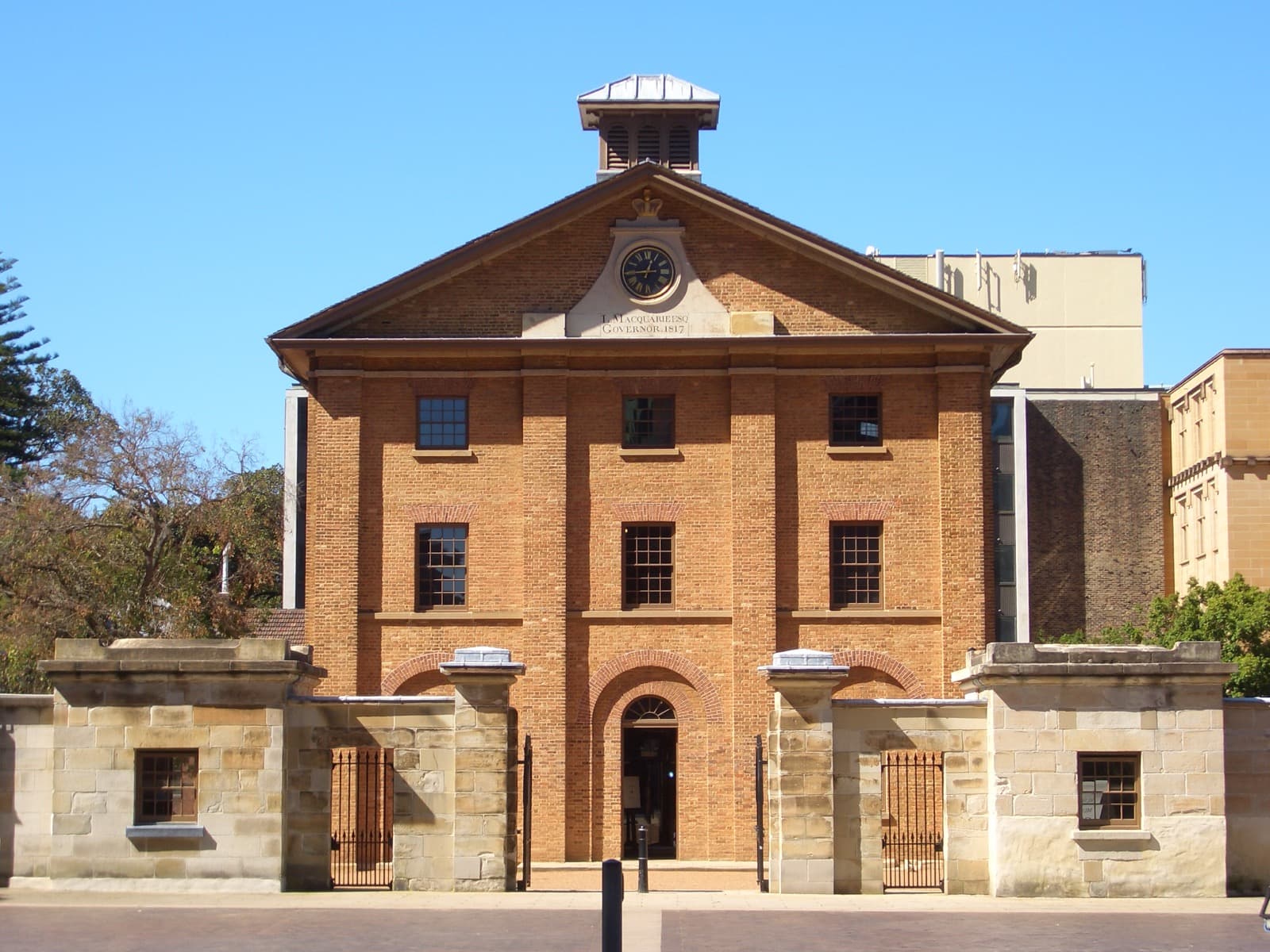
Hyde Park Barracks: The Building That Explains Convict Sydney
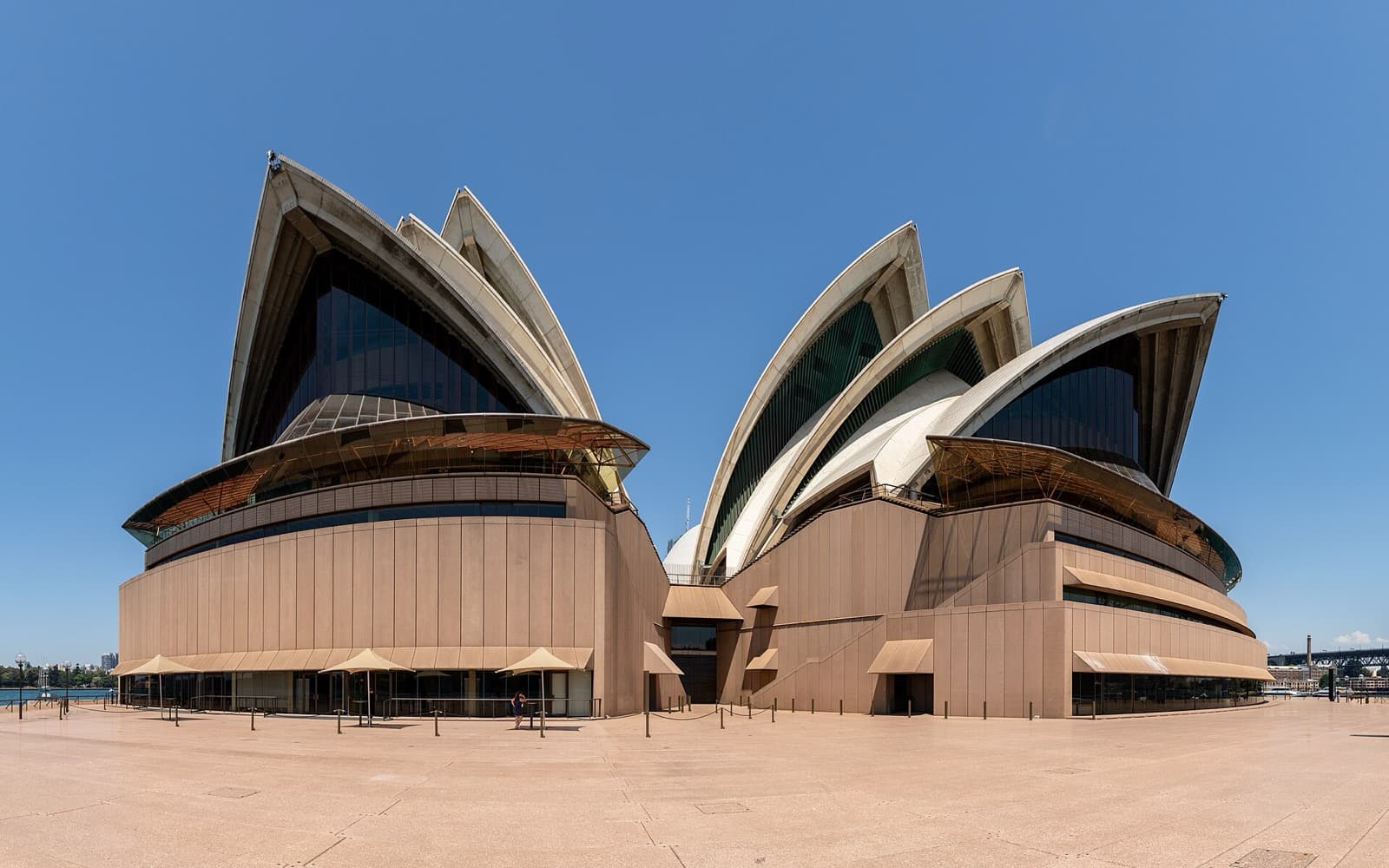
The Sydney Opera House and the Struggle Behind the Postcard
Cadmans Cottage: Sydney's Little House by the Water
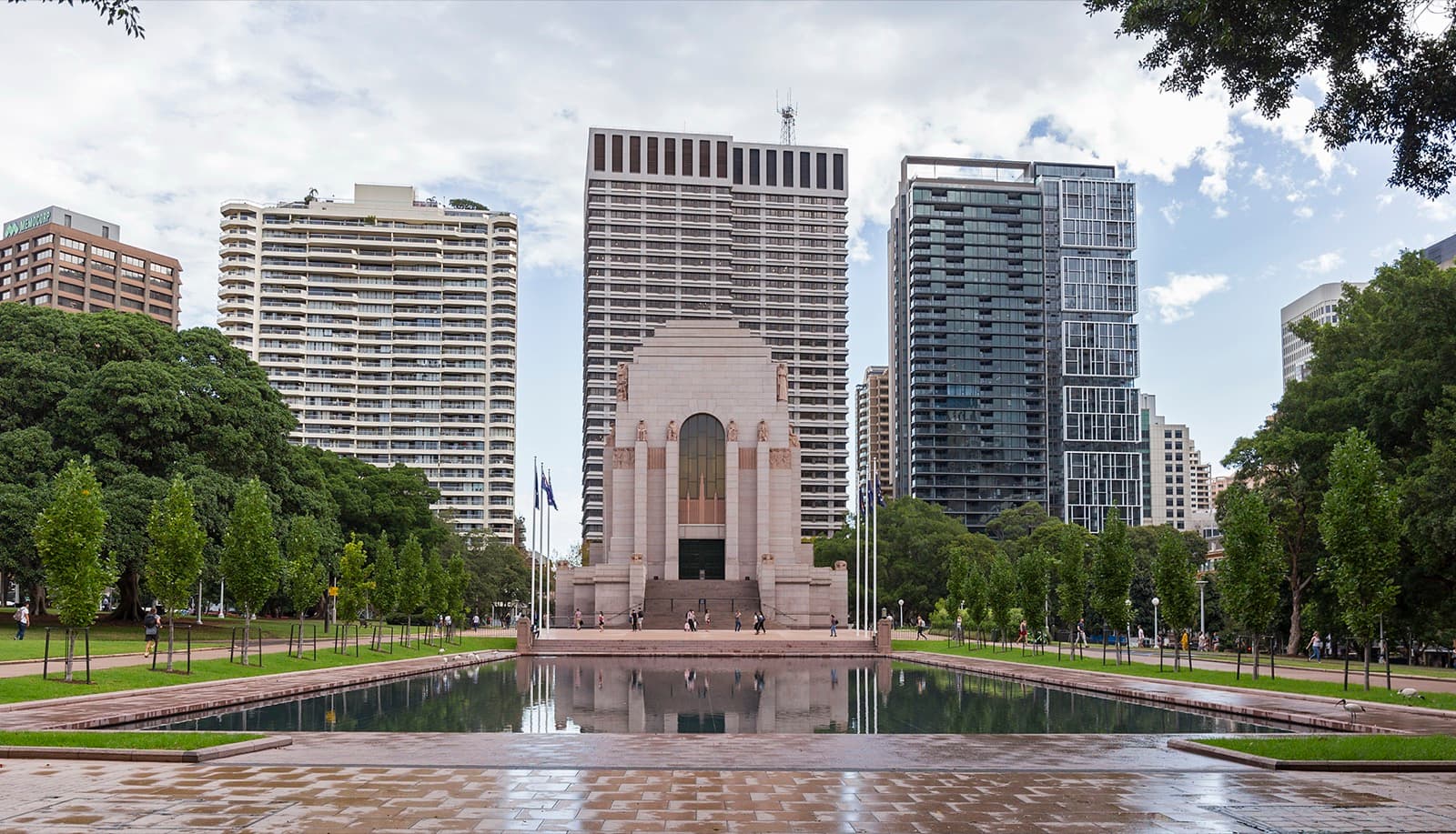
Hyde Park and the ANZAC Memorial: Australia's Oldest Park and Its War Memory