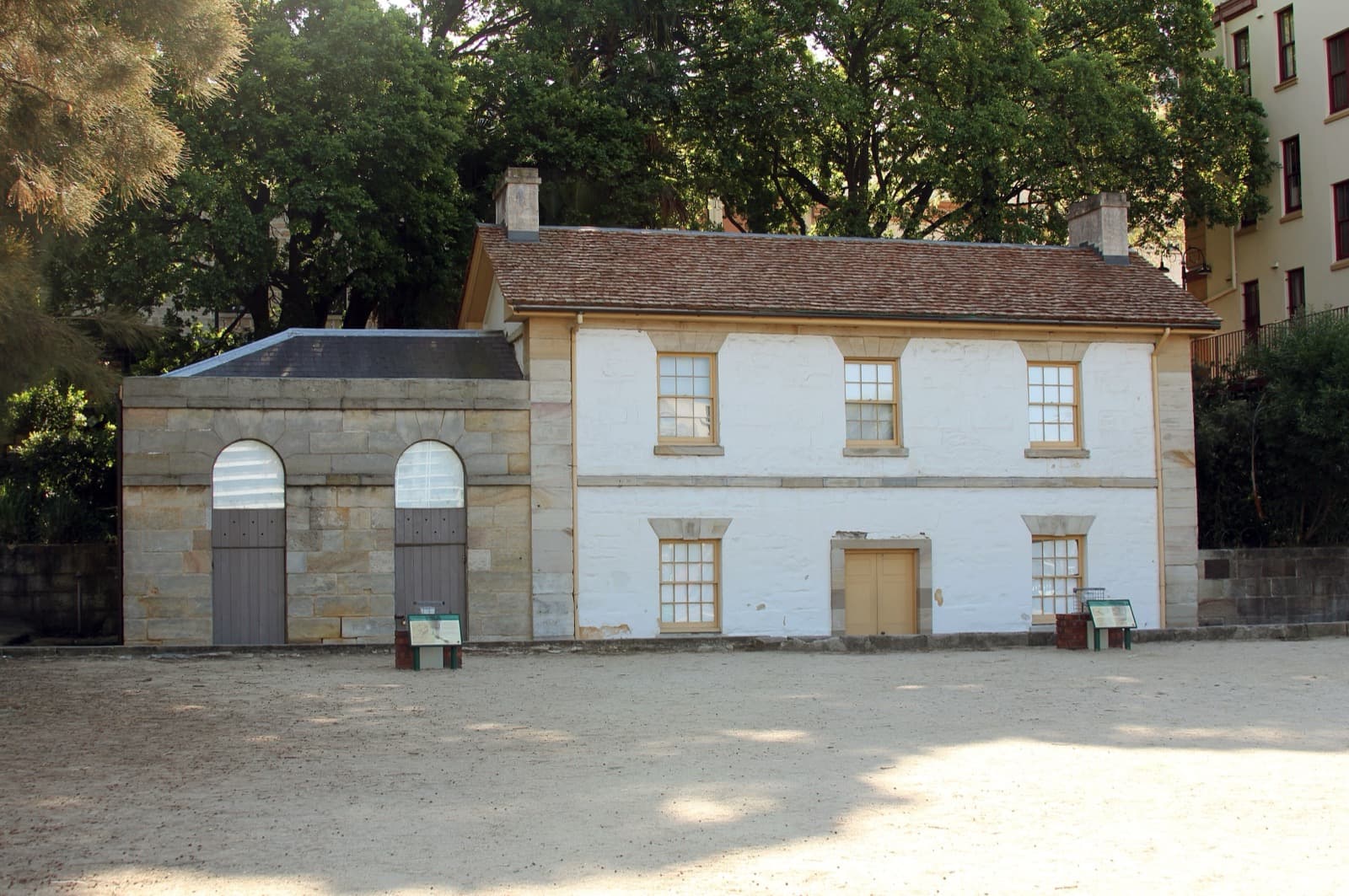
Cadmans Cottage is a small two-storey sandstone house built in 1815 and 1816 on the western shore of Sydney Cove, raised as quarters for the crews of the governor's boats and named for a pardoned convict who ran them. It is one of the oldest surviving houses in the city. It is also a plain lesson in how much a shoreline can move, because the building that once stood almost at the water's edge now sits well back from the harbour it was built to serve. Understanding that one fact, that the water used to be at the door, is the thing to carry with you when you stand in front of it.
A survivor from the colony's first decades
The cottage went up within the first thirty years of the penal colony that Britain founded at Sydney Cove in 1788. That makes it a rare object: a modest, working building from the settlement's earliest generation that was neither burned, demolished, nor built over. It was constructed as a coxswain's barracks, a place to house the men who crewed the small boats the colonial government depended on to move people and goods around a harbour that had no bridges and few roads.
There is a useful honesty to how the record treats its age. The Dictionary of Sydney describes it as the oldest surviving residential cottage in the city. Placemaking NSW, which looks after The Rocks, calls it the second oldest residential building, and the State Heritage Register counts it the third oldest building of any kind in the city. Rather than pick a winner, the sensible reading is to treat it as one of the very oldest houses in Sydney, not as a settled record. Either way you land, you are looking at architecture from the colony's opening chapter, built from the same soft yellow sandstone that gives The Rocks its name and its texture.
That the cottage is small and unglamorous is part of why it matters. Grand founding stories tend to survive because someone chose to keep them. Ordinary buildings usually vanish. This one held on.
John Cadman, and the shape of a convict life
Hear a stop from this walk
Playfair Street: Where The Rocks Fought Back
The house takes its name from John Cadman, and his life is The Rocks story compressed into a single biography. Cadman was transported to New South Wales as a convict in 1798, sentenced for horse theft. In the colony he was pardoned, and he climbed. He became the government coxswain, the man in charge of the governor's boats, and he served in that role from 1827 to 1845. He lived in the cottage with his wife, Elizabeth Mortimer, who had also arrived in the colony as a convict.
Read plainly, that arc tells you something the picturesque version of The Rocks tends to skip. A convict past was not a dead end in early Sydney. For most people who lived in these lanes, it was the starting point. The colony was built by transported men and women, and their sentences, once served or pardoned, did not necessarily fix them at the bottom. Cadman ran the governor's fleet from a stone house on the shore. His wife shared it. Two people who arrived in chains ended up keeping the boats that kept the settlement moving.
The water used to be here
Now stand back and look at the distance between the cottage and the harbour, because that gap is the single most telling thing about the building.
When Cadmans Cottage was built, the harbour lapped almost at its door. It was, quite literally, a boat crews' barracks on the waterfront, close enough that the men it housed could step out toward the boats they worked. Work on Circular Quay began in the 1830s, but a plan of 1860 still shows the water reaching the ground in front of the cottage at high tide. That foreshore was filled in between 1870 and 1875. The NSW Government now puts the harbour about 100 metres away.
That is why the little house now sits marooned behind the cruise terminal, with a broad apron of ground and pavement between it and the water. The cottage did not move. The harbour did, or rather, the city pushed the harbour back. Few buildings in Sydney let you measure the reshaping of the foreshore so directly. You are looking at a fixed point, a stone marker of where the 1816 waterline ran, with a century and a half of reclaimed land laid out in front of it.
Many lives in one small building
The cottage did not stay a boat crews' barracks. Over its long life it took on a series of jobs, each one a small chapter of the harbour's changing business. From the 1840s it served as a water police station, headquarters for policing the waterfront and the traffic on the cove. Later it became a sailors' home, lodging for men off the ships that crowded the port.
Boat crews' quarters, then water police, then a shelter for sailors: the sequence tracks a working harbour rather than a monument. This was never a building set aside to be admired. It was used, and reused, for as long as the waterfront needed it, which is exactly how a modest structure earns the right to be old. It kept being useful.
Standing in front of it
Cadmans Cottage rewards a slow look precisely because it asks for so little attention at first. It is small, plain, and easy to walk past on the way to the pubs and market stalls of The Rocks. But it holds three things at once. It is one of the oldest houses in the city, a survivor of the colony's first decades. It carries the name of a convict who was pardoned and rose to run the governor's boats, a life that says a sentence was a beginning here, not an ending. And it stands 100 metres from a harbour that once reached its threshold, a fixed stone measure of how far Sydney pushed its own shoreline out.
The cottage is the first stop on Roamer's self-guided walk The Rocks to the Opera House, which goes once round Sydney Cove, from the shore where the First Fleet made camp in 1788, under the Harbour Bridge and up Observatory Hill, to the Opera House. You can walk it at your own pace, lingering on the sandstone steps as long as the light holds. If you are planning your route, start with our guide to Sydney walking tours, or browse everything on offer in Sydney. Then go stand in front of the little house, and picture the water at the door.
Sources
- NSW National Parks and Wildlife Service, Cadmans Cottage Historic Site Plan of Management. The building's late 1815 to early 1816 construction as the Coxswain's Barracks, John Cadman's 1827 to 1845 service as coxswain, and the reclamation of its foreshore between 1870 and 1875.
- NSW State Heritage Register, Cadmans Cottage. Its later uses, the Cadman family's years in the house, and its standing as the oldest building in The Rocks and the third oldest in the city.
- NSW Government, Cadmans Cottage visitor page. Records that the harbour has moved about 100 metres away from the cottage.
- Dictionary of Sydney. Describes Cadmans Cottage as the oldest surviving residential cottage in the city and records John Cadman's 1798 transportation for horse stealing.
Ready to experience it?
The Rocks to the Opera House: The Town Sydney Kept Trying to Knock Down
120 min · 3.7 km · moderate
More from Sydney
Explore more at your own pace.
One Day in Sydney: A Walkable Morning-to-Evening Itinerary
Sydney in Sandstone: Reading a Convict City From Cove to Harbour
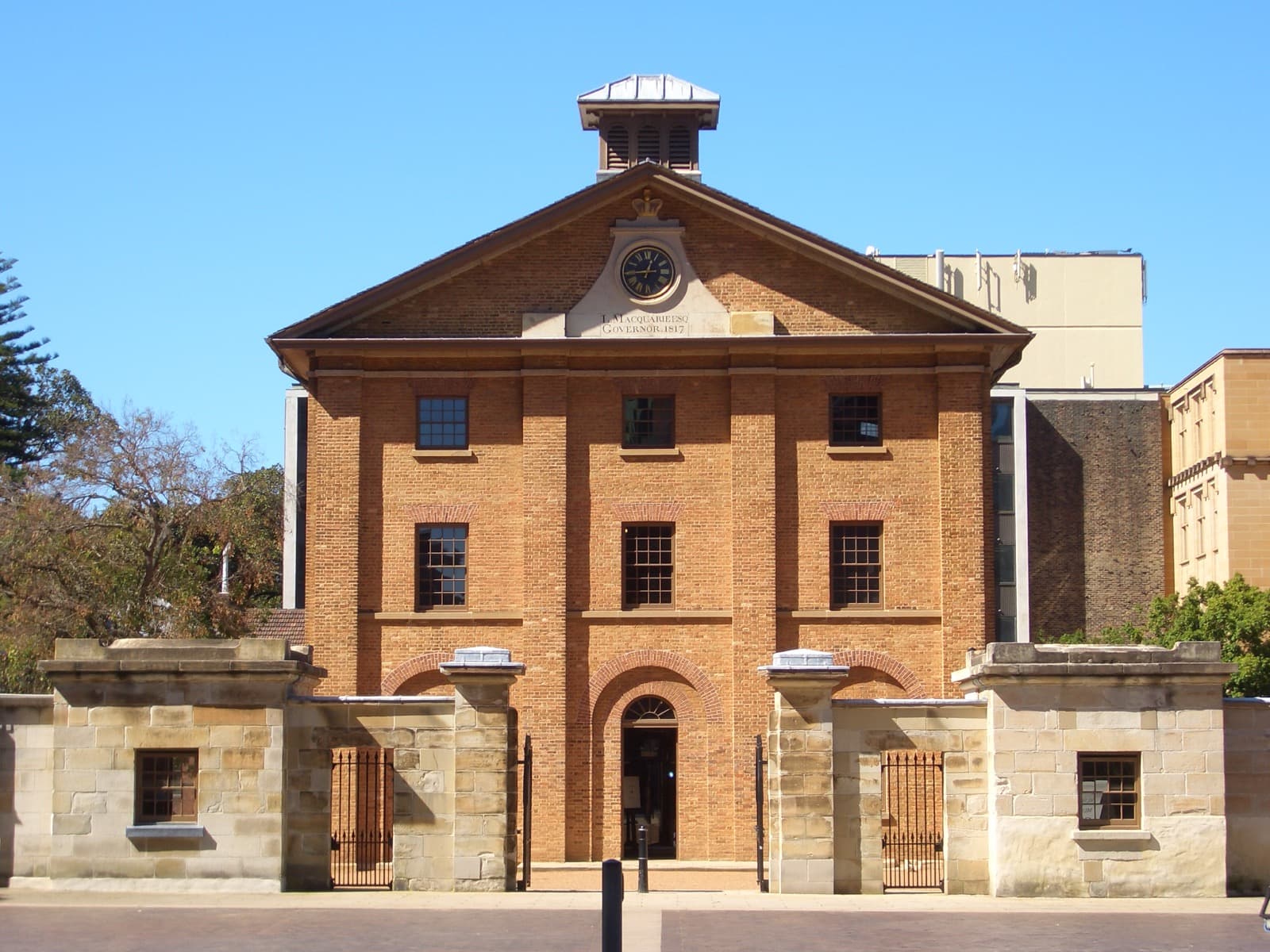
Hyde Park Barracks: The Building That Explains Convict Sydney
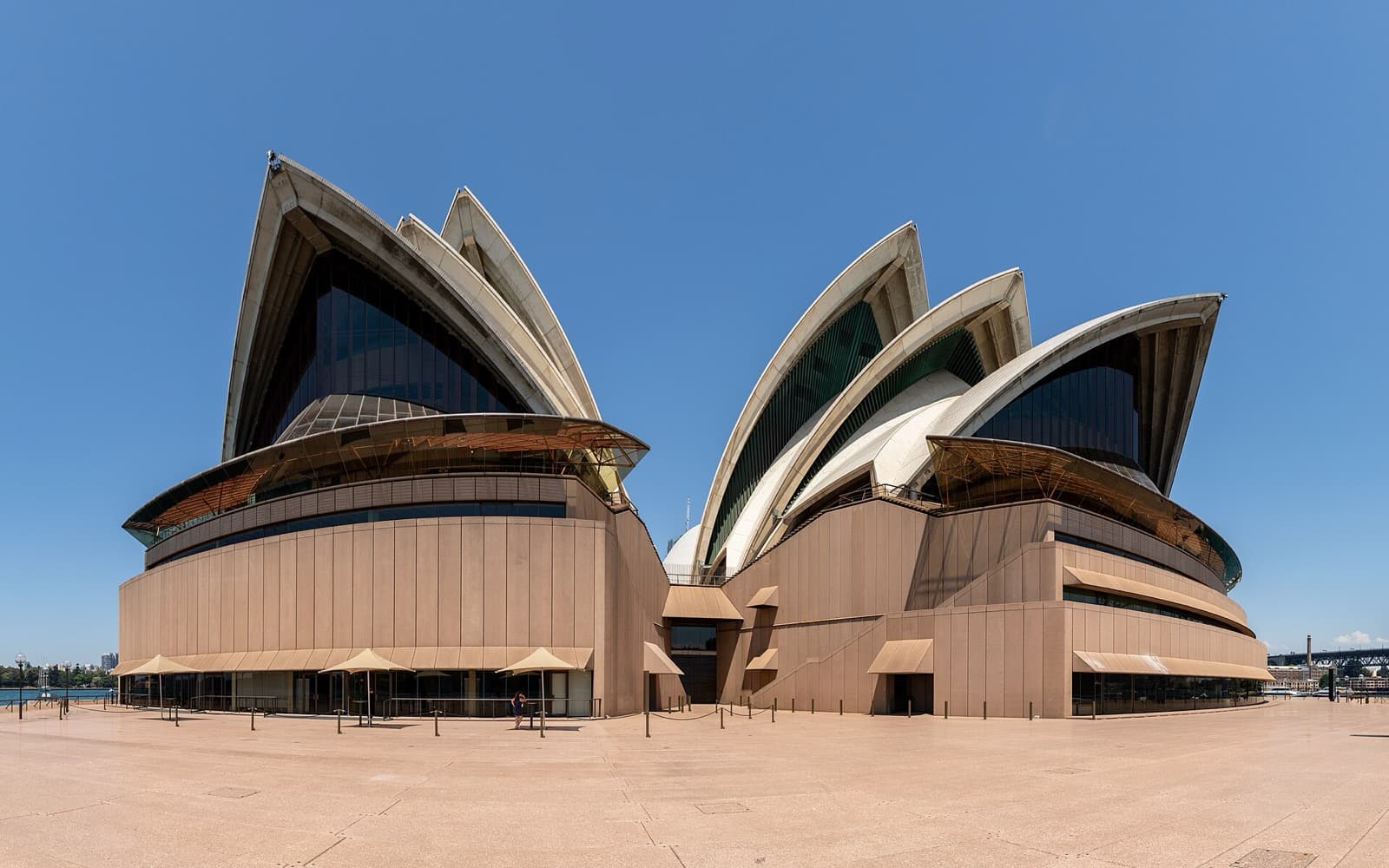
The Sydney Opera House and the Struggle Behind the Postcard
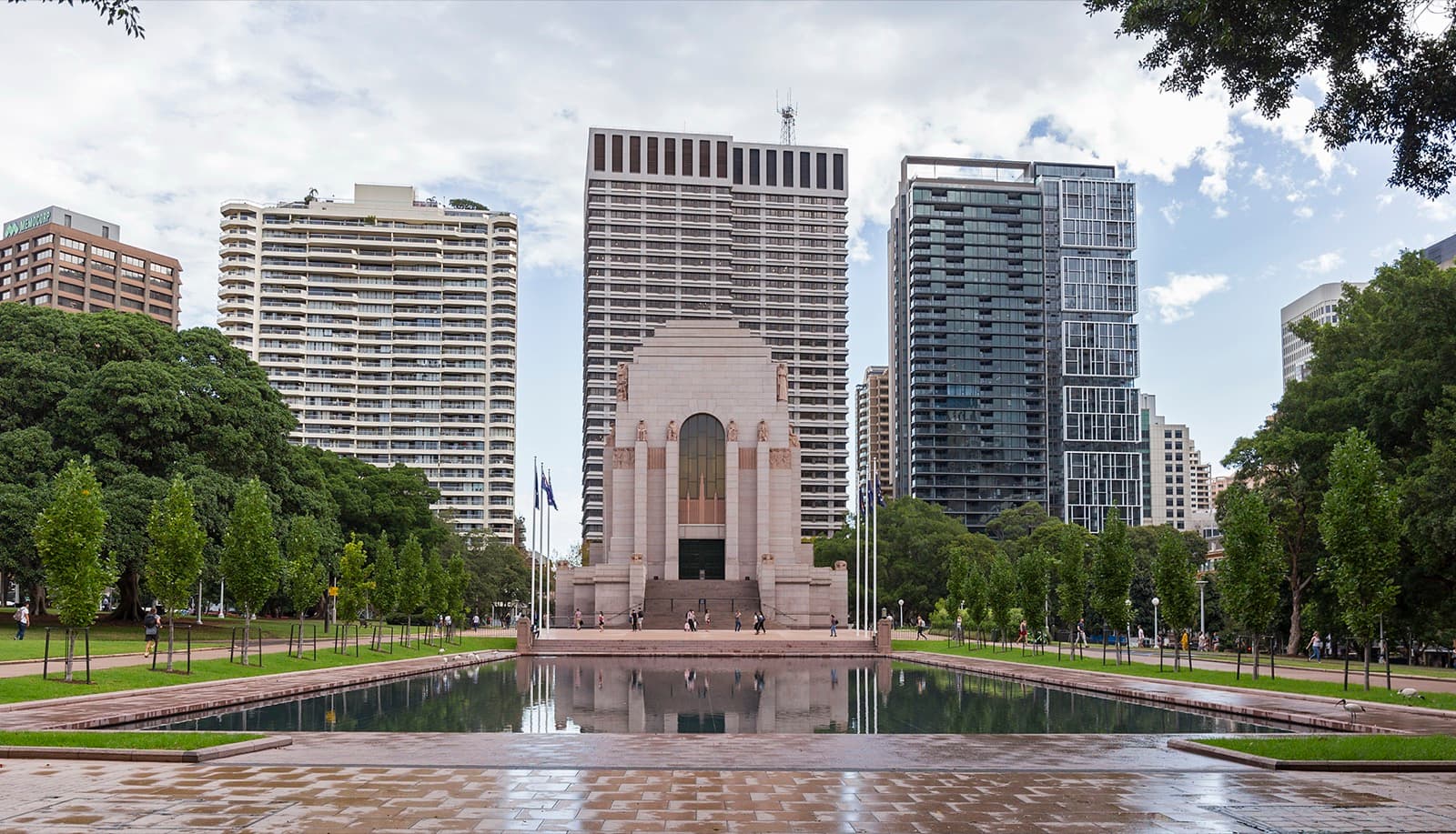
Hyde Park and the ANZAC Memorial: Australia's Oldest Park and Its War Memory