Old City: The Room Where the Country Was Argued
85 min · 1.8 km · easy
Yes, you can see the essential Philadelphia in a day. Here is the route.
You cannot fit three and a half centuries of founding history, immigrant markets, and rowhouse neighborhoods into a single day, and you should not try. What you can do is walk the dense, flat, connected core where the city most famous sights sit within a few blocks of each other: the founding rooms of Old City, the Penn grid and market hall of Center City, and the street market and squares of the near south and west. This itinerary routes those around a comfortable walking day, and names the self-guided Philadelphia walking tour that anchors each block so the history walks with you.
A note on pace before you start. This is a full but gentle day of walking, roughly 7 to 10 km on almost entirely flat, gridded streets, so wear comfortable shoes and treat the market and sandwich stops below as part of the plan, not interruptions to it.
Morning: Independence and Old City
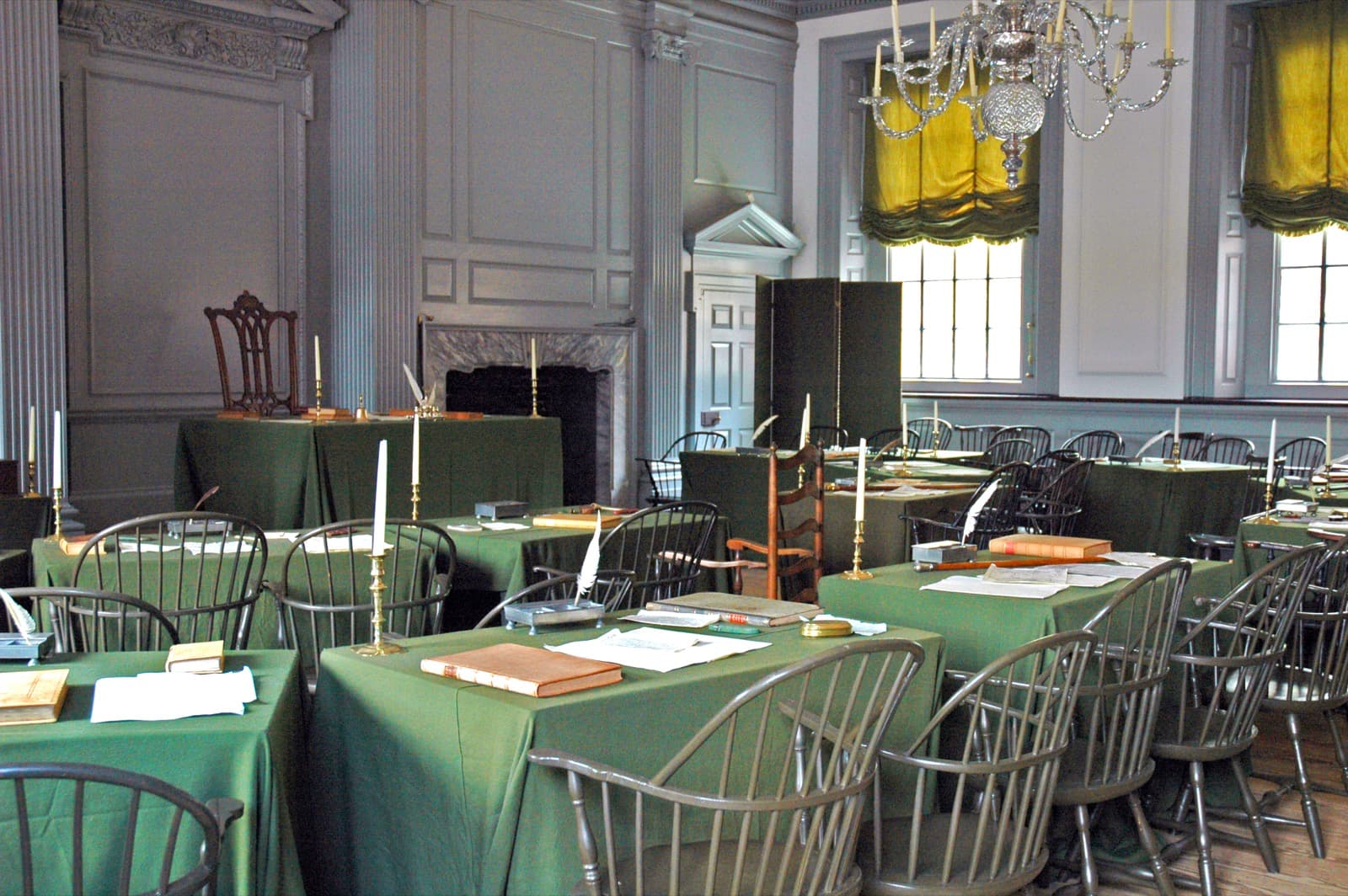
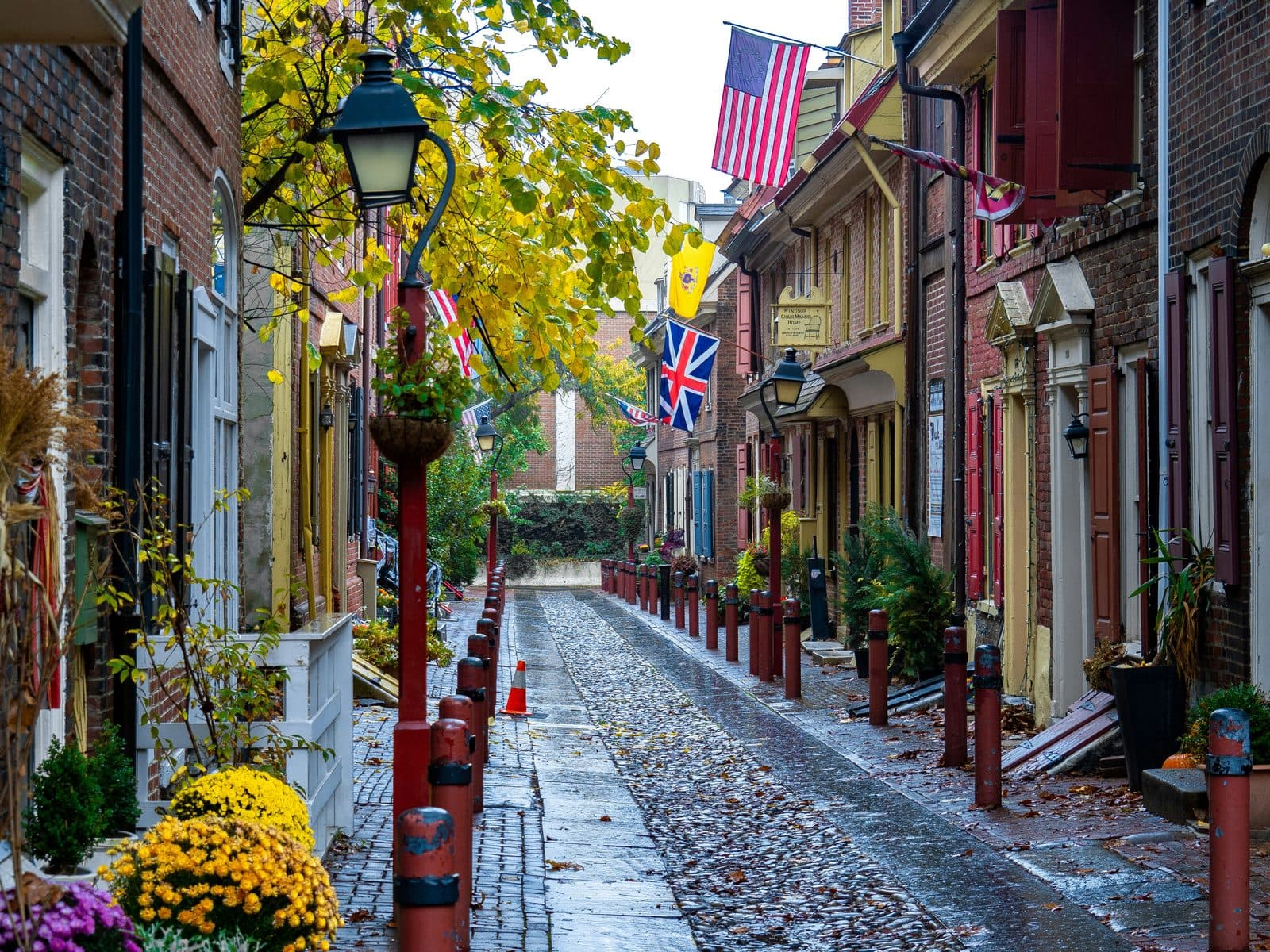
Start early in Old City, where the country was argued into existence. Begin at the Liberty Bell Center, which needs no ticket, then cross to Independence Hall, the modest brick statehouse whose second-floor Assembly Room held the debates over both the Declaration of Independence and the Constitution. The interior is a free ranger-led tour, but from March onward it requires a timed ticket carrying a $1 online fee, so reserve that the night before if you want to go inside. Around these two anchors, Independence National Historical Park is free and open to walk: the President House outdoor site, Congress Hall, and the cobbled lanes of the historic district.
This is the block to walk with the Old City: The Room Where the Country Was Argued self-guided audio tour. It reads Old City as a set of sequels to one second-floor chamber, and holds the gap between the universal language of the Declaration and the compromises that followed. To go deeper before you walk, the President House companion piece on the nine enslaved people held in George Washington household, in the sightline of the Liberty Bell, is the essential primer, and the founding-city thesis frames the whole district.
Midday: Reading Terminal Market and the Penn grid
Hear a stop from this walk
Old City Hall and the Second Bank: The Institutions the Room Built
Walk west toward City Hall and stop at Reading Terminal Market, the covered Victorian food hall that opened in 1893 under a former train shed. This is lunch, and one of the best meals of the trip: the roast pork at Tommy DiNic once named the best sandwich in America, a hand-rolled pretzel from Miller Twist, Pennsylvania Dutch stalls beside vendors who arrived last decade. See what to eat in Philadelphia for the stalls worth the line, and the Reading Terminal companion piece for why the market is the city pantry.
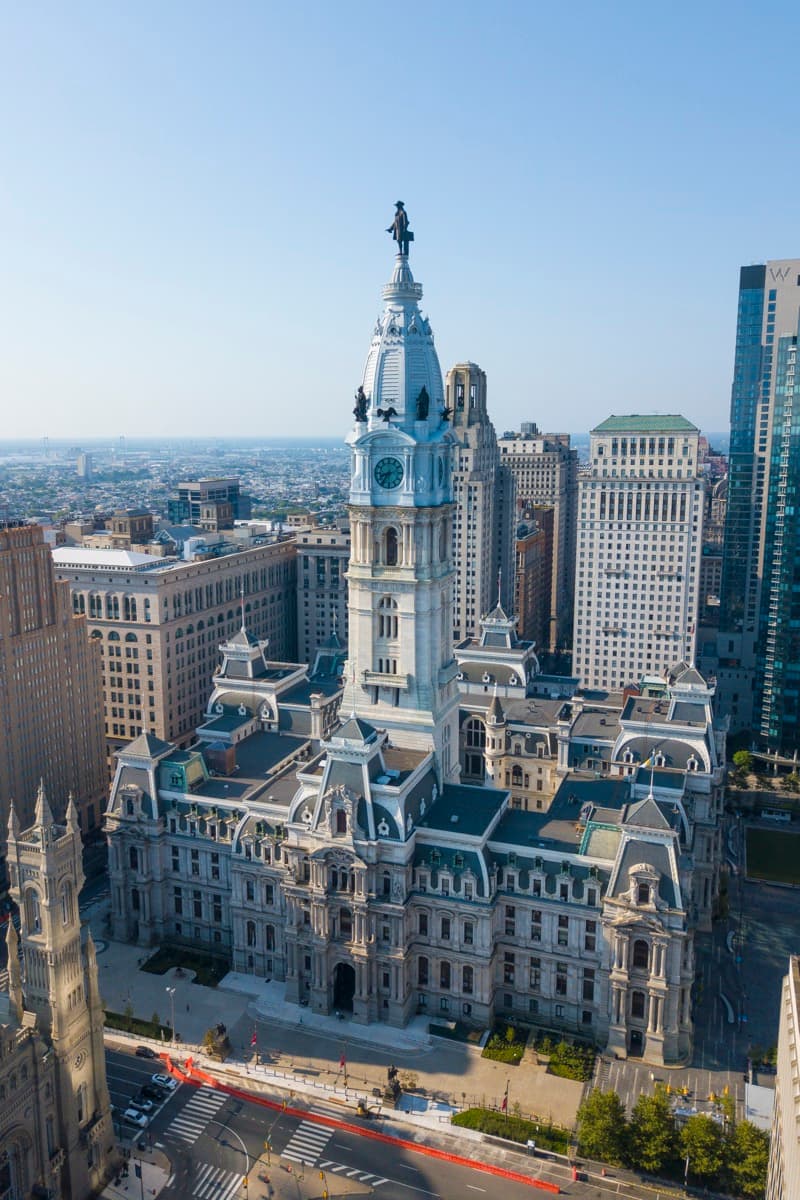
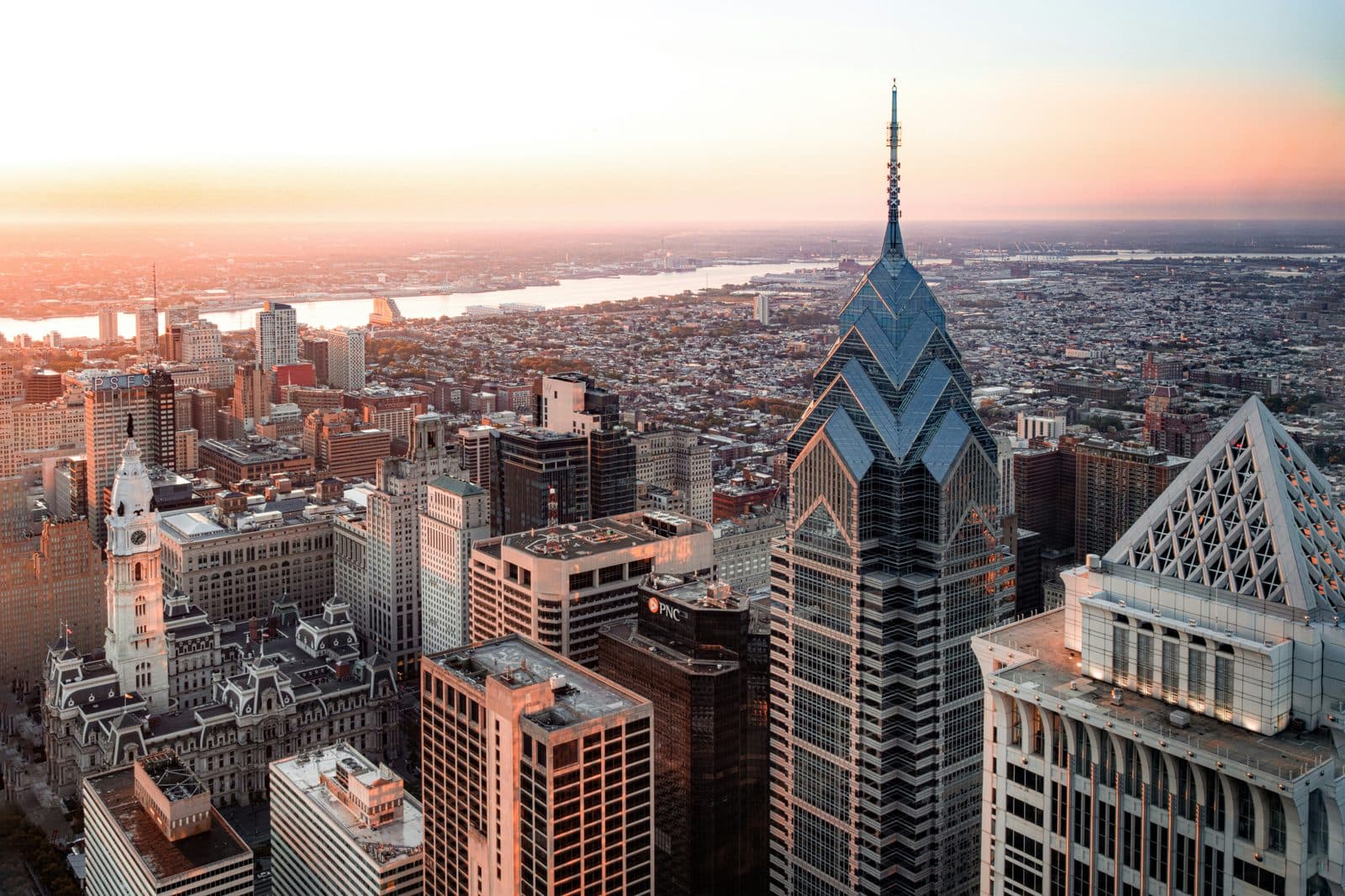
From the market, walk to City Hall, the enormous Second Empire pile on Penn original central square, crowned by the statue of William Penn. This is the heart of the Center City: William Penn Three-Hundred-Forty-Three-Year Experiment tour, which reads the 1682 grid as the first urban-planning experiment in North America, still the working blueprint of Center City with its four corner squares intact. The City Hall companion piece tells the story of the tower, its Penn statue, and the curse that supposedly haunted the city sports teams.
Afternoon: the Italian Market and Rittenhouse
Head south into South Philadelphia for the 9th Street Italian Market, the oldest continuously operating outdoor market in America, running along South 9th Street since the 1880s. It is still called the Italian Market, but the awnings now read in Italian, Spanish, and Vietnamese, block by block. Buy seeded bread at Sarcone, cheese and cured meat at the original Di Bruno Bros., a cannoli, a taco. Walk it with the 9th Street: The Market That Outlasted Its Name tour, which reads the market as a name-survival biography across three immigrant histories. The Italian Market companion piece goes deeper on how the name outlasted the Italians.
Then swing back north and west to Rittenhouse Square, one of Penn four original corner squares and the most elegant, ringed by cafes and townhouses. It is the natural place to sit, rest your feet, and regroup before the evening.
Evening: the Art Museum steps at golden hour
If you have the legs, close the day at the Philadelphia Museum of Art, at the head of the Benjamin Franklin Parkway. You do not need to go inside. The draw at dusk is the 72 Rocky Steps and the Rocky statue at their foot, free to climb, with the whole Center City skyline laid out behind you as the light goes gold. It is the classic Philadelphia postcard, and a fitting place to end a day that began in the room where the country started.
Dinner is easy from here or from Rittenhouse: BYOB row-house restaurants, a proper Philadelphia cheesesteak from a neighborhood shop rather than a tourist corner, or a return to Center City. See what to eat in Philadelphia for where locals actually go.
The one-day route at a glance
| Block | Where | Anchor tour |
|---|---|---|
| Morning | Liberty Bell, Independence Hall, Old City | Old City: The Room Where the Country Was Argued |
| Midday | Reading Terminal Market, City Hall, Penn grid | Center City: William Penn Experiment |
| Afternoon | 9th Street Italian Market, Rittenhouse Square | 9th Street: The Market That Outlasted Its Name |
| Evening | Art Museum steps, dinner | (open the day out) |
Plan the rest of your trip
One day covers the core. For how many days Philadelphia really deserves, how to get around, and when to go, read the Philadelphia travel guide. For every route in the city, see the best self-guided walking tours in Philadelphia, or browse all Philadelphia tours. Every tour is free to start: the introduction and first stop play in full, and every later stop plays a short preview before an optional purchase.
Frequently asked questions
- Can you see Philadelphia in one day?
- You cannot see all of Philadelphia in a day, but you can see its essential core well. A focused day covers Independence National Historical Park and Old City, Center City around City Hall and Reading Terminal Market, and a taste of South Philadelphia at the Italian Market, all on a flat, tightly gridded set of blocks that Philadelphia lays out for walking. Adding the western museums and the sports complex in the same day means a lot of transit, so most travelers save those for a second day.
- What is the best area to base a one-day visit to Philadelphia?
- Base yourself in Center City or Old City, within a few blocks of City Hall or Independence Hall. Philadelphia historic core is compact and flat, so from a central base you can reach the Liberty Bell, Reading Terminal Market, Rittenhouse Square, and the top of the Italian Market on foot, with the Broad Street and Market-Frankford subway lines filling any longer gap. Staying central keeps your walking time low and your sightseeing time high.
- How much walking is a one-day Philadelphia itinerary?
- Expect roughly 7 to 10 km on foot across the day, almost all of it on flat, gridded streets that are easy to walk. The one real climb is the 72 Rocky Steps at the Art Museum, which is optional. Wear comfortable shoes and build in market and sandwich breaks, which this route treats as part of the plan.
- Do I need to book anything in advance for one day in Philadelphia?
- Very little. Independence National Historical Park is free, and most of it is walk-up. The one thing worth reserving is a timed ticket for the Independence Hall interior tour, which is free but carries a $1 online processing fee and is required from March through the end of the year; the Liberty Bell next door needs no ticket. The self-guided audio tours that anchor each block are free to start and can be downloaded in advance, so the history walks with you even without signal.
Ready to experience it?
Old City: The Room Where the Country Was Argued
85 min · 1.8 km · easy
More from Philadelphia
Explore more at your own pace.
The Founding City on Top of Erased Histories
From Crackdown to Canvas: A Mural Arts Companion
One Market, Three Immigrations: A South 9th Street Companion
Penn's Green Country Town: A Center City Companion
The Room Where the Country Was Argued: An Old City Companion