Old Delhi: Shah Jahan's Avenue, Lanes and Friday Mosque
90 min · 3.1 km · easy
Delhi is often called a city of seven cities, but that is a popular tradition, not a count. The Delhi government's own Department of Archaeology puts it plainly on its About Us page. Popular tradition, it says, mentions seven cities: Qila Rai Pithora and Lal Kot, Siri, Tughlaqabad, Jahanpanah, Firuzabad, Dinpanah, and Shahjahanabad, the seventh, established by Shah Jahan. Then it adds that if you count the smaller towns and villages as well, the cities number more like fifteen. Seven is a way of telling Delhi, and a good one, as long as you hold it loosely.
Why a city keeps moving
Each name on the list is a ruler's new foundation. The formula breaks down when you look closely, because between the named cities sit tombs, mosques and settlements that belong to none of them, which is how the archaeologists reach fifteen.
Our walks touch several of the seven, and the ground between them.
The first, in an inscription
Hear a stop from this walk
Jama Masjid
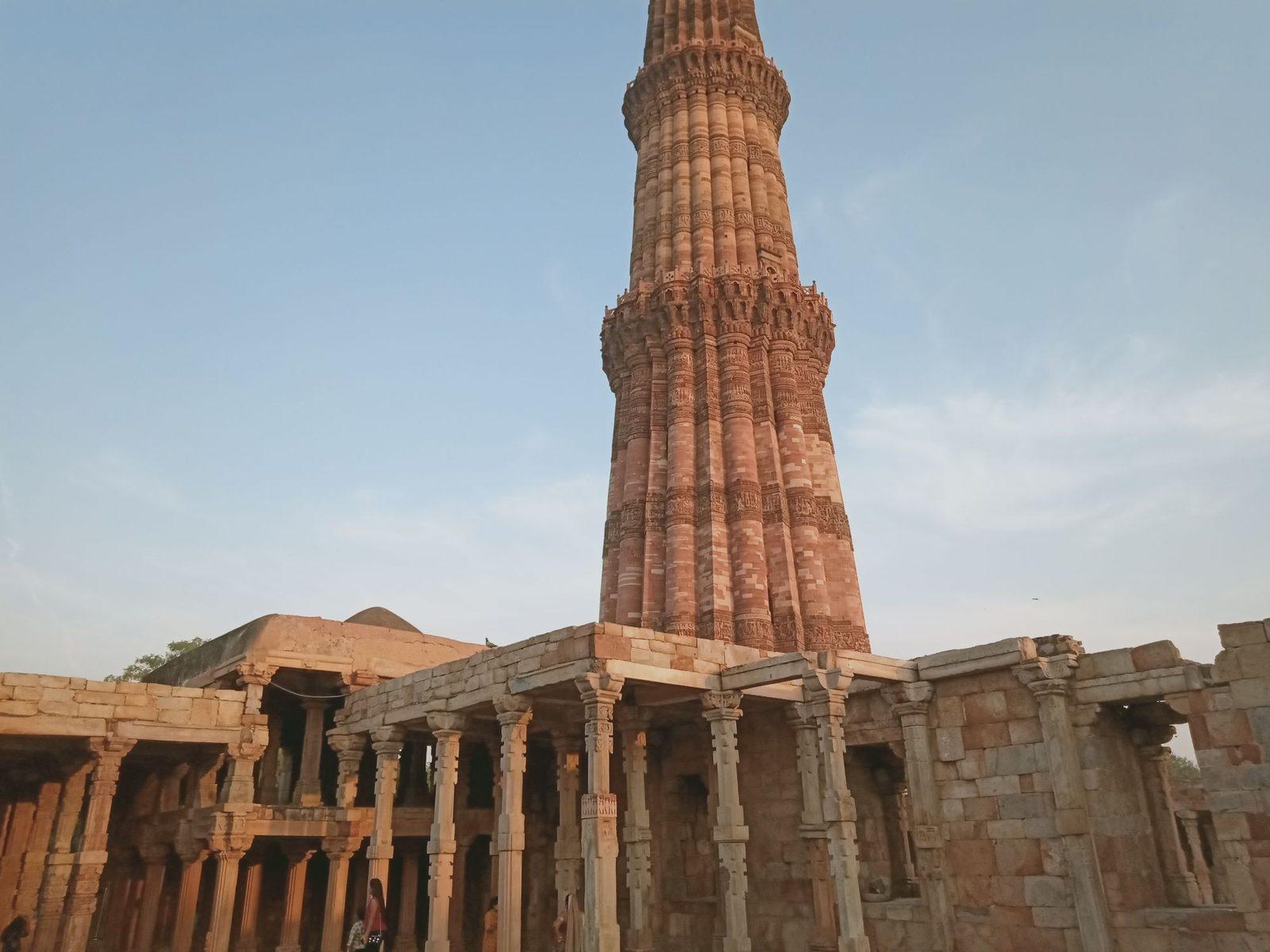
The oldest layer on our walks is at the Qutub. The founding inscription over the inner lintel of the mosque's eastern gateway, in the Archaeological Survey of India's published translation, opens with the words "This fort was conquered", and dates the mosque to the Islamic year 587, which is 1191 to 1192. The Qutub Minar was begun beside it in 1199. Mehrauli, the town round the complex, is described in the Archaeological Survey's own guide as the only settlement in modern Delhi continuously inhabited for more than a thousand years. That is the Survey's claim, and a fair one to bring to the walk.
Firuzabad, seen on a tower
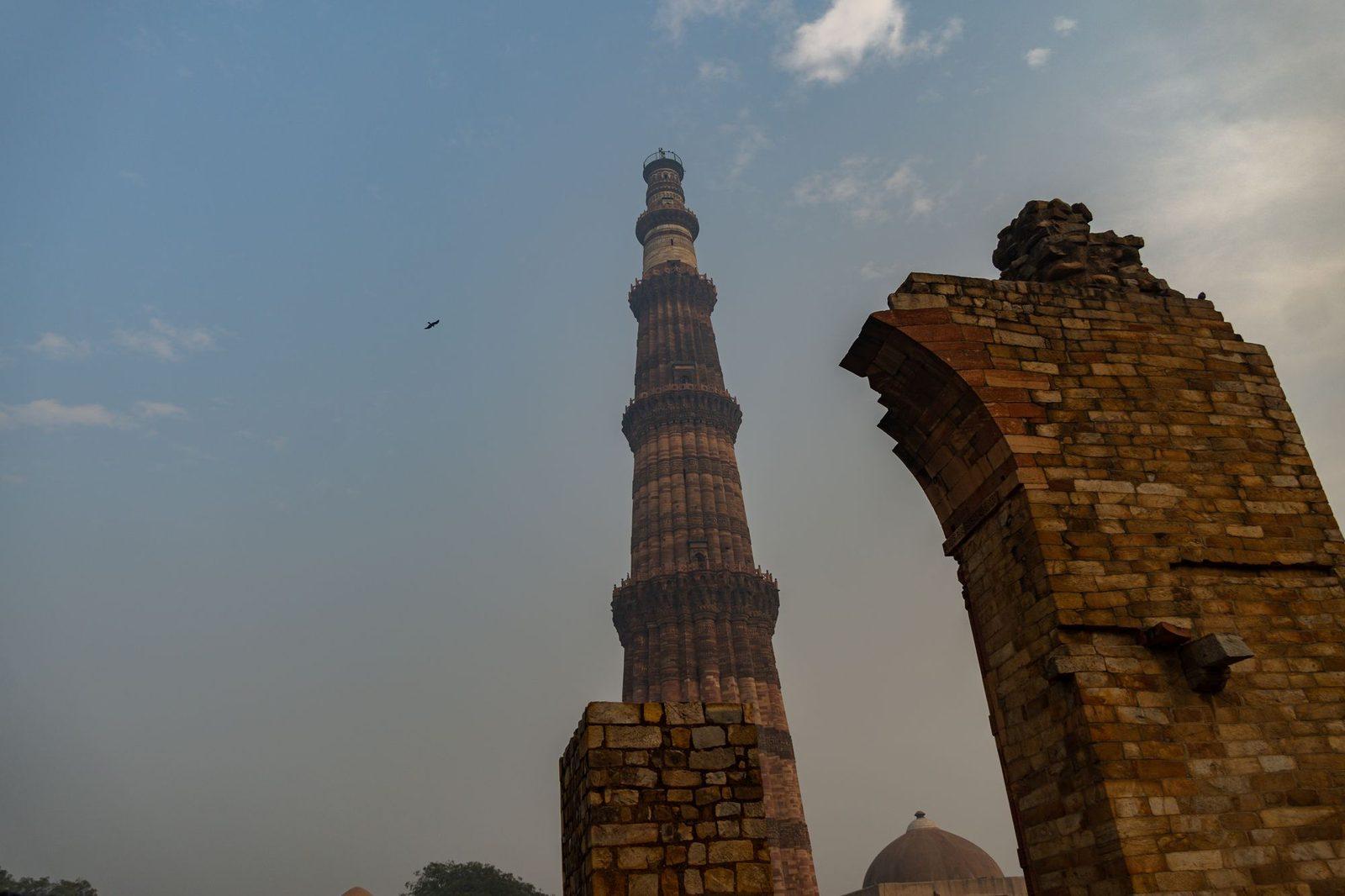
Firuzabad, the fifth name on the list, carries the name of Firoz Shah Tughlaq, and our walks do not go there. But his hand is on the Qutub Minar. Lightning damaged the tower in the year 770 of the Islamic calendar, 1368 to 1369, and his own Persian inscription records that he rebuilt it. Sharma's handbook for the Archaeological Survey says he replaced the top story with two, faced in white marble. You can see the change in color from the lawn.
Between the cities: the Sayyids and Lodis
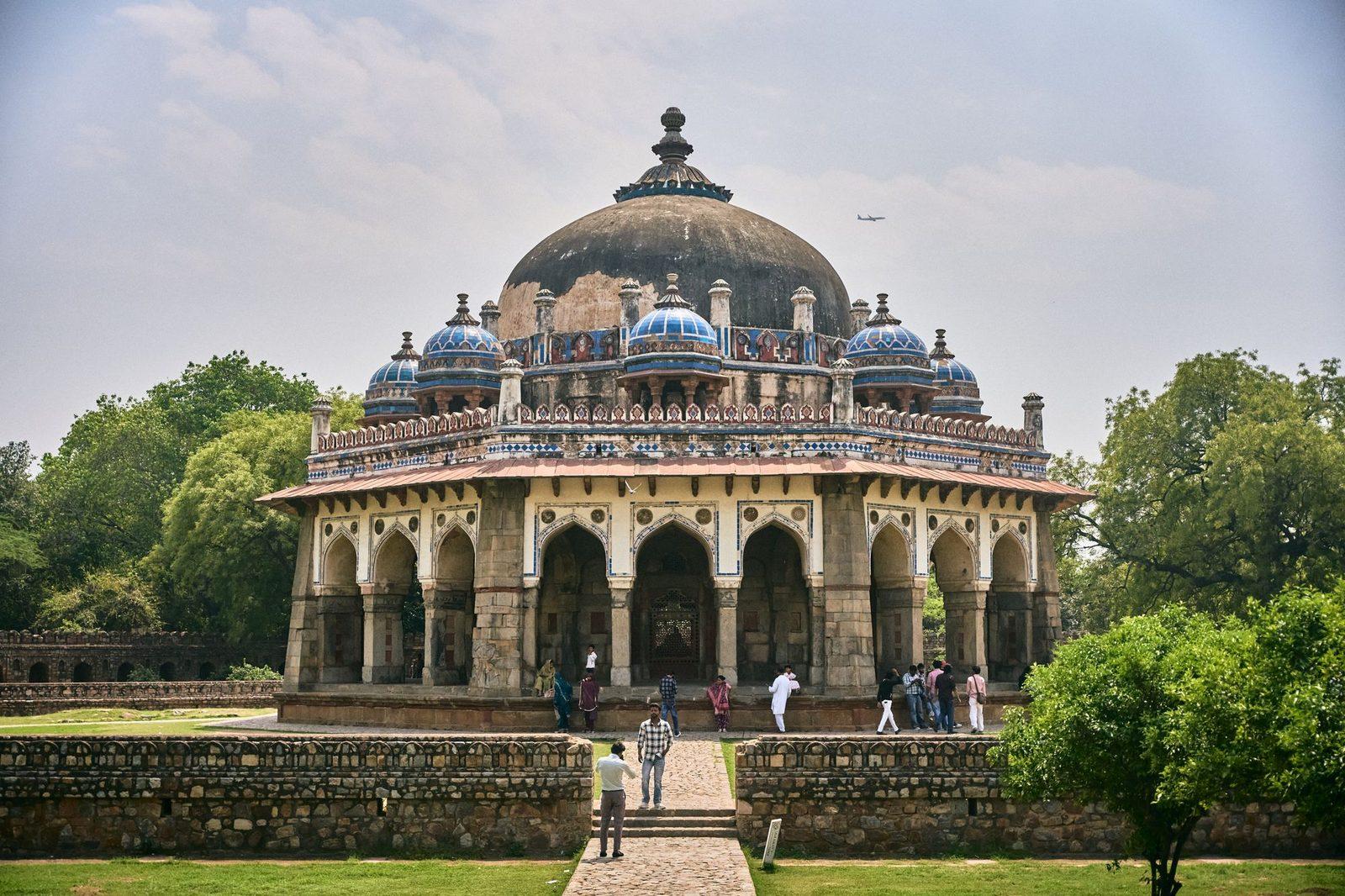
The rulers of the fifteenth century built no city on the traditional list, but they built tombs, and Lodhi Garden holds the best group of them. The tomb held to be that of the Sayyid king Muhammad Shah dates from the mid-1440s, and Sikandar Lodi's walled garden tomb from after his death in 1517. The village round them, Khairpur, was moved in 1936 to make the park. It is exactly the kind of in-between ground that makes seven too small a number.
Dinpanah, and a fall on a stair
Dinpanah is the sixth name, and it is where Humayun died. The historian Glenn Lowry, drawing on the court chroniclers, records that Humayun fell on the stairs of his library at Din-panah on 20 January 1556 and died four days later. His tomb, finished by about 1572, stands among the tombs of the Nizamuddin area, and the walk inside that complex begins with the tomb of a noble of the Sur dynasty, which had driven Humayun out between his two reigns. Beside the Red Fort, inside the same World Heritage property, stands Salimgarh, which UNESCO dates to 1546 and to Islam Shah Suri of that dynasty.
Shahjahanabad, the seventh
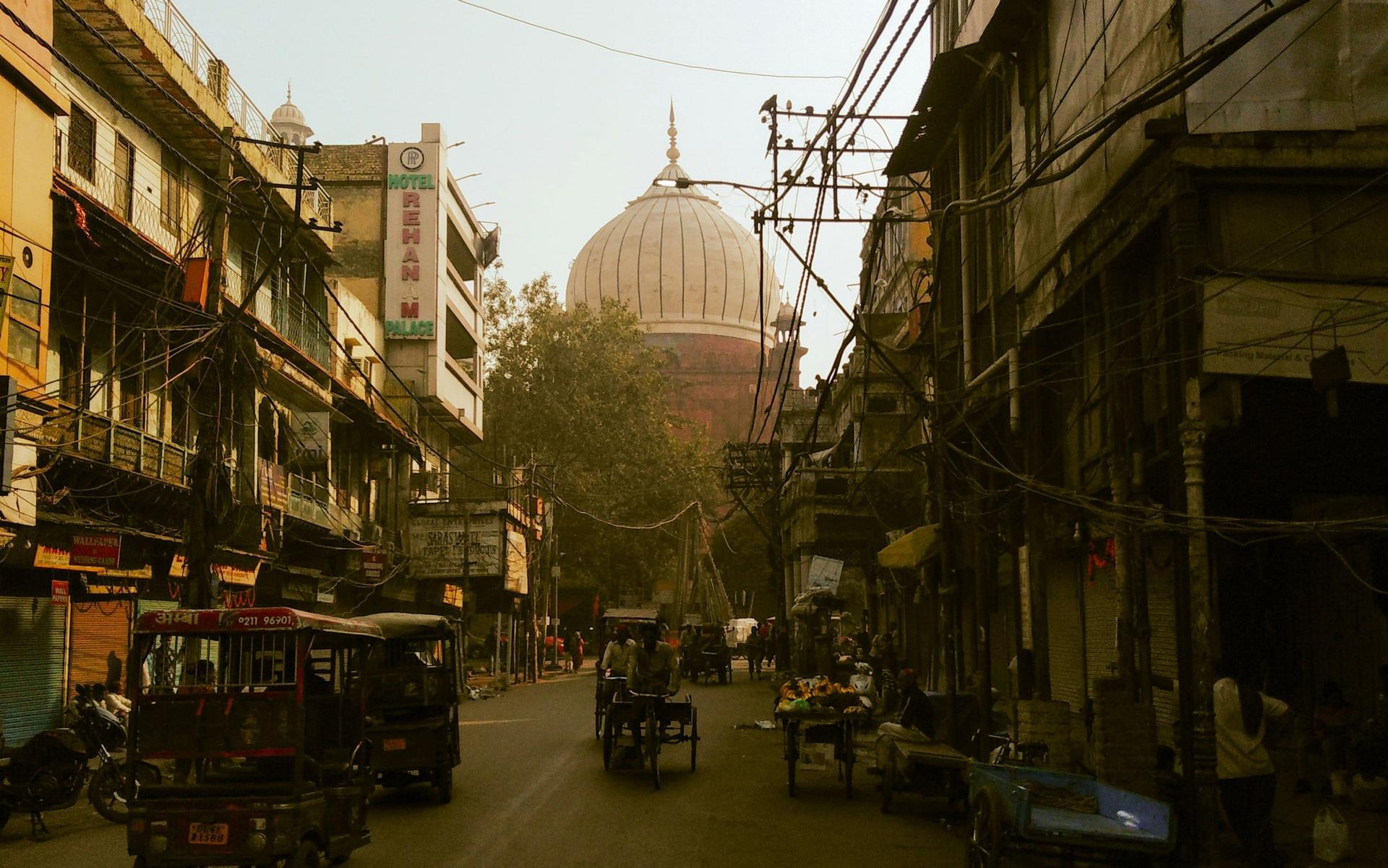
Shah Jahan founded the seventh city and its palace fort in 1639 and inaugurated them in 1648. Its plan is still legible on foot: the fort's Lahori Gate, the avenue of Chandni Chowk laid out in 1650, and the Jama Masjid, begun the same year on its own raised ground. Our Old Delhi and Red Fort walks are both inside it.
And an eighth that nobody counts
The list stops at seven, but the capital did not. The move of the capital to Delhi was announced at the Delhi Durbar in 1911, and New Delhi, planned round a ceremonial axis from Raisina Hill, was inaugurated on 13 February 1931. Walk that axis from India Gate and you are in a city the formula was too old to include.
Walk the layers
The six walks, oldest ground first: Qutub Minar, Lodhi Garden, Humayun's Tomb, the Red Fort, Old Delhi and India Gate and Kartavya Path. They sit in four clusters, linked by metro, taxi or auto-rickshaw, never on foot. For how to put them together, read How to Read Delhi on Foot.
Ready to experience it?
Old Delhi: Shah Jahan's Avenue, Lanes and Friday Mosque
90 min · 3.1 km · easy
More from Delhi
Explore more at your own pace.
Delhi Monument Tickets, Hours and Closures (Checked November 2026)
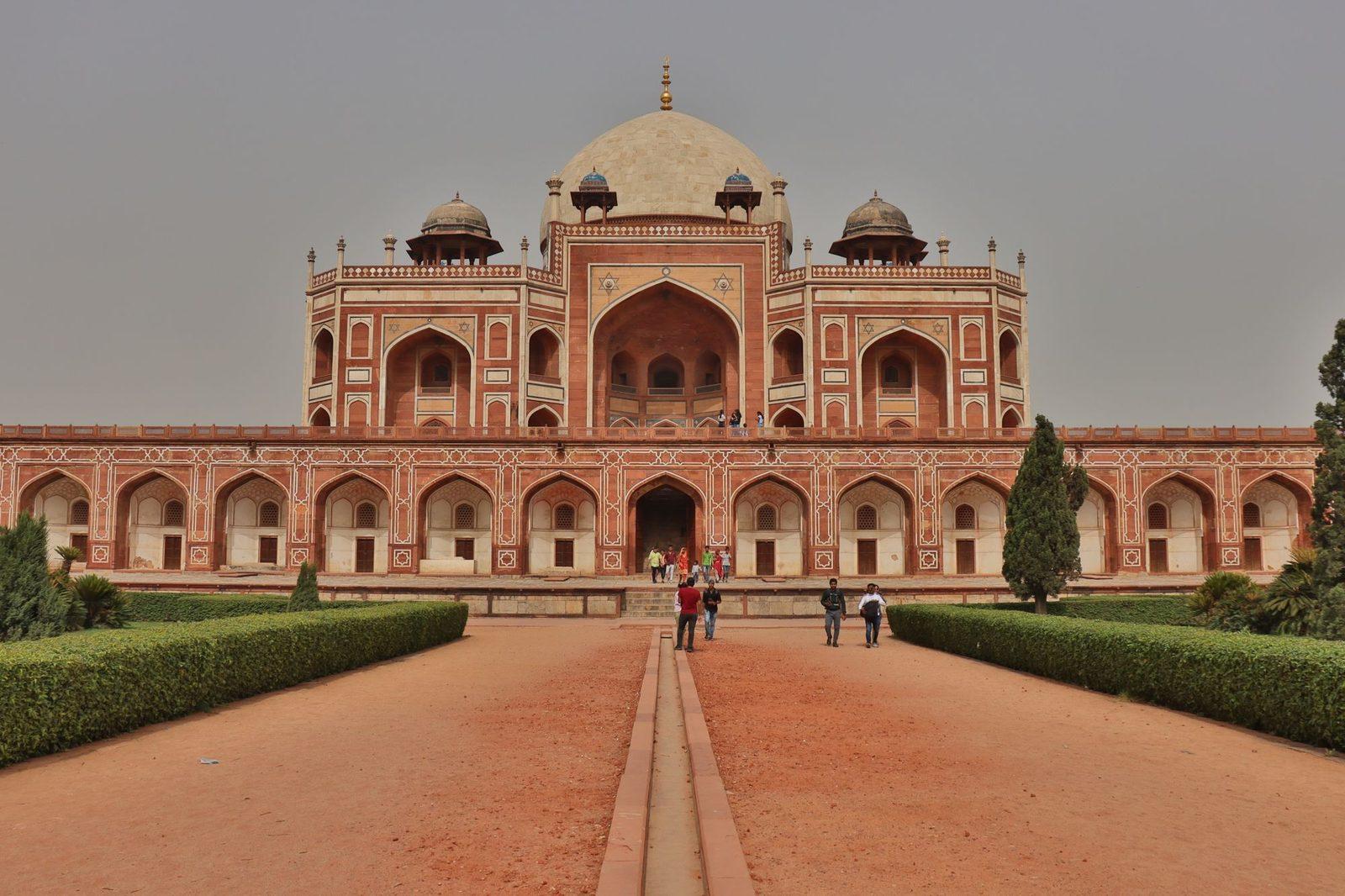
Delhi's Garden Tombs: From the Lodis to Humayun, in Four Steps
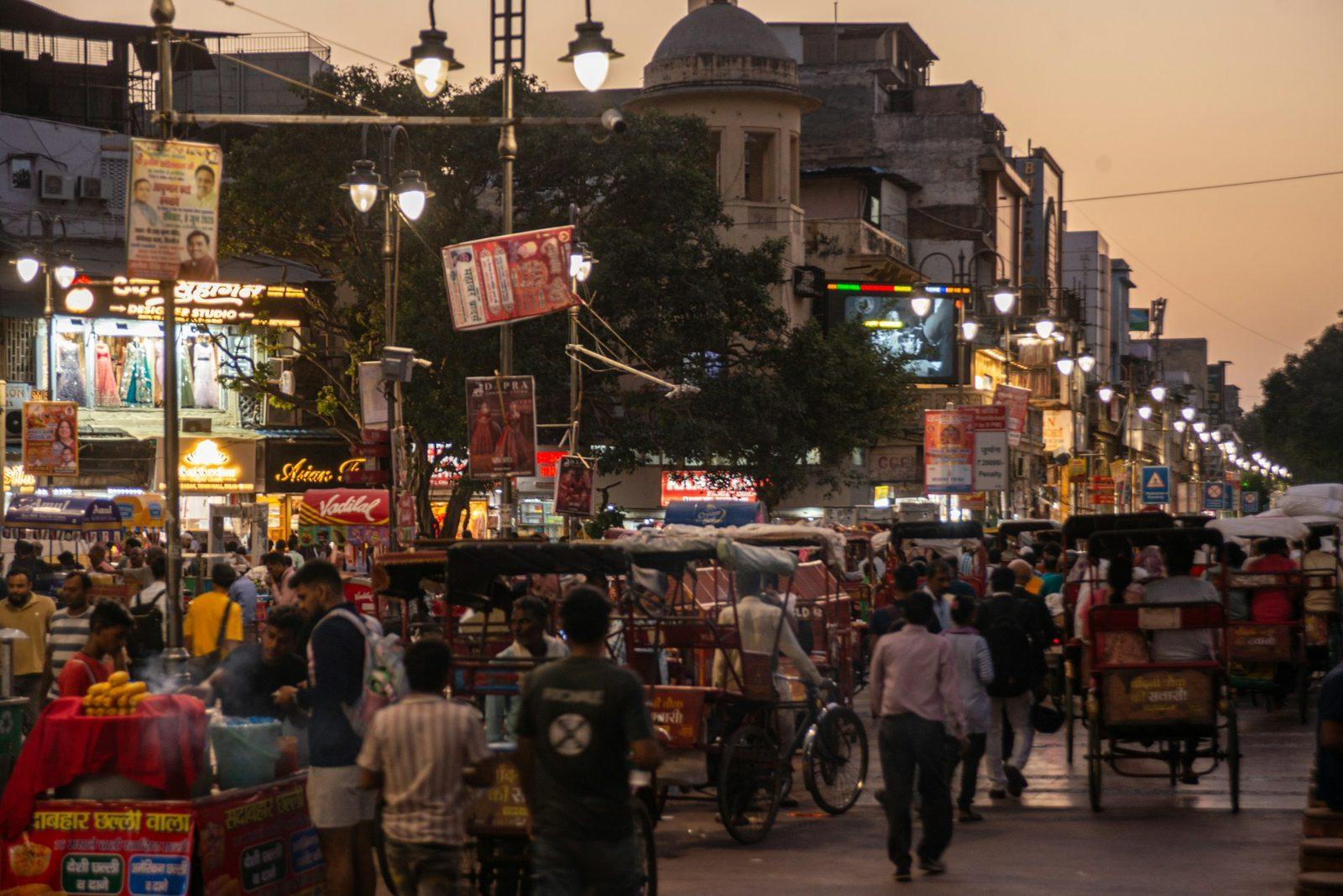
Chandni Chowk: Reading Shah Jahan's Planned City on Foot
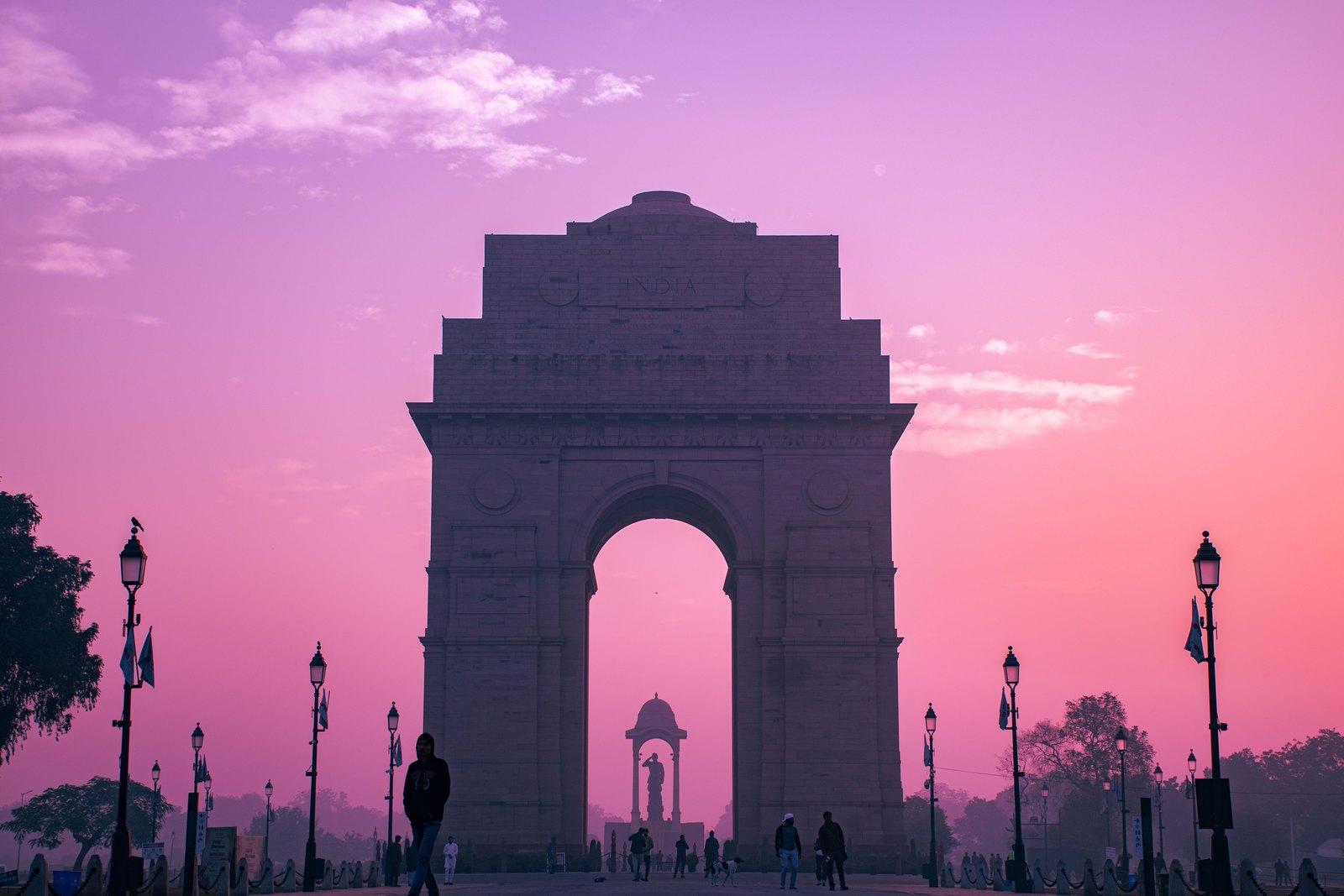
India Gate and Kartavya Path: Who Is Named Where on the Axis
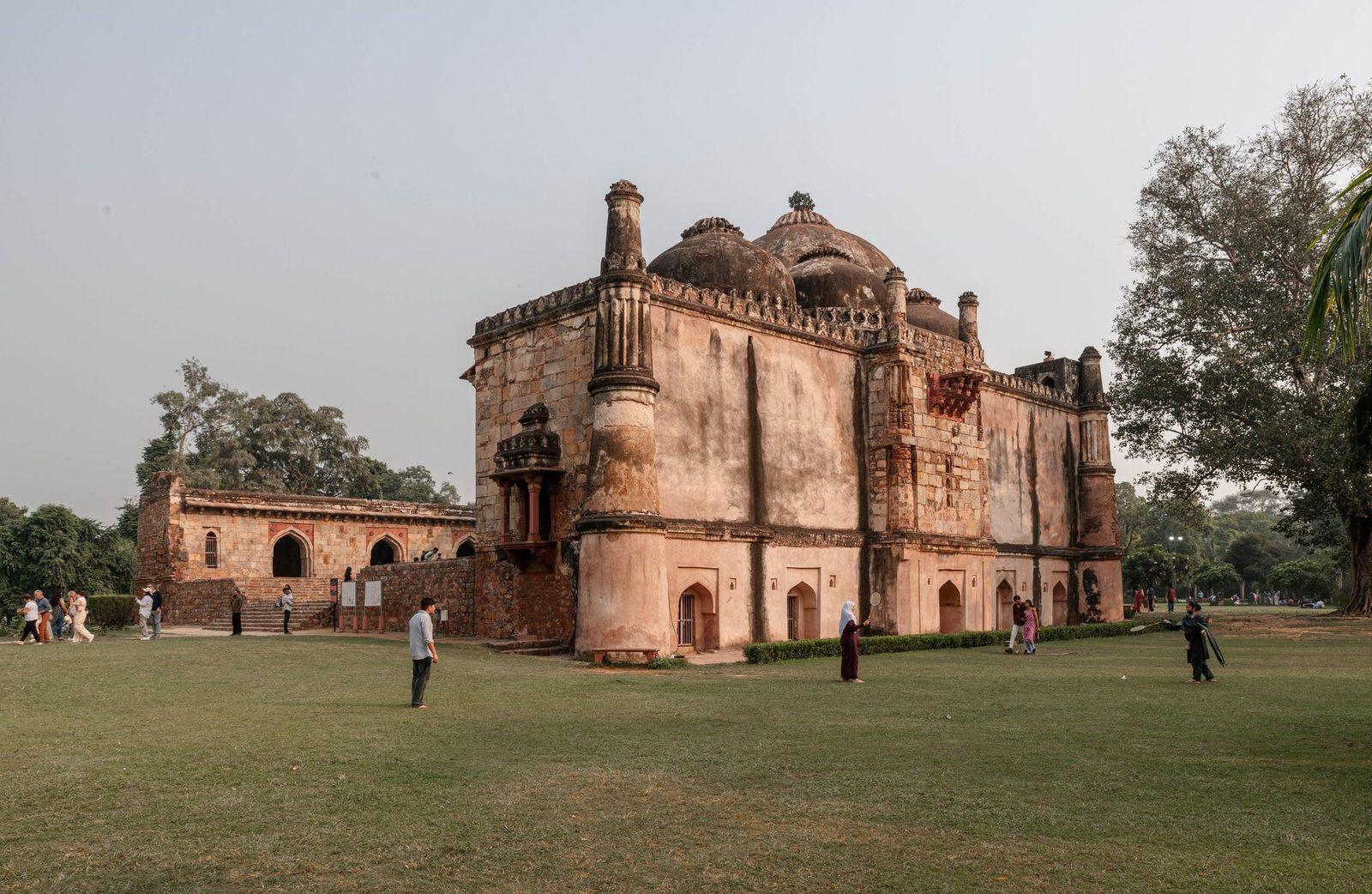
Lodhi Garden: A 1936 Park Around the Tombs of the Sultans