Humayun's Tomb: A Dynasty's Argument in a Garden
75 min · 1.9 km · easy
The Mughal garden tomb grew in steps, and in Delhi you can walk them in order. Start with the Sayyid and Lodi octagons of the 1440s in Lodhi Garden. Then comes Sikandar Lodi's walled garden tomb of after 1517, which the Archaeological Survey of India itself calls the first garden tomb built in India. Next is Isa Khan's octagon in its sunken garden of the 1540s. Last stands Humayun's tomb at the center of a full fourfold garden, which set the pattern the Taj Mahal would later crown. Four steps, two walks, about 2 km apart.
Before the garden: a tomb for a king
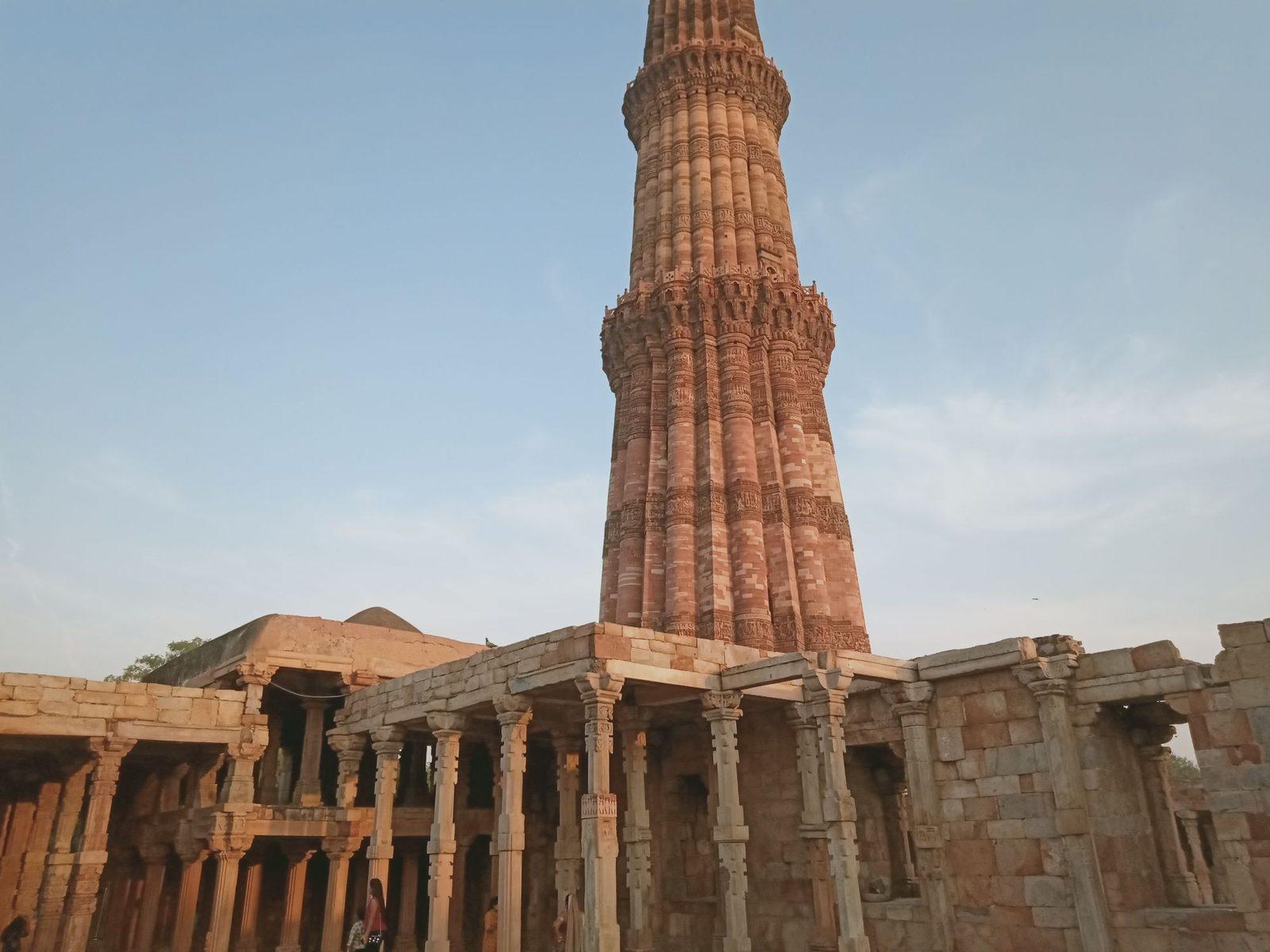
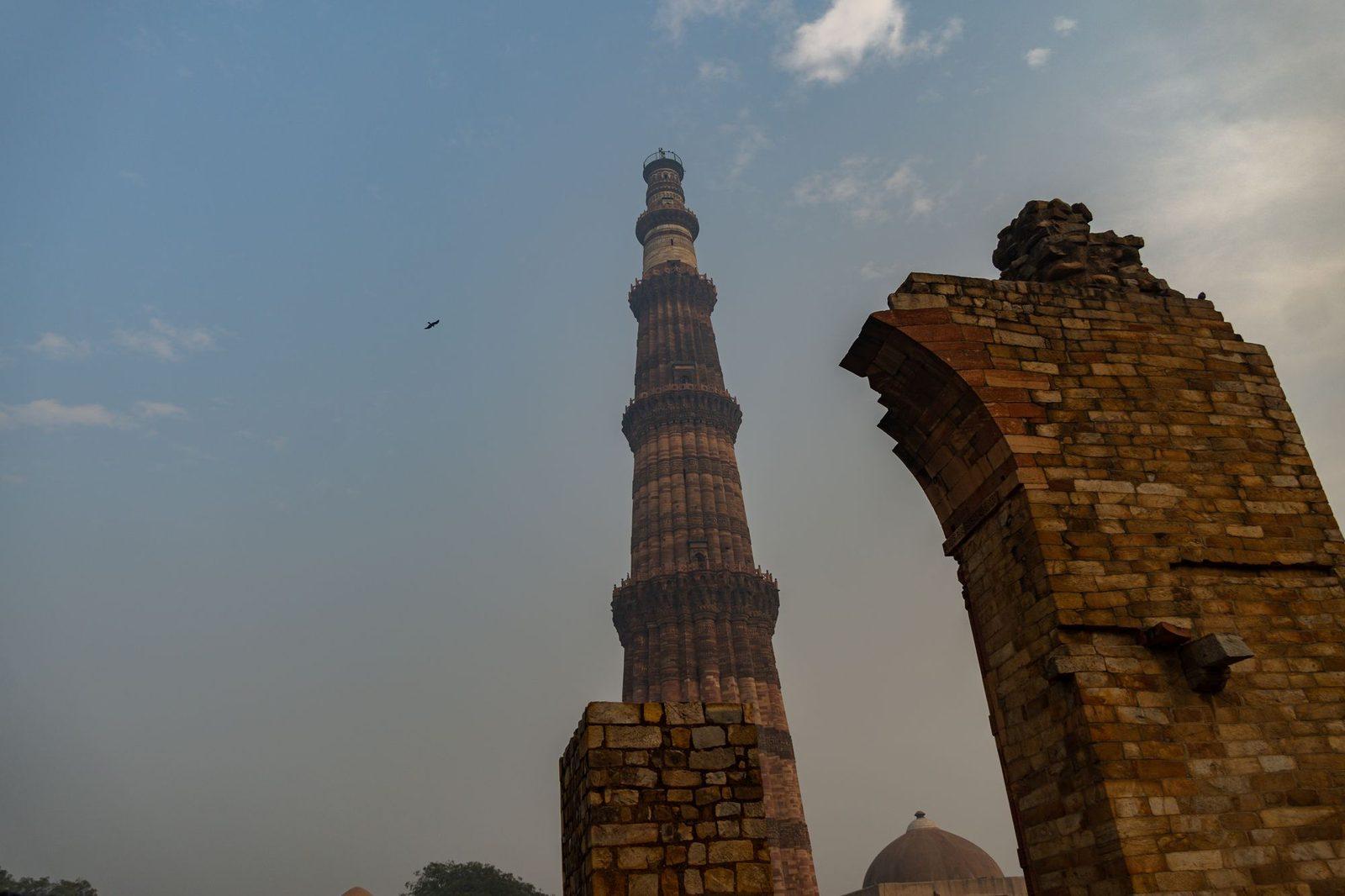
Royal tombs in Delhi begin at the Qutub. Iltutmish's tomb there, built about 1235, is a single square chamber, carved over every inside surface, and UNESCO says it marks the beginning of the tradition of constructing royal tombs. Y. D. Sharma, in the Archaeological Survey's handbook, notes an earlier one by the same sultan, the tomb he built in 1231 for his son, known as Sultan Ghari. These are tombs as buildings, not yet tombs as gardens.
By the fifteenth century, the architectural historian Percy Brown argued in 1942, Delhi's important tombs had settled into two shapes. One was an octagon wrapped in an arched veranda, one story high. The other was a square with no veranda, two or sometimes three stories tall. The three royal tombs of the Sayyid and Lodi period are all octagons, so Brown thought the octagon was probably the recognized design for a king, with the square kept for nobles.
Step one: the octagon
Hear a stop from this walk
Humayun's Tomb: West Side
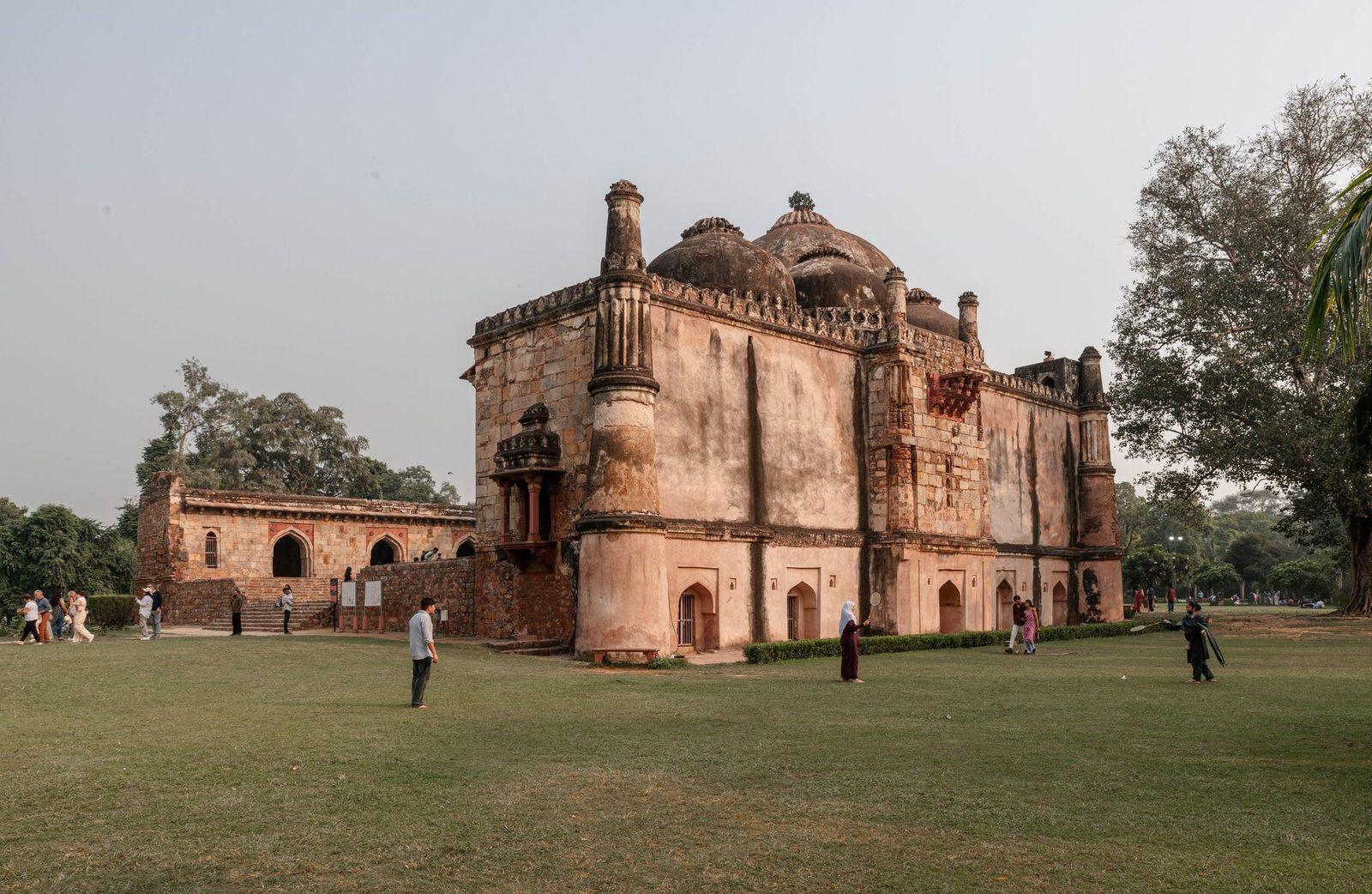
In Lodhi Garden you can stand in front of both. The tomb held to be that of Muhammad Shah, a Sayyid king who died in the mid-1440s, is the octagon in its finished form: a veranda of arches on every face, a domed kiosk over each, sloping buttresses at the corners and a dome on a sixteen-sided drum. A few minutes' walk away the Sheesh Gumbad, named for its blue glazed tiles, is the square: taller, without a veranda, its occupants unknown. The tombs stand in open lawn today, but that lawn is the park of 1936.
Step two: the wall and the garden
Sikandar Lodi died in 1517, and his tomb, believed to have been built after his death by his son Ibrahim, keeps the royal octagon but changes its setting. The 1919 survey describes an enclosure about 250 feet square, with battlemented walls 12 feet high and a gate in the south wall behind a fronting outwork. The tomb now stands inside a walled garden.
That is the step the Archaeological Survey's page singles out: "Although Sikandar Lodi's tomb was the first garden-tomb to be built in India, it is Humayun's tomb which set up a new vogue, the crowning achievement of which is the Taj at Agra." Brown saw the same tomb as "a definite stage of transition", midway between the fortified walls round the earlier tombs and the terraced gardens of the Mughal mausoleums to come. He also called its dome, with an inner and an outer shell, the first application in Indian architecture of a double dome.
Step three: a rival's garden
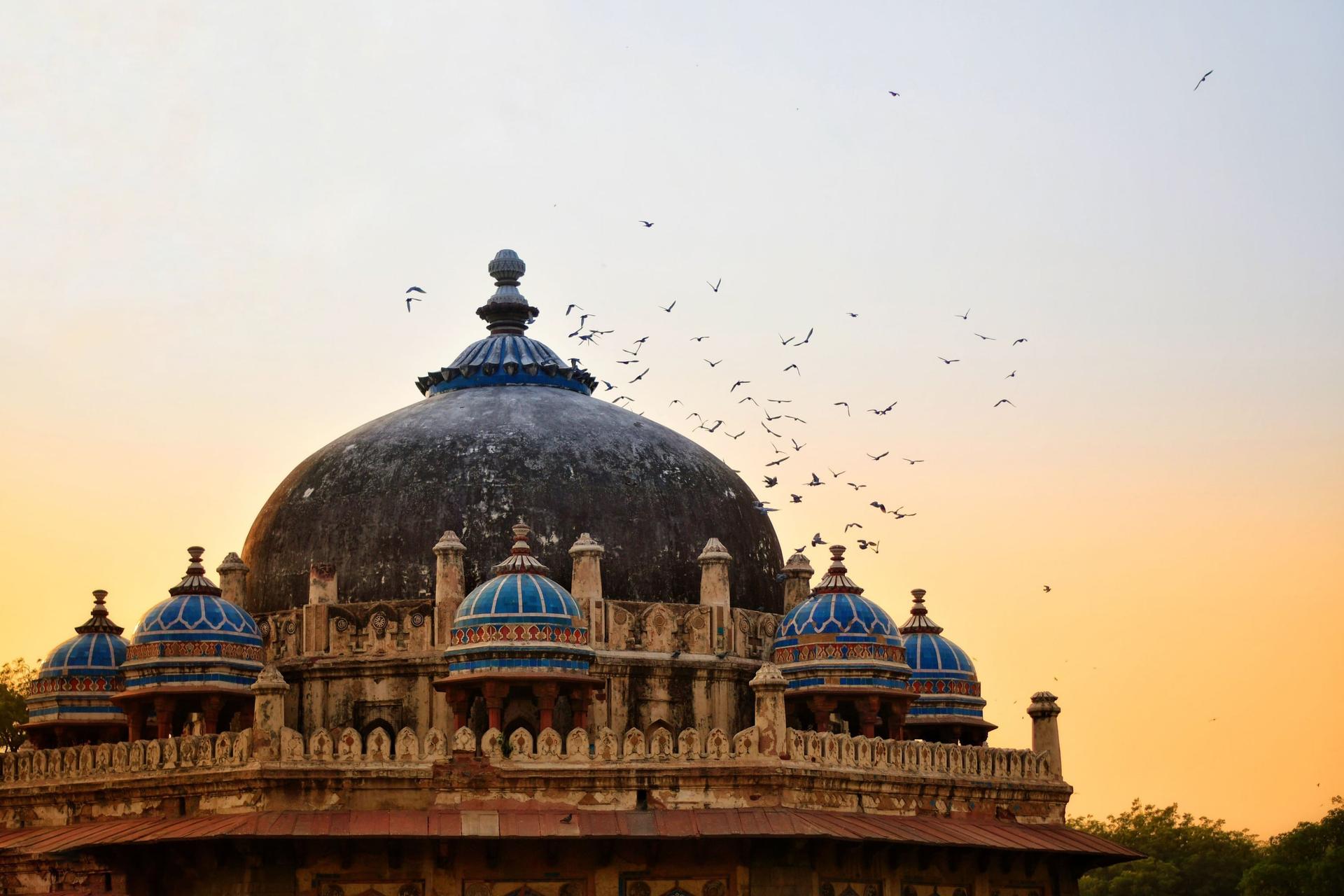
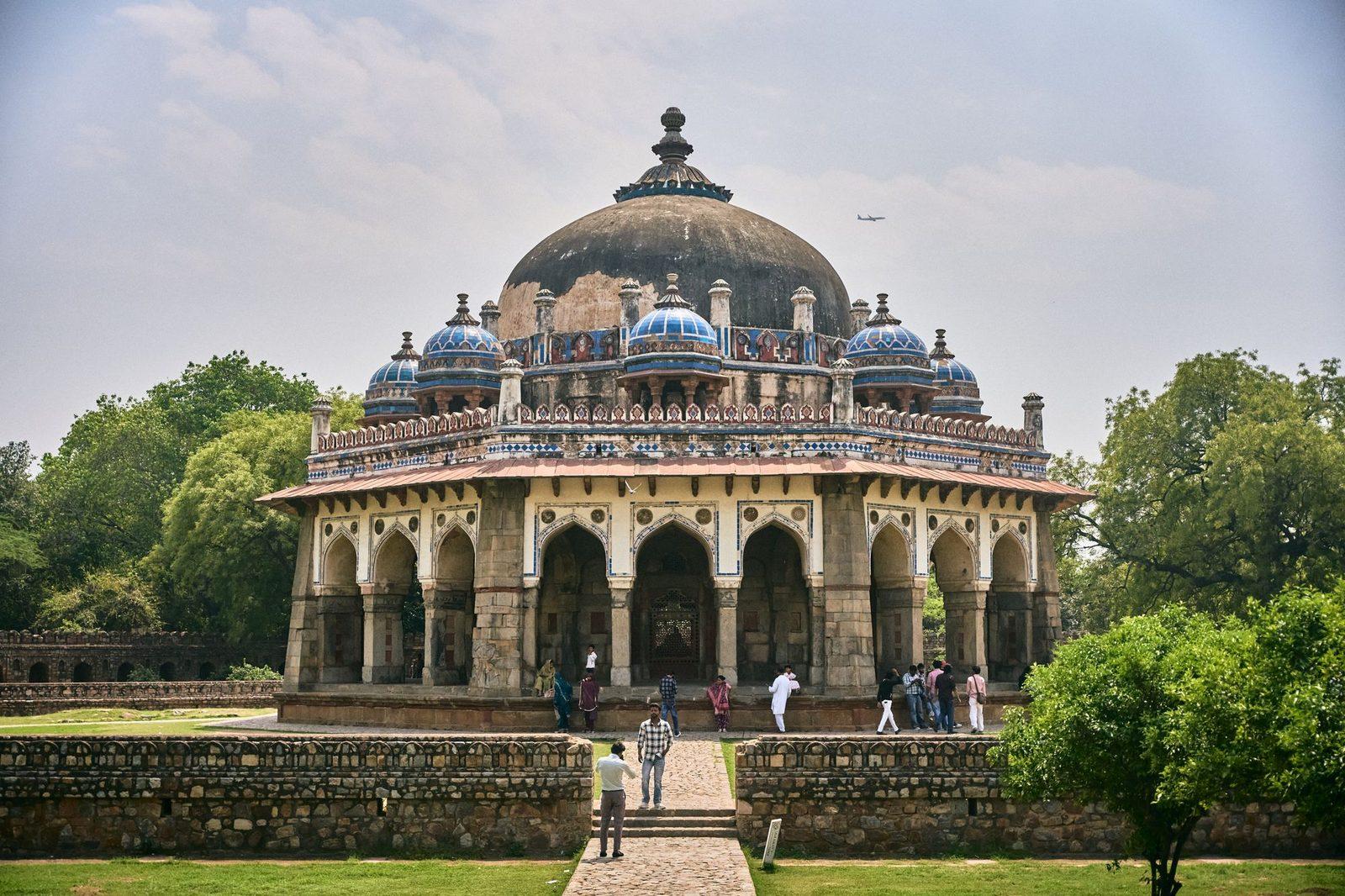
The next garden in the line was not Mughal. Humayun lost India in 1540 to the Sur dynasty, and it was a noble of that court, Isa Khan Niazi, whose tomb went up in 1547 and 1548 on the ground that later became the Humayun's Tomb complex. The Aga Khan Trust for Culture describes it as built in the style of the Sayyid and Lodi royal tombs, so the octagon continues, though for a noble rather than a king. What the Trust found when it restored the enclosure from 2011 was the garden. Digging to the original levels revealed a garden set below the paths around it, which the Trust calls the earliest surviving sunken garden of the Persian tradition.
Step four: the paradise grid
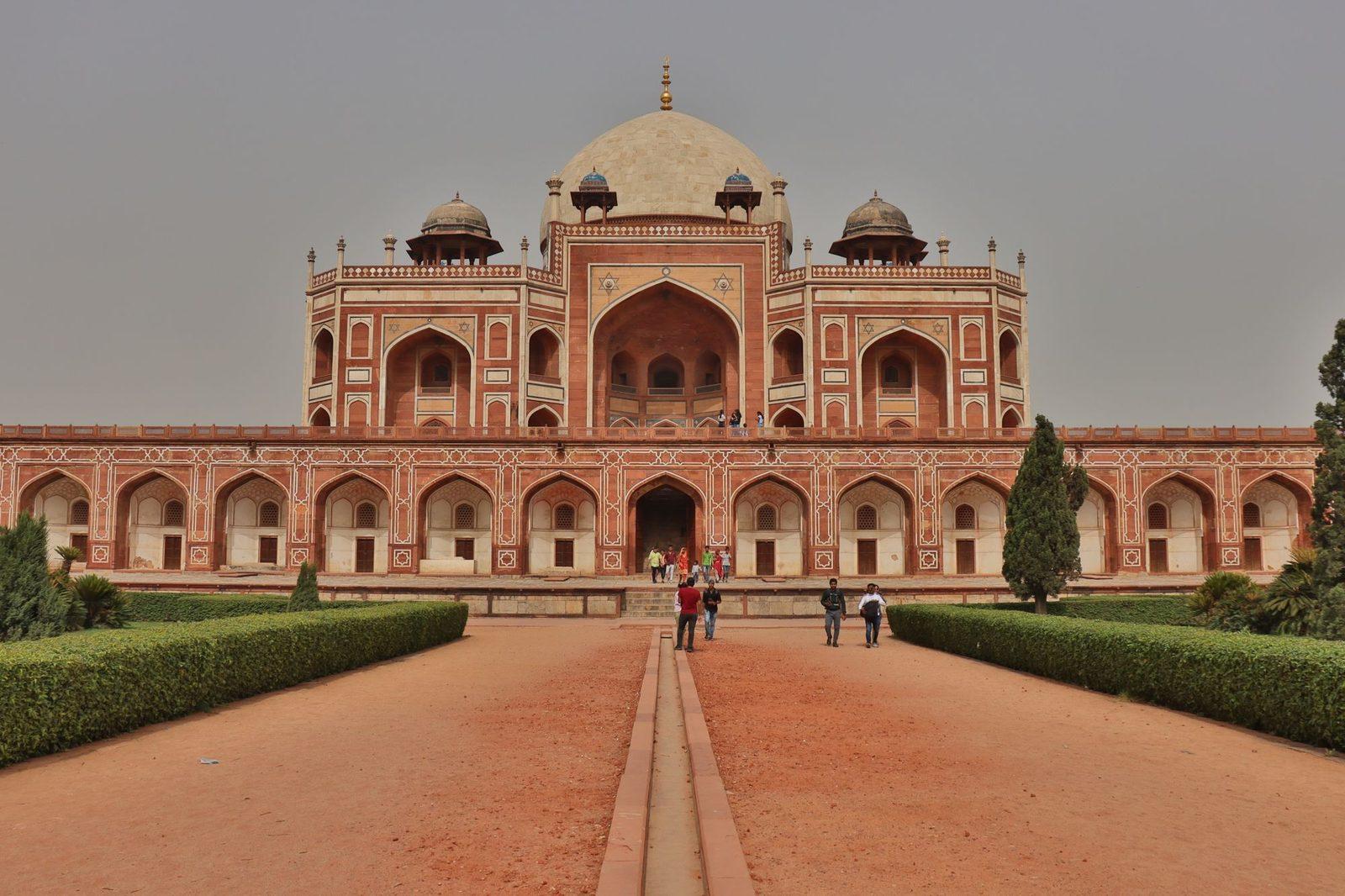
Humayun returned in 1555 and died in January 1556. His tomb, built in the 1560s and finished by about 1572 to a design by the Persian architect Mirak Mirza Ghiyas, put the tomb at the exact center of a garden that is itself the design. The Archaeological Survey describes a square garden divided into four parts by causeways with shallow water channels, the charbagh. UNESCO reads it as a garden with the four rivers of the Quranic paradise represented. Glenn Lowry measures it at 348 meters a side, and the Aga Khan Trust calls it the earliest surviving perfect charbagh. The tomb rises on a terrace about seven meters high under a double dome 42.5 meters tall, red sandstone trimmed in white marble.
Who commissioned it is argued. The Archaeological Survey credits Humayun's widow, Haji Begum; many historians credit his son, Akbar. Its rank is clearer. It is not the first garden tomb, whatever older guidebooks say. In UNESCO's words it is the first of the grand dynastic mausoleums, the one that took a form developed by the sultans and their rivals and made it imperial.
Why the setting matters
UNESCO gives one more reason this ground fills with tombs. The Humayun's Tomb complex lies near the shrine of the fourteenth-century Sufi saint Nizamuddin Auliya, and since it is considered auspicious to be buried near a saint, seven centuries of tomb building have made the area the densest ensemble of medieval Islamic buildings in India.
Walk the steps
Lodhi Garden: Tombs of the Sultans, Oldest First covers steps one and two in a free park; Humayun's Tomb: A Dynasty's Argument in a Garden covers three and four inside the ticketed complex, about 2 km east by taxi or auto-rickshaw. The Qutub Minar walk holds the royal tomb that came first. Our companions on Lodhi Garden and Humayun's Tomb go stop by stop.
Ready to experience it?
Humayun's Tomb: A Dynasty's Argument in a Garden
75 min · 1.9 km · easy
More from Delhi
Explore more at your own pace.
Delhi Monument Tickets, Hours and Closures (Checked November 2026)
The Seven Cities of Delhi: A Tradition, Not a Count

Chandni Chowk: Reading Shah Jahan's Planned City on Foot

India Gate and Kartavya Path: Who Is Named Where on the Axis
Lodhi Garden: A 1936 Park Around the Tombs of the Sultans