Chandni Chowk began around sixteen fifty as a ceremonial avenue with a shallow channel of Yamuna river water running down its center, and it became the loudest market street in India. To walk it well is to hold both of those truths at once, and to read the last Mughal capital, Shahjahanabad, along a single continuous line: stacked faiths, craft lanes selling silver and tinsel and spice, and two great mosques that bookend the street. The avenue is the spine of the old walled city, and it is the way into a walk that never once needs a group or a guide steering you toward a stall.
The line Shah Jahan drew
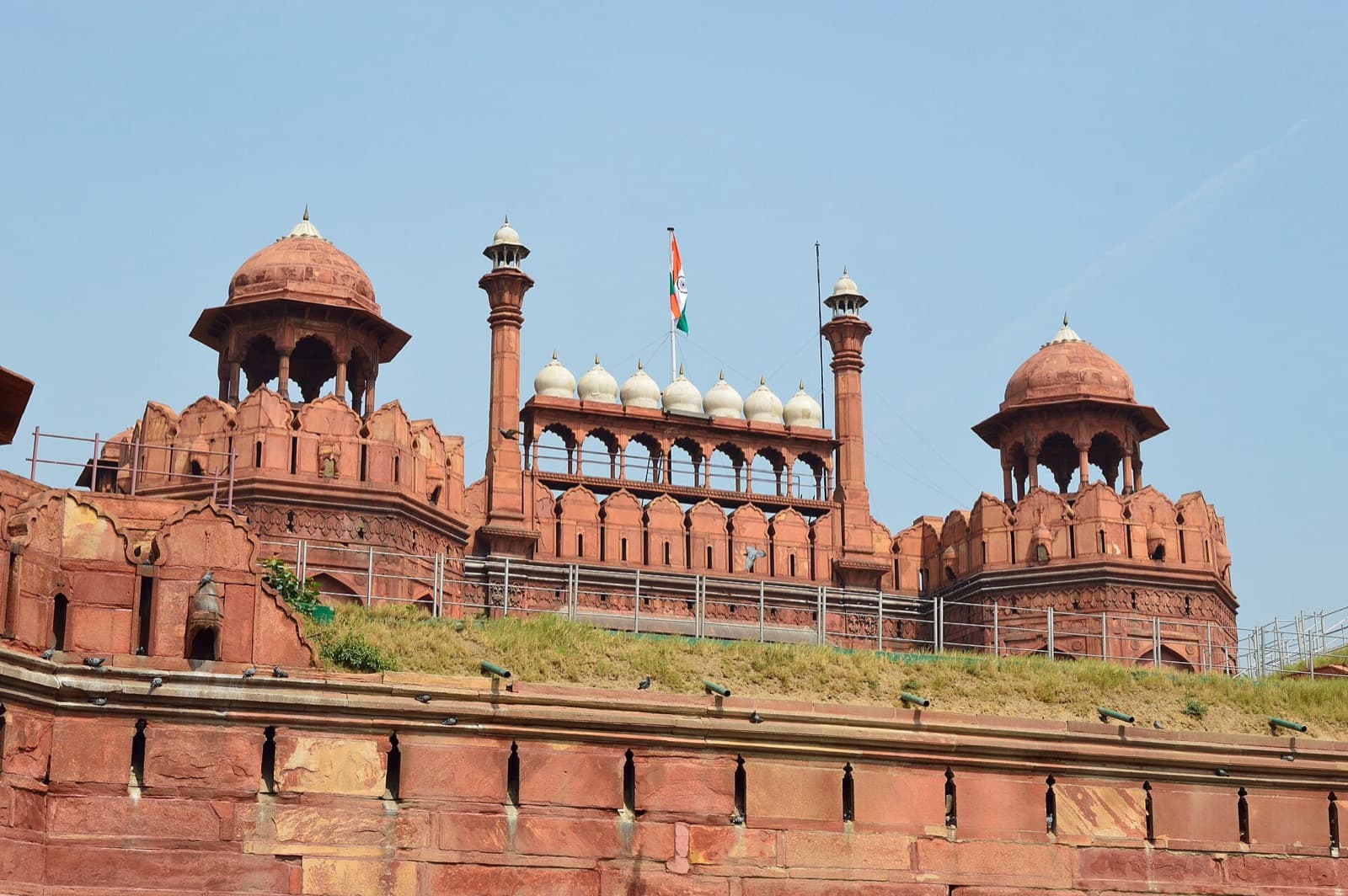
When the emperor Shah Jahan founded a new capital and named it after himself, Chandni Chowk was its main axis. The street ran roughly one and a third kilometers from the Lahori Gate of the Red Fort at the east to the Fatehpuri Masjid at the west, a straight formal vista about forty yards wide. The name Chandni means moonlight. By tradition it comes from the moon reflected in the water channel that once ran down the middle of the avenue, though the name also links to the silver trading that took root here.
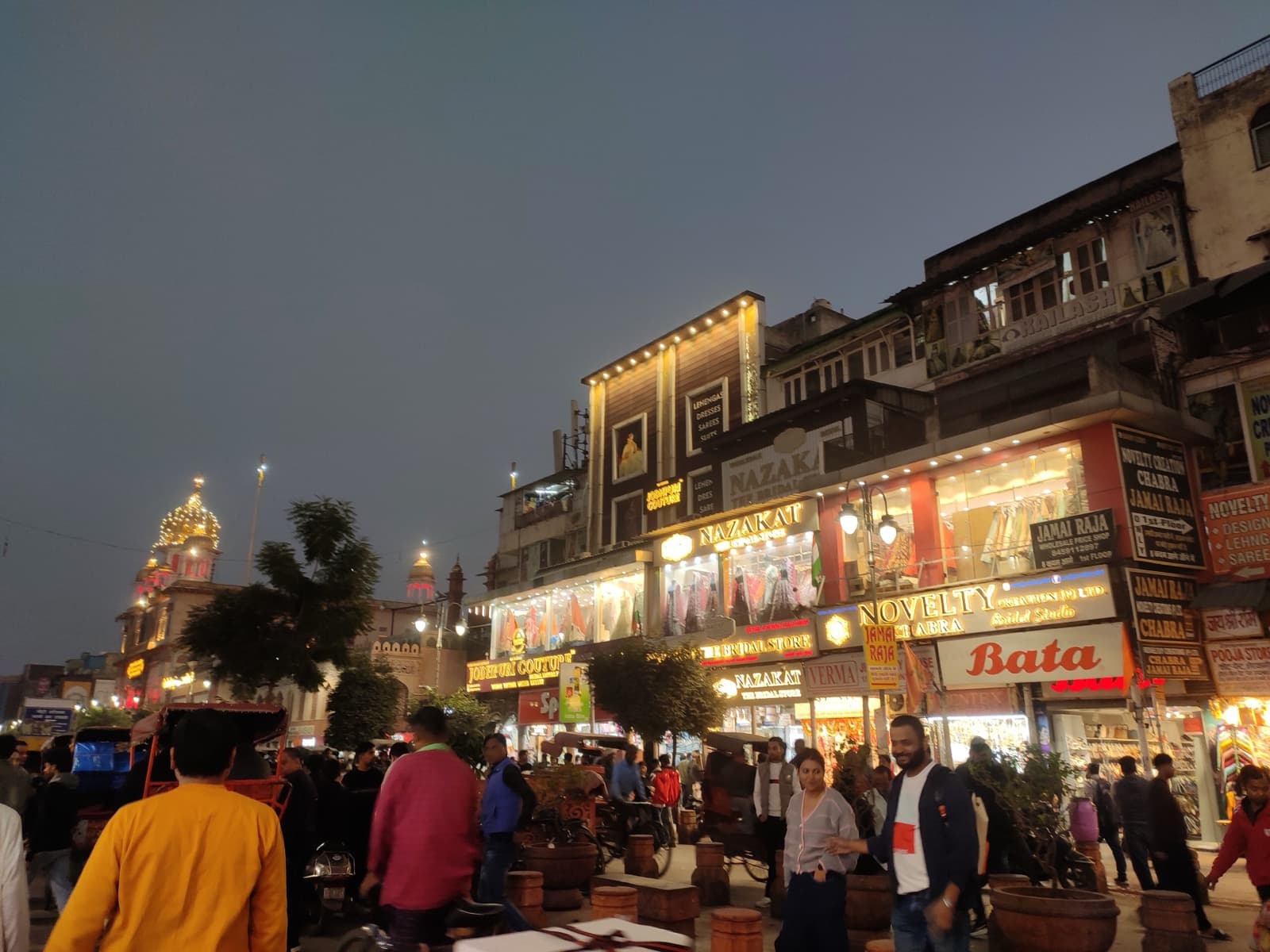
The market was not the emperor's work alone. Shah Jahan's eldest daughter, Jahanara Begum, designed the bazaars and built her own caravanserai, a resting house for travelling merchants. Originally the street held something like fifteen hundred sixty shops arranged in a half-moon shape. The canal is gone now, and that ordered vista is hard to picture under the present roar of cycle-rickshaws, porters, and hawkers. But the geometry survives. The avenue still runs fort to mosque, and everything worth reading in the old city hangs off it.
That is why Chandni Chowk works as the way in rather than just another stop. Stand on it and you are standing on the organizing idea of a whole capital. The rest of the walk is that idea, unpacked lane by lane. If you are planning the wider city, the Delhi walking tours hub sets this route among the others, and the Delhi city page shows how Old Delhi connects to the rest.
Faiths stacked side by side
Hear a stop from this walk
Jama Masjid: The Mosque Built to Crown the Capital
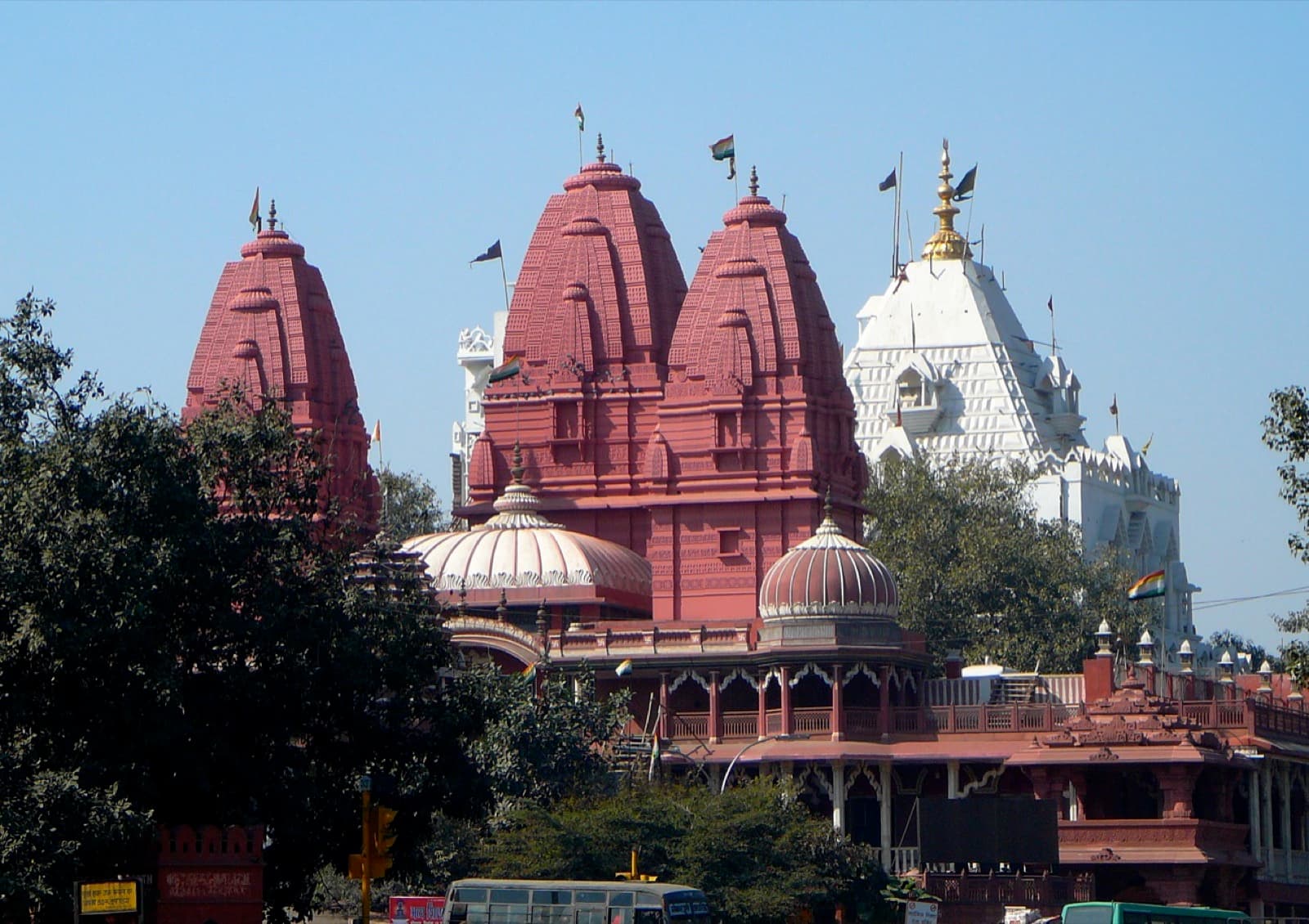
The most surprising thing about the avenue is not its scale. It is how many ways of living sit against each other on one street. Opposite the Red Fort stands the Sri Digambar Jain Lal Mandir, the red temple, the oldest and best-known Jain temple in Old Delhi. It was first established in sixteen fifty-six, in Shah Jahan's own reign, though the buildings you see today date from eighteen seventy-eight. Behind it is the reason many people come at all: the Jain Birds Hospital, a charity clinic that treats roughly fifteen thousand birds a year. It is a living expression of ahimsa, the Jain principle of non-violence toward all living things. A merchant community's shrine, with a hospital for injured pigeons, directly across from the seat of imperial power.
A few minutes on stands Gurudwara Sis Ganj Sahib, one of the most revered Sikh shrines in Delhi. It marks the site where the ninth Sikh guru, Guru Tegh Bahadur, was publicly executed in sixteen seventy-five on the orders of the Mughal emperor Aurangzeb. What sets the martyrdom apart is its reason. The guru was not defending his own community. He had come to the defence of a group of Kashmiri Pandits, Hindus who were being pressed to convert, and he stood for their right to keep their own faith. He died for another people's freedom of belief. Like every gurudwara, this one runs a langar, a free community kitchen that seats anyone who comes, of any faith, together as equals. On the noisiest street in the old city, it is a quiet place.
The two mosques that bookend the street
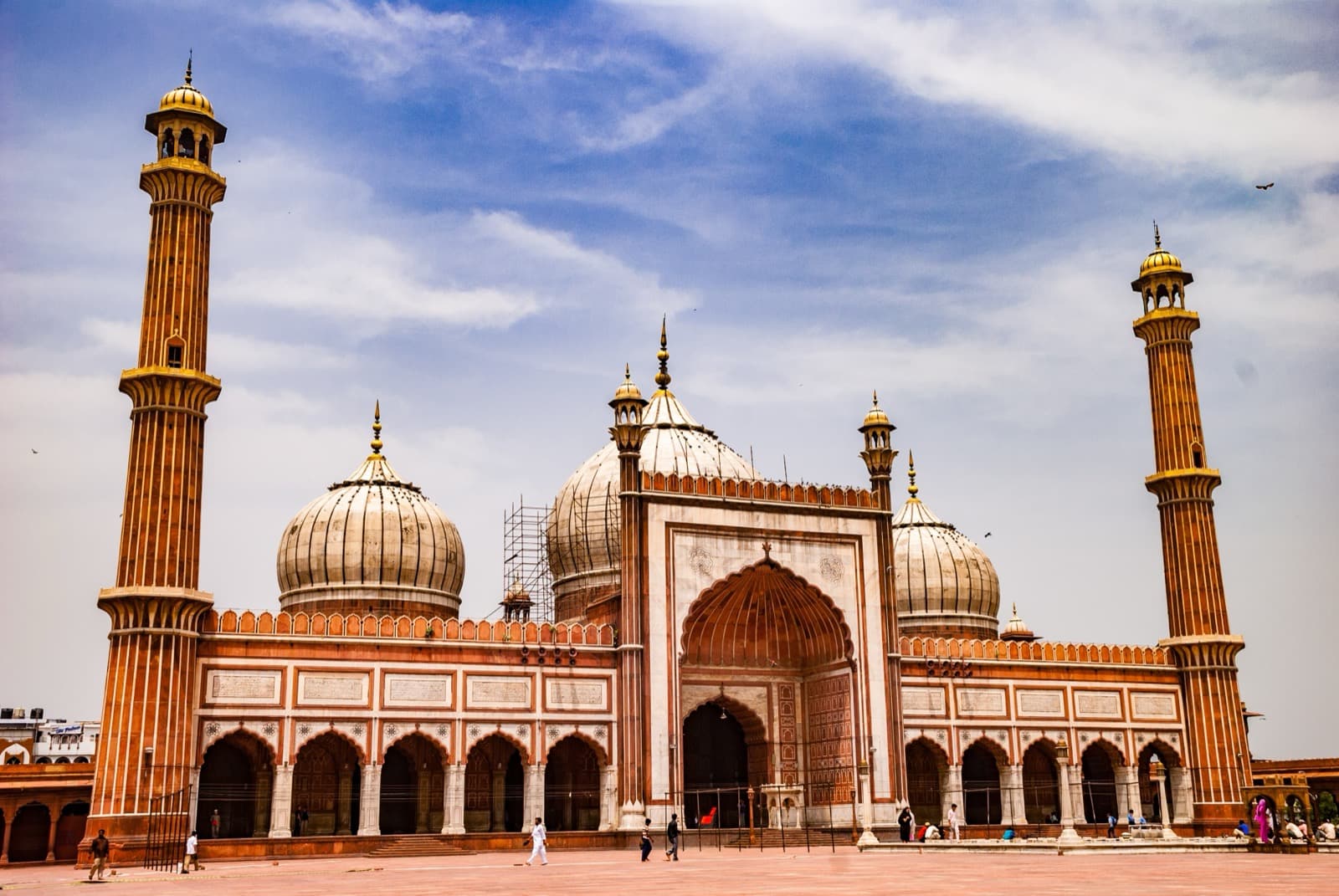
If the faiths are the walk's cross-section, the mosques are its frame. Just off the avenue rises the Jama Masjid, the great congregational mosque Shah Jahan built between sixteen fifty and sixteen fifty-six, at the same time he was raising the Red Fort and the city itself. It is one of the largest mosques in India, red sandstone banded with white marble on a stepped platform. Its two sandstone minarets stand about forty-one metres high, roughly one hundred thirty-five feet, and its open courtyard is said to hold about twenty-five thousand worshippers at once. Its original name, Masjid-i Jahan-Numa, carries the sense of a mosque that commands a view of the world. It was built to crown the capital.
At the far western end, closing the avenue just as the fort opens it, stands the Fatehpuri Masjid, built in sixteen fifty by Fatehpuri Begum, one of Shah Jahan's wives. Its story carries the fall of the empire in it. After the revolt of eighteen fifty-seven the British confiscated the mosque and auctioned it off to a merchant, Lala Chunnamal, for nineteen thousand rupees. Then, in eighteen seventy-seven, the Government of India reacquired it through a land exchange and restored it to Muslim worship. One mosque built to crown the capital, one that outlived the empire's fall, and the whole avenue strung between them.
Craft lanes and air you can taste
Between the monuments, the old city narrows into a web of specialist lanes that still sell what they always sold. Dariba Kalan has traded silver and gold for over three hundred fifty years; its name is traditionally read as the street of the incomparable pearl. Kinari Bazaar sells gota, zari, and tinsel braid, a trade that goes back to the mid seventeenth century when royal ladies sent here for gold thread. Paranthe Wali Gali took its name from its fried-bread shops and was already known by that name by nineteen eleven; the smell of frying reaches you before the lane does.
The walk ends at Khari Baoli, one of the largest wholesale spice markets in Asia, its name from a stepwell laid on this site in fifteen fifty-one, before Shahjahanabad even existed. Old havelis are stacked floor to ceiling with sacks of chilli, turmeric, nuts, and dried fruit, and the air is sharp enough to catch the back of your throat and make you cough. That is the market announcing itself before you buy a thing.
Seven stops, about three kilometers, roughly an hour and a quarter at an unhurried pace. No group waits on you, no tout counts the minutes. You pause where a temple or a spice lane holds you, and press on when you are ready. That is how you read a four-hundred-year-old capital in a single line, entirely on your own clock.
Sources
- Chandni Chowk, Wikipedia. Origin around sixteen fifty, the water channel and moonlight etymology, the fort-to-Fatehpuri layout, the forty-yard width, and the fifteen hundred sixty shops in a half-moon arrangement.
- Chandni Chowk: Jahanara's Glorious Moonlight Square, Sahapedia. Jahanara Begum's role in designing the bazaars and her caravanserai.
- Jama Masjid, Delhi, Wikipedia. Construction dates sixteen fifty to sixteen fifty-six, the forty-one metre minarets, the twenty-five thousand courtyard capacity, and the name Masjid-i Jahan-Numa.
- Martyrdom of Guru Tegh Bahadur, SikhiWiki, and Gurdwara Sis Ganj Sahib, Wikipedia. The sixteen seventy-five execution under Aurangzeb and the defence of the Kashmiri Pandits.
- Fatehpuri Mosque, Wikipedia. The sixteen fifty endowment by Fatehpuri Begum, the eighteen fifty-seven auction to Lala Chunnamal for nineteen thousand rupees, and the eighteen seventy-seven return through a land exchange.
Ready to experience it?
Old Delhi: The Last Mughal Capital
80 min · 3.3 km · moderate
More from Delhi
Explore more at your own pace.
Delhi Travel Guide: How Many Days, Getting Around, Best Time, and Safety
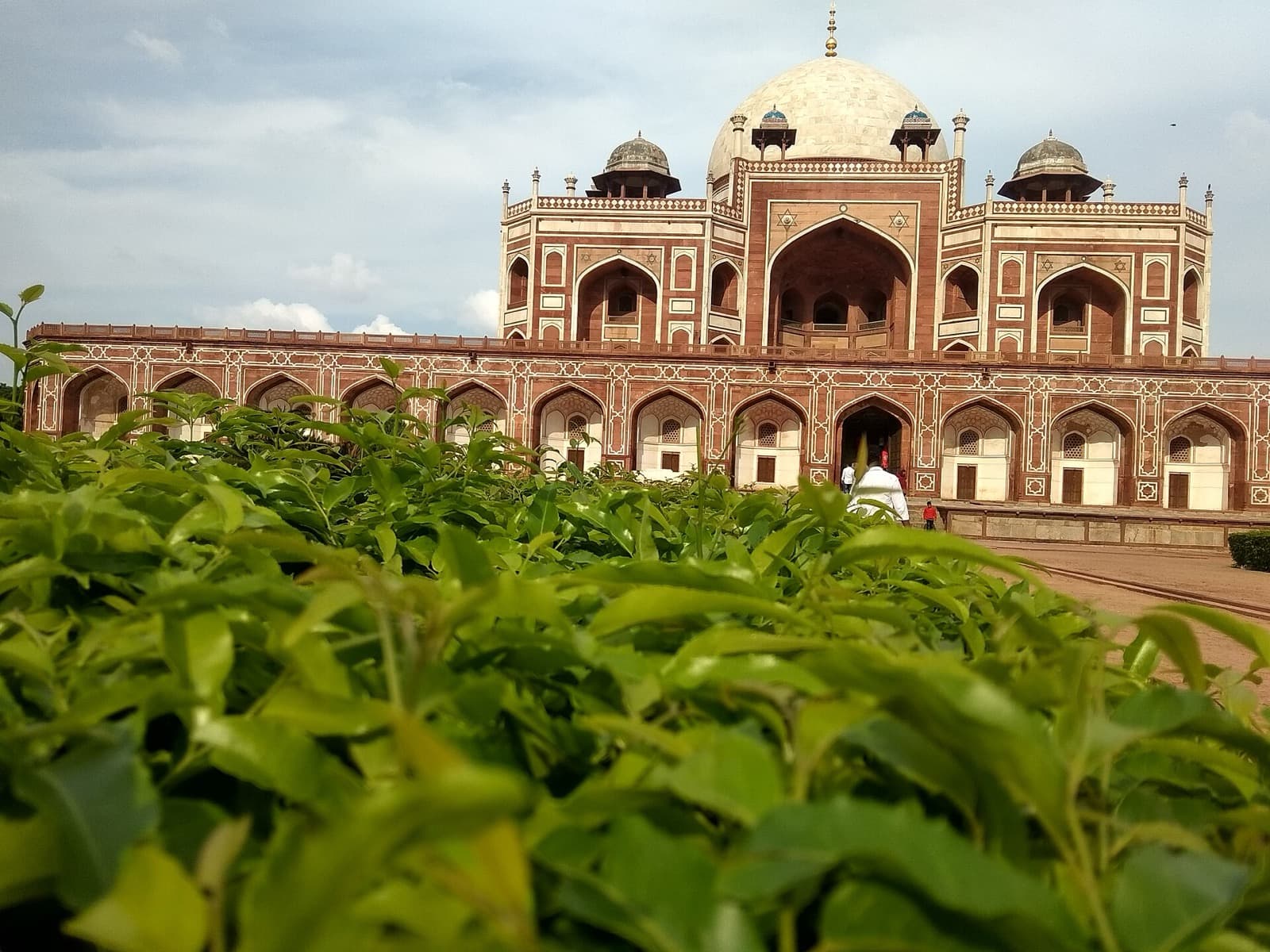
How Humayun's Tomb Drafted the Taj Mahal a Century Early
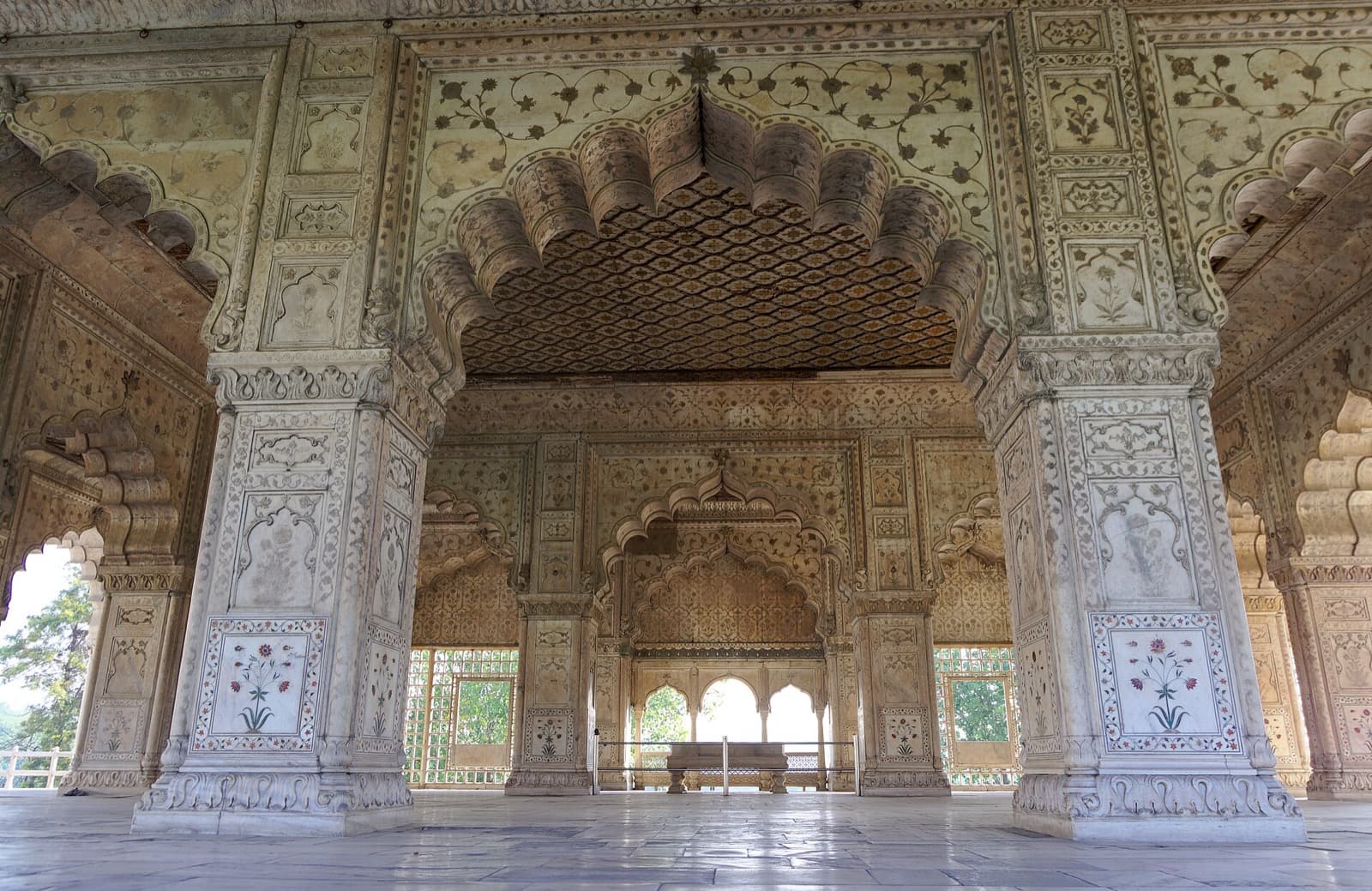
The Diwan-i-Khas at Delhi's Red Fort: The Hall That Called Itself Paradise and Lost Its Throne
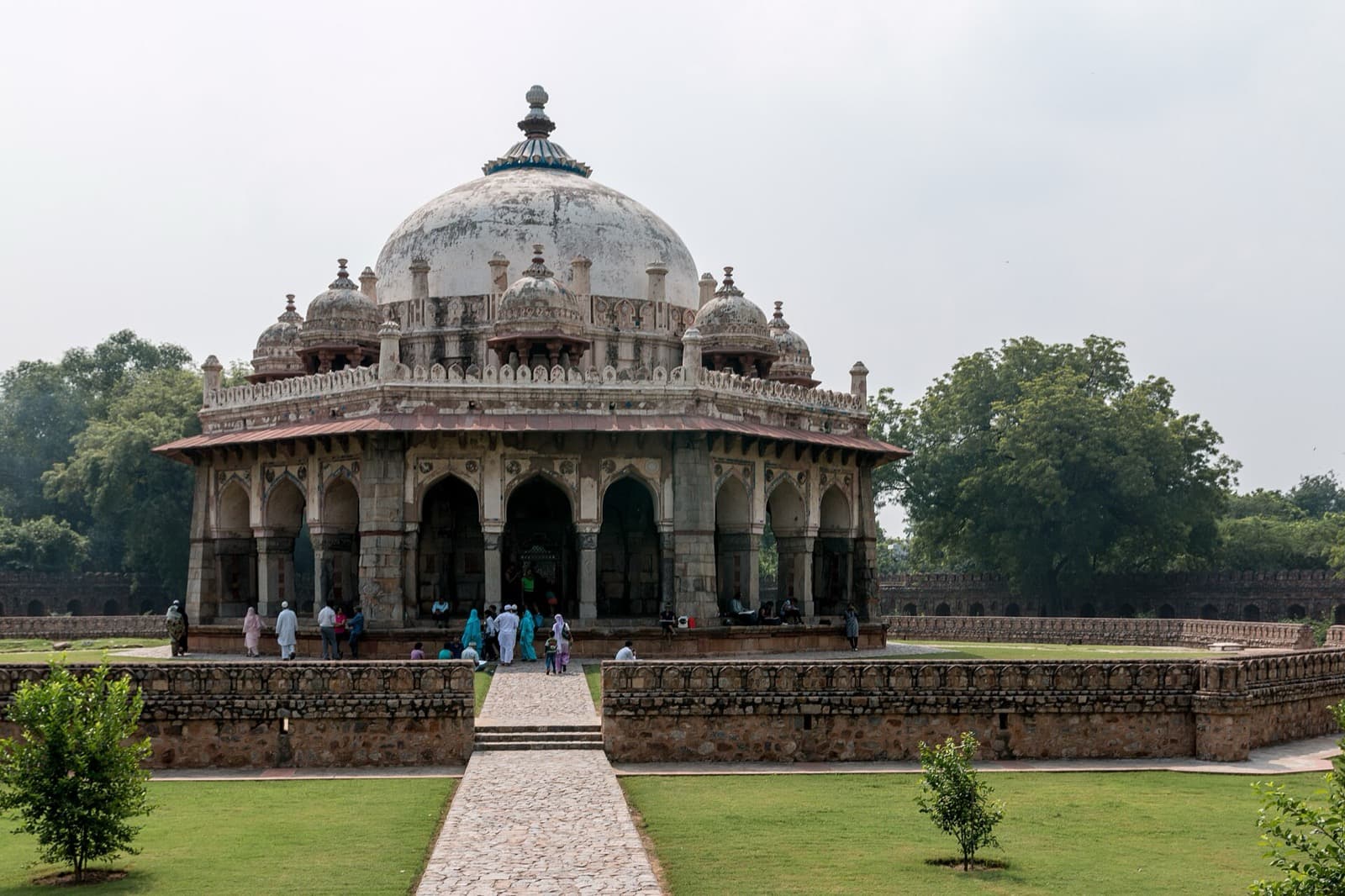
Isa Khan's Tomb and Mosque: The World Just Before the Mughals
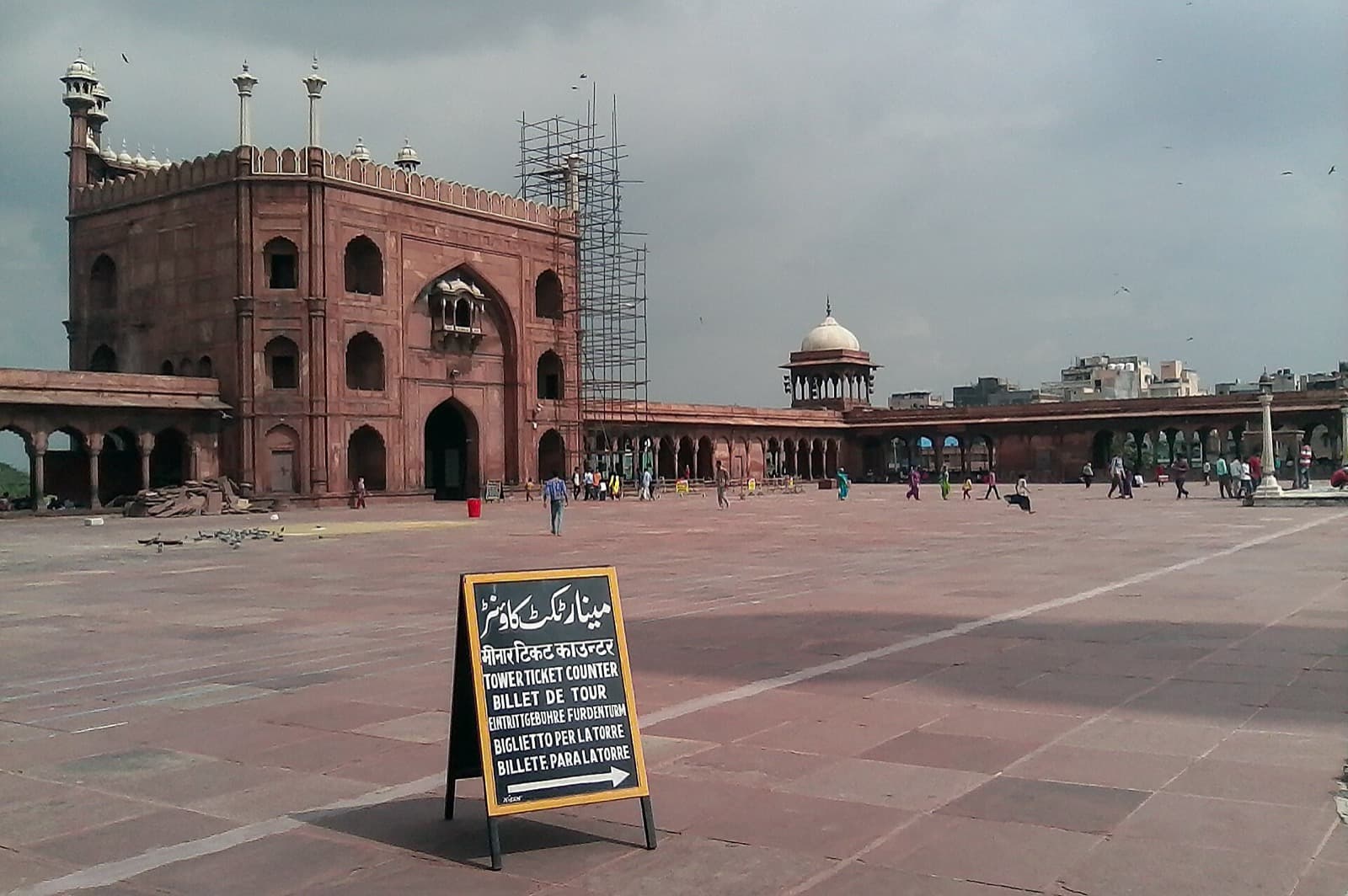
Jama Masjid: The Mosque Shah Jahan Built to Crown His Capital