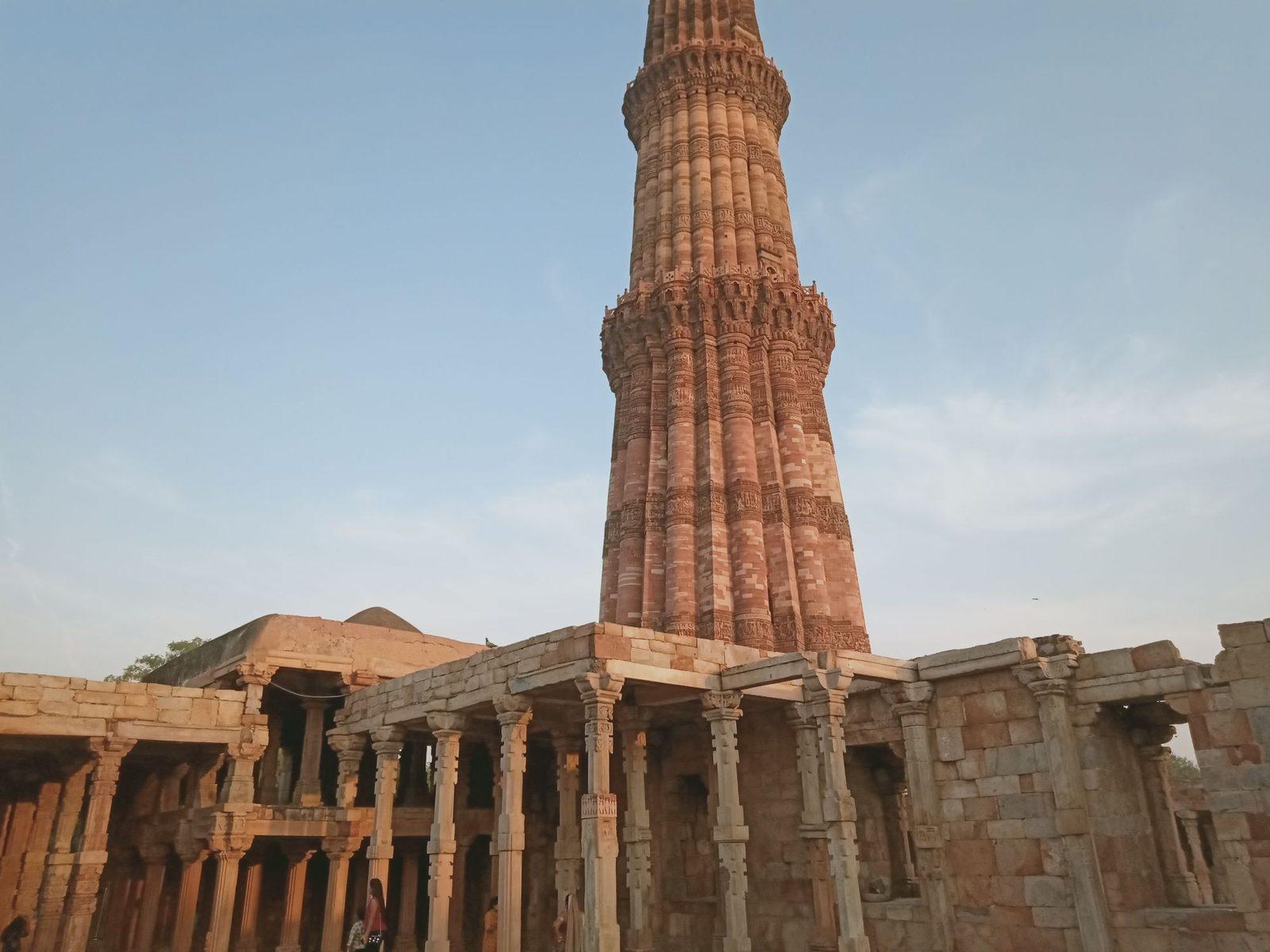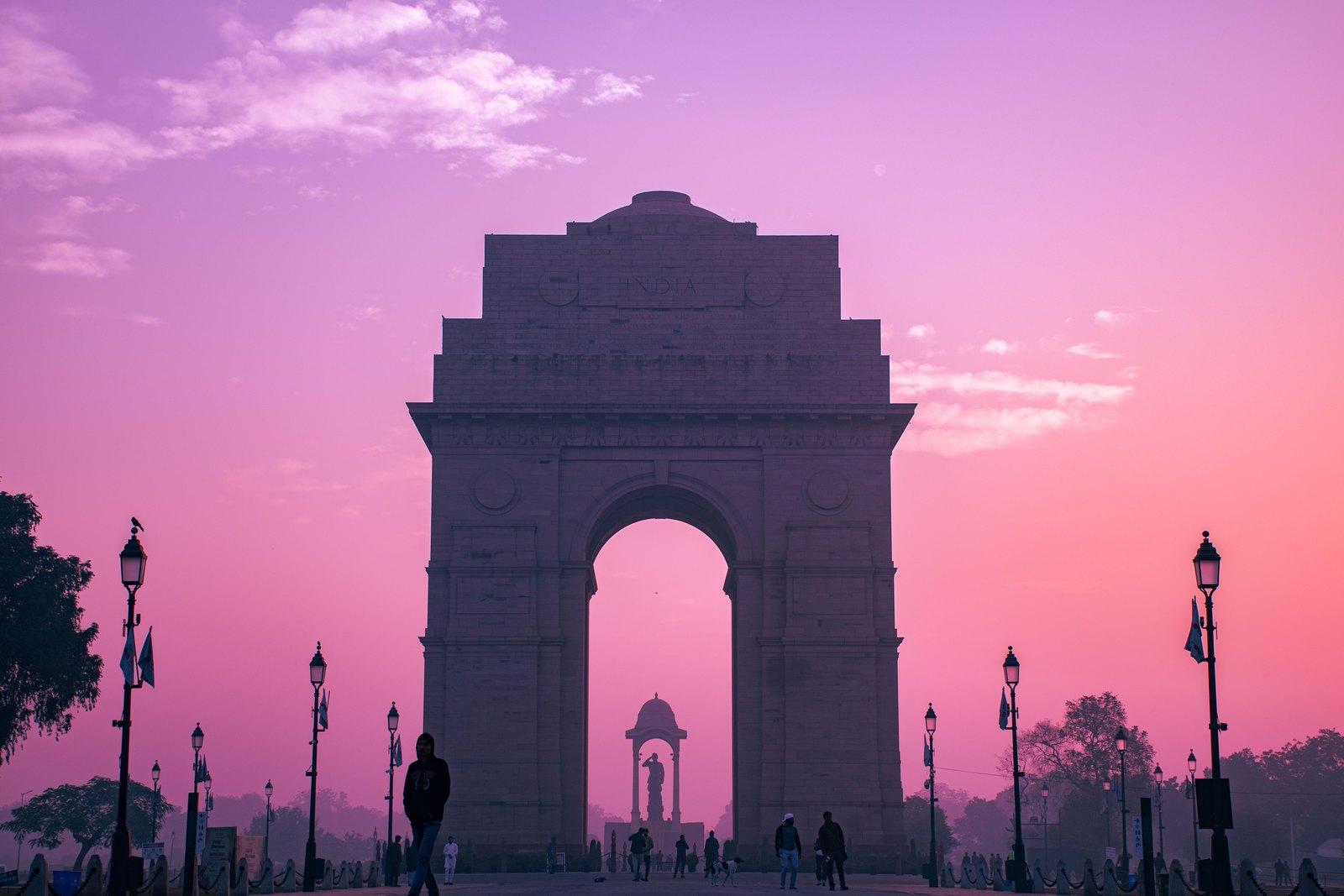
New Delhi's ceremonial axis was drawn as one picture, from India Gate to the dome on Raisina Hill. The planners' own description, on the Central Vista project's page, is of a strong axis running from the ridge of Raisina Hill toward the Yamuna, with a focal point and a definite end. Walk it west and the picture comes with a second reading: who is named where. India Gate's stone carries mostly the men killed on the North West Frontier and in the Afghan war of 1919. The National War Memorial beside it names those who have died since 1947. The avenue between has carried three names of its own.
Two memorials, two lists of names
The walk begins at the National War Memorial, dedicated on 25 February 2019. Its plan is four rings round an obelisk with an eternal flame, and its walls carry the names of more than 26,000 soldiers who died after independence, by the government's own figures. It is a solemn place with its own rules: no bags or food, no tripods, and do not touch the walls.
India Gate is the older list. Its foundation stone was laid on 10 February 1921 by the Duke of Connaught, and it was unveiled on 12 February 1931, 42 meters high, designed by Edwin Lutyens as the All India War Memorial. It is often taken for a First World War memorial with the names of that war's dead. The Commonwealth War Graves Commission's own text says otherwise: of the more than 13,000 men named on it, just over 1,000 lie in cemeteries west of the Indus, and the rest died on or beyond the North West Frontier and in the Third Afghan War of 1919, with no known grave. The arch also stands as a national memorial to the soldiers of undivided India who died between 1914 and 1921, most of whom are named on memorials outside India.
Between the two stands a pale stone canopy of the 1930s, built for a statue of the British king. The statue was removed in 1968, and the canopy stood empty until 8 September 2022, when the granite statue of Netaji Subhas Chandra Bose, who led the Indian National Army against the British in the Second World War, was unveiled under it.
The flame that moved
Hear a stop from this walk
Raisina Hill View
For fifty years a different memorial stood under India Gate's arch. In January 1972 an upturned bayonet, a helmet and an eternal flame, the Amar Jawan Jyoti, were installed there for the dead of the 1971 war, whose names are not on the arch. On 21 January 2022 its flame was merged with the War Memorial's eternal flame with full military honors. It no longer burns at India Gate.
One avenue, three names
From the arch the walk turns west along the axis. It was King's Way, then Rajpath, and since 8 September 2022 it has been Kartavya Path, the name given when the redeveloped avenue was inaugurated. That rebuild, begun in 2021, widened the lawns and added 15.5 km of red granite walkways, four pedestrian underpasses, refurbished canals and sixteen bridges. Boating on the canals, which ran from the 1960s, stopped in 2018 and was not restarted.
The trees are part of the original drawing. The planners' committee chose thirteen kinds, among them jamun, neem, imli, arjan and mulberry, for low upkeep, and planted them in an array of crosses so the avenue reads serrated from the road; the original scheme had 454 trees. Halfway along, Janpath, once Queen's Way, crosses at right angles, and walkers now pass beneath it. Further on is the parade route used for Republic Day every year since 1955, with folding seating added in the redesign so national events disrupt the avenue less.
The dome that sinks
Ahead, between the towers of North and South Block, rises the dome of Rashtrapati Bhavan. Lutyens designed the house and India Gate; Herbert Baker designed the two Secretariat blocks. Lutyens wanted the house seen all the way down the avenue. Baker's slope between his buildings proved too steep, and as you walk on, the house drops from view until only its dome shows; Lutyens called it his Bakerloo. The walk ends at Rafi Marg, a cross street added later for north to south traffic, with Vijay Chowk and the slope to Raisina Hill ahead. The move of the capital to Delhi was announced at the Delhi Durbar in 1911, and New Delhi was inaugurated on 13 February 1931.
Before you go
The walk is free, about 2.3 km and twelve stops. The War Memorial opens from 9 am to 7:30 pm from November to March (by its published hours; checked 11 November 2026). Cross the roads round India Gate only by the underpasses or the signed zebra crossings, as the Delhi Traffic Police advise. In January, going by the 2026 pattern, the avenue closes for Republic Day on 26 January and its rehearsals, and Vijay Chowk for Beating Retreat on 29 January. The walk ends near Central Secretariat metro on the Yellow and Violet Lines. Walk the axis at your own pace with India Gate and Kartavya Path: The Names and the Axis.
Ready to experience it?
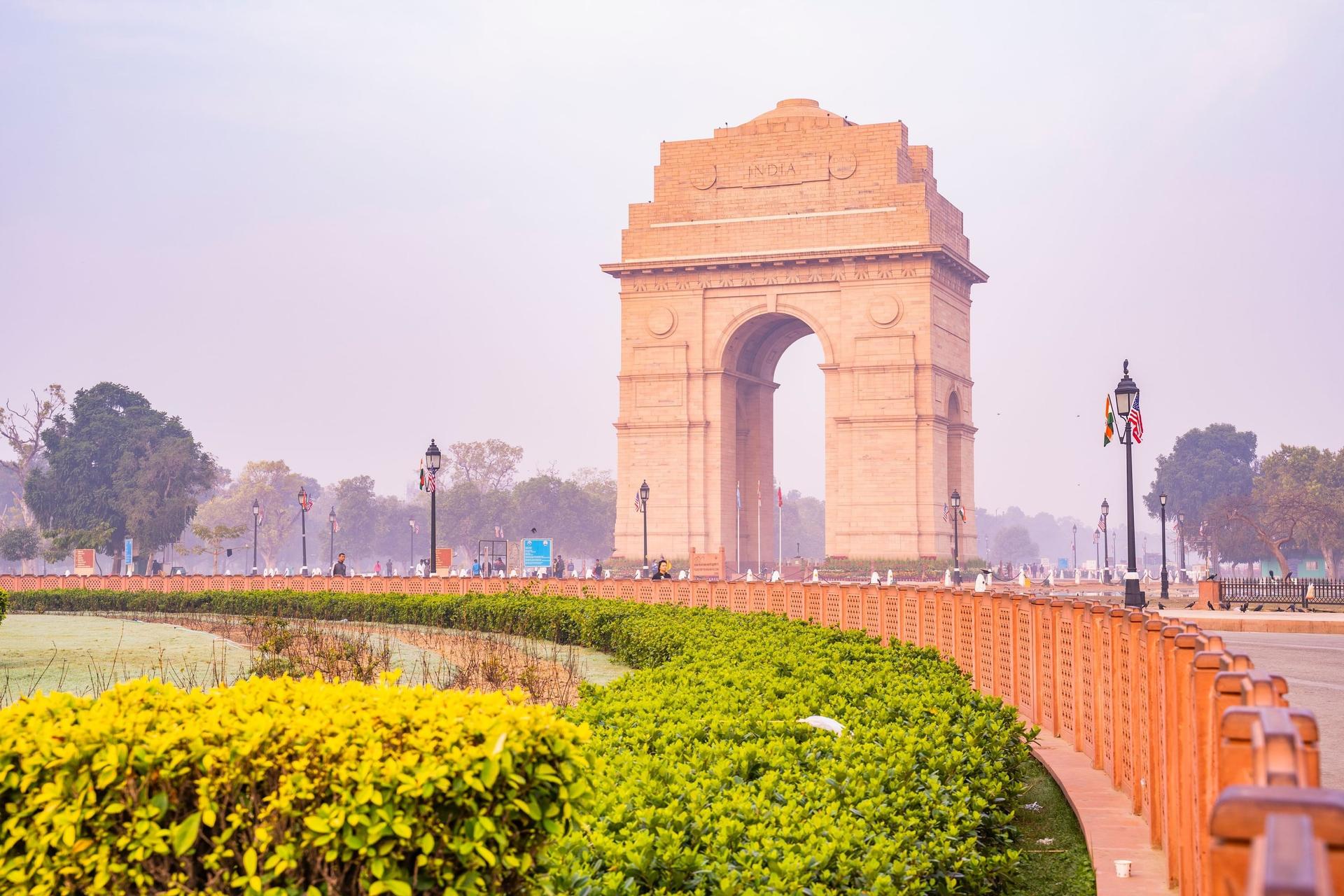
India Gate and Kartavya Path: The Names and the Axis
75 min · 2.2 km · easy
More from Delhi
Explore more at your own pace.
Delhi Monument Tickets, Hours and Closures (Checked November 2026)
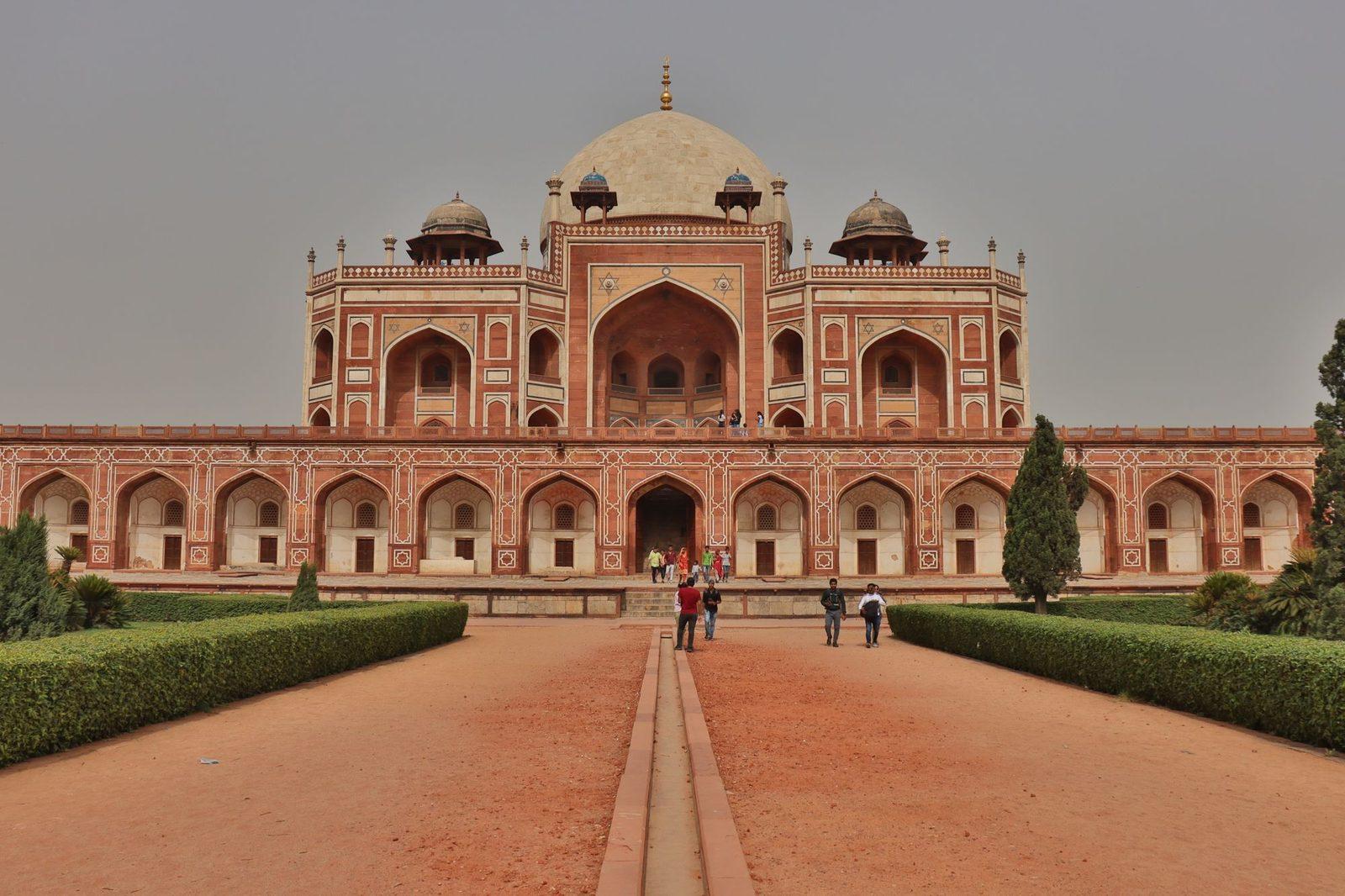
Delhi's Garden Tombs: From the Lodis to Humayun, in Four Steps
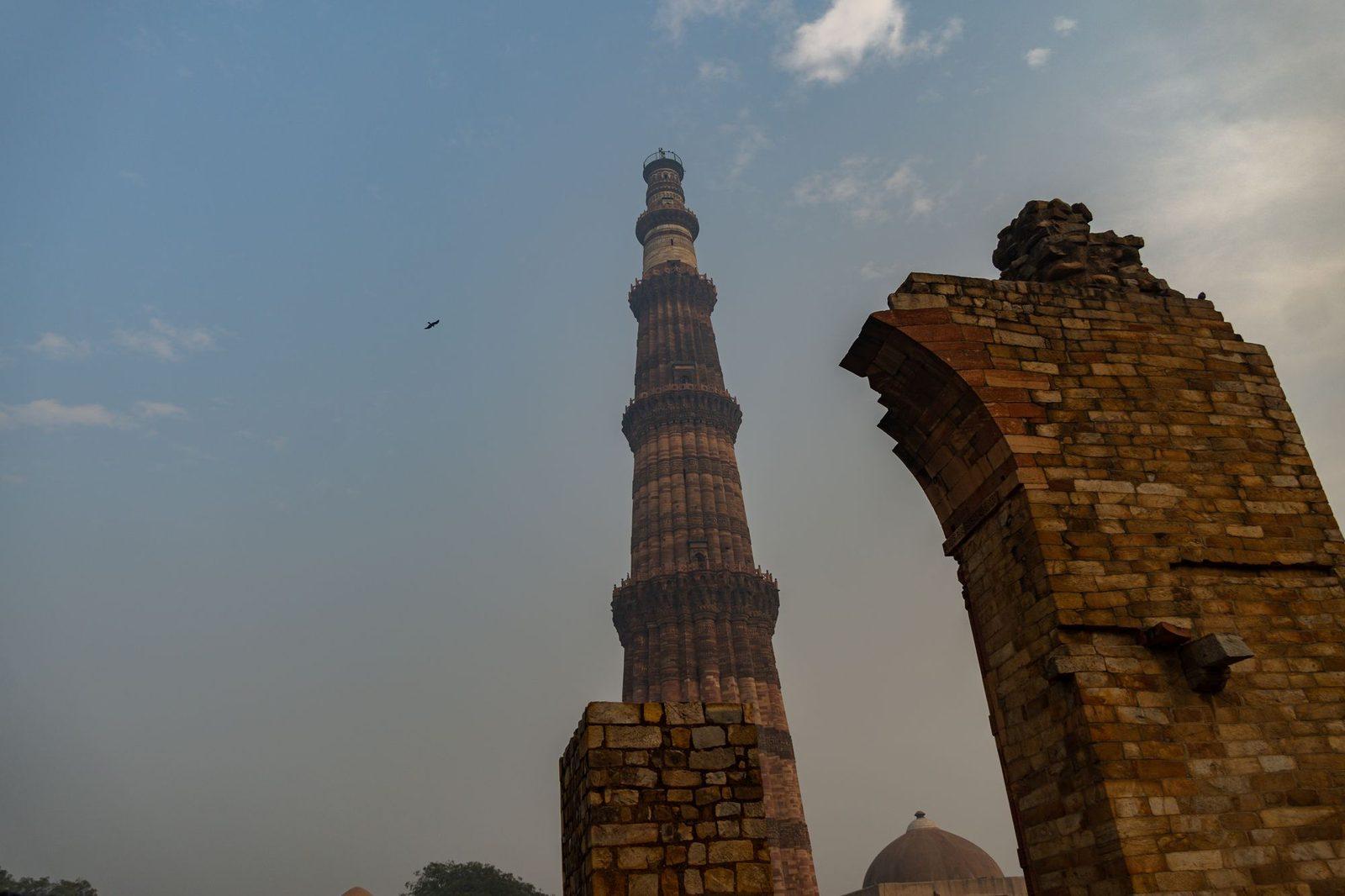
The Seven Cities of Delhi: A Tradition, Not a Count
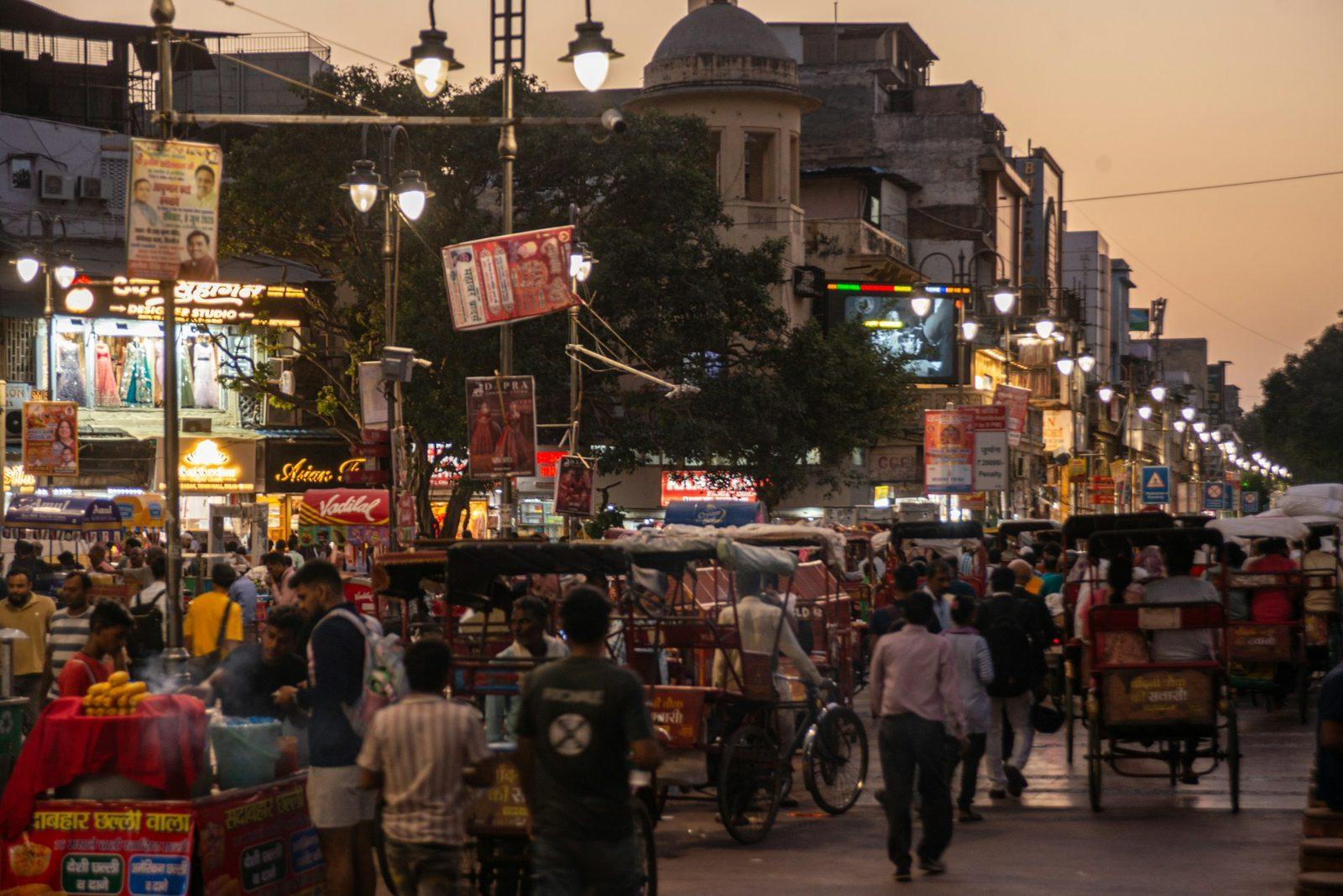
Chandni Chowk: Reading Shah Jahan's Planned City on Foot
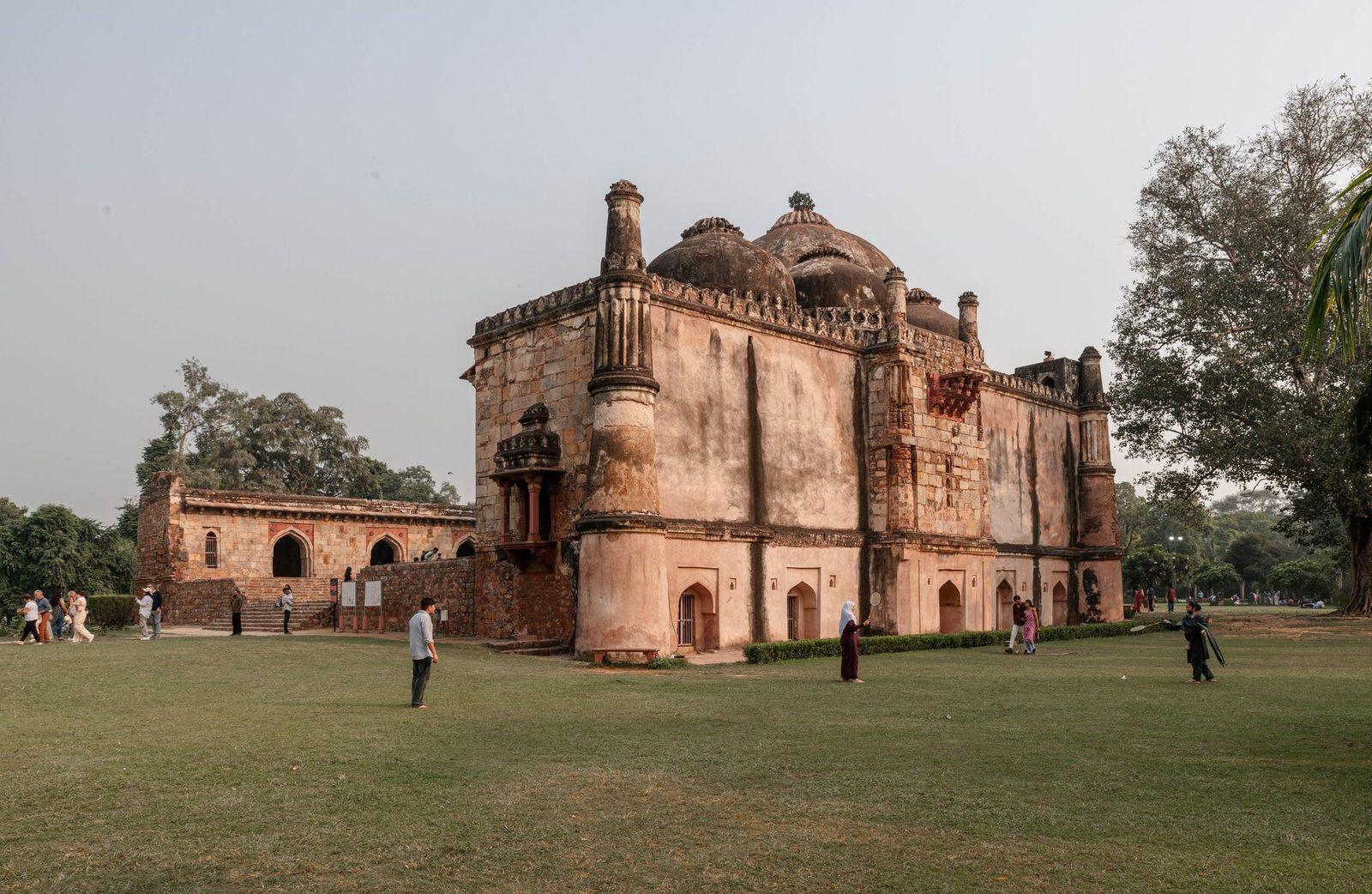
Lodhi Garden: A 1936 Park Around the Tombs of the Sultans