Plan about two hours for the highlights of the Rijksmuseum in Amsterdam. Start on Level 0 with the medieval Holy Kinship, take the stairs to Level 2 for Avercamp's skaters, Rembrandt at twenty-two, Frans Hals's Merry Drinker and the Night Watch, add the dolls' house and the Delft blue flower pyramid, then come down to Level 1 for Van Gogh and the huge Waterloo canvas. The floors run in time order, so the plan follows the building.
The Rijksmuseum is the national museum of the Netherlands, a red-brick palace on Museumstraat in Amsterdam, and the first thing to know about it is that it is built in time order. Each level holds a stretch of centuries, so once you know which level you want, you know where to walk. Is it worth it? If you come for the Night Watch you will get it, and you will also get a clock that froze in the Arctic, a seventeenth-century dolls' house you could furnish a life in, and a Van Gogh who painted himself partly to save the cost of a model. How long does it take? Plan about two hours for the highlights. Everything below is picked from the museum's open data and checked against its own pages.
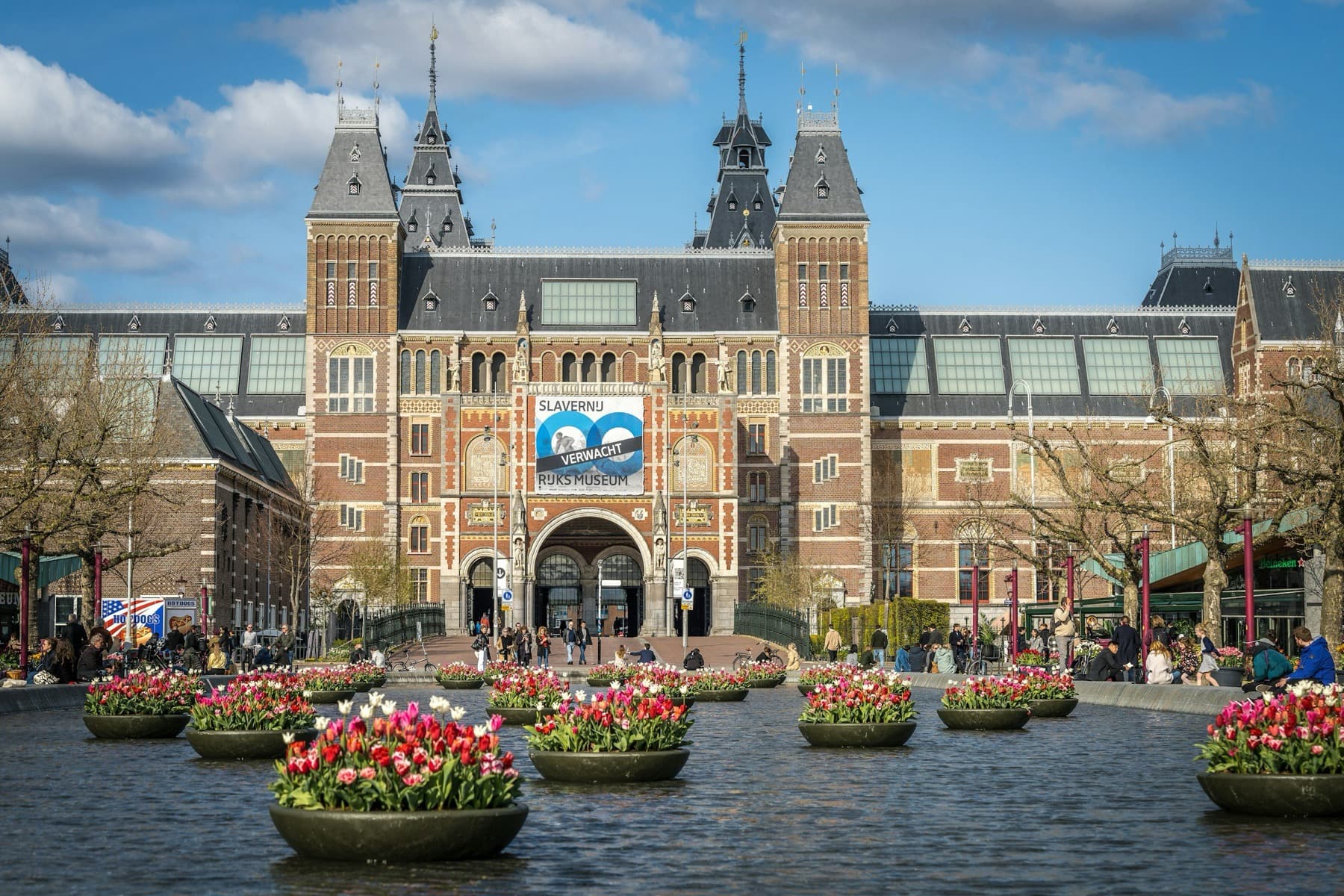
The building in one minute
The architect was Pierre Cuypers, and the building opened in 1885. It was rebuilt over ten years and reopened in 2013. Today it shows about eight thousand objects that tell eight hundred years of Dutch art and history. A public passage runs straight through the middle of the building at Level 1, and it doubles as a bicycle tunnel.
The museum's own floor plan colour-codes each level by period, and that is the whole trick to the place:
- Level 0 holds the Middle Ages and Renaissance (1100 to 1600), alongside the special collections: Delftware, silver, jewellery, arms and ship models. The Asian Pavilion is here too, and the Entrance Hall.
- Level 1 is the eighteenth and nineteenth centuries (1700 to 1900), from Rococo portraits to Waterloo and the Hague School.
- Level 2 is the seventeenth century, the Golden Age, in two halves: 1600 to 1650 and 1650 to 1700. The Gallery of Honour (gallery 2.30, with alcoves numbered 2.30.1 to 2.30.6) runs down the middle and ends at the Night Watch Gallery (2.31). The Sculpture Gallery is 2.32.
- Level 3 is the twentieth century, 1900 to 1950 and 1950 to 2000.
Rooms are numbered by level, so room 2.8 is on Level 2 and room 1.18 is on Level 1. The numbers are on the museum's map and in the museum's free app, which is worth having alongside any guide.
What to see in two hours
Hear a stop from this walk
Reguliersgracht and the seven-bridges view
This is the Roamer guide's two-hour route, trimmed to the fourteen stories that earn a stop. It starts on Level 0, climbs to Level 2, and finishes on Level 1. Every room number below is the museum's.
Level 0: before the Golden Age
- The Holy Kinship (room 0.1). A workshop of Geertgen tot Sint Jans painted this altarpiece about 1495. Three boys at the altar carry a saw, a chalice and a small barrel of wine, the signs of the disciples they would grow up to be. About 12 percent of the paint surface was lost to water damage, mostly low down.
- Worship of the Golden Calf (room 0.6). Lucas van Leyden's triptych of about 1530 spreads one scene across the centre and both wings. Israelites dance round the calf with musicians at left and families eating and drinking in front, while Moses is tiny on Mount Sinai behind, and lower down the mountain throws the tablets.
Level 2: the seventeenth century
- Winter Landscape with Skaters (room 2.6). Hendrick Avercamp, about 1608. The museum's catalogue calls it the largest and most ambitious winter landscape he ever painted. People play kolf, the forerunner of golf, and ice boats sail far off. Look for his monogram, HA, on a wooden shed at right.
- Clock and gunpowder horn from Nova Zembla (room 2.9). A rusted iron clock from the Arctic winter of 1596, when the ships of Willem Barentsz and Jacob van Heemskerck were trapped in ice. It was the only way to mark time through the polar nights, and on 3 December 1596 it froze. The horn once held a parting letter, which was found inside it three centuries later.
- Rembrandt, Self-portrait (room 2.8). A panel only 22.6 by 18.7 centimetres, painted when he was about twenty-two. The light glances along his right cheek and the rest of the face is veiled in shadow. He scratched the curls into the wet paint with the butt end of his brush.
- Still Life with Dead Peacocks (room 2.8). Rembrandt again, about 1639, on a canvas 1.45 metres high. One peacock hangs from a shutter and the other lies beside a pool of blood and a basket of fruit.
- The Merry Drinker (Gallery of Honour, alcove 2.30.1). Frans Hals, about 1628 to 1630. A bearded man in a big black hat grins and lifts a glass, caught mid-gesture. The brushstrokes criss-cross in quick slashes, which the museum calls a high point of Hals's rough style. Further along, in alcove 2.30.5, hangs Rachel Ruysch's flower piece, painted by a woman who kept working and signing her own name after bearing ten children.
- The Night Watch (Night Watch Gallery, 2.31). Rembrandt, 1642. The captain in black gives the order to march, a drummer beats, one man loads a musket and another fires. The shadow of the captain's hand falls on the lieutenant's coat, right where the city's coat of arms is painted. The picture was cut down on all four sides in 1715 to fit a wall in the Town Hall. In 2021 the museum used a 17th-century copy and trained neural networks to print the missing edges, and placed them around the painting for a few months. That was a temporary reconstruction, not a restoration of the original.
- The stern of the Royal Charles (room 2.15). The back end of an English warship, carved wood nearly four metres wide, with a crowned lion and a chained unicorn holding the Stuart arms. The Dutch towed the ship away from Chatham in June 1667. The stern weighs about 600 kilograms.
- Petronella Oortman's dolls' house (room 2.20). An oak cabinet veneered with tortoiseshell and pewter, 2.55 metres high, furnished from the late 1680s to about 1710. Only one of its original dolls survives, a baby in a cradle.
- The Delft blue flower pyramid (room 2.22). Eleven stacked segments, 1.56 metres high and 29 kilograms, made about 1692 to 1700. Cut flowers could stand in each spout, and the model began at the court of William and Mary. Some segments were rebuilt by the Tichelaar pottery in Makkum in 2003 to 2004, and the museum bought the pyramid in 2004.
Level 1: the eighteenth and nineteenth centuries
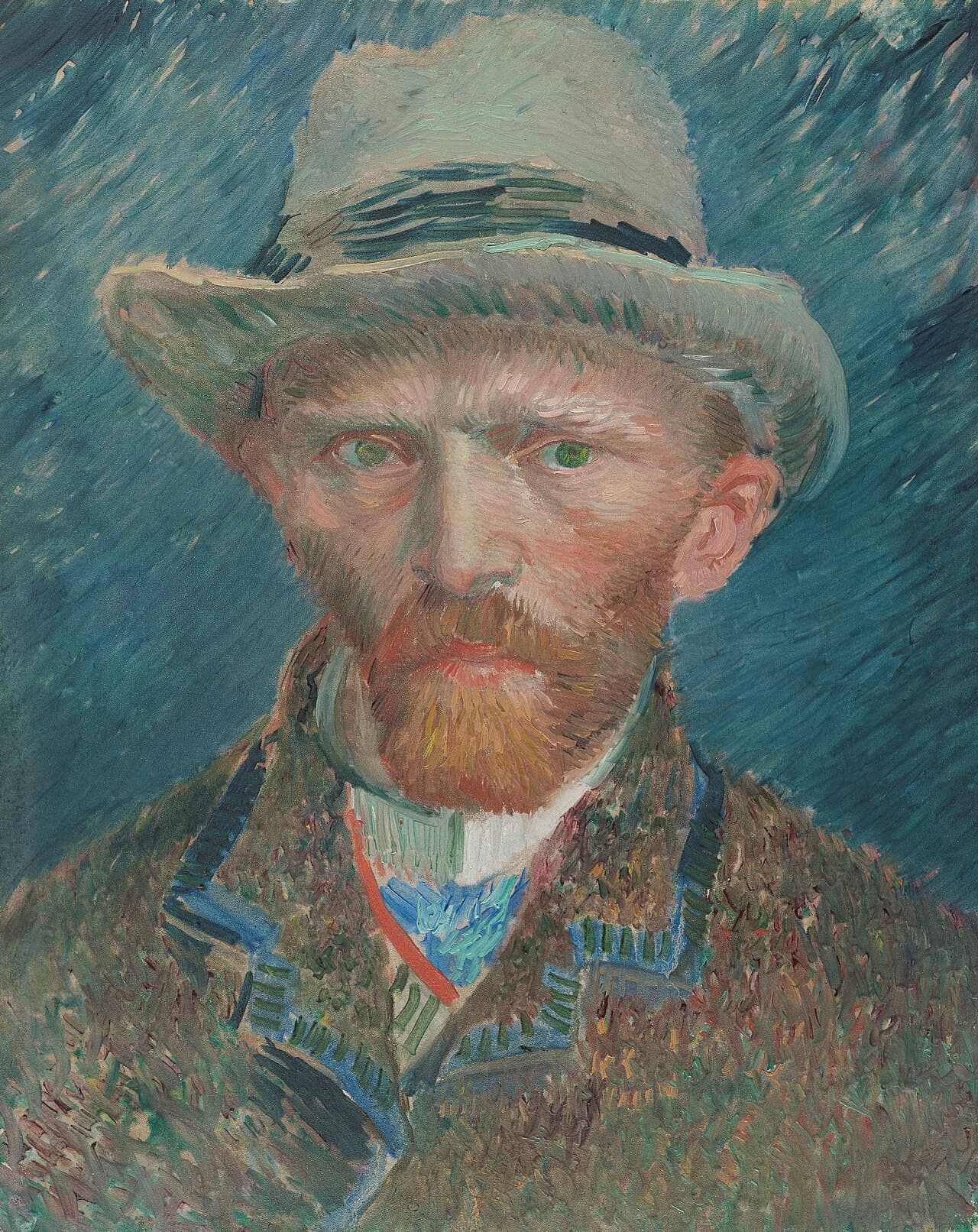
- Van Gogh, Self-portrait (room 1.18). 1887, oil on cardboard, about 42 by 34 centimetres. Van Gogh moved to Paris in 1886 and painted himself partly to save the cost of a model, as a fashionably dressed Parisian in rhythmic strokes of striking colour.
- The Battle of Waterloo (room 1.12). Jan Willem Pieneman, 1824, about 5.7 metres high and 8.2 wide. Wellington, among the mounted officers at the centre, receives word that Prussian troops are on their way, and the wounded Prince of Orange, the future King William II, lies on a stretcher at lower left.
- The Art Gallery of Jan Gildemeester Jansz (room 1.10). Adriaan de Lelie, 1794 to 1795. The merchant turned two large rooms of his Herengracht house into a picture gallery in 1792, and the walls are densely hung. The visitors in the picture are studying the famous works, and the museum points out a Rembrandt above Gildemeester's head.
Skip anything that does not hold you. The order is the building's order, so the plan almost walks itself, and the stories are short.
Five ready-made routes
The Roamer guide groups the museum into five routes that all start at the Entrance Hall, and every stop on each is a story with its own room.
The Rijksmuseum in 90 Minutes. Ten stops, about 90 minutes, from the Great Hall's wall paintings to Van Gogh, by way of Avercamp's skaters, Rembrandt as a young man, the Merry Drinker, the Night Watch, the dolls' house, the flower pyramid, the captured stern and Waterloo.
The Rijksmuseum in Two Hours. The seventeen-stop version of the plan above, about two hours, adding Rachel Ruysch's flowers, Hondecoeter's pelican and a Vanmour painting of the first day of school at the Ottoman court.
The Dutch Overseas. About 80 minutes and thirteen stops on how far the Republic reached and what it brought home: Arctic relics, a Suriname plantation, a Javanese court, Pieneman's painting of Diponegoro's arrest and the model of a slave ship. It is the route that shows the Dutch Golden Age with its costs included.
Small Things. About 55 minutes and eleven stops for people who like objects close up: a prayer nut, a pearl cock pendant, a dragonfly comb, drinking glasses, a miniature parrot cage and a pottery violin.
Ships and Sea Power. About 70 minutes and twelve stops: the Royal Charles stern, a sea battle by Willem van de Velde, an admiral's bust, an East Indiaman, a cutaway warship and a submarine model.
Check before you go
Four of the best-known works in the building are the Milkmaid, The Little Street, The Jewish Bride and Rembrandt's Syndics. On 11 October 2026 the museum's own website listed the Milkmaid and The Little Street as on display in gallery 2.30 and the Syndics in the Gallery of Honour, but its open data carried no location for any of them, and I found no loan notice. I could not find a location for The Jewish Bride at all. Museums rehang and lend, and open data can lag, so If one of them is the reason you are coming, confirm it on the museum's website before you book. The same goes for anything else on this page: the Rijksmuseum rehangs works, and the twentieth-century galleries on Level 3 change their spotlight displays every six months.
What to know before you go
- Book a time slot. The museum requires a booked time slot for visitors, except Friends of the Rijksmuseum. The museum's own app is free.
- Start with the level, not the room. If you only have an hour, pick one level and let the others be a reason to return. Level 2 is the Golden Age and holds the Night Watch.
- Bring a small bag. Only bags up to A4 size may be taken into the galleries, and the cloakroom is free.
- Stand back first, then go close. Avercamp's panel and Rembrandt's portrait both reward two distances: the whole scene, then the brushwork.
- Look up in the Great Hall. On Level 2, Georg Sturm's wall paintings look like frescoes but are oil and casein on canvas, and they were once ordered destroyed, though they were rolled up and kept.
- Do not try to finish. About eight thousand objects are on show. Pick a route, stay curious and leave the rest.
If you also want the city the paintings came from, Roamer's walks start outside: the Canal Ring, the Dam Square and Old City walk and the Jordaan.
How this fits the Roamer guide
Roamer has an independent audio guide to the Rijksmuseum that works room by room. Open any room and play its story, or follow one of the five routes above with directions from room to room. There is no group and no schedule, and every story is short enough to skip. You can find it here: the Rijksmuseum guide. It is independent of the museum and of its app.
Ready to experience it?
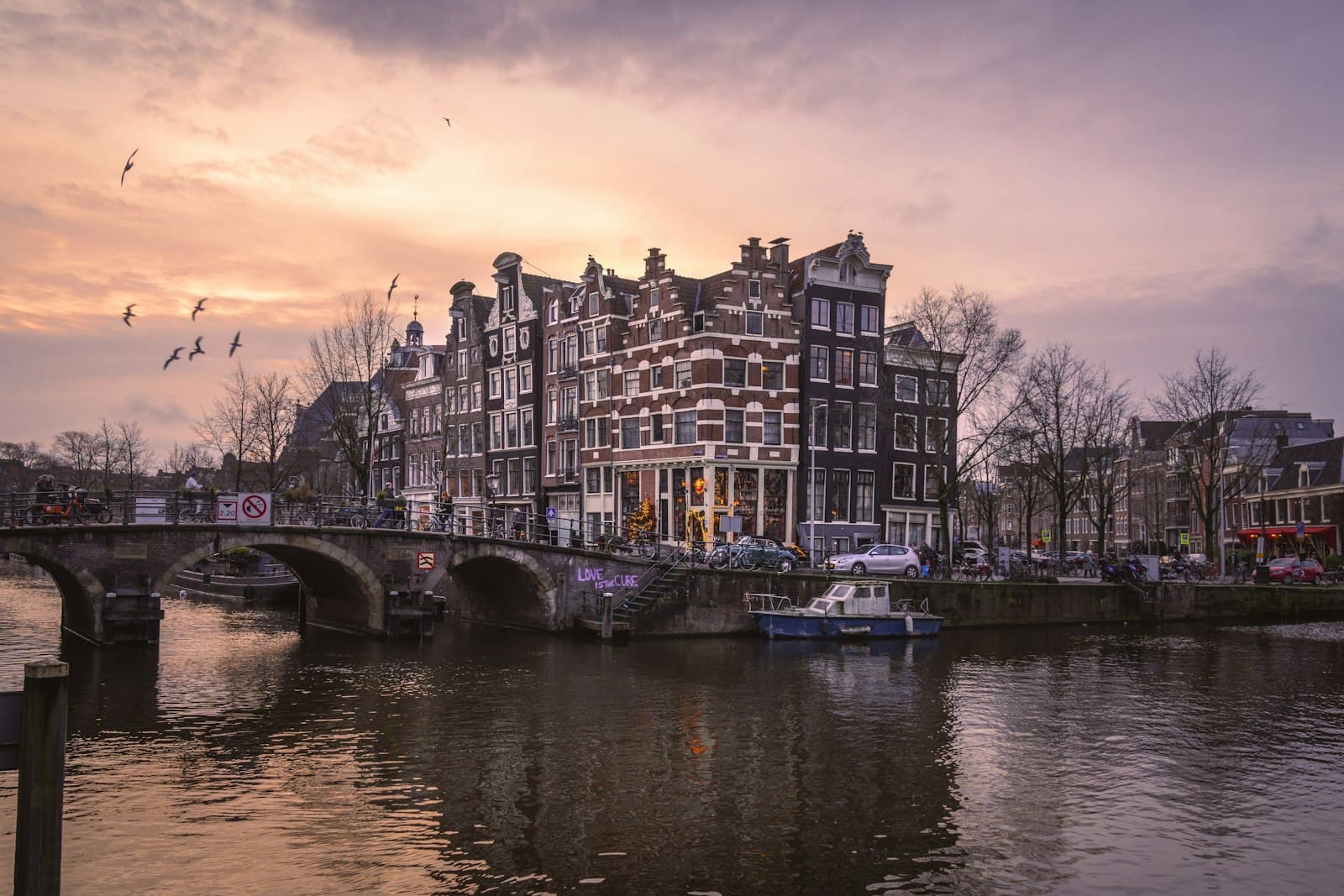
Canal Ring: The City That Planned Its Water
100 min · 3.8 km · easy
More from Amsterdam
Explore more at your own pace.
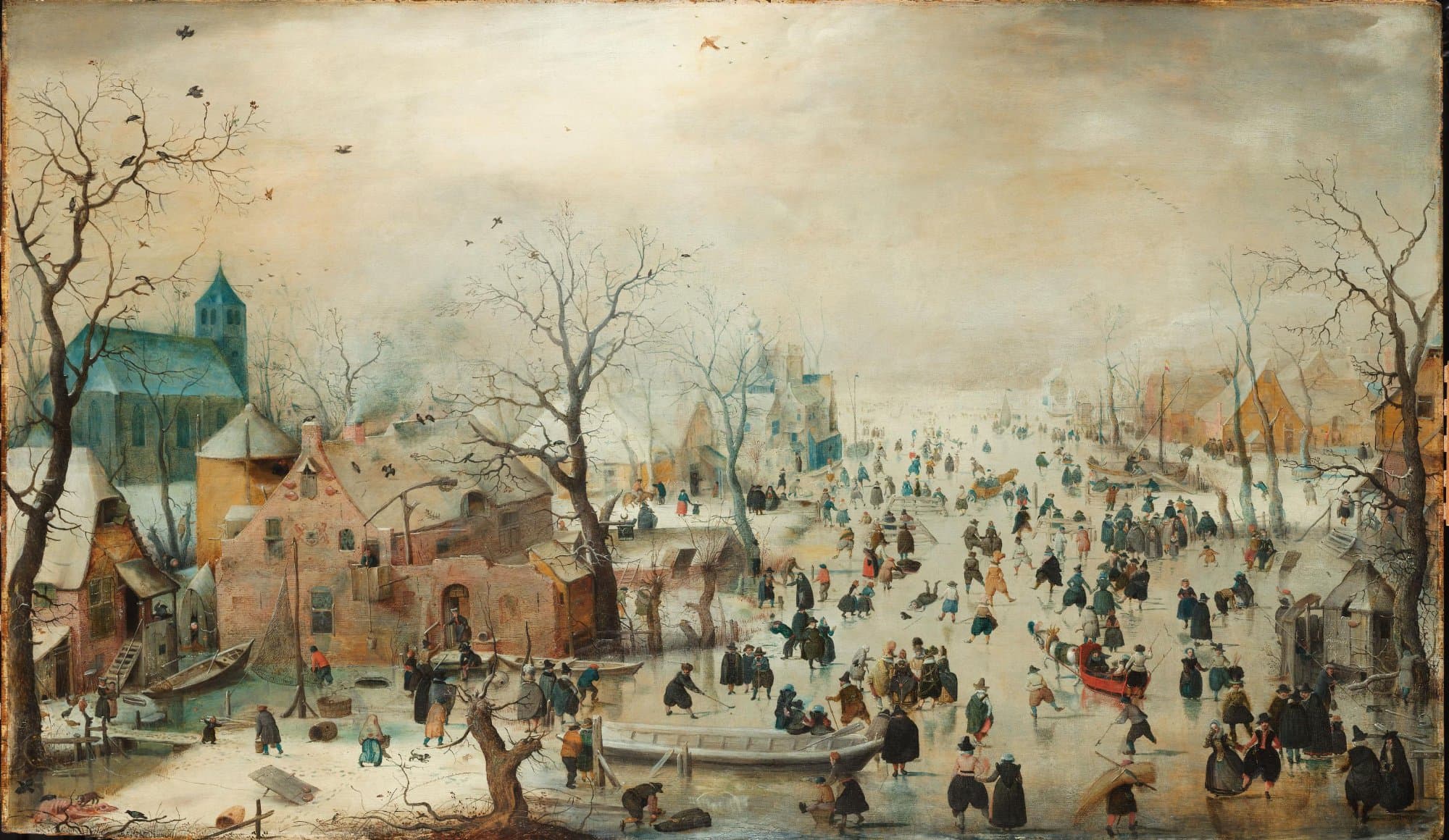
Avercamp's Winter Landscape with Skaters: Hunting the Small Stories
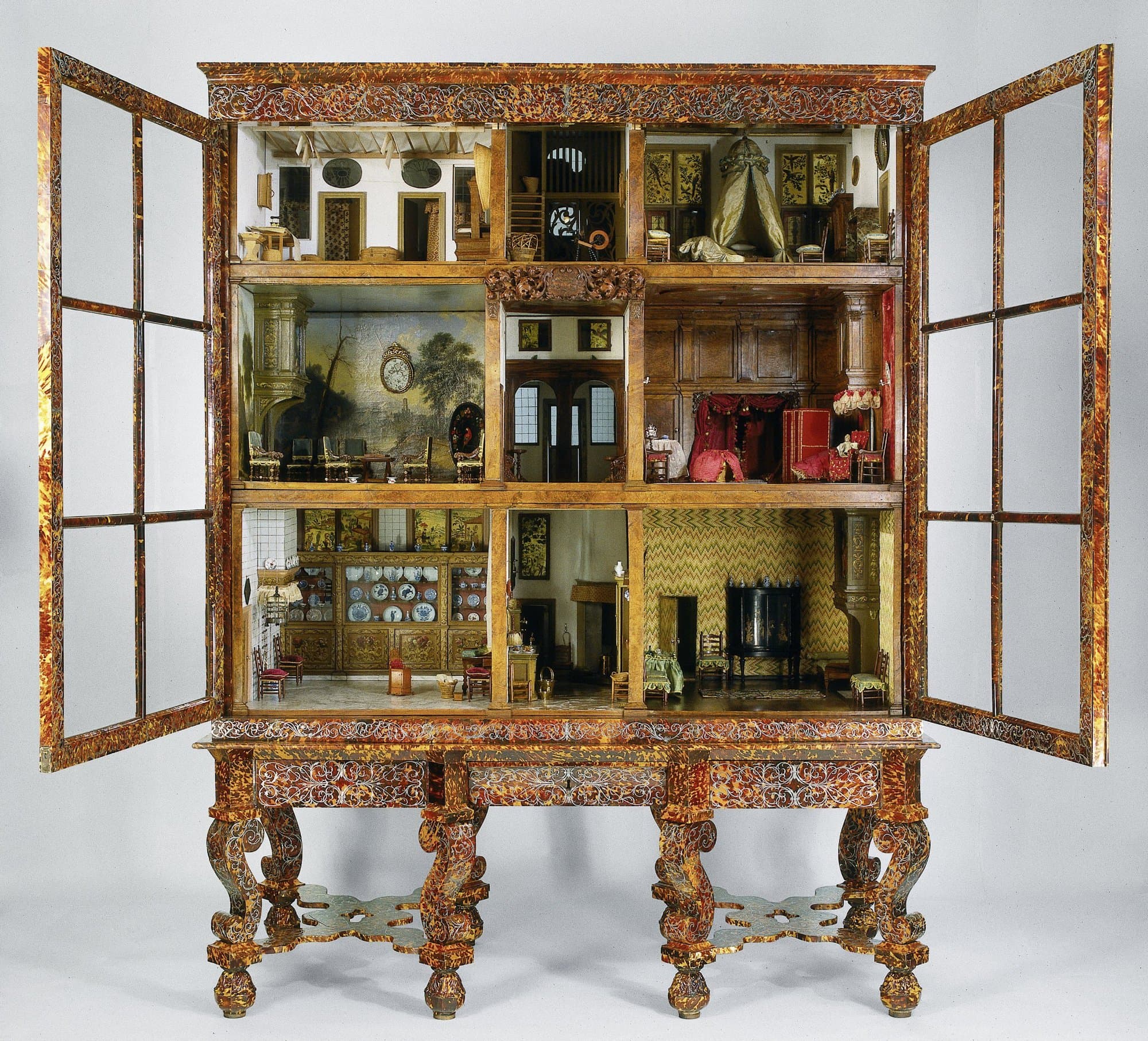
Petronella Oortman's Doll's House: The Miniature Canal House in the Rijksmuseum
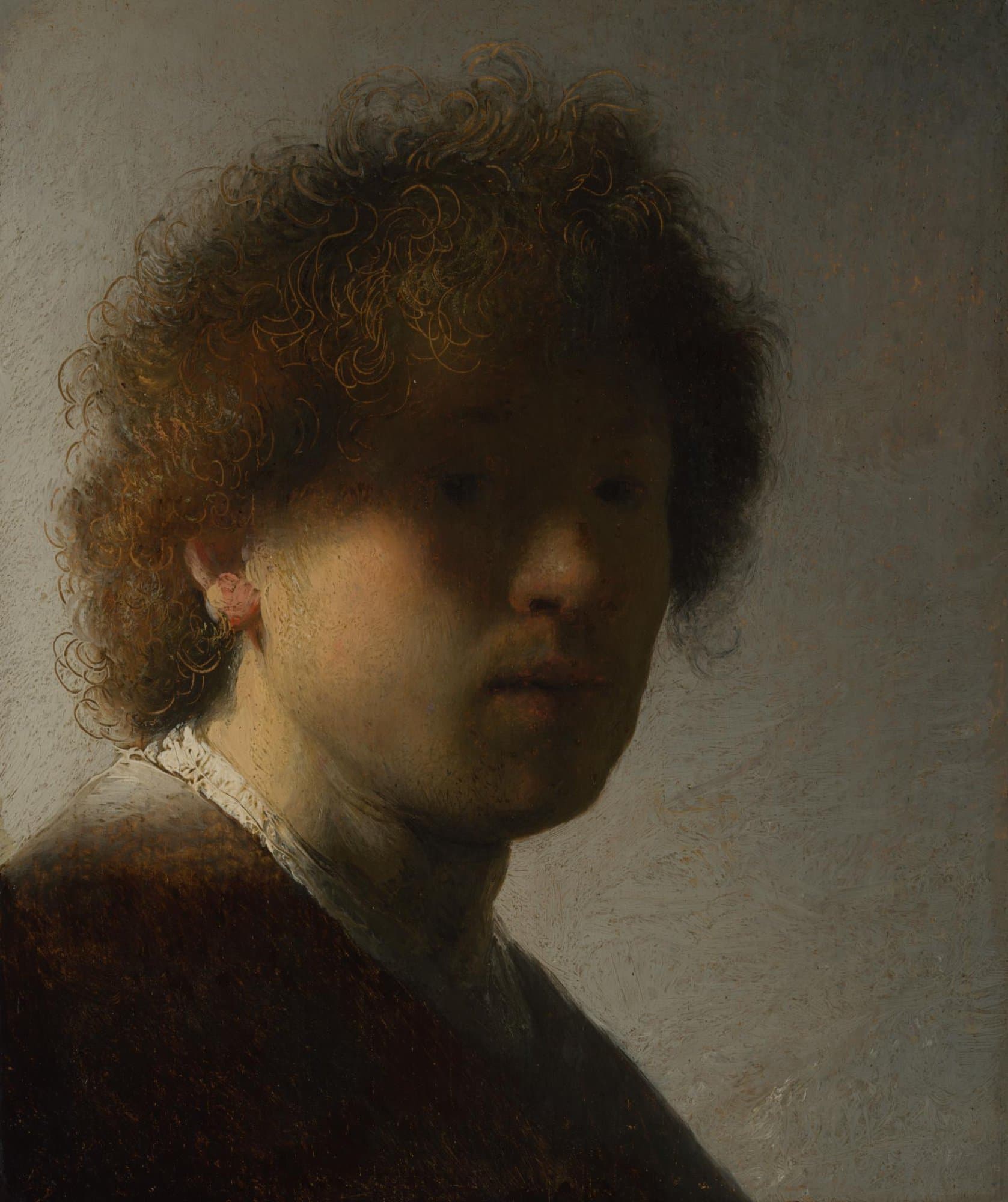
Rembrandt's Self-Portrait of 1628: A Young Man and the Back of a Brush
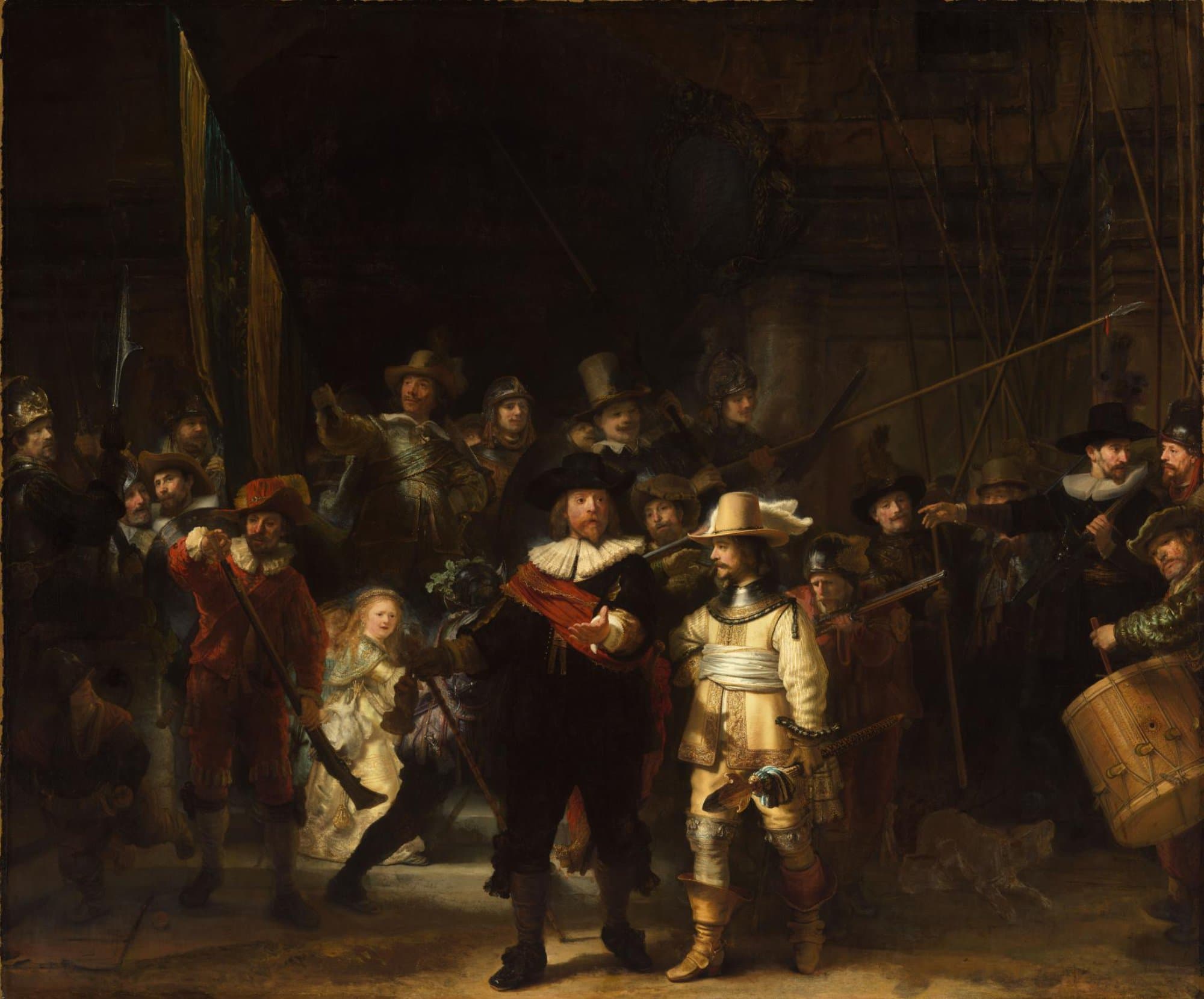
The Night Watch: Why It Is Called That, and What Was Cut Off
Van Gogh at the Rijksmuseum: The 1887 Self-Portrait and What Else You Can See