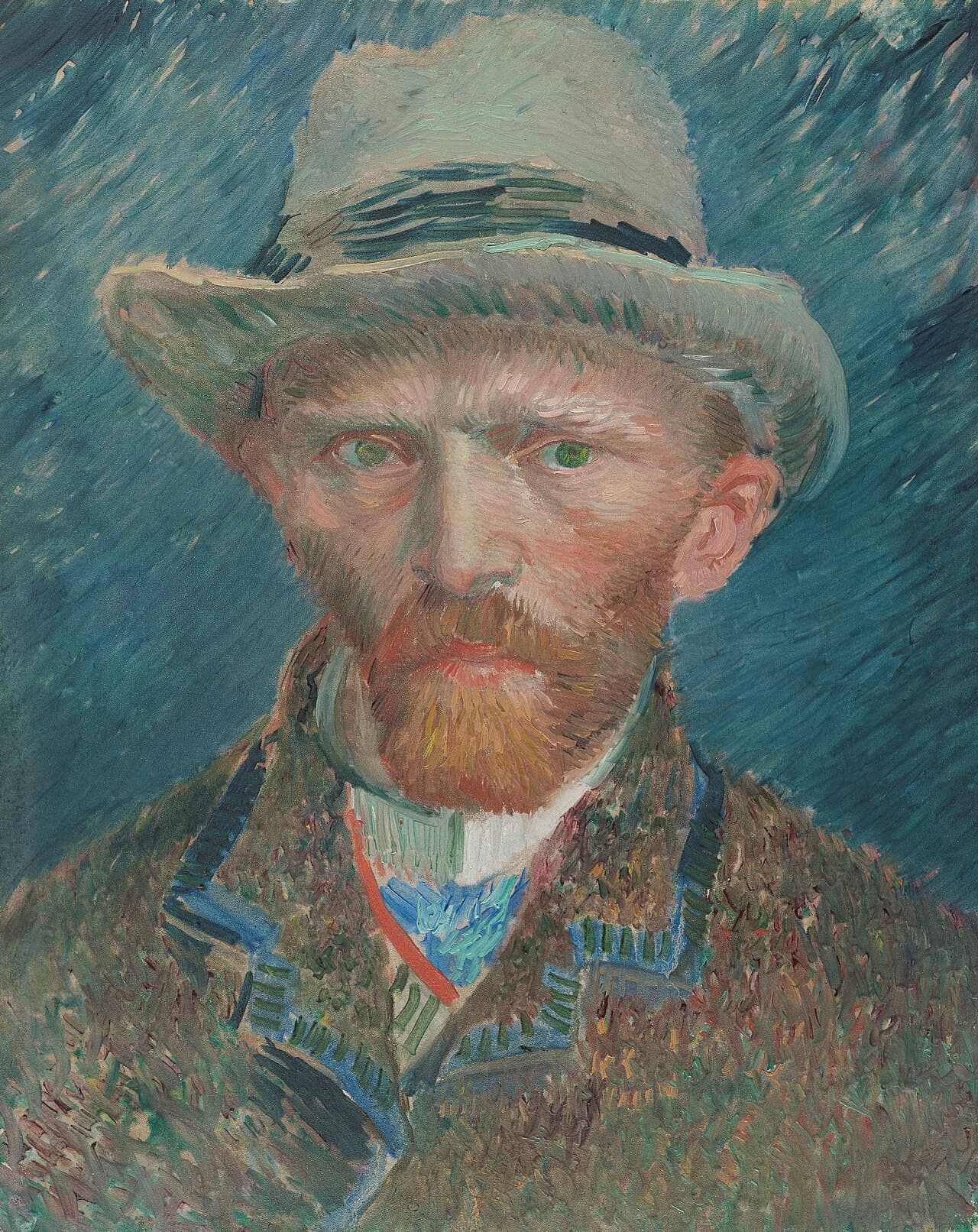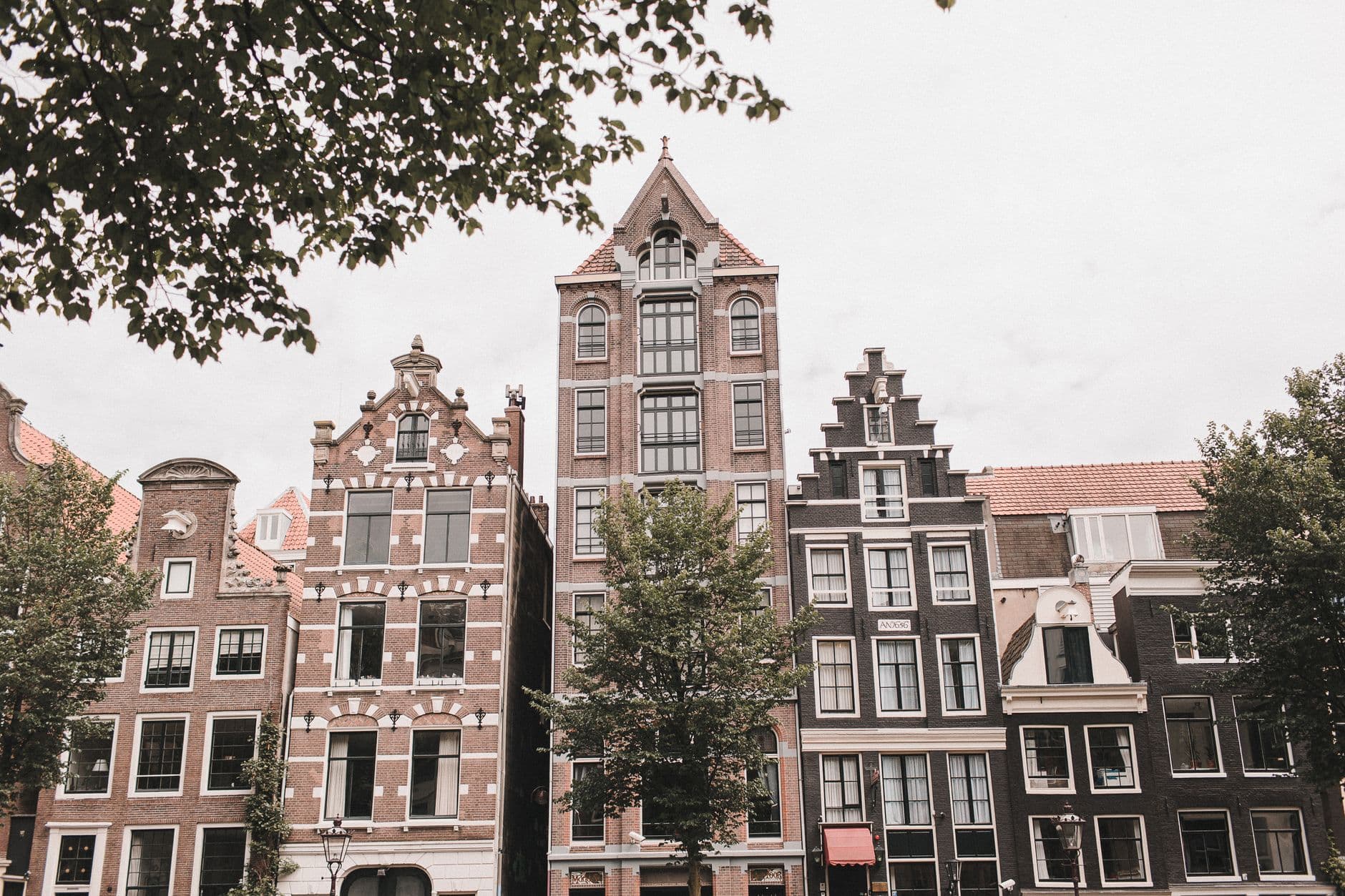
The Anne Frank House at Prinsengracht 263 was an ordinary working canal house, and that ordinariness is the whole point. Behind its street-facing front building stood a rear annex, the Achterhuis, where eight people hid for just over two years to escape deportation by the Nazi occupiers of the Netherlands. Standing on the Prinsengracht today, beside the tall tower of the Westerkerk, you are looking at a building that was never meant to be a monument. It was a place of business. The one thing to understand here is how completely unremarkable it appeared from the street, because that concealment is exactly what made hiding possible, and what makes the site so unsettling now.
An ordinary house on the outermost canal
The Prinsengracht, the prince's canal, is the outermost of Amsterdam's three great seventeenth-century rings. Number 263 sits a few steps from the Westerkerk, in a run of gabled merchant houses that all read the same to a passerby: tall, narrow, brick, a warehouse and a home stacked together. Prinsengracht 263 was Otto Frank's business premises, the address of the spice and gelling firms Opekta and Pectacon that he ran. The front of the building carried on as a normal company address while, behind it, the annex had been fitted out as a hiding place after the German occupation intensified the persecution and deportation of Jews.
The Dutch term Achterhuis translates literally as the back house, and in English it became the Secret Annex. This was not a bunker or a cellar. It was rooms tucked behind a functioning office, in a city full of functioning offices. The entrance to the hidden annex was eventually concealed behind a movable bookcase, so that the front building could keep operating as an ordinary business while people lived in silence a wall away.
Eight people, just over two years
Hear a stop from this walk
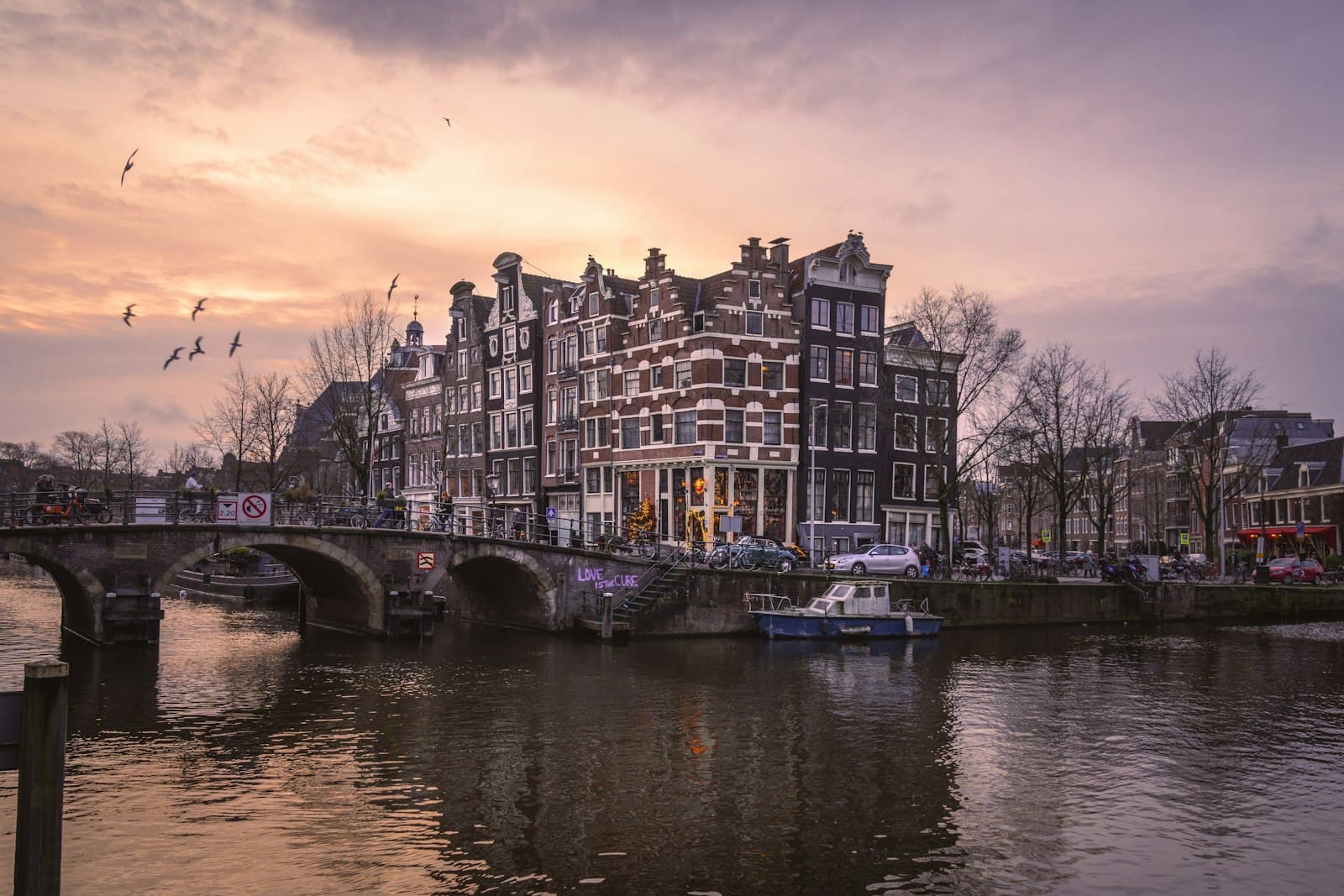
Reguliersgracht and the seven-bridges view
From the sixth of July, nineteen forty-two, the Frank family went into hiding in that concealed annex, and over the following months seven others joined until eight people lived there. They were Anne Frank; her father Otto Frank and her mother Edith Frank; her older sister Margot; Hermann and Auguste van Pels and their son Peter; and Fritz Pfeffer. For just over two years they lived in enforced quiet during working hours, when the staff and visitors of the business below could have heard a cough, a footstep, a dropped object. A small circle of helpers kept them supplied and kept the secret.
It is worth pausing on the arithmetic of that. Two years is a long time to hold still. It is a long time to muffle a family, to time every movement to the rhythm of a workday happening on the other side of a bookcase. The diary Anne kept throughout the hiding, which she wrote in these rooms, is the record of that duration, of the boredom and fear and adolescence that filled it. It became one of the most widely read firsthand accounts of the Holocaust.
The fourth of August, nineteen forty-four
On the fourth of August, nineteen forty-four, the hiding ended. The eight people were discovered and arrested. Who betrayed them, if anyone did, has never been definitively identified. This is a case where the honest answer is the uncomfortable one: the historical record does not name a betrayer with certainty, and it is better to sit with that gap than to fill it with a guess. Otto Frank himself believed a betrayal had led to the capture, and many theories have circulated over the decades, but none has been substantiated well enough to close the question.
All eight were deported. Only Otto Frank survived the camps. He came back to a city where his wife, both his daughters, and the four people who had shared the annex were gone. What he carried out of that was his daughter's diary, which had been kept safe. He prepared it for publication, and it appeared in Dutch in nineteen forty-seven under the title Het Achterhuis, the back house, the same word Anne had used for the space where she wrote it.
From near-demolition to a place of remembrance
The building at Prinsengracht 263 was nearly demolished. A clothing manufacturer had bought the row of houses and planned to raze them, and the site survived only because a foundation formed specifically to save it. The Anne Frank Foundation was established in nineteen fifty-seven to buy and preserve the building, and the museum opened on the third of May, nineteen sixty. That sequence matters to how you read the site. It was not preserved by accident or by an unbroken line of reverence. It was almost lost, and a deliberate act of preservation rescued it. Today more than a million people come each year to stand where a teenage girl wrote and where a family was concealed and then discovered.
If you walk the outside of the house, as the canal-ring route does, you see only the plain exterior. Entry to the museum, including the annex itself, is a separate experience on a timed ticket. Tickets are sold online only, at roughly sixteen euros for an adult, and they sell out well in advance. There is effectively no same-day entry and none sold at the door, so if you intend to go inside, book weeks ahead rather than hoping to walk up. The exterior stop on the walk is not a substitute for the museum, but it is a place to stand quietly and take the measure of the house before or after you visit.
The one thing to carry from the doorstep
The lesson of the Anne Frank House is not spectacle. It is the opposite of spectacle. The site works because it is an ordinary building on an ordinary canal, indistinguishable from its neighbors, in which something monstrous was survived and then not survived. The concealment that made hiding possible is the same concealment that should make a visitor uneasy: the ordinary world went on, on the other side of the bookcase, in a city that looked exactly like the one you are standing in.
That is why this stop belongs on a walk that is otherwise about the beauty of the canal ring. The golden light on the water and the graceful gables are real, and so is this. Amsterdam's canal district holds both, a few steps apart, and honest looking means holding both at once.
The Anne Frank House is stop two on Roamer's self-guided audio walk of the Grachtengordel, the seventeenth-century canal belt. The route reads the water, brick, and gables as the output of a single audacious plan, and it passes this house between the Westerkerk and the Nine Streets. You can find it among the other Amsterdam walking tours, or browse everything the city offers from the Amsterdam page and walk it at your own pace.
Sources
- Anne Frank House, official site (annefrank.org), Secret Annex and tickets pages: primary source for the hiding, the helpers, online-only timed entry, and the ticket price.
- Anne Frank House, Wikipedia: the building's near-demolition, the Anne Frank Foundation formed in nineteen fifty-seven, the museum opening on the third of May, nineteen sixty, and annual visitor figures above one million.
- The Diary of a Young Girl (Het Achterhuis), Wikipedia: first published in Dutch on the twenty-fifth of June, nineteen forty-seven, prepared for publication by Otto Frank.
- Roamer tour transcript, "The City That Planned Its Water" (amsterdam-canal-ring), stop two: fact-audited narration for the eight hiders, the dates, and the unresolved question of betrayal.
Ready to experience it?
Canal Ring: The City That Planned Its Water
100 min · 3.8 km · easy
More from Amsterdam
Explore more at your own pace.
Avercamp's Winter Landscape with Skaters: Hunting the Small Stories
Petronella Oortman's Doll's House: The Miniature Canal House in the Rijksmuseum
Rembrandt's Self-Portrait of 1628: A Young Man and the Back of a Brush
Rijksmuseum: What to See, Room by Room, and a Two-Hour Plan
The Night Watch: Why It Is Called That, and What Was Cut Off