The almshouse courtyards of the Jordaan sit behind plain street doors, built as charity for poor widows, and they hold the half of Amsterdam's Golden Age that the famous canal ring was designed to keep out of sight. You can walk past both of them and never know they are there. That is not an accident. The Karthuizerhof and the Sint Andrieshofje were made to be invisible from the street, and understanding why is the fastest way into the whole story of this quarter.
Charity built to be unseen
A hofje is an almshouse courtyard: housing paid for by a wealthy benefactor, entered through an unremarkable door that opens onto a quiet garden court. There is no grand facade, no plaque demanding admiration. In the Jordaan, two of these anchor the walk, and they sit a few minutes apart.
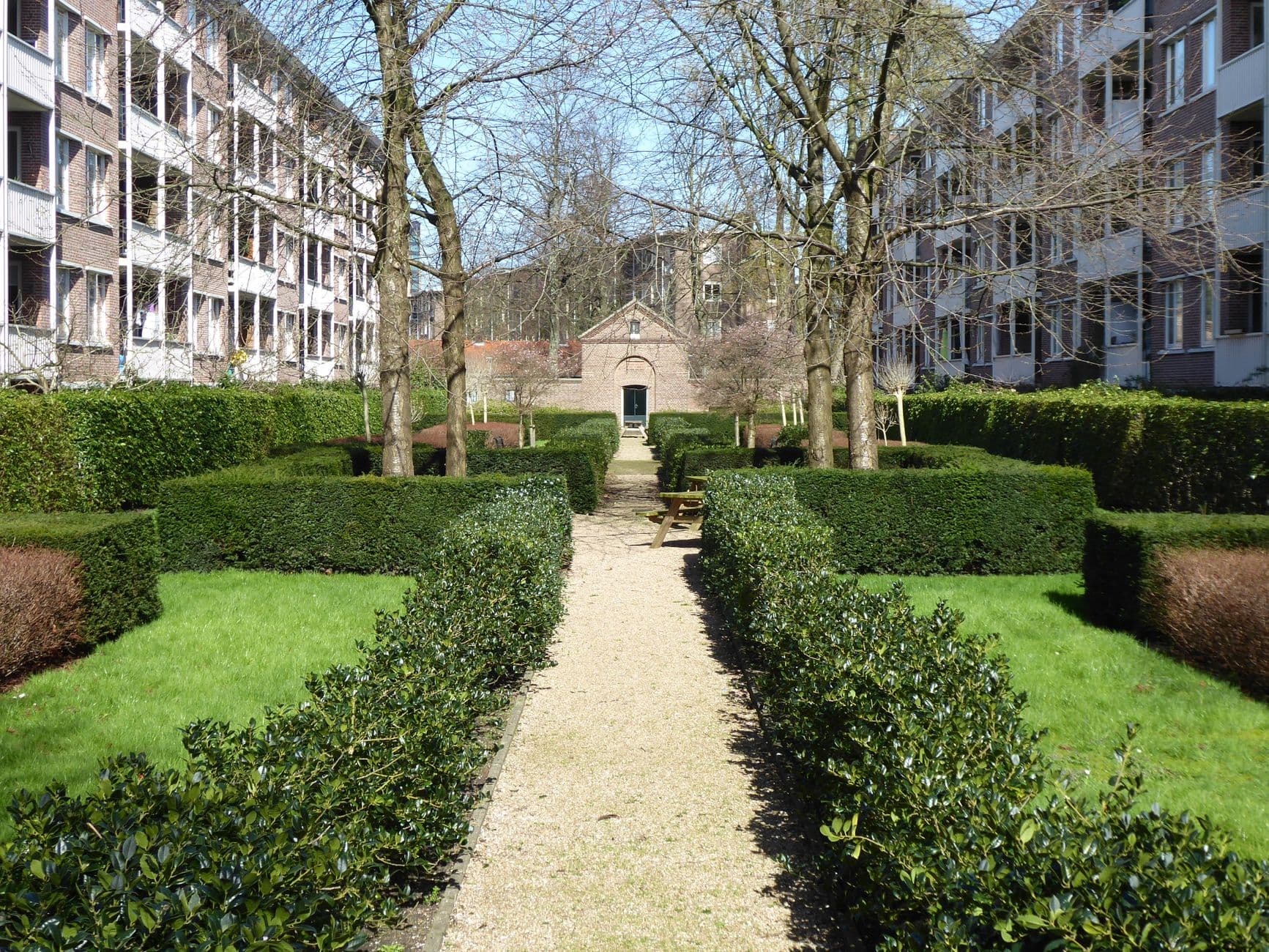
The Karthuizerhof, officially the Huiszittenweduwenhof, stands on the Karthuizersstraat. It was founded in the year 1650 and designed by the city architect Daniel Stalpaert for the poor-relief administrators. It began with 104 small dwellings for resident widows and elderly single women, who received free housing, support through the winter, and a yearly allotment of peat for heating. A renovation in the year 1986 reduced it to 65 units, which are people's homes today. The name reaches back further than the buildings: a Carthusian monastery stood on this ground, founded by that order in the year 1394 and destroyed in the year 1566. Charity has been layered on this single site for more than six centuries.
A short walk away, on the Egelantiersgracht, is the Sint Andrieshofje. It was endowed in the year 1614 and built by the year 1617, for needy Catholic widows. A blue-tiled entry passage leads into its court. According to the local history source Jordaanweb, only the Begijnhof is older among Amsterdam's courtyards, which makes this one of the oldest surviving hofjes in the city. Endowed through the will of an unmarried farmer, it was meant for the honest poor, and it still functions as housing.
Stand at either door and you have the argument of the entire neighbourhood in front of you: a place where care for the poor was deliberately built to be modest, out of sight, doing its quiet work while the merchant palaces a few streets over announced their wealth to the whole world.
The two-tier city, drawn on purpose
Hear a stop from this walk
Lindengracht: Where the Riot Turned Deadly
To see why the hofjes matter, you have to picture what Amsterdam actually built. The version most people carry in their heads is the canal ring of wide water, tall gables, and quiet money. That was real, and it was for the rich. But that wealth needed a workforce, and the workforce needed somewhere to live. In the same decade, just outside the elegant ring, the city laid out a dense grid of narrow streets for everyone else: labourers, immigrants, tanners, and dyers. That grid is the Jordaan, laid out from the year 1612 as part of Amsterdam's canal expansion, deliberately for the working class.
Same city, same plan, opposite fortunes. The hofjes are where that split becomes tangible, because they are charity, and charity only exists where there is need. The families who filled these narrow streets could be one bad winter away from ruin, and a widow without a husband's income had almost no way to support herself. The courtyards were the safety net, funded by the money the Golden Age generated and quietly reinvested in the people it left behind.
You can read the same two-tier logic a few stops earlier in the walk, at the Noorderkerk on the Noordermarkt. That plain Protestant church, built between the years 1620 and 1623 by the architect Hendrick de Keyser, was shaped as a Greek cross with four equal arms so that every worshipper, wherever they sat, could hear the preacher. It was the church for the common people. De Keyser also designed the grander Westerkerk nearby, which served the middle and upper classes. Same faith, same decade, sorted by wealth. The hofjes and the church are the same idea in different materials.
Why the anchor makes the whole route click
The Jordaan tour reads this hidden layer across six stops, and the hofjes are its literal center. Start at the water on the Brouwersgracht, the canal that readers of the newspaper Het Parool voted the most beautiful street in Amsterdam in the year 2007, chosen out of 150 nominations. Its name records the breweries once clustered here, though by the year 1664 only three of Amsterdam's 22 breweries actually stood on it. Beauty on top, work underneath. That is the pattern the whole walk repeats.
From the courtyards the story turns harder. The Lindengracht, a canal filled in during the year 1895, was the scene of the Palingoproer, the Eel Riot, on the twenty-fifth and twenty-sixth of July in the year 1886. A banned game of eel-pulling ended with the army firing into the streets and about 26 people killed, residents of this poor quarter shot in their own neighbourhood. The toughness of the Jordaan was never a legend. It cost lives.
Then the quarter learns to sing about itself at Johnny Jordaanplein, dedicated in the year 1991, honouring the singer Johnny Jordaan, who lived from the year 1924 to the year 1989. His signature song, "Geef mij maar Amsterdam," dates to the year 1955. And the arc closes on the Elandsgracht, once a street of tanneries working elk hides shipped from as far as Archangelsk in Russia, a smelly and low-status trade that gentrified from the nineteen sixties onward into one of the most expensive districts in the Netherlands.
The hofjes are the pivot because they carry both ends of that arc at once: the poverty that made them necessary, and the survival that preserved them. When you have stood in the garden behind that plain door, every other stop reads differently.
Walking it well
The courtyards are open to quiet daytime visitors, so time your walk for late morning while the doors are open, ideally a Saturday when the Noordermarkt and Lindengracht markets are running. These are private homes: enter only through open doors, keep your voice low, take no photos of windows or residents, and leave the moment it feels intrusive. Watch the unrailed canal edges, and look both ways for near-silent cyclists and trams before stepping off any curb.
If you want the fuller picture of what to see before you go, browse the other Amsterdam walking tours and the wider Amsterdam guide. Then come find the plain doors. The Jordaan hides its best story in plain sight, and the courtyards are where it opens.
Sources
- Amsterdam Museum (hart.amsterdam), "Geschiedenis Sint-Andrieshofje": history and founding of the Sint Andrieshofje on the Egelantiersgracht.
- Wikipedia (Dutch), "Huiszittenweduwenhof": the Karthuizerhof's 1650 founding, Daniel Stalpaert's design, and its unit history.
- Wikipedia, "Noorderkerk": the Greek-cross plan, Hendrick de Keyser, and the church's role for the common people of the Jordaan.
- Wikipedia, "Palingoproer": the 1886 Eel Riot on the Lindengracht and its casualties.
- Wikipedia, "Brouwersgracht": the 2007 Het Parool vote and the canal's brewing origins.
Ready to experience it?
The Quarter Built for the Poor
105 min · 3.9 km · easy
More from Amsterdam
Explore more at your own pace.
Avercamp's Winter Landscape with Skaters: Hunting the Small Stories
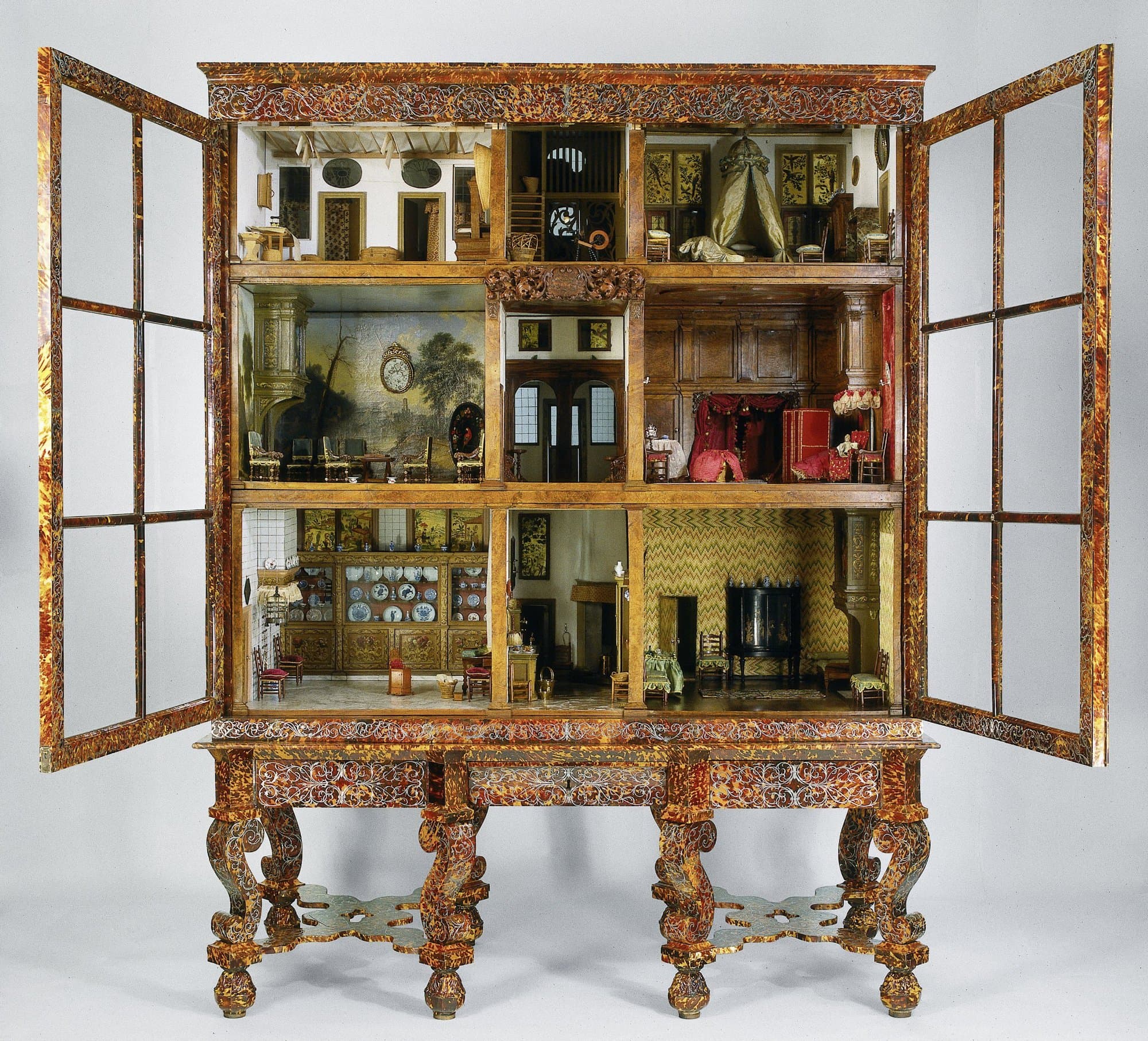
Petronella Oortman's Doll's House: The Miniature Canal House in the Rijksmuseum
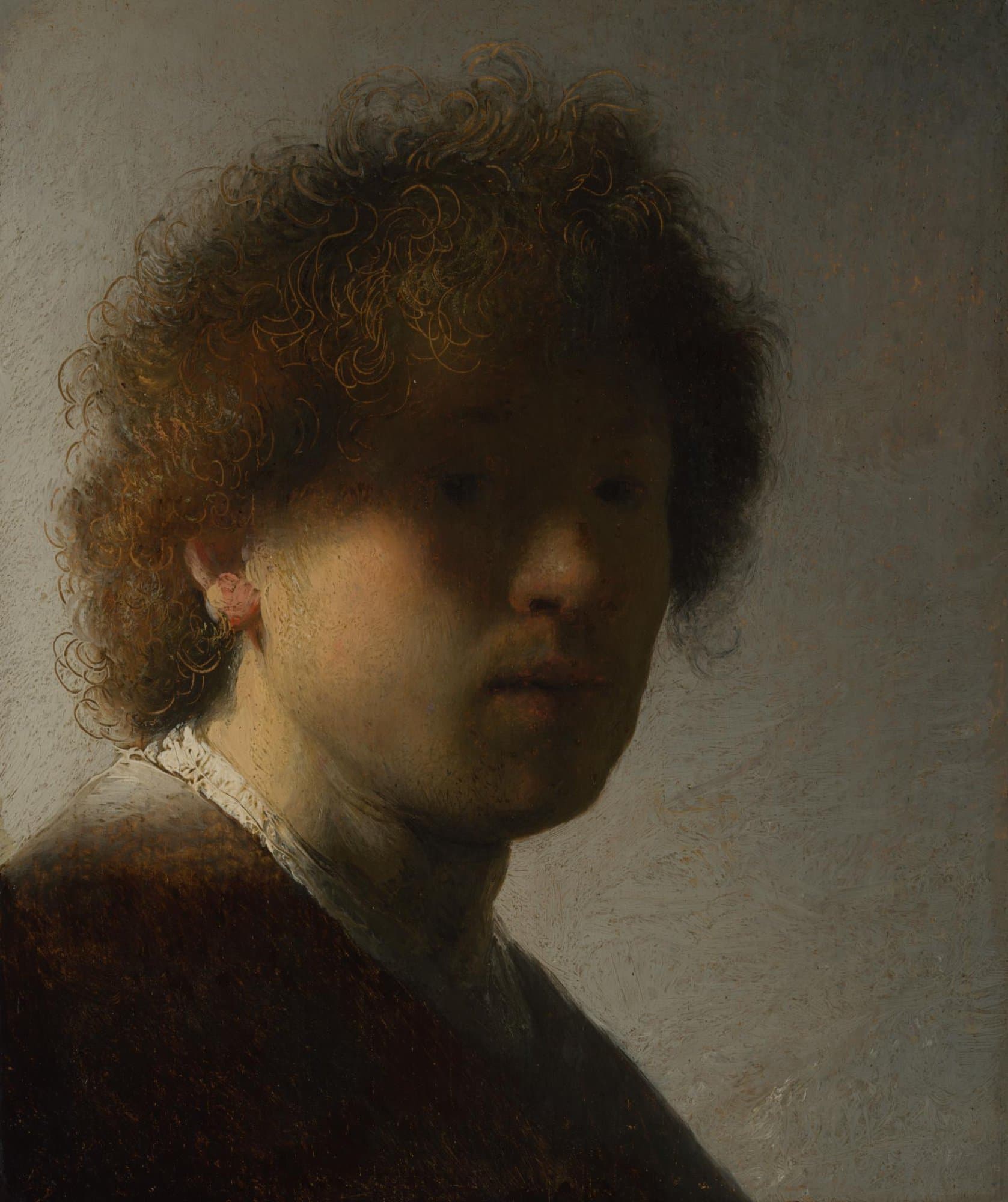
Rembrandt's Self-Portrait of 1628: A Young Man and the Back of a Brush
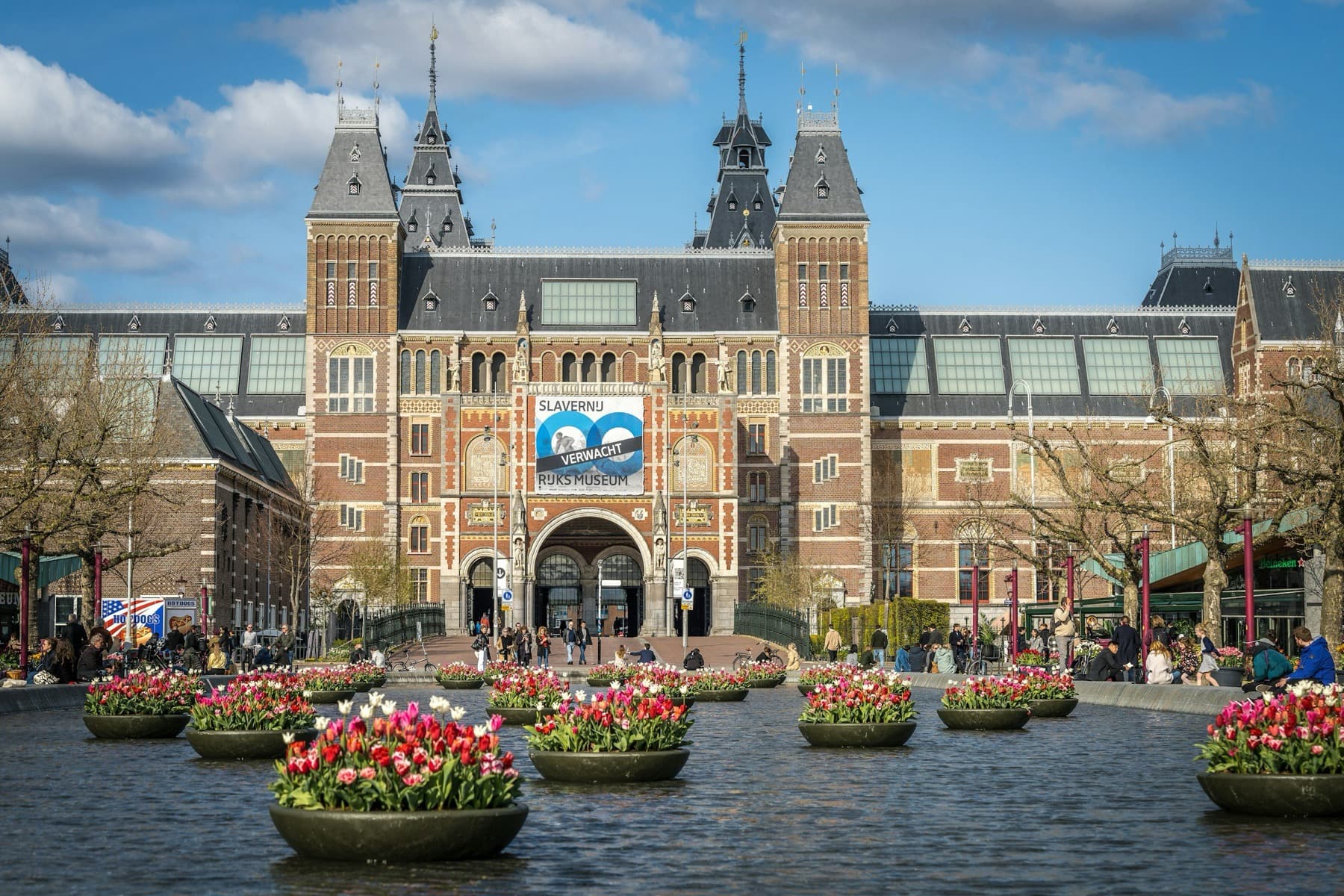
Rijksmuseum: What to See, Room by Room, and a Two-Hour Plan
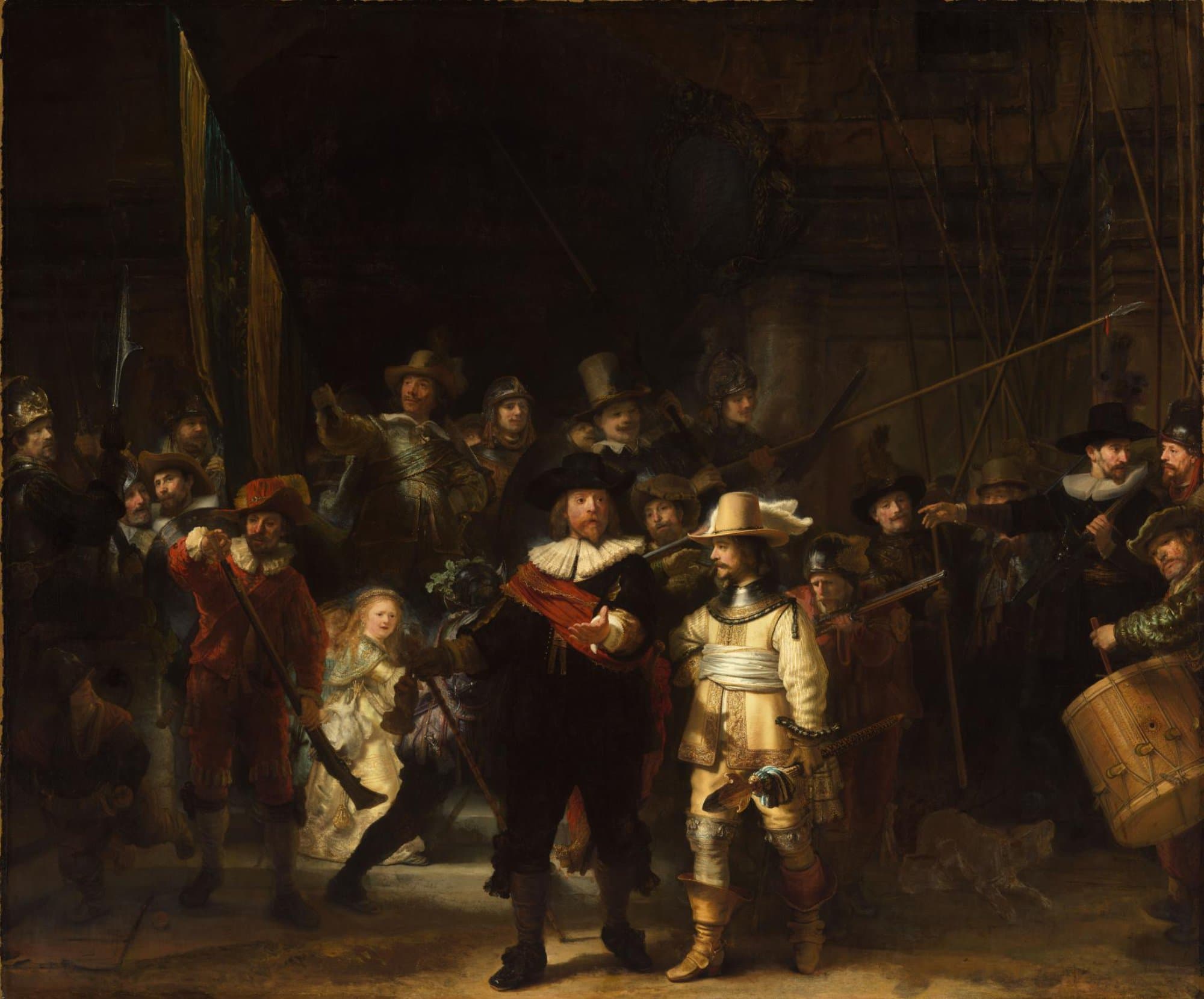
The Night Watch: Why It Is Called That, and What Was Cut Off