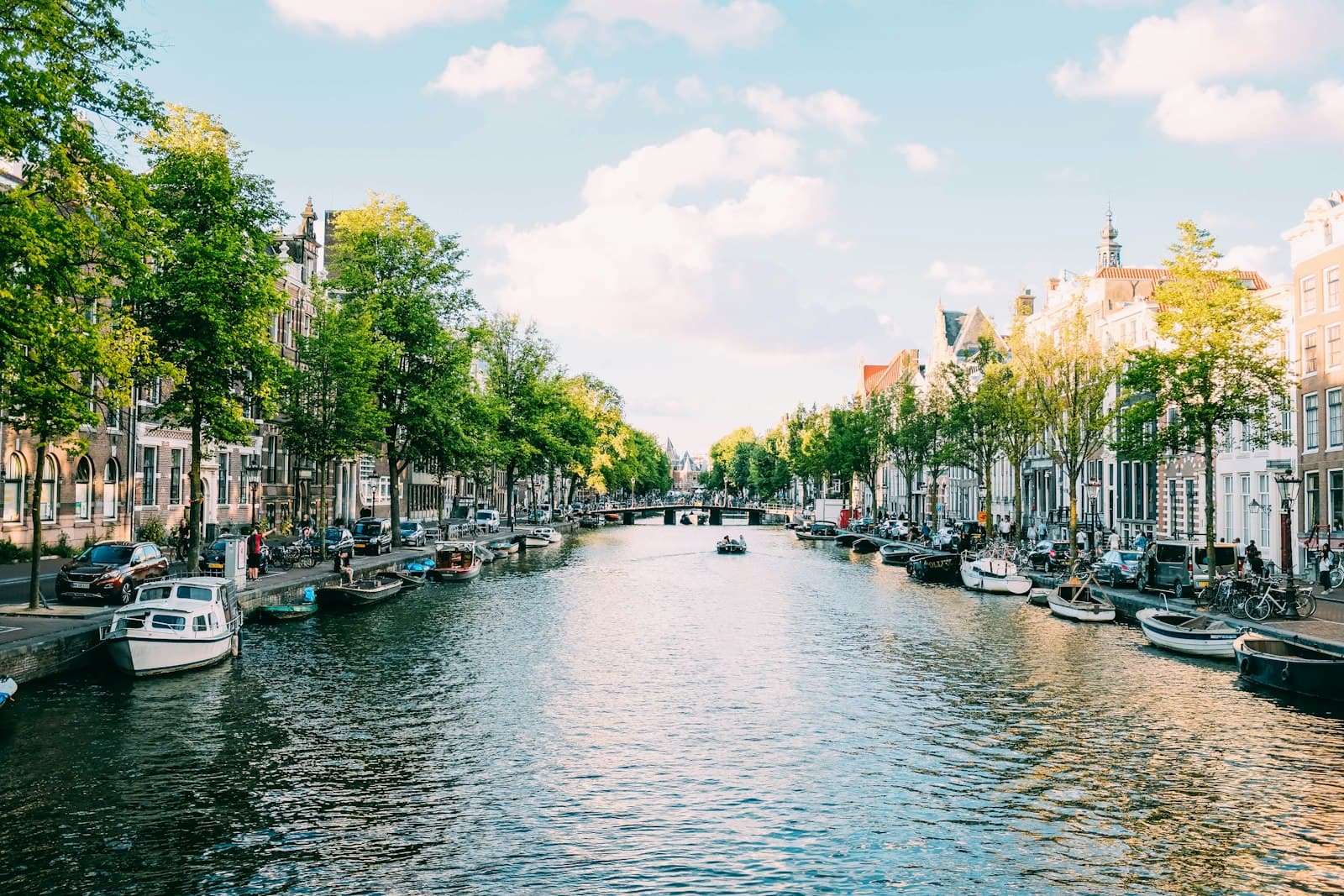
While Amsterdam built its famous canal ring for the rich, it drew a dense grid of narrow streets for everyone else. This walk reads the hidden layer of the Golden Age city: the Jordaan, the working quarter that stayed poor for three centuries and then became one of the most sought-after neighbourhoods in Europe.
Start · Brouwersgracht: The Beautiful Working Edge
DirectionsStops
- 1
Brouwersgracht: The Beautiful Working Edge
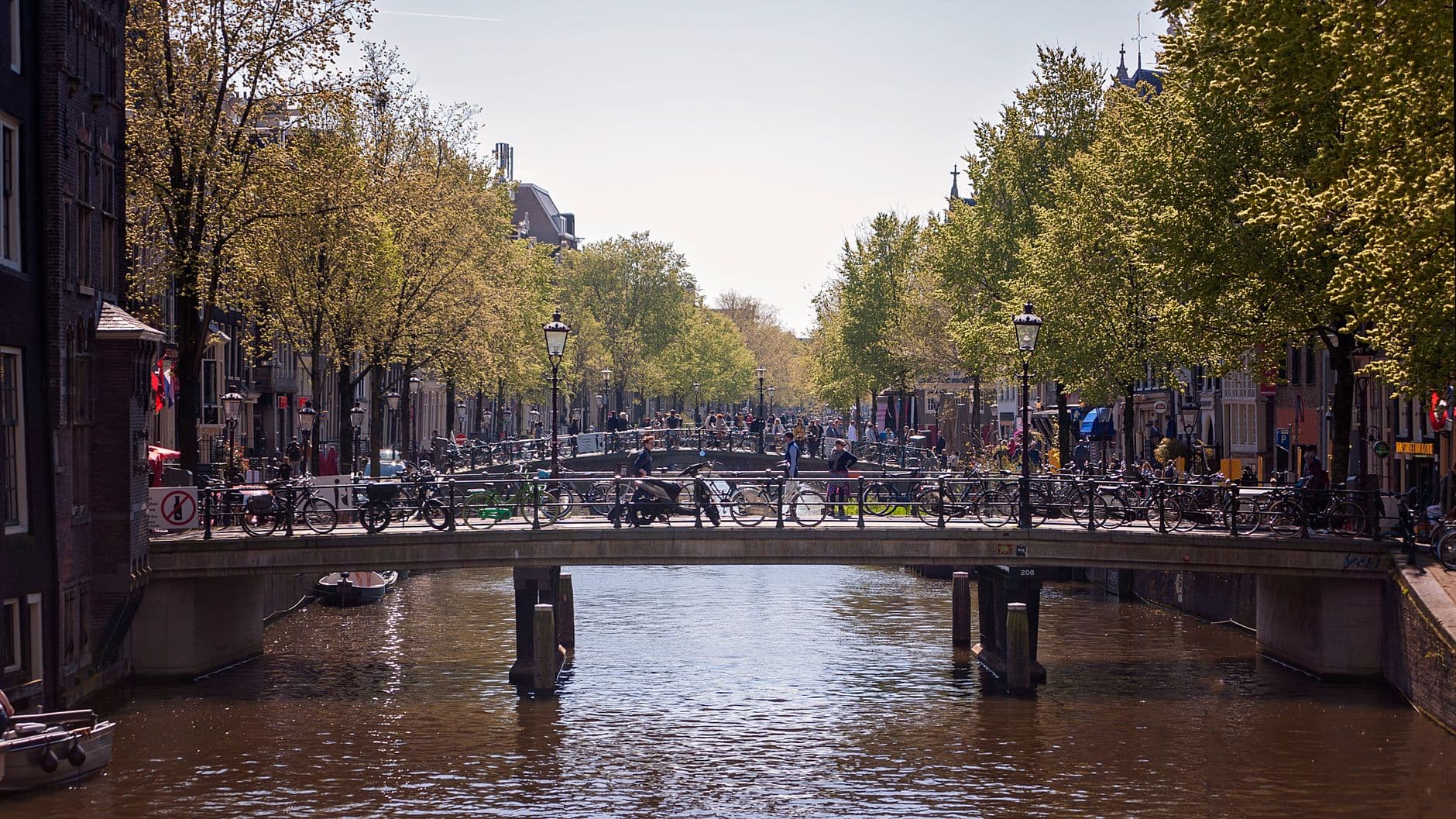
The canal on the northern edge of the Jordaan whose beauty hides its origins as a place of breweries and warehouses.
- 2
Noorderkerk and Noordermarkt: The Church for the Common People
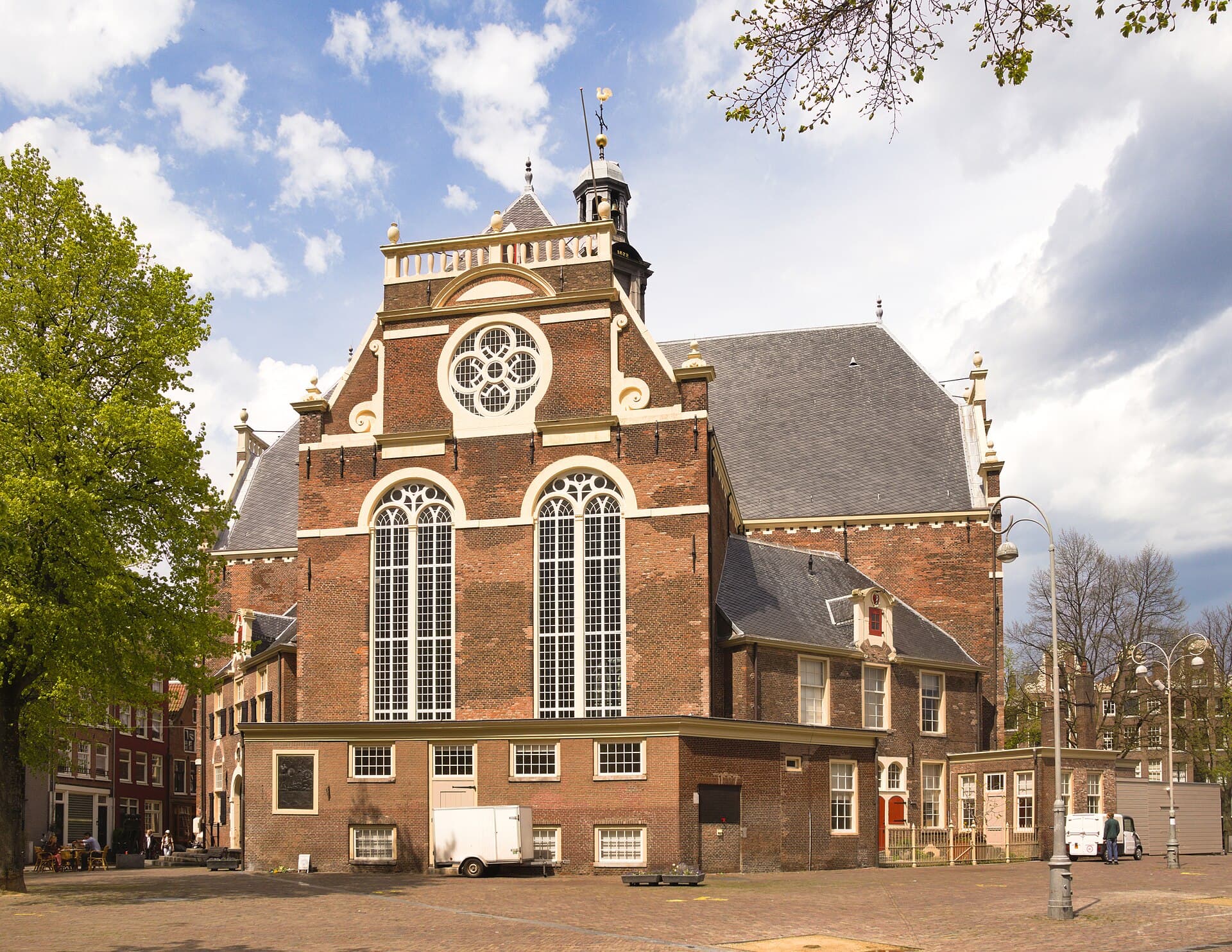
The plain, democratic Protestant church built so the poor of the Jordaan could all hear the preacher.
- 3
The Hofjes: Charity Behind Plain Doors
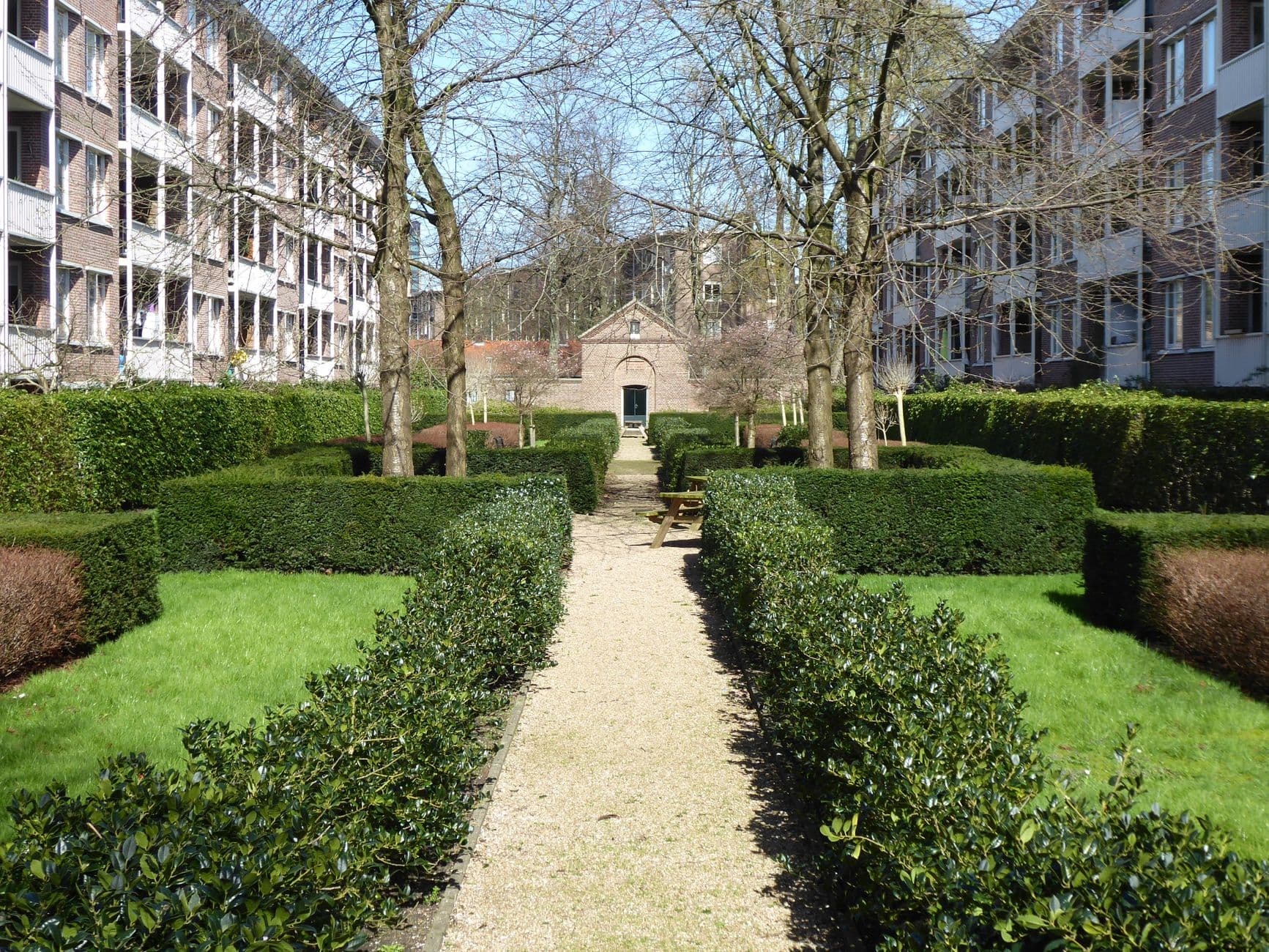
Two almshouse courtyards, entered through unremarkable street doors, built as charitable housing for poor widows.
- 4
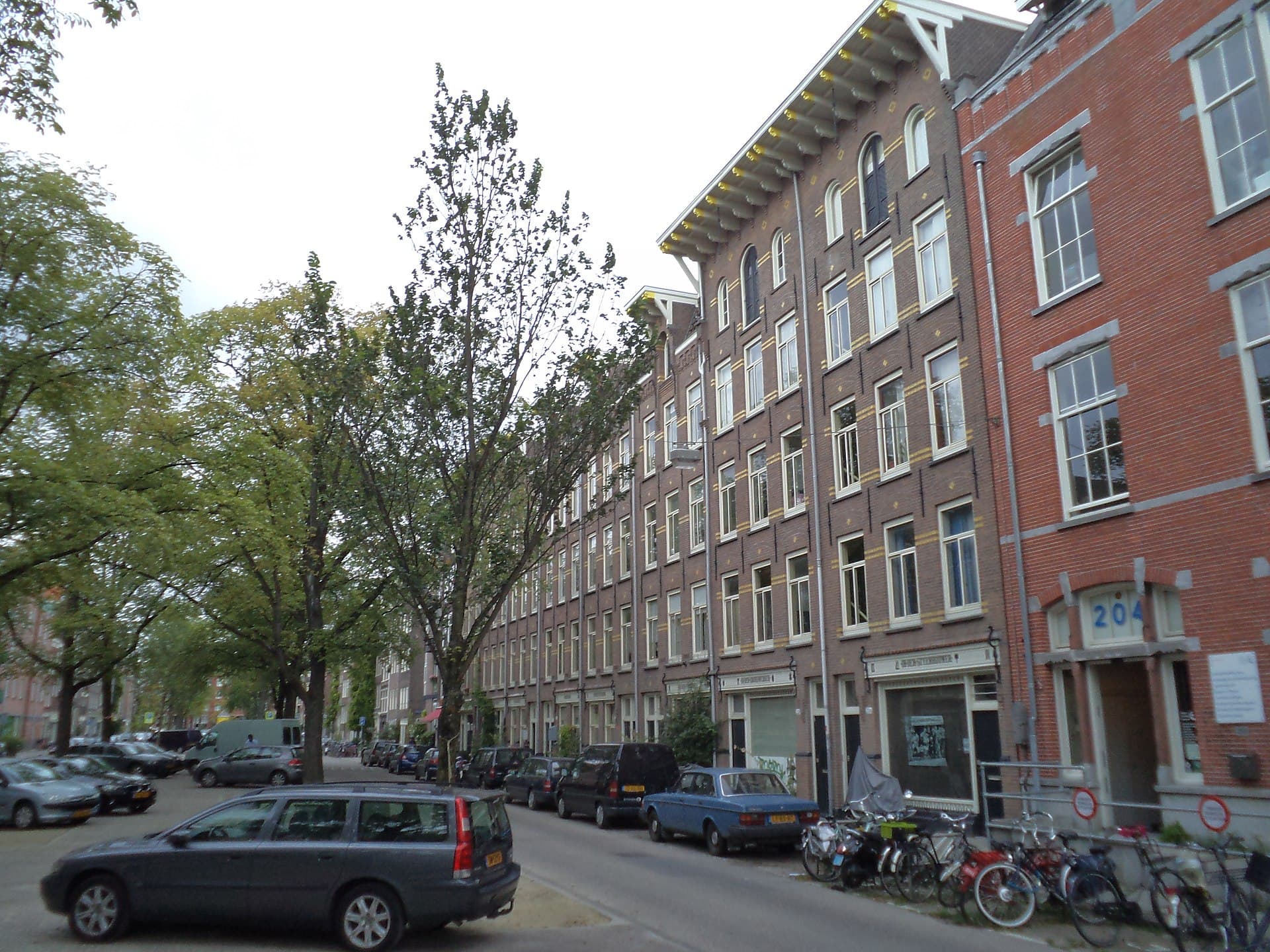
Lindengracht: Where the Riot Turned Deadly
A filled canal that was the scene of the Eel Riot of eighteen eighty-six, a working-class uprising that ended in death.
- 5
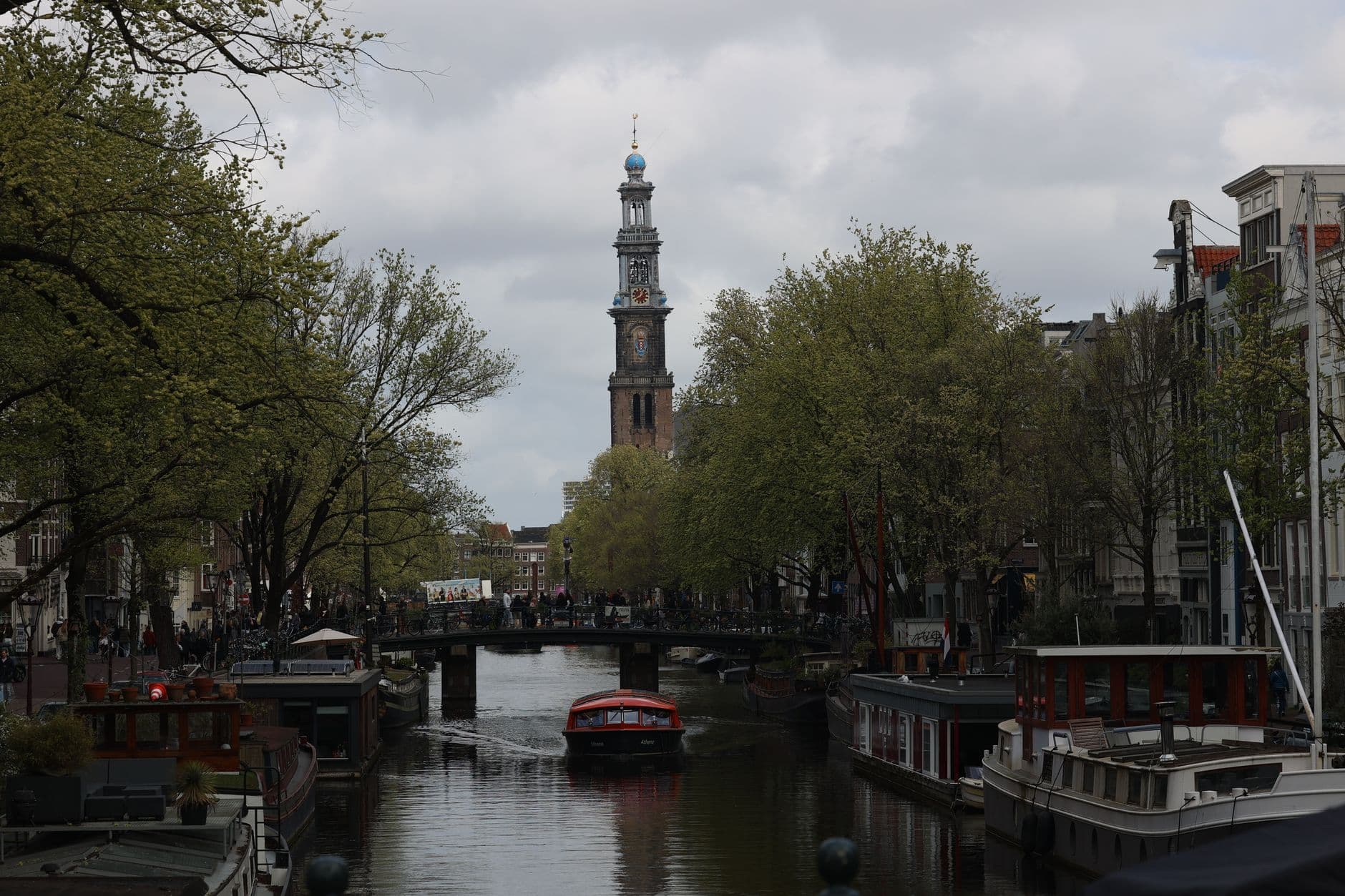
Johnny Jordaanplein: The Quarter Sings About Itself
A square honouring the singers of the Jordaanlied, the sentimental street-song culture that grew out of the poor quarter.
- 6
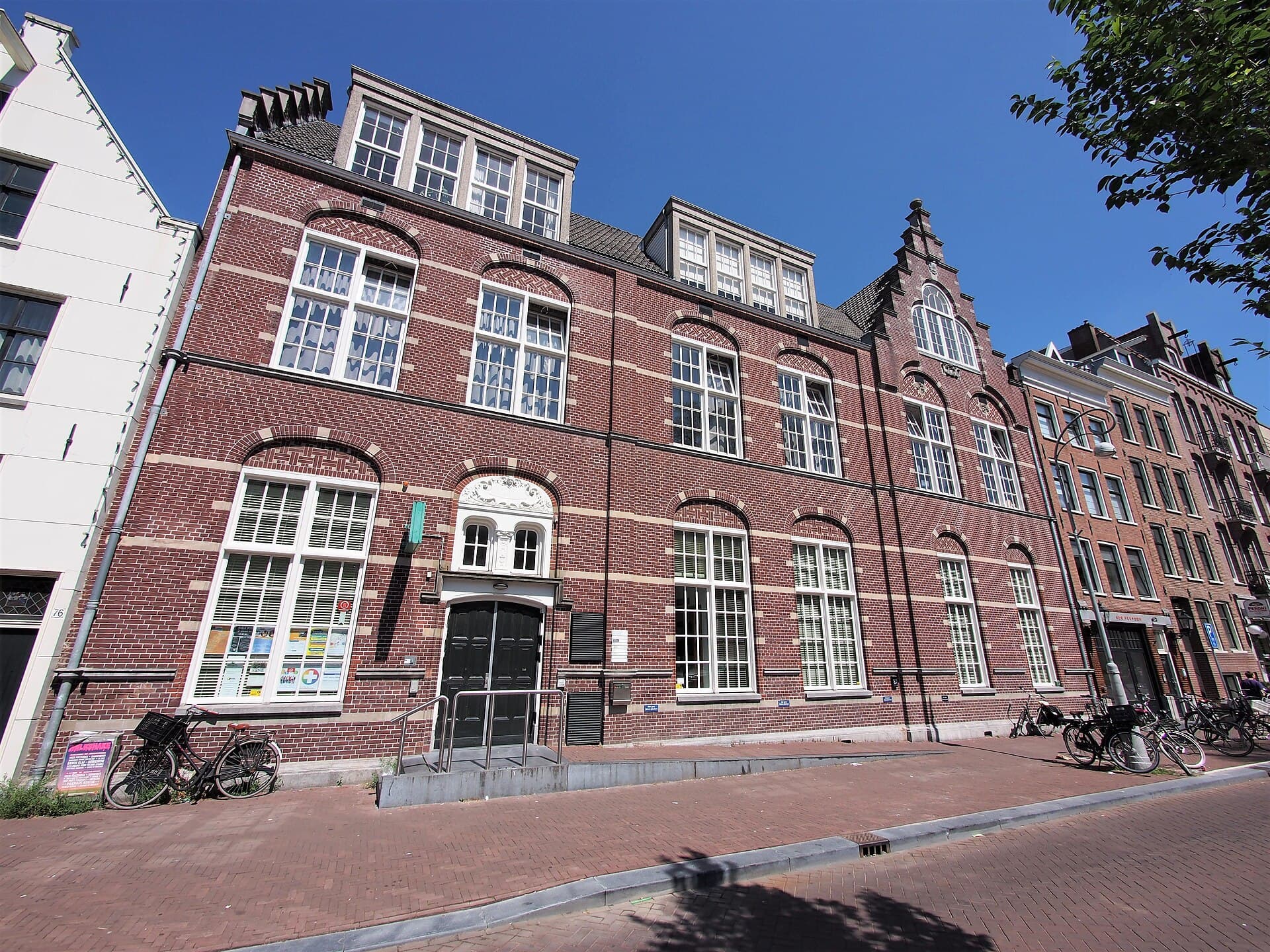
Elandsgracht: From Tanners' Slum to Sought-After
The tanners' street in the southern Jordaan where the quarter's long arc from poverty to prized property comes into focus.
Details
Best Time to Visit
Late morning is ideal, especially on a Saturday when the markets on the Noordermarkt and Lindengracht are running and the courtyards are open to quiet visitors during the day. Early morning gives you the emptiest, softest light on the Brouwersgracht for photos, while the hofjes are best entered before midday while their doors are open. Avoid late evening, when the courtyards close and the light on the canals fades.
Pro Tips
- •The hofjes are private homes with public courtyards. Enter only through open doors during daytime, keep your voice to a whisper, take no photos of windows or residents, and leave if it feels intrusive.
- •Time the walk for a Saturday to catch both the Noordermarkt farmers' and organic market and the Lindengracht market, both institutions rather than tourist attractions.
- •Wear comfortable flat shoes with grip. Much of the Jordaan is uneven cobblestone and old brick that can turn an ankle if you are looking up at the gables.
- •Pause at the Brouwersgracht early in your walk when the light is best, then work inward. The prettiest surface is right at the start, and the story deepens as you go.
- •Look for the plain street doors between houses. The hofje entrances are deliberately modest, so slow down and watch for a passage or a blue-tiled hallway rather than an obvious sign.
- •Keep some cash or a contactless card handy for the markets, and browse gently. These are working neighbourhood markets, not gift shops.
Safety & Precautions
- •Many canal quays and wharves have no railing. Watch the edge, especially near the Brouwersgracht and Prinsengracht, and keep children and distracted photographers well back from the water.
- •Cyclists and trams have priority and move fast and almost silently. Look both ways before stepping onto any street or bike lane, and never stop to photograph while standing in a cycle path.
- •The cobbles and old brick underfoot are uneven, and the bridges, quays, and wharves become genuinely slippery when wet. Take stairs and canal edges slowly in rain.
- •Inside the church and the hofjes, dress and behave with respect. Keep noise low, silence your phone, and if a service or a quiet moment is underway, hold back rather than walk through it.
- •In the crowded market stretches on the Noordermarkt and Lindengracht, and along the busy tram-lined canals, keep your bag zipped and in front of you. Pickpockets here work in teams, so treat a sudden bump, a spilled drink, or a stranger crowding you with a map as a distraction and check your belongings.
- •Real Dutch police will not stop you on the street to inspect your wallet or cards for counterfeit money. That is a known scam. If anyone flashes a badge and asks to see your cash, keep your wallet closed and offer to walk to the nearest station instead.
Travel advisory: Exercise Increased Caution (Level 2).
Gallery
Related Reading
Go deeper on what you'll see, hear, and walk through.
Overview
Amsterdam Travel Guide: Days, Transport, Timing, Safety, and Cost
7 min
Overview
Best Self-Guided Walking Tours in Amsterdam (2026)
4 min
Overview
One Day in Amsterdam: A Walkable Itinerary from Morning to Evening
10 min
Thematic
Rijksmuseum: What to See, Room by Room, and a Two-Hour Plan
10 min
Thematic
The Dam, the Plan, and the Quarter: How Amsterdam Was Engineered
7 min
Companion
The Hidden Almshouse Courtyards of the Jordaan
6 min
Deep dive
Brouwersgracht: Amsterdam's Prettiest Working Canal
6 min
Read
What to Eat in Amsterdam
7 min
Read the walk
The full story of The Quarter Built for the Poor, in words. Prefer to listen? Play it narrated, from home or on location.
Introduction
The Amsterdam you picture from the Golden Age is the canal ring of merchant palaces, wide water, tall gables, quiet money. But that wealth needed a workforce, and that workforce needed somewhere to live. Just outside the elegant ring, in the same decade, the city laid out a dense grid of narrow streets for everyone else: labourers, immigrants, tanners, and dyers. That quarter is the Jordaan, and for three centuries it was poor, crowded, tough, and fiercely its own. This walk reads the hidden layer of the same plan: same city, opposite fortunes. You are in Amsterdam, in the Netherlands, and over about six stops, roughly two hours and close to four kilometres at an easy pace, you will find the story underneath the picture. You will stand on a canal that readers once voted the most beautiful street in the city. You will step into almshouse courtyards built as charity for widows, hidden behind doors you would walk right past. You will reach a filled canal where a working-class riot turned deadly, and a square where the quarter learned to sing about itself. And you will end where a tanners' slum became one of the most expensive districts in the country. The Jordaan survived poverty and demolition threats, and then it was transformed by the very charm that poverty had preserved. Take it slowly. Skip any stop that does not pull you. This is your afternoon. When you arrive at the Brouwersgracht, begin with stop one.
1. Brouwersgracht: The Beautiful Working Edge
Start at the water, on the Brouwersgracht. Gracht means canal, and this one runs along the northwestern border of the Grachtengordel, the famous canal belt, forming the northern edge of the Jordaan. It is one of the loveliest views in the city. In the year two thousand seven, readers of the Amsterdam newspaper Het Parool voted it the most beautiful street in Amsterdam, chosen out of one hundred fifty nominations. So take a moment with it. But notice what you are actually looking at. The name Brouwers means brewers, and the canal took that name in the year fifteen ninety-four, from the many beer breweries clustered in this neighbourhood in the sixteen hundreds. Be careful with that, though. By the year sixteen sixty-four, only three of Amsterdam's twenty-two breweries actually stood on this canal. So the name records the trade, it does not mean the water was lined with them. Look at the tall brick buildings along the quay. Many are old warehouses, built to store goods, including spices and silks brought back from Asia, now converted into homes. One cluster carried the name the Green Deer. From the year seventeen eighty-two, the city's last distillery of gin and liqueurs, called De Ooievaar, stood on this canal. That is the point of starting here. This edge of the Jordaan looks like leisure now, all reflections and flowerpots, but it was built for work: brewing, storing, hauling. The beautiful surface and the working origin sit in the same place. Hold that idea as you turn inward, because the whole quarter is like this. Pretty on top, hard underneath.
2. Noorderkerk and Noordermarkt: The Church for the Common People
Now come to the Noordermarkt, the square built around the Noorderkerk. Noorder means northern, and Kerk means church. This is a Protestant church on the Prinsengracht, built between the years sixteen twenty and sixteen twenty-three to serve the fast-growing population of the new Jordaan. Its architect was Hendrick de Keyser, who also designed the Westerkerk nearby. When De Keyser died in the year sixteen twenty-one, his son Pieter de Keyser saw the work through to completion. Look at the shape of it, because the shape is the whole idea. Instead of a long nave, the plan sets a Greek cross, four arms of equal length, over an octagonal core, with heavy Tuscan pillars. It was designed so that everyone, wherever they sat, could hear the preacher. That was deliberate. This was the church for the common people of the Jordaan, plain and democratic by design. And here is the two-tier city in stone: this church served the poor, while the grander Westerkerk, just down the water, served the middle and upper classes. Same faith, same decade, different congregations, sorted by wealth. The square around you is still a living institution. On Saturdays it holds a farmers' and organic market, and on Monday mornings there is a historic textile market, the Lapjesmarkt, that has run here for a very long time. These markets are part of the fabric, not tourist stalls, so browse gently and let the neighbourhood use its own square. Then look up once more at that broad, equal-armed church. It was built on the principle that the poorest worshipper deserved to hear as clearly as anyone else.
3. The Hofjes: Charity Behind Plain Doors
This stop is the literal hidden layer. A hofje is an almshouse courtyard: charitable housing, paid for by a wealthy benefactor, entered through a plain street door that opens onto a quiet garden court you would never guess was there. Two of them anchor this part of the Jordaan.…
Full narration for this stop unlocks with the tour.
4. Lindengracht: Where the Riot Turned Deadly
The Lindengracht looks like an ordinary Jordaan street now. Linden means lime, or linden, trees, and Gracht means canal, though this canal was filled in during the year eighteen ninety-five. Before that, this was open water, and in the summer of the year eighteen eighty-six it…
Full narration for this stop unlocks with the tour.
5. Johnny Jordaanplein: The Quarter Sings About Itself
After the hard history, let the quarter sing. Johnny Jordaanplein sits where the Elandsgracht meets the Prinsengracht. Plein means square, and this one was dedicated in the year nineteen ninety-one. It honours Johnny Jordaan, the stage name of Johannes Hendricus van Musscher,…
Full narration for this stop unlocks with the tour.
6. Elandsgracht: From Tanners' Slum to Sought-After
End on the Elandsgracht, in the southern Jordaan. Eland means elk, and Gracht means canal, though this canal too was filled in, in the year eighteen ninety-one. Most Jordaan streets are named for trees and flowers, but not this one. It is named for the many tanneries that once…
Full narration for this stop unlocks with the tour.