Canal Ring: The City That Planned Its Water
100 min · 3.8 km · easy
In Amsterdam you eat by the water and on your feet: raw herring from a fish stall, a fresh stroopwafel pressed to order, deep-fried bitterballen with a cold beer, cones of thick-cut fries under mayonnaise, and a long Indonesian rice table when you want to sit down. These are the specific dishes to order, where each tradition comes from, and the phrases that get you served like a local rather than a tourist.
Amsterdam's food is a port city's food. For centuries the city ran on trade, fish, and empire, and the plate still shows it: North Sea herring, Flemish-style fried potatoes, cheese from the surrounding polders, and dishes carried back from the Dutch East Indies. You can walk most of this off in a single afternoon. If you want the streets themselves to make sense while you eat, our Amsterdam walking tours trace the canals, the Jordaan, and the medieval core where these traditions took shape.
Raw herring: the dish that built a fleet
Start with haring. Dutch herring is served raw, lightly salted and matured for a few days in brine, and eaten cold from a fish stall (a haringkraam). The herring fishery has been central to the Dutch economy since the Middle Ages, when abundant North Sea shoals turned fishing into a major industry. By the sixteen hundreds the herring trade was profitable enough to be called a gold mine of the Republic, one of the engines that underpinned Dutch maritime power. This is not novelty street food. It is one of the oldest food traditions in the country.
The prized version is Hollandse Nieuwe, the "new herring" of the year. The season runs roughly from mid-May to early July, when the fish have built up enough fat (traditionally at least around sixteen percent). The official opening is celebrated on Vlaggetjesdag, the "day of the little flags," most famously in the harbour of Scheveningen near The Hague, where the first barrel is auctioned for charity.
How to order it like a local: in Amsterdam the herring usually comes on a small tray, cut into pieces, with chopped raw onions and slices of sweet-sour pickle. The person behind the counter may ask "uitjes, zuur?" which simply means "onions, pickles?" Say yes to both the first time. The old-school way to eat it is to hold the fish by the tail, tilt your head back, and lower it into your mouth, though most stalls now give you a small fork and a cardboard tray. Either is correct.
Bitterballen and the borrel
Hear a stop from this walk
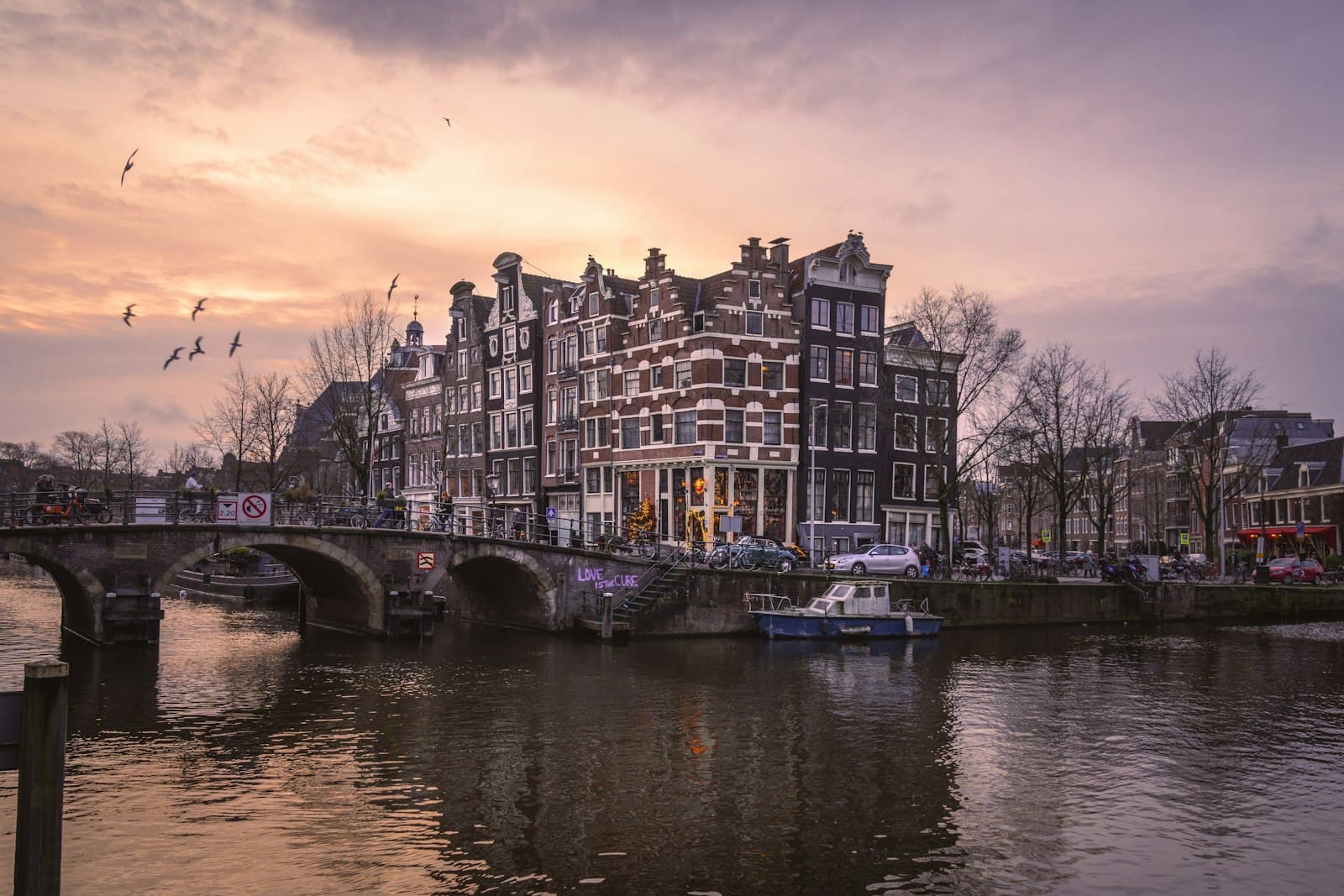
Reguliersgracht and the seven-bridges view
If herring is the daytime dish, bitterballen belong to the early evening. These are bite-sized, deep-fried balls of beef or veal ragout in a crisp breadcrumb shell, served hot with a smear of mustard. You eat them standing at a bar or brown café as part of the borrel: the Dutch ritual of gathering for drinks and snacks in the late afternoon or early evening. The "bitter" in the name originally referred to the herb-flavoured spirits the snack was served alongside, not to any flavour. Order a plate of bitterballen with a beer and you have done the borrel correctly.
Fries, the Flemish way, with mayonnaise not ketchup
Amsterdammers call thick-cut fries patat, and you will also see them billed as Vlaamse frites, "Flemish fries," a nod to their origins just south in Belgium. As a port city open to trends, Amsterdam took to them early, and they became the quick, portable, affordable snack of the working streets.
The correct order is not ketchup. The Dutch standard is fritessaus, a mayonnaise-style sauce, served in a generous dollop on top of fries in a paper cone. If you want the local combination, ask for oorlog ("war"): fries topped with mayonnaise, Indonesian peanut satay sauce, and raw onions. It is a lot, and it is the point.
Stroopwafel: caramel between two thin waffles
The stroopwafel is two thin, round waffles pressed together with a filling of warm caramel syrup. The tradition comes from the city of Gouda, where bakers created it in the late seventeen hundreds or early eighteen hundreds. One popular account ties it to the baker Gerard Kamphuisen, whose stroopwafels date to somewhere between eighteen ten, the year he opened his bakery, and eighteen forty, the year of the oldest known recipe. Like many good ideas, it started as thrift: a way to use up crumbs, syrup, and leftover dough at the end of the day.
Buy them one of two ways. Packaged stroopwafels from a shop or supermarket are fine for taking home. But the version to eat in Amsterdam is fresh off the iron, warm, with the caramel still soft. The best place to find that is a market stall (more on the market below).
The rice table: Amsterdam's Indonesian inheritance
For a sit-down meal, order a rijsttafel, the Indonesian "rice table." It arrives as rice at the center surrounded by many small dishes: satays, curries, sambals, pickles, and vegetables, so you taste a spread rather than a single plate. The format was created during Dutch colonial rule in the Dutch East Indies, a way for the colonial elite to display wealth, and it came to the Netherlands with returning colonials and Indonesian and Indo-European migrants after Indonesia's independence in 1945.
Today the rice table is closely tied to Dutch, and especially Amsterdam, dining. In November 2022 rijsttafel was added to the Netherlands' register of intangible cultural heritage. Go hungry and go with company, because the meal is built to share.
Cheese, and where to graze
Dutch cheese is worth a stop, and the two names to know are Gouda and Edam, both named for towns near Amsterdam. Cheese shops will let you taste young (jong) versus aged (oud); the aged Gouda is firmer, saltier, and crystalline. A wedge of oude Gouda with mustard is a snack in its own right.
The single best place to eat your way through this list is the Albert Cuypmarkt in the De Pijp district. Running since 1905, it is the largest outdoor market in the Netherlands, and its stalls sell fresh stroopwafels, raw herring with onions, poffertjes (small puffy pancakes dusted with icing sugar), kibbeling (battered fried fish), and cheese, alongside international street food. It is a short tram ride south of the canal belt.
Pair the food with the walk
The dishes make more sense once you have read the city that produced them. The Amsterdam Jordaan walk passes the Noordermarkt, which holds a Saturday organic and farmers market in the old working quarter, a good place to shop and snack away from the busiest tourist stalls. The medieval-core route runs through the Nieuwmarkt and the harbour origins where the sea trade (and the herring) first came ashore, and the canal-ring walk ends near the flower market and the Nine Streets, where cafés and cheese shops cluster. Browse all three from the Amsterdam city page and eat as you go.
Sources
Frequently asked questions
- What food is Amsterdam most famous for?
- Amsterdam is known for raw herring (haring) eaten from fish stalls with onions and pickles, deep-fried bitterballen served with beer, thick-cut fries with mayonnaise-style fritessaus, fresh stroopwafels, and the Indonesian rice table (rijsttafel). These reflect the city's history as a trading port and former colonial power. Dutch cheeses like Gouda and Edam are also widely sold and sampled.
- How do you eat Dutch herring in Amsterdam?
- In Amsterdam herring is usually served cold on a small tray, cut into pieces, with chopped raw onions and sliced sweet-sour pickles. The vendor may ask "uitjes, zuur?" meaning "onions, pickles?" The traditional way is to hold the fish by the tail and lower it into your mouth, though most stalls now provide a small fork.
- When is herring season in Amsterdam?
- The prized Hollandse Nieuwe (new herring) season runs roughly from mid-May to early July, when the fish have built up enough fat, traditionally around sixteen percent. The season officially opens with Vlaggetjesdag, most famously celebrated in the harbour of Scheveningen near The Hague. Regular herring is available at Amsterdam stalls most of the year.
- What is a rijsttafel and where does it come from?
- A rijsttafel, or "rice table," is an Indonesian-style meal of rice surrounded by many small shared dishes such as satays, curries, and sambals. It was created during Dutch colonial rule in the Dutch East Indies and came to the Netherlands with returning colonials and migrants after Indonesia's independence in 1945. In November 2022 it was added to the Netherlands' register of intangible cultural heritage.
- Do the Dutch really eat fries with mayonnaise?
- Yes. In Amsterdam the standard topping for patat (fries) is fritessaus, a mayonnaise-style sauce, served on top in a paper cone rather than ketchup. A popular local order called oorlog ("war") adds Indonesian peanut satay sauce and raw onions on top of the mayonnaise. The fries themselves are often billed as Vlaamse frites, or Flemish fries.
- Where can I try the most Amsterdam street food in one place?
- The Albert Cuypmarkt in the De Pijp district, running since 1905, is the largest outdoor market in the Netherlands and gathers fresh stroopwafels, raw herring, poffertjes, kibbeling, and cheese in one street. In the Jordaan, the Noordermarkt hosts a Saturday organic and farmers market that is quieter than the central tourist stalls.
Ready to experience it?
Canal Ring: The City That Planned Its Water
100 min · 3.8 km · easy
More from Amsterdam
Explore more at your own pace.
Avercamp's Winter Landscape with Skaters: Hunting the Small Stories

Petronella Oortman's Doll's House: The Miniature Canal House in the Rijksmuseum
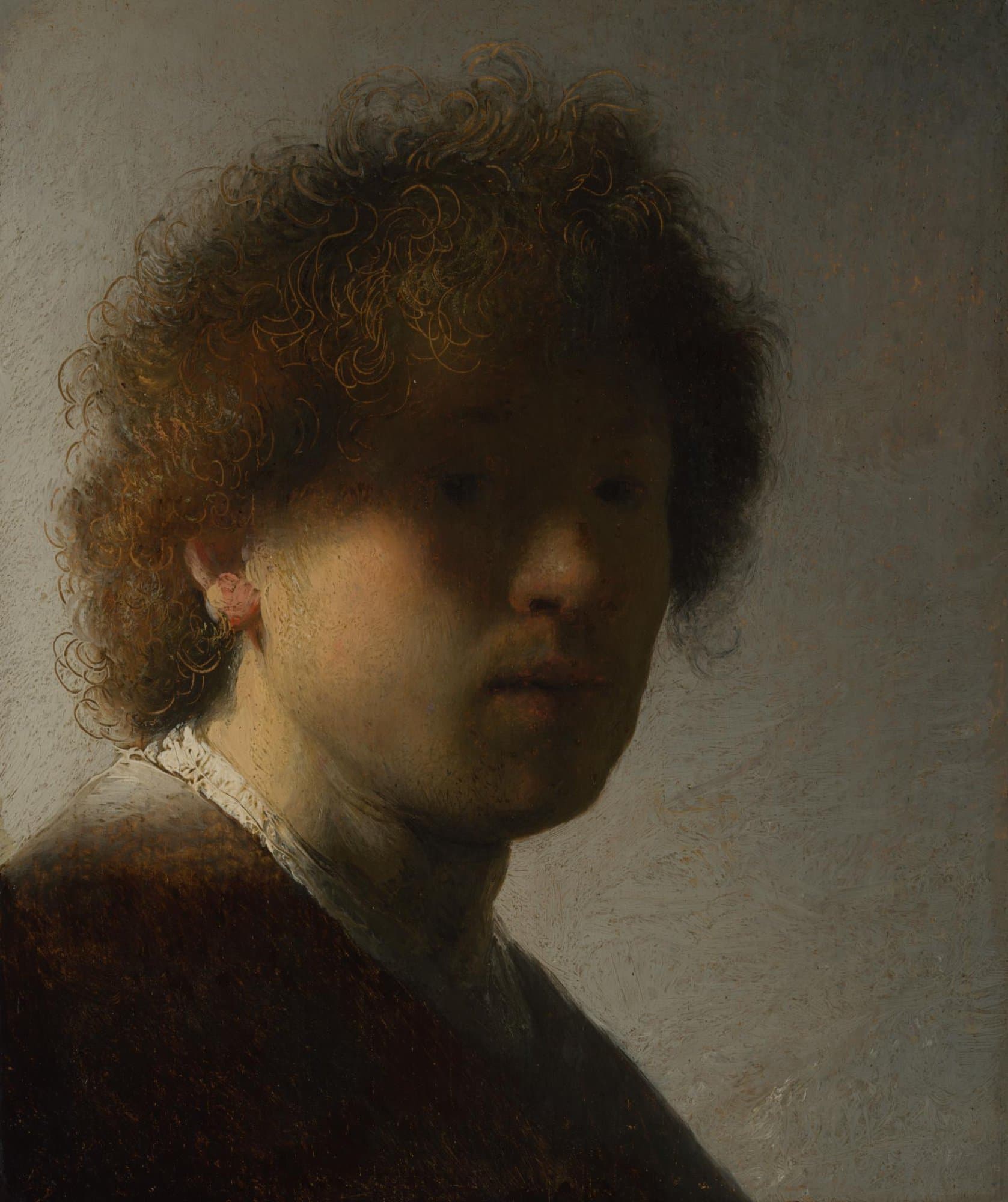
Rembrandt's Self-Portrait of 1628: A Young Man and the Back of a Brush
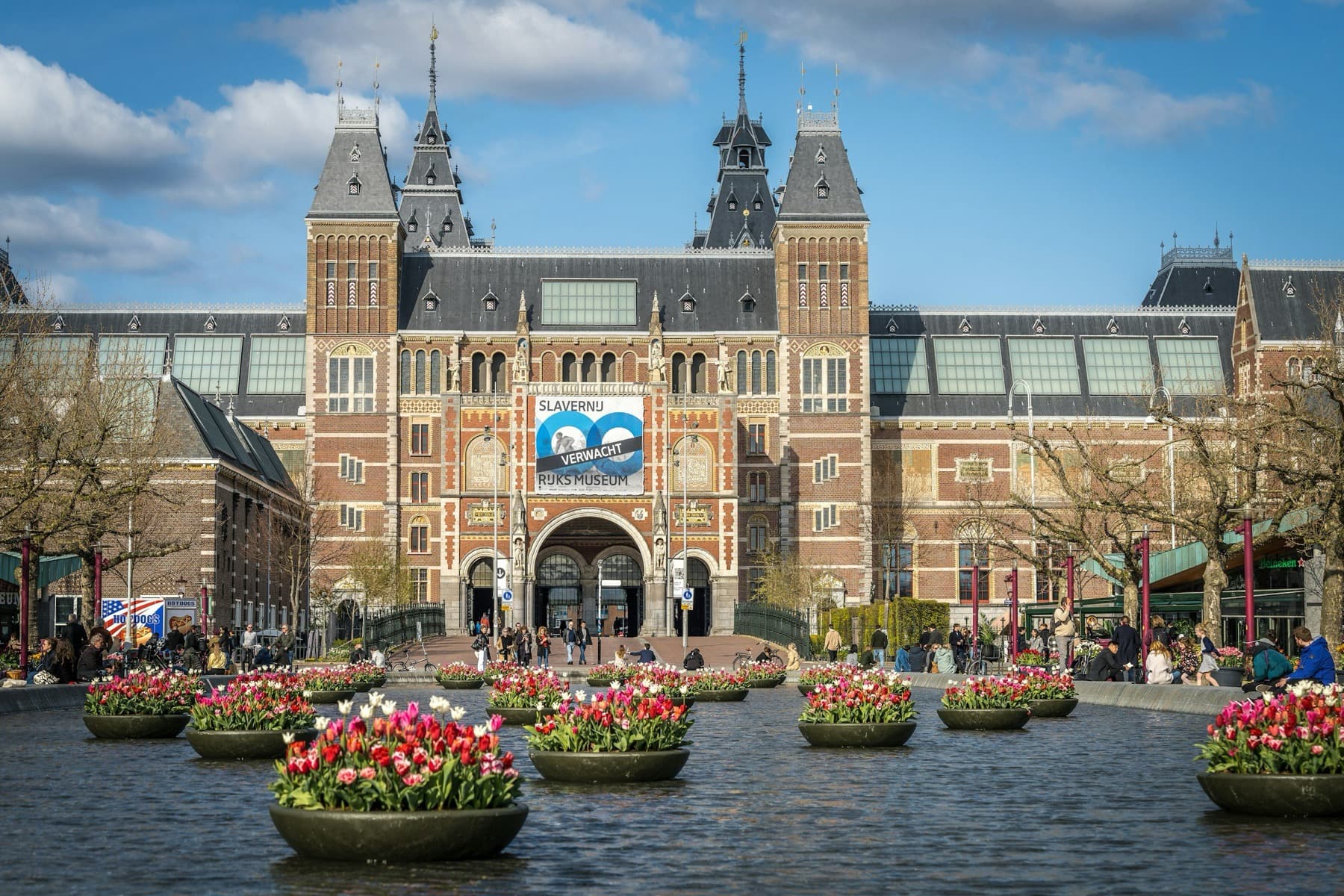
Rijksmuseum: What to See, Room by Room, and a Two-Hour Plan
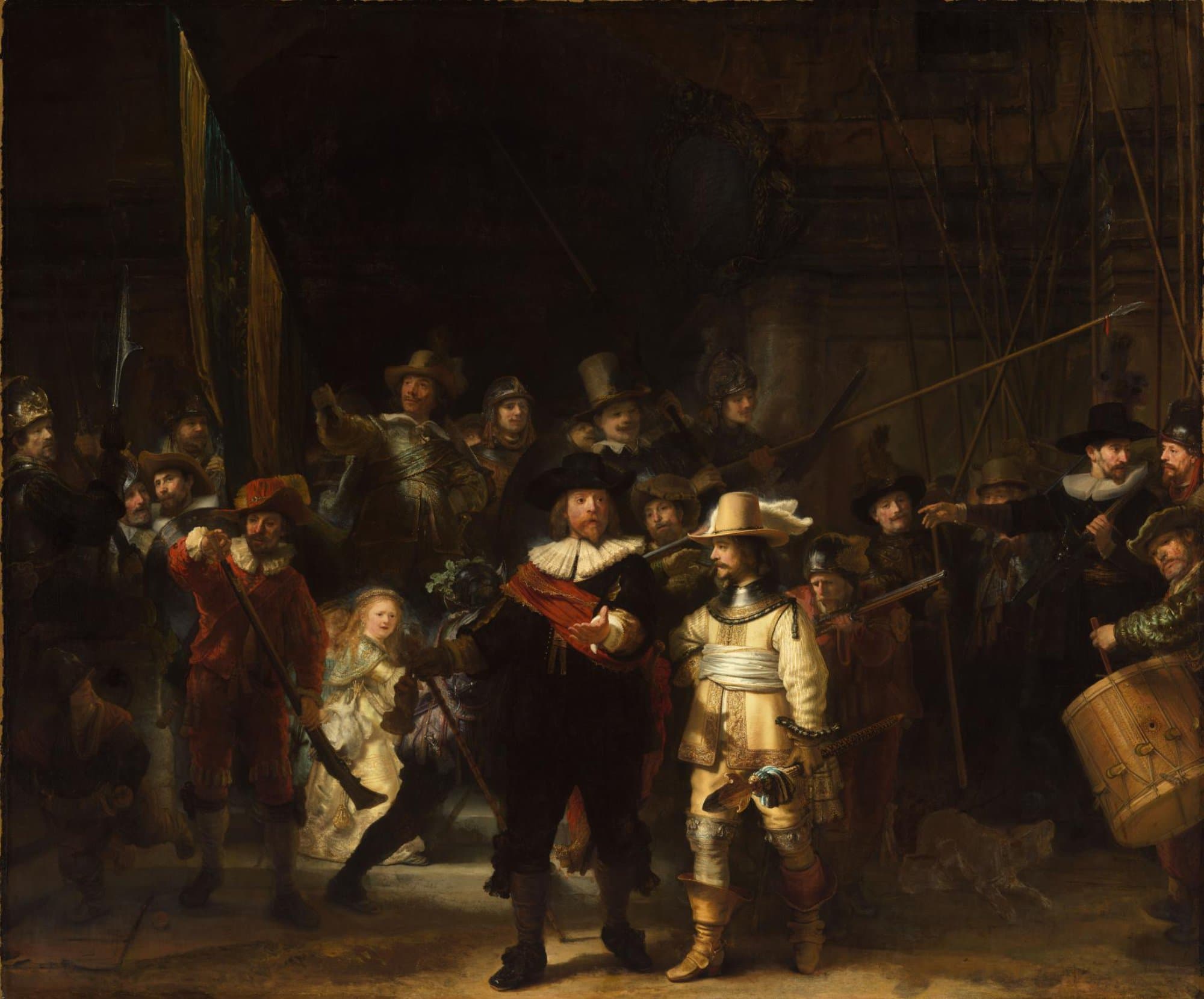
The Night Watch: Why It Is Called That, and What Was Cut Off