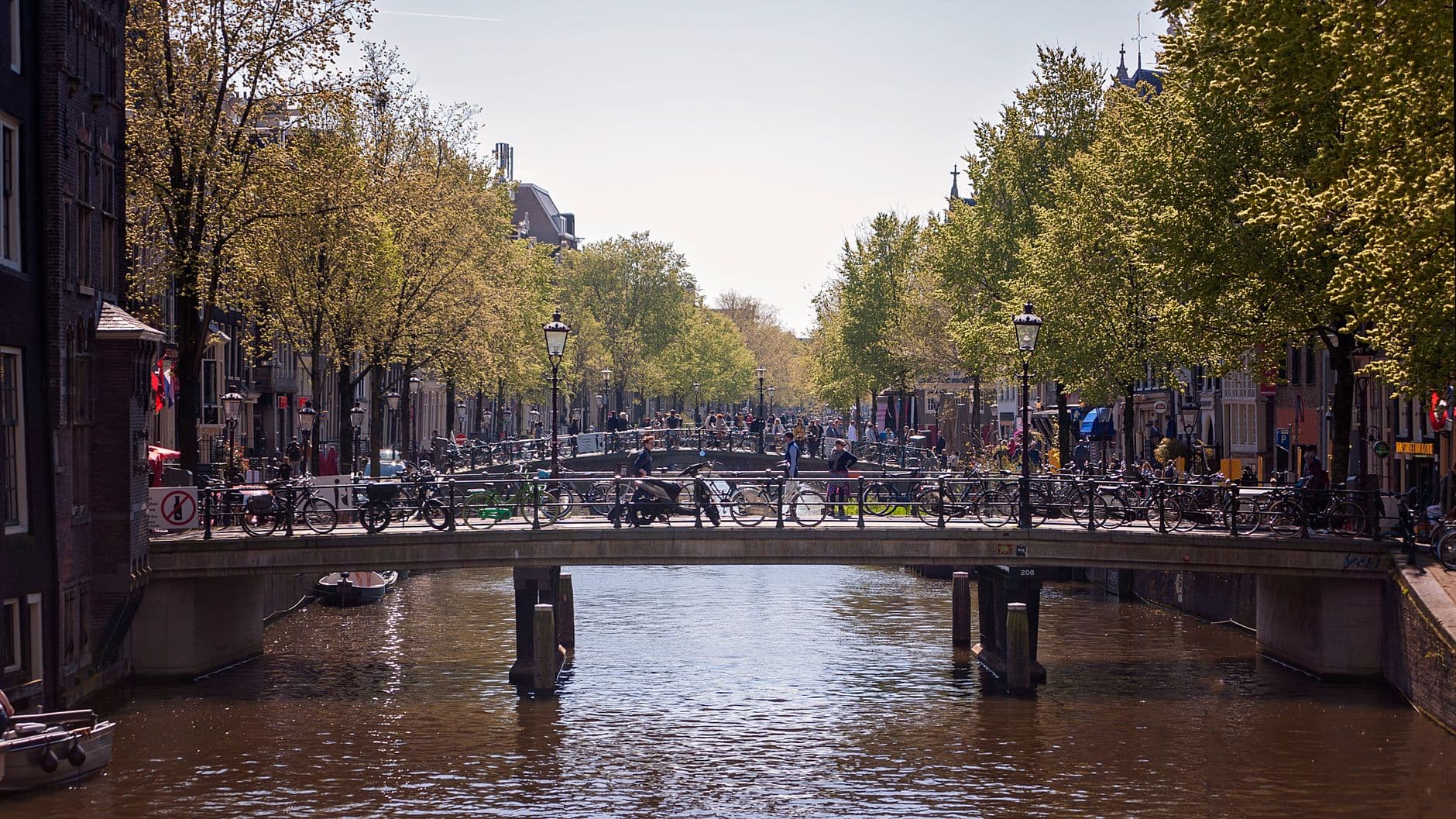
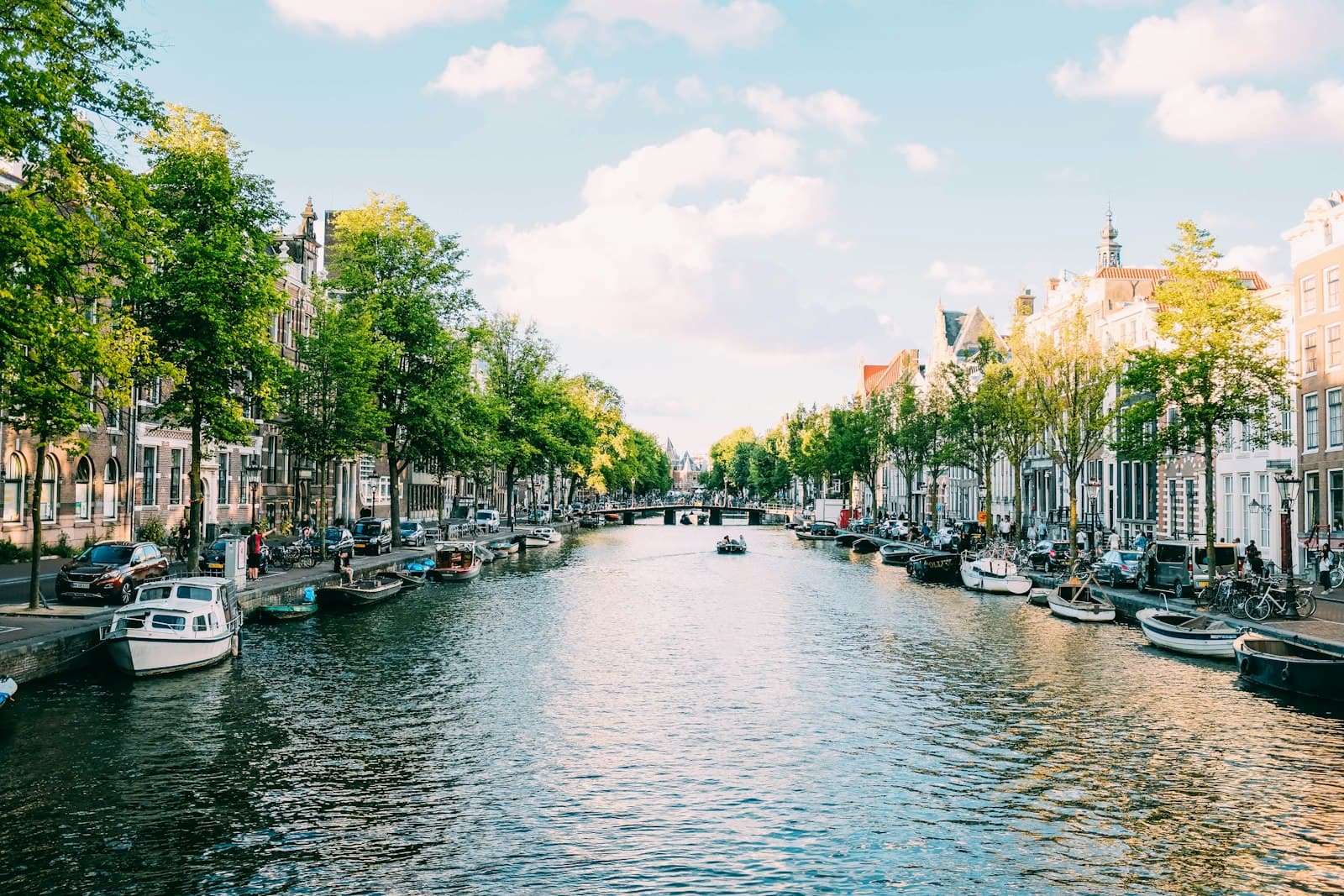
Brouwersgracht is a canal built for work that now reads as pure leisure, and holding those two facts in the same view is the whole point of standing here. It runs along the northwestern border of Amsterdam's Grachtengordel, the famous canal belt, forming the northern edge of the Jordaan. The name means brewers, the water once served warehouses and distilling, and the reflections you photograph today sit directly on top of a hard working past. Read the contradiction and you have the key to the entire neighbourhood behind it.
A beauty that was voted, not assumed
Start with what most people notice first: this is one of the loveliest stretches of water in the city. That is not just a traveler's impression. In 2007, readers of the Amsterdam newspaper Het Parool voted the Brouwersgracht the most beautiful street in Amsterdam, chosen out of one hundred fifty nominations. So the beauty is real, popular, and locally certified. Stand at a bridge, look down the line of tall brick facades reflected in the water, and you can see why it wins that kind of vote. The proportions are calm. The gables are old. The flowerpots and houseboats give it a lived-in softness.
But the beauty is a surface, and the more interesting story is what it covers.
Why "brewers"
Hear a stop from this walk
Lindengracht: Where the Riot Turned Deadly
The canal took its name in 1594, from the many beer breweries that clustered in this neighbourhood in the sixteen hundreds. That is the plain origin of the word Brouwers. It is tempting to picture the whole canal lined end to end with breweries, steam and grain and barrels along every quay. The record does not support that picture, and it is worth being precise. By 1664, only three of Amsterdam's twenty-two breweries actually stood on this canal. The name records the trade, it does not measure the density. A street can carry the memory of an industry long after the industry has thinned out or moved on, and Brouwersgracht is a clean example of exactly that: a name that preserves a working identity the water itself had already mostly shed.
That distinction matters because it is easy to over-romanticize an old name. The honest version is more interesting anyway. This was a working edge of the city, and the naming convention around here is functional, not decorative.
The buildings were storage, not homes
Look at the tall brick buildings along the quay. Many of them are old warehouses, built to store goods rather than to house families. And the goods were not local. In the sixteen hundreds these warehouses held the imports that made the Golden Age economy run, including spices and silks brought back from Asia. One cluster carried the name the Green Deer. So even this quiet corner, along the northern edge of the Jordaan, was wired directly into Amsterdam's global trade. The elegance you see now is a conversion. Those warehouses became apartments; the hauling and stacking stopped; the loading doors turned into windows.
The distilling stayed longest. From 1782, the city's last distillery of gin and liqueurs, called De Ooievaar, stood on this canal. That single detail tells you the working character of the place persisted for a very long time, well past the Golden Age itself. Brewing gave the canal its name, warehousing gave it its buildings, and gin gave it a final working chapter that ran into the modern era.
The threshold to the other Amsterdam
Here is why this canal is the right place to begin a walk into the Jordaan, and not just a pretty photo stop. Brouwersgracht is a border. It separates the wealthy Grachtengordel, the merchant canal belt built for the rich, from the Jordaan, the dense grid of narrow streets that the city laid out in the same era for everyone else: labourers, immigrants, tanners, and dyers. Standing on the Brouwersgracht, you are standing on the seam between the two Amsterdams that the Golden Age produced at once. The city planned both in the same decades. One got wide water and quiet money. The other got crowded streets and hard trades.
The Jordaan stayed poor for roughly three centuries. It was laid out from 1612 as part of Amsterdam's canal expansion, as a working quarter for craftsmen, labourers, and newcomers, and it held that identity through demolition threats in the twentieth century before it was transformed, from the nineteen sixties onward, into one of the most sought-after districts in the country. Brouwersgracht is the overture to that arc. Its beauty-on-top, work-underneath duality is the exact pattern the whole quarter follows: pretty street doors that open onto charitable almshouse courtyards, a filled canal that once ran with a deadly working-class riot, a square that turned poverty into song.
What to understand standing in front of it
If you take one idea away from this spot, take this: do not mistake charm for its history. The Brouwersgracht looks like leisure now, all reflections and flowerpots and calm water, but it was built for work. Brewing gave it a name, storage gave it its buildings, distilling gave it a long working life, and the whole canal marks the line where rich Amsterdam ended and working Amsterdam began. The beautiful surface and the working origin are not in tension. They are the same place, seen at different depths. Once you learn to read a canal that way, the rest of the Jordaan opens up, because every stop behind this one hides its labour under something lovely.
A practical note if you come to see it in person: many canal quays here have no railing, so watch the edge, and come early if you want the softest light and the emptiest quay for photographs.
Brouwersgracht is stop one on the self-guided Jordaan walk, the northern threshold that sets up everything inland. To walk the full route at your own pace, with audio at each stop, start with the Jordaan tour on Amsterdam, and browse the other routes on our Amsterdam walking tours hub.
Sources
- Brouwersgracht, Wikipedia. Origin of the canal name in 1594, the three-of-twenty-two breweries figure for 1664, the De Ooievaar distillery from 1782, and the Het Parool 2007 vote as most beautiful street out of one hundred fifty nominations.
- Canals of Amsterdam, Wikipedia. Seventeenth-century warehouses on the Brouwersgracht storing spices and silks brought back from Asia.
- MforAmsterdam, "Brouwersgracht." The Green Deer warehouse cluster, the 1664 brewery count, and the canal's role in Golden Age storage.
- Jordaan, Wikipedia. The quarter's 1612 layout as a working-class neighbourhood and its shift from poverty to one of the most expensive districts in the Netherlands from the nineteen sixties.
- Roamer Amsterdam Jordaan self-guided tour, fact-audited stop transcripts. The boundary between the Grachtengordel and the Jordaan and the quarter's working origins.
Ready to experience it?
The Quarter Built for the Poor
105 min · 3.9 km · easy
More from Amsterdam
Explore more at your own pace.
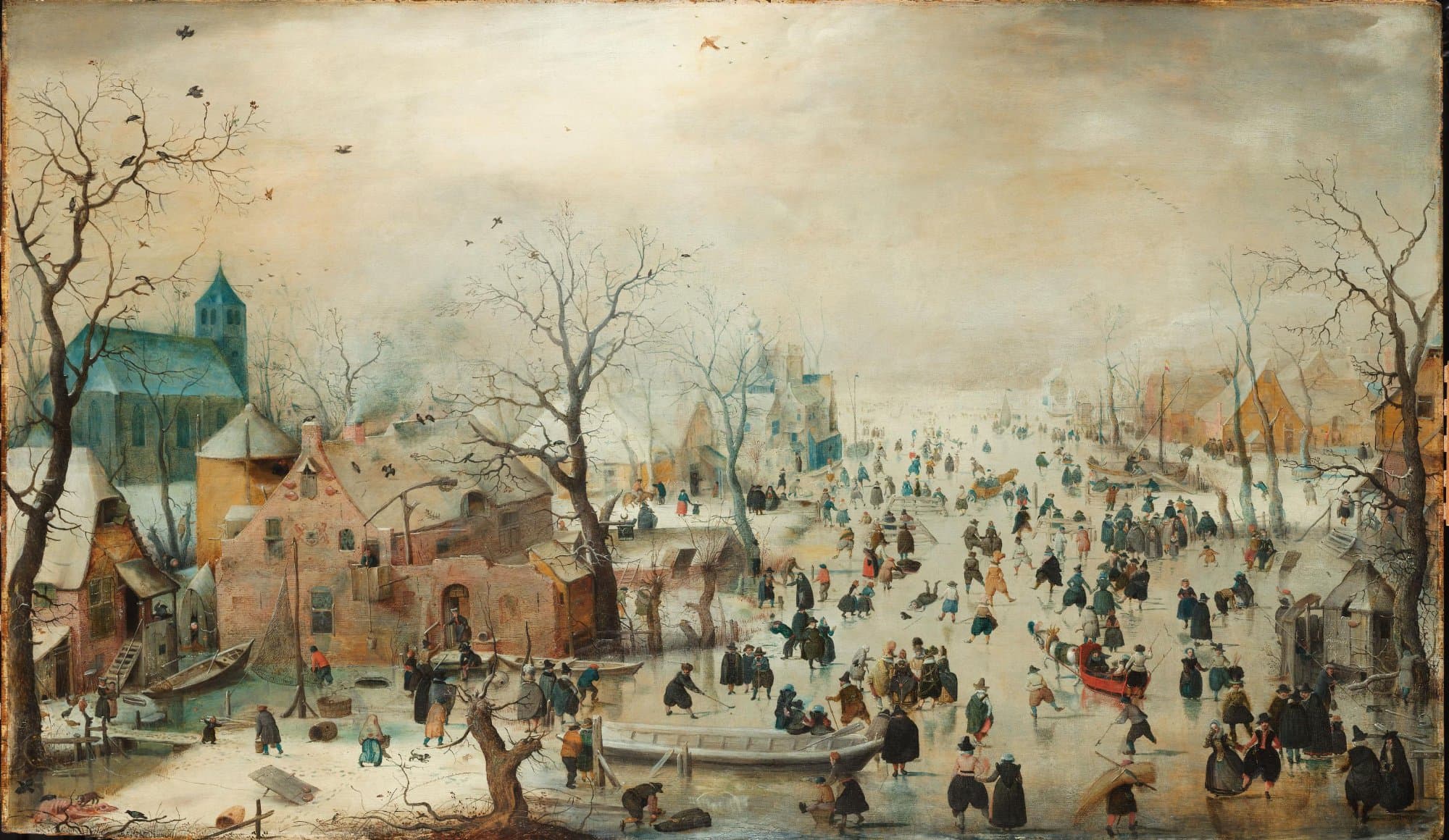
Avercamp's Winter Landscape with Skaters: Hunting the Small Stories
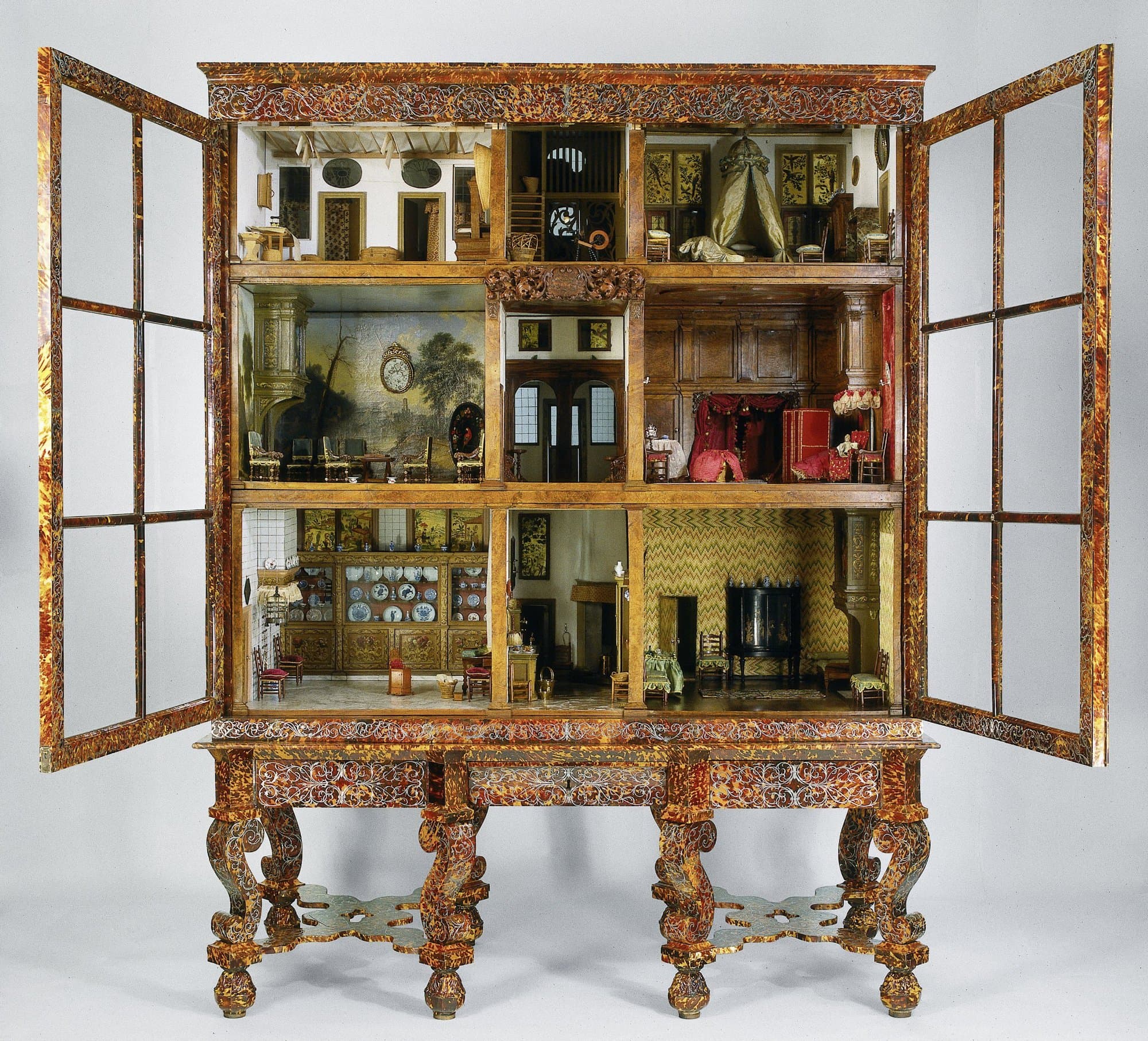
Petronella Oortman's Doll's House: The Miniature Canal House in the Rijksmuseum

Rembrandt's Self-Portrait of 1628: A Young Man and the Back of a Brush
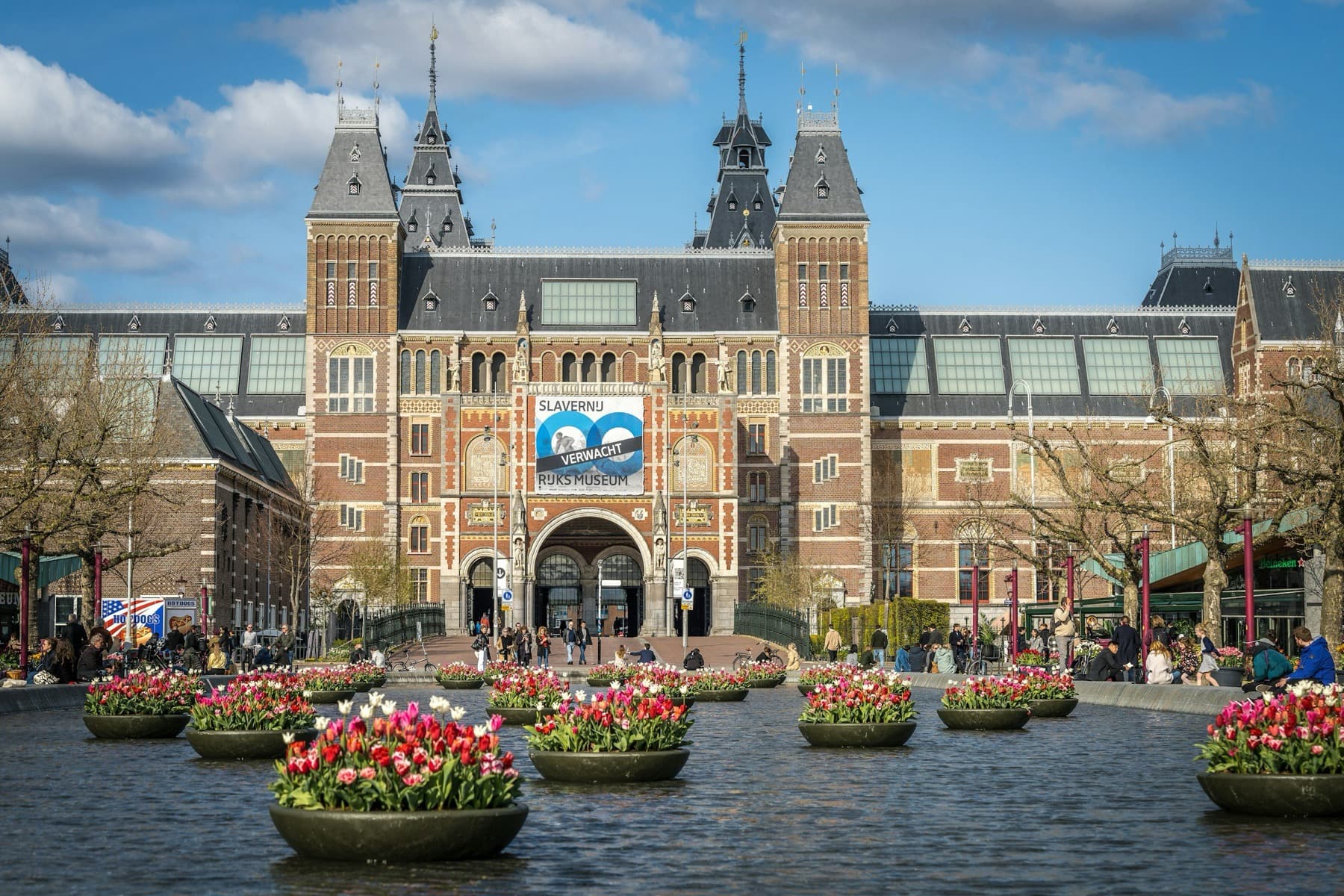
Rijksmuseum: What to See, Room by Room, and a Two-Hour Plan
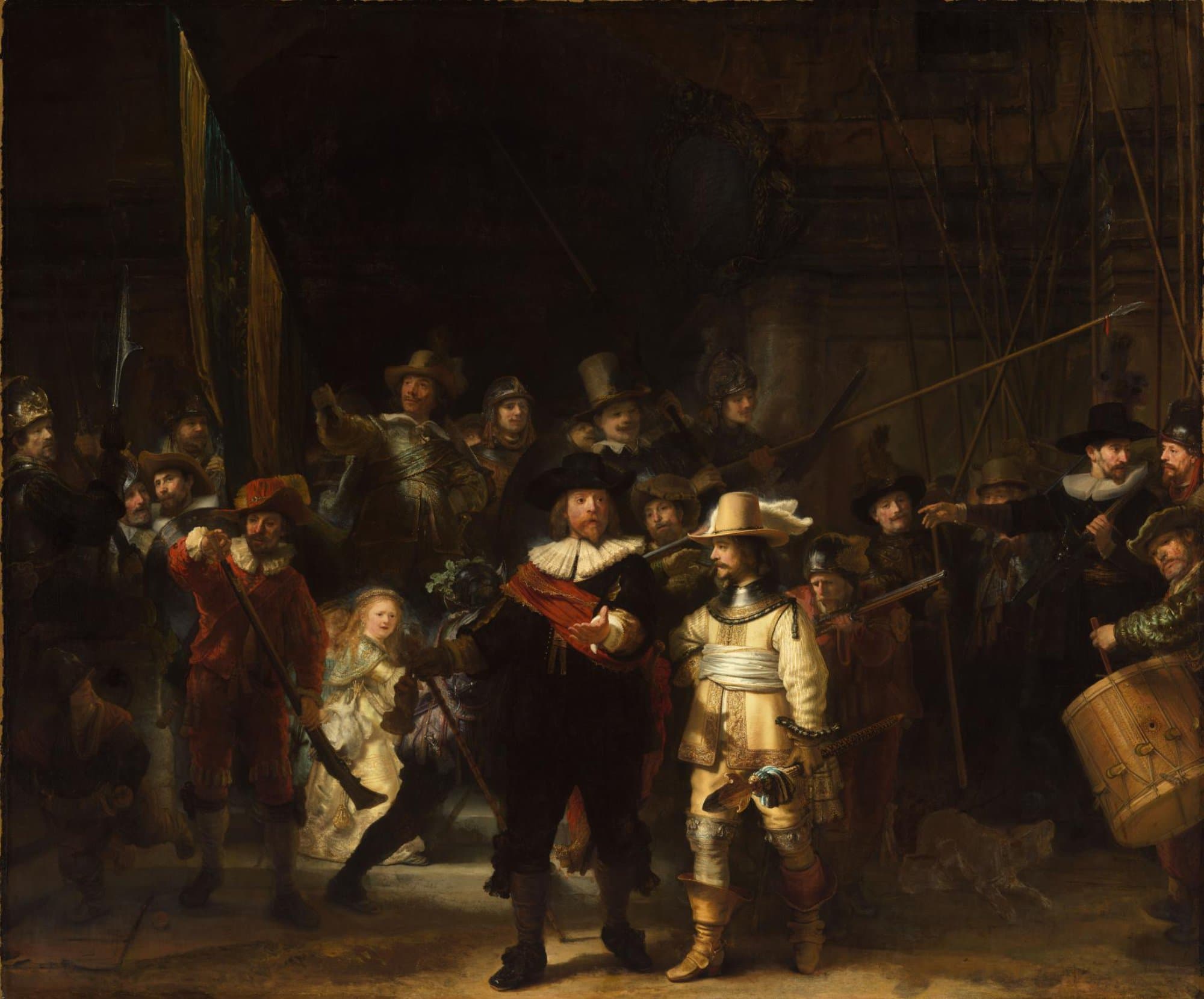
The Night Watch: Why It Is Called That, and What Was Cut Off