If you have one day in Amsterdam and want to actually walk it, spend the morning in the medieval core around Dam Square, the midday hours along the canal ring past the Anne Frank House and the Nine Streets, the afternoon in the Jordaan, and the early evening on the water. The historic center is compact and flat, walkable end to end in under an hour, so a single day on foot covers the founding city, the Golden Age canals, and the working neighborhoods without ever needing a car. The one thing you must plan ahead is timed entry for the big museums. Everything else you can improvise as you go.
Here is how to shape the day so the walking flows and the logistics hold. For the wider picture on how long to stay, how to get around, and what a trip costs, see the Amsterdam travel guide. And if you would rather browse and start a free tour straight away, head to /explore.
Before you go: book the two timed museums
Two of Amsterdam's headline interiors sell out and depend on timed booking, so decide in advance whether you want them inside a walking day.
The Anne Frank House sells tickets only through its official website, never at the door and never through a city pass. Entry is timed. Roughly 80 percent of tickets for a given date are released every Tuesday at 10:00 Amsterdam time, six weeks ahead, and they can go within minutes. The remaining share drops at 09:00 on the day of the visit. The museum is open daily, with long hours that run into the evening, and an adult ticket runs about 16.50 euros. If you want inside, book the moment your six-week window opens. If you cannot get a slot, you can still stand at the house on the Prinsengracht and read its exterior, which our canal-ring walk does at Stop 2.
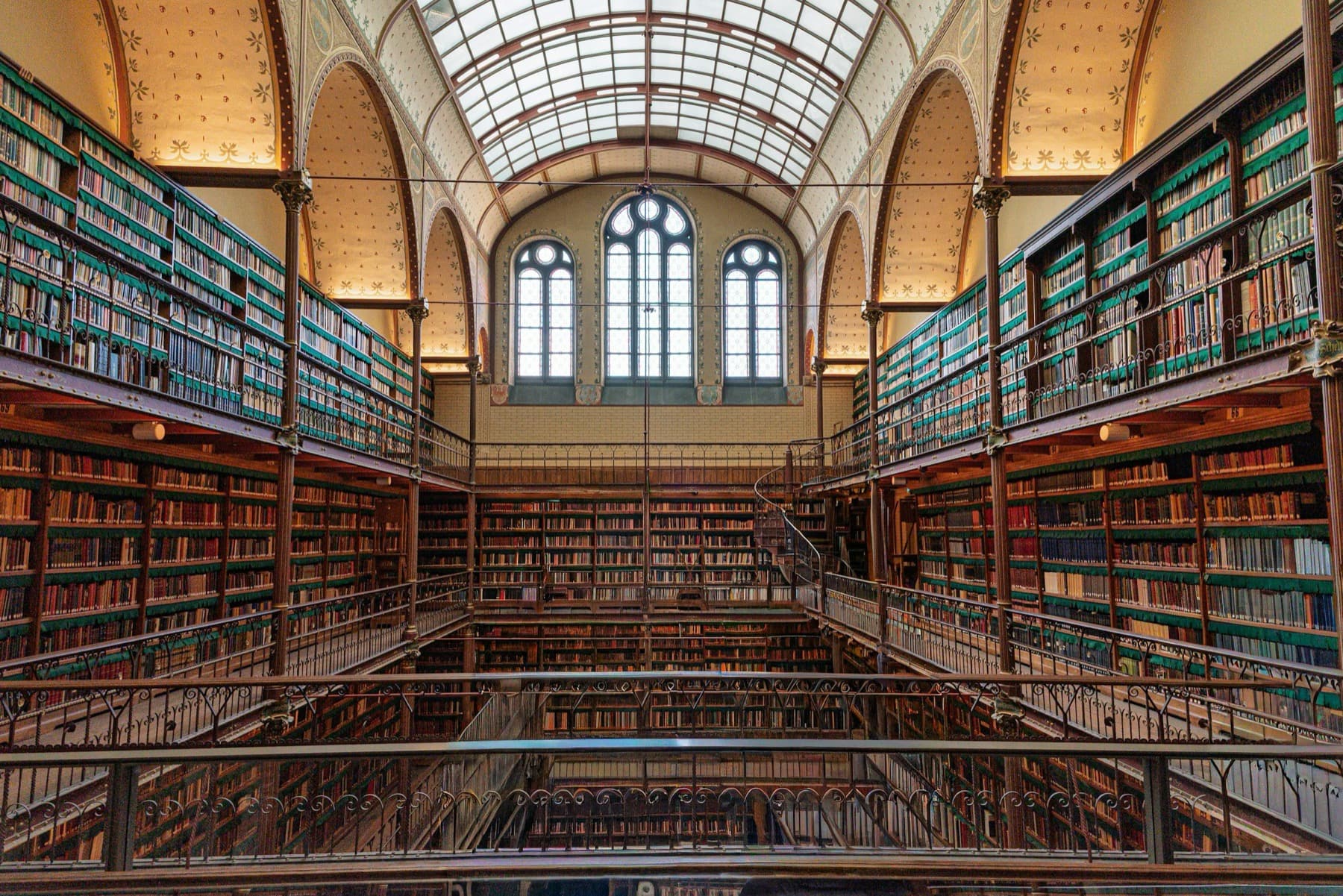
The Rijksmuseum is the other one to book ahead. It opens daily from 09:00 to 17:00, entry is timed to a fixed start slot, and an adult ticket is around 25 euros. Visitors under 18 enter free. Booking online is the reliable way to secure a time, though a limited number of tickets are sold at the entrance while they last. It is not on the walking loop below, but it sits a short tram ride south at Museumplein, so a common pattern is to slot it in the late afternoon before dinner, with Roamer's Rijksmuseum guide as an audio companion inside.
If neither interior fits your day, that is a legitimate choice. A one-day Amsterdam can be almost entirely outdoor, and the city rewards that.
Getting in and getting oriented
Hear a stop from this walk
Reguliersgracht and the seven-bridges view
From Schiphol Airport, the NS train reaches Amsterdam Centraal in about 17 minutes, which is the fastest and cheapest way in. Note that the local GVB transit tickets do not cover that airport train, so buy the NS fare separately.
Once you are in the center, you may not need transit at all. Amsterdam's core is famously compact and flat, and the canal ring is a UNESCO World Heritage site you experience best on foot. If you do want trams and metro for a couple of longer hops (out to Museumplein, back from a far neighborhood), a GVB 24-hour ticket costs 10 euros and covers the whole city network. Most one-day visitors buy a pass and then end up walking anyway.
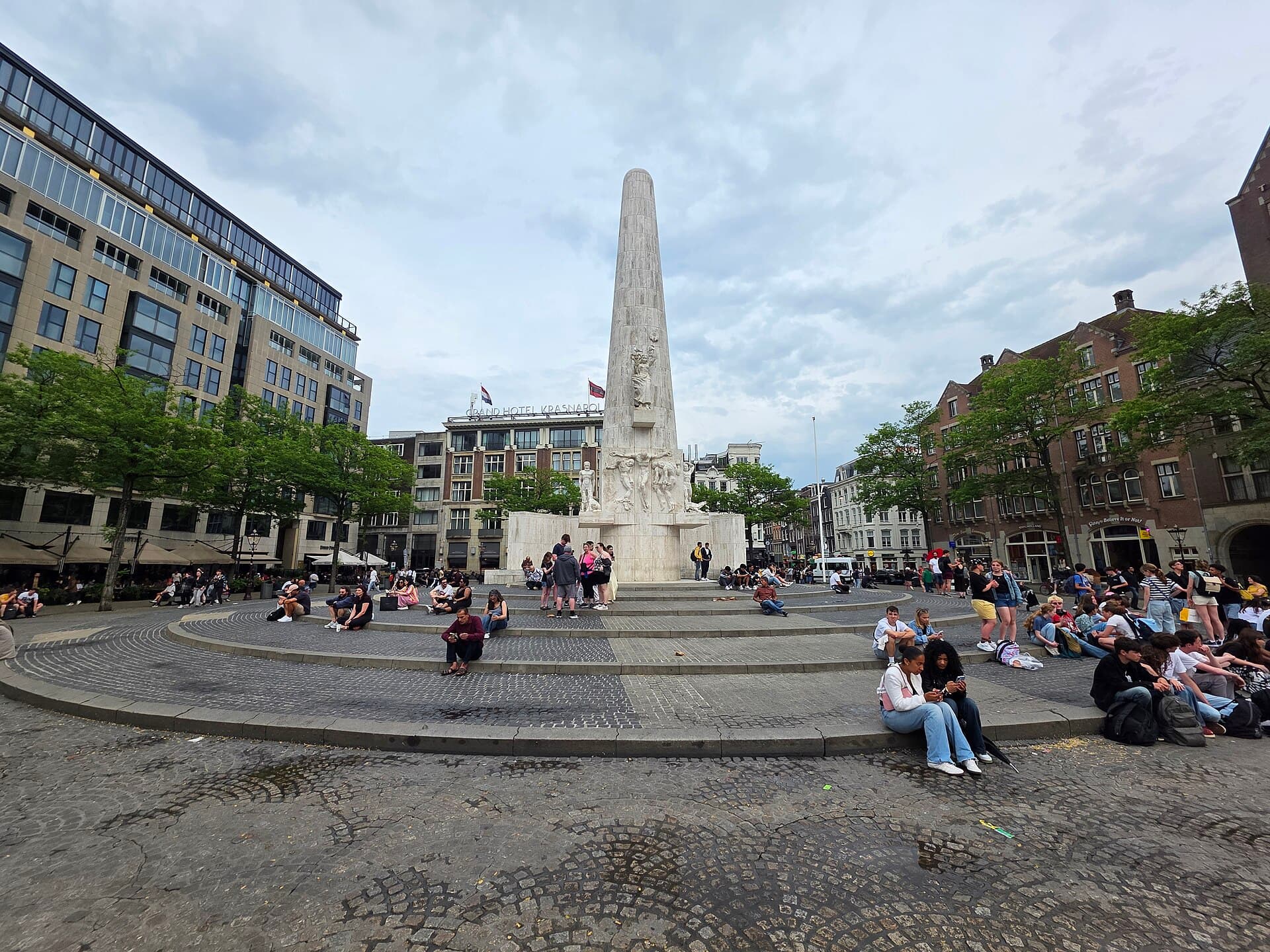
Start the day at Dam Square. It is the historic hinge of the city and a natural first anchor.
How to plan one day in Amsterdam on foot
The simplest way to hold a one-day plan together is to treat it as one continuous walk broken into three short legs, not a checklist of ticketed sights. The three neighborhoods below sit almost shoulder to shoulder, so you move from one to the next without backtracking or booking transport, and each leg is short enough to shorten or skip if your legs or your interest run out.
A self-guided audio walk suits this shape better than a fixed group tour. There is no scheduled start time to make and no group to keep up with, so you set the pace, pause for a coffee or a canal photo, and pick the walk back up where you left off. That autonomy is the whole point of a one-day visit: you spend the day the way you want, not the way a timetable wants.
Each Roamer route is free to start: the introduction and first stop play in full, and every later stop plays a short preview, so you can try before you decide. Unlocking a full tour is 4.99 dollars for lifetime access, or a 7-day pass is 12.99 dollars and a 30-day pass is 19.99 dollars if you plan to walk more than one. Narration is available in English and Spanish, stops are GPS-triggered so the right audio plays where you are standing, and tours run on iOS or any mobile browser, including Android. You can download a walk over wifi and play it offline, which is handy if you would rather not use data as you go. Browse the full set and start one free at /explore.
Morning: the medieval core (about 3.5 km on foot)
Begin where the city began. Amsterdam's name is its own founding record: Amstel plus dam, the barrier across the river that became the main square. The morning is the Amsterdam Medieval Core self-guided walk, roughly 3.5 kilometers and about an hour and a half at a listening pace.
The route opens at Dam Square and the National Monument, then reads the Royal Palace, which began life as the city hall, and the Nieuwe Kerk beside it. From there it threads to the Oude Kerk, the oldest building in the center, and slips into the Begijnhof, a quiet courtyard of houses set below street level. It closes at De Waag on the Nieuwmarkt and the harbor origins around De Wallen, where the wharves that made Amsterdam rich once stood.
This is the right block of the day to be walking, because the streets are narrowest and the crowds thinnest before mid-morning. You are reading the older city that sits underneath the Golden Age, and none of these stops require a ticket to appreciate from the street. For the deeper story of how the city began here, read Dam Square and the medieval core.
Midday: the canal ring (about 3.8 km on foot)
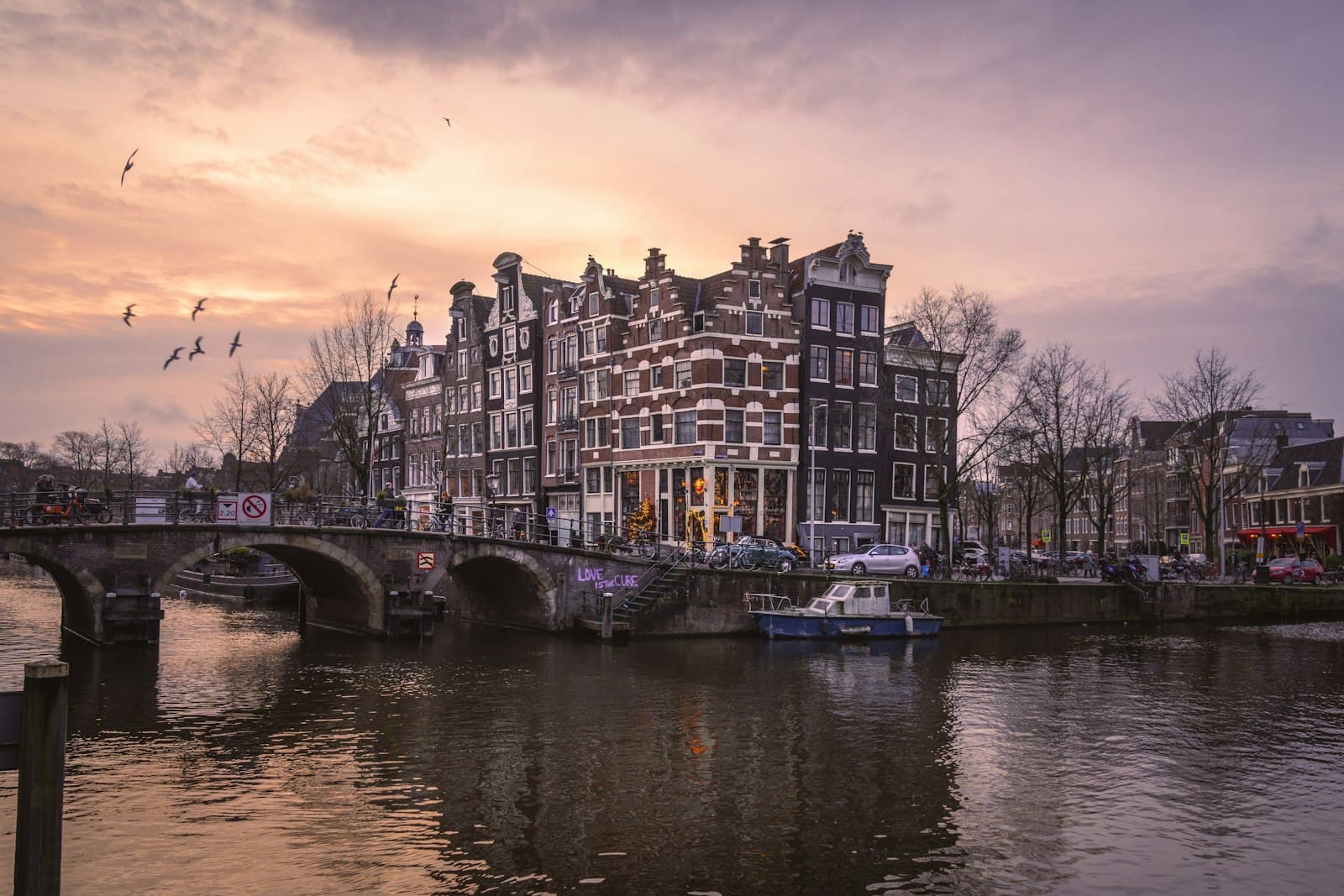
By late morning, move west and north onto the grand canals. The canal ring looks timeless and romantic, but it was one of the most deliberately engineered pieces of real estate ever laid out, and the walk reads the water, brick, and gables as the output of a single plan. This is the Amsterdam Canal Ring self-guided walk, about 3.8 kilometers.
It runs past the Westerkerk and the Anne Frank House on the Prinsengracht (Stop 2, exterior reading if you did not get an interior slot), through De Negen Straatjes, the Nine Streets, a grid of small shops and cafes wedged between the main canals. That is a natural place to stop for lunch, and what to eat in Amsterdam is a useful shortlist for the break. The route continues to the Golden Bend on the Herengracht, the widest and wealthiest stretch of merchant houses, reads the canal-house facades and their gables, and finishes at the Bloemenmarkt and the famous seven-bridges view on the Reguliersgracht.
The Bloemenmarkt is worth a slow pass. It floats on the Singel canal between the Koningsplein and the Muntplein, with stalls set on houseboats, and it is open Monday to Saturday from 09:00 to 17:30 and Sunday from 11:30. Today it sells mostly tulip bulbs, souvenirs, and garden supplies rather than cut bouquets, so treat it as a look rather than a shopping errand unless you want bulbs to carry home.
Afternoon: the Jordaan (about 3.9 km on foot)
Cross back west for the neighborhood most locals will point you toward. While the city built the canal ring for the rich, it drew a dense grid of narrow streets next door for everyone else. The Jordaan is that hidden layer of the Golden Age city, the working quarter, and it is now one of the most walkable and lived-in parts of the center. This is the Amsterdam Jordaan self-guided walk, about 3.9 kilometers.
It opens on the Brouwersgracht, often called one of the prettiest canals in the city, then reads the Noorderkerk and its Noordermarkt square, ducks into the Karthuizerhof and Sint Andrieshofje courtyards, and moves along the Lindengracht. Those quiet almshouse courtyards have their own history, told in the Jordaan hofjes. It passes the small Johnny Jordaanplein, named for the neighborhood's own singer, and ends at the Elandsgracht. The pleasure here is unstructured: quiet hofjes, brown cafes, and streets built at human scale. If your legs are done with museums, this is the afternoon to simply wander with the audio and let the neighborhood carry you.
If you did book the Rijksmuseum, this is the point to break south to Museumplein by tram, since the museum closes at 17:00.
Early evening: get on the water
End the day where the whole city makes sense: on the canals themselves. A standard canal cruise runs about an hour and costs roughly 18 to 20 euros, with boats leaving frequently through the afternoon and evening from docks near Centraal Station, the Anne Frank House, and the Rijksmuseum. After a day of reading the canals from the pavement, an hour riding through them at dusk closes the loop, and it is the least tiring hour of the day.
Then choose dinner by neighborhood rather than by name. The Jordaan and the Nine Streets are both dense with small restaurants, and both sit inside the ground you have already walked, so nothing is far.
A calm word on safety and timing
Amsterdam's center is a busy, well-traveled tourist area, and ordinary city sense is enough: watch your bag in crowds and around the station, and be careful crossing bike lanes, because cyclists have priority and move fast. Look for the red-paved lanes before you step. That is genuinely the hazard most first-time visitors underestimate, more than any crime worry.
On timing, the museums are the only hard constraints. Anne Frank House entry is fixed to the minute and non-refundable in practice, so build the rest of the day around whatever slot you were able to get. The three walks above are flexible and can run in any order. If you only have time for two, do the medieval core in the morning and the Jordaan in the afternoon, and read the canal ring in passing between them. For the full set of routes and to start any of them, see Amsterdam walking tours and the /netherlands/amsterdam city page.
Sources
Frequently asked questions
- Can you see Amsterdam in one day?
- Yes. Amsterdam's historic center is compact and flat, walkable end to end in under an hour, so one day on foot can cover the medieval core around Dam Square, the canal ring, and the Jordaan. The main limit is museum interiors, which need timed online booking. A day that mixes three short self-guided walks at your own pace with an evening canal cruise fits comfortably.
- What should you do in Amsterdam in one day?
- A calm one-day plan walks the city in three short stretches: the medieval core around Dam Square in the morning, the canal ring past the Anne Frank House and the Nine Streets at midday, and the Jordaan in the afternoon, then a canal cruise at dusk. Book any timed museum interiors, such as the Anne Frank House or the Rijksmuseum, online in advance, and leave the walking loose so you set the pace.
- Is one day enough in Amsterdam?
- One day is enough to see the historic heart on foot and get a real feel for the city, but it is a full day, not a slow one. You can cover the founding core, the Golden Age canals, and one working neighborhood in a single day. If you want to add several museum interiors or a day trip, plan for two to three days instead.
- Is Amsterdam walkable?
- Very. The center is famously compact and flat, and the UNESCO canal ring is best experienced on foot, so most one-day visitors walk everywhere. If you want trams or metro for a couple of longer hops, a GVB 24-hour ticket covers the whole city network, though it does not include the train from Schiphol Airport. Watch the red-paved bike lanes when you cross, as cyclists have priority and move fast.
- What is the best way to see Amsterdam in a day?
- Walk it, at your own pace. A self-guided audio walk lets you cover the medieval core, the canal ring, and the Jordaan on your own schedule, with no group and no fixed start time, pausing and resuming whenever you like. Every Roamer tour is free to start, GPS-triggered, and works on any phone, so you can begin at Dam Square and let the route lead you through the day.
Ready to experience it?
Canal Ring: The City That Planned Its Water
100 min · 3.8 km · easy
More from Amsterdam
Explore more at your own pace.
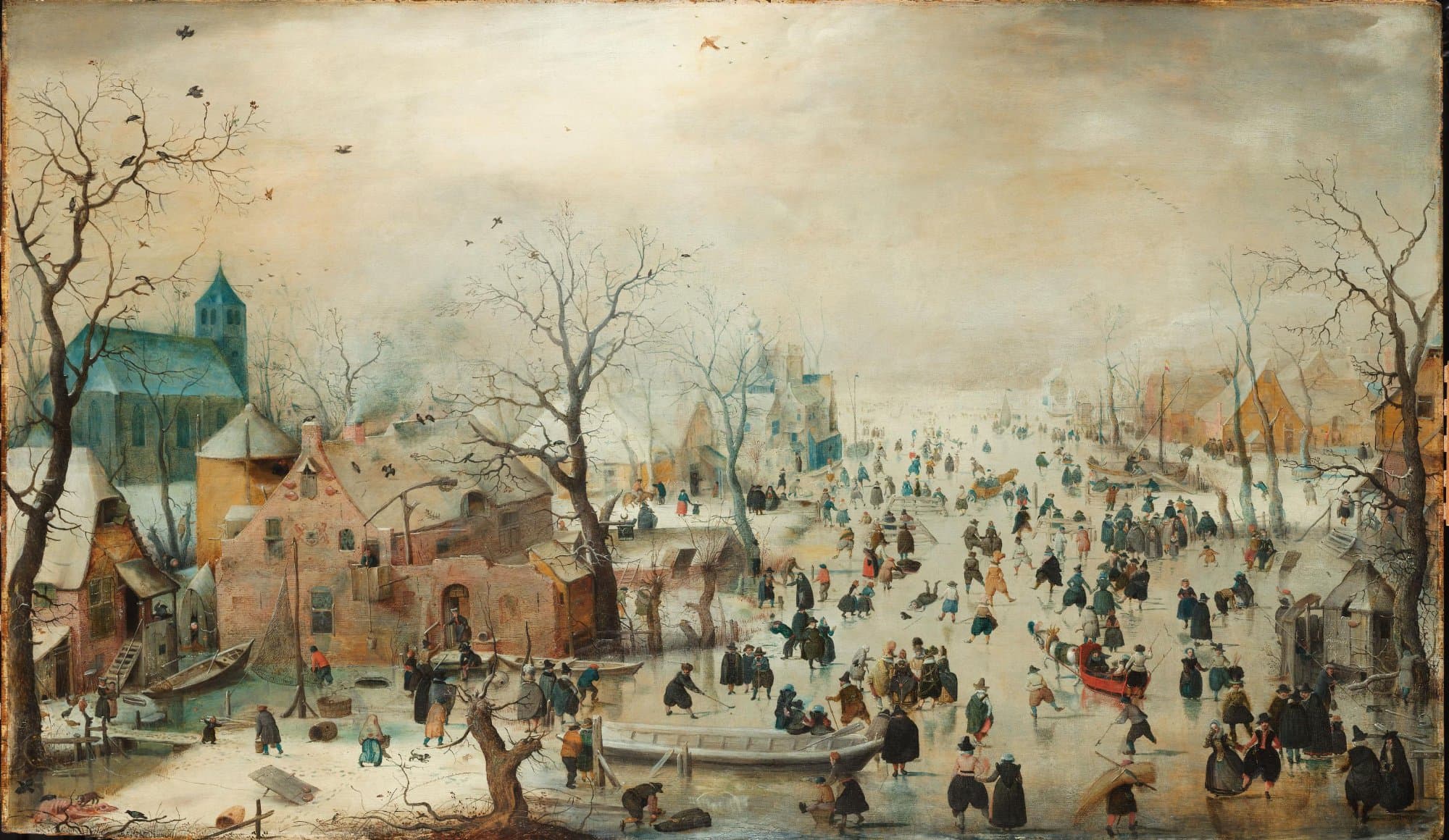
Avercamp's Winter Landscape with Skaters: Hunting the Small Stories
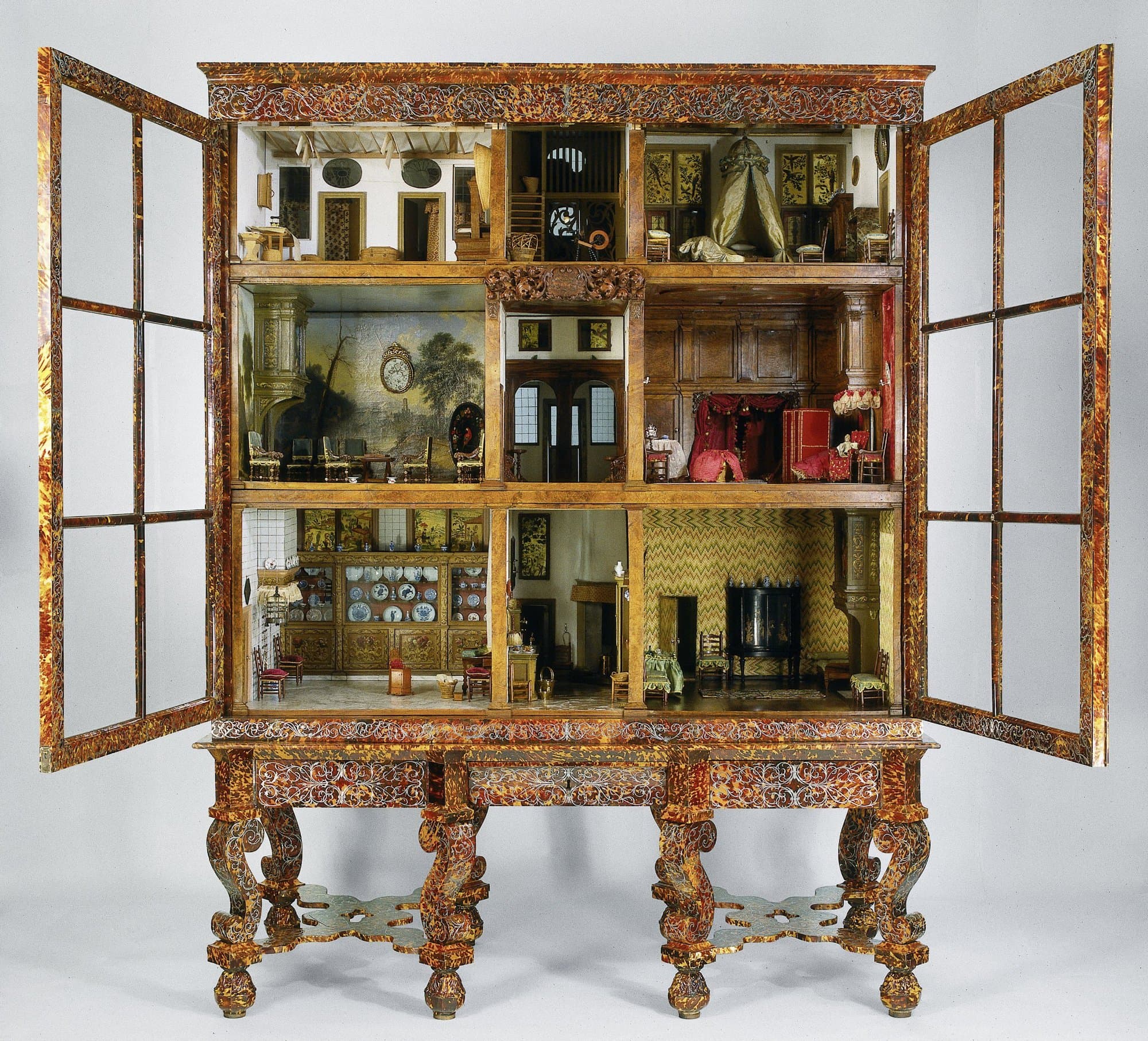
Petronella Oortman's Doll's House: The Miniature Canal House in the Rijksmuseum
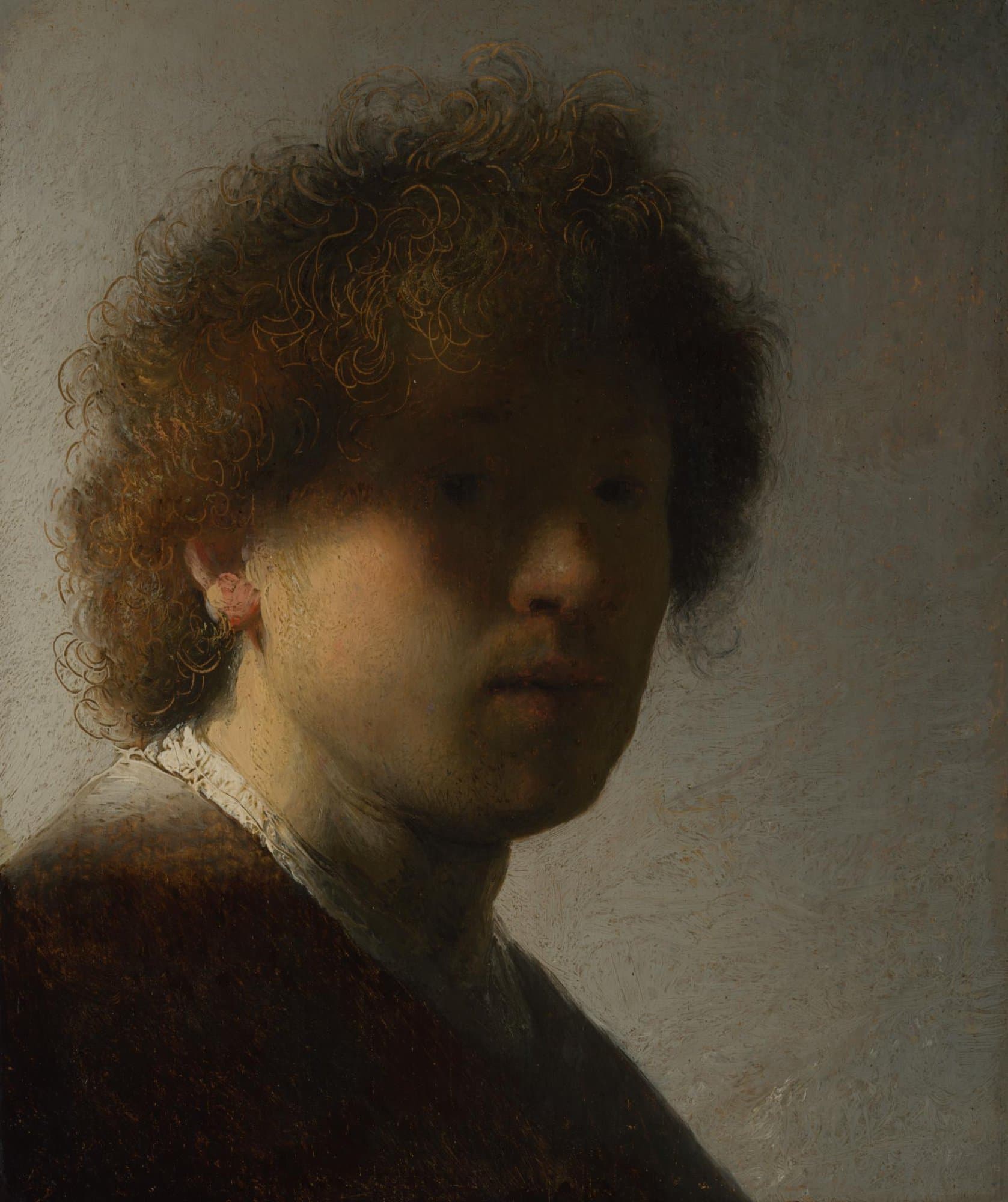
Rembrandt's Self-Portrait of 1628: A Young Man and the Back of a Brush
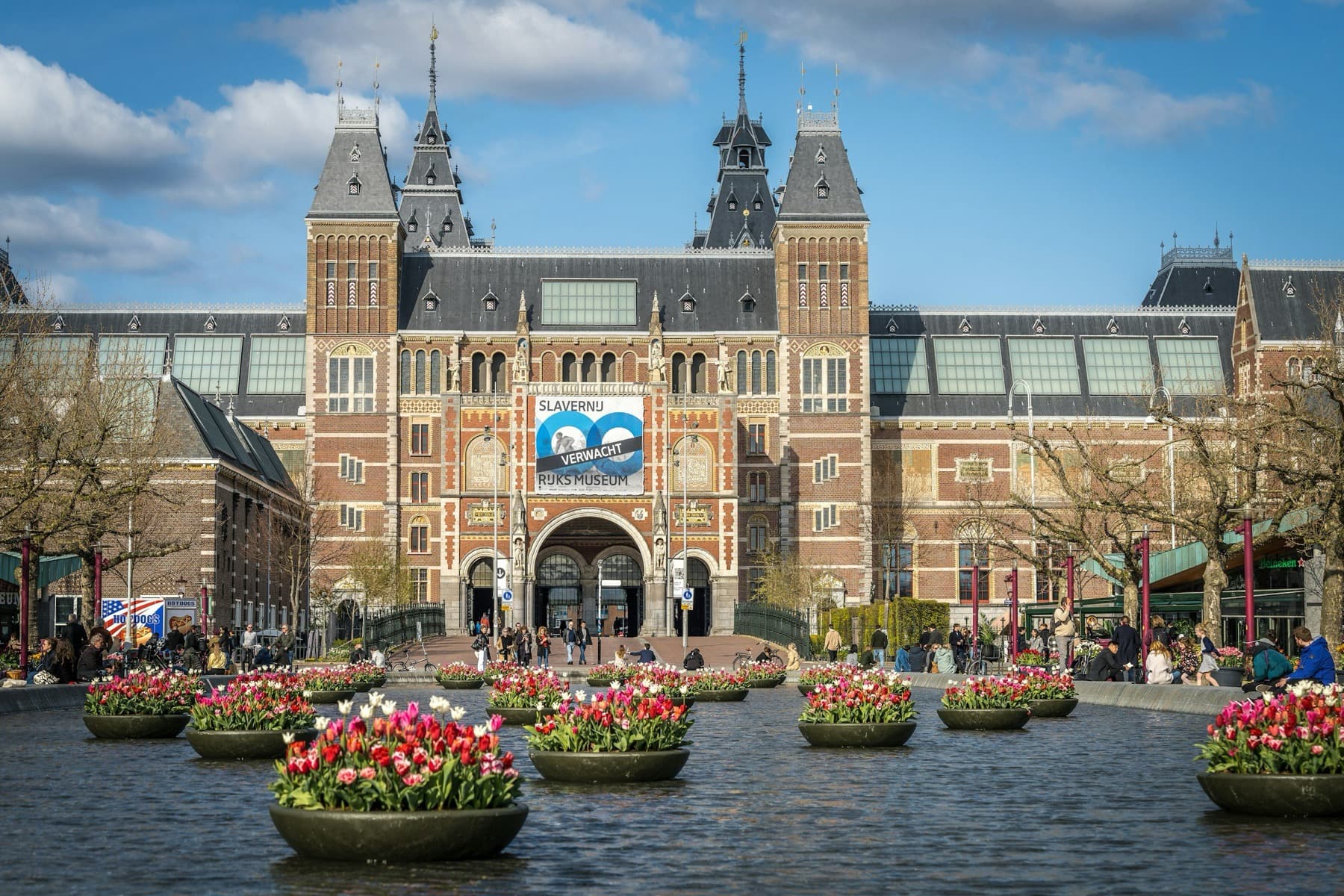
Rijksmuseum: What to See, Room by Room, and a Two-Hour Plan
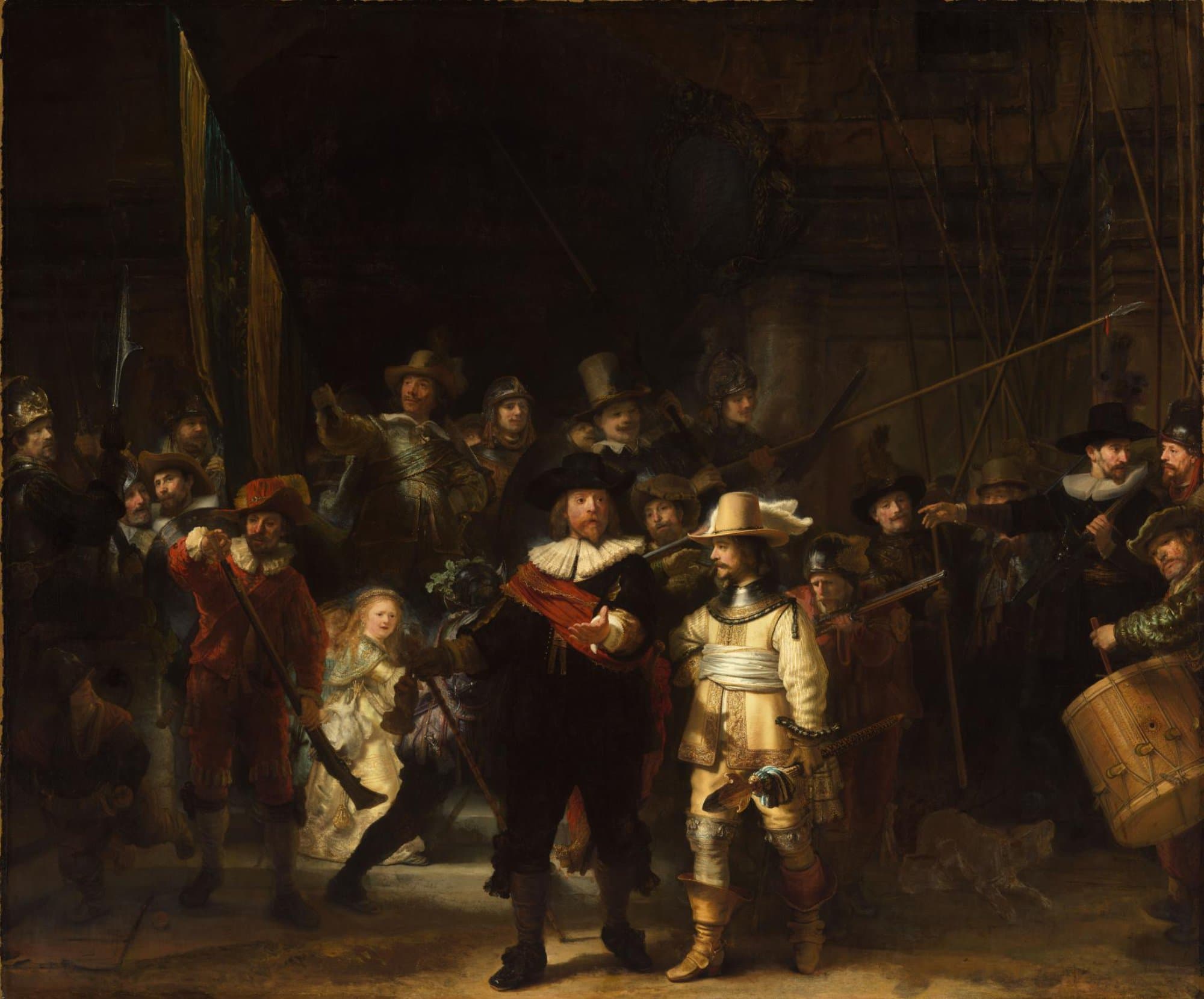
The Night Watch: Why It Is Called That, and What Was Cut Off