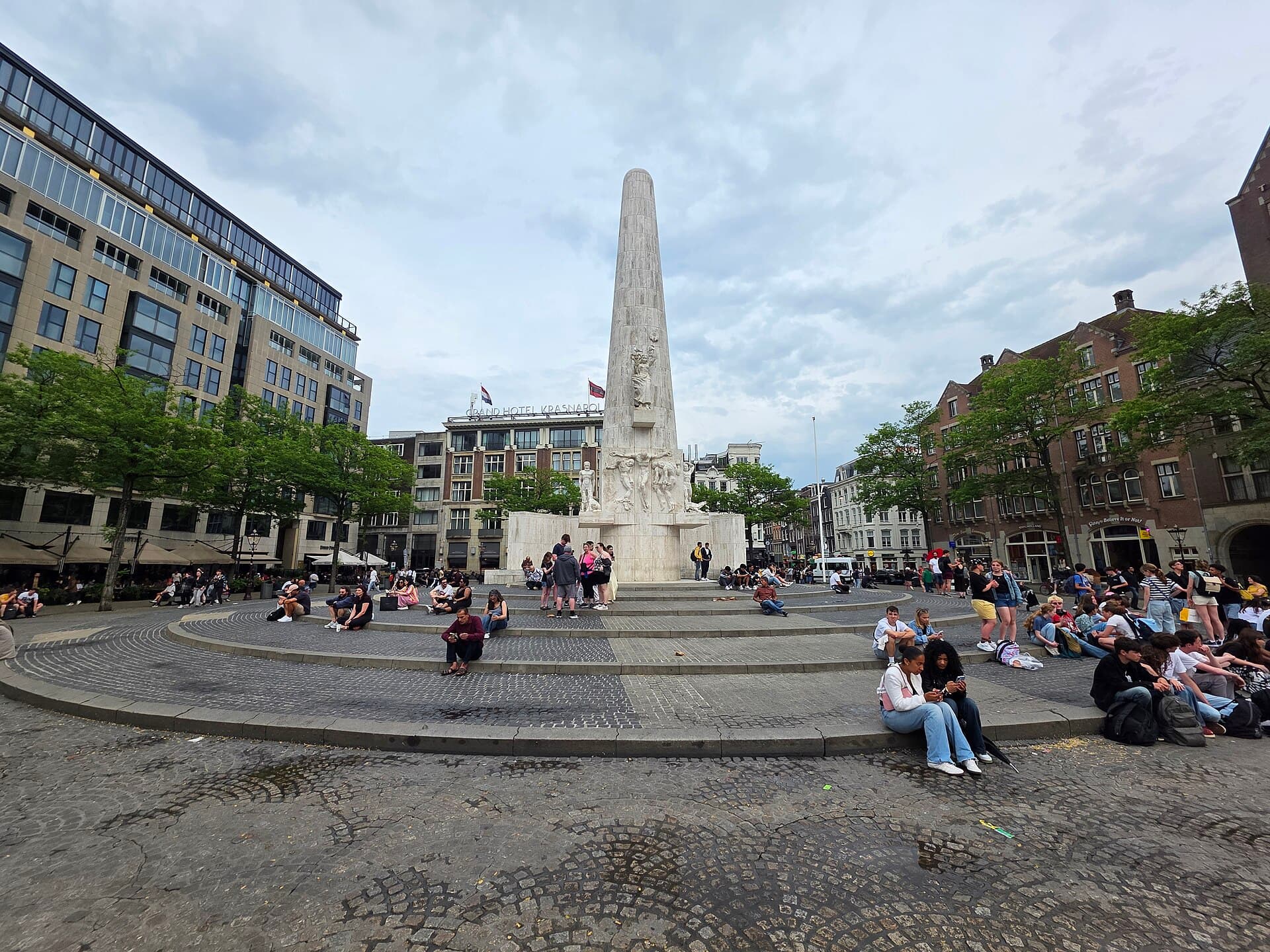
Amsterdam's name is a set of instructions. Amstel, the little river, plus dam, the barrier thrown across it around the year 1270. Stand on Dam Square today and you are standing on that barrier: the literal origin point of the city's name, the place where a fishing hamlet in a marsh grew into a world port. This is why Dam Square is the right way into the medieval core. It is not just the center of the modern city. It is the founding fact, and once you learn to read it, the older city hiding beneath the Golden Age surface starts to show itself everywhere along the route.
The dam that became a square
Around 1270, people threw a barrier across the little Amstel here, connecting the settlements on opposite banks. The first documentary trace comes a few years later. A road-toll privilege of the year 1275, granted by Count Floris the Fifth of Holland to the residents "apud Amestelledamme," at the dam in the Amstel. That toll grant is the earliest paper record of Amsterdam's existence. So the name is exactly what it says: Amstel plus dam.
The dam itself was called the Middeldam, and it held a working fish market. Beside it lay an open plaza called the Plaetse. As the dam was gradually widened and paved, it lost its identity as a piece of water infrastructure and became simply the square, still called the Dam today. That is the pattern this whole walk teaches. Function hardens into place. A barrier becomes a marketplace becomes a civic heart.
The tall white stone pillar you see is the National Monument, unveiled in 1956 and designed by the architect J.J.P. Oud, in memory of those who died in the Second World War. Every fourth of May, the country gathers here for National Remembrance Day, when the whole square falls into two minutes of silence. From a soggy dam in a marsh to the ceremonial heart of a nation: that arc, compressed into one square, is the argument of the entire tour.
You may have heard a founding legend, the tale behind the old coat of arms with its dog and its boat. Treat it gently. It is tradition, not documented history, a story the city told about itself rather than a fact from the record. Part of what makes this walk worth taking is that it tells you where the paper trail ends and the folklore begins.
Reading the square outward
Hear a stop from this walk
Royal Palace of Amsterdam: the former Stadhuis
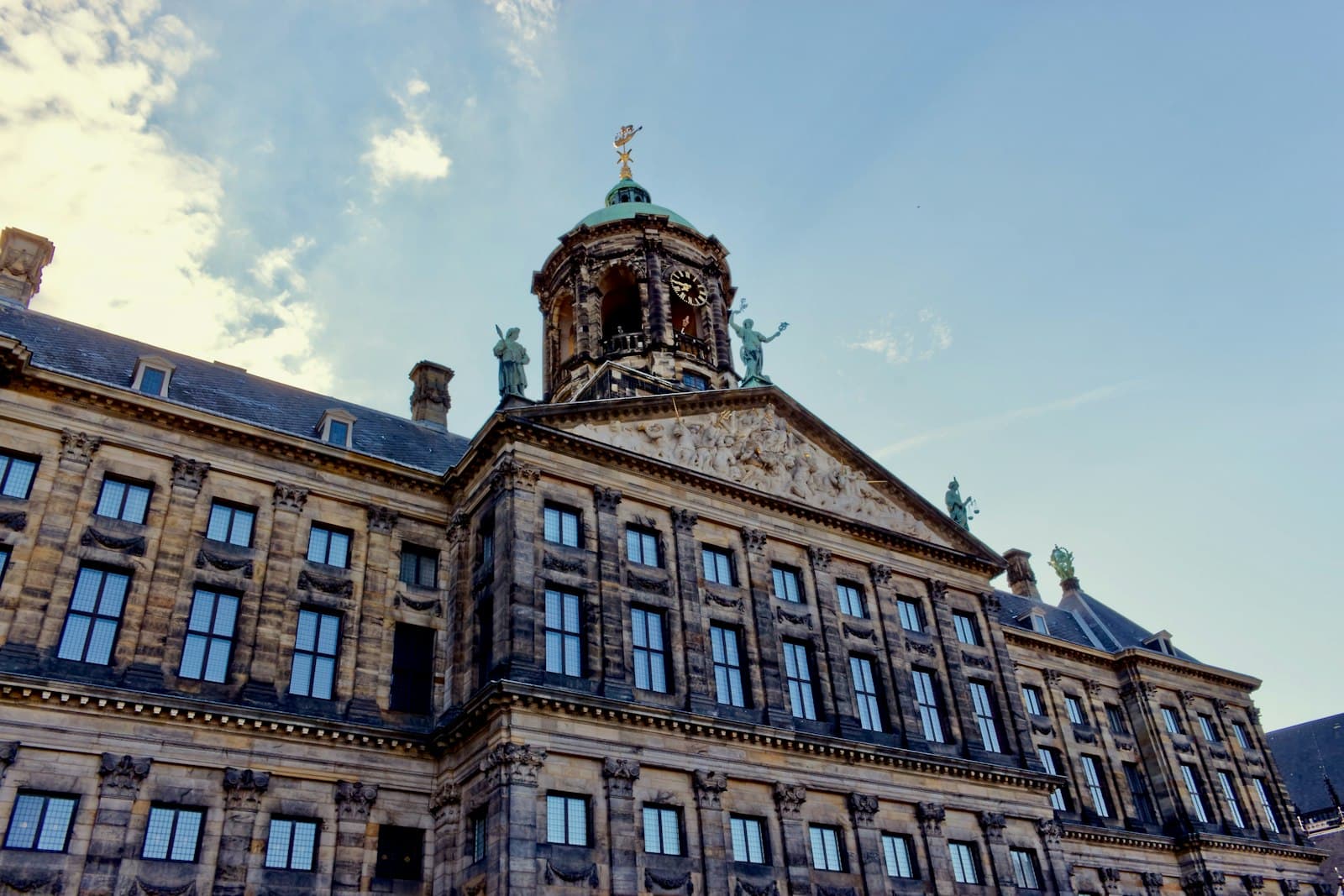
Once you understand the dam, the buildings around it stop being a jumble of monuments and become a sequence. On the west side stands an enormous classical building that was not born a palace. It was built as the Stadhuis, the town hall of a merchant city that briefly ran a global trading empire. Construction began in 1648 and finished in 1665. To hold all that stone up in a marsh, builders drove 13,659 wooden piles down into the soft ground: a whole forest sunk into the mud so the city hall would not sink after it. Only in 1808, when Louis Bonaparte moved his court to Amsterdam, did it become the Royal Palace it is called today.
Right beside it is the Nieuwe Kerk, the New Church, called new only to set it apart from the older Oude Kerk. Consecrated in 1409, it is more than six hundred years old despite the label. Here Dutch monarchs are inaugurated, not crowned. Under the Dutch Constitution there is no coronation, only an investiture that confirms a monarch who already reigns. The word coronation simply does not apply, and the church makes that constitutional idea visible in stone.
Those two buildings introduce a thread the tour follows to its end. The town hall was commissioned in part by the mayor Nicolaes Tulp, and Tulp is the same man Rembrandt painted, in 1632, in The Anatomy Lesson of Doctor Nicolaes Tulp. In Rembrandt's day the surgeons' guild held its dissections in the anatomy theatre inside the Waag, a medieval city gate turned weigh house on the Nieuwmarkt, which is the sixth stop on this walk. One man, two buildings, book-ending the route: it is the kind of connection that only lands when you walk the whole thing in order.
Why the full walk pays off
Dam Square gives you the founding. The stops that follow give you the layers. The Oude Kerk is described as the oldest building in Amsterdam, its stone church consecrated around 1306, a sailors' parish where roughly 2,500 gravestones cover about 60,000 burials, including Rembrandt's wife Saskia van Uylenburgh in 1642. The Begijnhof is a quiet courtyard where the older Catholic city survived Protestant rule, because its houses were privately owned and could not simply be seized. It shelters the wooden Houten Huys, dated by tree rings to around 1528, from an era before the city banned wooden facades after devastating fires.
The walk ends in De Wallen, the oldest quarter, threaded with the original harbour canals where the sea trade first came ashore. The Rokin and the Damrak trace the original course of the Amstel, which is exactly why this district sits where ships once landed their goods. You finish at the water's edge of the beginning, having watched a dam become a village become a world port.
The tour is honest about the cost of that wealth. The Golden Age that funded the palace was inseparable from colonial trade and the slave trade, and the last goods ever weighed at the Waag, in 1819, were a chest of indigo, a colonial commodity. This is a history that refuses to flatter itself, and it is better for it.
Practically, the walk runs about three and a half kilometers over roughly two to two and a half hours at an unhurried pace, with short stops you can linger over or skip. Dam Square, the Begijnhof courtyard, the Nieuwmarkt, and the streets of De Wallen are all free to enter, so you can follow the full arc without paying a single admission fee. Early morning, between eight and ten, is when Dam Square is quiet and the medieval lanes are easiest to read.
If you want to build out a longer visit, browse the other Amsterdam walking tours or start from the city page for Amsterdam. But the medieval core is the place to begin, because it begins with the dam, and the dam is the whole story compressed into a single square under your feet.
Sources
- Dam Square, Wikipedia. Records the 1275 toll privilege of Count Floris the Fifth and the origin of the square as the Middeldam and Plaetse.
- National Monument (Amsterdam), Wikipedia. Details the 1956 monument designed by J.J.P. Oud and the National Remembrance Day ceremony on the fourth of May.
- Royal Palace of Amsterdam, Wikipedia. Covers the Stadhuis construction from 1648, the 13,659 foundation piles, and the 1808 conversion under Louis Bonaparte.
- Oude Kerk, Amsterdam, Wikipedia. Documents the church's status as Amsterdam's oldest building, its burials, and Saskia van Uylenburgh's 1642 grave.
- Waag, Amsterdam, Wikipedia. Traces the Sint Antoniespoort gate, the weigh house conversion, and Rembrandt's 1632 Anatomy Lesson of Doctor Nicolaes Tulp.
Ready to experience it?
Dam Square: The Dam That Became a City
95 min · 3.5 km · easy
More from Amsterdam
Explore more at your own pace.
Avercamp's Winter Landscape with Skaters: Hunting the Small Stories
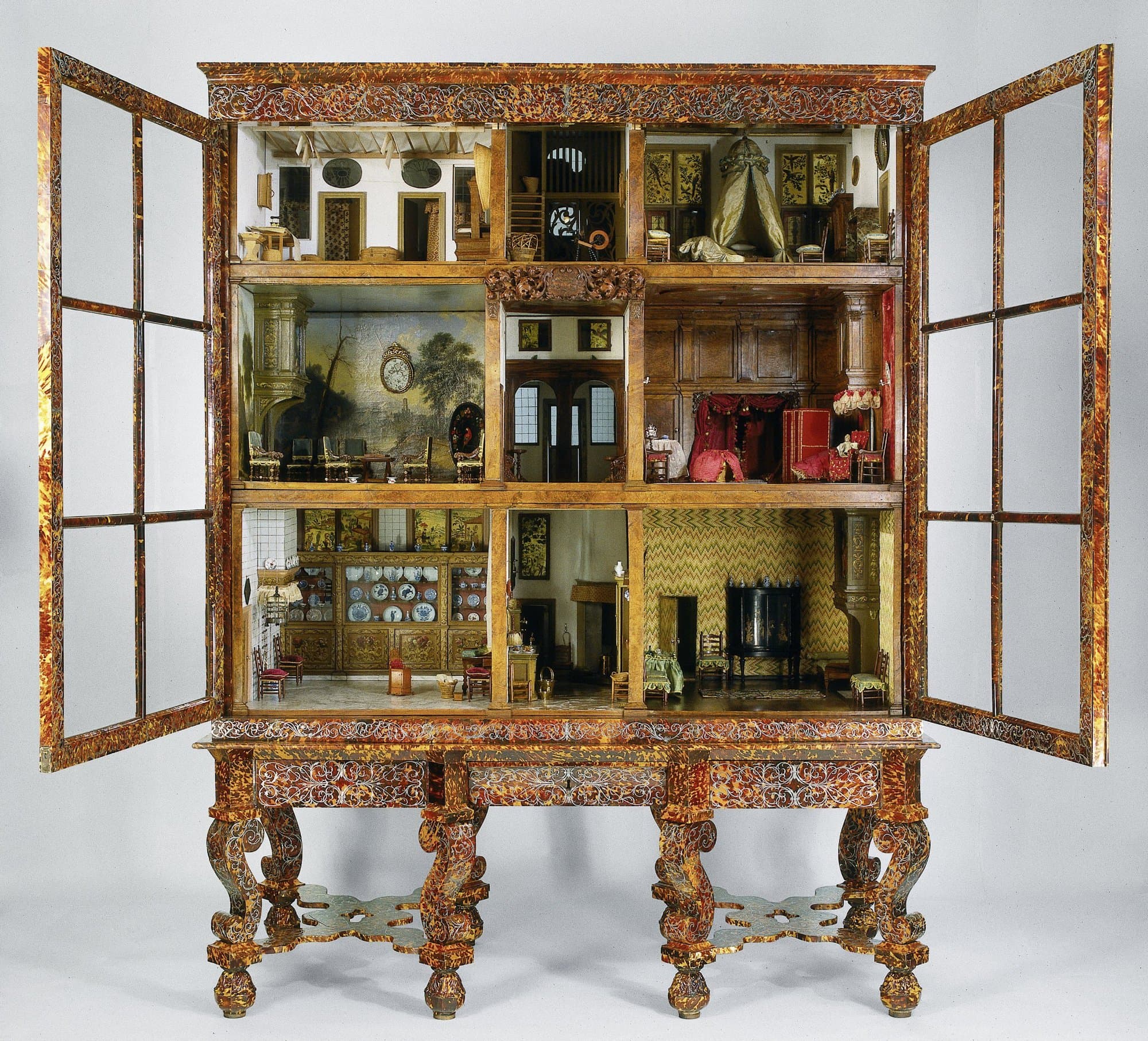
Petronella Oortman's Doll's House: The Miniature Canal House in the Rijksmuseum
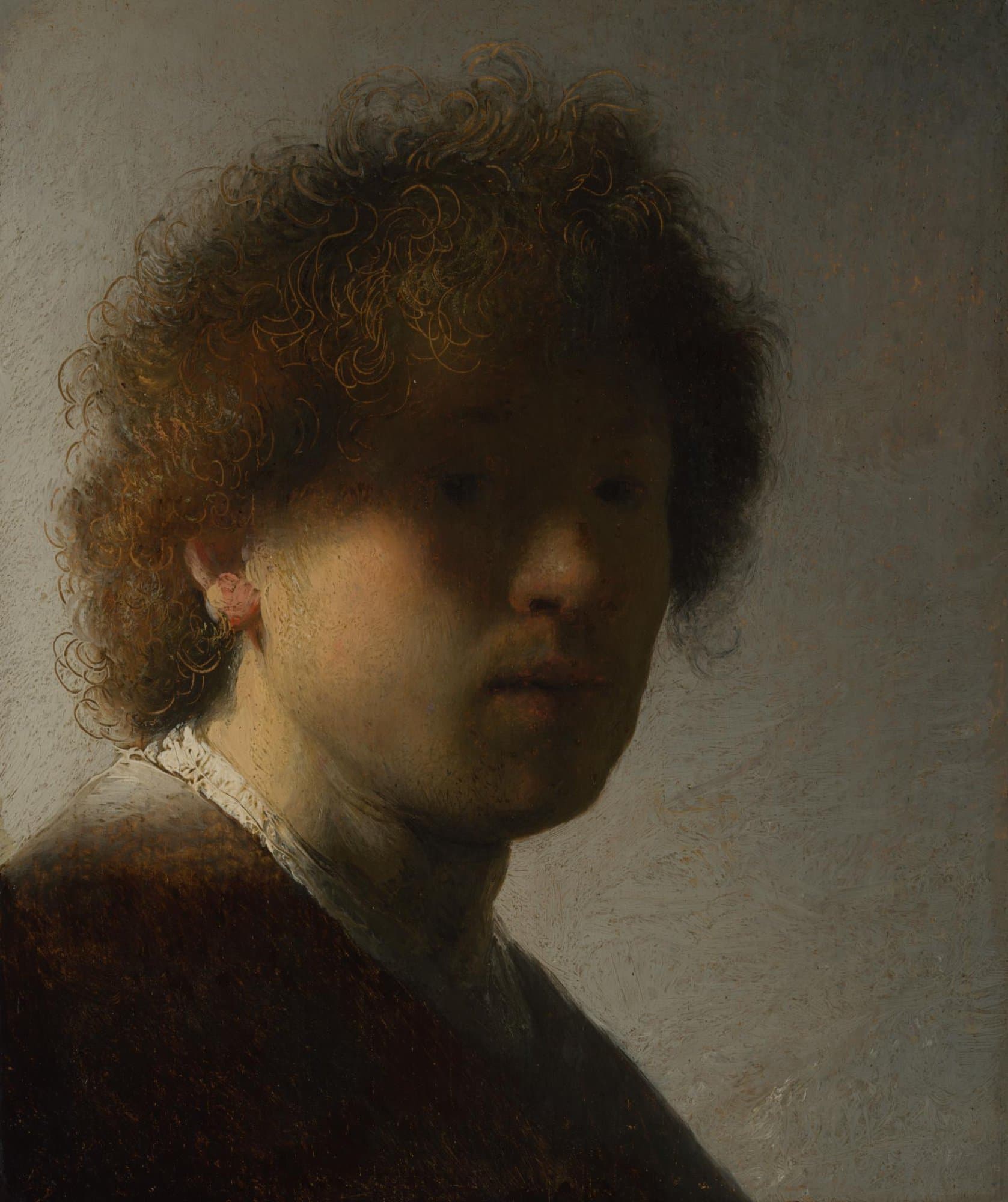
Rembrandt's Self-Portrait of 1628: A Young Man and the Back of a Brush
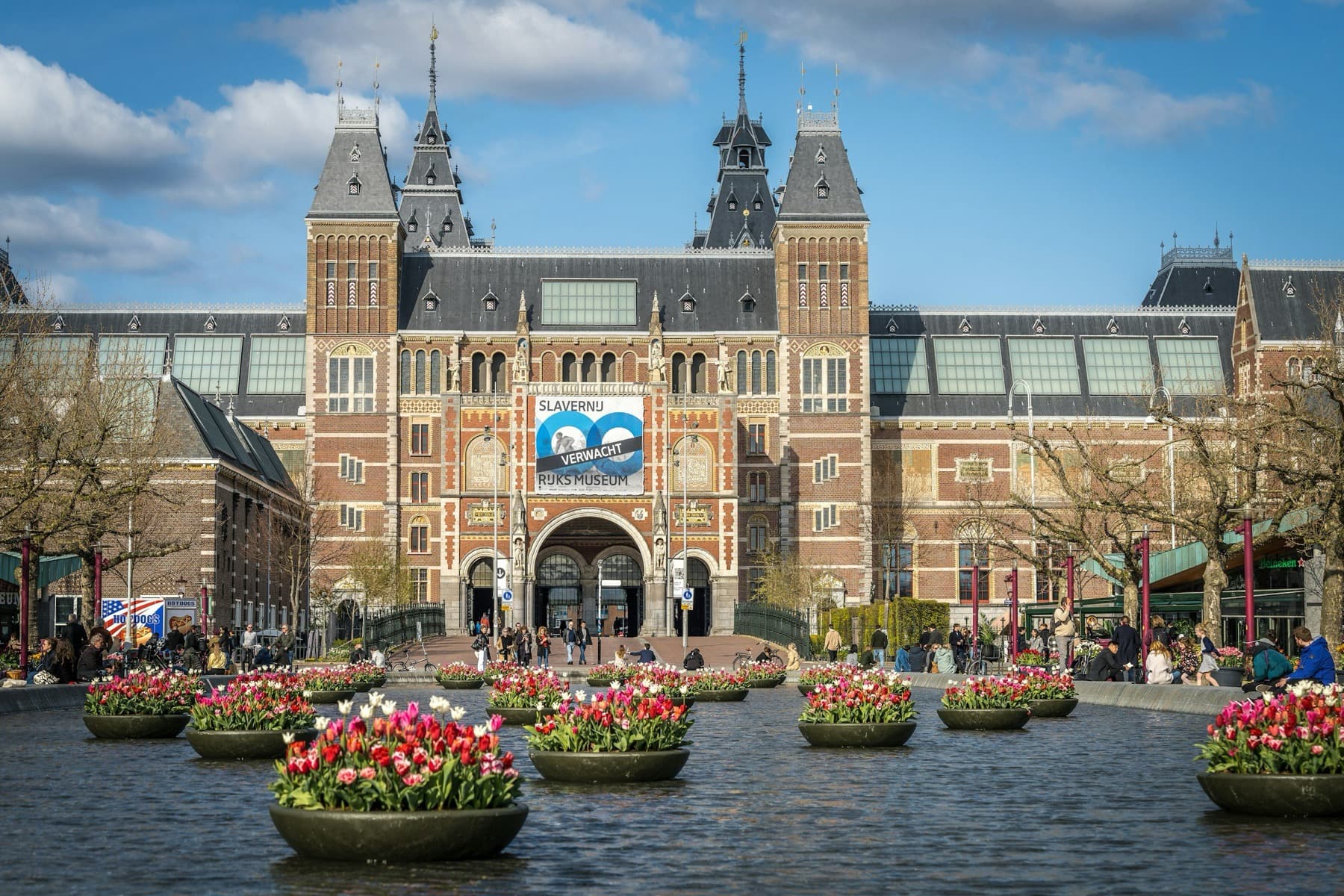
Rijksmuseum: What to See, Room by Room, and a Two-Hour Plan
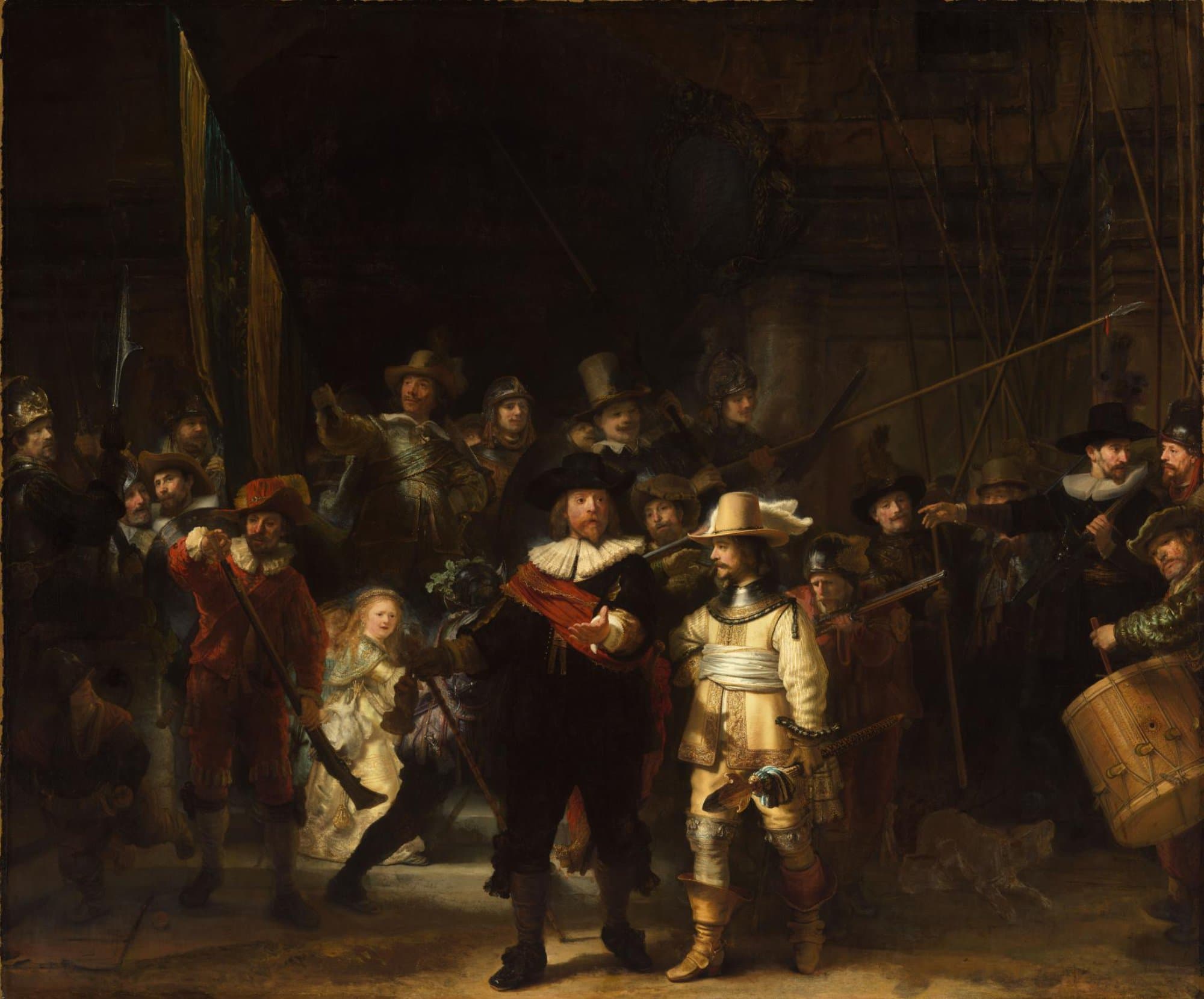
The Night Watch: Why It Is Called That, and What Was Cut Off