The Dam That Became a City
Amsterdam's name tells its own founding: Amstel plus dam. This walk through the medieval core reads the older city beneath the Golden Age, from the barrier that became the main square to the wharves where the sea trade first came ashore.
4.28|95 minutes|3.5 km|7 Stops
Start
Dam Square and the National Monument
1
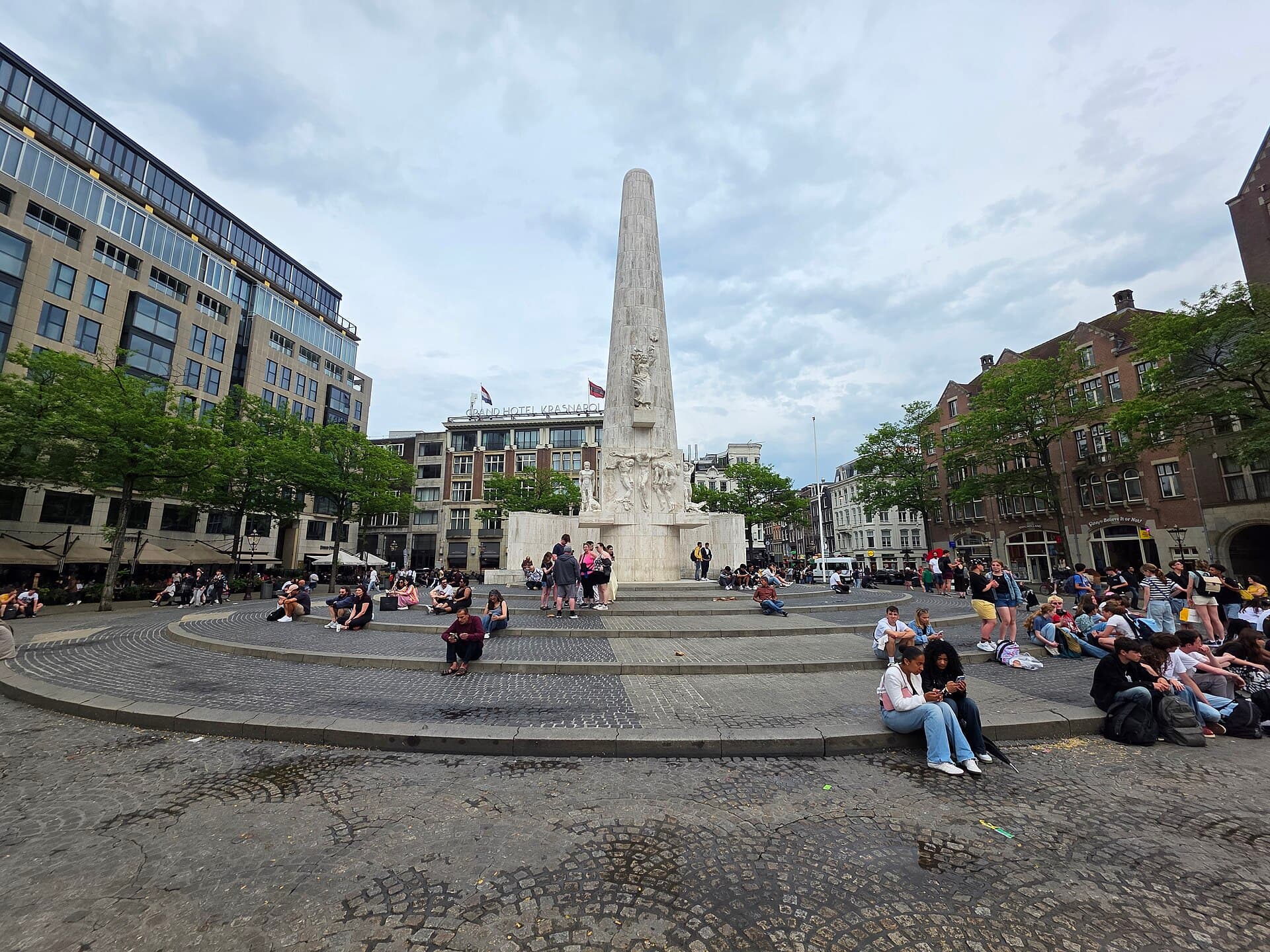
Dam Square and the National Monument
The broad central square that grew from the medieval dam across the Amstel, the literal origin point of the city's name.
2
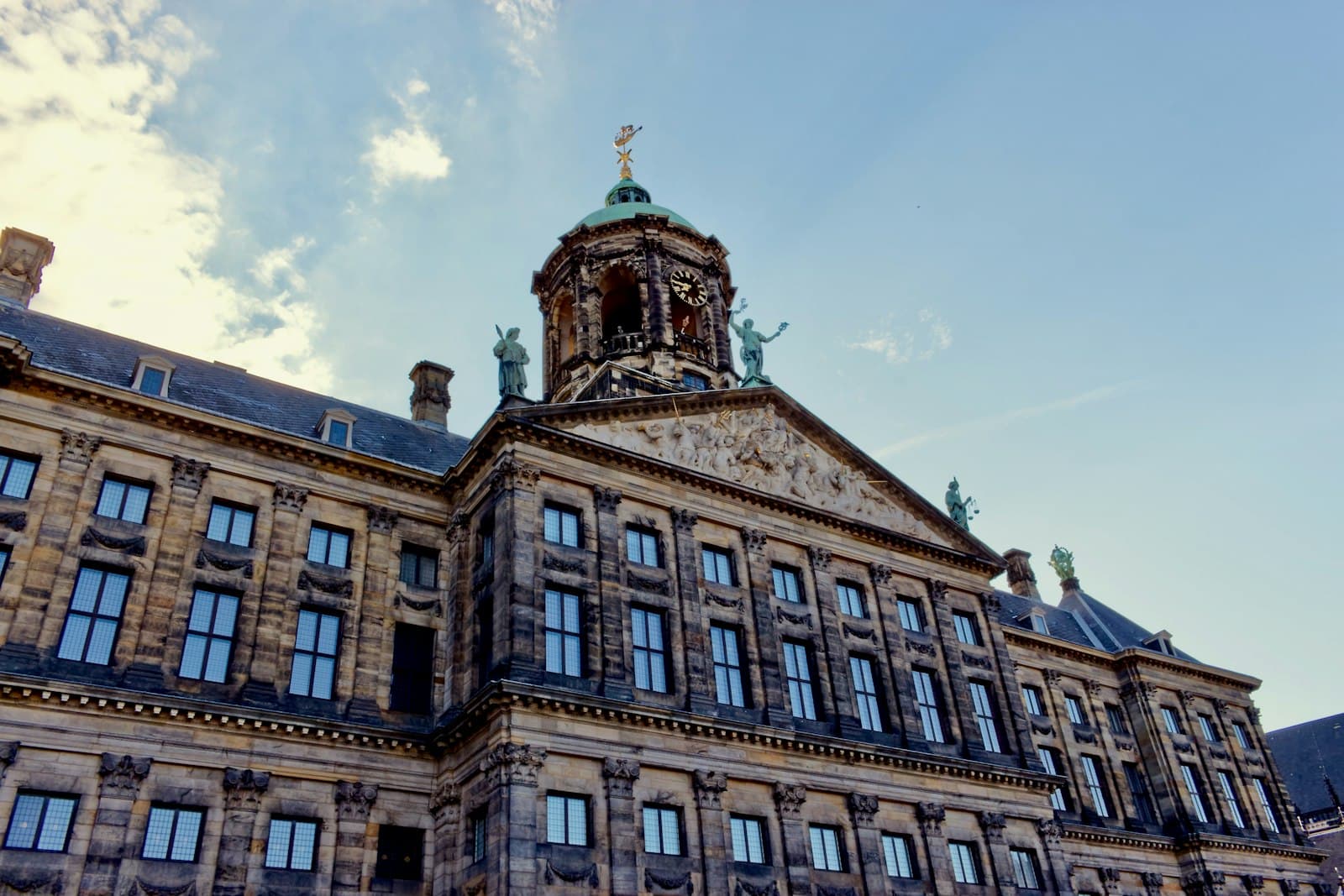
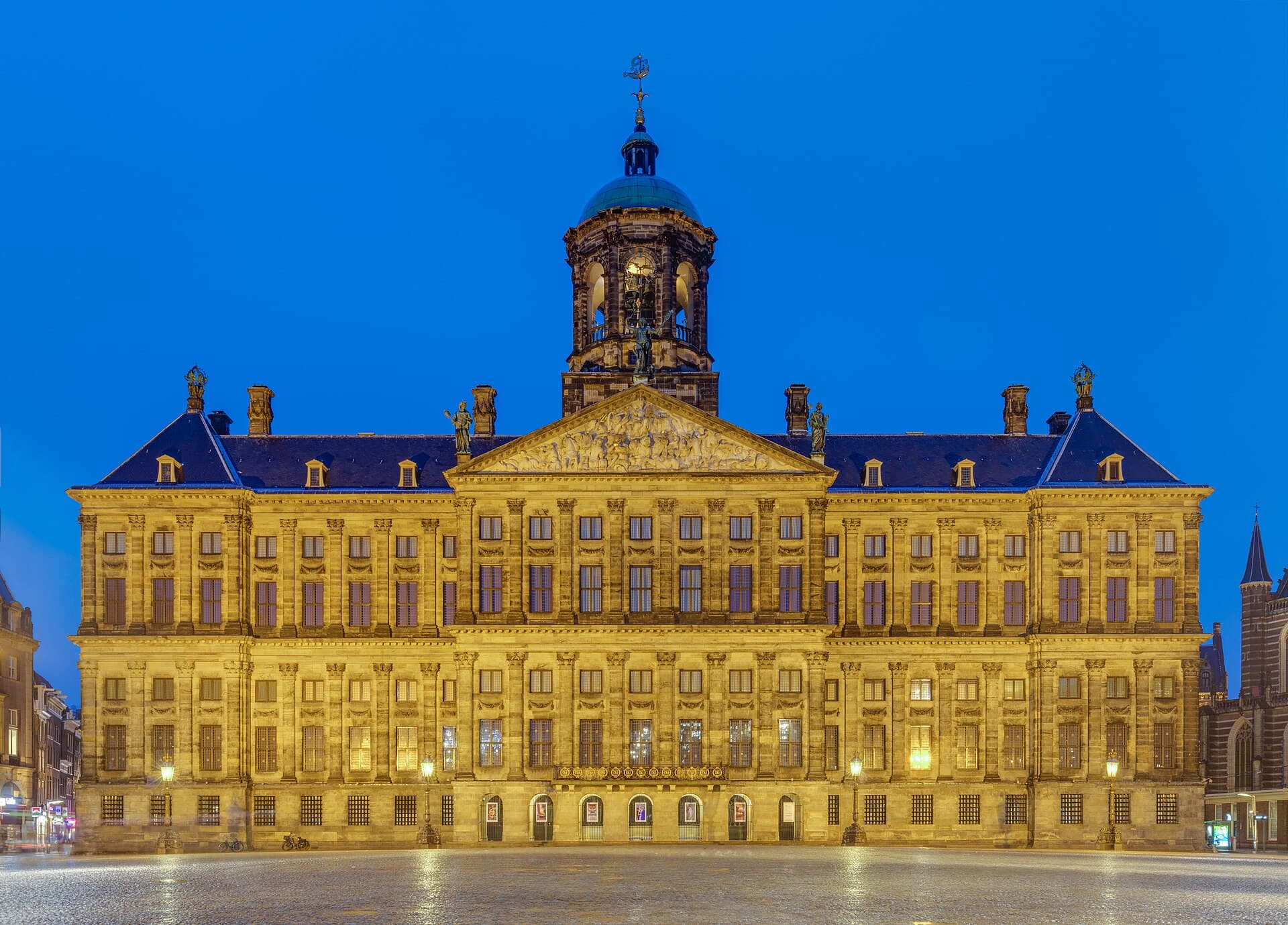
Royal Palace of Amsterdam: the former Stadhuis
A vast classical palace that was built as the Golden Age town hall, resting on more than thirteen thousand wooden piles driven into the marsh.
3
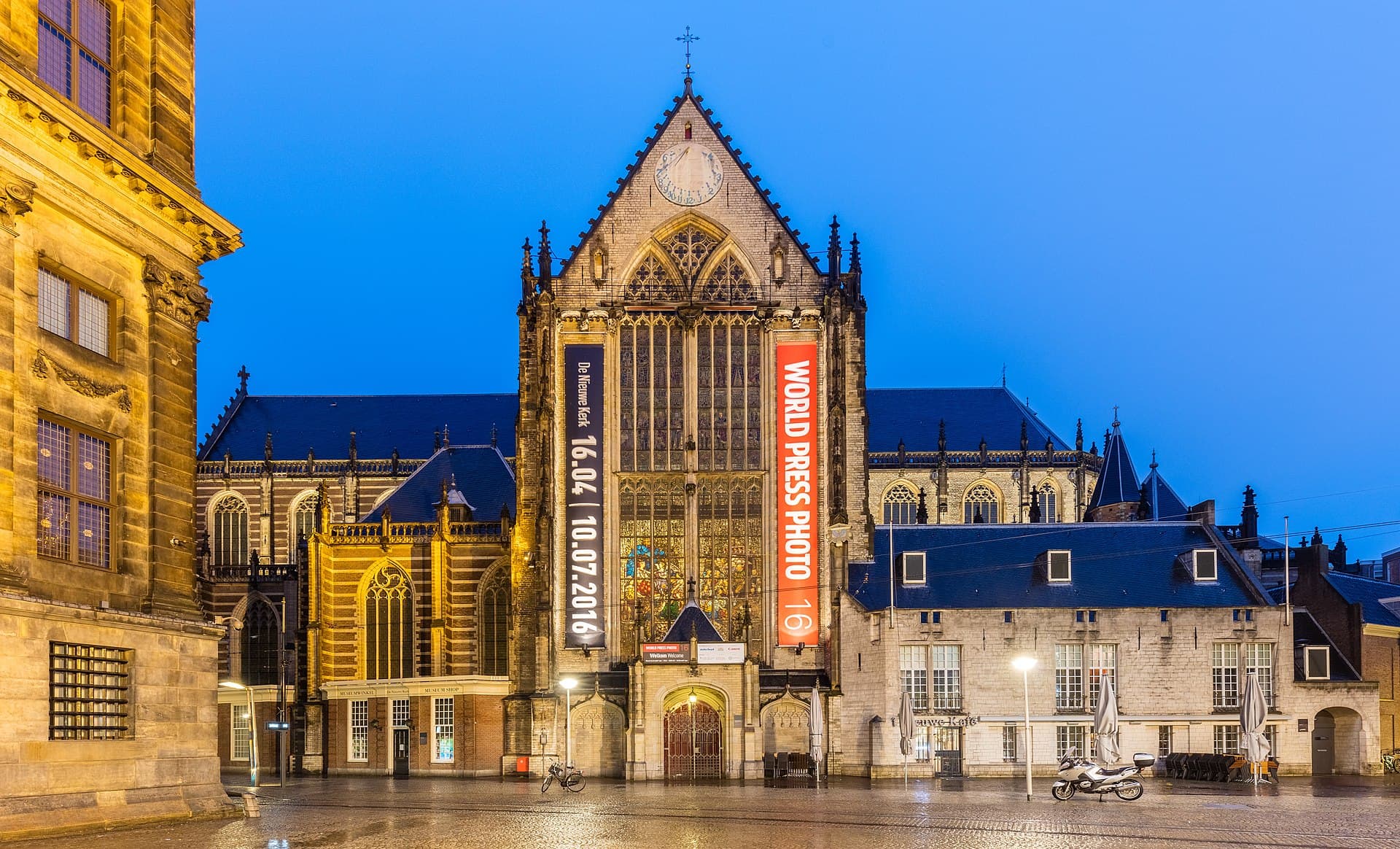
Nieuwe Kerk: the New Church
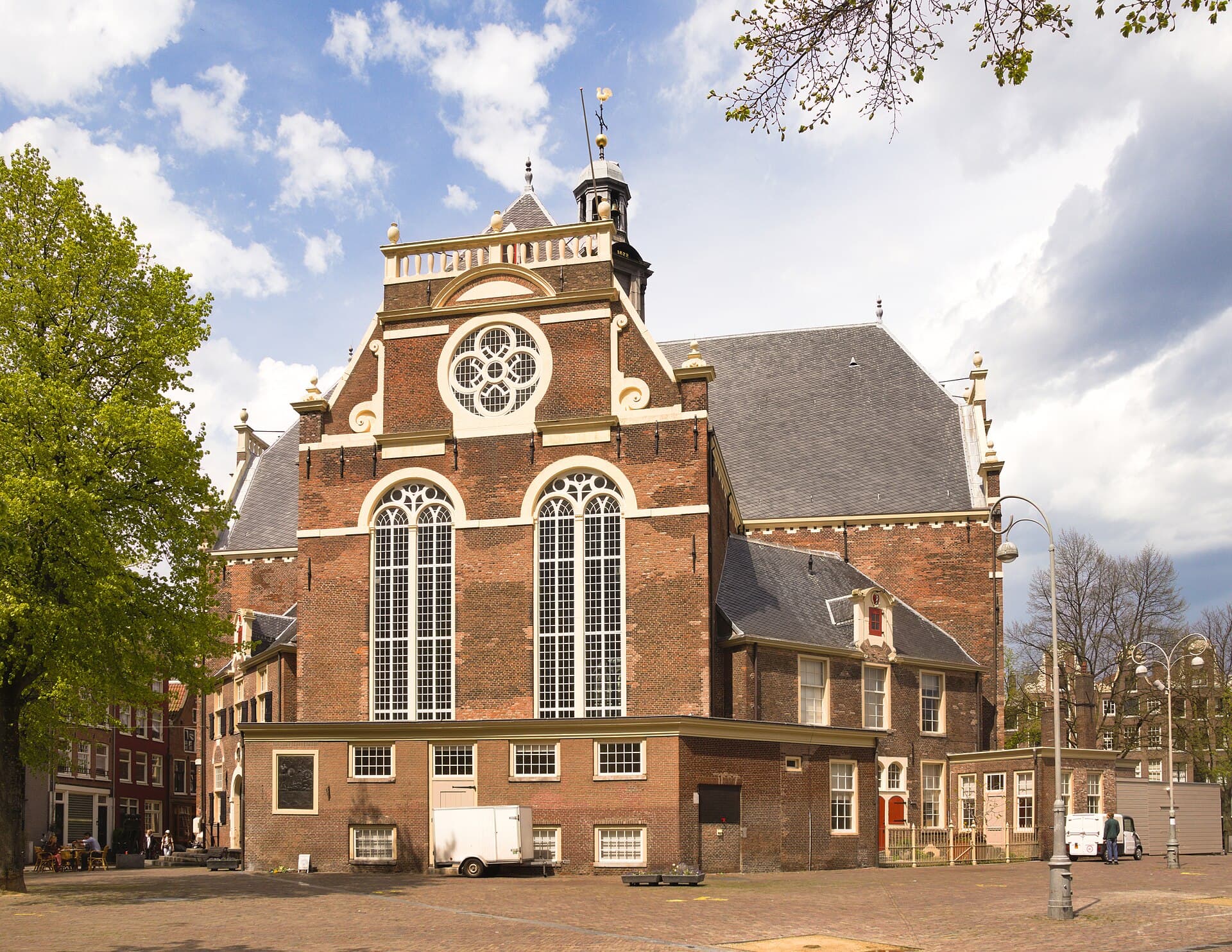
The late-Gothic church beside the palace where Dutch monarchs are invested and royal weddings are held.
4
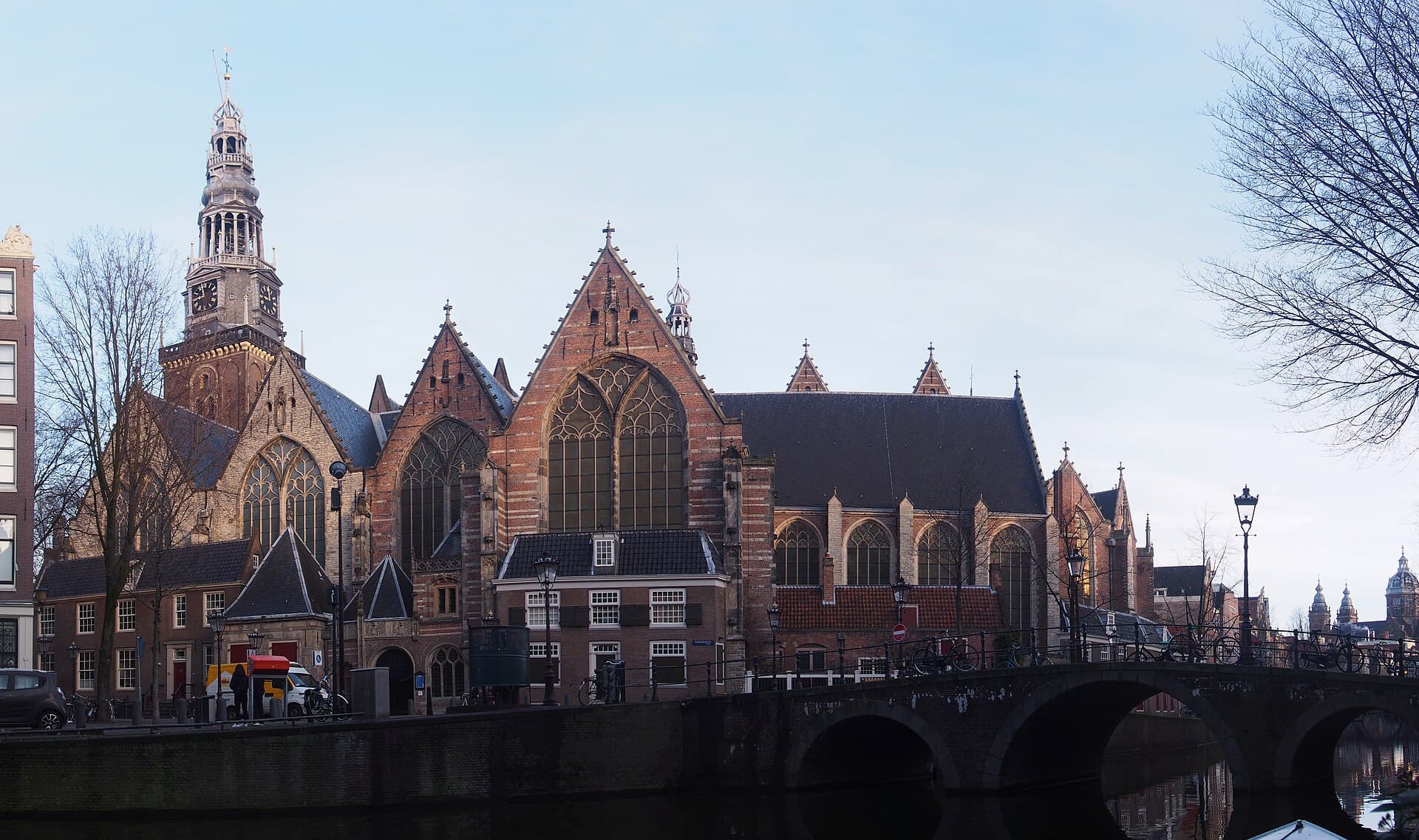
Oude Kerk: the Old Church
Amsterdam's oldest building, a sailors' parish church at the heart of the medieval quarter.
5
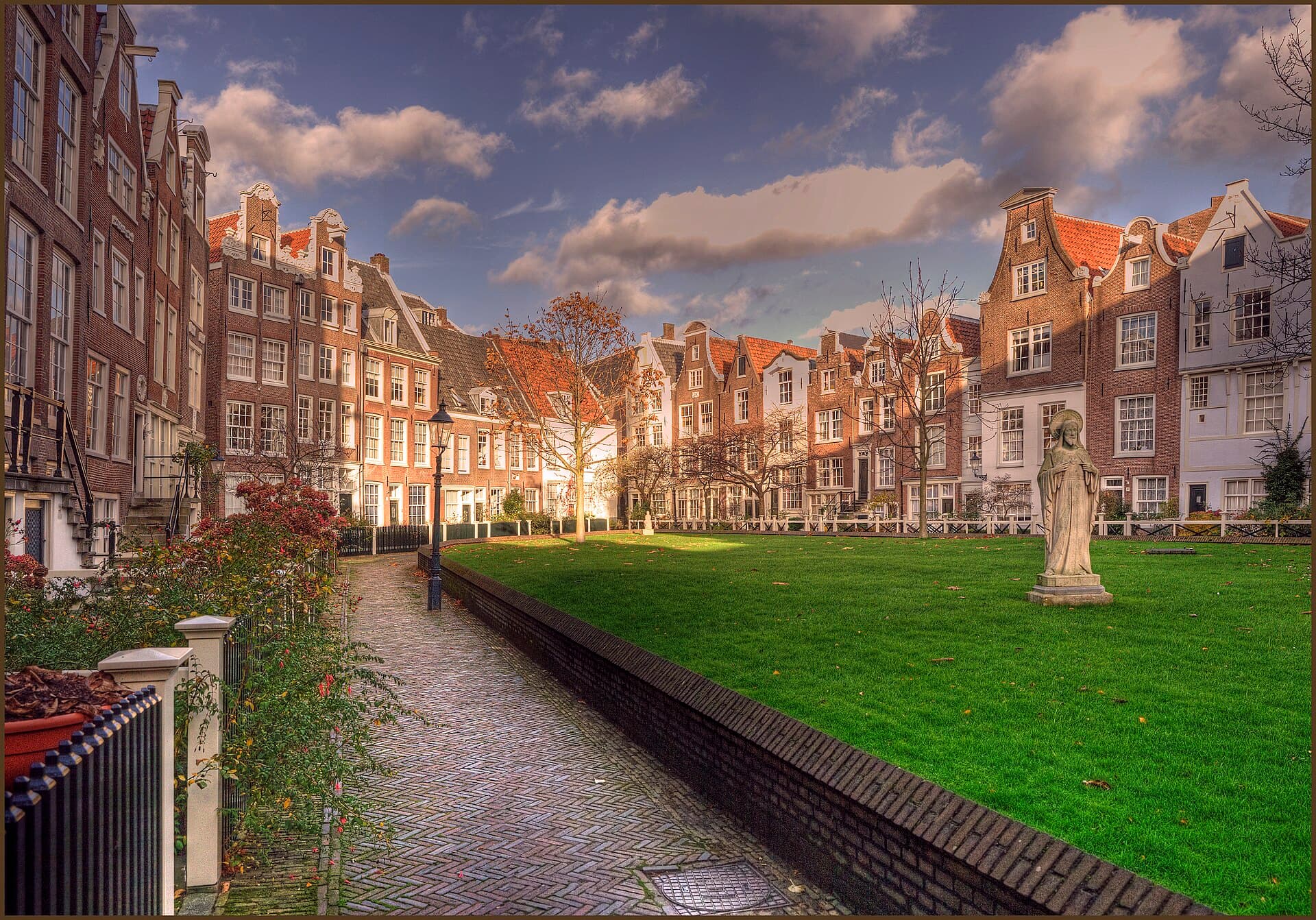
Begijnhof
A hidden medieval courtyard of the Beguines, where the older Catholic city quietly survived Protestant rule.
6
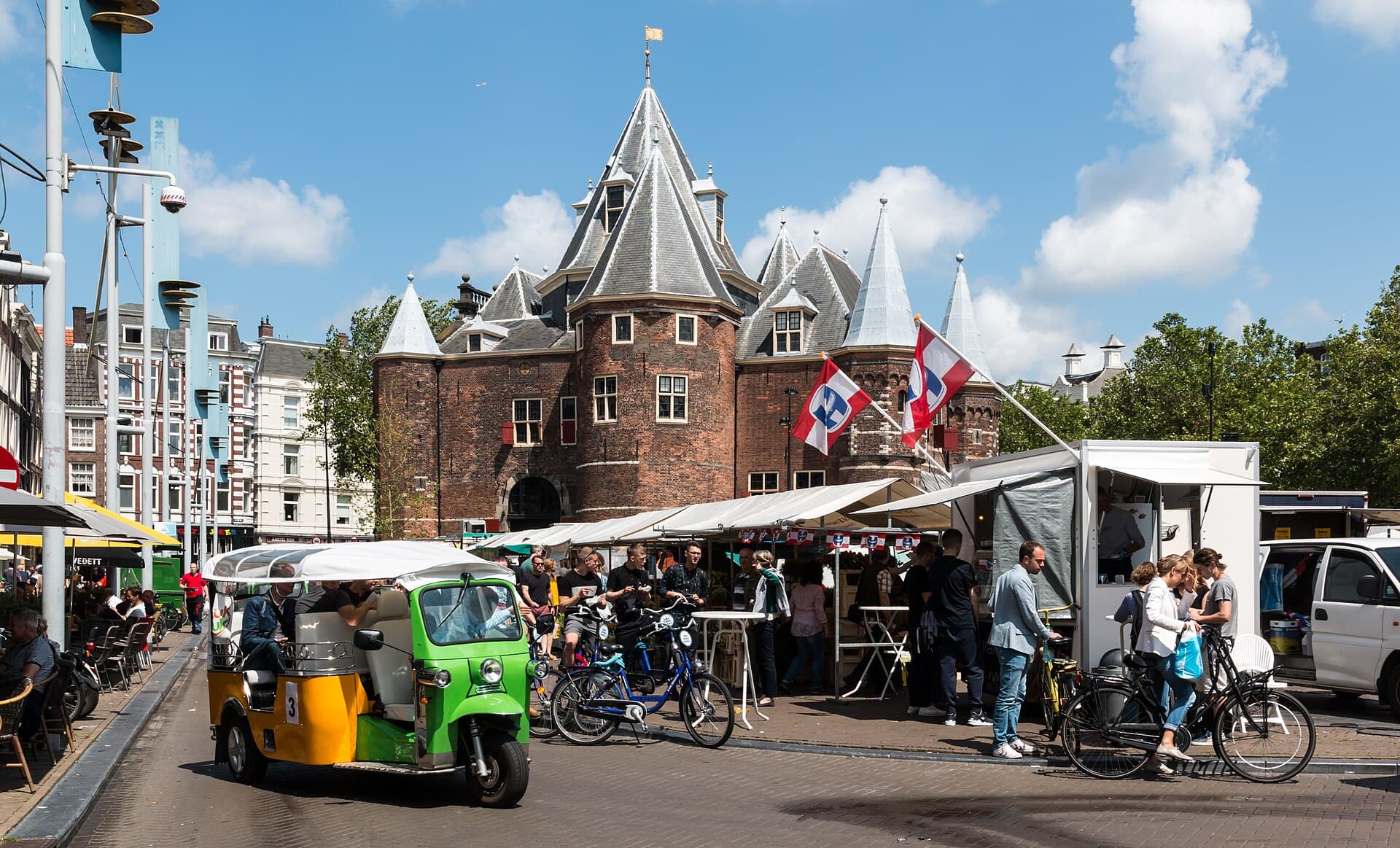
De Waag and the Nieuwmarkt
A medieval city gate turned weigh house on a market square, the setting of Rembrandt's famous anatomy scene.
7
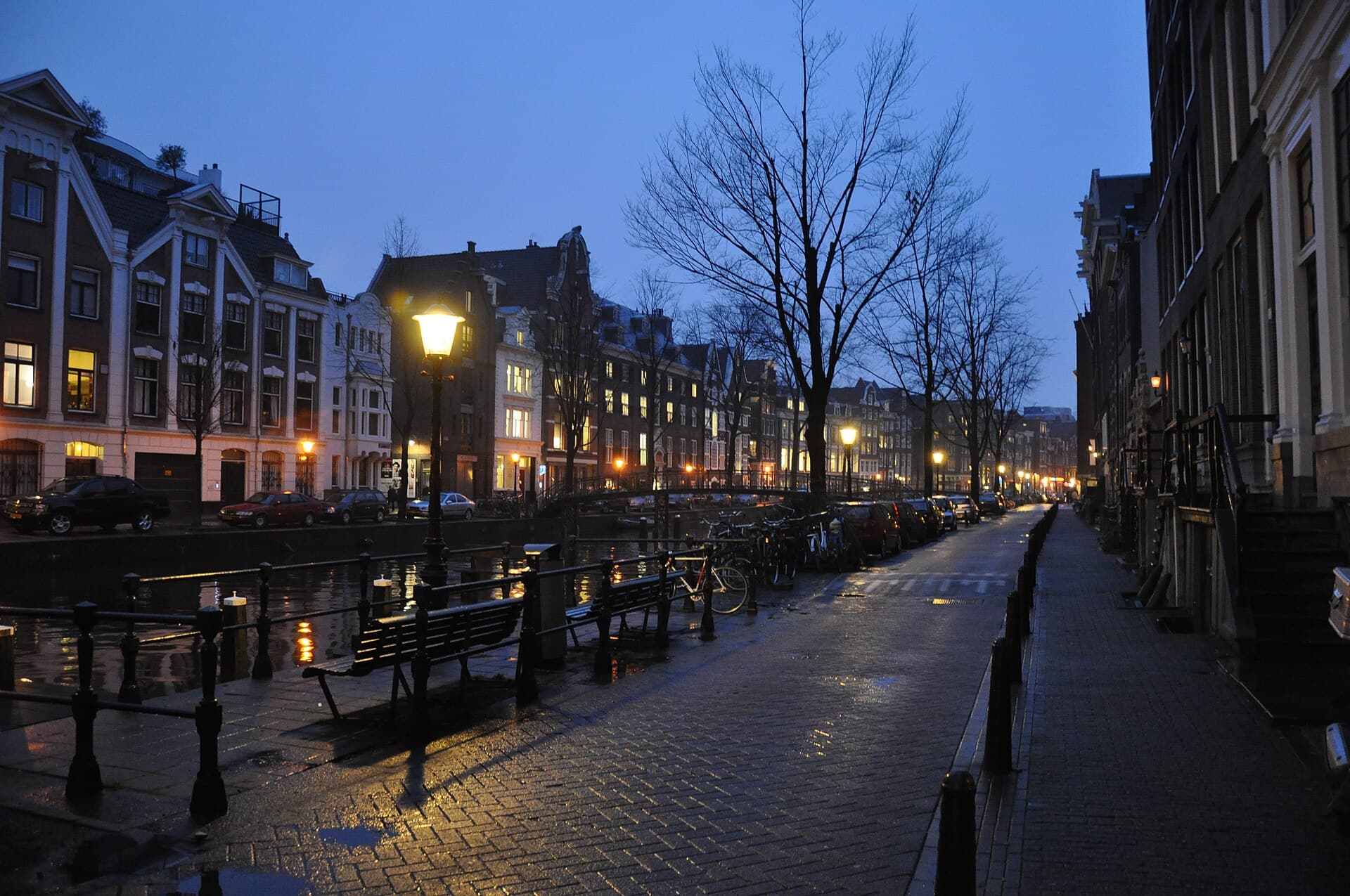
De Wallen and the harbour origins
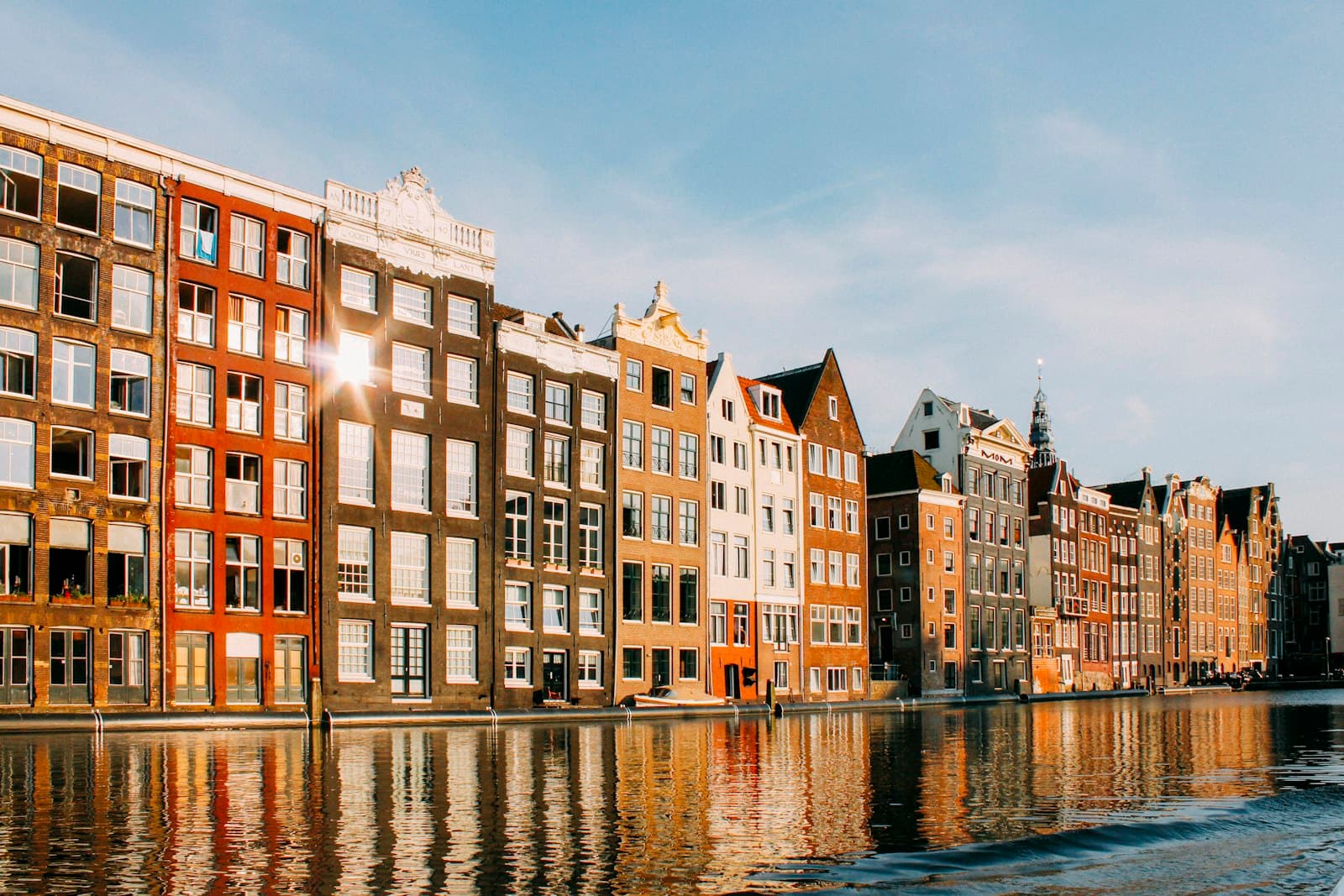
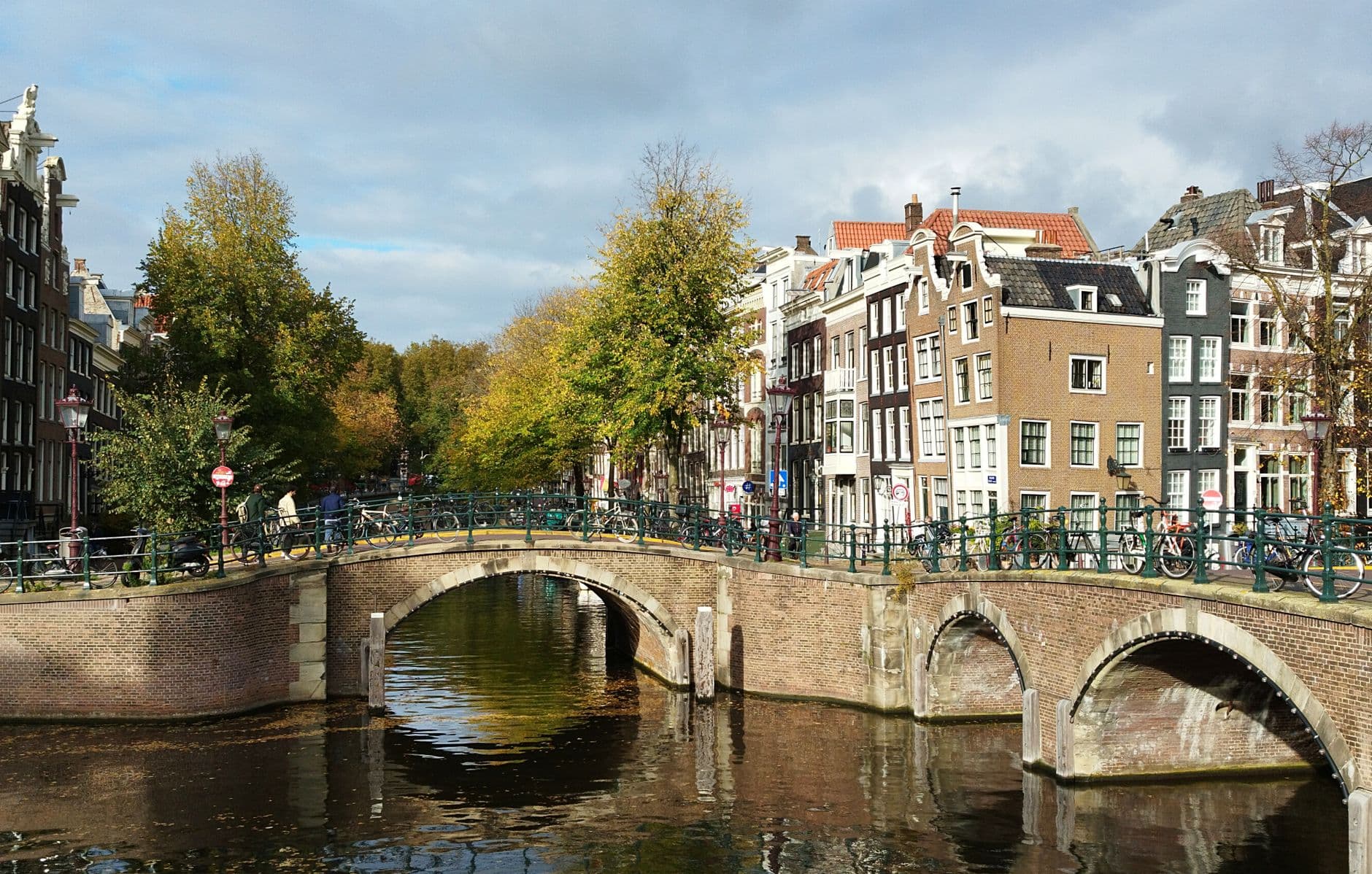
The oldest quarter of Amsterdam, laced with the original harbour canals where the sea trade first came ashore.
Best Time to Visit
Early morning is the best time to walk this route, roughly between eight and ten, when Dam Square is quiet, the light is soft on the old brick, and the medieval lanes of De Wallen are calm and easy to read. Late afternoon on a weekday is a good second choice. Avoid midday on weekends, when the central square and the harbour quarter grow very crowded. If you want to go inside the churches or the palace, check their opening hours in advance, since the Nieuwe Kerk closes for exhibition changes and the palace closes for state functions on some dates.
Pro Tips
- •Dam Square, the Begijnhof courtyard, the Nieuwmarkt with the Waag exterior, and the streets of De Wallen are all free to walk, so you can enjoy the full arc of this tour without paying a single entry fee.
- •If you want to go inside, buy timed tickets online ahead of time for the Royal Palace, the Nieuwe Kerk, and the Oude Kerk to skip the queues, and check each site's hours since they vary and close for events.
- •The Begijnhof is a quiet residential courtyard where people actually live, so keep your voice low, stick to visiting hours, and treat it as someone's home rather than a photo backdrop.
- •Wear comfortable shoes with real grip: the whole route is on uneven cobbles and old brick, and the bridges and canal wharves get slick when wet.
- •Keep to the walkway and stay alert on the canal edges, many of which have no railing at all, especially when you stop to look up at the buildings.
- •Treat De Wallen soberly and put your camera away when passing windows or residents: it is a working, lived-in neighbourhood, not a spectacle, and photographing people there is unwelcome and can provoke a sharp response.
Safety & Precautions
- Many canal edges and wharves have no railings and drop straight into deep water, so stay back from the edge, watch children closely, and never step backward to frame a photo.
- Cyclists and trams have priority and come fast and almost silently: look both ways before crossing any bike lane, do not stand in it, and listen for tram bells, since the tracks run right through the central squares.
- The cobbles are uneven and the bridges, wharves, and church steps get slippery when wet, and interior stairs in the old buildings are steep and narrow, so take them slowly and use handrails where they exist.
- Inside the churches, dress modestly and keep quiet, especially during any service, recital, or ceremony, and remember the Oude Kerk and Nieuwe Kerk are places of worship and remembrance, not just photo stops.
Gallery
Related Reading
Go deeper on what you'll see, hear, and walk through.
Overview
Amsterdam Travel Guide: Days, Transport, Timing, Safety, and Cost
7 min
Overview
Best Self-Guided Walking Tours in Amsterdam (2026)
3 min
Overview
One Day in Amsterdam: A Walkable Itinerary from Morning to Evening
8 min
Thematic
The Dam, the Plan, and the Quarter: How Amsterdam Was Engineered
7 min
Companion
Dam Square: The Barrier That Named Amsterdam
6 min
Deep dive
Amsterdam's Royal Palace: The Town Hall That Became a King's Home
7 min
Read
What to Eat in Amsterdam
7 min