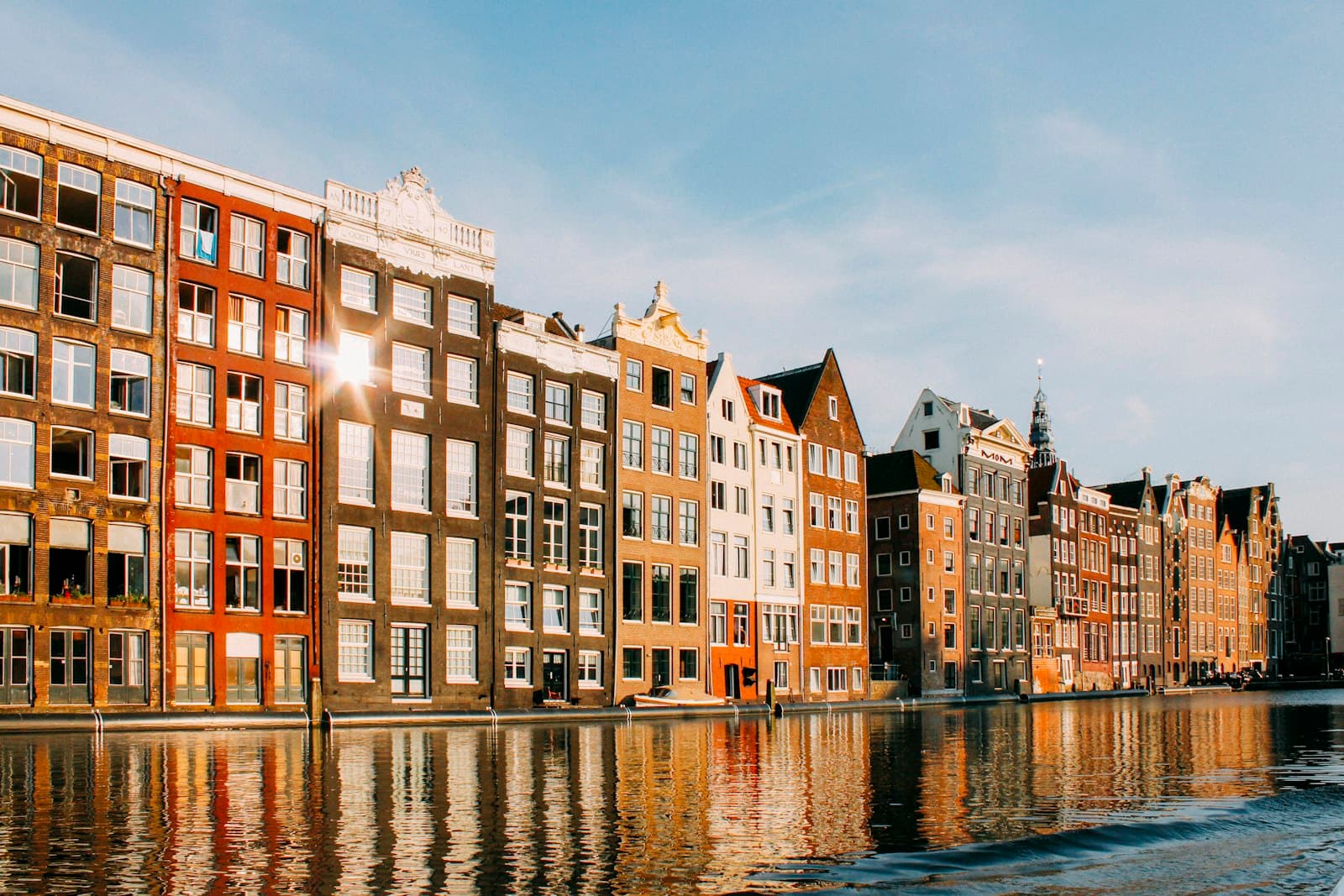

Amsterdam rewards a slow, walkable trip: plan two to three full days on foot, get around mostly by tram and your own two feet rather than a car, and aim for late spring or early autumn when the weather is mild and the crowds have thinned. The city center is compact, flat, and laced with canals, so most of what you came to see sits within a 30-minute walk of Centraal Station. This guide answers the practical questions travelers actually ask before booking: how long to stay, how to move around, when to come, what it costs, and how to stay safe among the bicycles.
For the walking itself, three self-guided audio routes cover the historic heart at your own pace: see Amsterdam walking tours or jump straight to the /netherlands/amsterdam city page.
How many days do you need in Amsterdam?
Two to three days is the sweet spot for a first visit. Two full days let you walk the Grachtengordel (the canal ring), the medieval core around Dam Square, and one neighborhood like the Jordaan, with time for one or two museums. A third day adds breathing room for the Rijksmuseum or Van Gogh Museum, a slower morning, or a day trip to Delft or Utrecht (both under an hour by train).
The reason the city compresses so well is scale. The canal ring, the medieval core, and the Jordaan sit almost shoulder to shoulder. Our three Amsterdam routes are each roughly 3.5 to 3.9 kilometers and run about 95 to 105 minutes of audio, so you can do one before lunch and another after coffee without moving your hotel. If you only have one day, pick the medieval-core walk (Dam Square, the Royal Palace, the Oude Kerk) and add an hour along the canals.
How do you get around Amsterdam?
Hear a stop from this walk
Reguliersgracht and the seven-bridges view
Walk first, tram second, and skip the car entirely. The center is flat and small enough that walking is usually faster than waiting for transport, and the tourist core has almost no parking worth the trouble.
For longer hops, GVB runs the trams, buses, metro, and ferries. A one-day GVB ticket costs 10 euros and covers unlimited rides for 24 hours from first check-in; multi-day tickets scale up (a 3-day ticket is about 21.50 euros). If you prefer to tap and go, GVB Max caps your daily GVB fare at 10.50 euros when you pay contactless with OVpay, so you never overpay by riding a lot. Always tap your card or ticket on the way in and on the way out.
From the airport, take the train. Schiphol to Amsterdam Centraal is a 14 to 17 minute ride, costs roughly 6 to 7 euros one way, and trains leave every few minutes through the day. You can tap a contactless card or phone at the pink and blue OVpay gates instead of buying a paper ticket.
Renting a bike is the classic Amsterdam move, but be honest about your comfort. Dutch cyclists move fast, know the rules, and have priority. If you have never cycled in heavy bike traffic, your first hours in the city are not the moment to start.
When is the best time to visit?
Late April through May and the month of September give you the best balance of weather and calm. Temperatures sit in a comfortable range (roughly 14 to 19 degrees Celsius), crowds are lighter than midsummer, and every museum and canal is open.
Each season has a trade-off. Spring is lovely but not quiet: April is the driest month, yet tulip season and King's Day on the 27th of April pull in big crowds and higher prices. Summer (June to August) is the warmest and busiest stretch, with peak prices and long museum lines. Autumn eases off after September. Winter is the cheapest and calmest time to come, with shorter queues and lower hotel rates, though days are short and often grey. If you want tulips and King's Day energy, come in April. If you want the city closer to itself, come in late September or in winter.
Is Amsterdam safe?
Amsterdam is one of the safer capital cities in Europe, and violent crime against visitors is rare. The realistic risks are two, and both are manageable.
The first is pickpocketing in crowds. Busy transport at rush hour, Centraal Station, Dam Square, the Bloemenmarkt, and the Red Light District are the usual spots. Keep your phone and wallet in a front or zipped pocket, and stay aware when a tram is packed.
The second risk is not a person at all: it is a bicycle. The red-painted strips beside the pavement are cycle lanes, not sidewalks, and cyclists on them move quickly and expect you to stay clear. The most common way tourists get hurt is by drifting into a bike lane while looking at a map or phone. Look both ways before crossing any lane, treat the red asphalt as a road, and step aside to check directions. Do that and the city is genuinely easy to walk.
What does a trip to Amsterdam cost?
Amsterdam is a mid-to-high European price point, but a walking-first trip keeps the biggest lines on your budget optional. Getting around is cheap: 10 euros a day covers all the transport you will realistically use, and most days you will walk more than you ride.
Attractions are where costs add up, so choose deliberately. Many of the best things to see cost nothing: the canals, Dam Square, the Begijnhof courtyard, the Bloemenmarkt flower market, the Nine Streets, and the whole Jordaan are free to wander. Paid sights are the museums and churches. Anne Frank House is 16.50 euros for adults in 2026 and is timed-entry and online-only, sold weeks in advance solely on the official site and never at the door. The Nieuwe Kerk and Oude Kerk each charge an entry fee (the Oude Kerk is around 22 euros, the Nieuwe Kerk varies by exhibition), and the Royal Palace runs about 12 to 13.50 euros. Note also the city's overnight tourist tax, currently 12.5 percent of the room rate, which lands on your hotel bill.
A self-guided audio walk is the cheapest way to actually understand what you are looking at: you pay once, walk at your own pace, and skip the paid interiors you do not care about. Start planning at Amsterdam walking tours or the /netherlands/amsterdam city page.
A simple two-day plan
Day one: start at Dam Square and walk the medieval core, then loop into the canal ring past the Golden Bend on the Herengracht and finish at the Bloemenmarkt. Day two: begin along the Brouwersgracht, wander the Jordaan and its quiet almshouse courtyards, then cross into the Nine Streets for lunch and browsing. Add the Rijksmuseum or Van Gogh Museum on a third morning if you have it, and for the Rijksmuseum an independent audio companion is in the Rijksmuseum guide. Each route is built to be paused, skipped, and resumed, so you set the pace, not a group.
Sources
- PUBLIC TRANSPORT AMSTERDAM: tickets, fares 2026 (travelguide.amsterdam)
- Tickets | Anne Frank House (official)
- Schiphol Airport to Amsterdam Central by Train (amsterdamtips.com)
- Is Amsterdam Safe for Tourists? 2026 Guide (amsterdamtourism.org)
- Best Time to Visit Amsterdam, month-by-month 2026 (saltandsuitcases.com)
Frequently asked questions
- How many days do you need in Amsterdam?
- Two to three days is ideal for a first visit. Two full days cover the canal ring, the medieval core, and one neighborhood like the Jordaan on foot, plus one or two museums. A third day adds a major museum or a day trip to Delft or Utrecht, both under an hour by train.
- What is the best way to get around Amsterdam?
- Walk first and use trams second. The center is flat and compact, so walking is often faster than transport. A one-day GVB ticket covering trams, buses, metro, and ferries costs 10 euros, or you can tap contactless with OVpay, which caps your daily GVB fare at 10.50 euros. Skip renting a car.
- When is the best time to visit Amsterdam?
- Late April through May and the month of September offer the best balance, with mild temperatures around 14 to 19 degrees Celsius and lighter crowds than summer. April is the driest month but busy with tulip season and King's Day. Winter is the cheapest and calmest, though days are short and grey.
- Is Amsterdam safe for tourists?
- Yes, Amsterdam ranks among the safer European capitals and violent crime against visitors is rare. The two real risks are pickpocketing in crowds like Centraal Station and Dam Square, and bicycles. Cyclists in the red-painted lanes move fast and have priority, so stay off the bike lanes when on foot.
- How do you get from Schiphol Airport to central Amsterdam?
- Take the train. Schiphol to Amsterdam Centraal takes 14 to 17 minutes and costs roughly 6 to 7 euros one way, with departures every few minutes. You can tap a contactless card or phone at the pink and blue OVpay gates instead of buying a paper ticket.
- How much does an Amsterdam trip cost?
- Transport is cheap at about 10 euros a day, and many highlights are free to walk, including the canals, Dam Square, the Begijnhof, and the Jordaan. Paid sights add up: Anne Frank House is 16.50 euros for adults in 2026 and timed online-only, and hotels carry a 12.5 percent overnight tourist tax.
Ready to experience it?
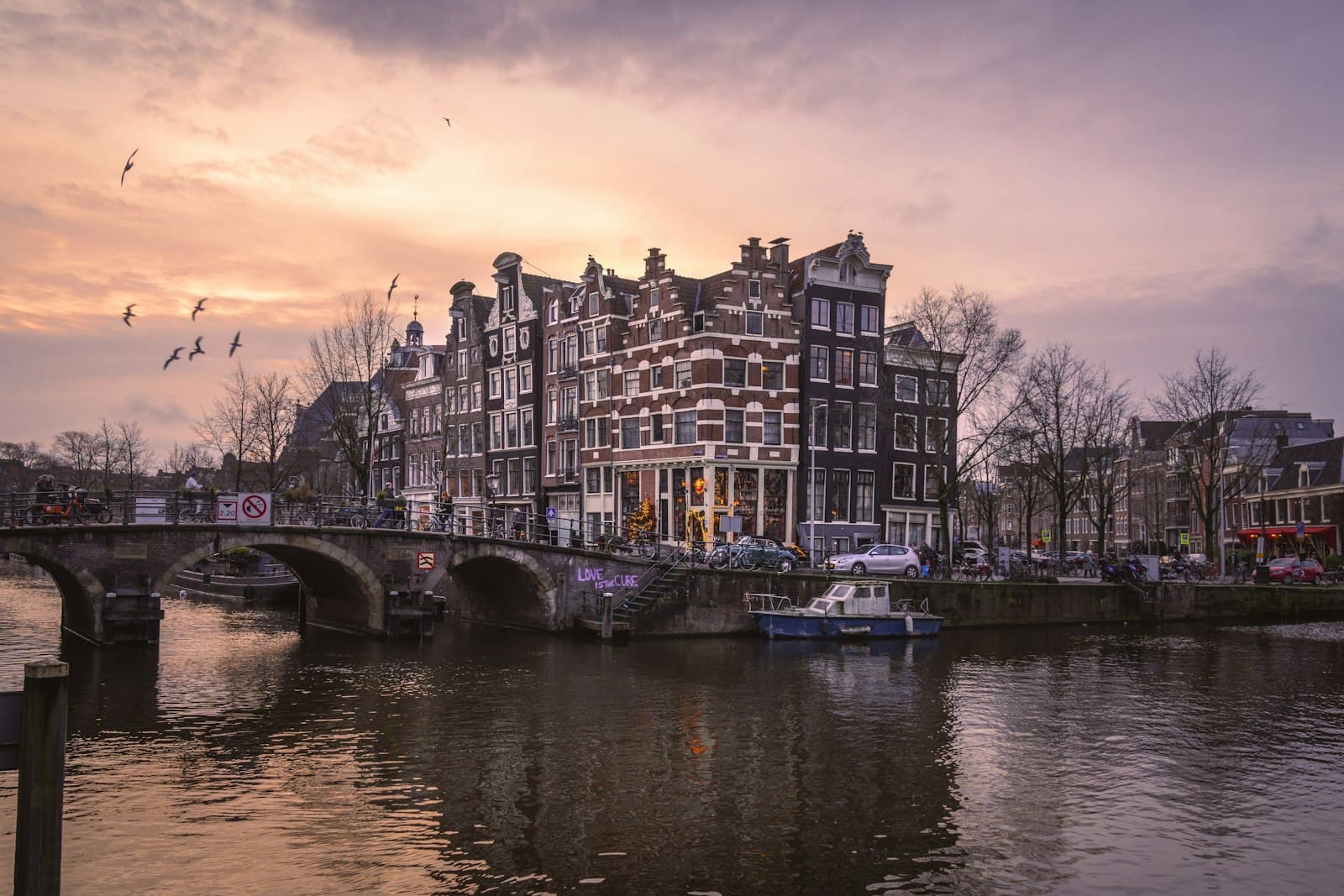
Canal Ring: The City That Planned Its Water
100 min · 3.8 km · easy
More from Amsterdam
Explore more at your own pace.
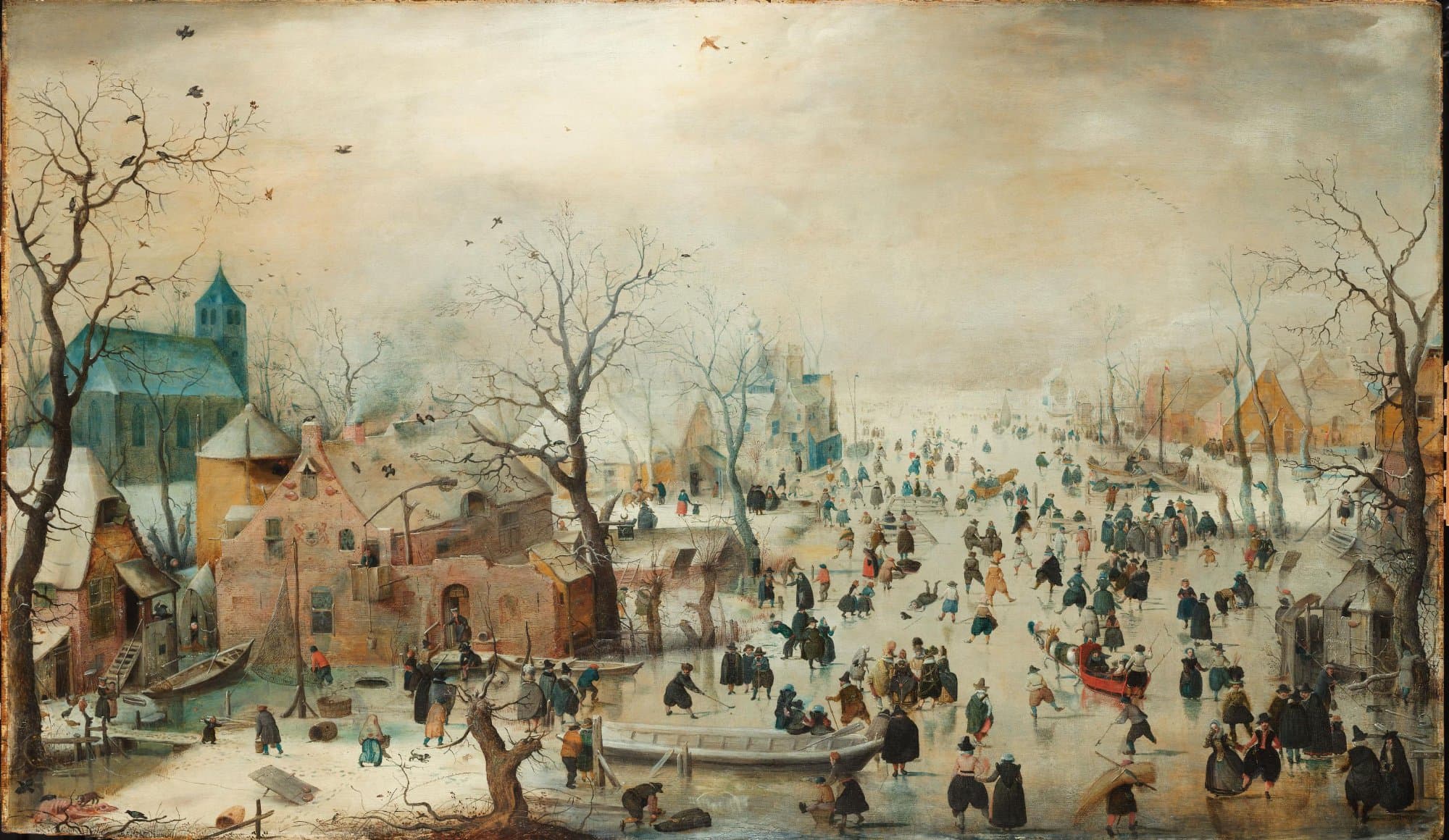
Avercamp's Winter Landscape with Skaters: Hunting the Small Stories
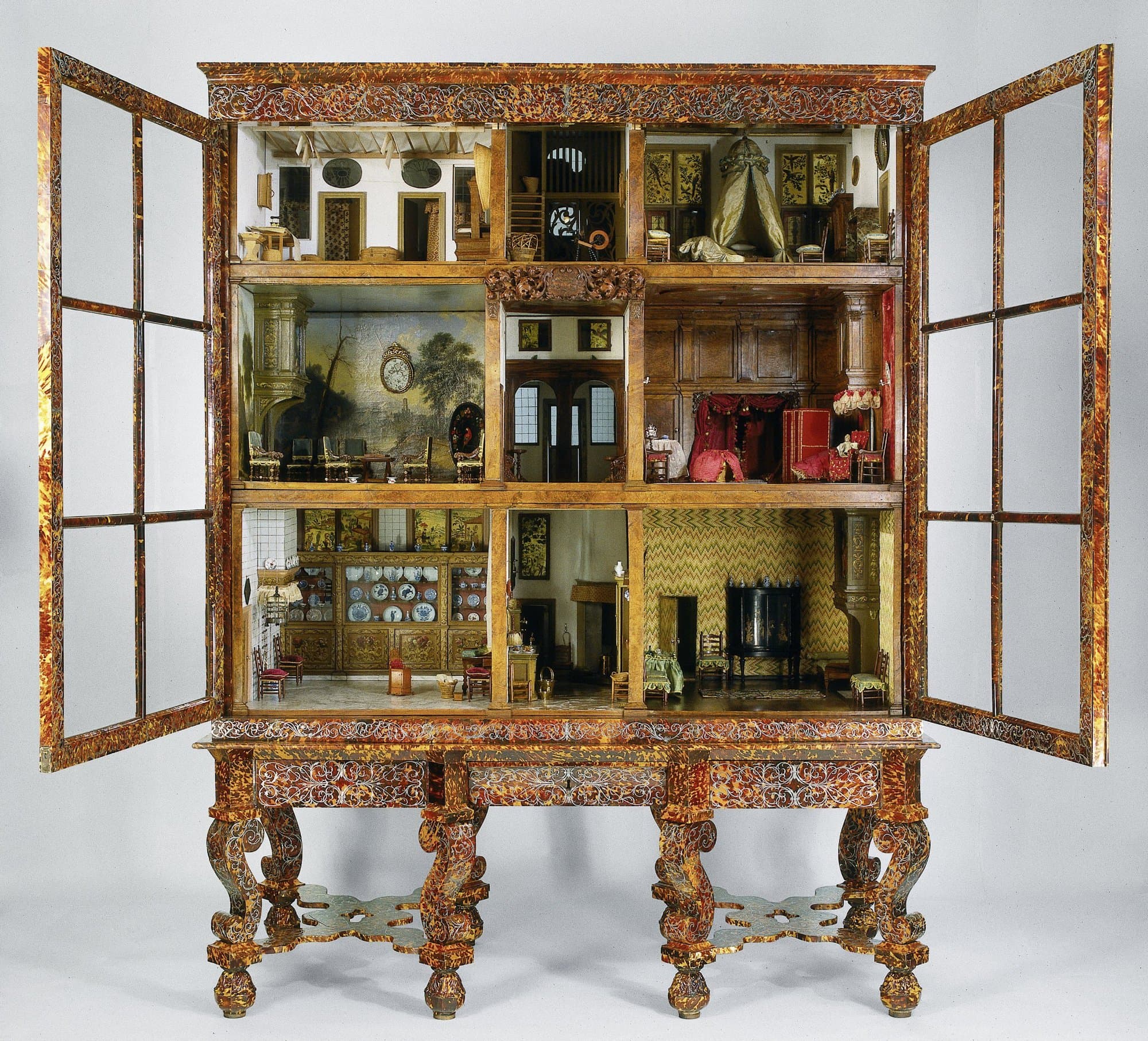
Petronella Oortman's Doll's House: The Miniature Canal House in the Rijksmuseum
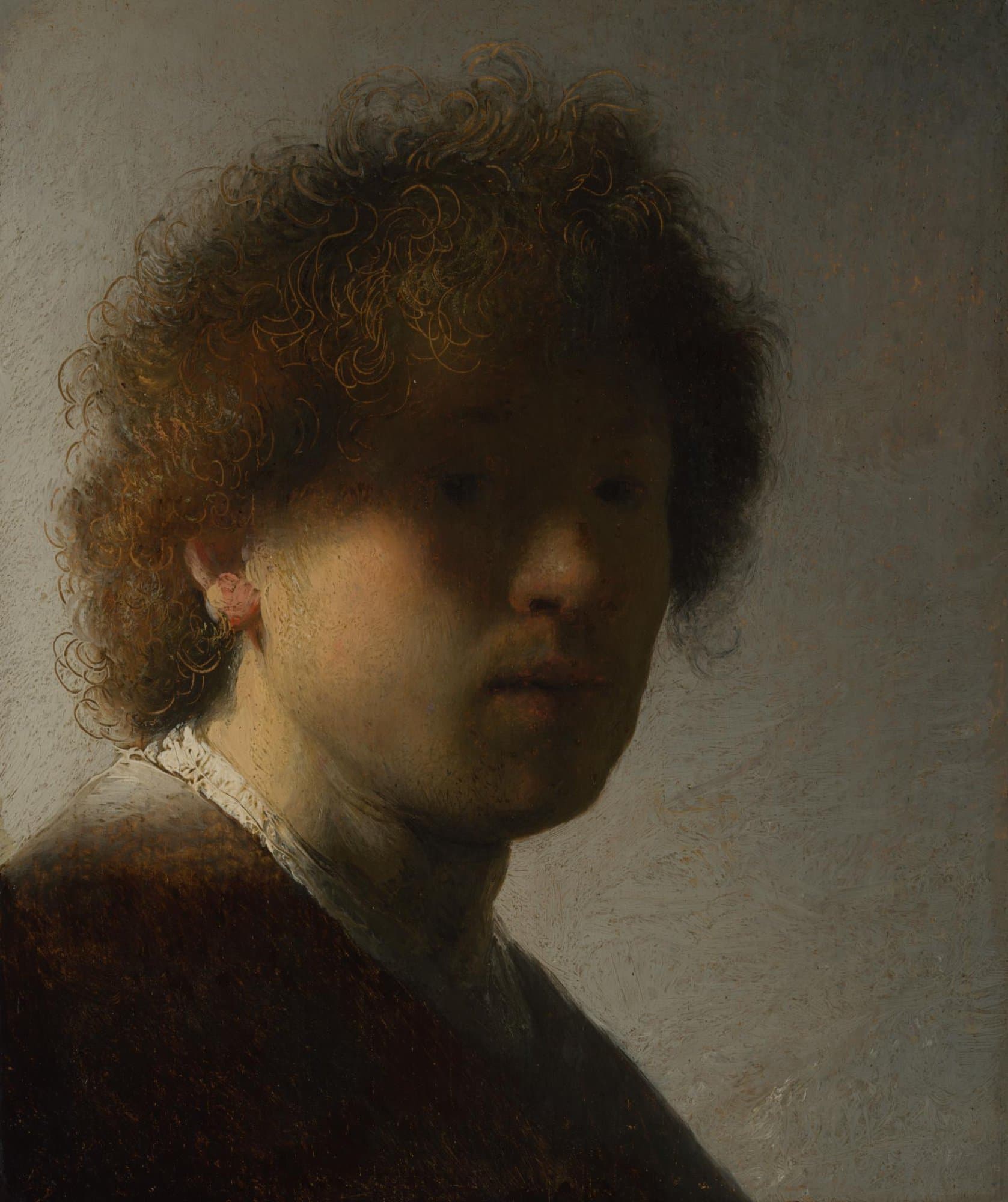
Rembrandt's Self-Portrait of 1628: A Young Man and the Back of a Brush
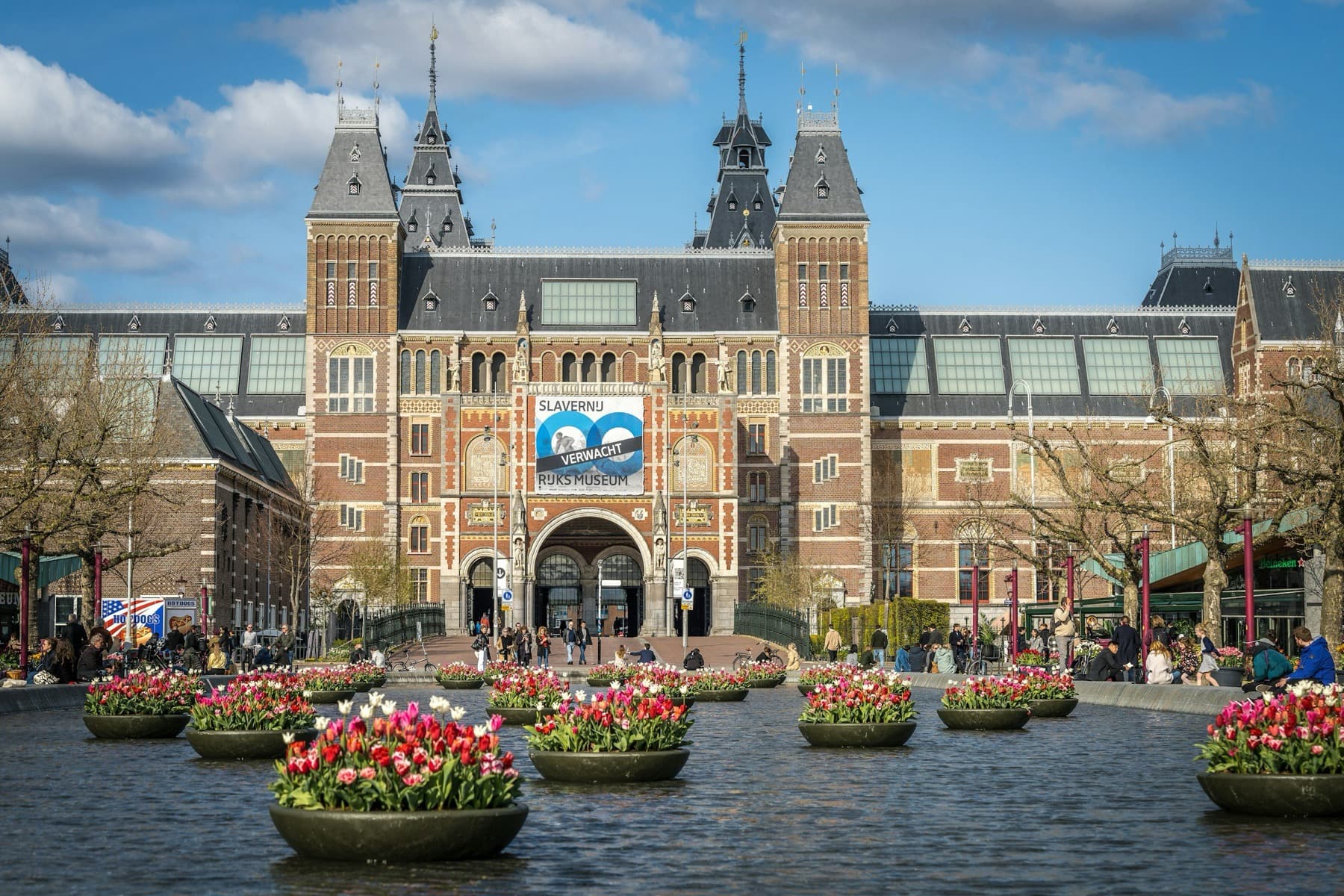
Rijksmuseum: What to See, Room by Room, and a Two-Hour Plan
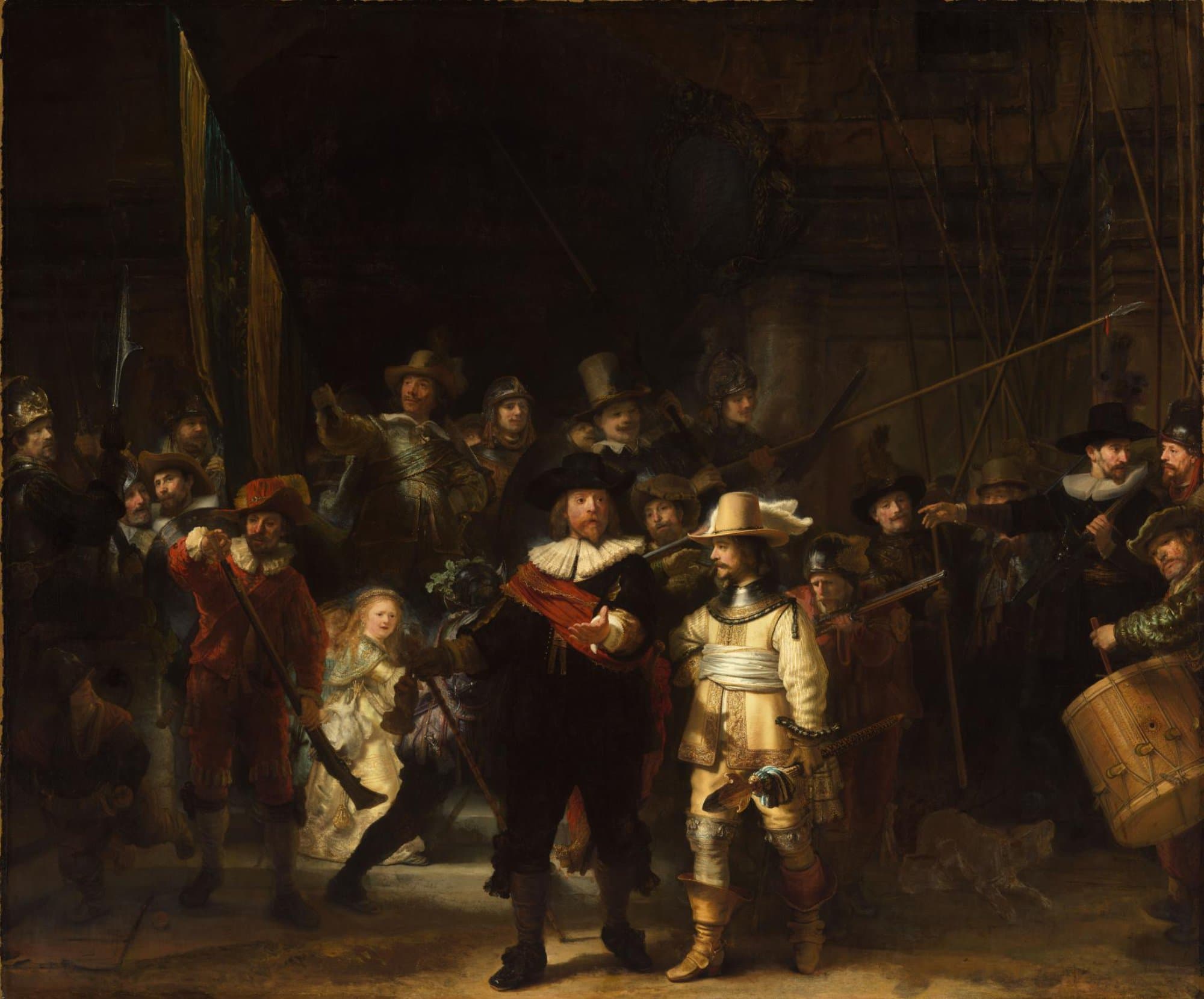
The Night Watch: Why It Is Called That, and What Was Cut Off