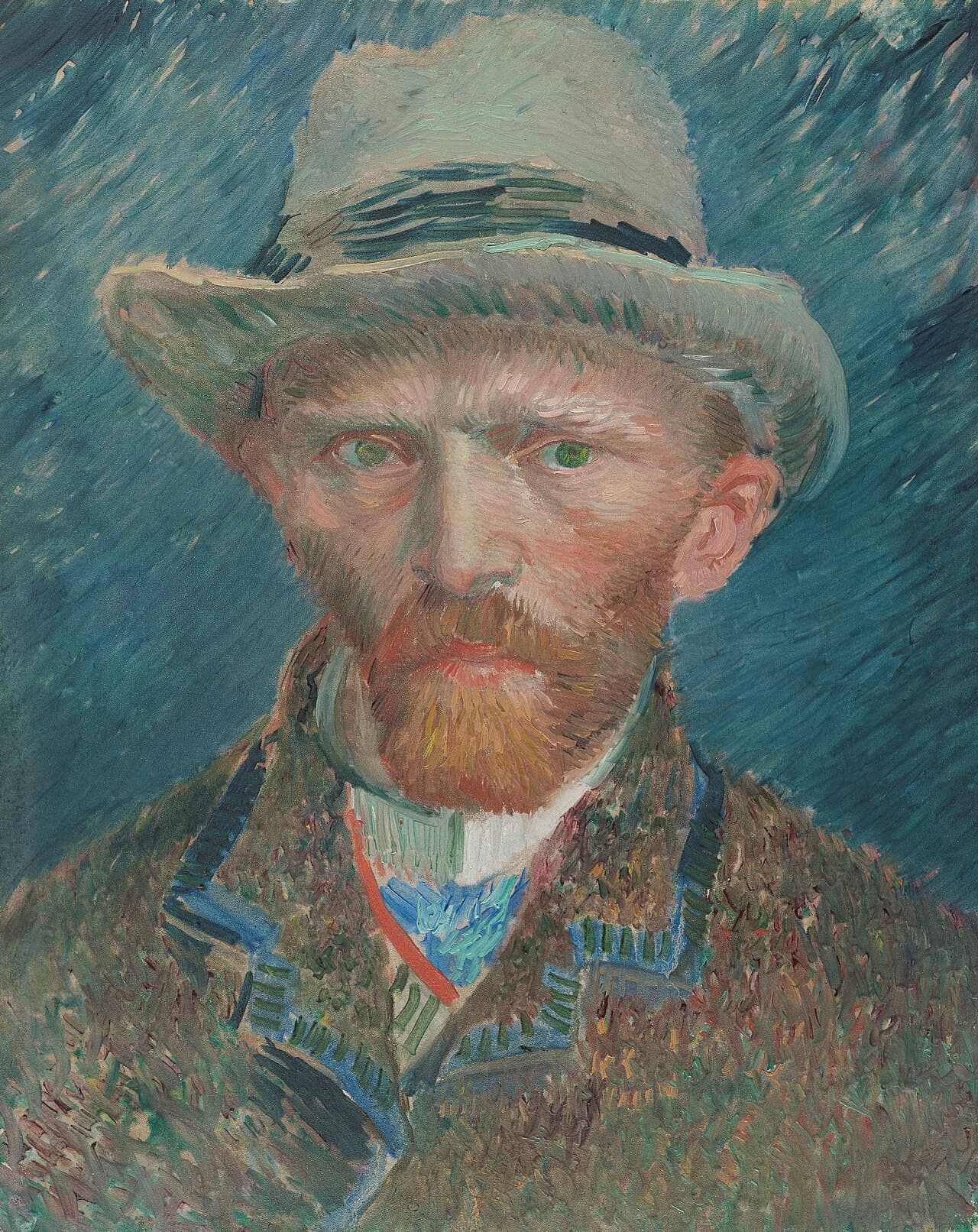
There is a Van Gogh self-portrait in the Rijksmuseum, Amsterdam. It is an oil painting on cardboard, about 42 by 34 centimetres, dated 1887 and painted in Paris. The museum's records show it on display in room 1.18, among the Hague School and Amsterdam Impressionists. Vincent gave it to his friend Andries Bonger, and Bonger's widow gave it to the museum in 1936. The big Van Gogh collection is not here: it belongs to the Van Gogh Museum, a short walk away on the same square.
If you are asking whether there are Van Gogh paintings in the Rijksmuseum: yes, but not many, and the famous ones are elsewhere. The museum's headline Van Gogh is a self-portrait from 1887. In the museum's records it is on display in room 1.18, on Level 1 of the main building.
If you are asking where Van Gogh's self-portrait is: this one is in the Rijksmuseum. Other self-portraits, including several from the same Paris years, belong to the Van Gogh Museum, which sits on the same square, Museumplein. Those are different paintings, and the question "which self-portrait" matters before you buy a ticket.
What the painting is
It is small. The museum records it as oil on cardboard, 42 centimetres high and 34 wide. It is a bust: a man in a brown coat and a grey hat, looking out at us. The paint is not smoothed into a surface. The museum describes rhythmic brushstrokes in striking colours, and that is the thing to look for. The face and the background are built from short, separate marks instead of blended tones.
The museum's own text sets the scene. Van Gogh moved to Paris in 1886, after his brother Theo told him about the new, colourful French painting. He made several self-portraits there, mostly, the museum says, to avoid paying for a model. In other words, he was his own cheapest sitter. The self-portrait was practice, a way to test the new style on the one face he could always get.
The museum also says he portrayed himself as a fashionably dressed Parisian. That reading is worth holding in your mind in front of the picture. The hat and coat are not the clothes of the lonely figure of later legend. They are a city man's.
Why it is in Amsterdam
Hear a stop from this walk
Reguliersgracht and the seven-bridges view
The provenance is short and human. According to the museum's record, Van Gogh gave the painting to Andries Bonger, who owned it by 1893. Bonger was a friend of Theo's, and his sister Johanna married Theo, which made him Theo's brother-in-law.
The painting then passed to Bonger's widow, Françoise, who gave it to the Rijksmuseum in 1936. The credit line still reads as a gift from her. So the museum owns this self-portrait because one friend of the family kept a gift from the painter for decades and his widow chose to give it to the national museum.
So how much Van Gogh is in the Rijksmuseum?
Honestly, not much. This is the part many visitors get wrong, so it is worth being plain about it.
The Rijksmuseum is the national museum of Dutch art and history, and its centre of gravity is the Golden Age: Rembrandt, Vermeer, Frans Hals. Van Gogh is a late arrival there, one room's worth of the nineteenth century.
The museum's open data lists five paintings under his name, and on 11 October 2026 it showed four of them on display. Two belong to the museum. The self-portrait is one, a gift in 1936. The other is Farming Village at Twilight, dated 1884, a gift to the museum, and the data did not show it on display that day.
The other three are loans, not the museum's own: The Singel near the Lutheran Church in Amsterdam (dated 1885), Riverbank with Trees (1887) and Wheatfield (1888). All three are on loan from the Stichting Collectie P. & N. de Boer, and the museum's data placed them in room 1.18 as well, so the room held four Van Goghs when we checked. The museum's records name Van Gogh as the maker and give his catalogue numbers for all three. Loans and displays change, so check the museum's own page for what is out before you plan around it.
Where the rest of Van Gogh is
The big collection belongs to a different museum. The Van Gogh Museum, a short walk away on Museumplein, holds, per Wikipedia, about 200 paintings, 400 drawings and 700 letters by Vincent, the largest collection of his work in the world. It exists because his work passed from Theo to Theo's widow Johanna, then to her son, and in 1962 to a foundation. The museum opened in 1973.
A practical way to think about it: if Van Gogh is the reason you are in Amsterdam, go to the Van Gogh Museum. If you are already in the Rijksmuseum, go and see this one painting as a bonus, because it shows something specific, Van Gogh before the yellow house and the sunflowers, still learning.
What to notice in front of it
Stand close first and look at how the marks sit side by side. Then step back. At a distance the strokes close into a face and the colours settle. This is the Paris lesson: you do not blend the colours on the palette, you let them meet in the eye.
Then look at the hat. Van Gogh would soon leave Paris, and the self-portraits that most people know come from later. This one is earlier and more urbane. It is a good place to see the painter before the myth.
Finally, notice the room around it. Room 1.18 is about the late nineteenth century in the Netherlands, with the Hague School painters and the Amsterdam Impressionists. Next to them, Van Gogh looks both connected and out of place: he was a Dutchman who had gone to Paris for the new colour.
How this fits the Roamer guide
Roamer's independent audio guide to the Rijksmuseum has a short story for this self-portrait in room 1.18, told at your own pace, with the stories of the neighbouring paintings by Breitner, Israëls and Gabriël around it. Play it in front of the painting and skip ahead whenever you like. For the whole building, read what to see at the Rijksmuseum, or open the Rijksmuseum guide in the app. If you want the city outside the museum, Amsterdam on foot has the routes.
Cover image: Vincent van Gogh, Self-portrait, 1887, Rijksmuseum, Amsterdam (SK-A-3262), public domain, via Wikimedia Commons.

Ready to experience it?
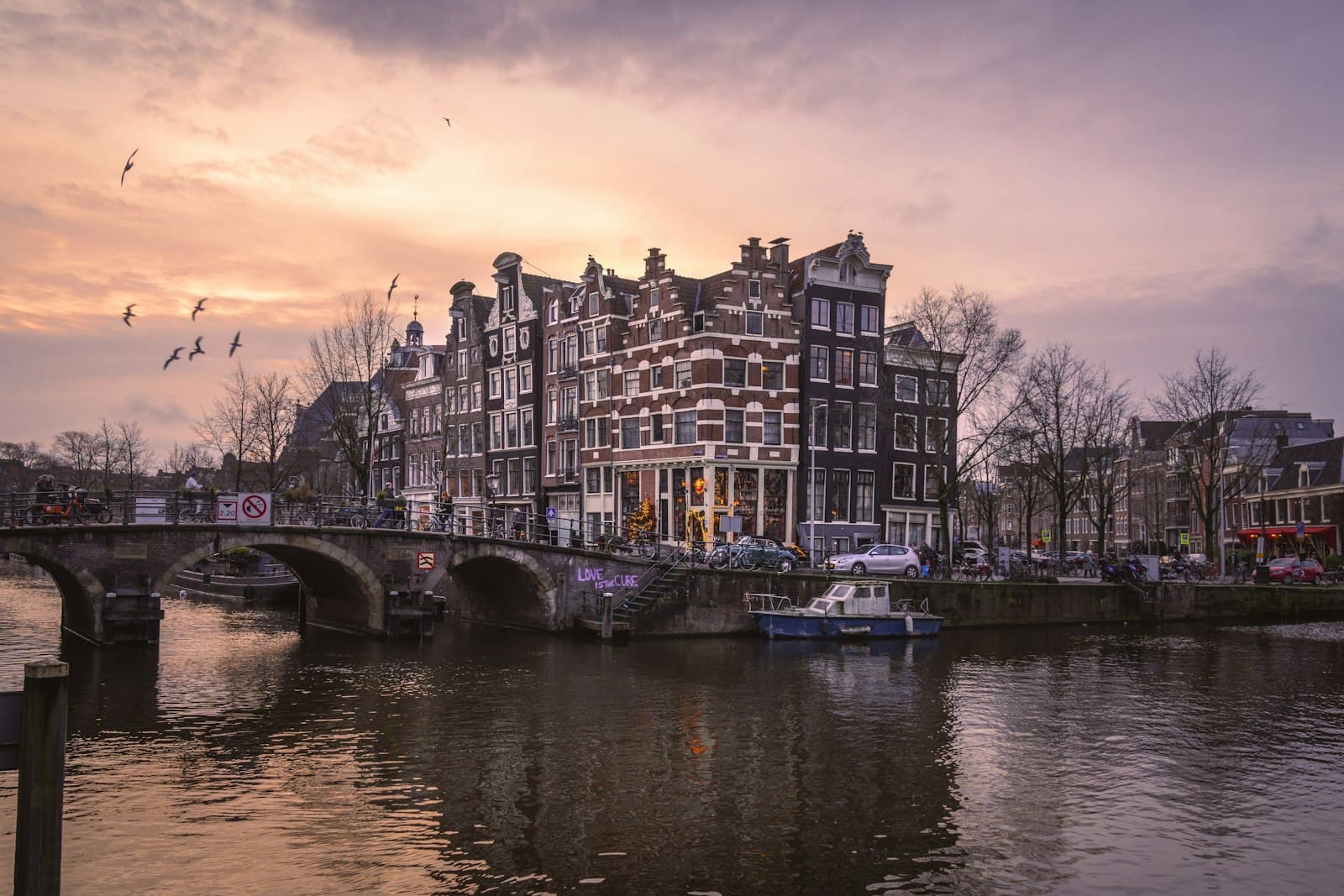
Canal Ring: The City That Planned Its Water
100 min · 3.8 km · easy
More from Amsterdam
Explore more at your own pace.
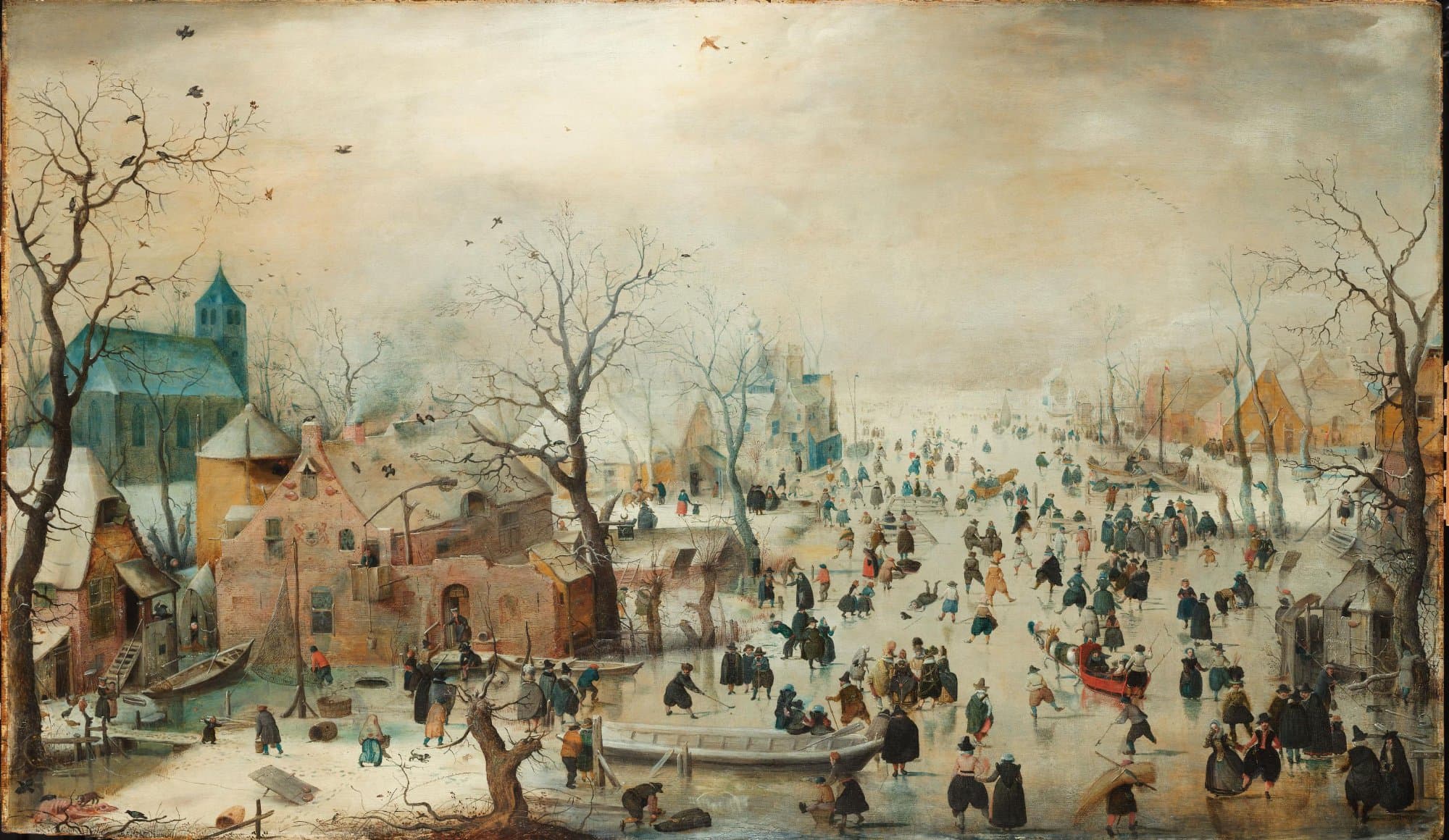
Avercamp's Winter Landscape with Skaters: Hunting the Small Stories
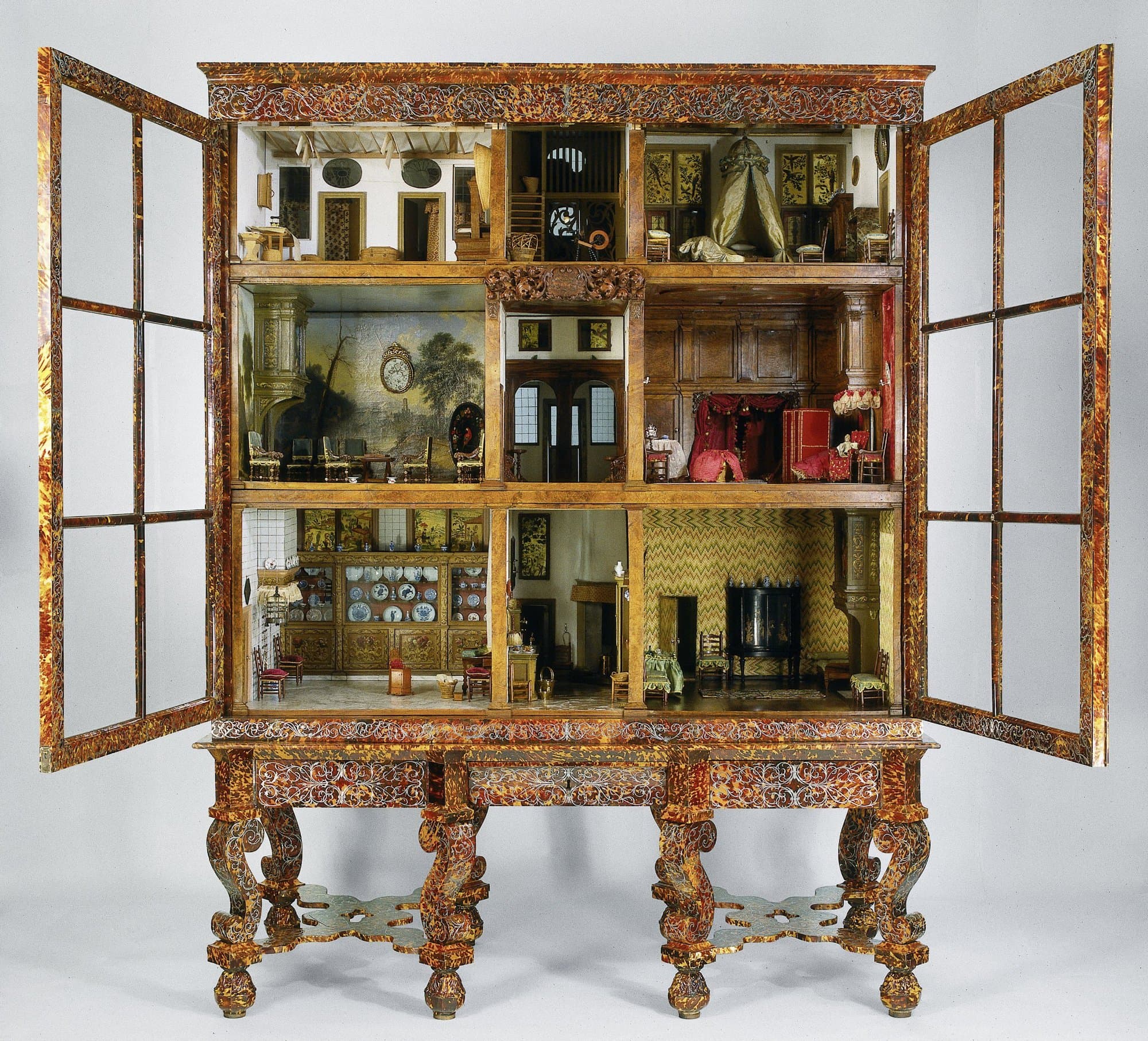
Petronella Oortman's Doll's House: The Miniature Canal House in the Rijksmuseum
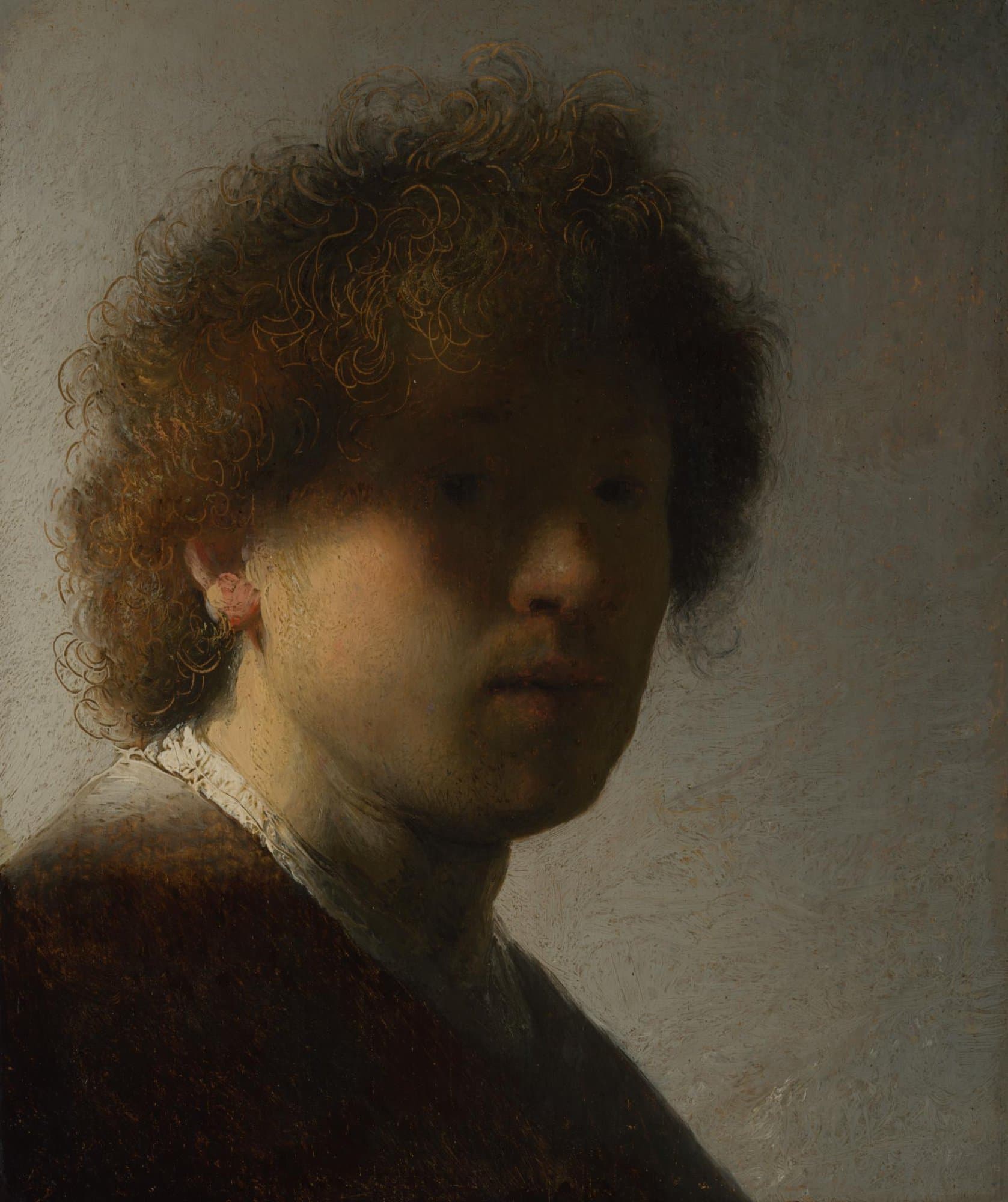
Rembrandt's Self-Portrait of 1628: A Young Man and the Back of a Brush
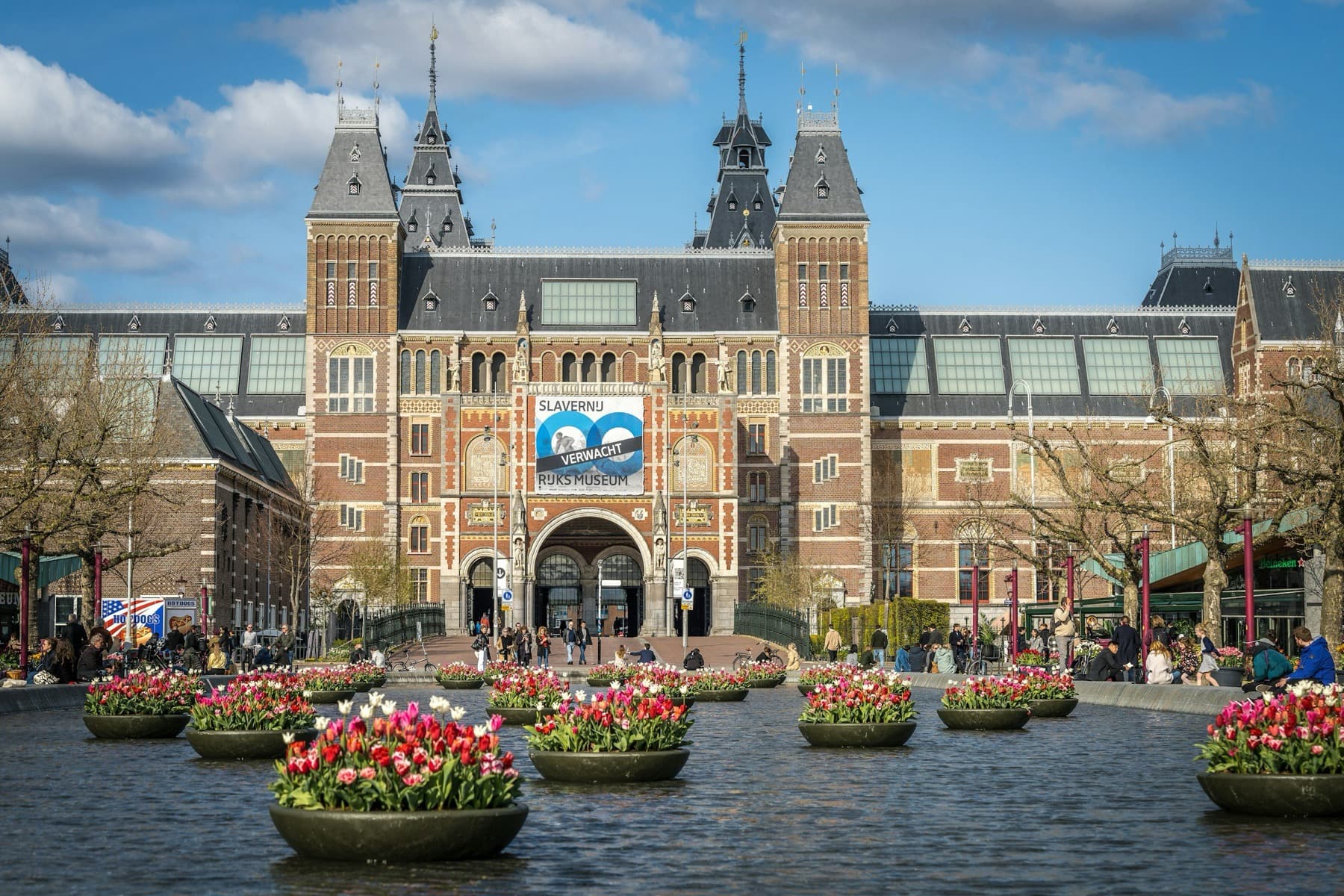
Rijksmuseum: What to See, Room by Room, and a Two-Hour Plan
The Night Watch: Why It Is Called That, and What Was Cut Off