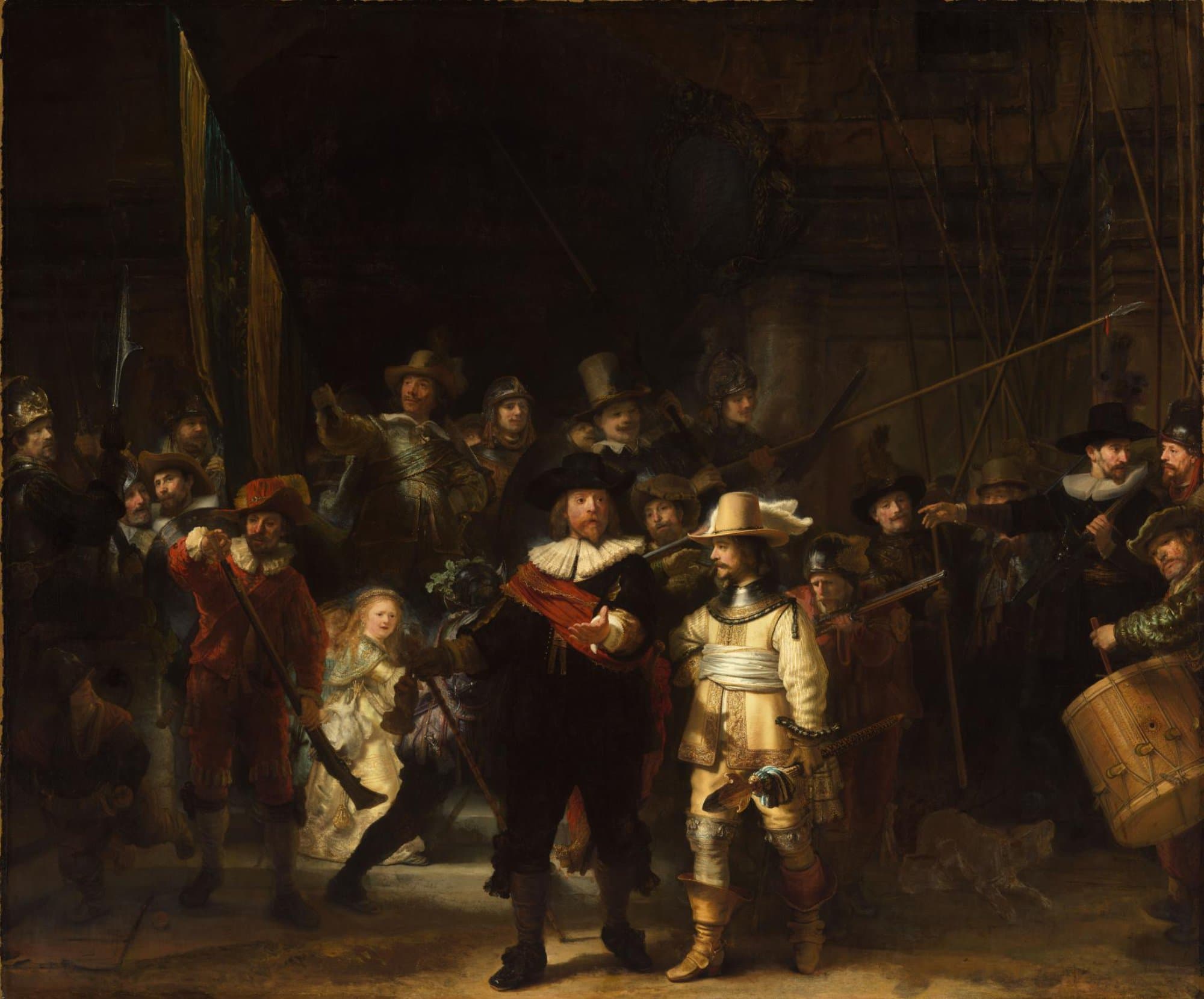
The Night Watch is Rembrandt's 1642 group portrait of an Amsterdam militia company under Captain Frans Banninck Cocq, shown setting out. The painting is roughly 3.8 metres high and 4.4 wide, and weighs 170 kilos without its frame. The title is not Rembrandt's: the name first appears in a document in 1797, and darkened varnish had made the daytime scene look like night. It hangs in the Night Watch Gallery, room 2.31 of the Rijksmuseum, Amsterdam.
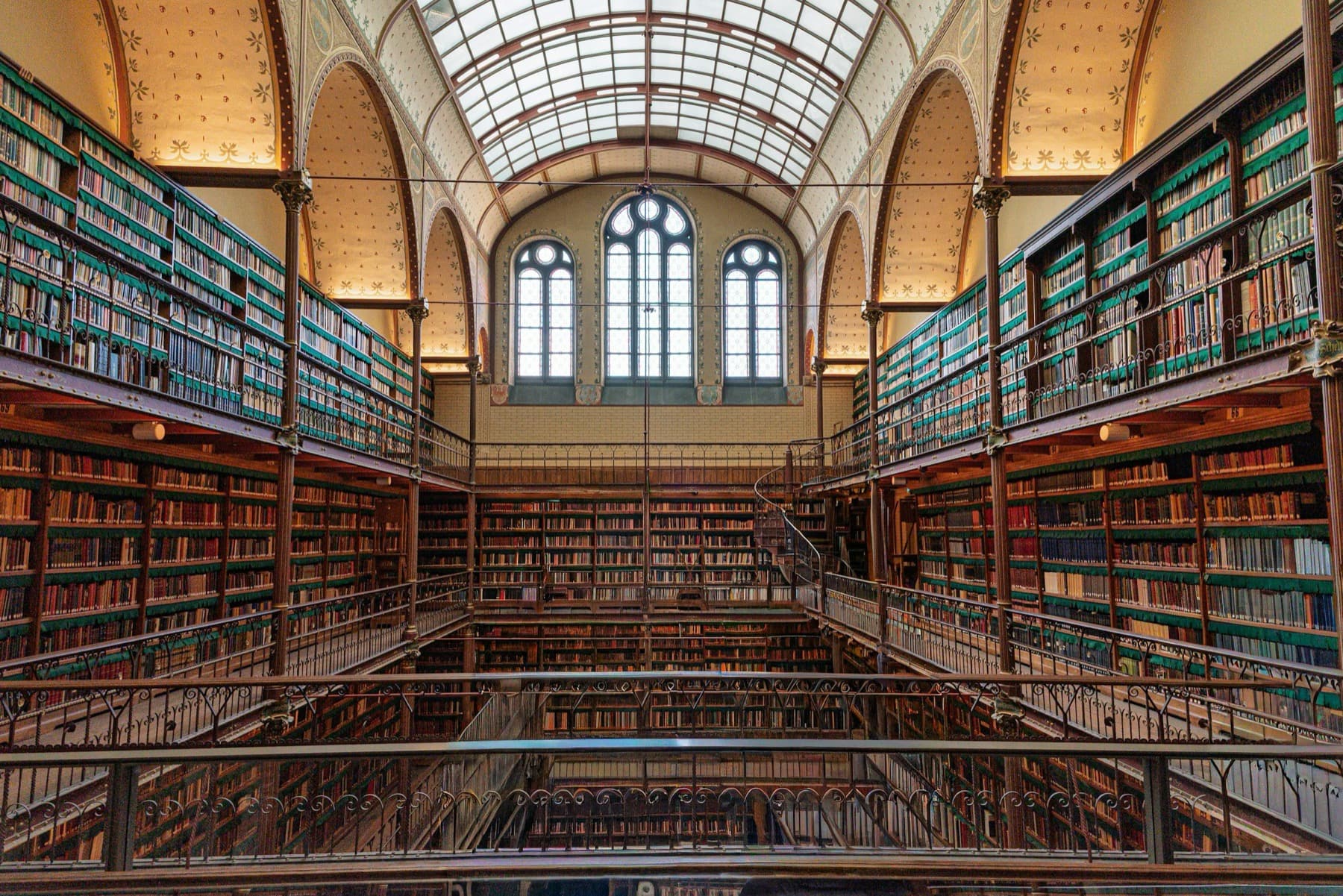
If you are asking where the Night Watch is: it hangs in the Night Watch Gallery of the Rijksmuseum in Amsterdam, room 2.31, at the end of the Gallery of Honour. It is on loan to the museum from the City of Amsterdam, and has been since 1808.
If you are asking why it has that name: The painting had no official title, and the name Night Watch first appears in a document in 1797. By then dark varnish had turned a daytime scene into something that looked like night, and the name stuck.
What it actually shows
The proper description is long: officers and other civic guardsmen of District II in Amsterdam, under the command of Captain Frans Banninck Cocq and Lieutenant Willem van Ruytenburch. In the museum's record the signature reads "Rembrandt f 1642".
These men belonged to a civic militia, the arquebusiers (the name comes from the arquebus, an early musket). The picture shows the company coming out of a gateway. The captain, in black, tells his lieutenant to start the company marching. On the right a drummer beats a drum. Weapons are everywhere, and the museum points out three moments in one scene: on the left a man loads a musket, in the middle another fires, and on the right someone cleans his weapon. That is a shot being fired in a painting, not a shooting.
Look for the captain's outstretched hand. Its shadow falls on the lieutenant's coat, right where the coat of arms of Amsterdam is painted between the captain's thumb and fingers. The museum reads this as a hint that the city was in the militia's hands.
Then look for the small things. A girl moves between the men on the left with a dead chicken tied at her waist. Wikipedia reads the chicken as a reference to the arquebusiers, the "clauweniers" of Dutch. A dog barks on the right. A shield beside the gate lists the names of the men, and the museum record transcribes them.
How big it is
Hear a stop from this walk
Reguliersgracht and the seven-bridges view
The museum's record lists the painting as 379.5 centimetres high and 453.5 wide, and gives the remaining original canvas as about 363 centimetres high and 438 wide. It weighs 170 kilos without its frame and 337 kilos with it.
The museum's 2021 press release gives the remaining original as 379.5 by 436 centimetres, so the exact figures depend on what is measured. A fair way to say it: roughly 3.8 metres high and 4.4 metres wide, which is why the picture feels like a wall and not a canvas.
Why it looks the way it does: the 1715 cutting
Rembrandt received the commission before December 1640, the museum says, because one of the painted guardsmen had died by then, and he finished in 1642. Wikipedia puts the commission around 1639. The painting was made for the great hall of the Kloveniersdoelen, the headquarters of the arquebusiers. In 1715 it was moved to the Town Hall on the Dam, today the Royal Palace, and there it did not fit. The museum says four pieces were cut off to make it fit between two doors, the biggest from the left, and that none of those pieces has ever been found. The 2021 press release gives the strips: 64.4 centimetres from the left, 23.3 from the top, 11.3 from the bottom and 7 from the right.
What hangs in the gallery is what was left. The missing left edge had more room around the figures, and Wikipedia adds that two figures on the left were lost.
If you want to see the town hall where it hung for almost a century, read about the Royal Palace on the Dam, the same building.
The copy that tells us what was lost
Beside the huge canvas hangs a small panel, 85.5 centimetres wide, which the museum attributes to a painter called Gerrit Lundens and dates between about 1642 and 1655. It is a copy, made before the cutting, and it is our best record of the original composition. The museum's record shows it on display in the same room, on loan from the National Gallery in London.
Compare the two. The copy has more room on the left, where, according to the 2021 press release, three figures stand on a bridge: two militiamen and a young child.
The 2021 reconstruction
In June 2021 the museum's Operation Night Watch team put the copy to work. It taught neural networks Rembrandt's technique and use of colour, used the Lundens copy as the guide, and printed the missing edges on panels. These were placed around the painting, not touching it, and the museum said they would stay on show for the coming months. The museum also said it did not intend to add the lost pieces to the painting itself. This was a temporary reconstruction for research and display, not a restoration of the original.
The painting's conservation research has gone on since, and what is on view in the gallery can change. Check the museum's website before you go if the state of the painting matters to your visit.
If you came here looking for "night watch ai restoration", that is the accurate version: a temporary reconstruction of the cut edges in 2021, based on a 17th-century copy.
Is the title right?
Not really, and that is the fun of it. This is a company moving out, not a night scene, and Wikipedia calls the title a misnomer. The name stuck because dark varnish made the picture look nocturnal. Wikipedia says that for much of its life the painting wore a dark varnish, which gave the false impression of a night scene.
A painting that has had a hard life
The museum's own list of things to know includes the attacks. Someone attacked the canvas with a knife in 1911 and again in 1975, and in 1990 a man sprayed acid on it. A guard's quick action meant only the varnish was damaged that time. In 1898 it was carried across the Museumplein to the Stedelijk Museum for a Rembrandt exhibition, and in 1939 it left the building with about 30,000 other works for safekeeping during the war.
Seeing it in the museum
The Gallery of Honour (gallery 2.30) leads you straight at it, with alcoves of seventeenth-century paintings down the sides. The Night Watch Gallery has four female figures on high pedestals that the museum says appear to support the roof and personify morning, afternoon, evening and night. Give the painting a minute from across the room, then walk closer for the shadow on the coat and the dog.
Find the small Lundens panel in the same room and compare. This is one of the few places where you can stand between a painting and the record of what it used to be.
How this fits the Roamer guide
Roamer's independent audio guide to the Rijksmuseum has short stories for the Night Watch and its copy in room 2.31: the gesture and the shadow, the missing edges, and the 2021 experiment. Play them in front of the painting, at your own pace, and skip ahead whenever you like. You can find it in the Rijksmuseum guide.
Cover image: Rembrandt van Rijn, The Night Watch, 1642, Rijksmuseum, Amsterdam, public domain, via the Rijksmuseum collection (SK-C-5).
Ready to experience it?
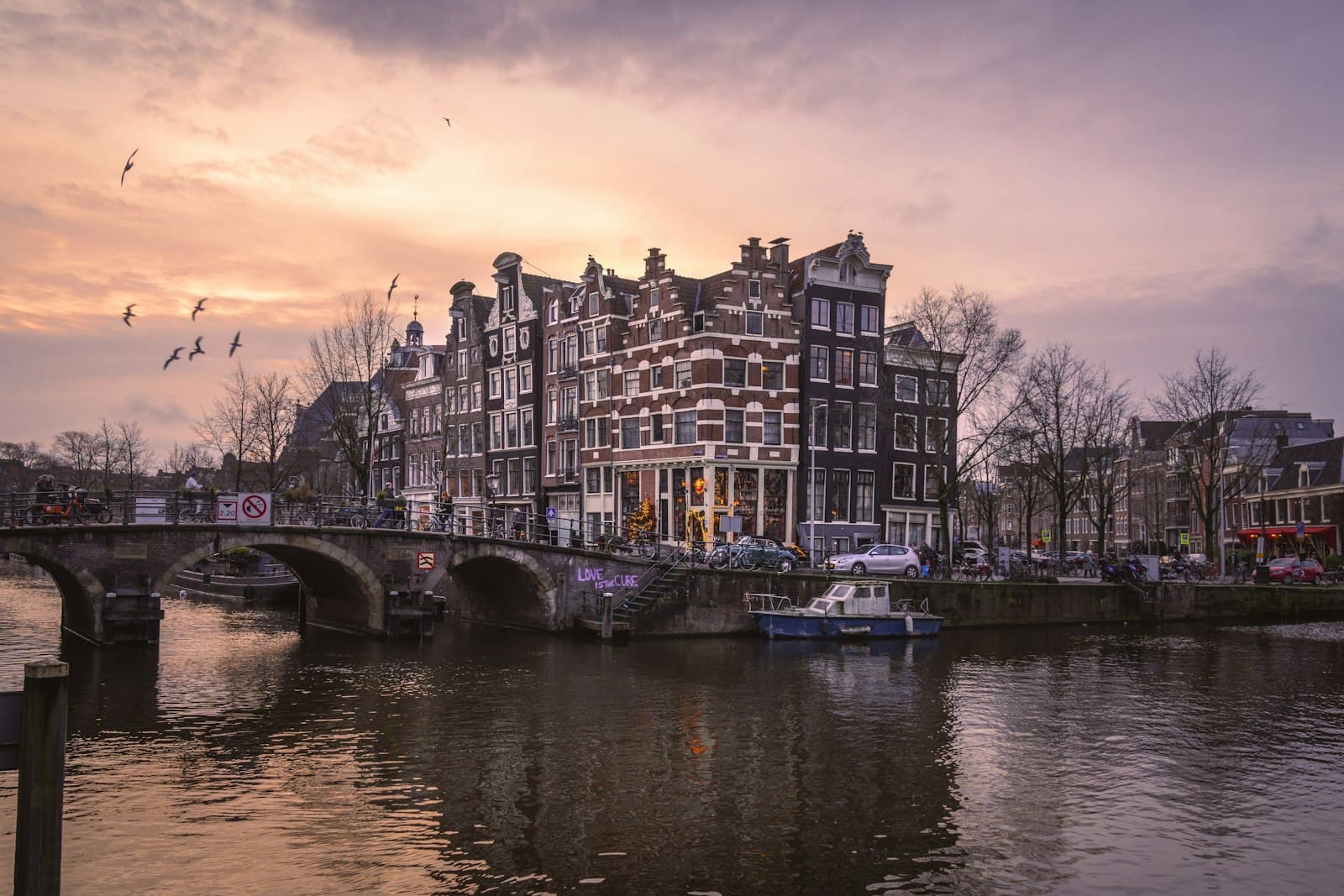
Canal Ring: The City That Planned Its Water
100 min · 3.8 km · easy
More from Amsterdam
Explore more at your own pace.
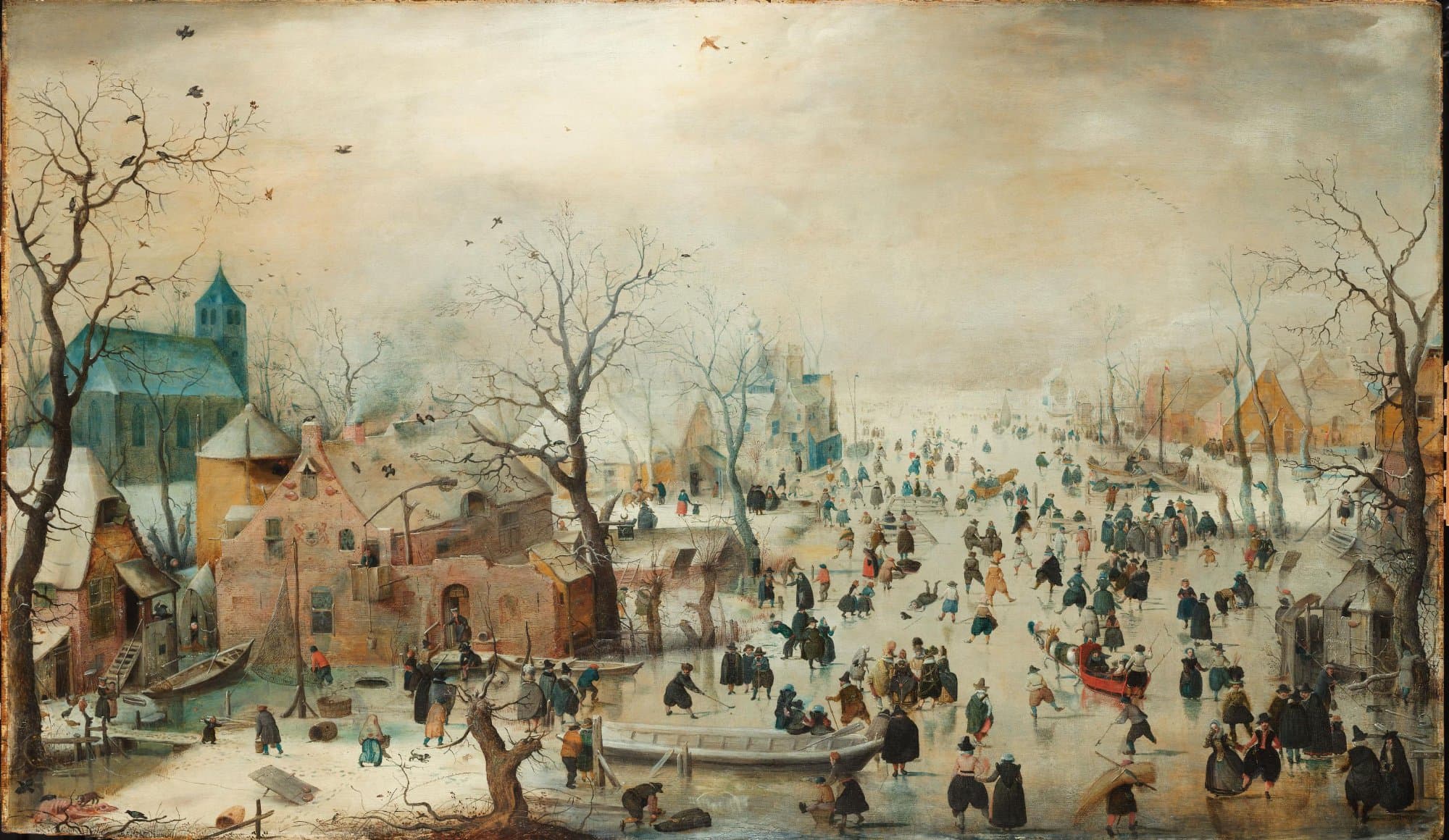
Avercamp's Winter Landscape with Skaters: Hunting the Small Stories
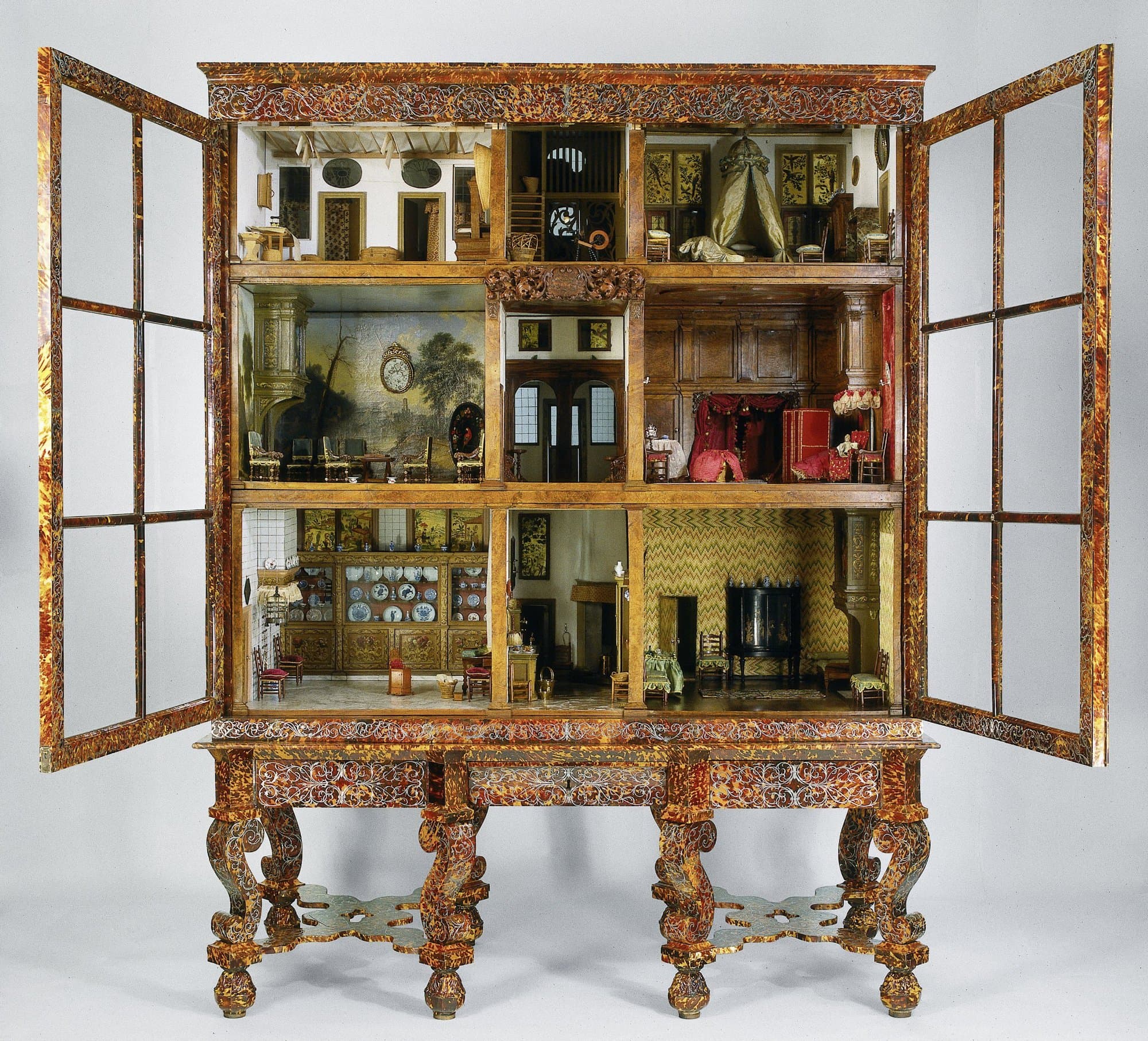
Petronella Oortman's Doll's House: The Miniature Canal House in the Rijksmuseum
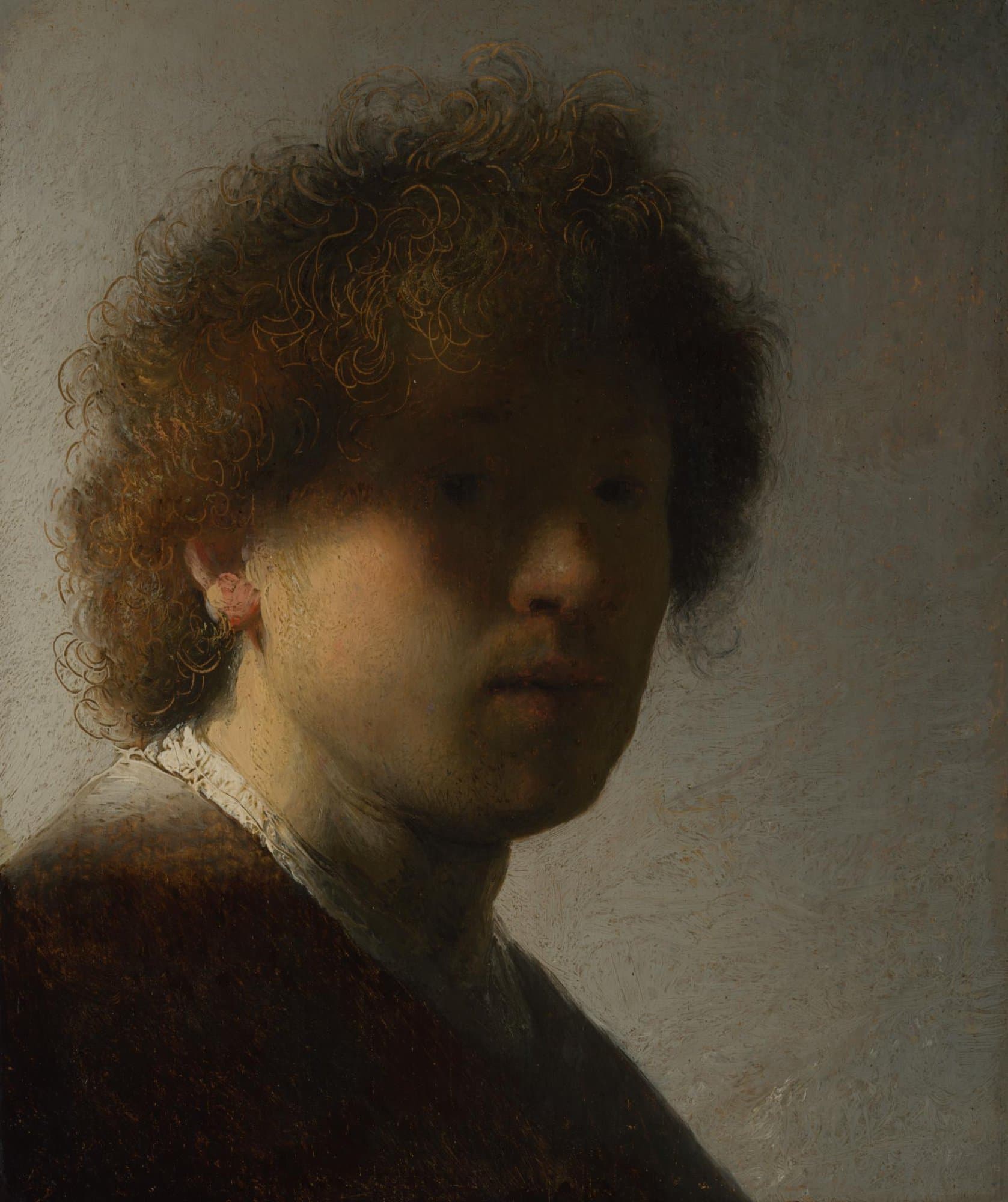
Rembrandt's Self-Portrait of 1628: A Young Man and the Back of a Brush
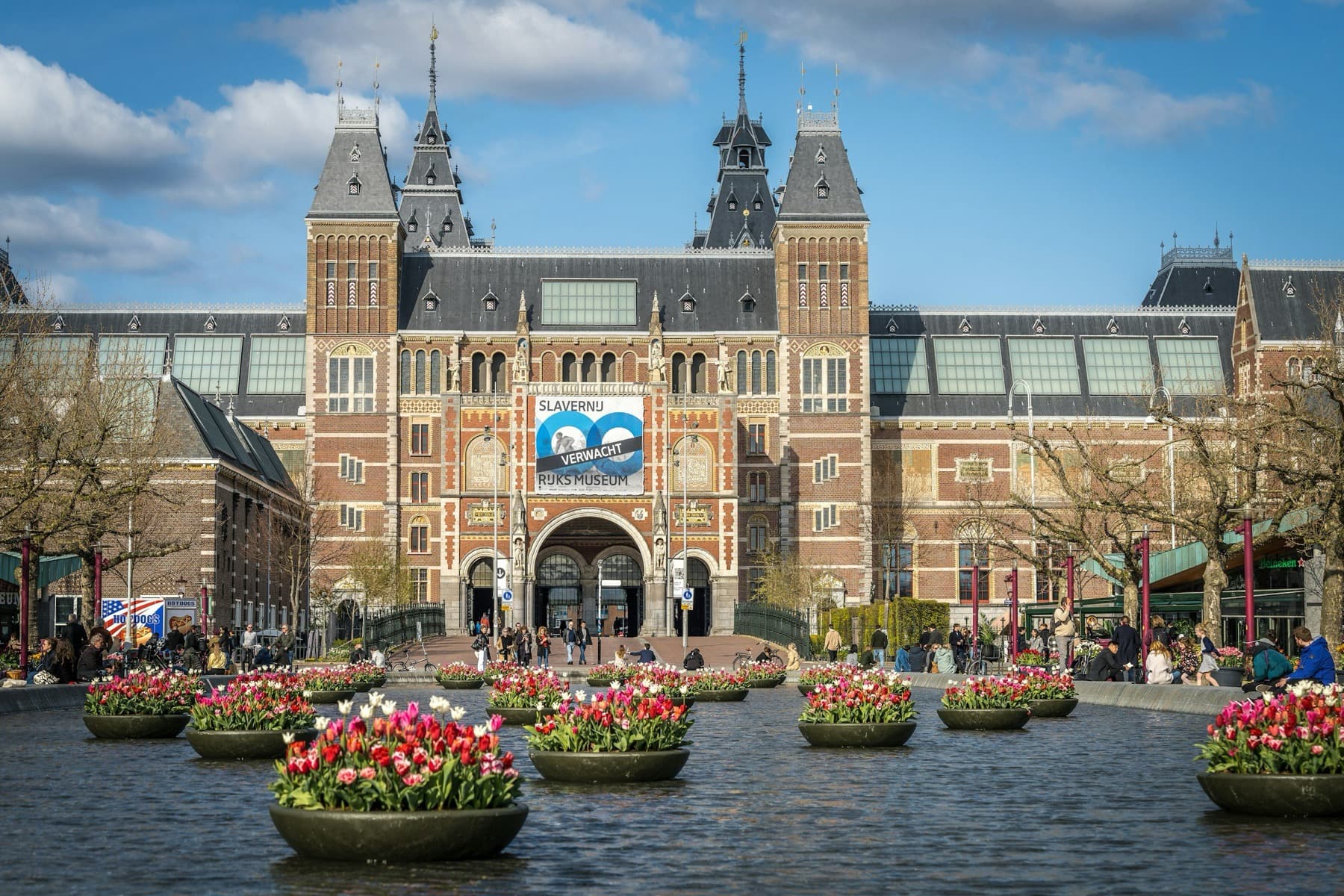
Rijksmuseum: What to See, Room by Room, and a Two-Hour Plan
Van Gogh at the Rijksmuseum: The 1887 Self-Portrait and What Else You Can See