Lugdunum: The Capital of Roman Gaul
120 min · 4 km · easy
Yes, you can see the heart of Lyon in a day. Here is the route.
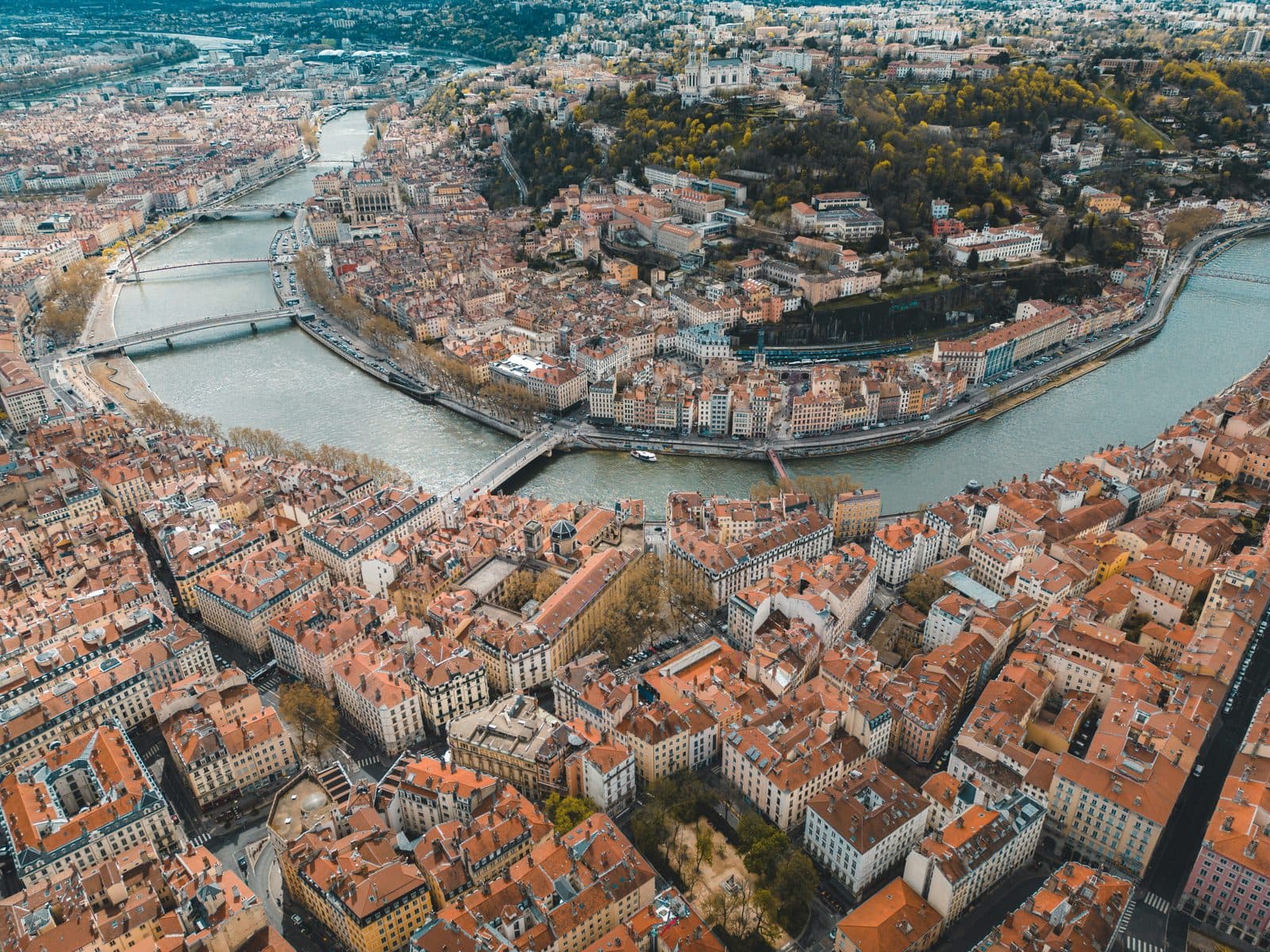
You cannot fit two thousand years of Roman capital, Renaissance banking, silk industry, and gastronomy into a single day, and you should not try. What you can do is walk the three layers that define the city, in the order Lyon itself grew: Roman Lugdunum on the Fourvière hill, the Renaissance silk-merchant lanes of Vieux Lyon at the foot of it, and the weavers hill of Croix-Rousse above the peninsula. Each is a short walk or a five-minute funicular from the last. This itinerary routes those three around a comfortable day and names the self-guided Lyon walking tour that anchors each block so the history walks with you.
A note on pace before you start. This is a full day of walking, roughly 6 to 9 km, but the steep climb up Fourvière is done by funicular, not on foot. Wear comfortable shoes, and treat the long lunch below as part of the plan, because in Lyon the meal is the point.
Morning: Fourvière hill and Roman Lugdunum
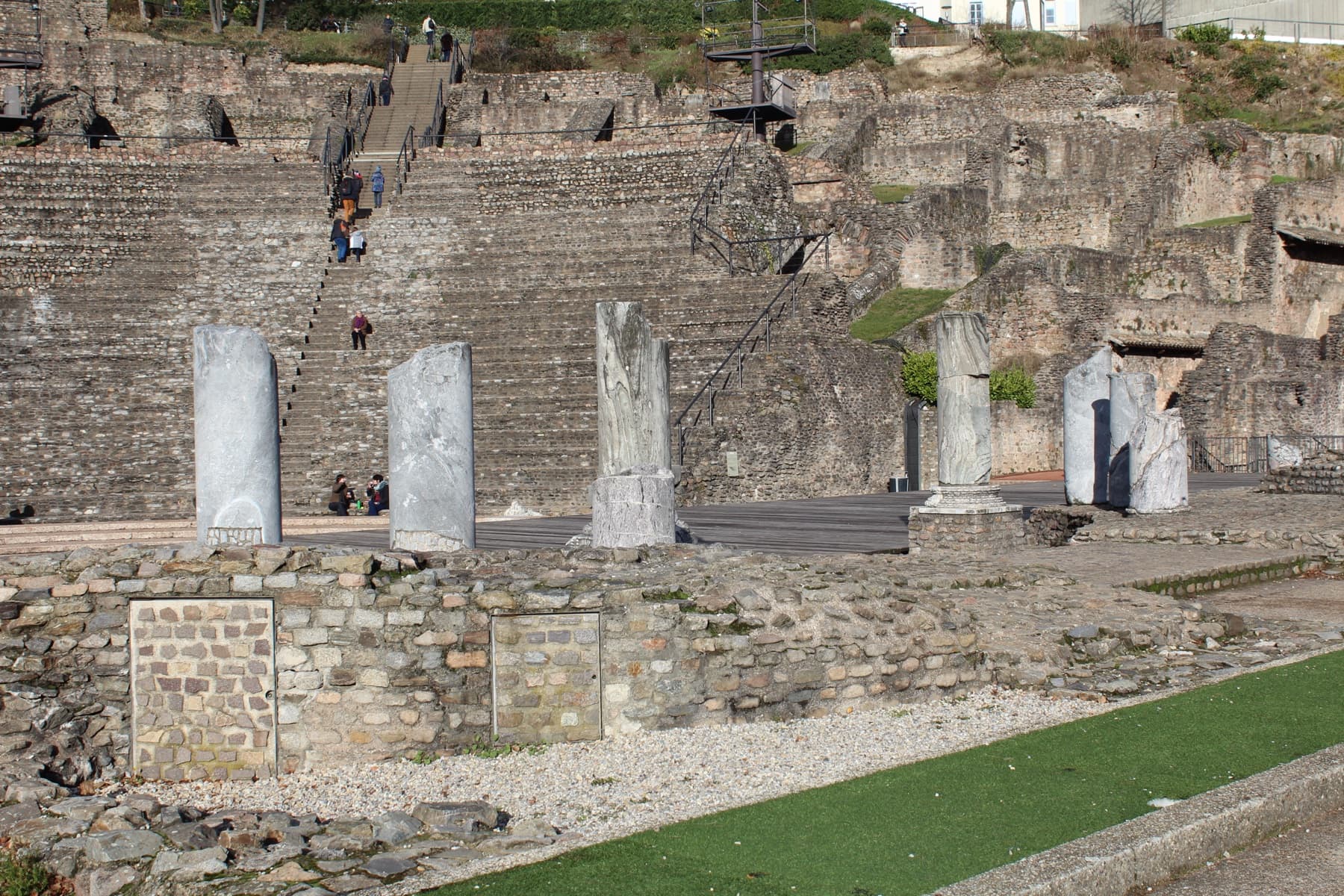
Start on the hill, because that is where Lyon started. Take the funicular from Vieux Lyon station up to Fourvière, a five-minute ride that saves you the climb. At the top, the Basilique Notre-Dame de Fourvière dominates the skyline, and just below it the Ancient Theatre of Fourvière and the smaller Odeon are the surviving ruins of Lugdunum, the capital of Roman Gaul, founded in 43 BC. The terrace beside the basilica gives the best panorama over the two rivers and the red rooftops below.
This is the block to walk with the Lugdunum: The Capital of Roman Gaul self-guided audio tour. It reads the hill as a single civic-religious site performed first by Romans, then by Christians, then crowned by the nineteenth-century basilica built above the original Roman forum. If you want to go deeper before you walk, the companion piece on how to read the capital of Roman Gaul on one hill is a good primer.
Midday: Vieux Lyon and the traboules
Hear a stop from this walk
Basilique Notre-Dame de Fourvière: The Closing Specimen
Ride the funicular back down and step straight into Vieux Lyon, one of the largest Renaissance districts in Europe and a UNESCO World Heritage Site since 1998. Wander the rue Saint-Jean spine past the Cathedral of Saint-Jean, and duck through the traboules, the covered passages cut through the interiors of the old silk-merchant townhouses that let you cross from one street to the next without touching the road. Many are open to the public; look for the small plaques by the doors.
Walk this block with the Vieux Lyon's Hidden Passages: From Silk to Resistance self-guided tour, which reads the passages as a Renaissance trade route that became, in 1942, the circulation network of the Lyon Resistance. The Longue Traboule companion piece, on the famous passage that runs through four buildings without touching a street, is worth reading before you go looking for it.
Vieux Lyon is also where you should stop for a long lunch. The lanes are dense with traditional bouchons serving the hearty Lyonnais classics. See what to eat in Lyon for the dishes worth ordering, from quenelle to the pink praline tart.
Afternoon: Croix-Rousse, the hill that weaves
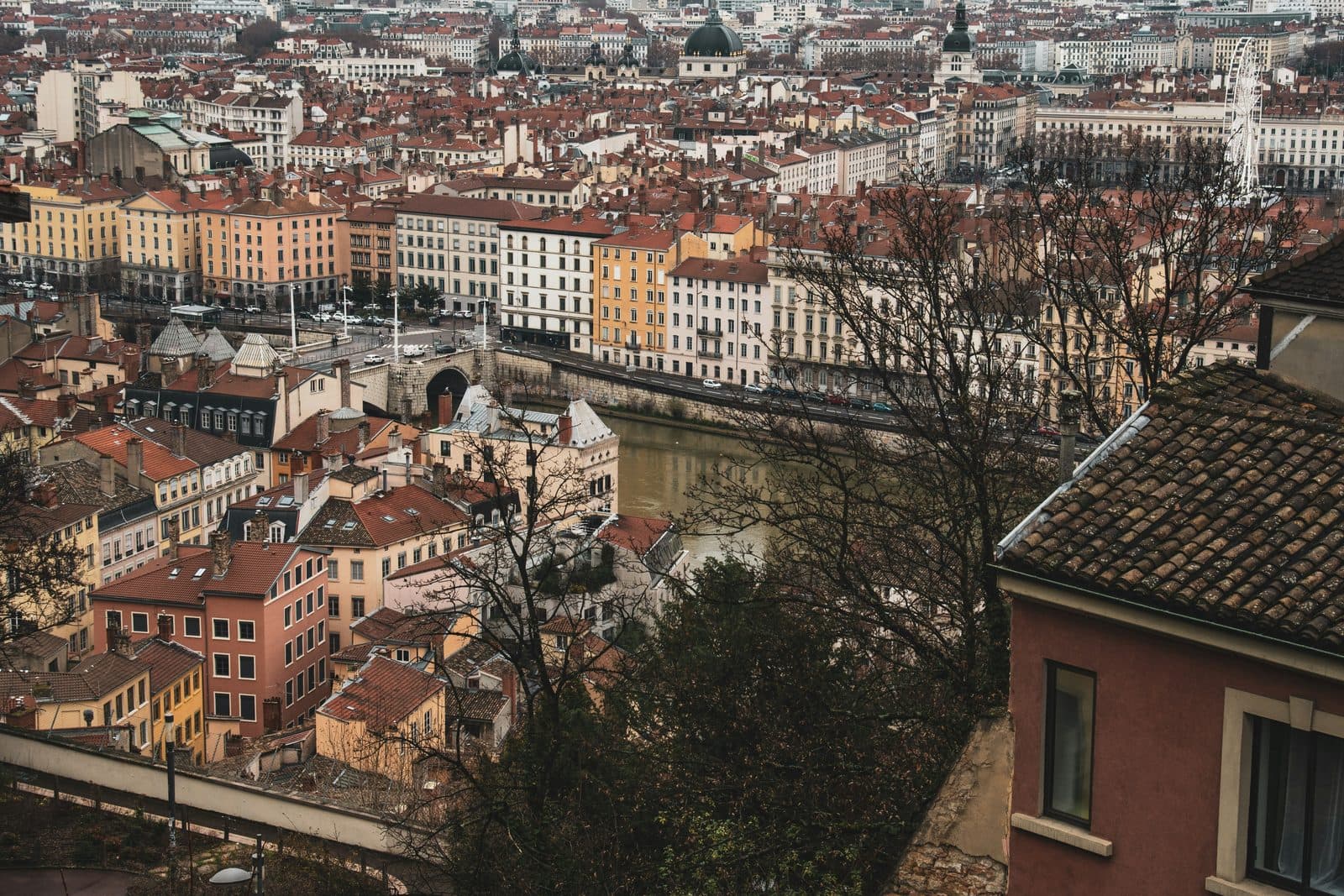
Cross to the peninsula and climb (or take the metro one stop) to Croix-Rousse, the hill of the canuts, the silk weavers who wove on Jacquard looms about four metres tall and rose twice in armed revolt in the 1830s. The loft windows here are unusually tall because they were built to house those looms, and the neighbourhood still carries the layout of a working district. Do not miss the Mur des Canuts, one of Europe largest painted walls, which shows the hill and ages alongside it.
Walk it with the Croix-Rousse: Where the First Industrial Workers Rose self-guided tour, which reads one hillside through two uprisings and one machine. The Mur des Canuts companion piece fills in the story of the painted wall itself.
Evening: back down to a bouchon
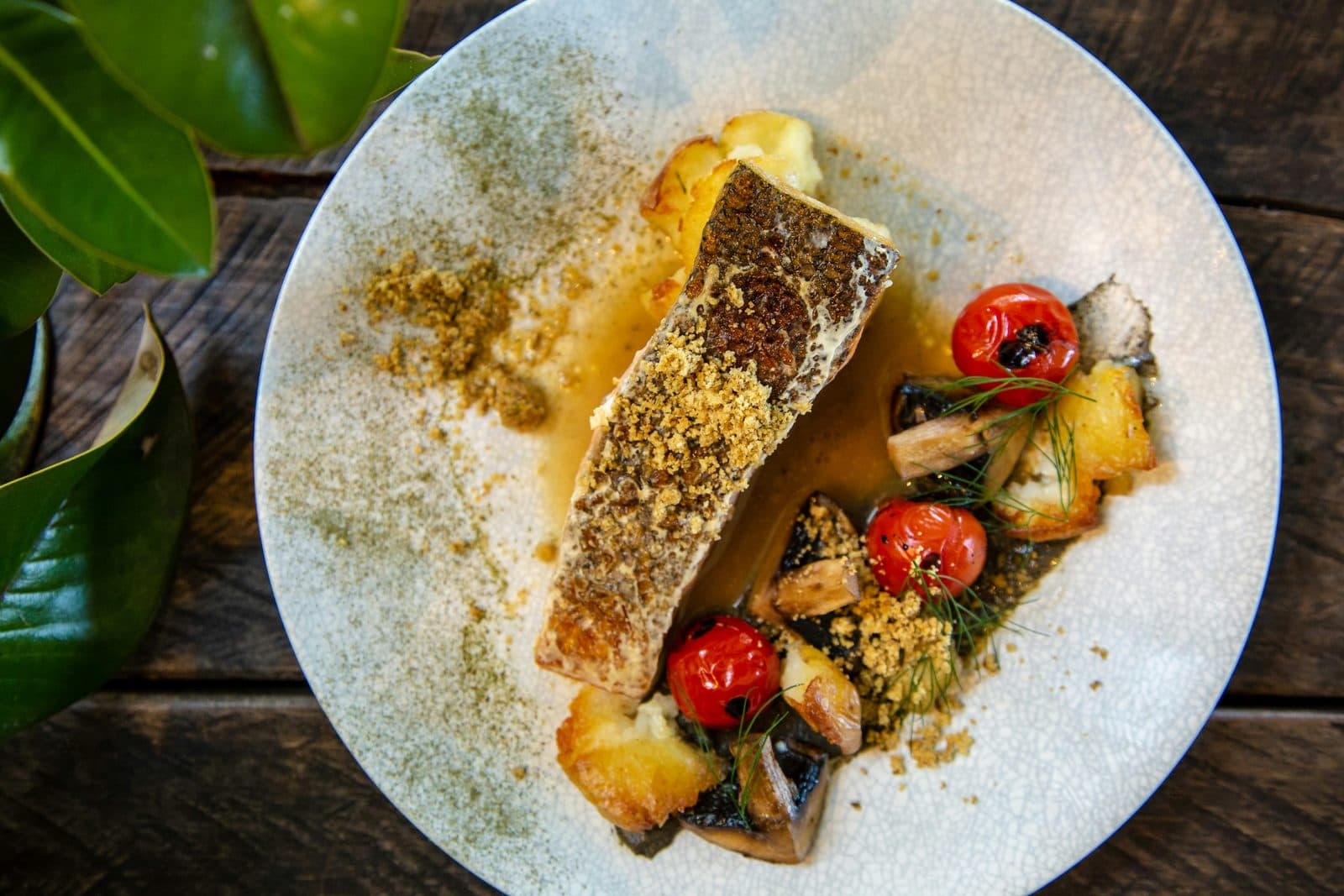
End where a Lyon day should end, at a table. Come back down to Vieux Lyon or the Presqu ile and settle into a bouchon for the evening: quenelle de brochet in Nantua sauce, a saucisson brioche, and a pot of Beaujolais, followed by the pink praline tart. This is the meal that made Lyon the gastronomic capital of France, and it is the natural close to a day spent walking the city that built the appetite. To understand the working-kitchen history behind the bouchon, read how Lyon's working kitchens made it the capital of French food.
The one-day route at a glance
| Block | Where | Anchor tour |
|---|---|---|
| Morning | Fourvière funicular, basilica, Roman theatres | Lugdunum: The Capital of Roman Gaul |
| Midday | Vieux Lyon, rue Saint-Jean, traboules, lunch | Vieux Lyon's Hidden Passages |
| Afternoon | Croix-Rousse, canut lofts, Mur des Canuts | Croix-Rousse: Where the First Industrial Workers Rose |
| Evening | Bouchon dinner in Vieux Lyon or the Presqu ile | (walk continues) |
Plan the rest of your trip
One day covers the core. For how many days Lyon really deserves, how to get around, and when to go, read the Lyon travel guide. For every route in the city, see the best self-guided walking tours in Lyon, or browse all Lyon tours. Every tour is free to start: the introduction and first stop play in full, and every later stop plays a short preview before an optional purchase.
Frequently asked questions
- Can you see Lyon in one day?
- You cannot see all of Lyon in a day, but you can see its essential core well. A focused day covers Fourvière hill with its Roman ruins and basilica, the Renaissance lanes and traboule passages of Vieux Lyon, and the silk-weaver hill of Croix-Rousse, three of the city most defining areas, all connected on foot or by a five-minute funicular. Trying to add the Presqu ile museums, the Confluence district, and the Parc de la Tete d Or in the same day means rushing, so most travelers save those for a second day.
- What is the best area to base a one-day visit to Lyon?
- Base yourself in or near Vieux Lyon or the Presqu ile, the peninsula between the Saone and Rhone rivers. Vieux Lyon sits at the foot of Fourvière hill, with the funicular to the Roman ruins right at its edge, and Croix-Rousse rises just to the north. Staying central keeps your walking time low and your sightseeing time high, and puts you within reach of the bouchons at day end.
- How much walking is a one-day Lyon itinerary?
- Expect roughly 6 to 9 km on foot across the day, with the steep climbs handled by the Fourvière funicular so you do not have to walk uphill. The Vieux Lyon and Croix-Rousse sections are the flattest and most walkable; Fourvière is a five-minute funicular from Vieux Lyon station. Wear comfortable shoes and build in a long lunch, because in Lyon the meal is part of the sightseeing.
- Do I need to book anything in advance for one day in Lyon?
- Most of this route needs no booking: the Fourvière basilica, the Roman theatres, the public traboules of Vieux Lyon, and the streets of Croix-Rousse are all free to walk into. The one thing worth reserving is a table at a traditional bouchon for lunch or dinner, especially on a weekend. The self-guided audio tours that anchor each block are free to start and download in advance, so you can walk with narration even where there is no signal.
Ready to experience it?
Lugdunum: The Capital of Roman Gaul
120 min · 4 km · easy
More from Lyon
Explore more at your own pace.
Bouchons and the Mères Lyonnaises: How Lyon's Working Kitchens Made It the Capital of French Food
The City Silk Built: How One Fabric Made Three Different Lyons
Croix-Rousse: The Hill Where One Machine Built a Neighbourhood and a Rebellion
Fourvière and Lugdunum: How to Read the Capital of Roman Gaul on One Hill

La Longue Traboule: Walking Through Four Buildings Without Touching a Street
