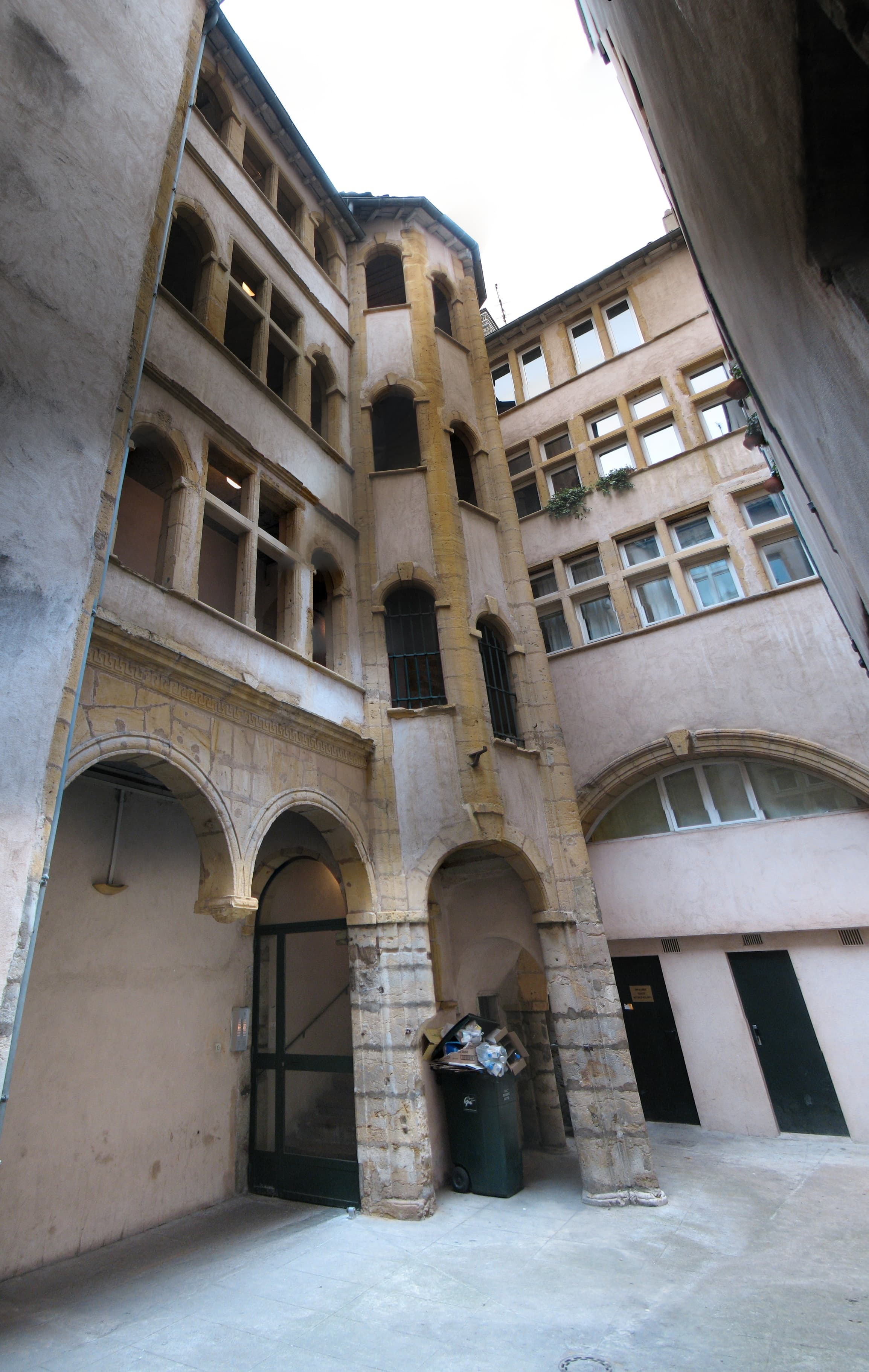
Vieux Lyon's Hidden Passages: From Silk to Resistance
80 min · 1.6 km · easy
Lyon earned its title as the gastronomic capital of France with hearty, honest food, not grand cuisine imported from above. Its signature dishes are pike dumplings in crayfish sauce, offal sausages, pork in nearly every form, and a bright pink almond tart, and they are served in bouchons, informal restaurants that grew out of working kitchens run by the mères lyonnaises. Eating well here means ordering the local classics in the room that invented them, then grazing the great covered market. This guide covers the dishes worth seeking out and where the food culture actually lives, and it pairs naturally with a slow walk on one of our Lyon self-guided tours.
For the social history of how a working-class women cuisine made Lyon the capital of French food, read bouchons and the mères lyonnaises. This page is the eater guide: what to order, and where.
The dishes to seek out
Quenelle de brochet. Lyon most refined comfort dish: a light, oval dumpling of pike (brochet), poached until it swells, and best served gratinéed in sauce Nantua, a rich crayfish-based sauce. Delicate and filling at once, and a direct taste of the city river-fish tradition.
Andouillette. A robust sausage made from pork tripe and intestine, seasoned and grilled. It is strong, unmistakable, and a badge of honour for anyone eating their way through a bouchon. Not for the faint of heart, but a true Lyonnais classic.
Saucisson brioche. A cured pork sausage baked inside a soft brioche loaf, sliced and served warm as a starter. Homely, rich, and one of the easiest ways into Lyon charcuterie tradition.
Tablier de sapeur. Breaded and fried tripe, the name meaning "fireman apron." Crisp outside, tender within, and another dish that shows how Lyon cooking turns humble cuts into something worth crossing town for.
Salade lyonnaise. Frisee lettuce with lardons, croutons, and a poached egg, dressed in a sharp vinaigrette. The lighter counterweight to the meat-heavy table, and a bouchon staple.
Charcuterie. Lyon is a charcuterie city. Look for rosette de Lyon and the fat Jesus de Lyon sausage, and the cervelle de canut, a herbed fresh-cheese spread whose name, "silk-weaver brain," nods to the canuts of Croix-Rousse.
Tarte aux pralines. The dessert to finish on: a bright pink tart made with praline rose, Lyon signature sugar-coated pink almonds. It is everywhere, and it is the sweet most bound to the city identity. Look too for the coussin de Lyon, a soft marzipan candy.
Where the food culture lives
Hear a stop from this walk
Saône Vantage: Silk to Resistance, Across the Rhône
The bouchons. The classic Lyon meal is a fixed-price set menu in a traditional bouchon, an informal, convivial room serving the dishes above. Many of the certified ones cluster in the lanes of Vieux Lyon and on the Presqu ile. Walk the Vieux Lyon traboules tour at midday and it doubles as your route to a bouchon lunch. For how these kitchens came to define French food, see bouchons and the mères lyonnaises.
Les Halles de Lyon Paul Bocuse. The city great covered market, named for Lyon most celebrated chef, is the single best place to graze: oysters, wheels of cheese, saucisson, the Lyon sausage baked in pastry, and glistening pink-praline pastries. It is a temple to the produce that stocks the city kitchens, and it recently placed among the best food markets in the world.
Croix-Rousse, for the market and the weaver dishes. The plateau above the silk hill holds a lively street market and is the home turf of the cervelle de canut. Pair a morning on the Croix-Rousse tour with a market graze and you eat exactly where the silk workers who named the dish once lived.
The Presqu ile, for an evening. The peninsula between the Saone and the Rhone holds the fuller-dress rooms, from modern bistros to the fine-dining tables that carry on the legacy of Paul Bocuse in the region. It is where a Lyon food day naturally winds up at dinner.
Eat as you walk
The best way to work through this list is on foot, one district at a time. Pair a morning on Fourvière and in Vieux Lyon with a bouchon lunch, an afternoon in Croix-Rousse with a market graze, and an evening on the Presqu ile with a full table. Route your day with the one day in Lyon itinerary, plan the practical side with the Lyon travel guide, and browse all Lyon tours. Every tour is free to start: the introduction and first stop play in full, and every later stop plays a short preview before an optional purchase.
Frequently asked questions
- What food is Lyon known for?
- Lyon is known as the gastronomic capital of France, famous for hearty, meat-forward classics served in bouchons. The headline dishes are quenelle (a light pike dumpling, best in crayfish-based Nantua sauce), andouillette (a pork-tripe sausage), saucisson brioche (sausage baked in brioche), tablier de sapeur (breaded, fried tripe), salade lyonnaise (frisee with bacon and a poached egg), and the pink praline tart for dessert. Local charcuterie like rosette and Jesus de Lyon sausage rounds it out.
- What is a bouchon in Lyon?
- A bouchon is a traditional Lyonnais restaurant serving hearty, convivial local cooking, historically frequented by silk workers and merchants. Bouchons grew out of the working kitchens of the mères lyonnaises, women cooks who built the city reputation on honest food and affordable cuts. They serve the Lyon classics in a warm, informal room, usually as a fixed-price set menu of several courses.
- Where should you eat in Lyon?
- For the classics, a certified traditional bouchon, many cluster in the lanes of Vieux Lyon and the Presqu ile. For grazing and produce, Les Halles de Lyon Paul Bocuse, the covered market named after Lyon most famous chef, is the place for oysters, cheese, charcuterie, and pink-praline pastries. Street markets along the Saone and the Croix-Rousse plateau are good for casual bites, and the peninsula holds the fine-dining rooms.
- What sweet should you try in Lyon?
- The tarte aux pralines, a bright pink tart made with the praline rose, Lyon signature sugar-coated almonds. It is sold in nearly every bakery and market in the city and is the sweet most associated with Lyon. Also look for the coussin de Lyon, a soft marzipan candy, and the bugnes, fried dough eaten around Carnival.
Ready to experience it?
Vieux Lyon's Hidden Passages: From Silk to Resistance
80 min · 1.6 km · easy
More from Lyon
Explore more at your own pace.
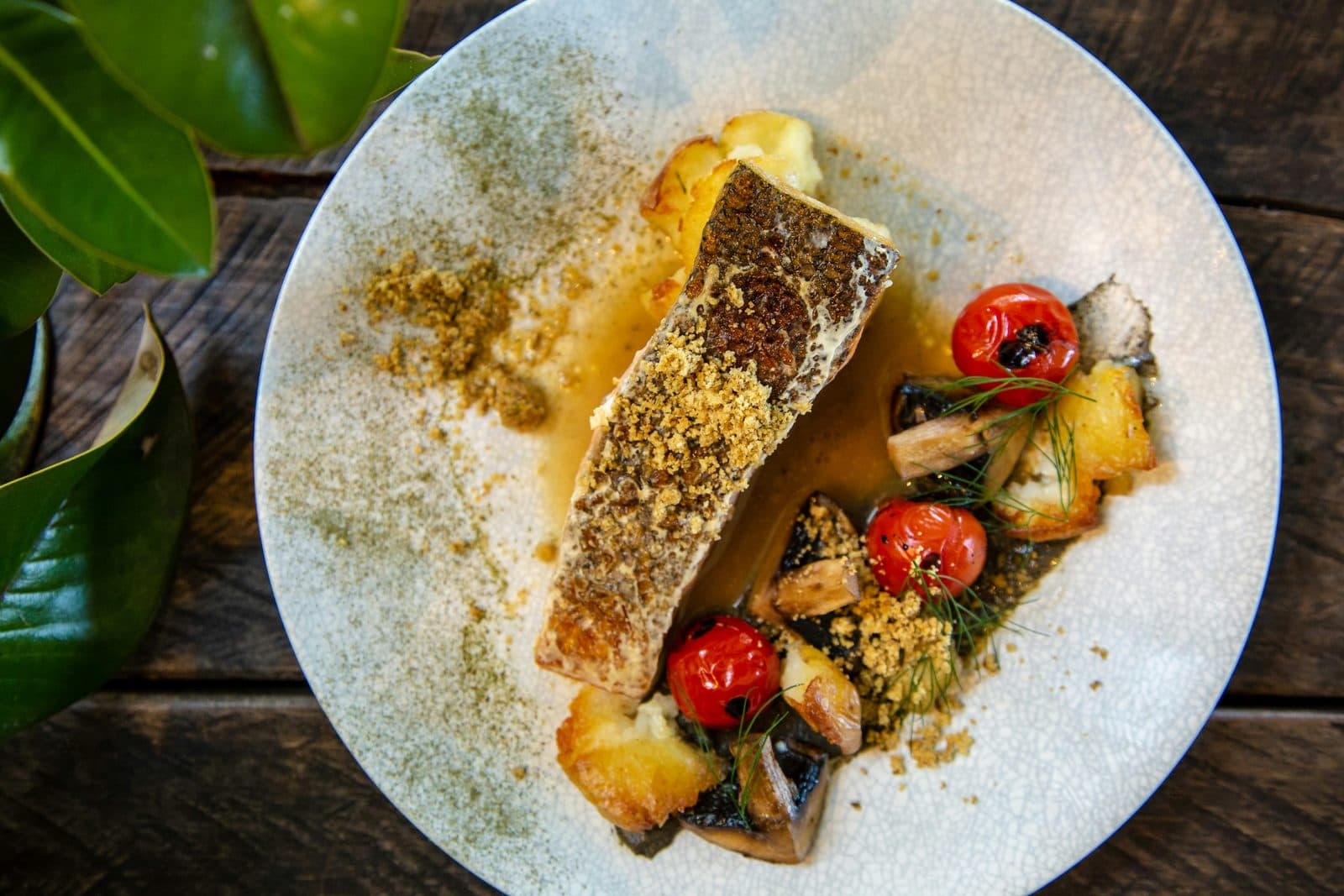
Bouchons and the Mères Lyonnaises: How Lyon's Working Kitchens Made It the Capital of French Food
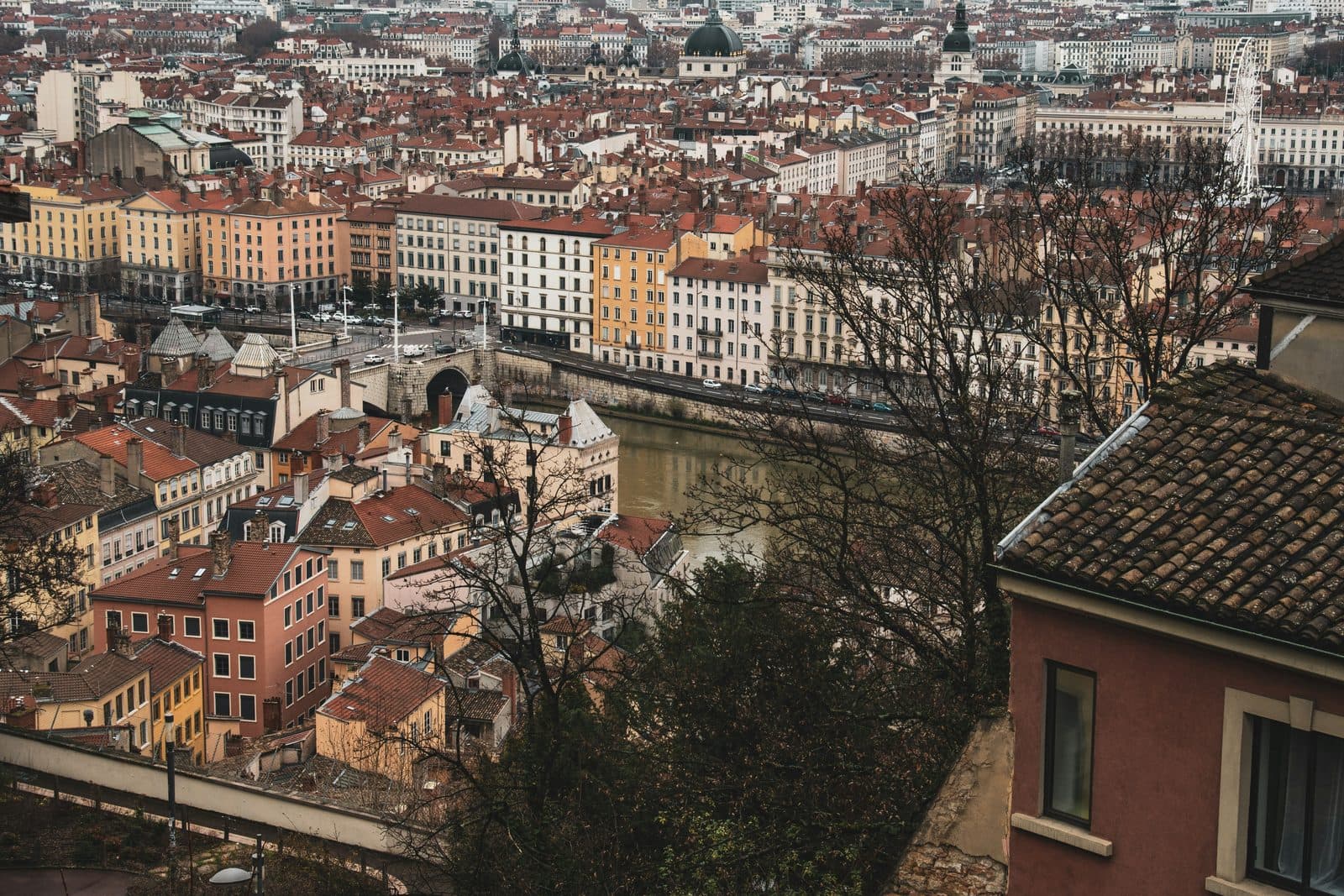
The City Silk Built: How One Fabric Made Three Different Lyons
Croix-Rousse: The Hill Where One Machine Built a Neighbourhood and a Rebellion
Fourvière and Lugdunum: How to Read the Capital of Roman Gaul on One Hill

La Longue Traboule: Walking Through Four Buildings Without Touching a Street
