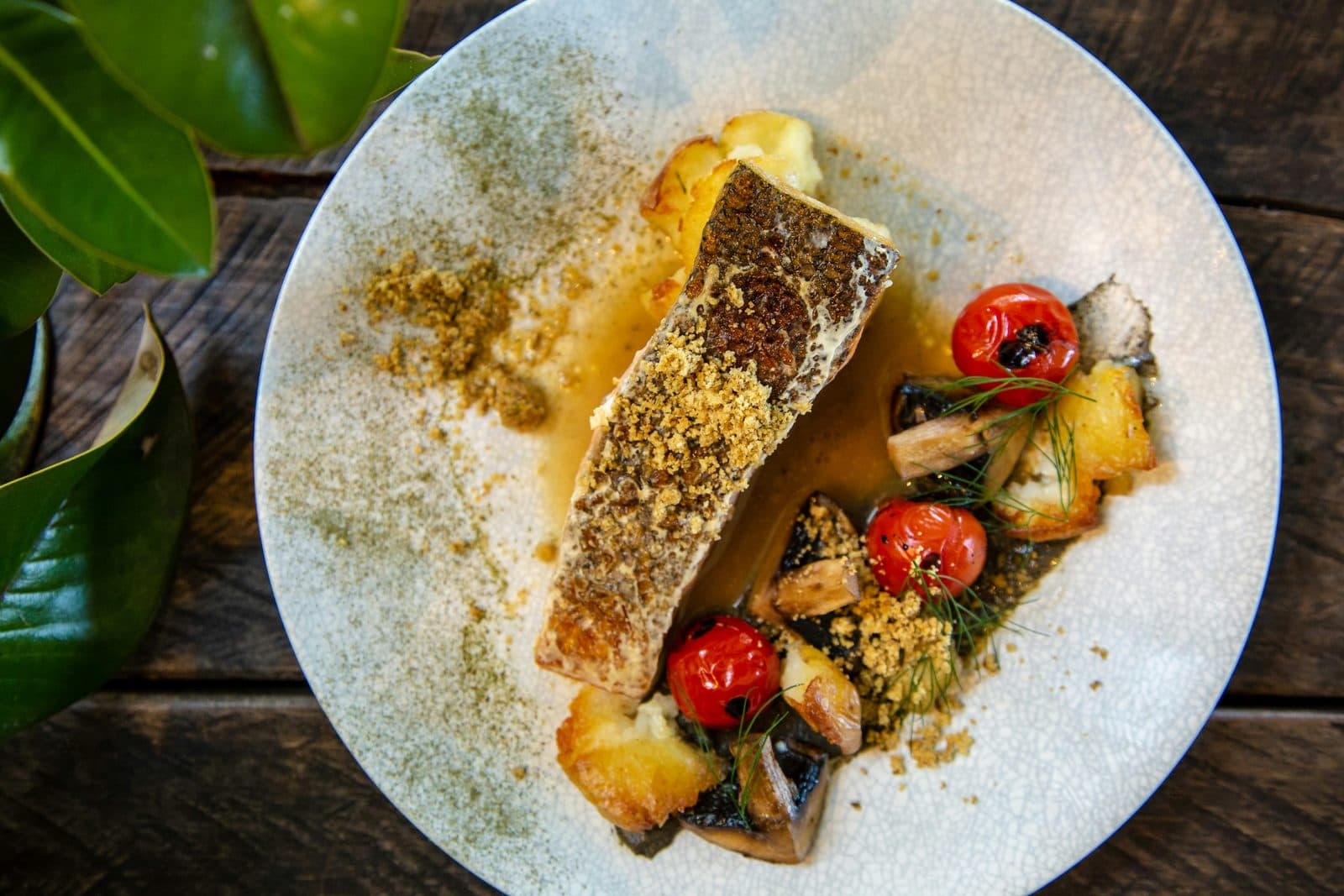
Lyon is routinely called the capital of French gastronomy, and the surprising thing about that title is where it came from. Not from grand hotels or aristocratic kitchens. It came from working women running small, honest restaurants in a working, industrial city. To understand Lyon's food is to understand the same social world that produced the silk weavers of Croix-Rousse, which is exactly the world the Croix-Rousse canuts tour walks.
The bouchon
A bouchon is a particular kind of Lyonnais restaurant: small, informal, and devoted to hearty local cooking rather than refinement. The menu leans into the parts of the animal a thrifty kitchen uses well, sausages, offal, and dishes like andouillette, alongside quenelles and generous, unfussy plates. A bouchon is not trying to impress you. It is trying to feed you properly, which in Lyon is a higher compliment.
This is food that grew up in a city of workers. Lyon was a manufacturing centre, and its silk trade filled two hills with people who worked long days and needed to eat well and cheaply. The bouchon answered that need, and its values, honesty, quality, generosity, became the city's culinary signature.
The mères
Hear a stop from this walk
Place de la Croix-Rousse: The Square the Canuts Marched From
The people who codified this tradition were women, the mères lyonnaises, the mothers of Lyon. Many of them had cooked in wealthy households and, when those positions ended, opened their own restaurants. They brought professional-kitchen skill to modest premises and a firm philosophy: simple food of the highest quality, nothing over-elaborate. Through the 19th and early 20th centuries the mères effectively built Lyon's food reputation from the ground up.
The most celebrated was Eugénie Brazier. Born in 1895, she apprenticed under Mère Fillioux, opened her own restaurant in 1921, and in 1933 became the first person to hold six Michelin stars, three each at two establishments. That is not a working-class footnote to French haute cuisine. It is its foundation: Brazier trained Paul Bocuse, the chef who would later carry Lyonnais cooking to global fame. The line runs directly from a woman who cooked simple food very well to the modern idea of the celebrity French chef.
Why the food and the silk belong together
It is tempting to file Lyon's food and Lyon's silk under separate headings, but they are the same story told twice. Both are the achievements of a working city that took ordinary labour seriously. The canuts wove world-class cloth in their own apartments; the mères cooked world-class food in their own small dining rooms. Neither came from the top down. The gap between the silk weavers and the wealthy merchants who set their wages is the subject of our Lyon silk city thesis, and the food culture grew in exactly the same soil, feeding exactly the same people.
You can see the physical inheritance on the Croix-Rousse tour, whose hillside of tall-windowed loft buildings housed the very workers the bouchons fed. And you can trace the merchant half of Lyon, the wealthier city across the river, in our Vieux Lyon companion.
Eating it today
A real bouchon is easy to find in Vieux Lyon and on the Presqu'île, though the label is worth a little care, since some tourist-facing spots borrow the name without the substance. Look for the short, regional menu and the unpretentious room. Come hungry and unhurried, which is also the right way to walk Lyon: at your own pace, following the trade and the food from one hill to the other.
Frequently asked questions
- What is a bouchon in Lyon?
- A bouchon is a traditional Lyonnais restaurant serving hearty, rustic local dishes in an informal setting: sausages, offal, quenelles, and dishes like andouillette. The word is tied to the working-class food culture of the city rather than to fine dining, though the tradition ultimately produced world-class chefs.
- Who were the mères lyonnaises?
- The mères lyonnaises, the mothers of Lyon, were women who often left service in wealthy households and opened their own small restaurants. They cooked simple, high-quality regional food and are widely credited with building Lyon's reputation as a food city. The most famous was Eugénie Brazier.
- Who was Eugénie Brazier?
- Eugénie Brazier (1895 to 1977), known as la Mère Brazier, was a Lyonnais chef who in 1933 became the first person to hold six Michelin stars, three each at two restaurants. She trained under Mère Fillioux and later mentored Paul Bocuse, linking the mères tradition to modern French haute cuisine.
- Why is Lyon called the capital of French gastronomy?
- Lyon sits between rich farming regions and grew up as a working, industrial city that valued honest, generous food. Its bouchon culture and the mères lyonnaises gave it a deep everyday food tradition, and chefs like Eugénie Brazier and later Paul Bocuse turned that inheritance into international renown.
Ready to experience it?
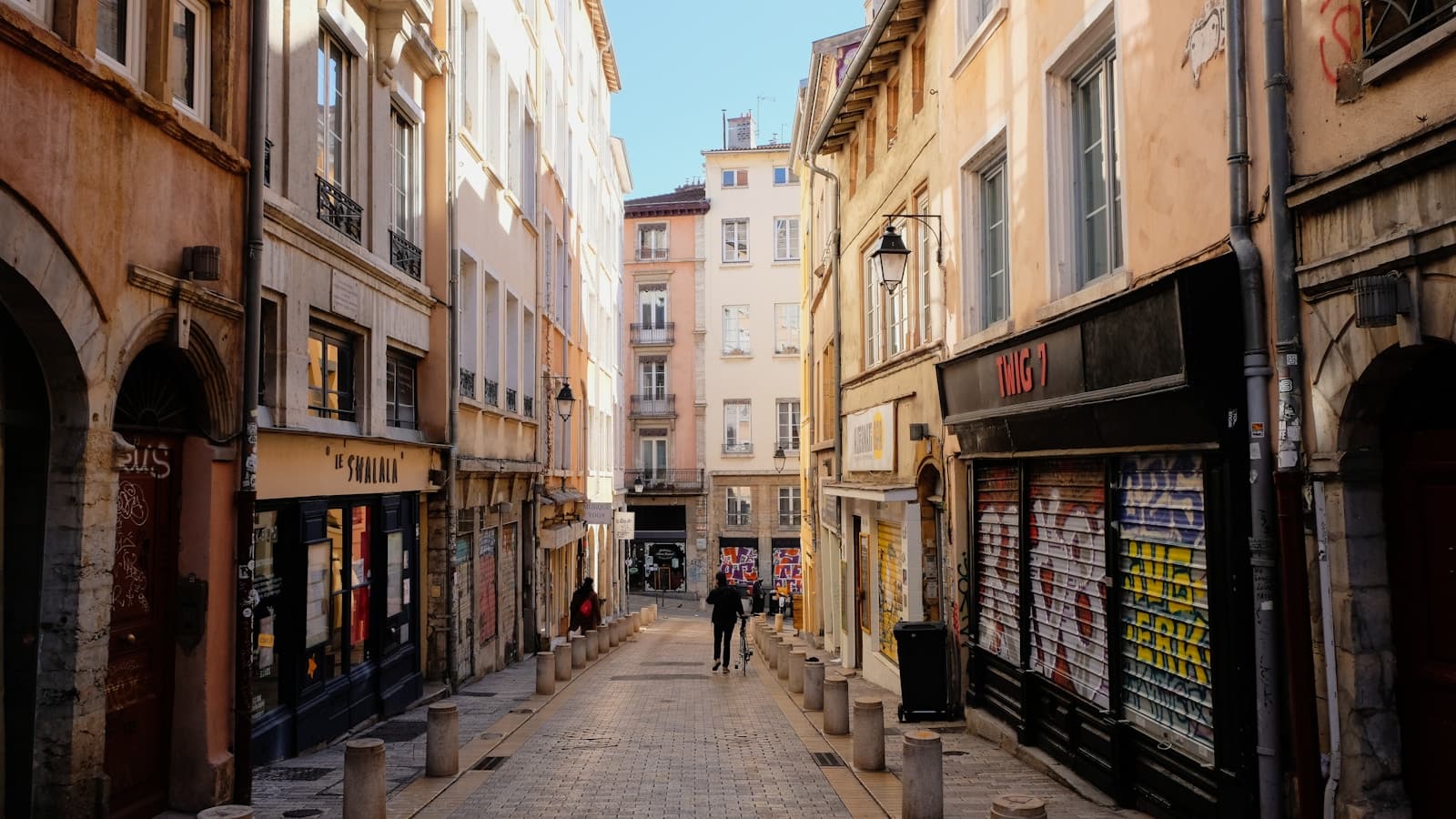
Croix-Rousse: Where the First Industrial Workers Rose
100 min · 3.4 km · easy
More from Lyon
Explore more at your own pace.
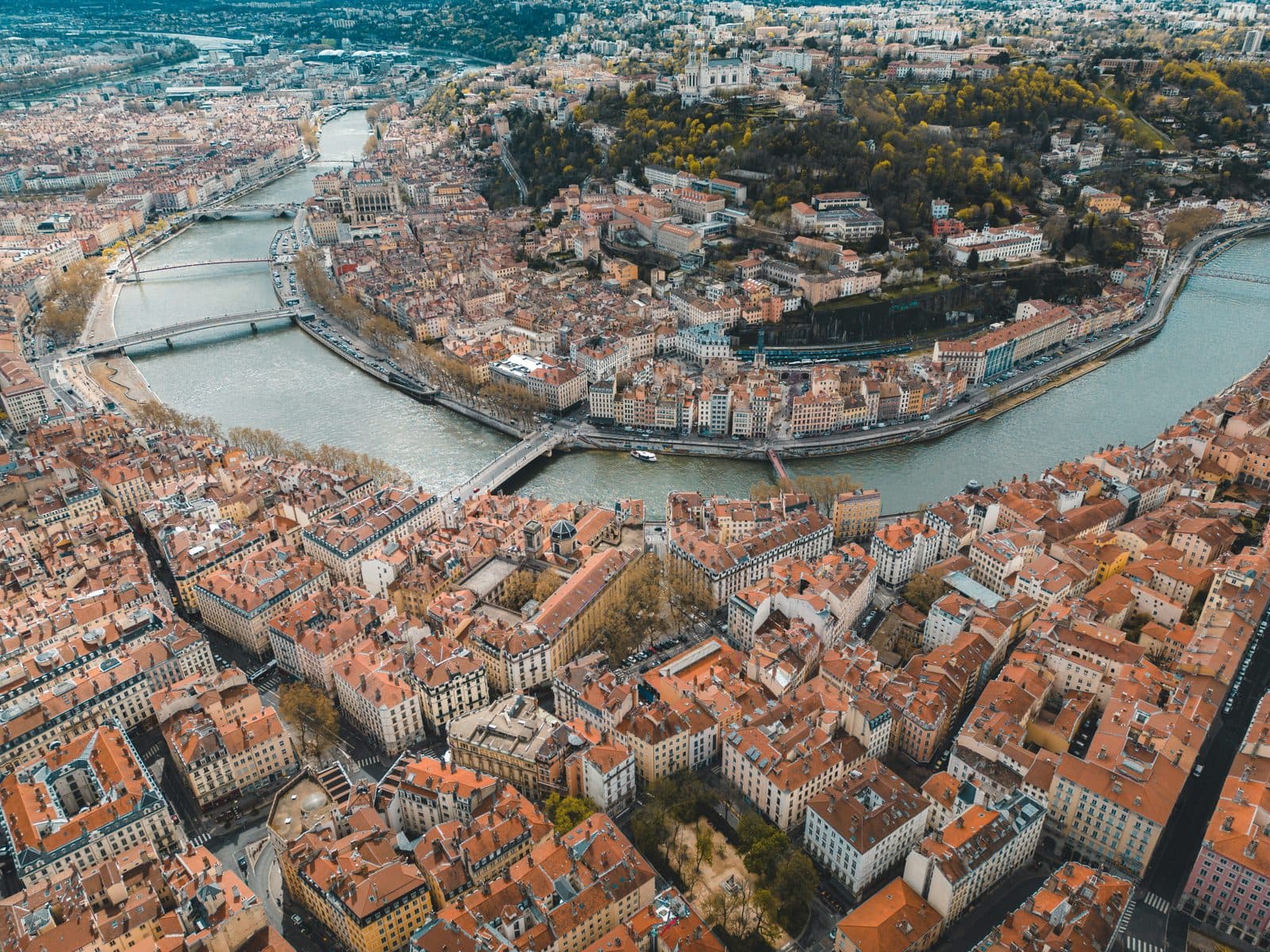
Lyon Travel Guide: How Many Days, Getting Around, When to Go (2026)
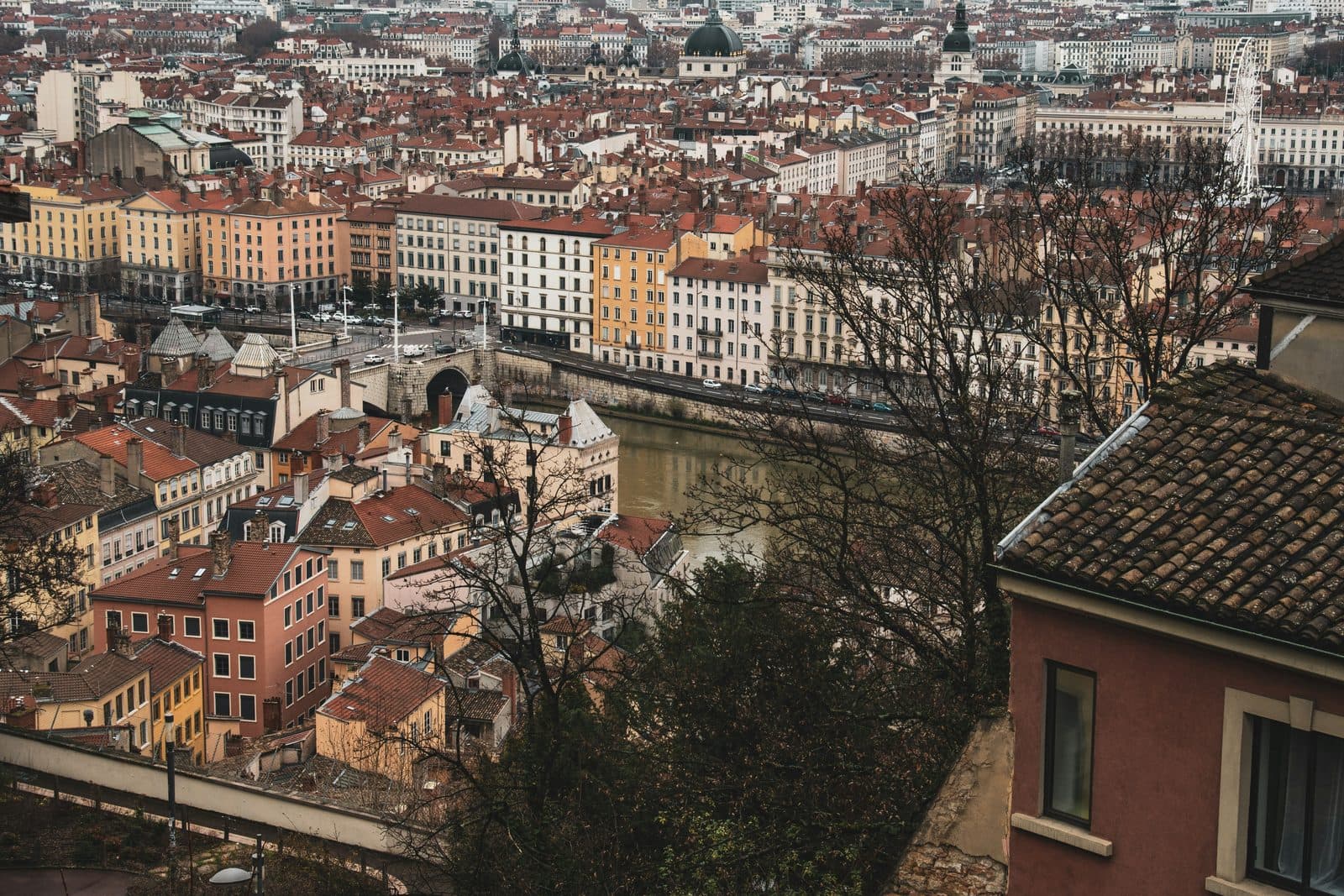
The City Silk Built: How One Fabric Made Three Different Lyons
Croix-Rousse: The Hill Where One Machine Built a Neighbourhood and a Rebellion
Fourvière and Lugdunum: How to Read the Capital of Roman Gaul on One Hill

La Longue Traboule: Walking Through Four Buildings Without Touching a Street
