The Croix-Rousse tour walks seven stops up a Lyon hillside, and every one of them is downstream of a single object: the Jacquard loom. The machine set the ceiling height of the buildings, filled the apartments with a specific kind of worker, and produced the grievance that put those workers in the street in 1831 and again in 1834. The loom mostly vanished a century ago. The hill it built is still here.
The workers the loom created
The canuts were the silk weavers of Lyon. Unlike a factory workforce, they owned or rented their looms and worked in their own apartments, which is the detail that makes their story unusual. They were not employees clocking into a mill; they were skilled artisans in debt to the silk merchants of the lower town, who supplied the raw silk on credit and set the price paid per finished piece. When the merchants cut that rate, an entire hillside lost its margin at once.
The tour opens at Place Colbert and the Cour des Voraces, a dramatic six-storey courtyard stairway that reads like a vertical traboule. If you want the wider frame, the difference between the silk merchants of Vieux Lyon and the silk weavers here is the spine of our Lyon silk city thesis.
The machine that set the ceiling
Hear a stop from this walk
Place de la Croix-Rousse: The Square the Canuts Marched From
Stop 2 is a maison du canut, the building type the loom designed. This is the tour's signature observation. The Jacquard loom stood roughly four metres tall, so the weavers needed apartments with ceilings high enough and windows tall enough to house it and light it. Walk Croix-Rousse and the tall loft windows are everywhere. They are not an aesthetic choice. They are the physical footprint of a machine, and they are why the neighbourhood still looks the way it does.
Joseph-Marie Jacquard, a Lyonnais, perfected the punch-card attachment in 1804 and 1805. He did not invent the loom; the drawloom predated him. What he invented was the mechanism that let one weaver do the work of two, encoding the pattern on punched cards. That idea outlived silk entirely: Charles Babbage modelled the punch-card input of his Analytical Engine on it, which is why the Jacquard loom turns up in the prehistory of computing.
The mural and the museum
Stop 3 is the Mur des Canuts, a 1200-square-metre painted wall by the CitéCréation cooperative, first completed in 1987 and the largest trompe-l'œil fresco in Europe. It is worth its own read; we cover it in the Mur des Canuts jewel piece. Stop 4, the Maison des Canuts, keeps working Jacquard looms running for visitors, so you can watch the machine that organised the whole hill actually weave.
The uprisings
The climax, Stop 5, is Place de la Croix-Rousse, the square the canuts marched from. In November 1831 they rose under a black flag and the slogan "vivre en travaillant ou mourir en combattant," to live working or to die fighting. They held Lyon for ten days before Marshal Soult retook the city with 20,000 troops. In April 1834 they rose again, in a week of fighting that left roughly two hundred civilians dead. Historians now generally count these among the first uprisings of an organised industrial workforce, though the tour holds the superlative with care: the Luddites, Peterloo, and the Spitalfields weavers are all named as competing candidates, and the canuts are correctly distinguished from Luddites, since they owned their looms and wanted a wage floor and the right to associate, not the destruction of machines.
The tour closes at a lookout above the Saône. The geographic drop from the plateau down to the lower town is the political drop: the weavers above, the merchants who set their prices below. The community that fought here is gone, ended by steam mills and cheaper imported silk. The architecture that housed it survives, now protected under Lyon's UNESCO inscription.
Why walk it
Croix-Rousse is a climb, and self-guided is the right way to take it, at your own pace, pausing at the loft windows and the working looms. Pair it with the merchant hill across the river in our Vieux Lyon companion, or read the fabric that ties both hills together in the silk city thesis. Then walk the Croix-Rousse tour and read the hill for yourself.
Ready to experience it?
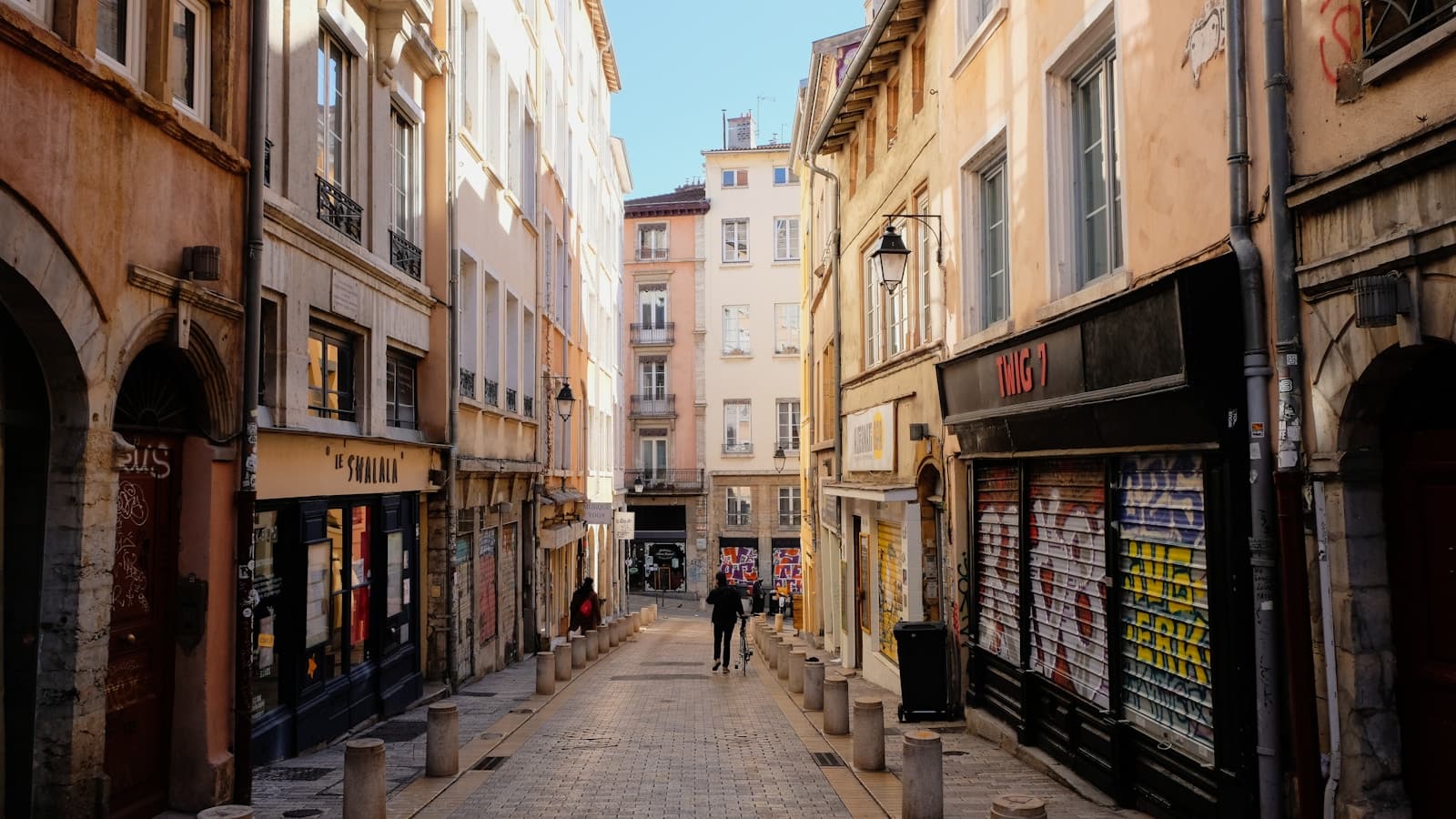
Croix-Rousse: Where the First Industrial Workers Rose
100 min · 3.4 km · easy
More from Lyon
Explore more at your own pace.
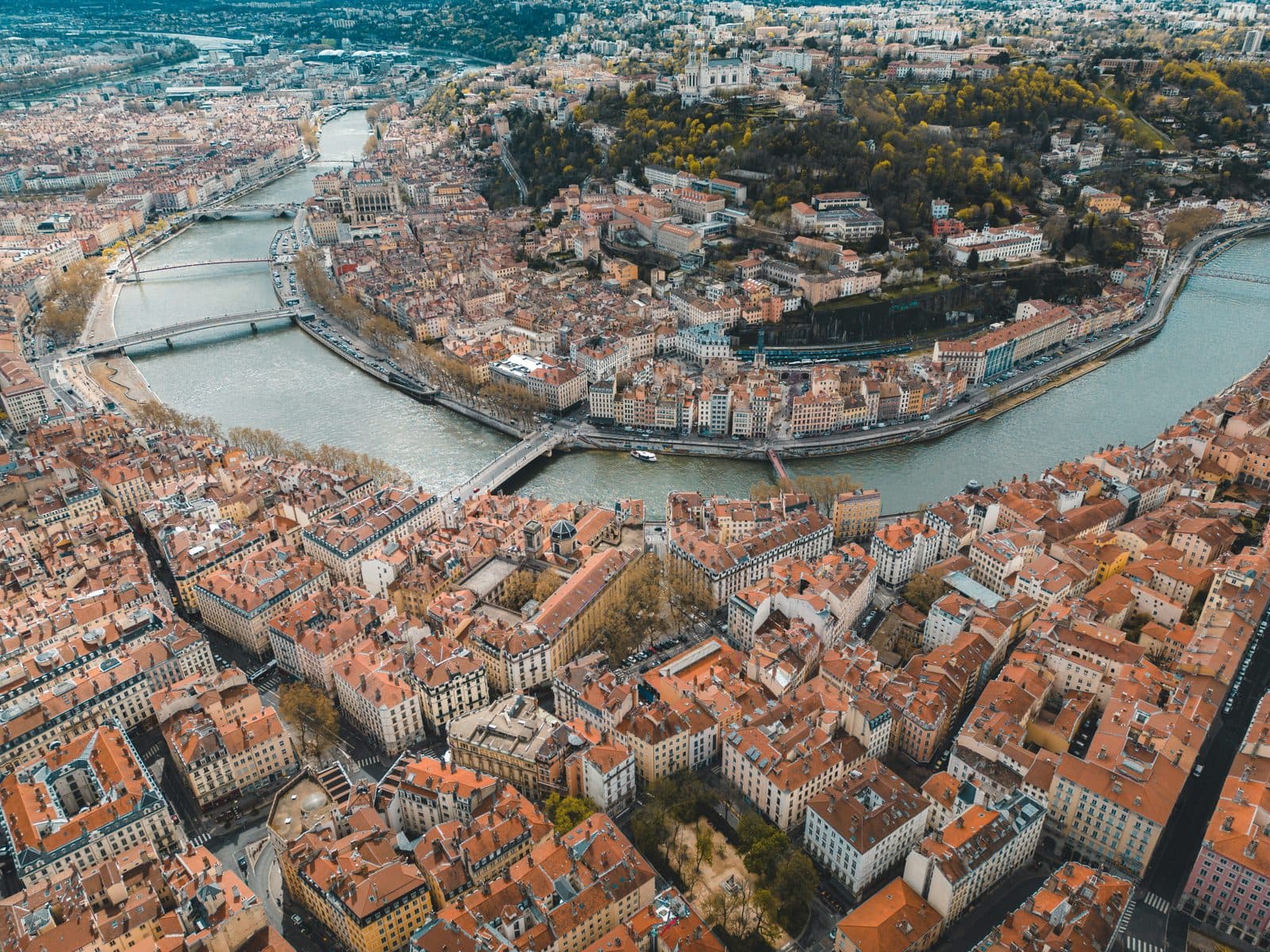
Lyon Travel Guide: How Many Days, Getting Around, When to Go (2026)
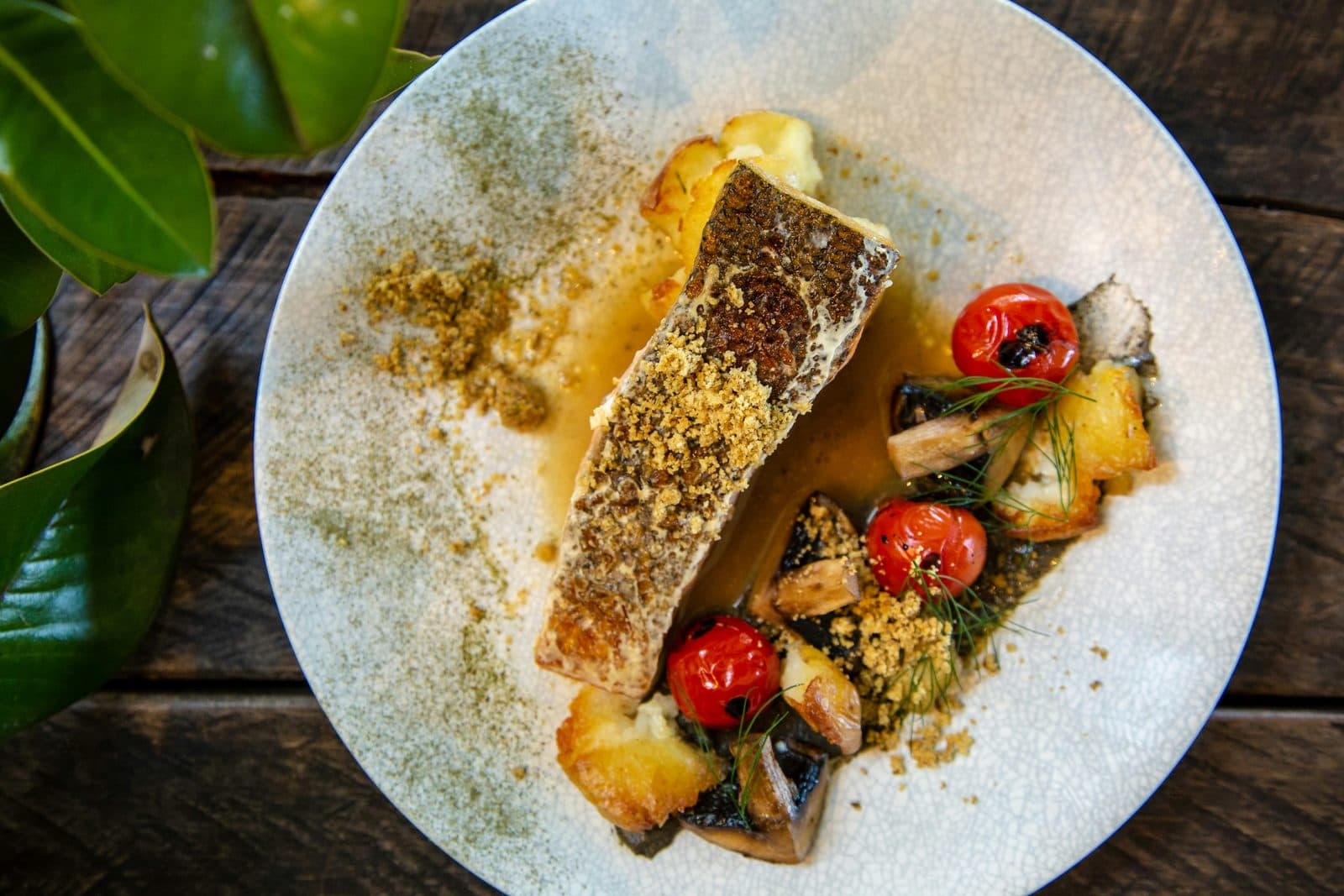
Bouchons and the Mères Lyonnaises: How Lyon's Working Kitchens Made It the Capital of French Food
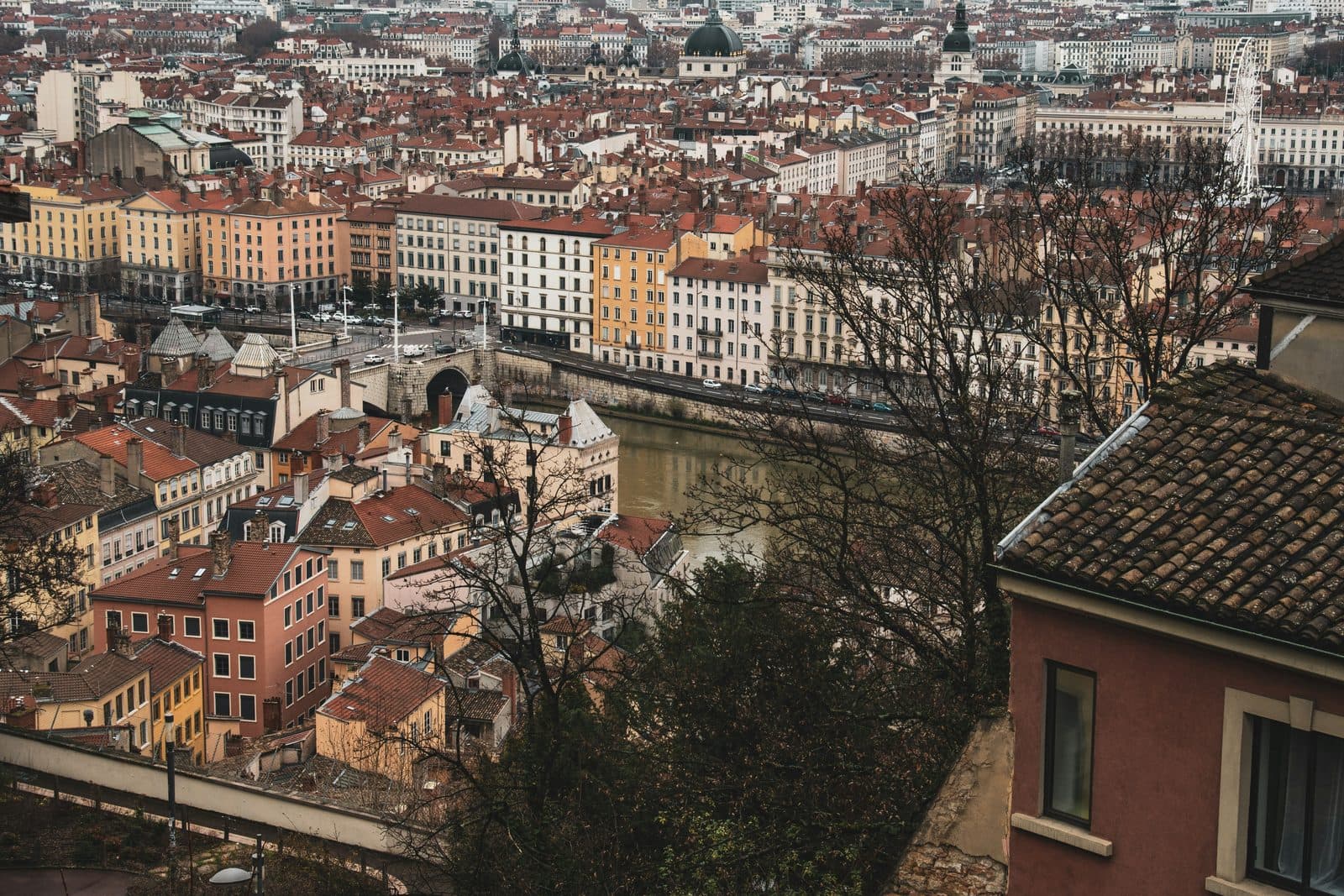
The City Silk Built: How One Fabric Made Three Different Lyons
Fourvière and Lugdunum: How to Read the Capital of Roman Gaul on One Hill

La Longue Traboule: Walking Through Four Buildings Without Touching a Street
