
Turn a corner on the Boulevard des Canuts and a whole street appears where a blind wall should be: a painted staircase climbing between painted buildings, painted shopfronts, painted residents going about a painted afternoon. It takes a second to register that none of it is real. This is the Mur des Canuts, at 1200 square metres the largest painted wall in Europe, and it is the third stop on the Croix-Rousse canuts tour. What makes it worth a longer look is not just its size. It is that the wall is alive.
The wall that ages
The Mur des Canuts was first completed in 1987 by CitéCréation, a Lyon cooperative of muralists. It depicts an ordinary slice of Croix-Rousse life: the stepped streets, the tall-windowed buildings, the people who live on the plateau. What sets it apart from an ordinary heritage mural is that CitéCréation has repainted it as the real neighbourhood changed, updating it in 1997 and again in 2013.
The painted residents have aged with each repainting. A young man shown carrying his bicycle in the original became, by 1997, a young father with a daughter beside him. That single decision is the whole idea of the wall. It is not a frozen monument to a lost trade. It is a portrait that grows older alongside the street it faces, so that the mural and the neighbourhood age together.
Why the canuts
Hear a stop from this walk
Place de la Croix-Rousse: The Square the Canuts Marched From
The wall takes its name from the Boulevard des Canuts, and behind that from the canuts themselves, the silk weavers who defined this hill in the 19th century. They worked Jacquard looms in their own apartments, which is why the real buildings behind the mural have such tall windows: the loom stood about four metres high and needed the light and the height. The tour reads that architecture window by window, and the fuller story of the weavers and their two uprisings is in our Croix-Rousse companion.
The mural is a fitting monument because it does what the canuts' trade did: it treats an ordinary working neighbourhood as worth depicting in detail. The difference between these weavers and the silk merchants who lived across the river is the spine of our Lyon silk city thesis, and the Mur des Canuts sits firmly on the workers' side of that divide.
Reading a trompe-l'oeil
A trompe-l'œil, French for "deceive the eye," is a painting built to be mistaken for real depth. The Mur des Canuts is a masterclass in it. The painted staircase invites you to imagine climbing it; the painted shopfronts sit at plausible eye level; the perspective lines are calibrated to the spot on the pavement where most people naturally stop to look. Stand there and the flat wall opens into a street. Step to the side and the illusion politely collapses, which is part of the pleasure.
CitéCréation is a cooperative, not a single artist, and the tour is careful to credit the collective rather than inventing a lone painter. The cooperative went on to paint murals across Lyon and around the world, but this remains its signature: the largest, and the one that keeps changing.
Walking it well
The Mur des Canuts sits at a boulevard corner in the 4th arrondissement, free and always visible, no ticket and no hours. Self-guided is the right way to meet it, because the illusion rewards standing still at the correct spot and simply looking, which a hurried group rarely allows. Take it as the third stop on the Croix-Rousse tour, where the narration connects the painted street to the real weavers who built the hill, or start with the wider silk city thesis.
Ready to experience it?
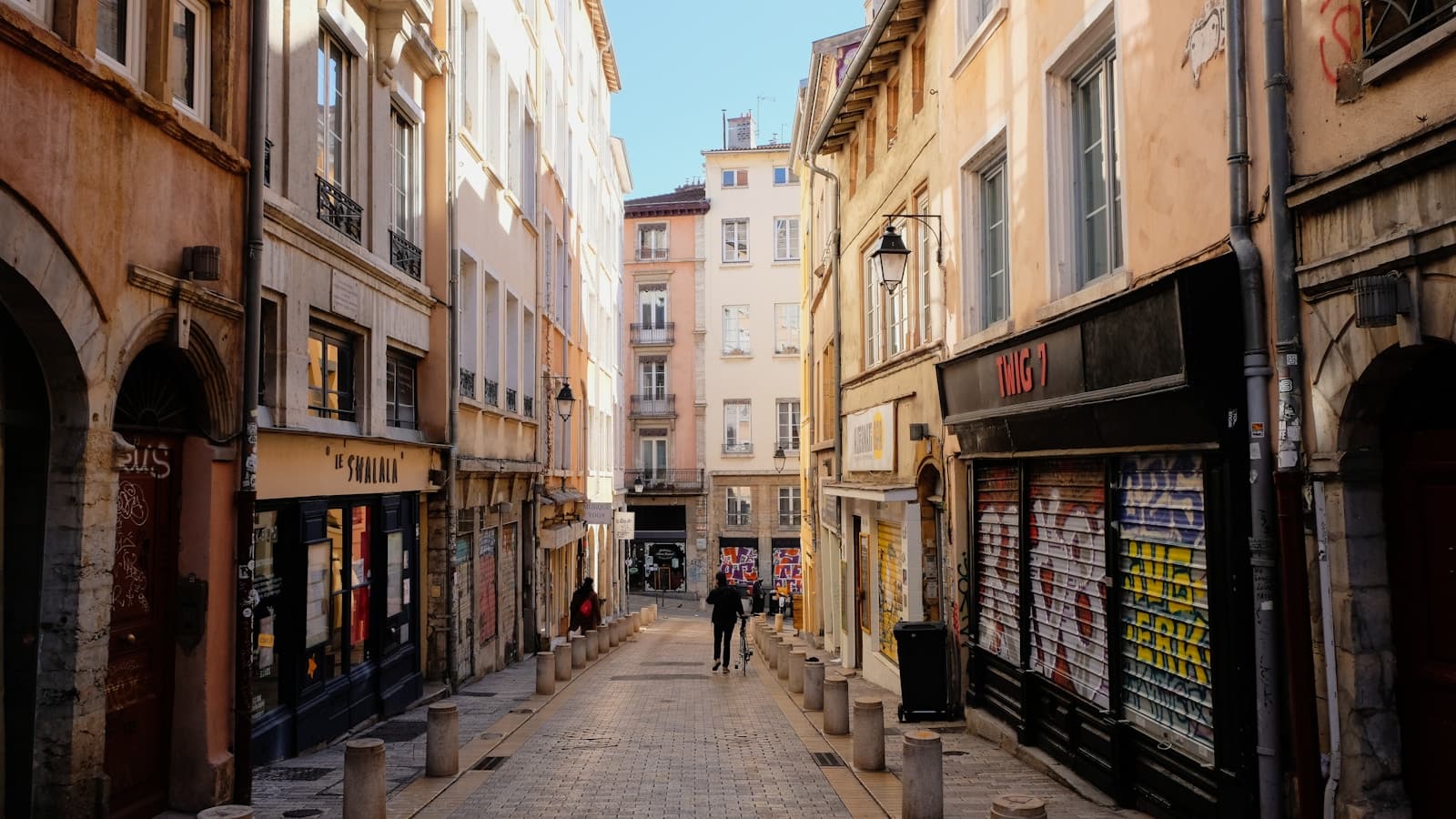
Croix-Rousse: Where the First Industrial Workers Rose
100 min · 3.4 km · easy
More from Lyon
Explore more at your own pace.
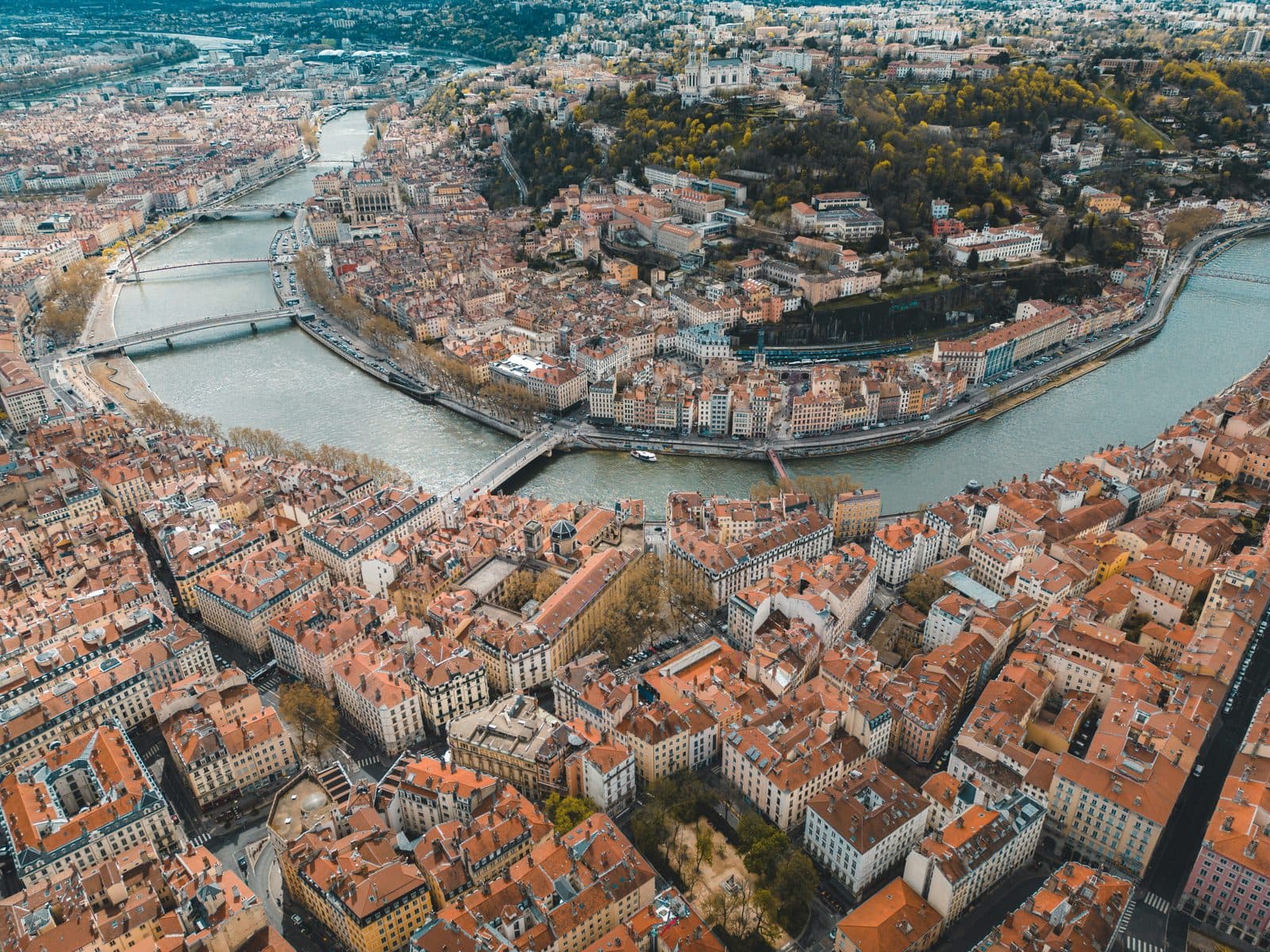
Lyon Travel Guide: How Many Days, Getting Around, When to Go (2026)
Bouchons and the Mères Lyonnaises: How Lyon's Working Kitchens Made It the Capital of French Food
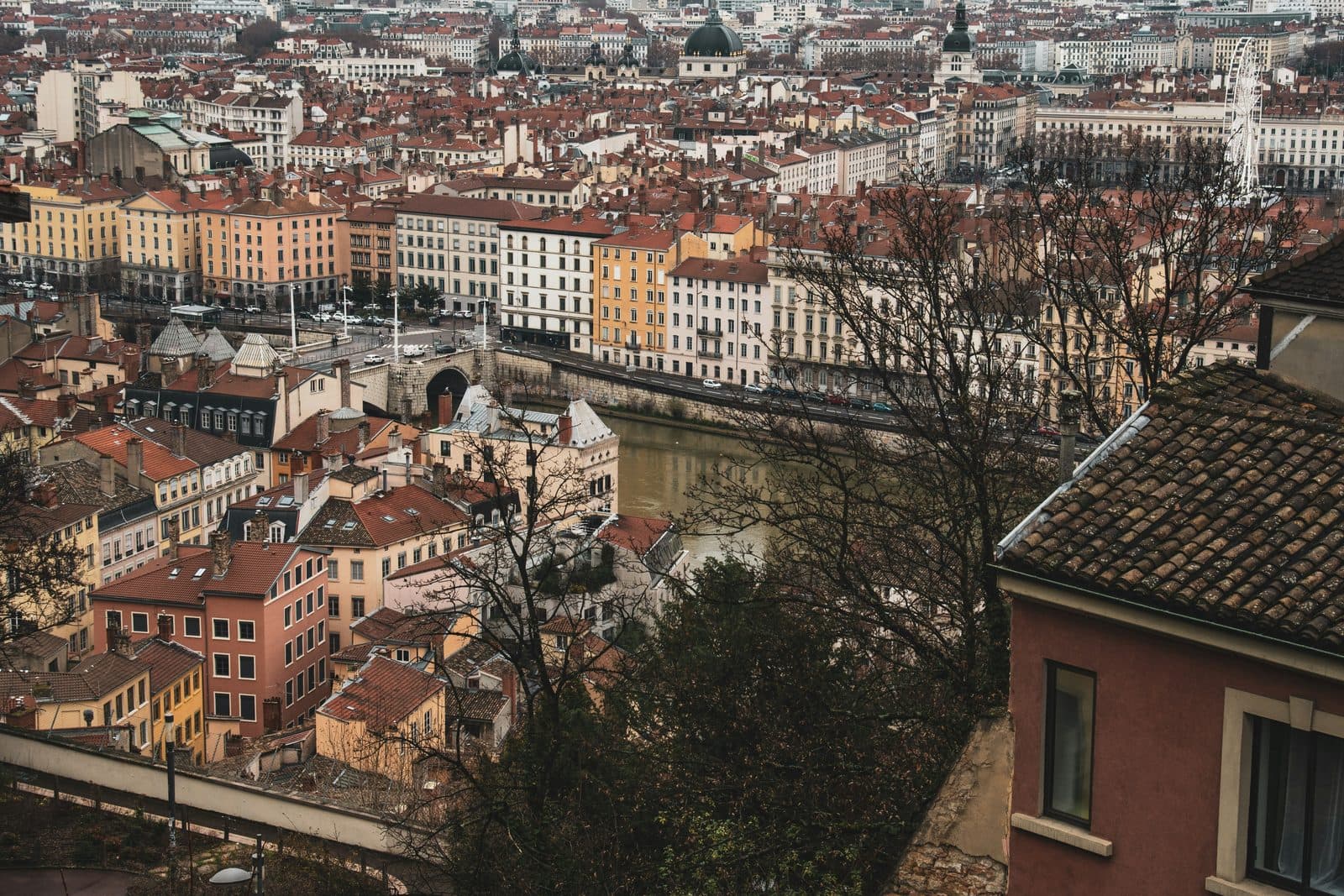
The City Silk Built: How One Fabric Made Three Different Lyons
Croix-Rousse: The Hill Where One Machine Built a Neighbourhood and a Rebellion
Fourvière and Lugdunum: How to Read the Capital of Roman Gaul on One Hill
