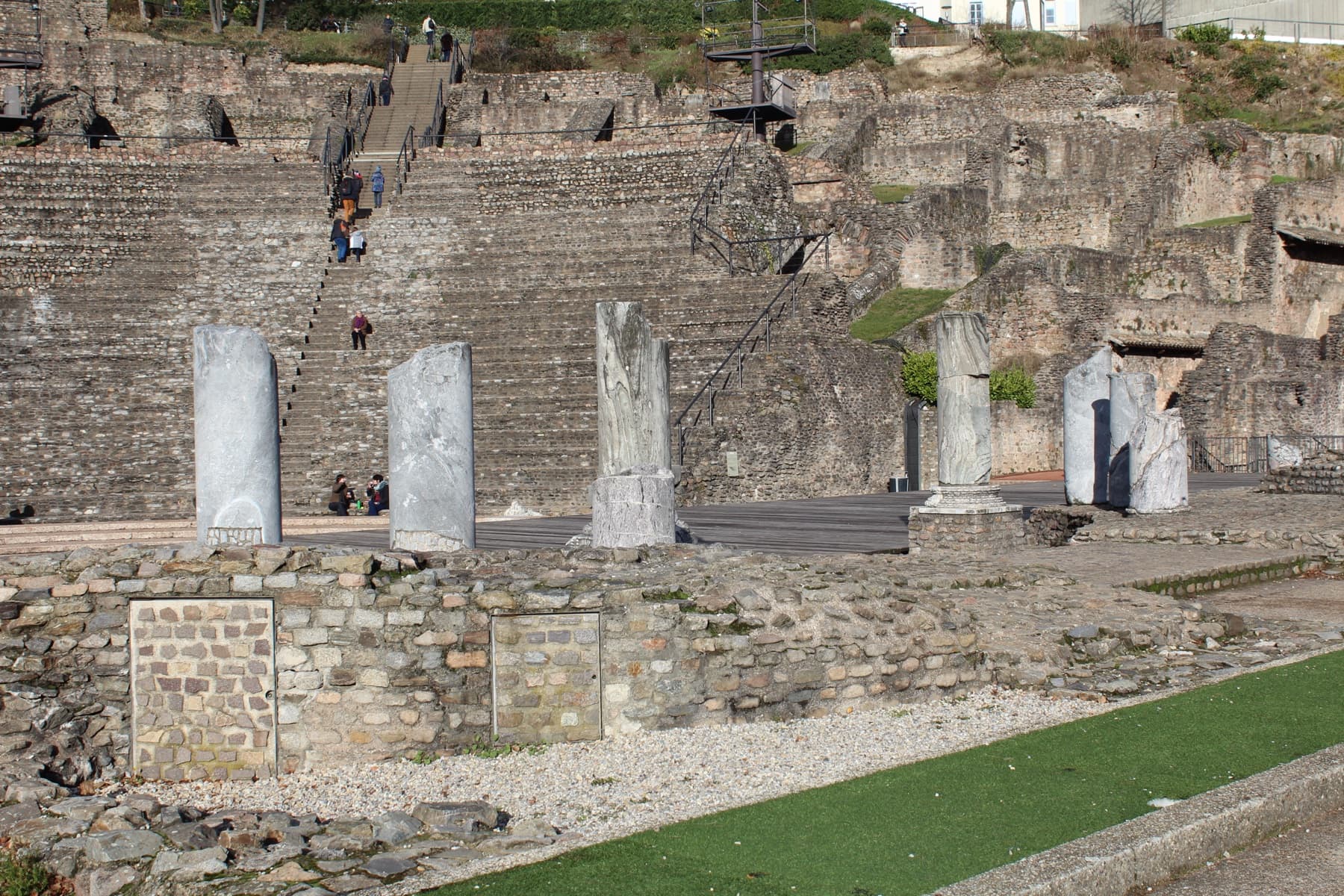
Lugdunum: The Capital of Roman Gaul
120 min · 4 km · easy
If you want one idea that unlocks Lyon, it is not a building or a river. It is a fabric. Silk is the thread that runs through five centuries of the city, and it explains why Lyon looks the way it does on two entirely different hills. The merchants who traded it built one Lyon. The workers who wove it built another. The gap between them wrote the rest of the story.
The privilege that started it
Lyon did not become a silk city by accident of geography. It became one by royal decree. In the 1460s, King Louis XI granted Lyon the right to hold trade fairs and, soon after, the privilege of silk manufacturing, deliberately steering the lucrative trade away from Italy and toward a French city he could tax. The fairs pulled in Italian banker-merchants, the Florentine and Piedmontese families whose townhouses still stand along the rue Saint-Jean spine of Vieux Lyon. By the 16th century Lyon ranked among the leading financial centres of Europe, and the money behind it was, in large part, silk money.
That first Lyon is a merchant Lyon. Its architecture is confident, Italianate, and inward-facing: courtyards, spiral stair towers, and the hidden interior passages the Lyonnais call traboules. If you want to read that layer, the Vieux Lyon traboules tour walks the Renaissance quarter the silk trade paid for.
The machine that changed everything
Hear a stop from this walk
Basilique Notre-Dame de Fourvière: The Closing Specimen
For three centuries silk in Lyon meant handwork and merchant fortunes. Then, in 1804 and 1805, a Lyonnais named Joseph-Marie Jacquard perfected a punch-card attachment that let a single weaver produce complex patterned cloth that had previously required a weaver plus a boy pulling cords. The Jacquard loom did not just speed up weaving. It reorganised the entire social order of the trade, and it did so on a different hill.
The loom stood about four metres tall. That single fact rebuilt an entire neighbourhood. The weavers, the canuts, needed apartments with ceilings high enough to house the machine, so the Croix-Rousse hill filled with tall-windowed loft buildings sized to the loom. Walk Croix-Rousse today and the architecture is still measuring a machine that mostly disappeared a century ago. Our Croix-Rousse canuts tour reads that hillside window by window.
Two hills, one gap
Here is the fault line that makes Lyon's silk story more than a heritage anecdote. The people who traded the silk and the people who wove it lived on separate hills and stood on opposite sides of a widening gap. The merchants set the prices from the lower town. The weavers worked on credit, in their own apartments, and had almost no leverage. When the merchants cut the rate they paid per piece, a whole hillside of families lost the ability to eat.
In November 1831 the canuts marched under a black flag and the slogan "vivre en travaillant ou mourir en combattant." They took the city for ten days before Marshal Soult retook it with 20,000 troops. In April 1834 they rose again, in a week of fighting that left roughly two hundred civilians dead. Historians now generally regard these as among the first uprisings of an organised industrial workforce, and the story travelled far: Charles Babbage modelled the punch-card input of his Analytical Engine on the Jacquard loom, and Ada Lovelace later wrote that the engine "weaves algebraic patterns just as the Jacquard loom weaves flowers and leaves."
What silk built that you can still walk
The trade is gone. The architecture is not. That is the useful thing about reading Lyon through silk: the fabric left a physical record on both hills, and you can walk the whole argument in an afternoon.
The merchant layer survives in the traboules of Vieux Lyon, the hidden passages that let silk move between streets without crossing the open road, and in townhouses like the Hôtel de Gadagne, built by a Florentine banking family. Four centuries later those same passages served the Lyon Resistance, a doubling the Vieux Lyon tour treats as its central paradox.
The worker layer survives in the loft windows of Croix-Rousse and in the working looms that still run at the Maison des Canuts. And silk left one more legacy the guidebooks rarely connect to it: the food. The bouchons and the mères lyonnaises grew up feeding a working, industrial city, a story our piece on Lyon's bouchons and mères lyonnaises picks up.
Silk did not make one Lyon. It made three: the merchant city, the worker city, and the food city that fed them both. Start with any one hill and the fabric will pull you toward the others.
Frequently asked questions
- Why is Lyon famous for silk?
- Lyon became France's silk capital after King Louis XI granted it silk-manufacturing privileges in the 1460s, drawing Italian banker-merchants and, later, tens of thousands of weavers. By the early 1800s the trade employed a large share of the city and shaped two of its hills: Vieux Lyon, where the silk merchants built their townhouses, and Croix-Rousse, where the weavers worked.
- Who were the canuts?
- The canuts were the silk weavers of Lyon, concentrated on the Croix-Rousse hill in the 19th century. They worked Jacquard looms in their own apartments and rose against the silk merchants and the state in 1831 and again in 1834 under the slogan 'vivre en travaillant ou mourir en combattant' (to live working or to die fighting).
- What is the difference between the silk merchants and the silk weavers in Lyon?
- The merchants (soyeux or fabricants) were the traders who bought raw silk, set prices, and lived in the Renaissance townhouses of Vieux Lyon. The weavers (canuts) were the workers who actually wove the cloth on looms in their Croix-Rousse apartments. The two groups lived on different hills, and the gap between them produced the uprisings of 1831 and 1834.
- Can you still see Lyon's silk history today?
- Yes. The Longue Traboule and the hidden passages of Vieux Lyon date from the silk-merchant era, the tall loft windows of Croix-Rousse were sized for the Jacquard loom, and working looms still run at the Maison des Canuts and Soierie Vivante.
Ready to experience it?
Lugdunum: The Capital of Roman Gaul
120 min · 4 km · easy
More from Lyon
Explore more at your own pace.
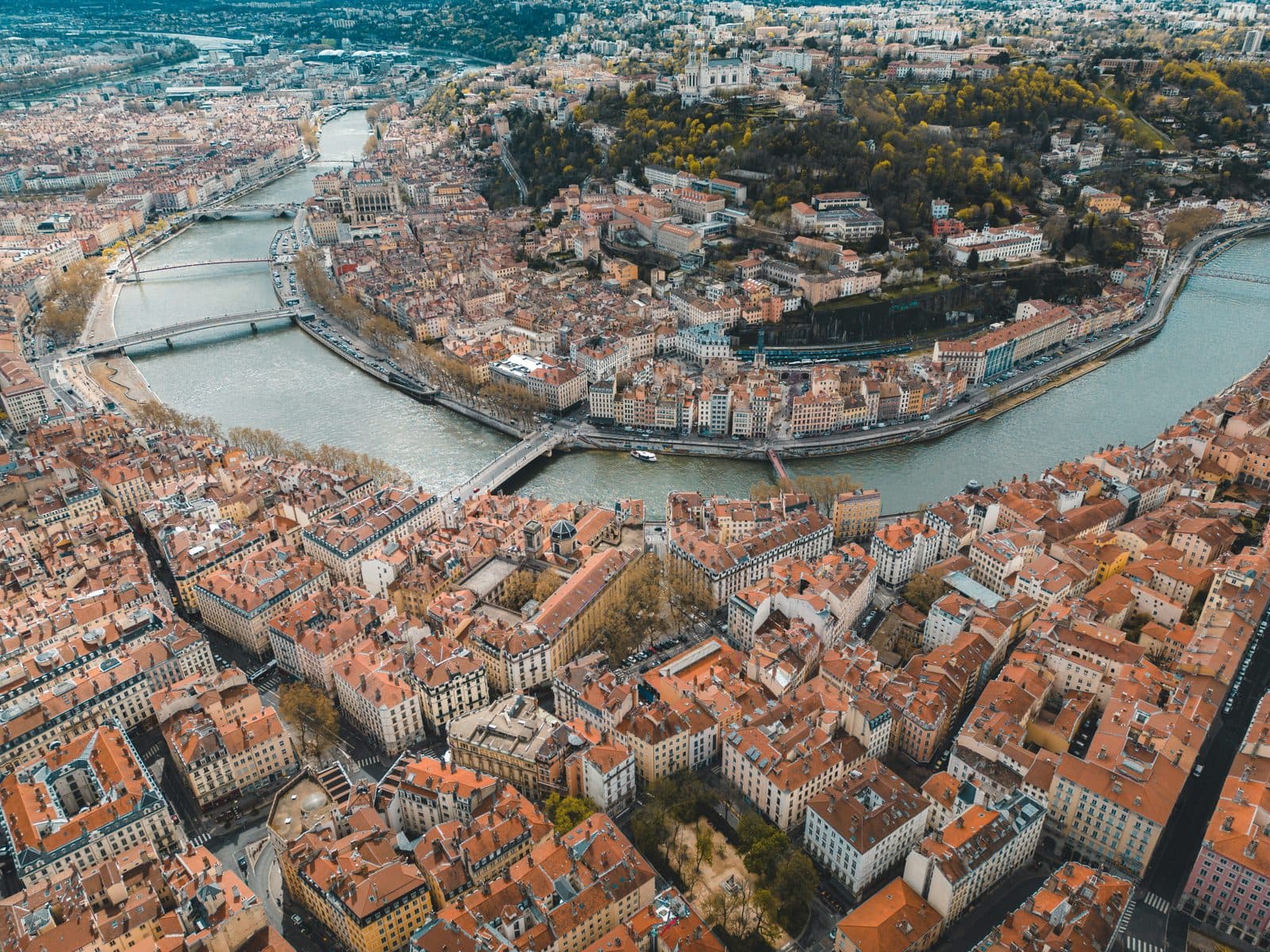
Lyon Travel Guide: How Many Days, Getting Around, When to Go (2026)
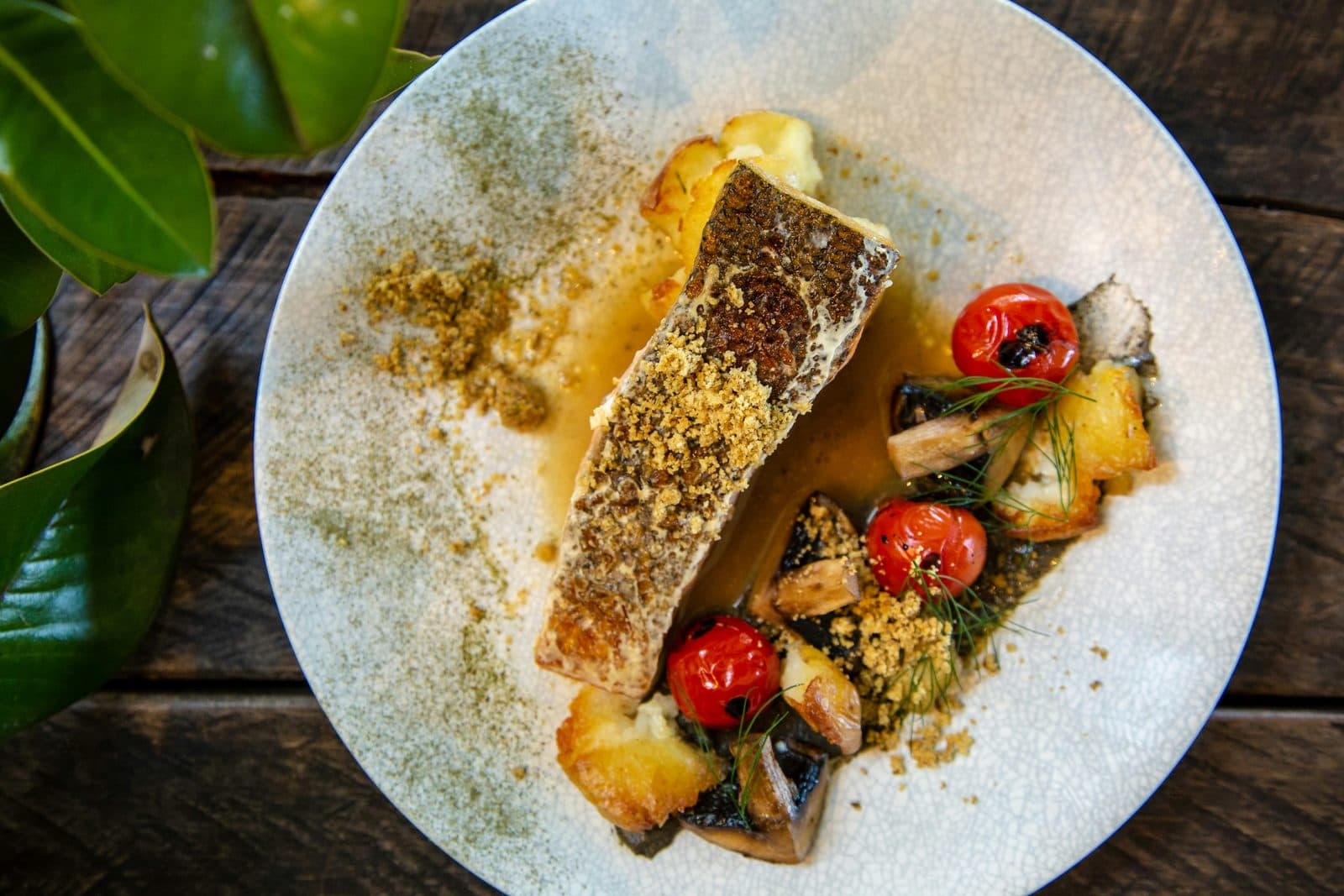
Bouchons and the Mères Lyonnaises: How Lyon's Working Kitchens Made It the Capital of French Food
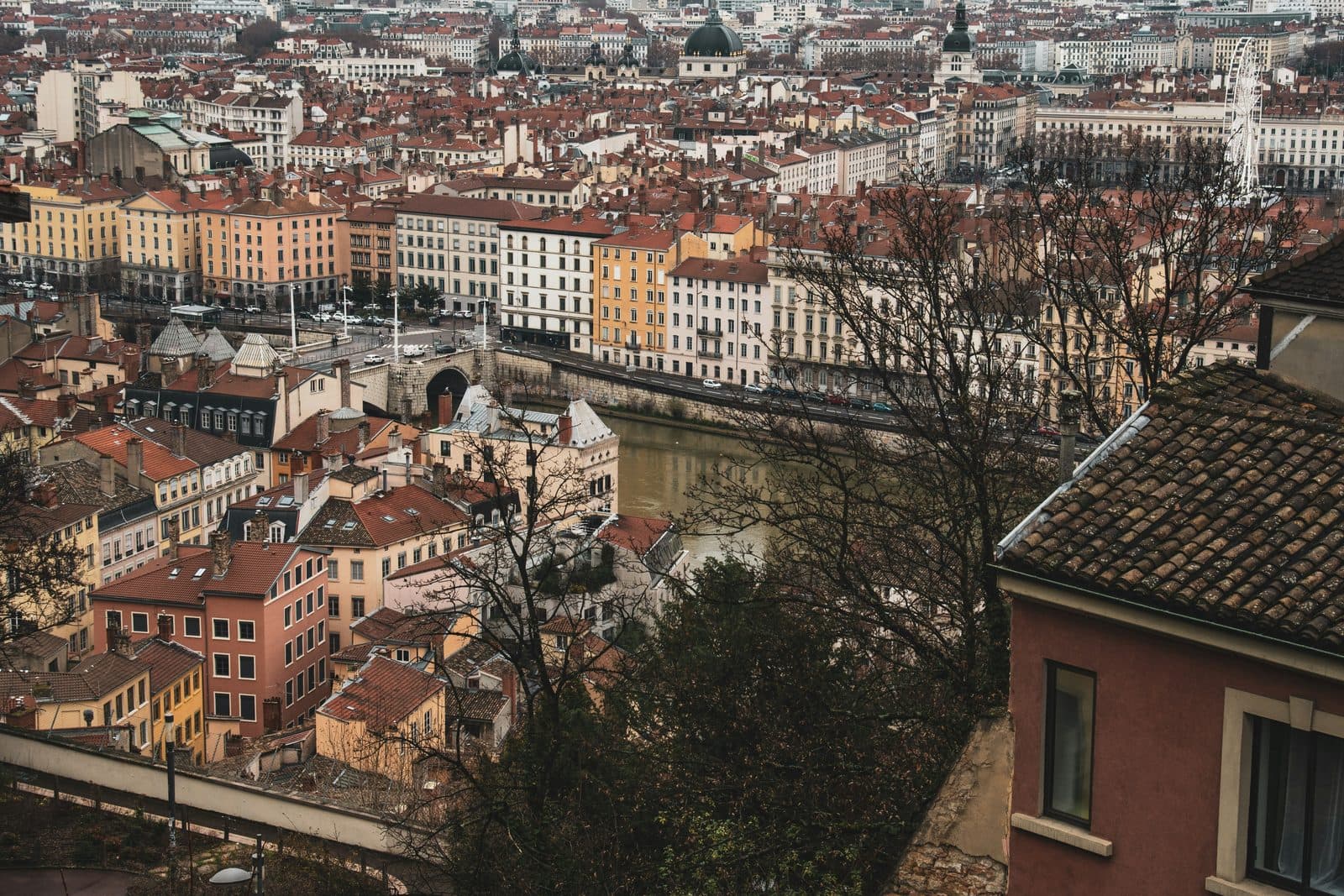
Croix-Rousse: The Hill Where One Machine Built a Neighbourhood and a Rebellion
Fourvière and Lugdunum: How to Read the Capital of Roman Gaul on One Hill

La Longue Traboule: Walking Through Four Buildings Without Touching a Street
