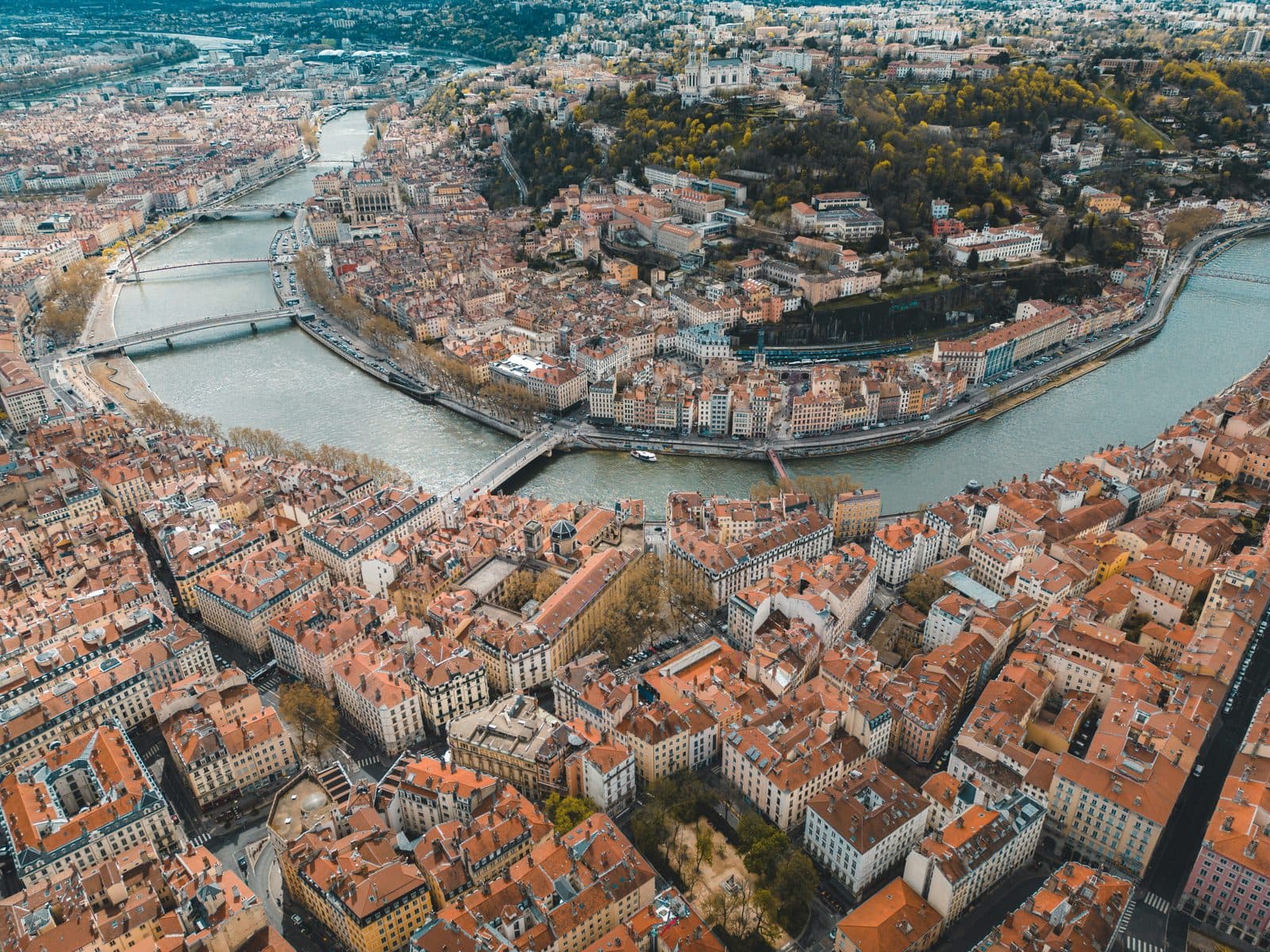
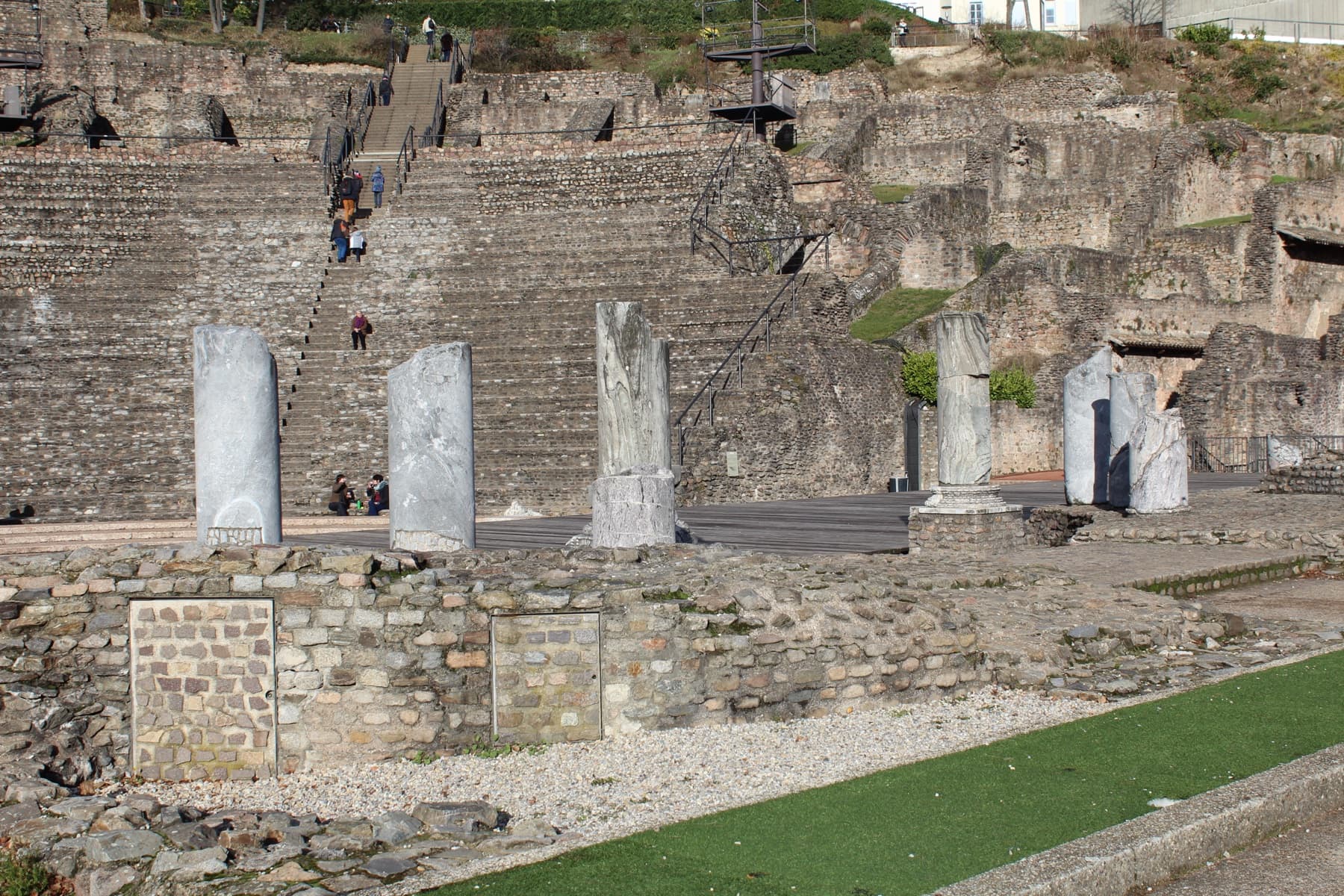
Lugdunum: The Capital of Roman Gaul
120 min · 4 km · easy
Lyon is one of the easier French cities to plan for. Its three defining layers, Roman Fourvière, Renaissance Vieux Lyon, and the industrial silk hill of Croix-Rousse, sit close together; its metro and funicular network is small and legible; and its calendar has one showpiece, the December Fête des Lumières. This guide answers the practical questions travelers actually search, answer first, then the detail.
How many days do you need in Lyon?
Short answer: two to three days for most people.
- 2 days covers the essentials: Fourvière and the Roman ruins, Vieux Lyon and its traboules, and the Croix-Rousse silk hill, with a proper bouchon lunch built in.
- 3 days adds the Presqu ile museums, the modern Confluence district, the Parc de la Tete d Or, and an unhurried pace at the table.
- 4 or more days suits food lovers and history travelers, with day trips into Beaujolais wine country to the north or the Rhone valley to the south.
Because Lyon core districts are close together and very walkable, it packs more into a short stay than most French cities. If you only have one day, follow our focused one day in Lyon route through the Roman hill, the Renaissance lanes, and the weavers hill.
Getting around Lyon
Hear a stop from this walk
Basilique Notre-Dame de Fourvière: The Closing Specimen
Central Lyon is a joy on foot, and walking is how our self-guided Lyon tours are built. When you need transit, the network run by TCL is small and simple:
- Metro. Four lines cover the peninsula and the main districts. Fast and easy to read.
- Funiculars. Two lines climb Fourvière hill from Vieux Lyon station, reaching the basilica and the Roman theatres in about five minutes, so you never walk uphill.
- Trams and buses. Fill in the rest of the city and reach the outer parks and Confluence.
- Tickets. One ticket type covers metro, tram, bus, and funicular. A one-day pass is around 7 euros; use a rechargeable card or the TCL app. The Lyon City Card bundles transport with museums and sites if you plan to visit several.
For getting to Lyon: it is about two hours from Paris by TGV, and well connected by rail to Marseille, Geneva, and beyond.
Best time to visit Lyon
- Late spring (May to June) and early autumn (September to October) are the sweet spots: mild weather, long light, and crowds you can move through.
- Early December brings the Fête des Lumières, Lyon most famous event, four nights of large-scale light installations across the monuments and squares. Spectacular and very crowded; book months ahead.
- Summer is warm and pleasant, hotter than northern France but rarely oppressive. Winter outside the festival is quiet, cold, and good value.
Is the Fête des Lumières worth it?
For many travelers, yes. Over four nights in early December, usually the second weekend, Lyon transforms its facades, squares, and riverbanks into free light and projection installations, drawing very large crowds into the historic core. During the festival, TCL runs a special evening transport ticket, and on the main night public transport is free from late afternoon in the central zones. If you come for it, reserve accommodation well ahead and expect Vieux Lyon and the Presqu ile to be packed after dark.
Is Lyon safe?
Yes. Lyon is generally safe for visitors, including solo and female travelers, and violent crime is low. The realistic concern is pickpocketing in the busiest tourist areas, Vieux Lyon, Place Bellecour, and around Part-Dieu station, so keep bags zipped and phones secure in crowds and on the metro. Use ordinary care late at night and favour well-lit, busy streets, as you would in any large city.
Lyon on a budget
Lyon is friendlier to a tight budget than Paris, and much of what makes it special costs nothing:
- Free to walk: Vieux Lyon and its public traboules, the Croix-Rousse streets and the Mur des Canuts, the Fourvière terrace and basilica, and the Roman theatres.
- Eat well for little: a traditional bouchon set lunch runs around 30 euros for three hearty courses, one of the best-value meals in France. See what to eat in Lyon for what to order.
- Skip taxis: a one-day transport pass is about 7 euros, and the funicular replaces the climb up Fourvière.
- Skip the guide fee: Roamer self-guided audio tours are free to start, so you get expert narration without booking a private guide, a start time, or a tip.
Start planning your walk
Ready to route your days? Read our one day in Lyon itinerary, browse the best self-guided walking tours in Lyon, or see all Lyon tours. Every tour is free to start: the introduction and first stop play in full, and every later stop plays a short preview before an optional purchase. Tours can also be downloaded in advance for offline listening.
Frequently asked questions
- How many days do you need in Lyon?
- Two to three days is the sweet spot for most travelers. Two days covers the essentials: Fourvière and the Roman ruins, Vieux Lyon and its traboules, and the Croix-Rousse silk hill, with time for a long bouchon lunch. Three days adds the Presqu ile museums, the Confluence district, the Parc de la Tete d Or, and a slower pace at the table. Because Lyon core districts are close together, you can do a lot on foot, so it packs more into a short stay than most French cities.
- How do you get around Lyon?
- Lyon is very walkable in its central districts, and its public transport, run by TCL, is small and easy to use. There are four metro lines, trams, buses, and two funiculars up Fourvière hill, all covered by a single ticket. A one-day pass is around 7 euros. The Fourvière funicular leaves from Vieux Lyon station and reaches the basilica and Roman ruins in about five minutes, so you never have to climb the hill on foot. A rechargeable transport card or the TCL app handles fares.
- What is the best time of year to visit Lyon?
- Late spring (May and June) and early autumn (September and October) offer the best mix of mild weather and manageable crowds. The single most famous time to come is early December for the Fête des Lumières, when the city glows with light installations over four nights, though it is also the busiest and coldest. Summer is warm and pleasant but hotter than the north of France; winter outside the festival is quiet and cold. Book well ahead if you come for the lights.
- Is the Fête des Lumières worth visiting for?
- For many travelers, yes. The Fête des Lumières runs over four nights in early December, typically the second weekend, when Lyon monuments and squares are transformed by large-scale light and projection installations, drawing very large crowds. During the festival, TCL public transport runs a special evening ticket and, on the main night, is free from late afternoon in the central zones. If you go, book accommodation months ahead and expect the historic districts to be packed.
- Is Lyon safe for tourists?
- Yes. Lyon is generally a safe city for visitors, including solo and female travelers, with low rates of violent crime. The main thing to watch is pickpocketing in the busiest tourist areas, such as Vieux Lyon, Place Bellecour, and around Part-Dieu station, so keep your bag zipped and your phone secure in crowds. As anywhere, use ordinary care late at night and stick to well-lit, busy streets.
- How can you visit Lyon on a budget?
- Lyon is friendlier to a budget than Paris. Many of its best experiences are free: walking Vieux Lyon and its public traboules, the Croix-Rousse streets, the Fourvière terrace and basilica, and the Roman theatres all cost nothing. A traditional bouchon set lunch is one of the best-value meals in France, often around 30 euros for three courses. A one-day transport pass is about 7 euros, and self-guided audio tours are free to start on Roamer, so you get expert narration without hiring a guide.
- Can you do Lyon as a day trip from Paris?
- You can, but a night is better. Lyon is about two hours from Paris by TGV, leaving from Gare de Lyon and arriving at Part-Dieu or Perrache. A same-day round trip gives you roughly six or seven hours in the city, enough for Fourvière, Vieux Lyon, and a bouchon lunch, but too little for Croix-Rousse and the museums. Because Lyon is France gastronomic capital, staying at least one night to have dinner as well as lunch is far more rewarding.
Ready to experience it?
Lugdunum: The Capital of Roman Gaul
120 min · 4 km · easy
More from Lyon
Explore more at your own pace.
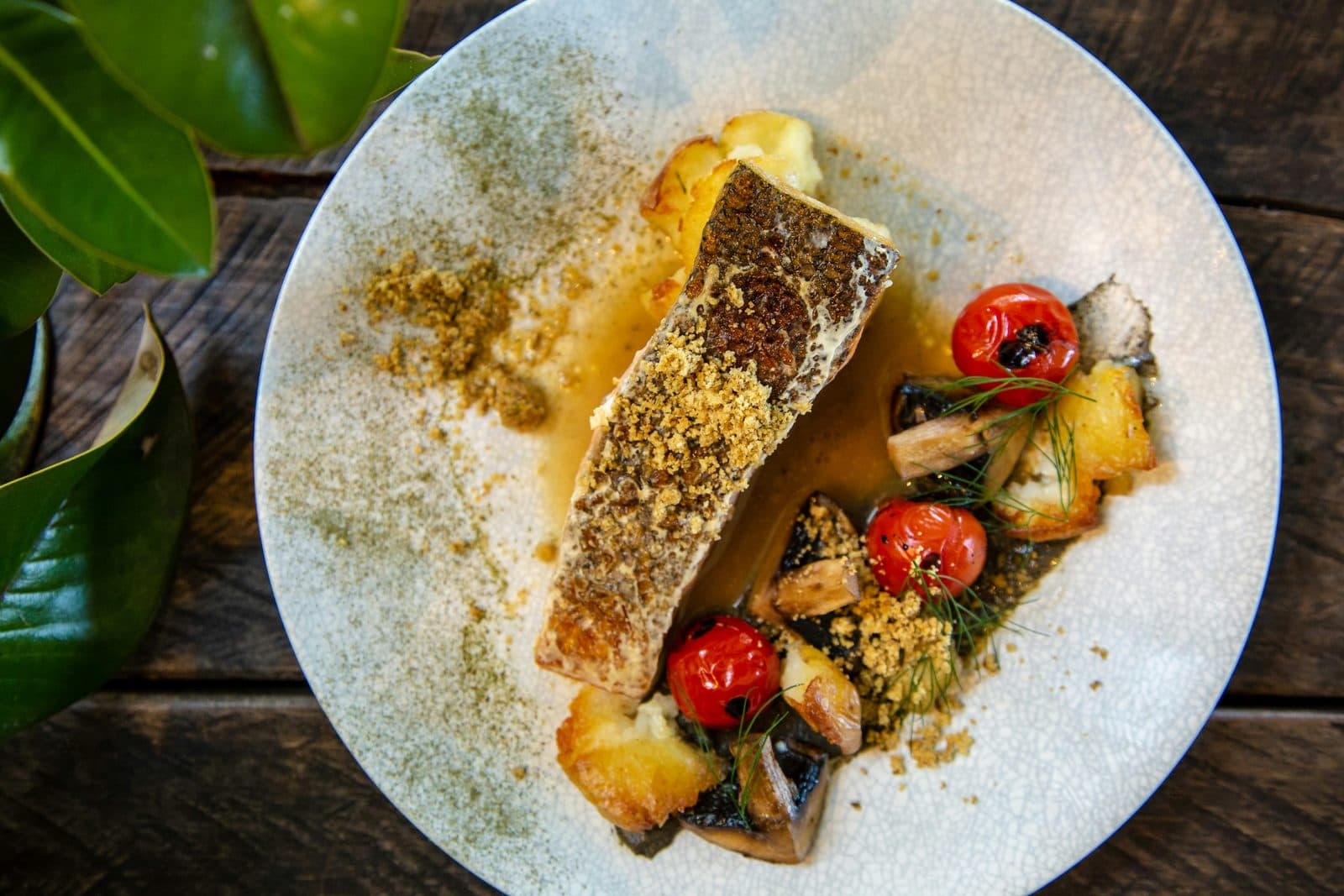
Bouchons and the Mères Lyonnaises: How Lyon's Working Kitchens Made It the Capital of French Food
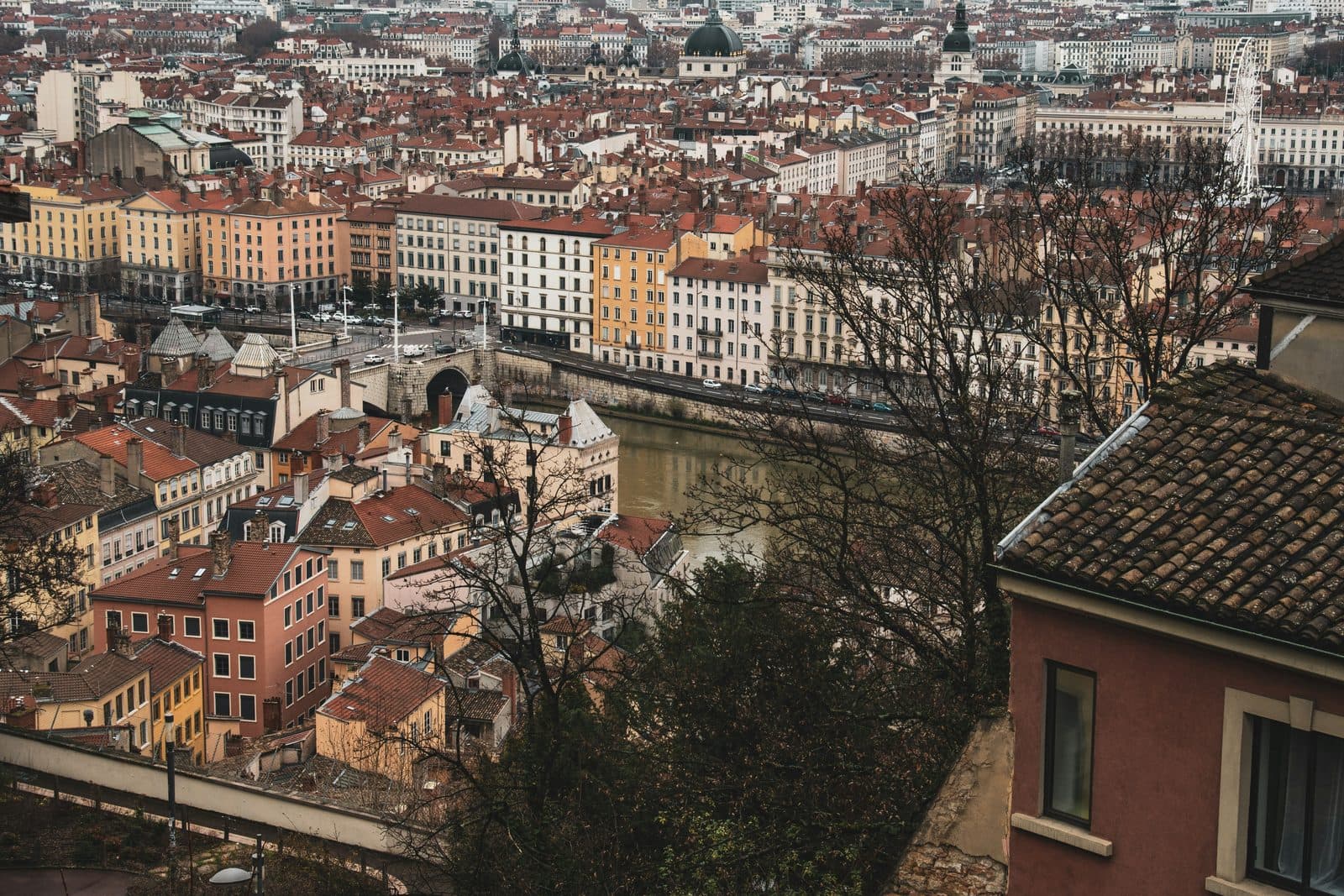
The City Silk Built: How One Fabric Made Three Different Lyons
Croix-Rousse: The Hill Where One Machine Built a Neighbourhood and a Rebellion
Fourvière and Lugdunum: How to Read the Capital of Roman Gaul on One Hill

La Longue Traboule: Walking Through Four Buildings Without Touching a Street
