The Fourvière tour walks seven stops across one hill, and it has a specific ambition: to leave you able to read any Roman provincial capital, anywhere, because you have walked a complete one. Lyon was Lugdunum, the capital of Roman Gaul, and the hill above the modern city preserves the whole bundle of imperial functions, entertainment, administration, water, religion, stacked in a way you can still trace. Here is the specimen, stop by stop.
The frame
The tour opens on the Esplanade de Fourvière, in front of the basilica, looking east across the confluence of the Saône and the Rhône. This is the orientation stop. The name Fourvière comes from the Latin forum vetus, the old forum, which tells you the Roman civic centre stood right here, under the church. Lugdunum was founded in 43 BCE by Lucius Munatius Plancus as a Roman colony for settlers expelled from nearby Vienne. From this terrace the Chronicler names the frame and gestures across the river to the Croix-Rousse hill, where a separate federal sanctuary once stood, held for the Croix-Rousse tour's hillside rather than narrated here.
The entertainment bundle
Hear a stop from this walk
Basilique Notre-Dame de Fourvière: The Closing Specimen
Stops 2 and 3 are the two theatres. The Grand Théâtre is the oldest Roman theatre in France, built around 15 BCE under Augustus and later expanded to a diameter of about 108 metres with room for roughly ten thousand spectators. It still hosts the Nuits de Fourvière festival every summer, which is a rare thing: a two-thousand-year-old venue still doing its original job. Next to it, the Odéon is the tour's key piece of evidence. A city with an odeon, a smaller roofed hall for music and recitation in addition to a full theatre, was a city with pretensions to culture. Two performance venues is not decoration. It is a status marker, and it is how you know Lugdunum outranked an ordinary provincial town.
The Longue Traboule and the Renaissance quarter belong to a different Lyon and a different era; if you want that layer, see the Vieux Lyon companion.
The documentary anchor and the water
Stop 4 is the Musée Lugdunum, the archaeological museum built into the hillside by Bernard Zehrfuss and half-buried so as not to compete with the ruins. It holds the Claudian Tablet, the bronze record of the emperor Claudius, born in Lugdunum, arguing before the Senate that Gauls should be admitted to it. Stop 5 is an overlook toward the Aqueduc du Gier, the longest and best preserved of the four aqueducts that fed the city, an engineering achievement that used inverted siphons to carry water across valleys under pressure. Water infrastructure at this scale is another marker of capital status.
The turn to Christianity
Stop 6, the archaeological site of Saint-Just, is where the specimen changes religion without changing hills. Early Christian basilicas rose here on Roman foundations. Lyon was the site of a famous persecution of Christians in 177 CE, and the city became an early centre of the faith in Gaul. The tour handles the traditional lineage of the early bishops with care, presenting tradition as tradition rather than asserting it as fact.
The closing specimen
The climax, Stop 7, is the Basilique Notre-Dame de Fourvière, the 19th-century basilica that crowns the hill. It sits, deliberately, on the site of the old Roman forum. This is the tour's closing move: the same hilltop performed a civic-religious function first for Romans, then for Christians, then for a Catholic basilica built atop the original forum, continuity by replacement across two millennia. The basilica is a Romanesque-and-Byzantine hybrid, intentionally not Gothic, and its architect Pierre Bossan died in 1888, before its 1896 consecration.
Why walk it
Fourvière is the tour to take if you want to understand not just Lyon but how a Roman city worked. It rewards the self-guided pace, since you are reading ruins that need a moment to resolve into their original function. Pair it with the medieval and Renaissance city below in the Vieux Lyon companion, or set the whole city in context with the silk city thesis. Then walk the Fourvière tour and read the capital of Roman Gaul yourself.
Ready to experience it?
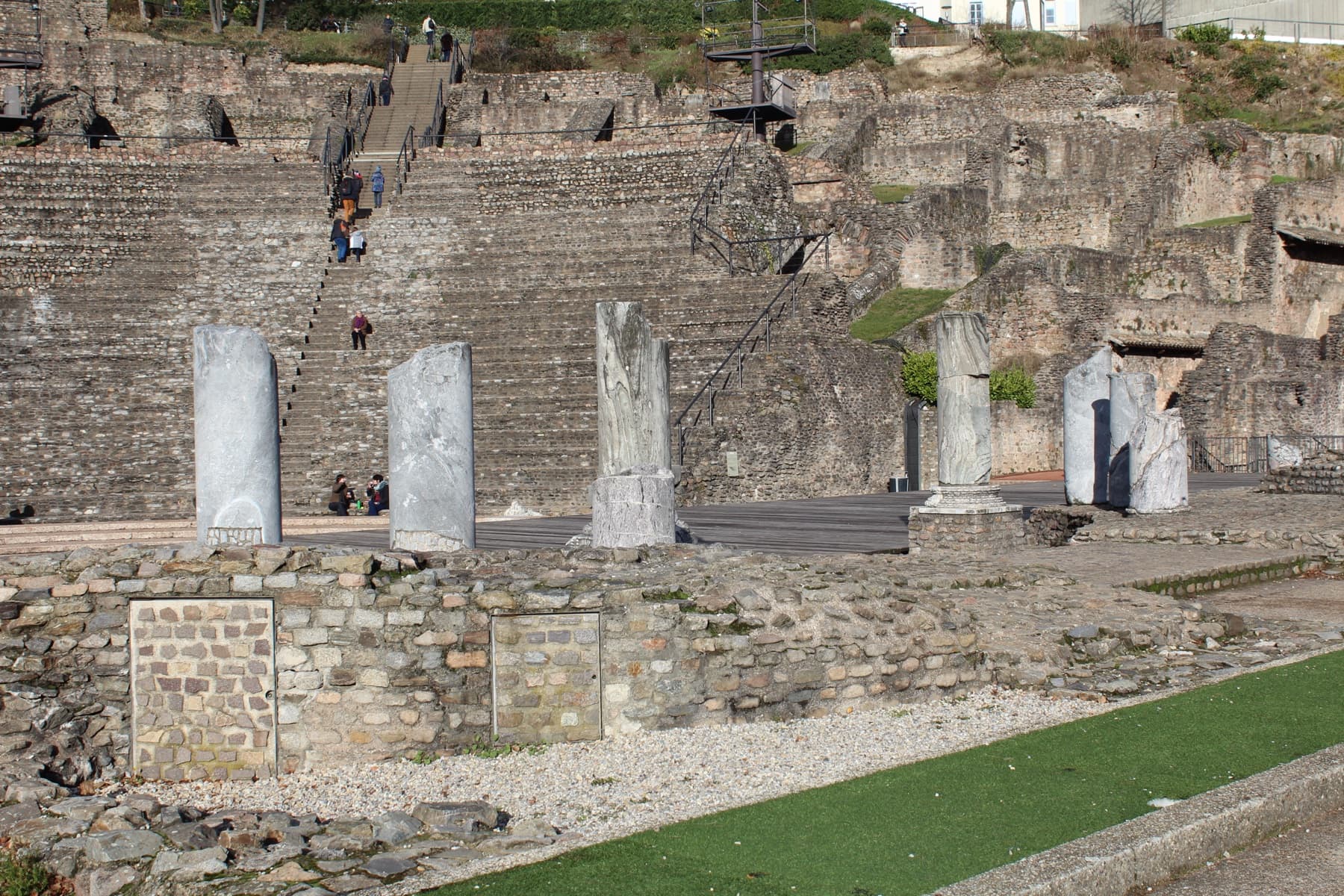
Lugdunum: The Capital of Roman Gaul
120 min · 4 km · easy
More from Lyon
Explore more at your own pace.
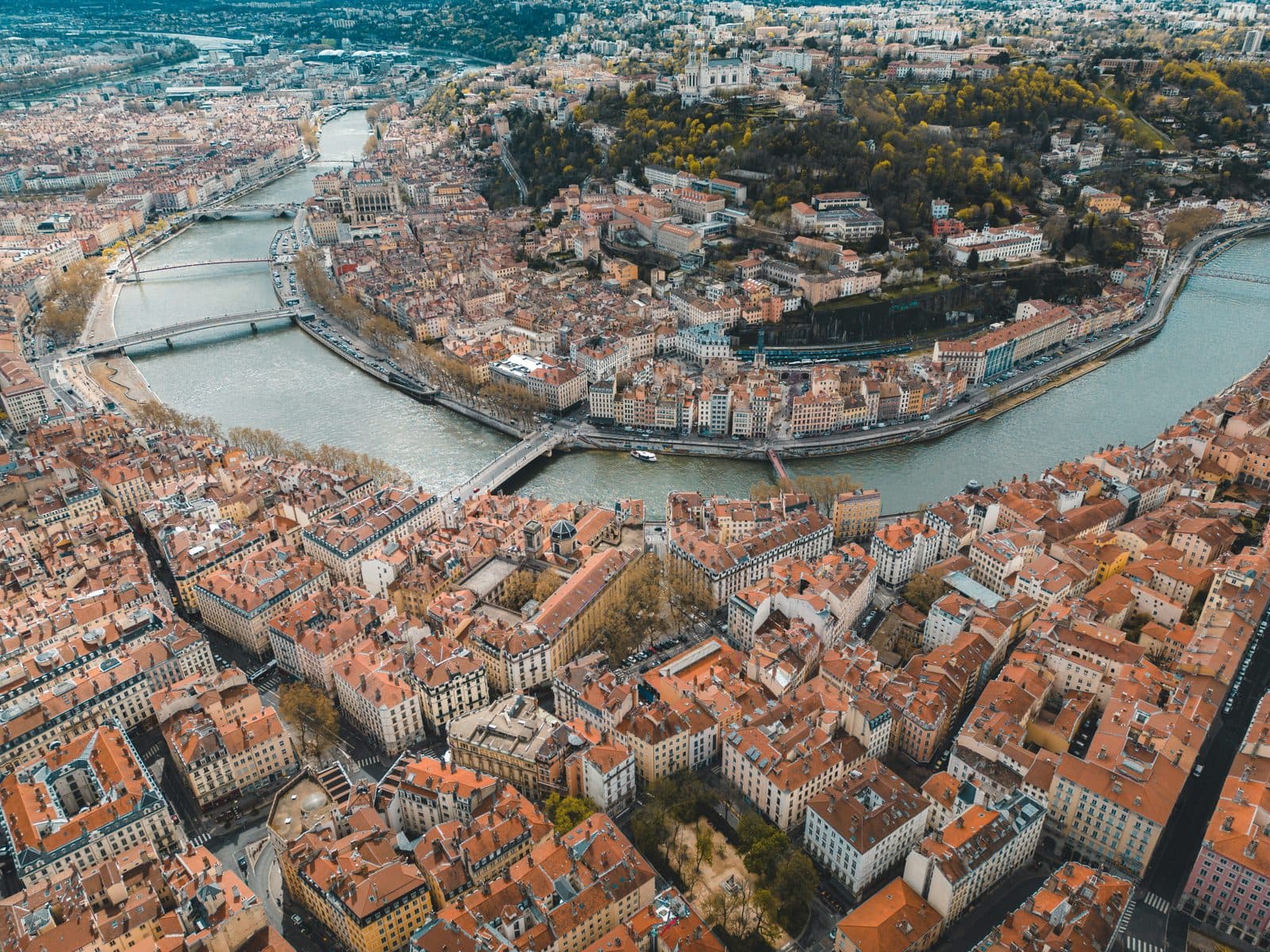
Lyon Travel Guide: How Many Days, Getting Around, When to Go (2026)
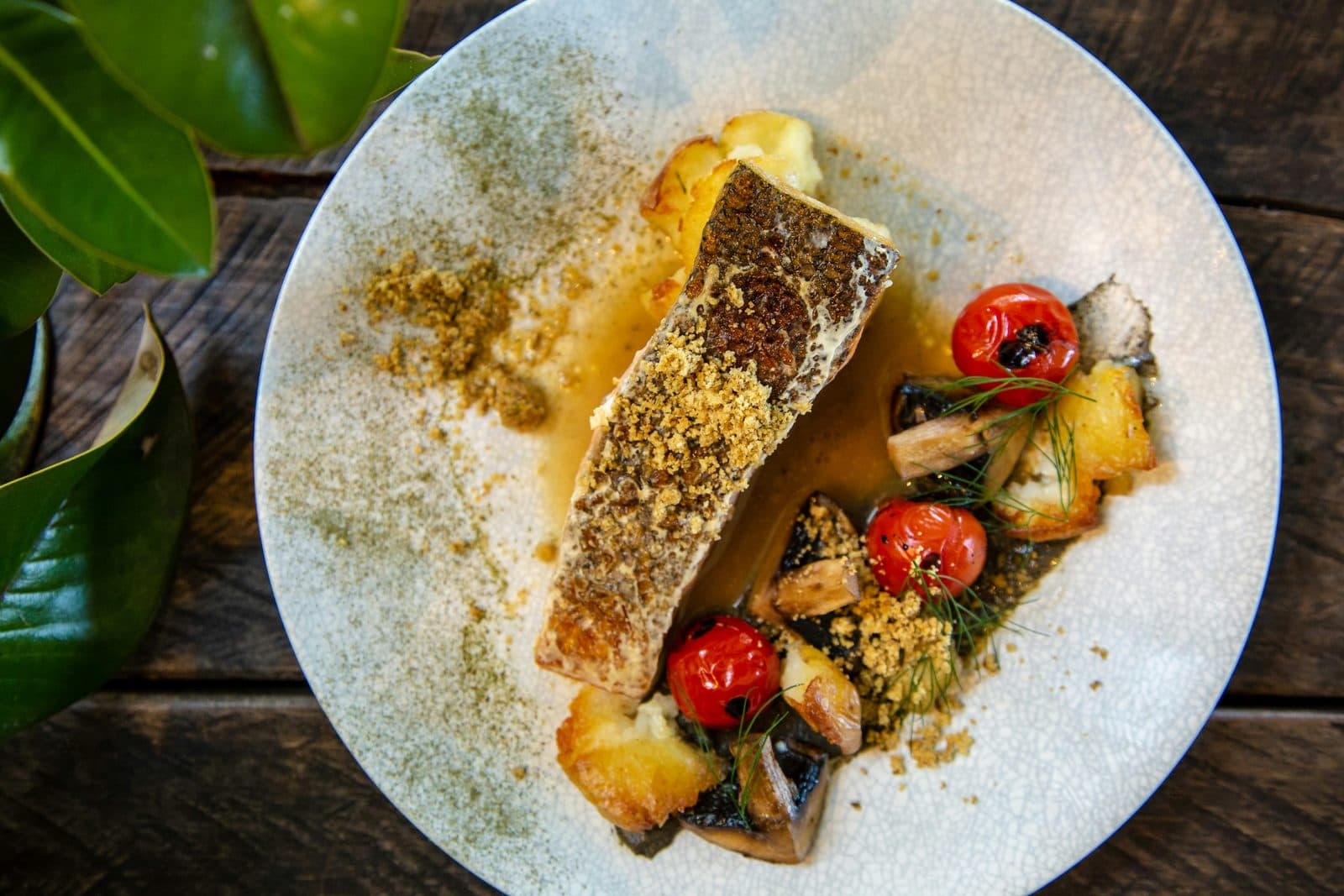
Bouchons and the Mères Lyonnaises: How Lyon's Working Kitchens Made It the Capital of French Food
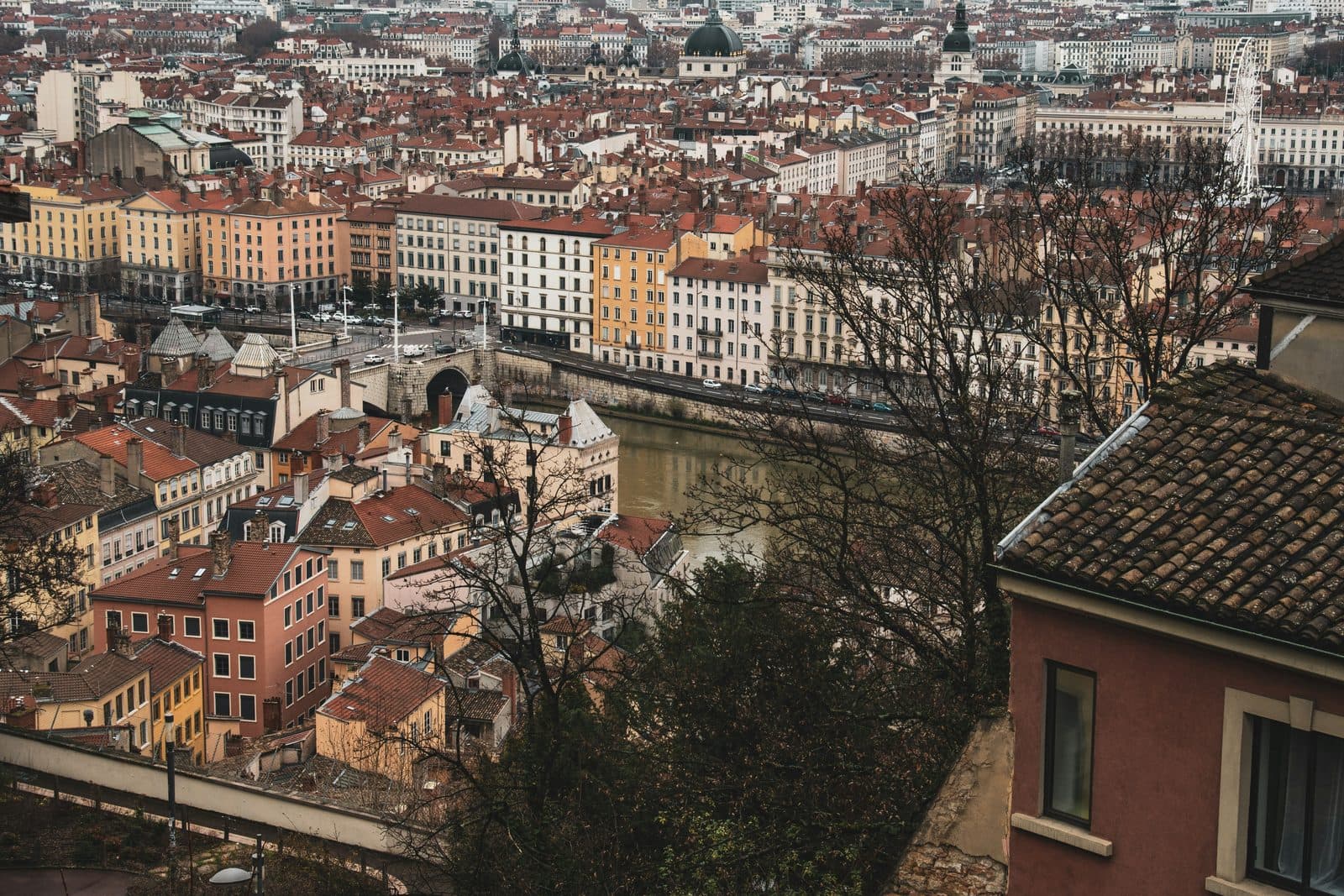
The City Silk Built: How One Fabric Made Three Different Lyons
Croix-Rousse: The Hill Where One Machine Built a Neighbourhood and a Rebellion

La Longue Traboule: Walking Through Four Buildings Without Touching a Street
