The Vieux Lyon tour walks seven stops through the largest Renaissance ensemble in France, and its whole argument turns on one strange fact: the passages you thread through were built for one purpose and, four centuries later, served a second, incompatible one. The stones are the constant. The cargo and the regime are not. Here is the ground the tour covers, and why each stop earns its place.
What a traboule actually is
A traboule is a covered passage cut through the interior of a block, letting you cross from one street to another without going around. The word comes from the Latin trans-ambulare, to walk across. Lyon has roughly five hundred of them citywide; the Vieux Lyon quarter alone holds about two hundred and fifteen, the canonical figure the Lyon Tourist Office uses. They were not built as tourist curiosities. They were commercial infrastructure. Silk merchants used them to move bolts of cloth between the river and the workshops without exposing the fabric to rain, and residents used them as shortcuts on a steep, tightly packed hillside.
The tour opens at Place Saint-Jean, on the forecourt of the Primatial Cathedral of Saint John the Baptist, whose construction ran from 1175 to 1480 and whose astronomical clock was first documented in 1383. This is the spine of the quarter, and the point where the Chronicler sets the frame: Italian bankers, royal trade fairs, and a network of passages you are about to enter.
The merchant city
Hear a stop from this walk
Saône Vantage: Silk to Resistance, Across the Rhône
The next stops build the Renaissance layer. Place du Change sits at the head of the Saône bridge, the commercial heart where money changed hands during the Lyon Fairs. Hôtel Bullioud, at 8 rue Juiverie, carries a gallery designed by Philibert de l'Orme, the Lyonnais architect who studied in Rome from 1533 to 1536 and brought a fully French Renaissance vocabulary home with him. He was not a foreign import; he was a local who went to Italy and came back fluent.
Hôtel de Gadagne, on the Place du Petit Collège, is the tour's clearest statement of who paid for all this. It was the townhouse of the Gadagne family, Florentine banker-merchants so wealthy that a French expression, "as rich as Gadagne," survived them. If you want the deeper backstory of why Italian bankers ended up building Lyon at all, our city thesis on the silk trade traces the royal privilege that pulled them north.
The turn
The climax is La Longue Traboule, the longest passage in Old Lyon, running from 54 rue Saint-Jean through four separate buildings and several interior courtyards to emerge at 27 rue du Bœuf. This is where the tour stops explaining traboules and lets you walk one. It is worth its own read; we cover it in detail in the Longue Traboule jewel piece.
Then the register shifts. Maison des Avocats anchors the preservation story: in 1964, under the 1962 Loi Malraux, Vieux Lyon became France's very first protected sector, the reason the whole network is still walkable rather than demolished. And the final stop, a vantage on the Saône embankment, reads east across the Rhône toward the building that was the Gestapo's Lyon headquarters and is today the Centre d'histoire de la résistance et de la déportation.
The doubling
Here is the paradox the tour is built around. In 1942, when Lyon fell under direct German occupation, the same passages that had moved silk became the circulation system of the Lyon Resistance. The Lyonnais carried the map of the network in their heads. The occupiers did not. People, documents, and arms moved through interiors that looked, from any street, like solid blocks of buildings.
The tour holds this claim carefully, at the level the sources support: institutional memory and survivor testimony, not a minute-by-minute operational history, and it names no invented operatives. Jean Moulin, the Resistance leader tortured in Lyon in 1943, is placed accurately: he died in transit near Metz on 8 July 1943, not in the city itself. What the tour asserts is the architecture, and the architecture is undeniable. The same stones served two regimes four hundred years apart.
Why walk it
Vieux Lyon rewards the self-guided format. You set your own pace through the passages, linger in the courtyards the merchants built, and read the Resistance layer at the closing vantage without a group hurrying you along. If you want the wider arc first, start with the silk city thesis or compare the merchant hill with the worker hill in our Croix-Rousse companion. Then walk the Vieux Lyon tour and thread the network yourself.
Ready to experience it?
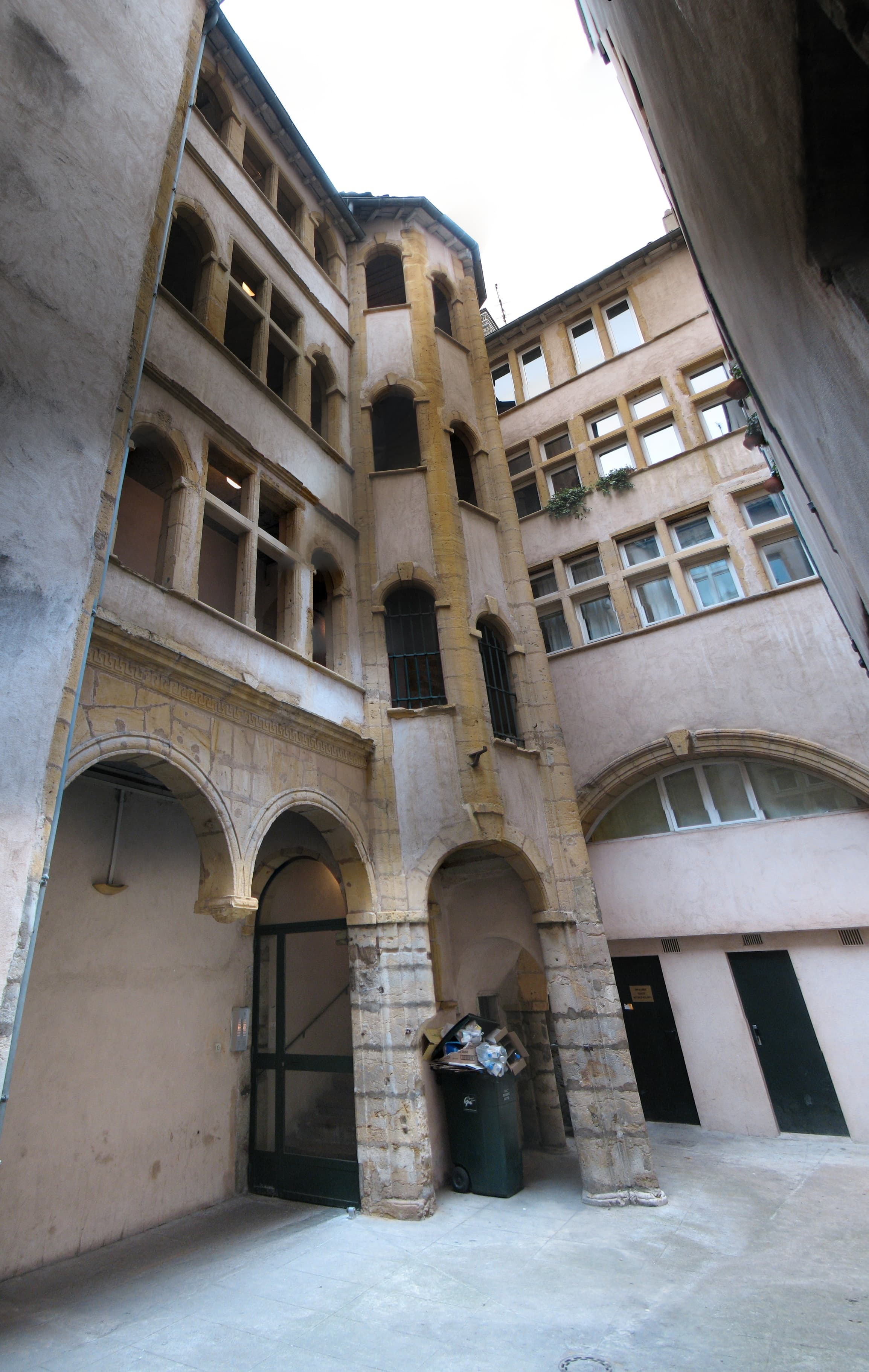
Vieux Lyon's Hidden Passages: From Silk to Resistance
80 min · 1.6 km · easy
More from Lyon
Explore more at your own pace.
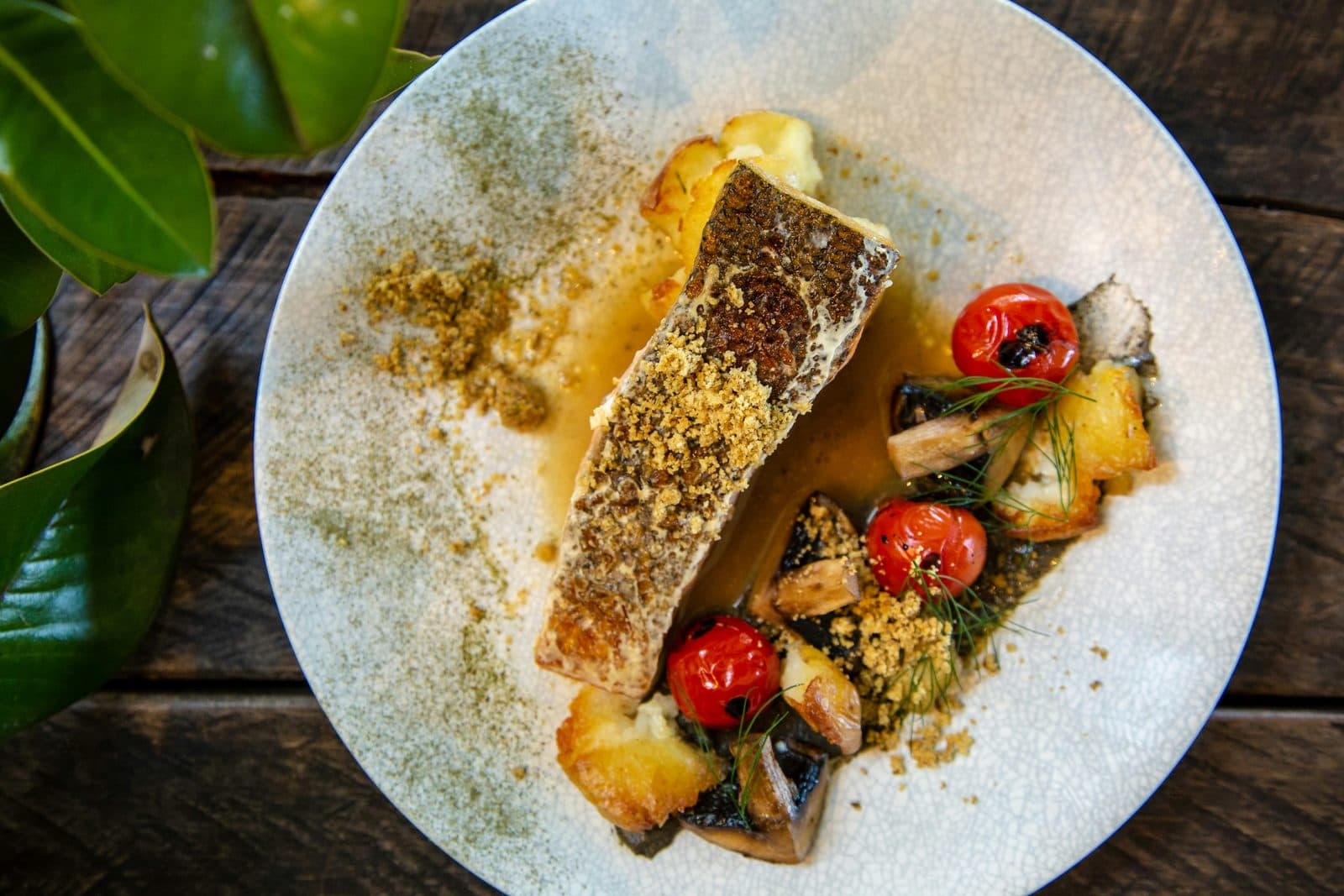
Bouchons and the Mères Lyonnaises: How Lyon's Working Kitchens Made It the Capital of French Food
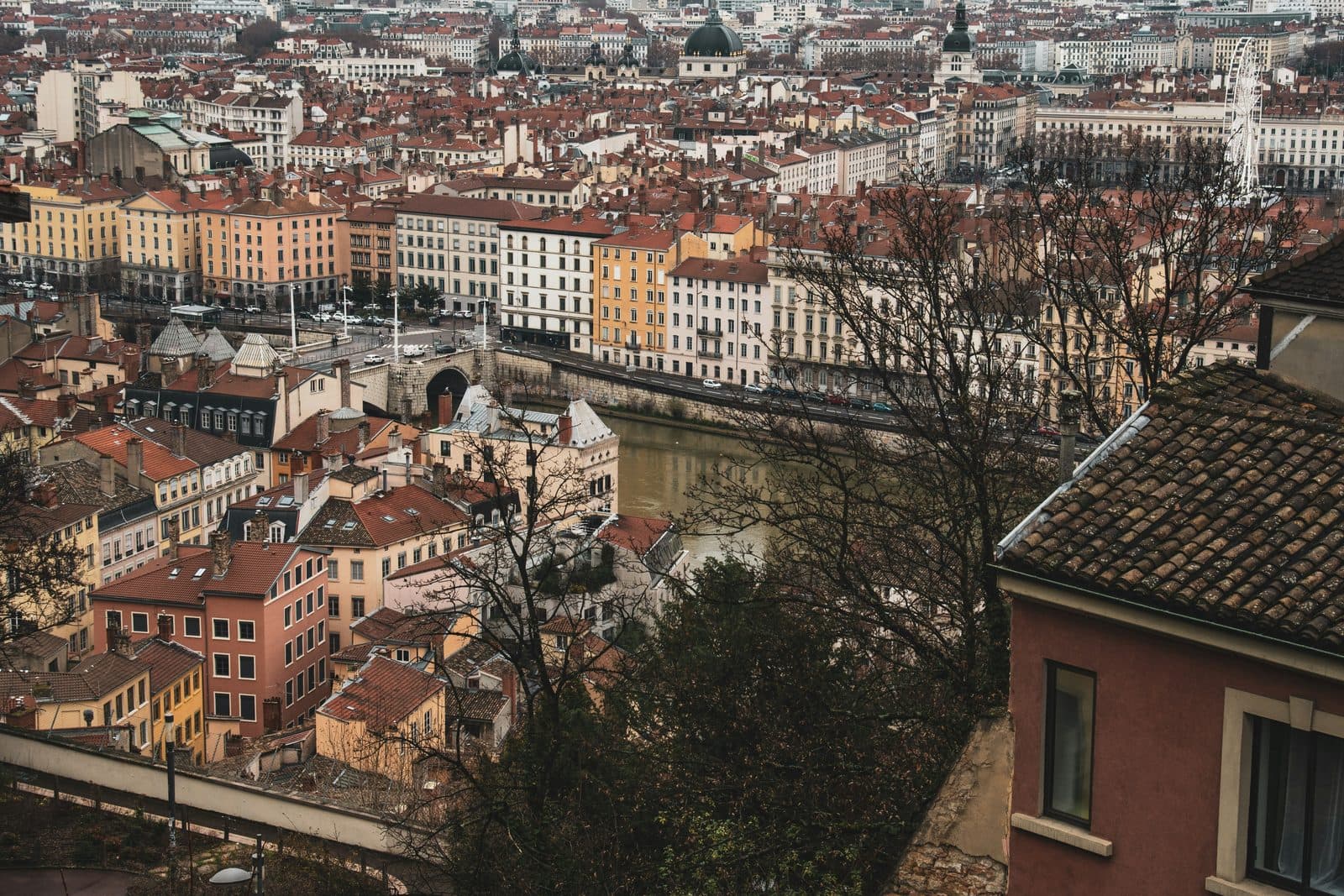
The City Silk Built: How One Fabric Made Three Different Lyons
Croix-Rousse: The Hill Where One Machine Built a Neighbourhood and a Rebellion
Fourvière and Lugdunum: How to Read the Capital of Roman Gaul on One Hill

La Longue Traboule: Walking Through Four Buildings Without Touching a Street
