
Enter at 54 rue Saint-Jean. A plain doorway, easy to miss, opens into a vaulted corridor. You cross a courtyard, pass under another vault, climb past a spiral stair tower, cross a second courtyard, and keep going until, some distance later, you step out onto 27 rue du Bœuf, a street you never touched from the outside. You have just walked through four separate buildings and several interior courtyards without once being on a public road. This is the Longue Traboule, the longest passage in Old Lyon, and it is the single best lesson the Vieux Lyon tour gives you in what a traboule actually is.
What you are walking through
A traboule is a covered passage cut through the interior of a city block, connecting one street to another. The word comes from the Latin trans-ambulare, to walk across. Most traboules link two parallel streets through a single building. The Longue Traboule is exceptional because it does not stop at one building. It threads four of them together, stitching a continuous private interior route across an entire block of the Saint-Jean quarter.
That is why it is the climax stop of the tour rather than just another passage. Standing in one of its interior courtyards, you can see the logic of the whole quarter at once: buildings that present a solid, closed face to the street but are riddled with connections on the inside, a hillside honeycombed with routes only the residents knew.
Why the city built them
Hear a stop from this walk
Saône Vantage: Silk to Resistance, Across the Rhône
The traboules were not romantic. They were infrastructure. Lyon sits on a steep, tightly packed slope between the Saône and the Fourvière hill, and the streets run mostly parallel to the river. Getting from an upper street to a lower one meant a long detour unless you could cut straight through a block. Silk merchants used the passages to move bolts of cloth between the workshops and the river landings without exposing the fabric to rain. Residents used them as shortcuts and, on a crowded hillside, as a way to reach a well or a neighbouring street quickly.
The passages date from the Renaissance boom, when the silk trade and the Lyon Fairs made this quarter one of the wealthiest in Europe. The whole context of why Italian bankers and silk money filled these blocks is the subject of our Lyon silk city thesis.
The second life
There is a reason the traboules of Vieux Lyon are famous beyond architecture. In 1942, when Lyon fell under direct German occupation, the network of interior passages became a tool of the Lyon Resistance. People who knew the map in their heads could move through the interiors of blocks that looked, from the street, entirely solid and closed. The tour treats this doubling as its central paradox, and handles it honestly: the claim rests on institutional memory and survivor testimony rather than a documented operational history, and no invented operatives are named. But the architecture makes the point on its own. A network built to move silk could move people, and the same stones served two very different centuries. The full arc is in our Vieux Lyon companion.
Walking it well
The Longue Traboule is open to the public, one of a set of Vieux Lyon passages accessible under a 1990 agreement between the city and private owners. That agreement is the reason you can walk it at all, and it asks for a simple courtesy: these courtyards are people's homes. Keep your voice down, do not prop doors, and photograph with discretion. Self-guided is the ideal way to take it, because you can pause in the courtyards, look up at the stair towers, and let the scale of the passage register without a group pressing behind you.
Walk it as the fifth stop on the Vieux Lyon traboules tour, where the narration builds from the cathedral forecourt to this moment, or read the whole quarter first through the silk city thesis.
Ready to experience it?
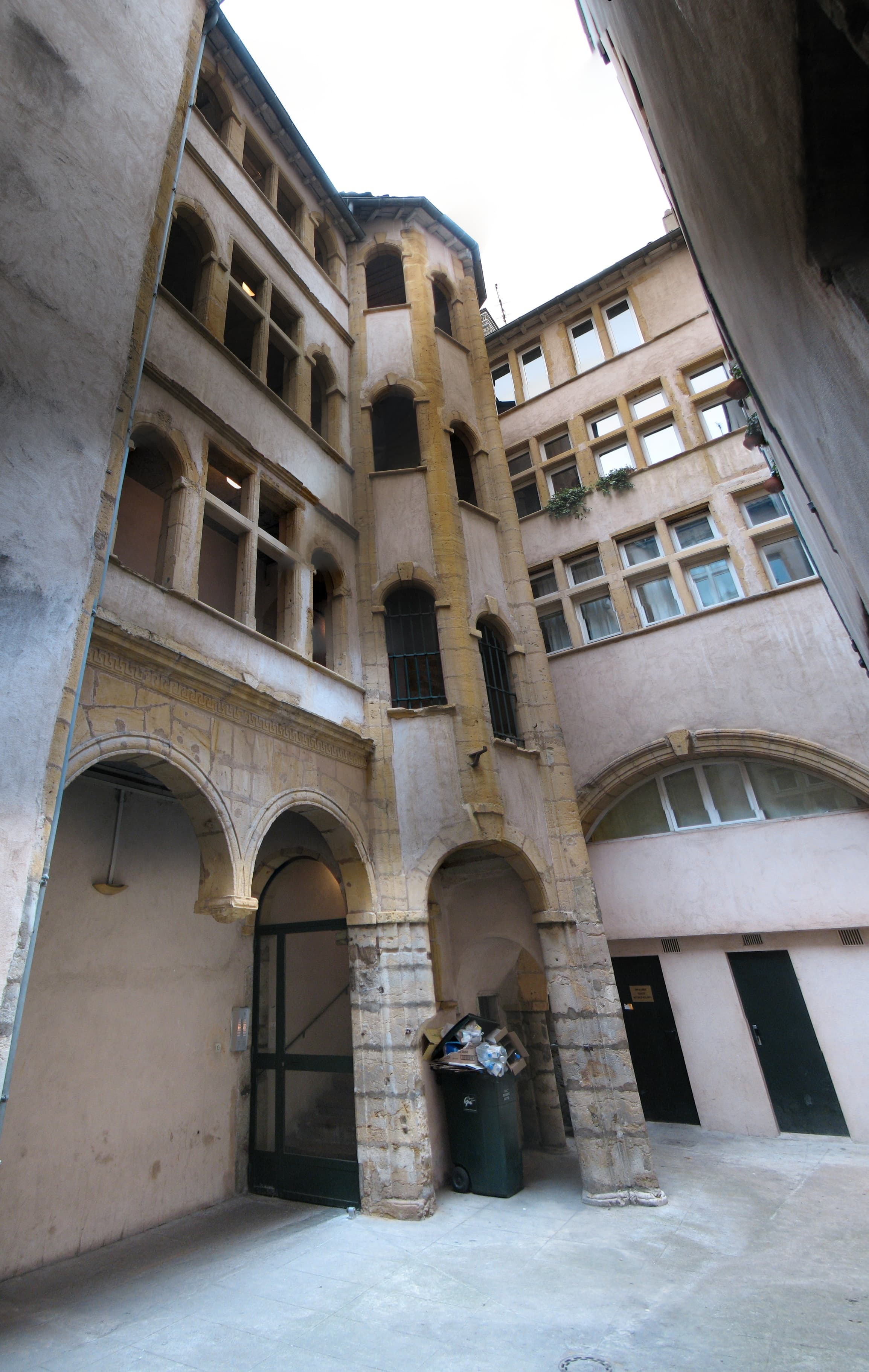
Vieux Lyon's Hidden Passages: From Silk to Resistance
80 min · 1.6 km · easy
More from Lyon
Explore more at your own pace.
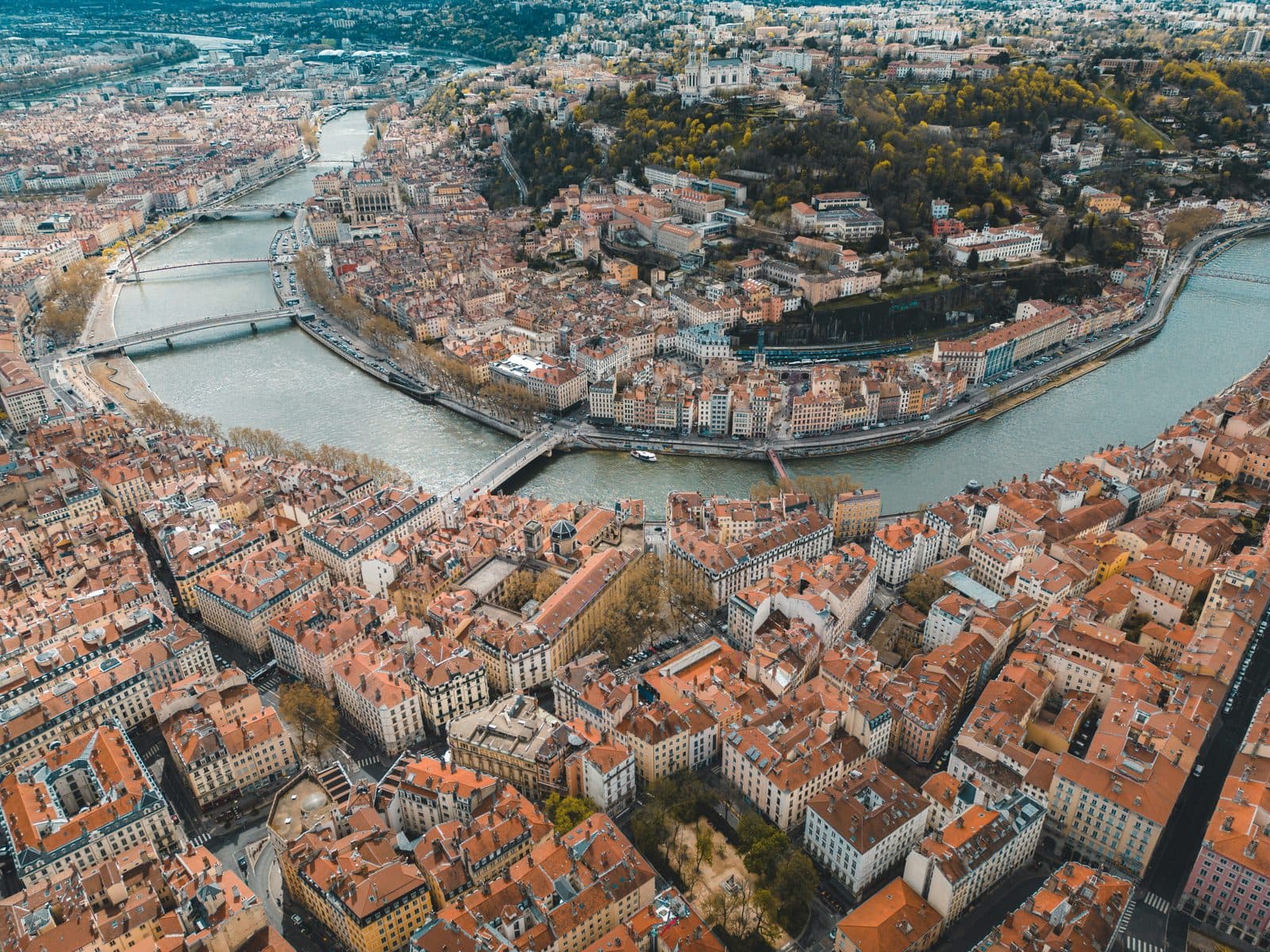
Lyon Travel Guide: How Many Days, Getting Around, When to Go (2026)
Bouchons and the Mères Lyonnaises: How Lyon's Working Kitchens Made It the Capital of French Food
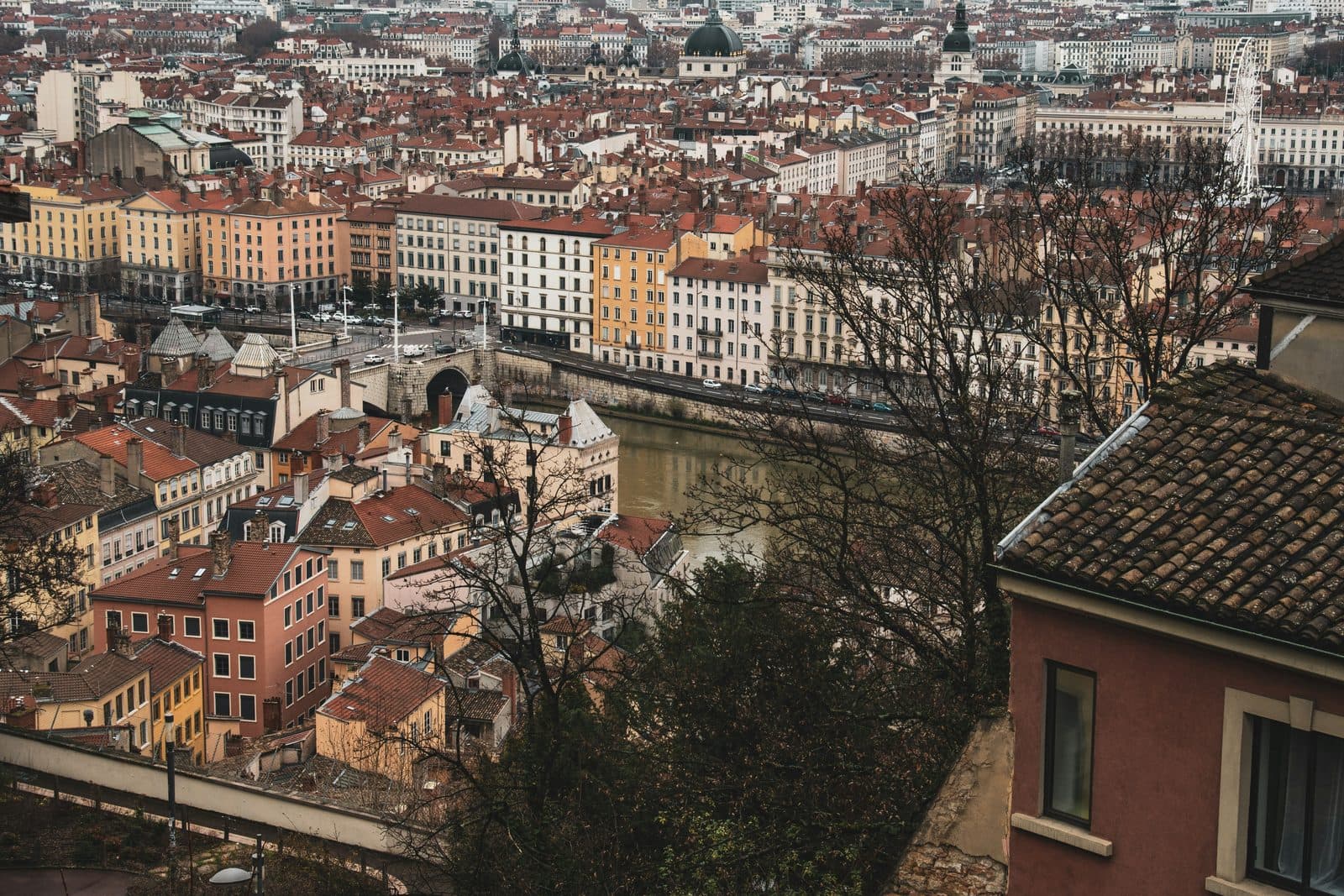
The City Silk Built: How One Fabric Made Three Different Lyons
Croix-Rousse: The Hill Where One Machine Built a Neighbourhood and a Rebellion
Fourvière and Lugdunum: How to Read the Capital of Roman Gaul on One Hill
