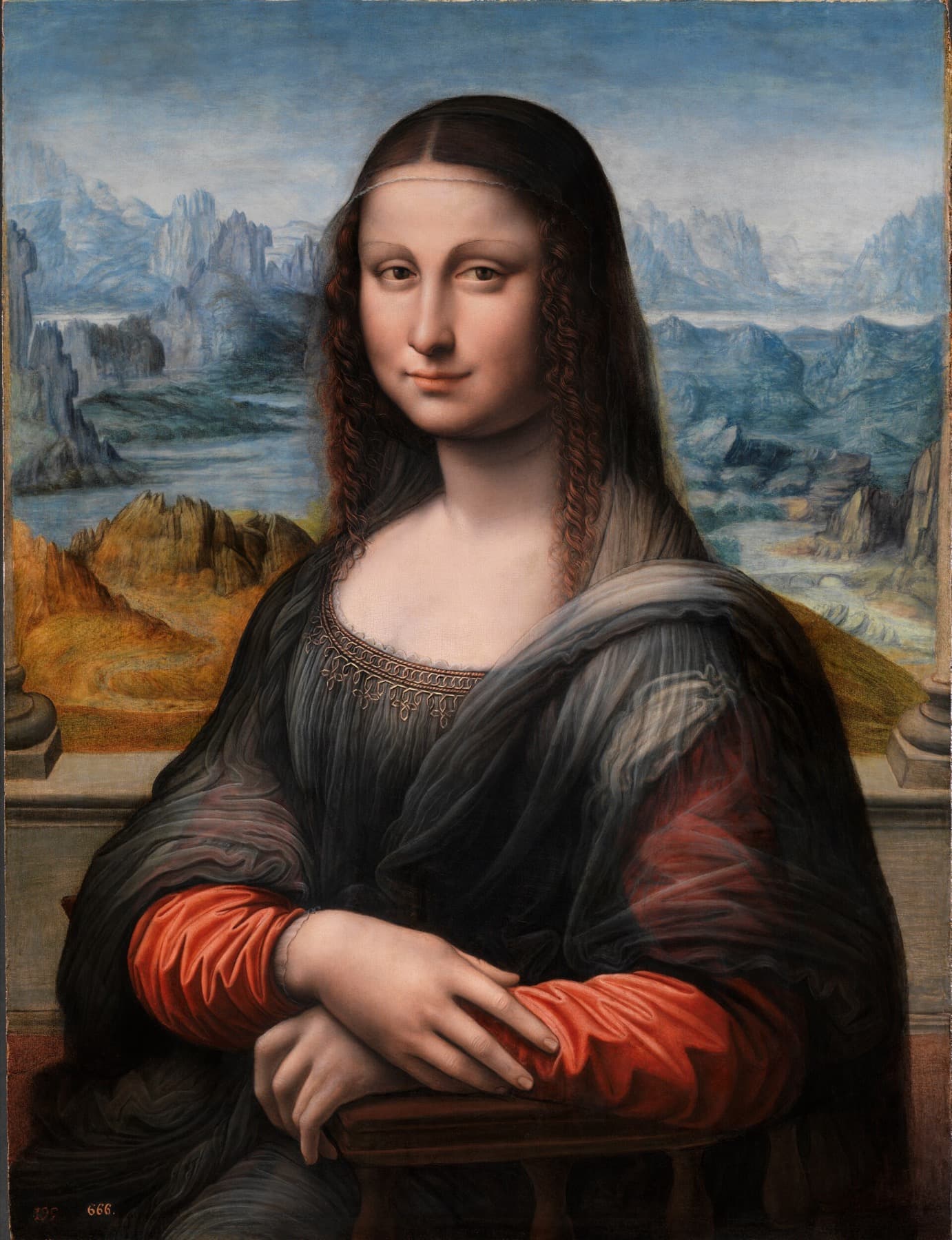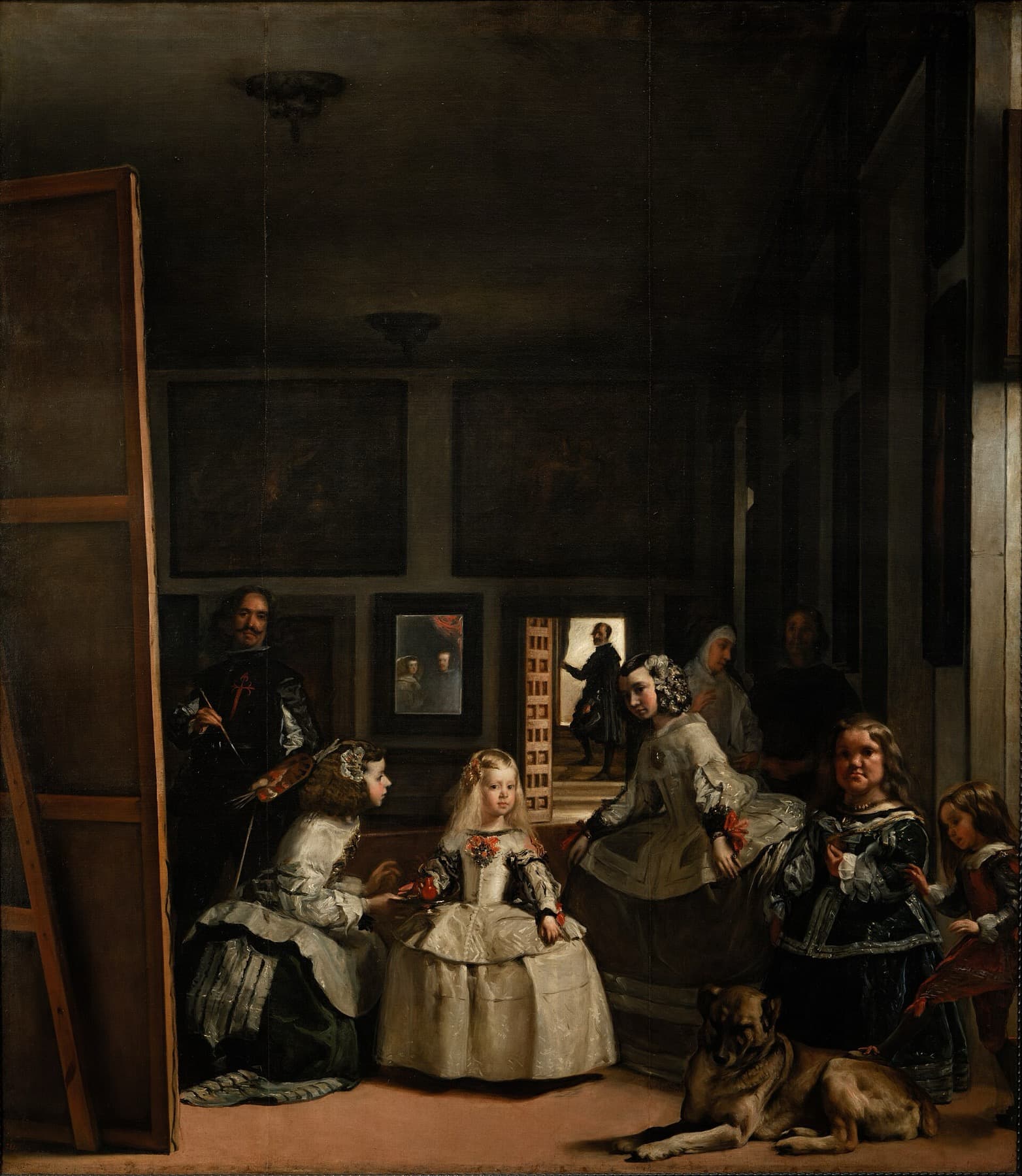
Plan about two hours for the Prado's highlights, or pick one of seven routes of 45 to 120 minutes. The ground floor holds Bosch, Bruegel, the Prado's Mona Lisa and Goya's Black Paintings, the main floor holds Velázquez in Room 12 along with El Greco, Titian, Rubens and Goya's court portraits, and the upper floor holds Rembrandt, the Dauphin's Treasure and Goya's tapestry cartoons. Works rotate, so check the museum's plan on the day.
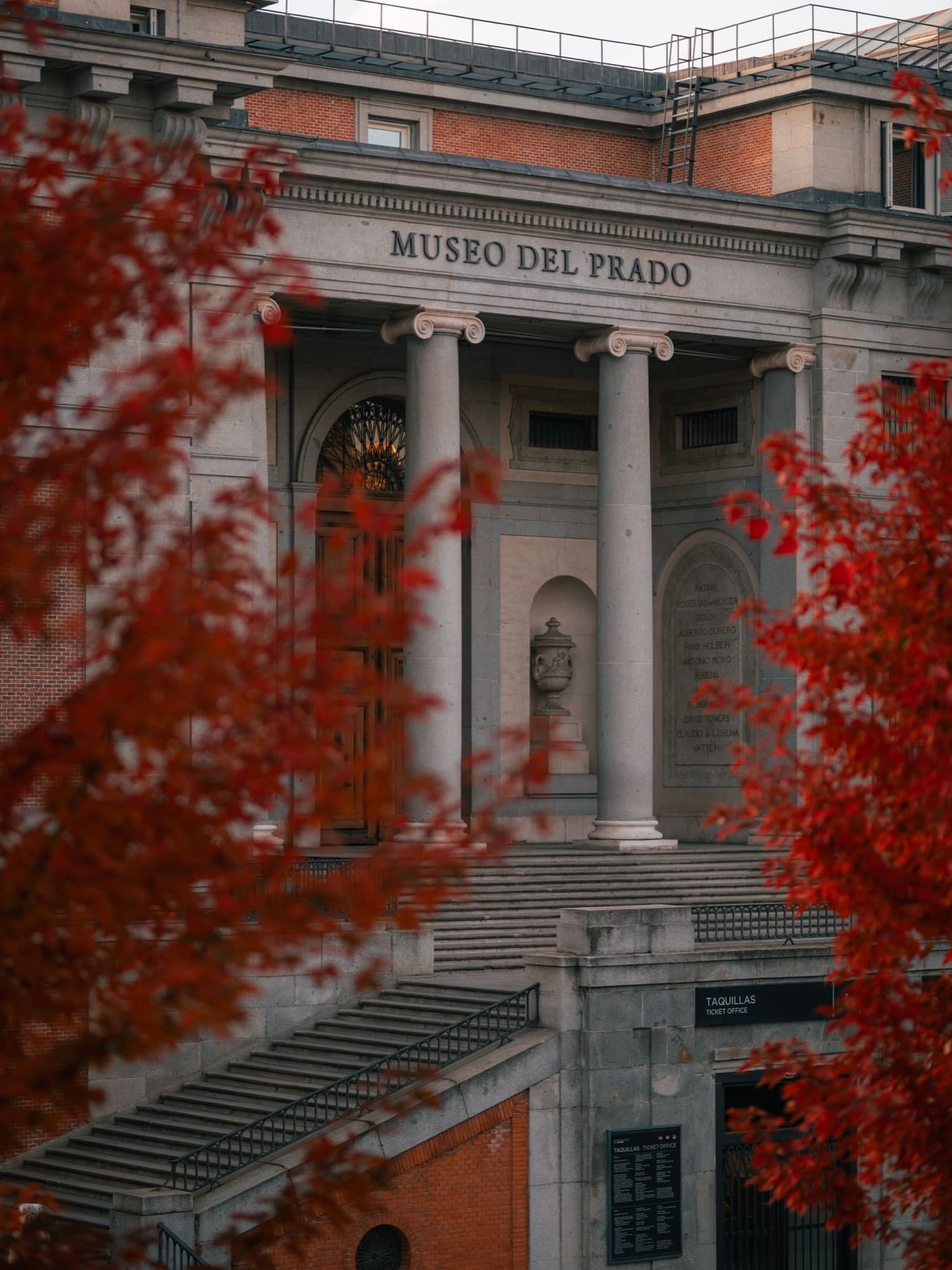
The Museo del Prado is the Spanish royal collection hung in a building that was meant for something else. If you are asking what to see, the short answer is Velázquez in Room 12 and the rooms around it on the main floor, Bosch and Bruegel on the ground floor, and Goya on all three levels. If you are asking how long it takes, the Roamer guide suggests about two hours for the highlights, and its seven routes run from 45 minutes to two hours.
The building came first, and it was for science
In 1785 King Charles III asked the architect Juan de Villanueva to design a home for a natural history cabinet beside the old Prado meadow. Work was slow, and French troops used the unfinished building as a cavalry barracks during the Peninsular War. It was the king's grandson, Ferdinand VII, who made it a museum of painting and sculpture, and it opened to the public in November 1819. The pictures came from a royal collection that Habsburg and then Bourbon kings had been building since the time of Charles V. In 2007 Rafael Moneo added a new wing and rebuilt a seventeenth-century monastery cloister inside it, stone by stone. Level -1 tells this story in Rooms 100 to 102, starting with the model of the building made in 1786.
The ground floor: Medieval Spain, Bosch, Italy and Goya's Black Paintings
Hear a stop from this walk
Buen Retiro: The Habsburg Park the Bourbons Opened
The ground floor ranges from the Middle Ages to the 19th century. At the north end, behind the Puerta de Goya, Rooms 50 to 52 hold giant Gothic altarpieces and twelfth-century frescoes taken from Castilian chapels. Room 52B has the Prado's Mona Lisa, a workshop copy restored in 2011 and 2012 to show the landscape it had lost.
Italy sits close by: Raphael in Room 49 with his cardinal in red, and Fra Angelico's Annunciation with Mantegna's small Death of the Virgin in Room 56B. In Room 56A are Philip II's Bosch paintings, led by The Garden of Earthly Delights. Bruegel's Triumph of Death is in Room 55A, Dürer's 1498 self-portrait in Room 55B, and Van der Weyden's Descent from the Cross in Room 58.
At the Murillo end is Goya's war. His two great canvases of the 1808 uprising and its executions are in Room 64. In Room 67 hang Goya's Black Paintings, the fourteen murals he painted on the walls of his own house. The ground floor also holds the 19th century, from Sorolla to the big history paintings of Room 75, and the sculpture rooms, 47 and 71 to 74, where ancient marbles carry their later restorers' work.
The main floor: Velázquez, El Greco, Titian, Rubens and Goya at court
Take the stairs up and the Prado turns royal. Room 12 is where Las Meninas hangs, with the royal horsemen from the Hall of Realms and the hunters from the Torre de la Parada around it. The nearby rooms hold the rest of Velázquez: the Surrender of Breda in 9A, the Forge of Vulcan in 11, the jesters in 15 and Las Hilanderas in 15A.
El Greco is in 8B, where The Nobleman with his Hand on his Chest hangs, and in 9B, with the pieces from his Madrid altarpiece. Ribera fills Rooms 8 and 9, Zurbarán Room 10A, and Murillo Rooms 16 to 18. The Venetian rooms, 24 to 27 and 41 to 44, are Titian's: the Charles V at Mühlberg in Room 27, the Danaë in Room 44. Rubens has Rooms 28 and 29, where The Three Graces hangs.
Goya's court years run along the far end in Rooms 32 to 38: the Family of Charles IV in 32, the Majas side by side in 38, and the portraits and the strange pictures he painted after he went deaf.
The upper floor: Rembrandt, small wonders and Goya's cartoons
The upper floor is quieter and rewards a slow look. Room 76 has the museum's one accepted Rembrandt, Judith at the Banquet of Holofernes. Room 79B holds the Dauphin's Treasure, cups and vases of rock crystal, agate and jasper mounted in gold, collected by Louis XIV's son and inherited by Philip V. Rooms 81 to 83 are the Flemish still-life rooms, with Clara Peeters's four tabletop still lifes in Room 82 and her self-portrait hidden in the reflections.
At the Murillo end, Rooms 85 and 90 to 94 hold Goya's full-size designs for tapestries, the sunny scenes of Madrid life that he painted before illness changed him. The Parasol is in Room 90.
How long it takes, and what to do with less
The museum is large, and the useful question is not how to finish it but which rooms to walk. If you have two hours, take the masterpieces route. If you have an hour, take the one-hour route and stop wherever a room holds you. If you love one painter or one idea, pick the route for it. Short, skippable stops are the point: nobody is waiting for you to move on, and you can end a route at any room.
What may not be on the walls
Works travel on loan and rooms are rehung, so treat any list, including this one, as a plan and not a promise. The Roamer guide was built from the museum's own room lists, read on 12 October 2026. Check the museum's plan on the day, and when a famous title is missing, look at its neighbours instead.
Seven ready-made routes
The Roamer guide groups the museum into seven routes. Each is a plan on its own, and you can leave any of them at any stop.
- The Prado in an Hour (60 minutes, 13 stops): the Garden of Earthly Delights, Bruegel, Van der Weyden, Dürer, Las Meninas, Las Hilanderas, El Greco, Titian, Rubens, the Family of Charles IV, the Naked Maja, the Third of May and Saturn.
- The Masterpieces in Two Hours (120 minutes, 26 stops): from Fra Angelico and the Prado's Mona Lisa to Velázquez, Titian and the Black Paintings.
- Velázquez, Room by Room (50 minutes, 11 stops): the Surrender of Breda and the Forge of Vulcan through Las Meninas, the court jesters and Las Hilanderas.
- Goya: From Light to Dark (75 minutes, 15 stops): the tapestry cartoons upstairs, the court portraits and the Majas, then the Third of May and the Black Paintings.
- Bosch, Bruegel and the North (45 minutes, 12 stops): the ground-floor Flemish and German rooms.
- Kings Who Collected (50 minutes, 10 stops): Charles V and Titian, Philip IV and Velázquez, the last Habsburg and the first Bourbons, ending with Goya's royal family.
- Still Lifes and Small Wonders (50 minutes, 11 stops): Sánchez Cotán, Zurbarán, Meléndez, Clara Peeters and the Dauphin's Treasure.
How this fits the Roamer guide
Roamer's Prado guide works room by room, at your own pace and with no group to keep up with: open any room, hear its story, skip what you do not want. It is an independent guide and is not affiliated with the museum, and admission to the museum is separate. You can find it here: the Museo del Prado guide. For the boulevard outside, try the Paseo del Arte walk, or read how the museum mile was finished by decree.
Cover: Las Meninas, Diego Velázquez, Museo del Prado. Photograph from Wikimedia Commons (the Prado image in Google Earth), public domain.
Ready to experience it?
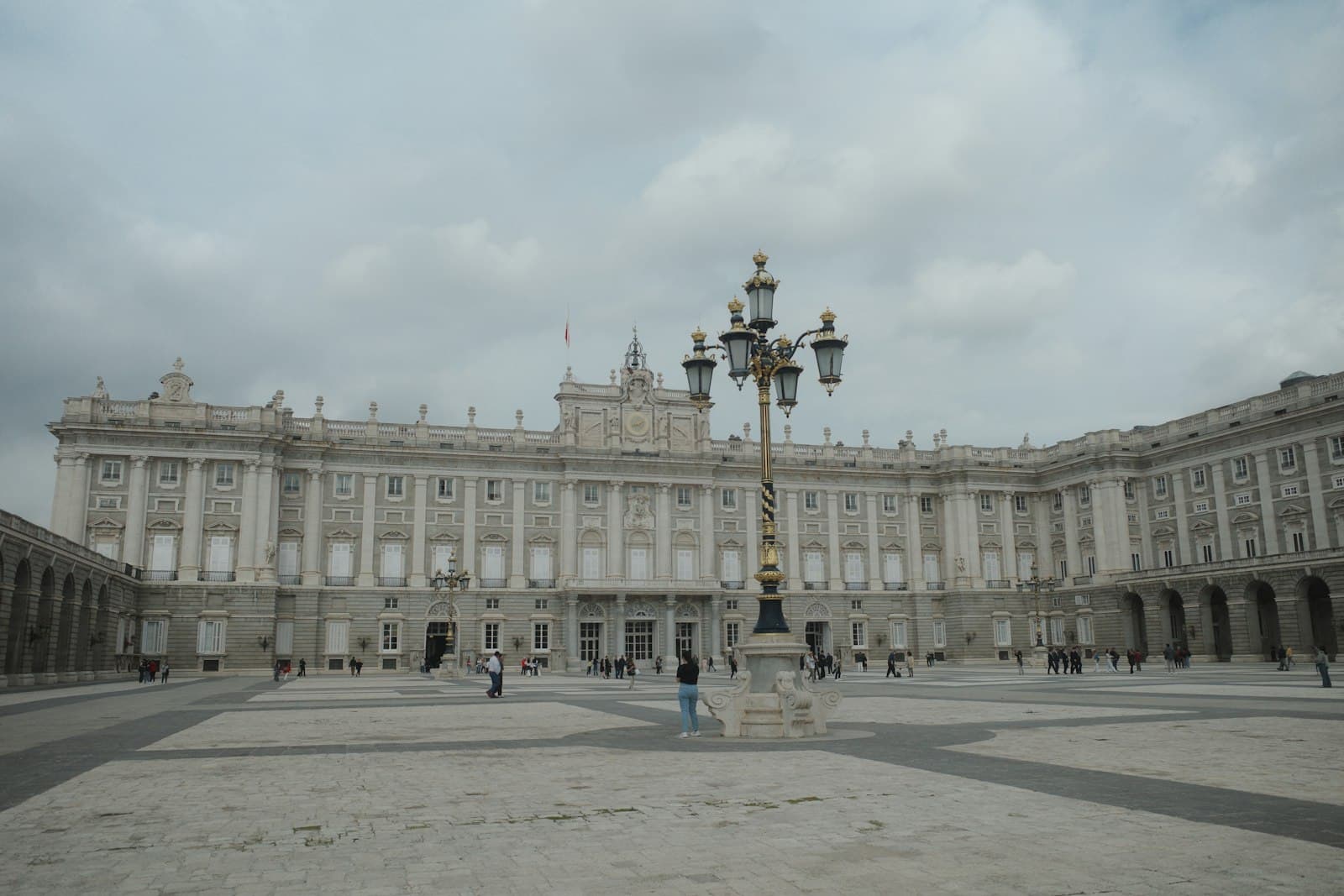
Capital by Decree: The Habsburg-Bourbon Spine of Madrid
130 min · 6.5 km · moderate
More from Madrid
Explore more at your own pace.
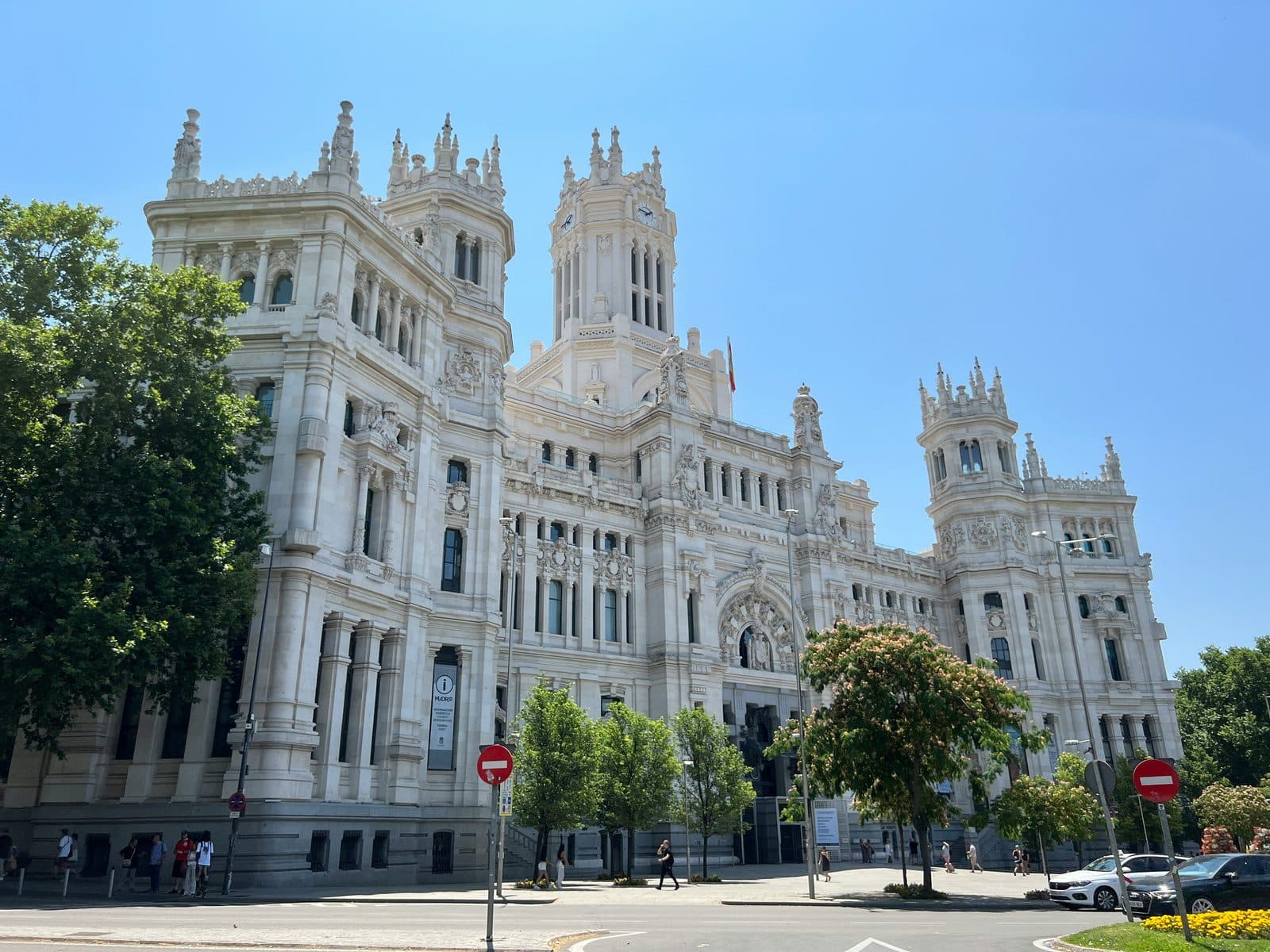
Capital by Decree: Why Madrid Is the Capital of Spain

Eating Through Lavapiés: A Neighborhood You Can Taste in Layers
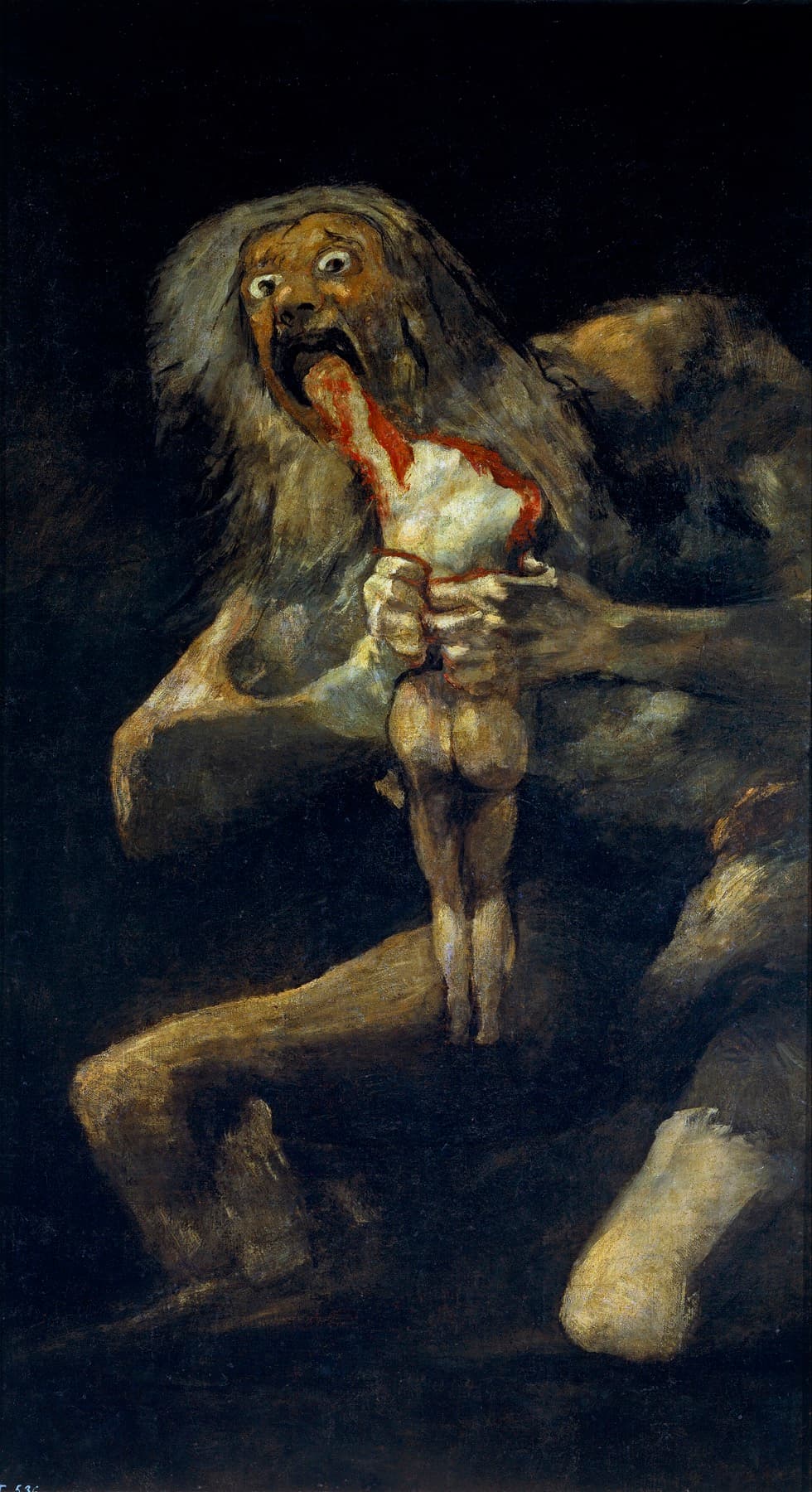
Goya's Black Paintings: Saturn, the Dog and the House That No Longer Exists
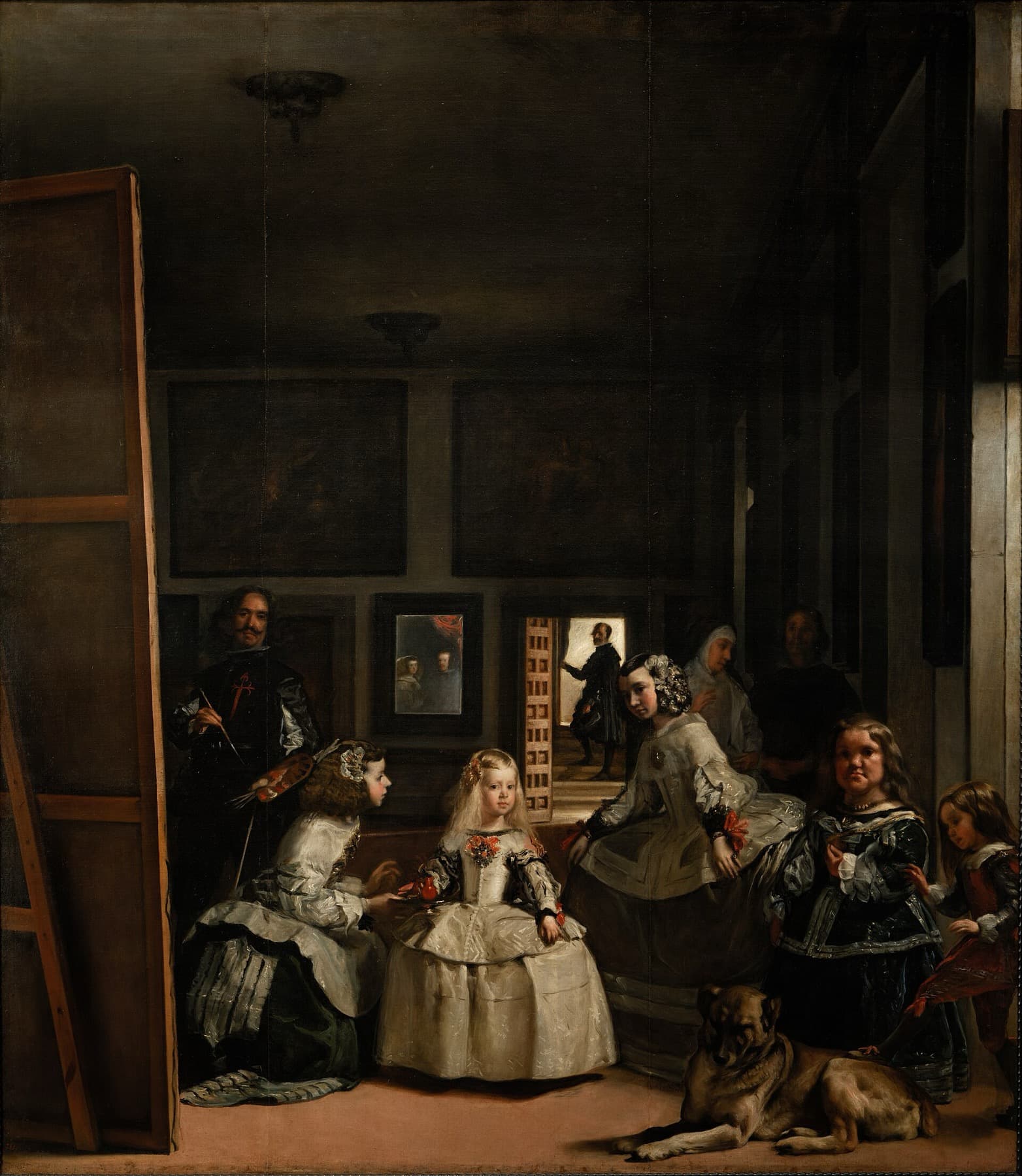
Las Meninas: Who Is Looking at Whom, in Room 12
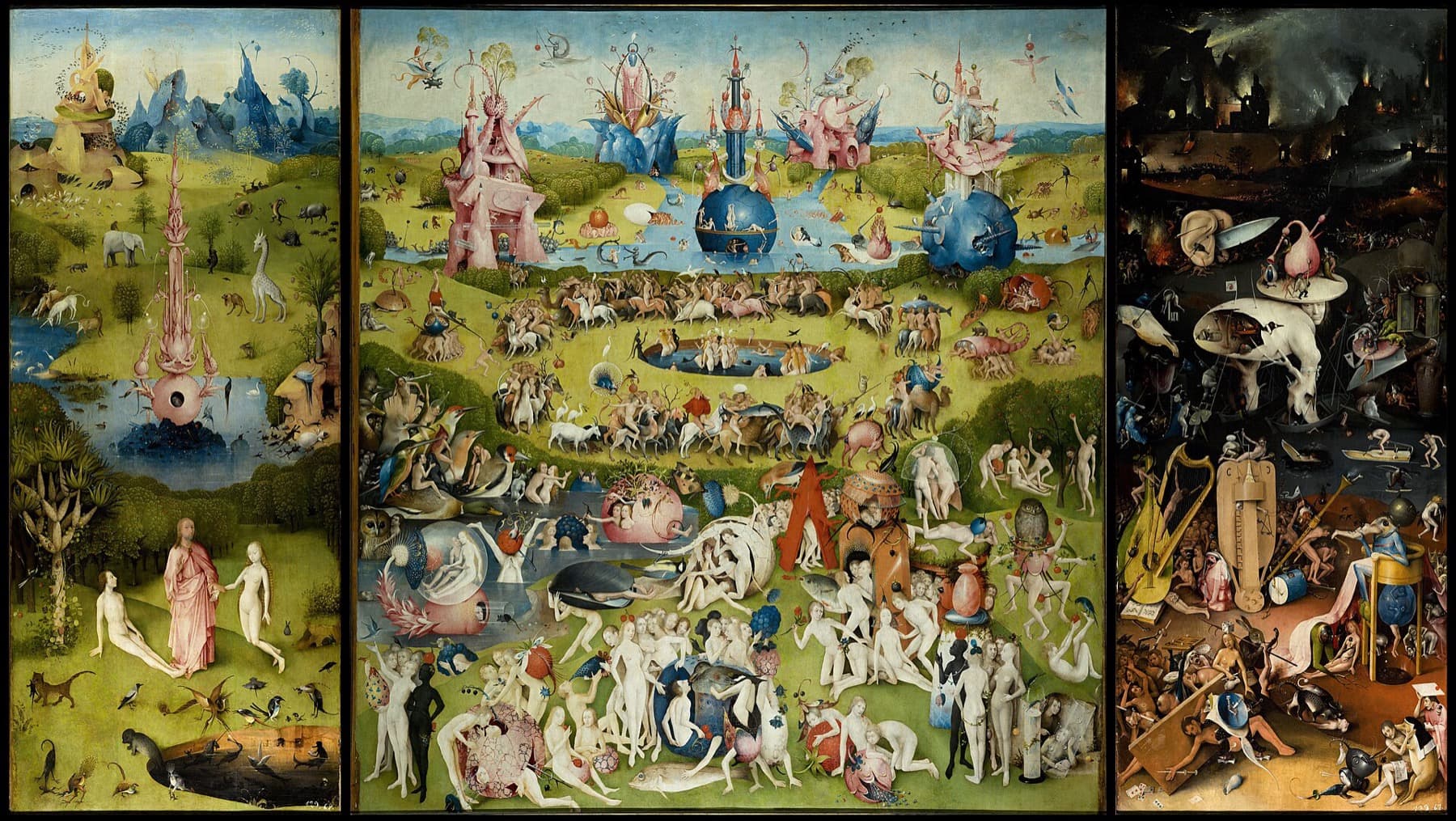
The Garden of Earthly Delights: What It Means and Why It Is in Madrid