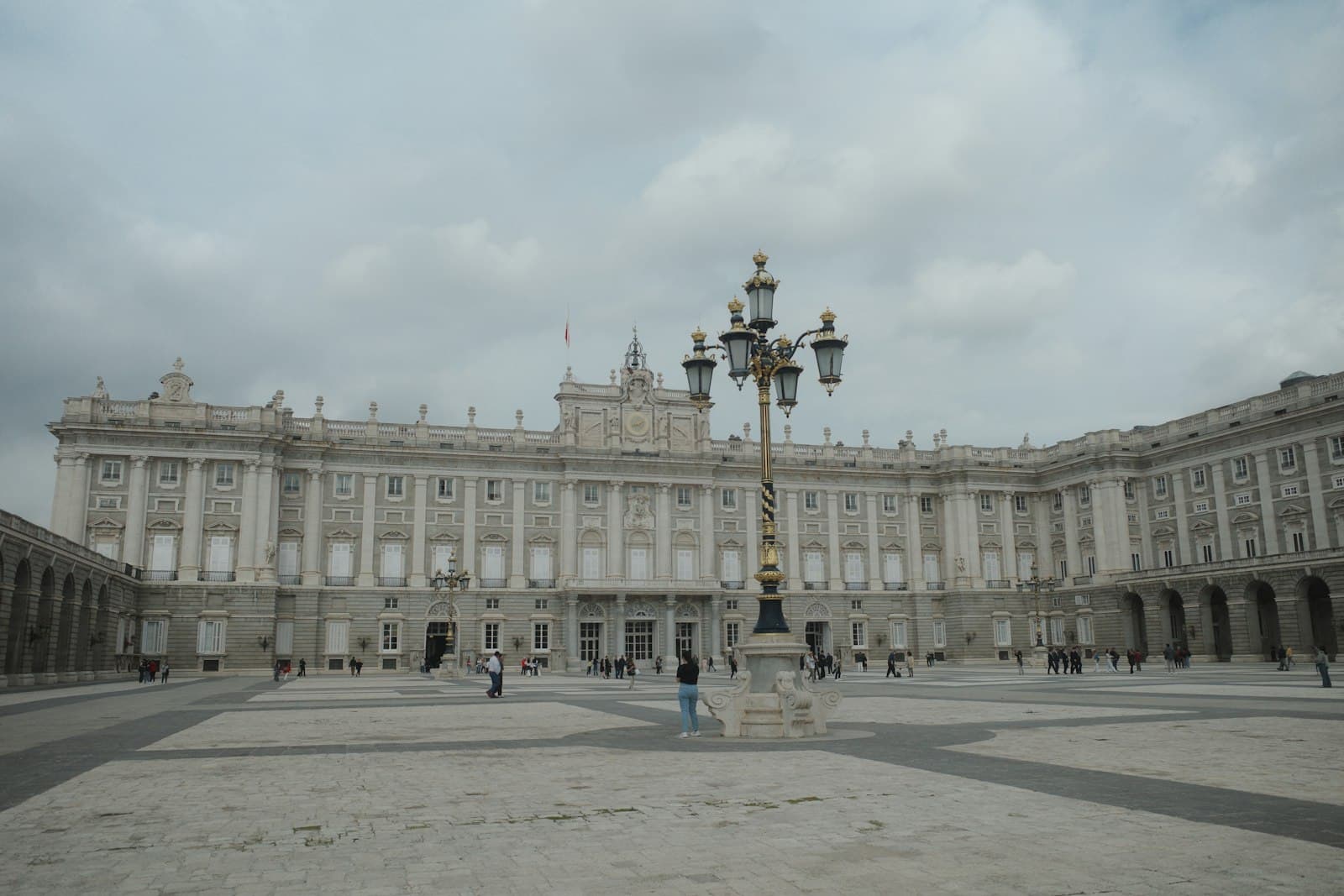
Capital by Decree: The Habsburg-Bourbon Spine of Madrid
130 min · 6.5 km · moderate
Madrid food is a landlocked capital cuisine, built for cold winter nights and long working days. It is hearty and slow-cooked where the coast is quick and grilled: stews that simmer for hours, a fried-squid sandwich that makes no geographic sense until you remember Madrid spent centuries pulling the whole country, its people and its produce, toward the center. And it is above all a taberna cuisine, eaten in small plates across many bars over a long evening. Eat well in Madrid and you are really eating the way the city works. This guide covers the dishes worth seeking out and where the food culture lives, and it pairs naturally with a slow walk on one of our Madrid self-guided tours.
The dishes to seek out
Cocido madrileño. Madrid defining dish: a slow-cooked stew of chickpeas, meats, and vegetables served in two or three courses from a single pot. The broth is drawn off first and served as a noodle soup, then the chickpeas and vegetables, then the meats. It is a whole meal and a whole ritual, a hearty winter classic that the center's oldest taverns build their reputation on. Taberna La Bola has been serving cocido in central Madrid since 1870.
Bocadillo de calamares. The city most famous sandwich, and its most improbable one: crusty bread packed with flour-coated, deep-fried rings of squid, and nothing else. This is a landlocked capital eating seafood because it could summon it, and the bars around Plaza Mayor have served the bocadillo de calamares for generations. It is a walk-up, eat-standing snack, exactly the food to grab on the Habsburg-Bourbon Spine tour as you cross the square.
Huevos rotos. "Broken eggs": a bed of fried potatoes topped with lightly fried eggs whose runny yolks you break as you eat, so the yolk saturates the potatoes into a sauce. Often crowned with jamón or chorizo. Simple, filling, taberna food at its best.
Callos a la madrileña. Tripe stewed in a paprika-and-chorizo sauce, another of the city's slow-cooked winter specialties. Not for everyone, but a true taste of old working-class Madrid.
Tapas in the tabernas. More than any single dish, Madrid is a tapas-and-taberna city. The way to eat is to move: a caña (small beer) or a vermouth and a plate at one bar, then on to the next. Croquetas, patatas bravas, tortilla de patatas, jamón, boquerones. The old tabernas of La Latina, the Barrio de las Letras, and the streets around Plaza Mayor are where this culture lives.
Churros con chocolate. Ridged fried-dough sticks dipped in a cup of thick, almost pudding-like hot chocolate. Madrid eats them as an early breakfast or, more famously, as a very late-night finish. The classic address is below.
Where the food culture lives
Hear a stop from this walk
Buen Retiro: The Habsburg Park the Bourbons Opened
The old tabernas, for the classics. The center, La Latina, and the Barrio de las Letras are dense with century-old tabernas serving cocido, callos, and huevos rotos. These are the rooms where Madrid traditional cooking survives, tiled, wood-fronted, and unhurried.
Mercado de San Miguel, for grazing. The wrought-iron market just off Plaza Mayor is a polished, tourist-facing gourmet hall, good for a stand-up plate of jamón, croquetas, or vermouth between sights. Know what it is, though: it is a curated showpiece, not a working neighborhood market, and its prices reflect that.
The bars around Plaza Mayor, for the bocadillo de calamares. This is the one dish tied to a specific place. The bars ringing and just off the square have made the fried-squid sandwich their signature for generations.
Chocolatería San Ginés, for churros. In a passageway near Puerta del Sol, San Ginés has served chocolate con churros since 1894 and stays open 24 hours. It was the after-theatre haunt of generations of madrileños, and it still works both ways, an early breakfast or the last stop of a long night.
Lavapiés, for the city's other food story. Madrid traditional cooking is only half the plate. Its most multicultural neighborhood layers Bangladeshi, Senegalese, Latin American, and Chinese kitchens street by street, a five-century immigrant stack you can taste in order. That is its own guide: read eating through Lavapiés and walk the Lavapiés tour to eat it properly. Together, the taberna classics and the Lavapiés stack are the two halves of how Madrid actually eats.
Eat as you walk
The best way to work through this list is on foot, one district at a time. Pair a morning of plazas in Habsburg Madrid with a bocadillo de calamares by Plaza Mayor, an afternoon on the museum mile with a taberna lunch of huevos rotos, and a late night with churros at San Ginés. Route your day with the one day in Madrid itinerary, plan the practical side with the Madrid travel guide, and browse all Madrid tours. Every tour is free to start: the introduction and first stop play in full, and every later stop plays a short preview before an optional purchase.
Frequently asked questions
- What food is Madrid known for?
- Madrid is known for hearty, landlocked capital cooking. The headline dish is cocido madrileño, a slow-cooked chickpea-and-meat stew served in courses. Other classics are the bocadillo de calamares (a fried-squid sandwich, best near Plaza Mayor), huevos rotos (fried eggs broken over potatoes), callos a la madrileña (tripe stew), and churros con chocolate. Above all, Madrid is a tapas-and-taberna city, so much of its food is small plates eaten across several bars.
- Where should you eat in Madrid?
- For traditional dishes, the old tabernas of the center, La Latina, and the Barrio de las Letras, several over a century old. For variety and snacks, the Mercado de San Miguel near Plaza Mayor (polished and tourist-focused) or the neighborhood markets. For the bocadillo de calamares, the bars around Plaza Mayor. For churros con chocolate, Chocolatería San Ginés near Puerta del Sol. For the city most multicultural food, the Lavapiés neighborhood.
- What is cocido madrileño, and how do you eat it?
- Cocido madrileño is Madrid defining dish: a slow-cooked stew of chickpeas, meats, and vegetables, traditionally served in two or three courses from a single pot. First the broth is drawn off and served as a noodle soup, then the chickpeas and vegetables, then the meats. It is a hearty winter meal, and historic taverns like Taberna La Bola (serving cocido in the center since 1870) are the classic place to try it.
- Where do you get the best churros con chocolate in Madrid?
- The classic address is Chocolatería San Ginés, in a passageway near Puerta del Sol, which has served chocolate con churros since 1894 and stays open 24 hours. It is a Madrid institution, historically the place to stop for hot chocolate and churros after a night at the theatre or out in the city, and it is open around the clock, so it works as an early breakfast or a very late-night finish.
Ready to experience it?
Capital by Decree: The Habsburg-Bourbon Spine of Madrid
130 min · 6.5 km · moderate
More from Madrid
Explore more at your own pace.
Eating Through Lavapiés: A Neighborhood You Can Taste in Layers
Goya's Black Paintings: Saturn, the Dog and the House That No Longer Exists
Las Meninas: Who Is Looking at Whom, in Room 12
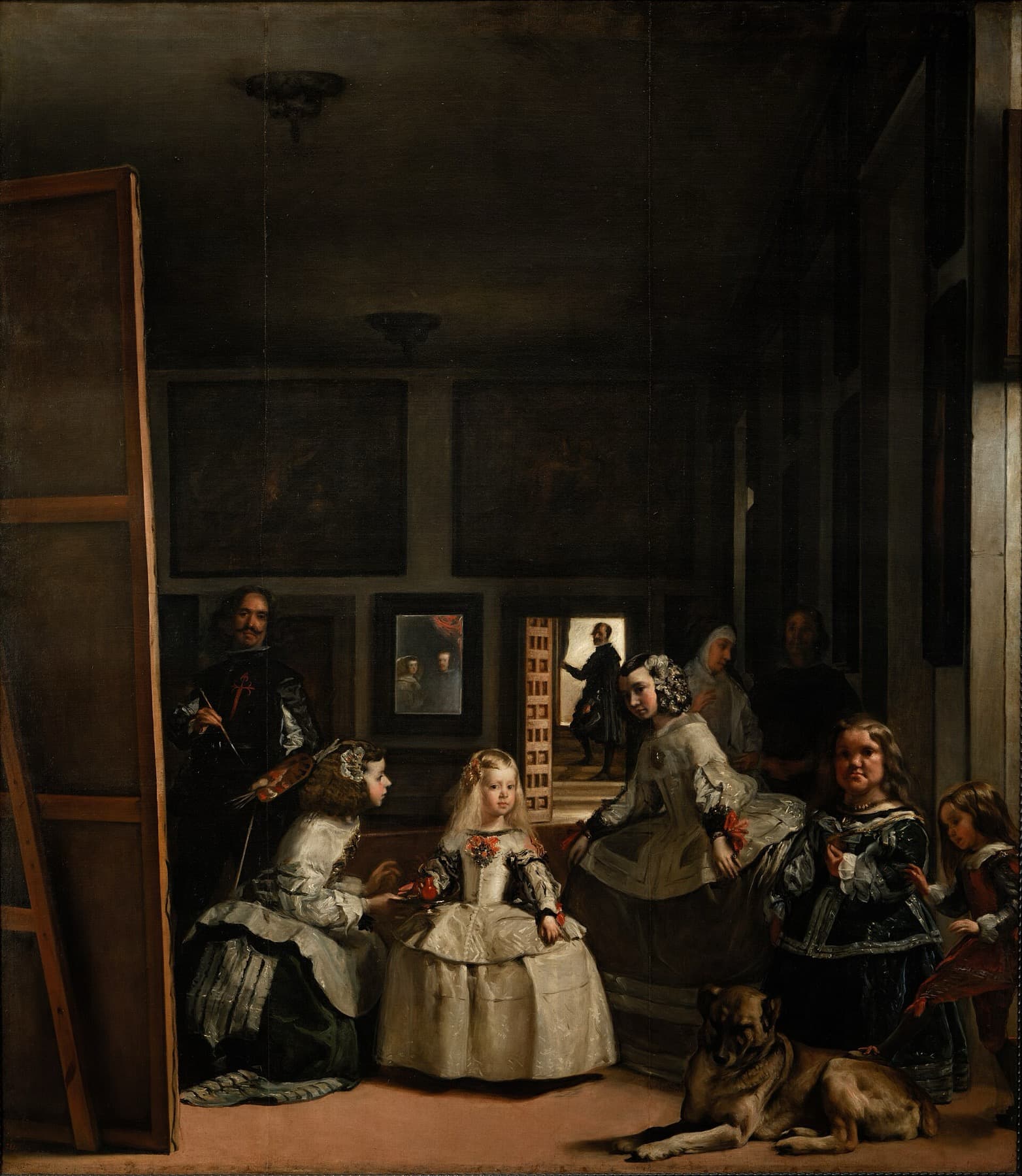
Museo del Prado: What to See, Floor by Floor
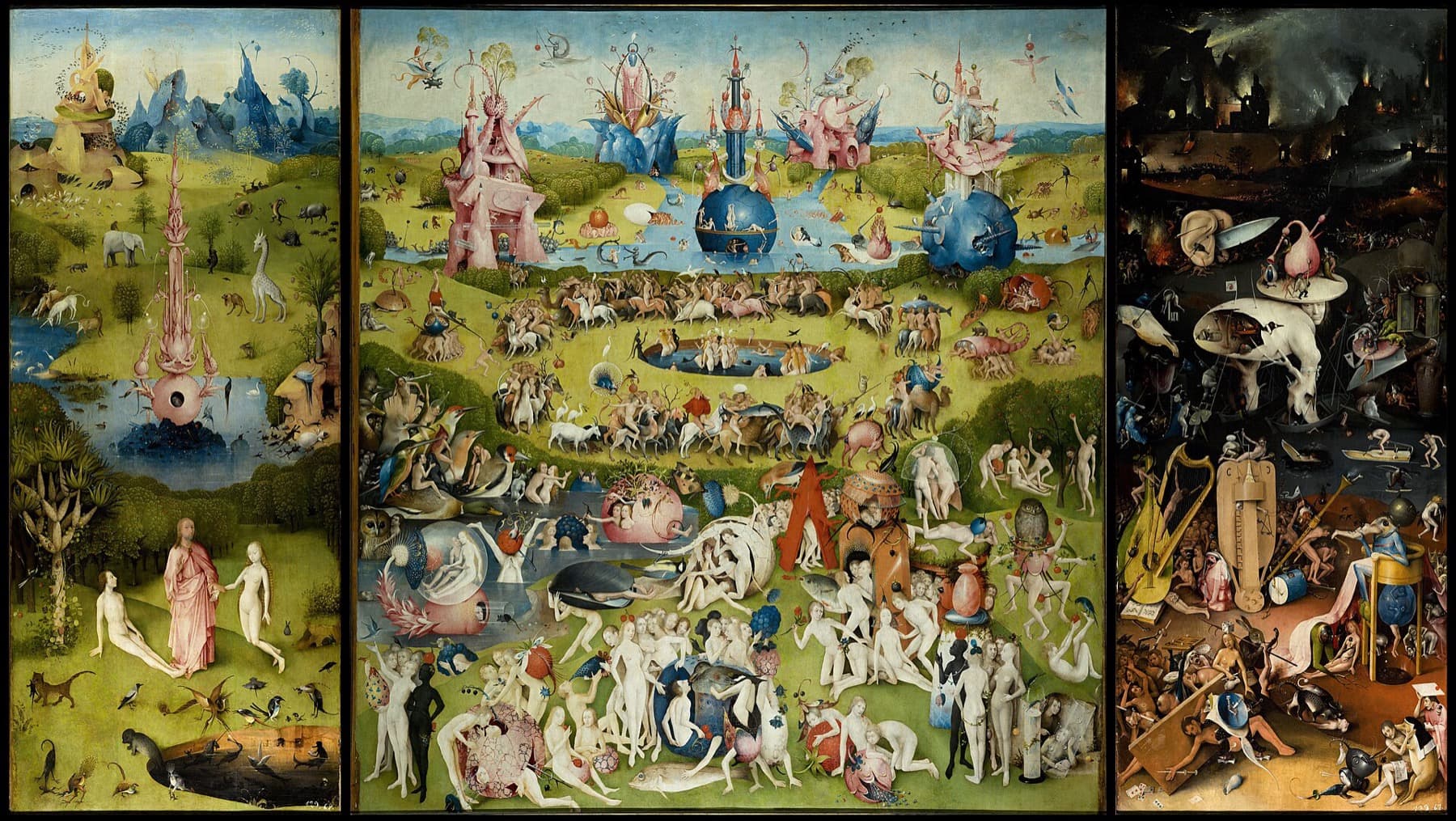
The Garden of Earthly Delights: What It Means and Why It Is in Madrid