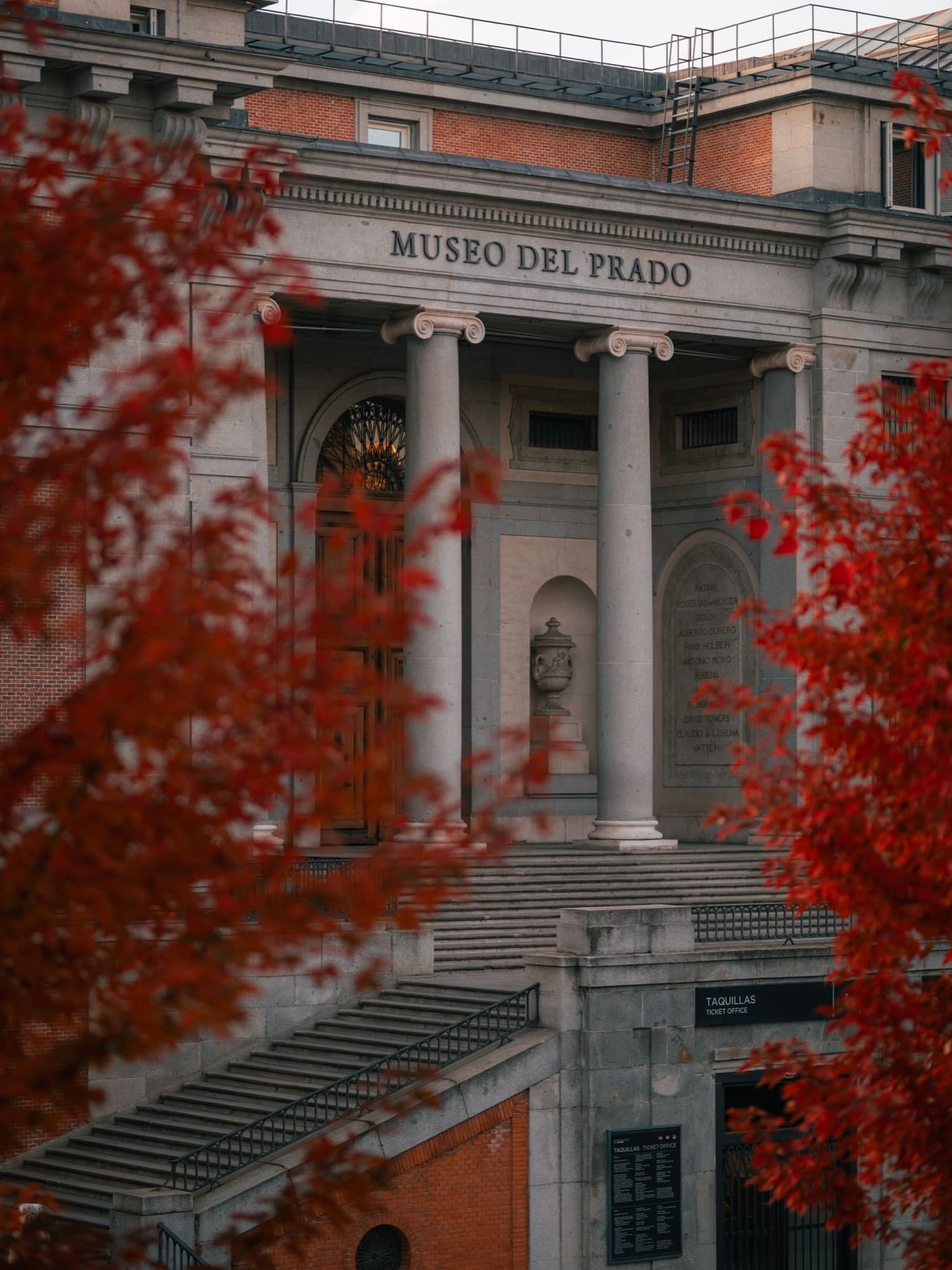
Madrid rewards travelers who know its rhythms. The center is compact and genuinely walkable, so you can see most of the city on foot; the Metro is one of the best in the world for the few longer hops; the summer heat is the one real planning trap; and the city's greatest museums are free in their final hours. This guide answers the practical questions travelers actually search, answer first, then the detail.
How many days do you need in Madrid?
Short answer: two to three days for most people.
- 2 days covers the essential center: the Royal Palace, Plaza Mayor, Puerta del Sol, the Paseo del Arte museums, Retiro Park, and the tapas scene. Move at a good clip and you will see the highlights.
- 3 days lets you go deeper into neighborhoods, Lavapiés, Malasaña, Chueca, the Barrio de las Letras, or add a day trip to Toledo or Segovia.
- 4 days is the number if you want all three major museums, the Prado, Reina Sofía, and Thyssen, without rushing any of them.
If the Prado is on your list, our Museo del Prado guide shows what hangs on which floor and gives seven routes from 45 minutes to two hours.
If you only have one day, follow our focused one day in Madrid route through the walkable center.
Each of those days can be built around a walk. The Historic Center runs from the Puerta del Sol through the Plaza Mayor to La Latina; Royal Palace and Temple of Debod circles the palace and drops into its gardens; Paseo del Prado walks the museum avenue from Cibeles to the Reina Sofía; and Retiro Park takes the royal garden next to it. For a third day, choose among the Barrio de las Letras, the Gran Vía, Malasaña and Chueca, El Rastro and Lavapiés and the riverside park of Madrid Río.
Getting around Madrid
Hear a stop from this walk
Puerta Cerrada: The Closed Gate
The center is a joy on foot. Most of the famous sights sit inside a two-mile radius of Puerta del Sol, and walking is how our self-guided Madrid tours are built. For anything farther, you have one of the world's best transit systems:
- Metro. Fast, clean, and extensive: 13 lines and around 300 stations, running roughly 6 AM to 1:30 AM. It reaches everywhere the center's walking does not.
- Multi Card. Buy the rechargeable transport card and load single rides or a tourist travel pass (Abono Turístico) if you plan a lot of trips. It works across Metro, city buses, and light rail.
- Buses and Cercanías. An extensive bus network covers the streets; the Cercanías commuter rail links the center to the airport and out to day-trip towns.
- Skip taxis. In the walkable center you almost never need one.
For getting to Madrid: the airport (Barajas) connects to the center by Metro line 8 and Cercanías, and the Atocha and Chamartín stations put Toledo and Segovia around 30 minutes away by high-speed train.
Best time to visit Madrid
The comfortable windows, and the one to plan around:
- Spring (April to June). Mild, pleasant, ideal for the plazas and Retiro Park. The best all-round time.
- Autumn (September to October). The same mild comfort as spring, with thinner crowds than summer.
- High summer (July and August). The trap. Madrid regularly hits 40°C (104°F), midday sightseeing is punishing, and many locals leave the city. If you come now, do your outdoor walking early and use the museums as midday shelter.
- Winter. Cold but clear and quiet, and often the best value on rooms.
Is Madrid safe?
Yes. Madrid is one of the safer big cities in Europe: violent crime against visitors is rare, and central areas are fine to walk at night. The one genuine risk is pickpocketing, concentrated exactly where tourists gather, Puerta del Sol, Plaza Mayor, Gran Vía, and on crowded Metro lines. The fix is simple: keep your bag zipped and in front of you in crowds, stay alert on packed transport, and do not leave a phone on a café table. Solo and female travelers move around the city comfortably.
Madrid on a budget (and the free Prado hours)
Madrid is friendlier to a tight budget than its reputation suggests, and its single best trick is that the great museums are free at the end of the day:
- The Prado is free in its last two hours, every day: Monday to Saturday 6 to 8 PM, Sunday and public holidays 5 to 7 PM (permanent collection; temporary shows are half price).
- The Reina Sofía, home of Picasso's Guernica, is free Monday and Wednesday to Saturday 7 to 9 PM and Sunday afternoon. On a Monday you can do both free in one evening, the Prado then the Reina Sofía, an eight-minute walk apart.
- Free to walk: the plazas, Retiro Park, Madrid Río, and the whole historic center cost nothing. The Retiro is open 6 AM to 10 PM from October to March and 6 AM to midnight from April to September, but it closes on red weather alerts for wind or heat.
- Eat cheap and well: a caña and a plate of tapas, a bocadillo de calamares by Plaza Mayor, or a menú del día. See what to eat in Madrid for what to order.
- Skip the guide fee: Roamer self-guided audio tours are free to start, so you get expert narration without booking a private guide, a start time, or a tip.
Start planning your walk
Ready to route your days? Read our one day in Madrid itinerary, browse the best self-guided walking tours in Madrid, or see all Madrid tours. Every tour is free to start: the introduction and first stop play in full, and every later stop plays a short preview before an optional purchase. Tours can also be downloaded in advance for offline listening.
Frequently asked questions
- How many days do you need in Madrid?
- Two to three days covers the city well for most travelers. Two days is enough for the essential center, the Royal Palace, Plaza Mayor, Puerta del Sol, the Paseo del Arte museums, and Retiro Park. Three days lets you go deeper into neighborhoods like Lavapiés, Malasaña, and Chueca, or add a day trip to Toledo or Segovia. Art lovers who want to see all three major museums without rushing should plan for four.
- Is Madrid walkable, and how do you get around?
- Madrid center is very walkable, with most major attractions inside a two-mile radius of Puerta del Sol, so you will spend most of your time on foot. For longer hops, the Metro is one of the best and most efficient systems in the world, with 13 lines and around 300 stations, running roughly 6 AM to 1:30 AM. Buy a rechargeable Multi Card and load a tourist pass if you plan a lot of rides. You rarely need taxis in the center.
- What is the best time of year to visit Madrid?
- Spring (April to June) and autumn (September to October) are the best windows: mild temperatures ideal for walking, and comfortable for the outdoor plazas and Retiro Park. The one real trap is high summer. In July and August Madrid regularly hits 40°C (104°F), and many locals leave the city, so if you visit then, do your outdoor walking early and shelter in the museums at midday. Winter is cold but clear and quiet, and often the best value.
- Is Madrid safe for tourists?
- Yes. Madrid is one of the safer major cities in Europe, with violent crime against visitors rare and central areas safe to walk at night. The one genuine risk is pickpocketing, concentrated in crowded tourist spots like Puerta del Sol, Plaza Mayor, and Gran Vía, and on busy Metro lines. Keep your bag zipped and in front of you in crowds, stay alert on packed transport, and you will have no trouble. Solo and female travelers move around Madrid comfortably.
- How can you see Madrid on a budget, and when is the Prado free?
- Madrid is very doable cheaply. The Prado is free in its last two hours every day: Monday to Saturday 6 to 8 PM, and Sunday and public holidays 5 to 7 PM (permanent collection only). The Reina Sofía, home of Guernica, is free Monday and Wednesday to Saturday 7 to 9 PM and Sunday afternoon. Beyond the museums, the plazas, Retiro Park, and the streets are free, tapas and a caña are cheap, and the walkable center replaces taxis. Self-guided audio tours are free to start on Roamer, so you can add expert narration without hiring a guide.
- Can you do a day trip from Madrid?
- Yes, and it is one of the best reasons to base yourself in Madrid. Toledo and Segovia are both around 30 minutes away by high-speed train and make classic day trips, and Ávila and Aranjuez are also easy. If you have three or more days in Madrid, one of them is well spent on a nearby city.
Ready to experience it?
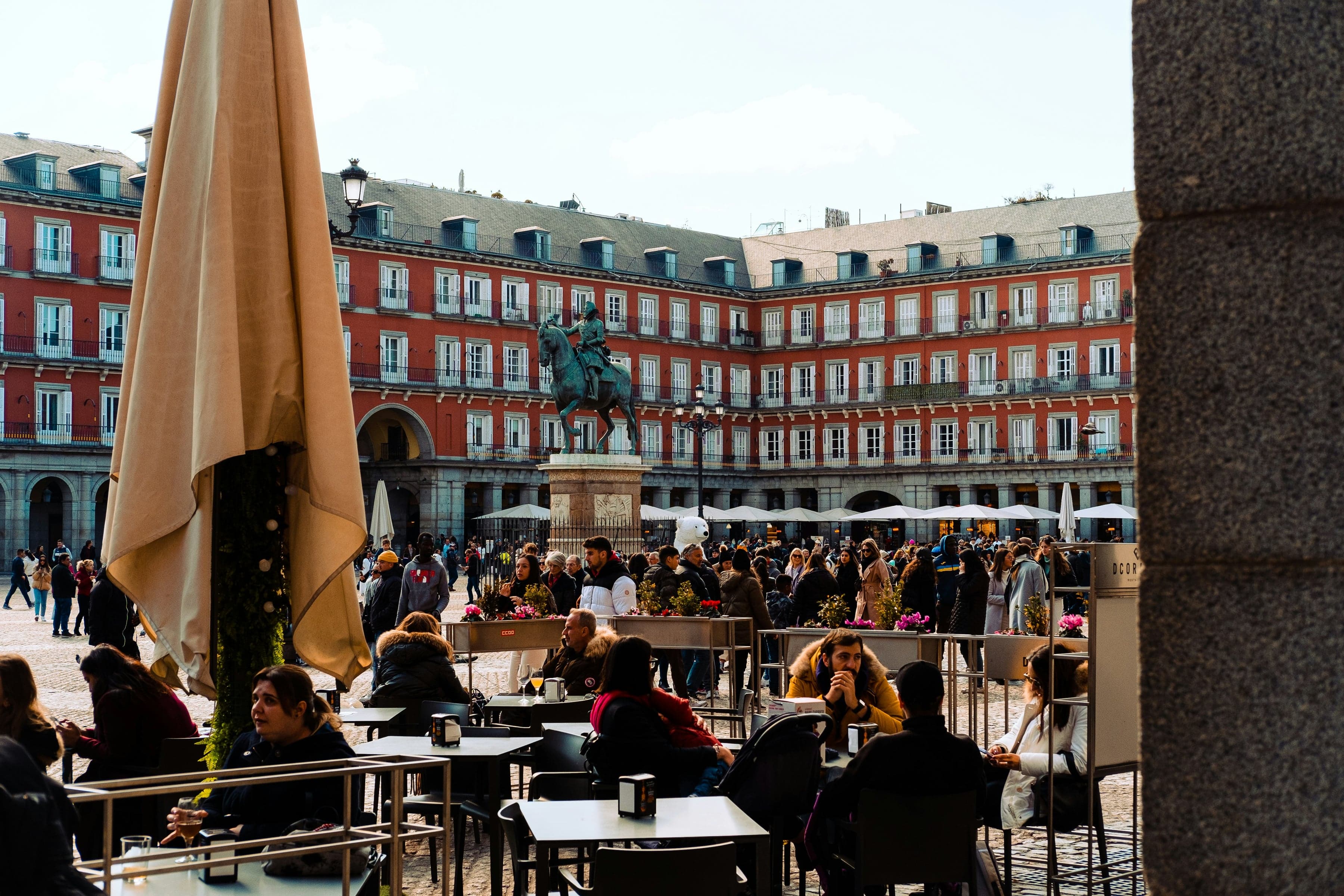
Historic Center: The Wall Madrid Built Over
75 min · 2.4 km · easy
More from Madrid
Explore more at your own pace.
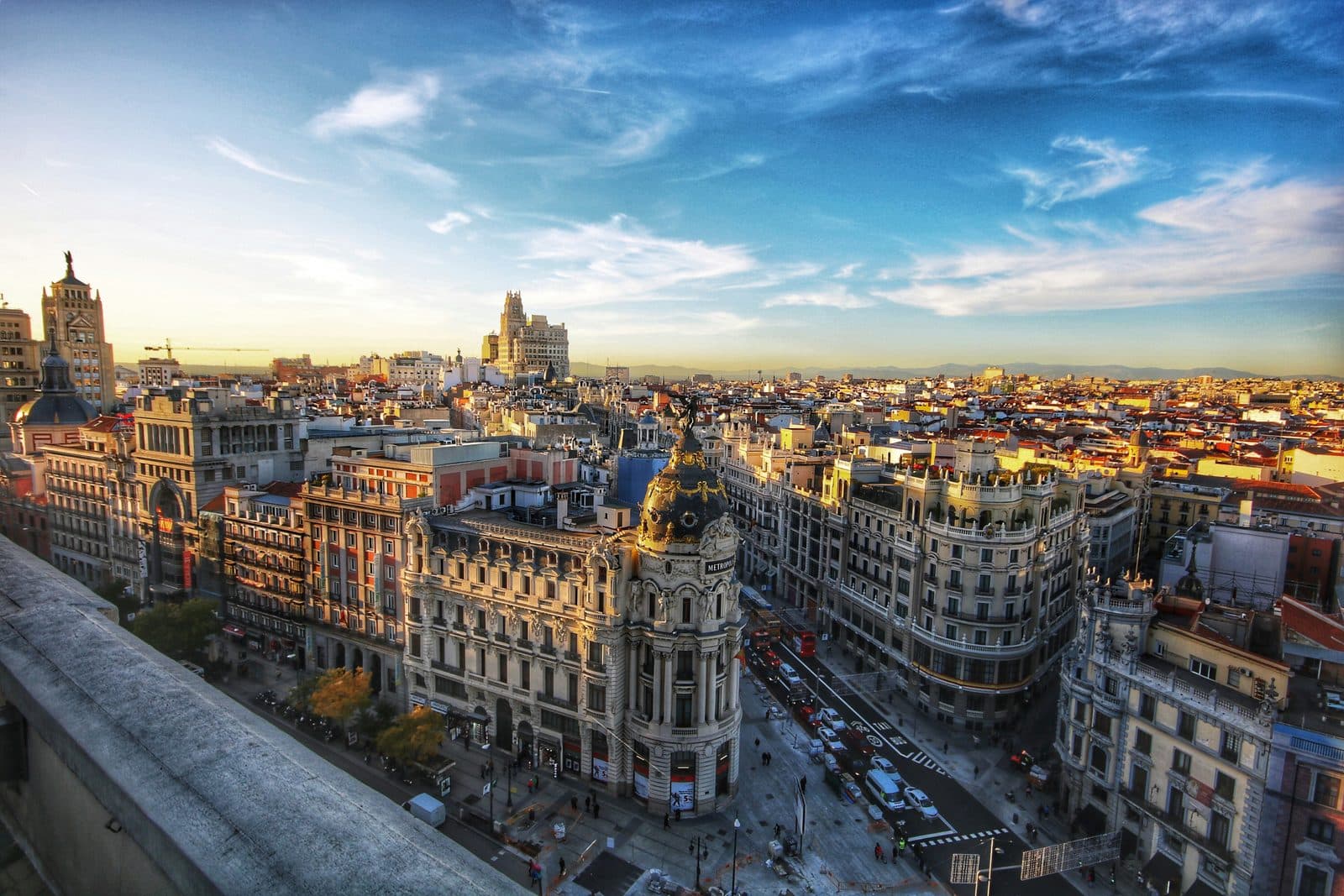
Best History Walking Tours in Madrid (2026)
Best Nature Walking Tours in Madrid (2026)
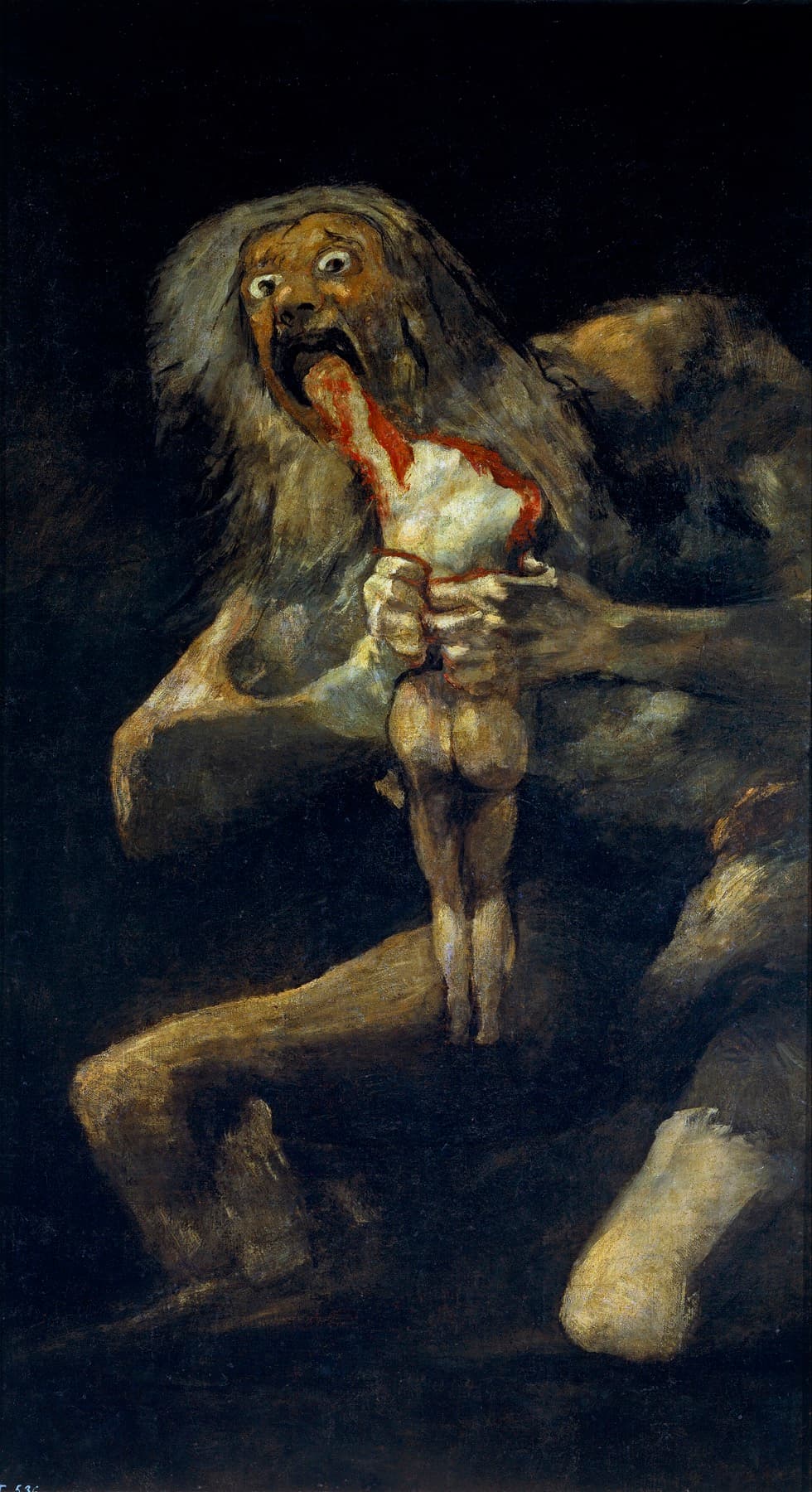
Goya's Black Paintings: Saturn, the Dog and the House That No Longer Exists
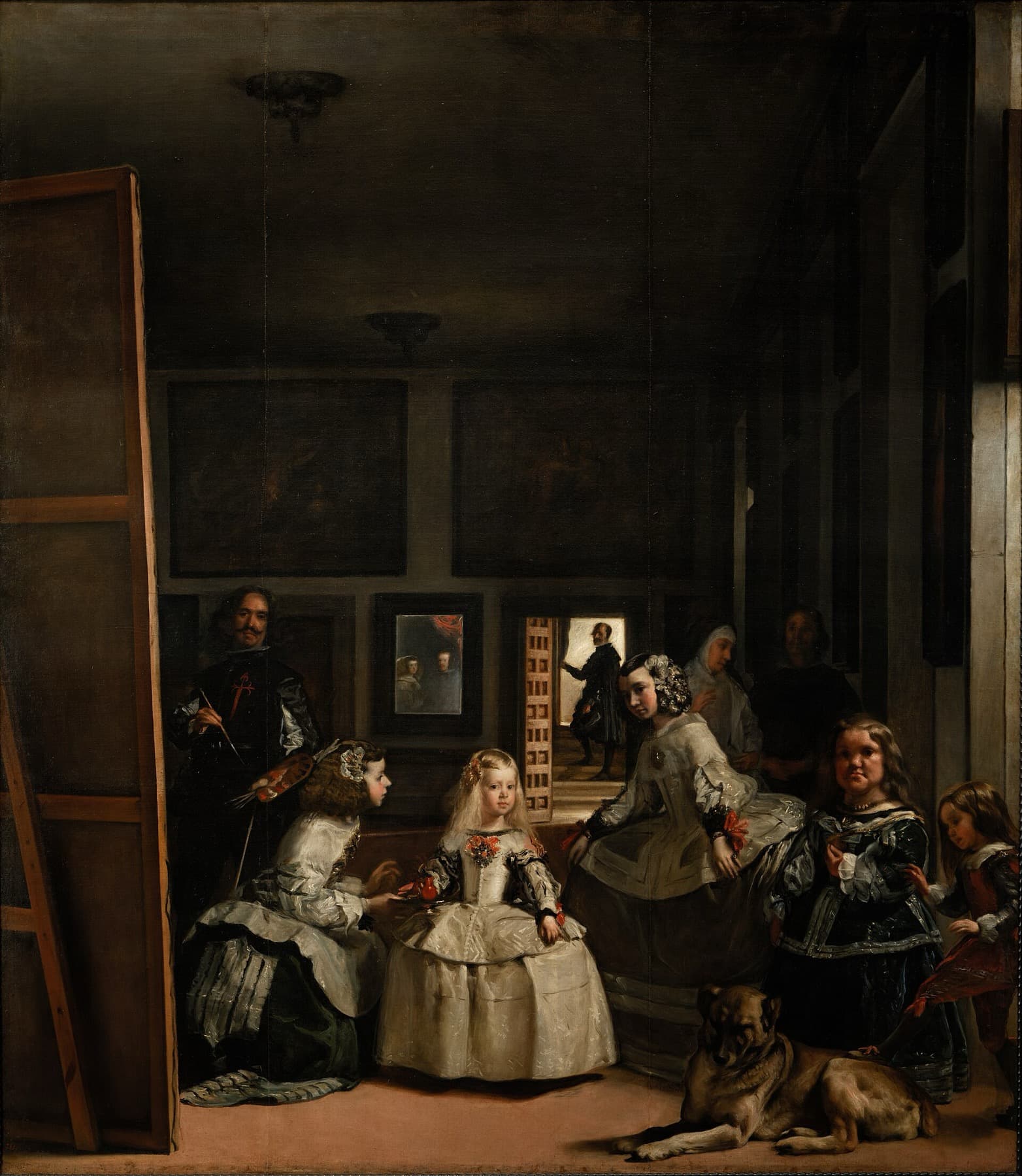
Las Meninas: Who Is Looking at Whom, in Room 12
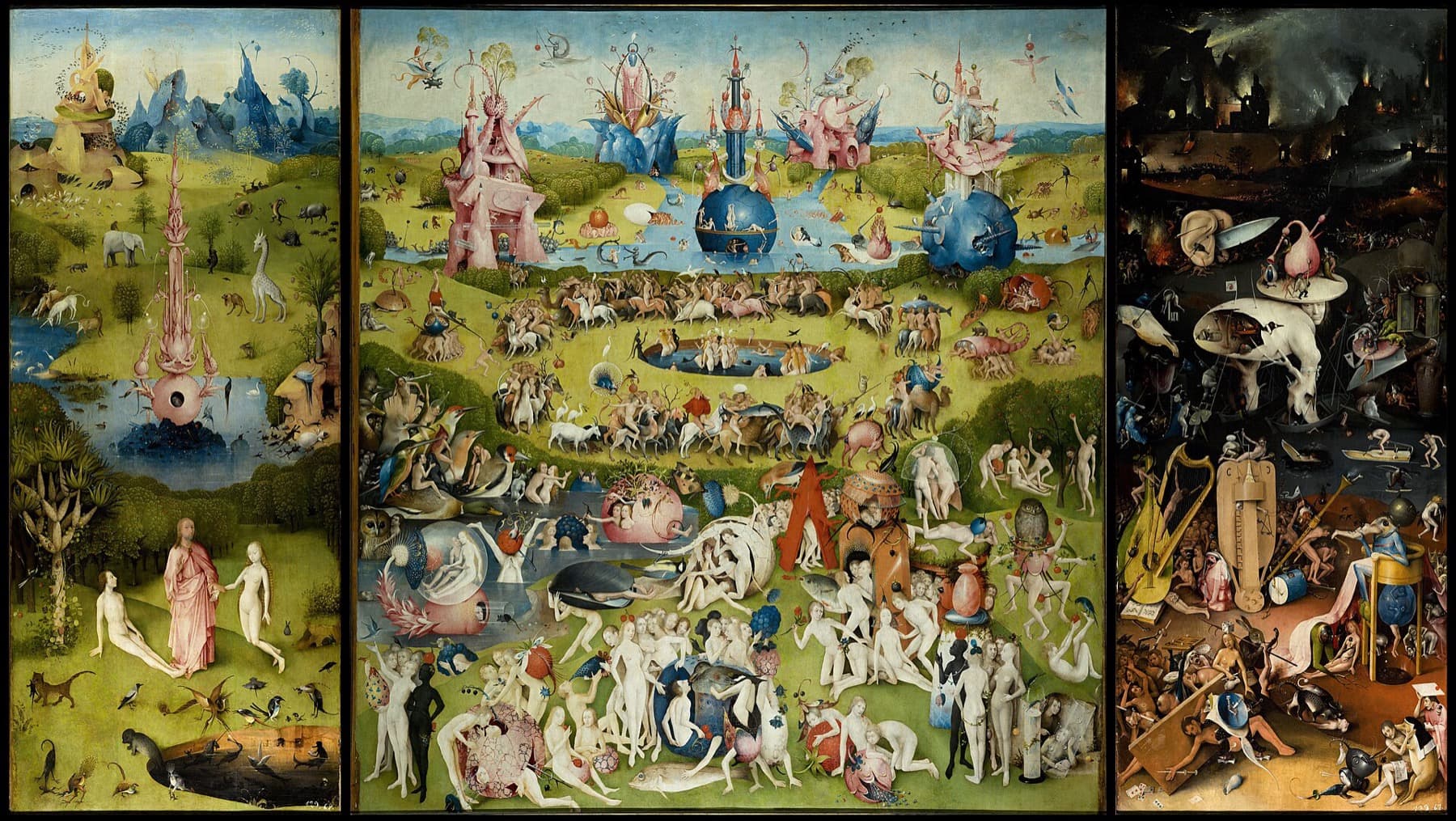
The Garden of Earthly Delights: What It Means and Why It Is in Madrid