The most important painting on the Paseo del Arte is not where its painter wanted it. Pablo Picasso's Guernica hangs in the Reina Sofía, at the far end of the museum mile, and it got there by overruling the artist's own will. That fact is not a footnote. It is the argument of the whole corridor, compressed into one decision.
The painting and its exile
Picasso painted Guernica in 1937 for the Spanish Republic's pavilion at the Paris World's Fair, in response to the bombing of the Basque town of Gernika during the Spanish Civil War. It became the twentieth century's defining anti-war image. Picasso refused to let it enter Spain while the country was not a republic, and for decades it hung at the Museum of Modern Art in New York, a work in exile for as long as its country was under dictatorship.
It came home in 1981, after Franco's death and Spain's transition to democracy, timed to the centenary of Picasso's birth. It first hung at the Casón del Buen Retiro, behind bomb-proof and bullet-proof glass, and nearly a million people saw it in the first year. The armored glass was a statement of its own: a democracy still nervous about its most political painting.
The move against the will
Hear a stop from this walk
Museo Reina Sofía: The Twentieth-Century Conscience
Then came the decision that the Paseo del Arte tour treats as its hinge. In 1992, Guernica was moved from the Prado's orbit to a purpose-built gallery at the Reina Sofía, along with roughly two dozen preparatory works. The move was controversial, because Picasso's will had specified the painting be shown at the Prado, alongside the old masters, as his claim to that lineage.
Spain moved it anyway, and the reasoning is the point. The Prado was transferring its post-early-nineteenth-century holdings to nearby institutions for space, and the Reina Sofía was the national home of twentieth-century art. Placing Guernica there was not just logistics. It was a curatorial argument: the modern century deserved its own house, and Spain's twentieth-century trauma, the Civil War the painting indicts, belonged with the modern collection rather than folded into the imperial past at the Prado. When the painting settled at the Reina Sofía, the protective glass came off, a small, deliberate signal of a democracy no longer afraid of its own image.
Why this completes the corridor
The Paseo del Arte tour reads the three museums as one argument about Spain: the Prado for the old masters and the royal past, the Thyssen for European context, and the Reina Sofía for the twentieth-century conscience. Guernica is the keystone of that final chapter. Without it, the Reina Sofía is a modern collection. With it, the corridor narrates Spain all the way from Velázquez to the bombing of a Basque town, from empire to democracy.
And the timing is the tour's real revelation. The 1992 move of Guernica happened in the same coordinated moment as the Thyssen's opening in October 1992 and the state's 1993 purchase of that collection by decree-law. Within months, Spain finished its museum mile by policy, positioning its modern conscience at one end and buying the European context it lacked. Our companion on how Spain finished its museum mile by decree traces that whole coordinated burst. Guernica moving against Picasso's will is the single most charged act in it.
Standing in front of it
The Reina Sofía building was itself the Sabatini wing of an unfinished eighteenth-century royal hospital, another Bourbon institution completed only in the modern era, which suits the painting hanging inside it. Guernica is not behind glass now. You stand in the room with it, at mural scale, the gray monochrome, the screaming horse, the fallen figures, the bare bulb like an eye. It is a painting about a specific atrocity in 1937 that has become a universal one, and it hangs at the end of a Bourbon boulevard because a democracy decided its twentieth century needed a home of its own.
Picasso wanted it at the Prado. Spain put it here. The corridor is right, and the will was overruled, because the argument the Paseo del Arte makes about Spain only closes with Guernica in the modern house.
For the full sweep of the mile, read our companion on the Paseo del Arte, then start the Paseo del Arte tour. The introduction and first stop are free to hear in full.
Ready to experience it?
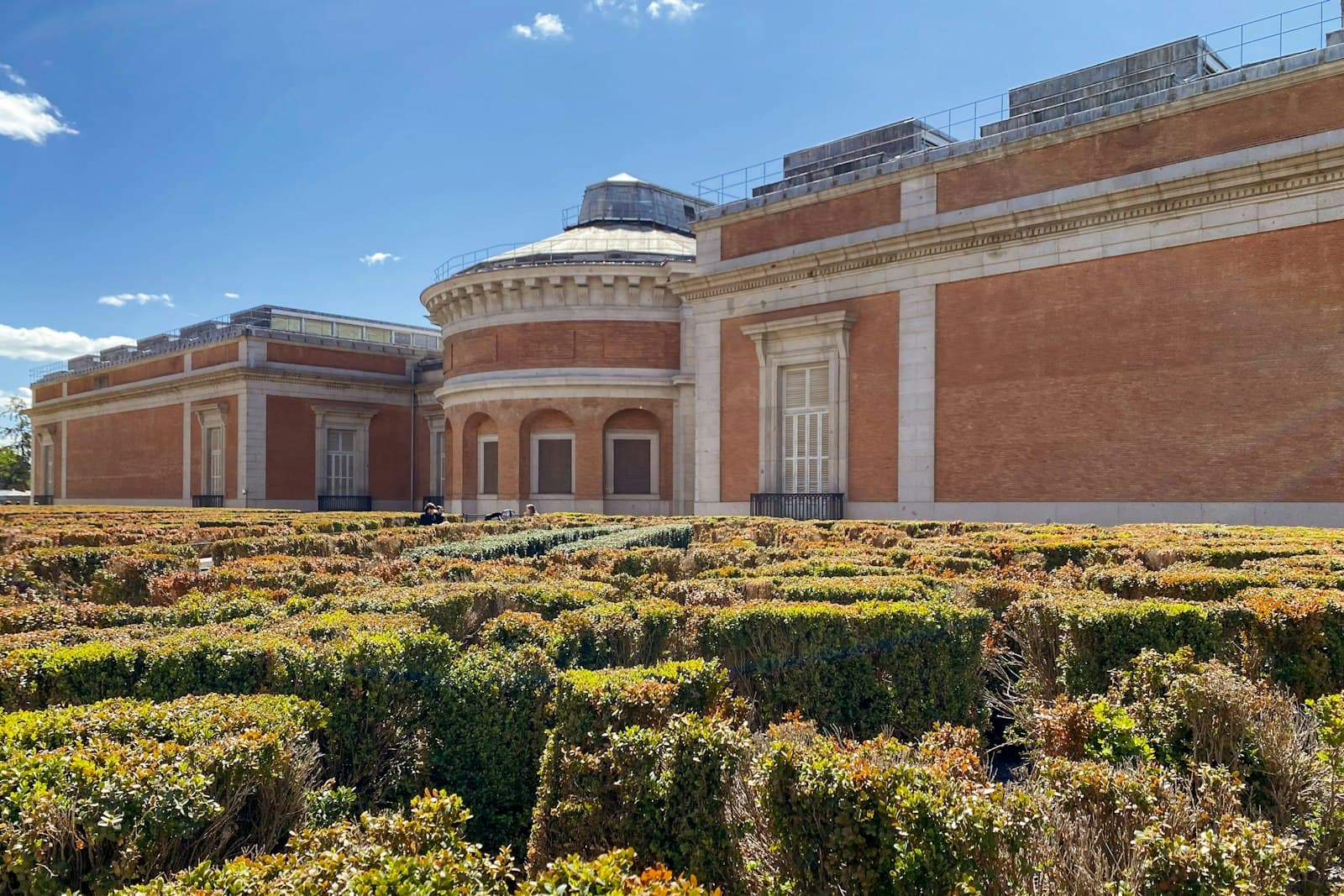
The Paseo del Arte: Three Museums, One Argument About Spain
90 min · 2 km · easy
More from Madrid
Explore more at your own pace.
Eating Through Lavapiés: A Neighborhood You Can Taste in Layers
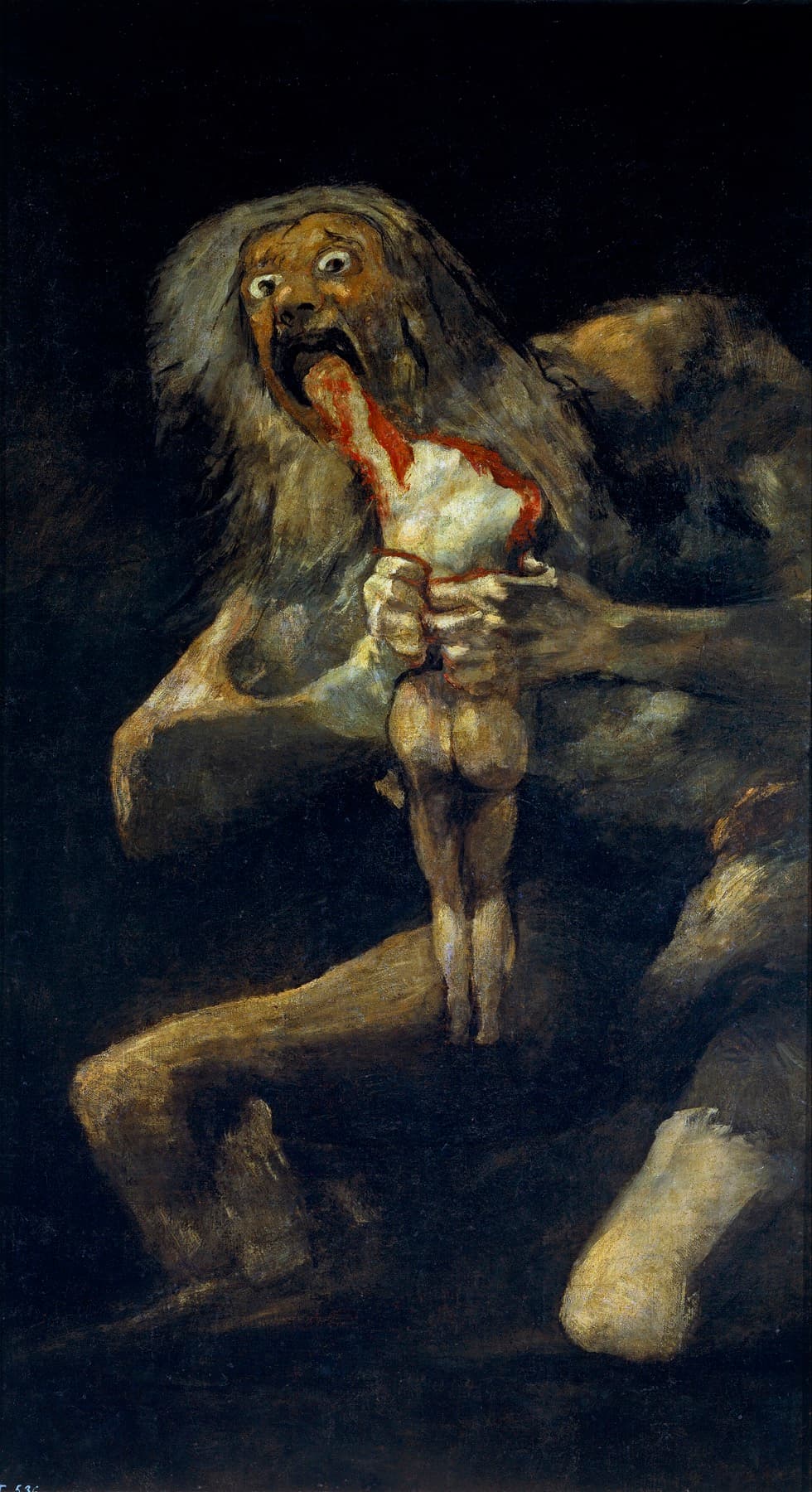
Goya's Black Paintings: Saturn, the Dog and the House That No Longer Exists
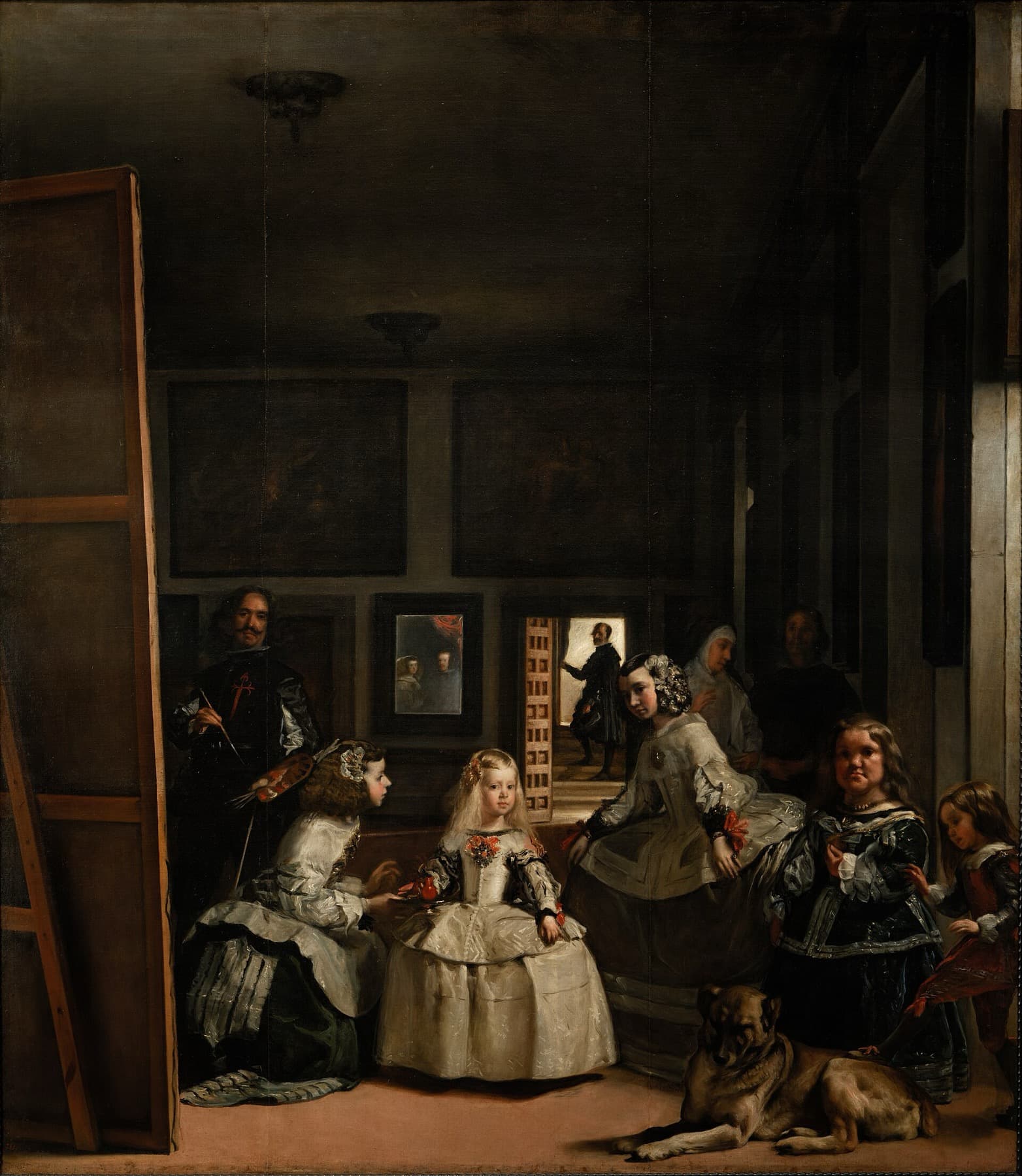
Las Meninas: Who Is Looking at Whom, in Room 12
Museo del Prado: What to See, Floor by Floor
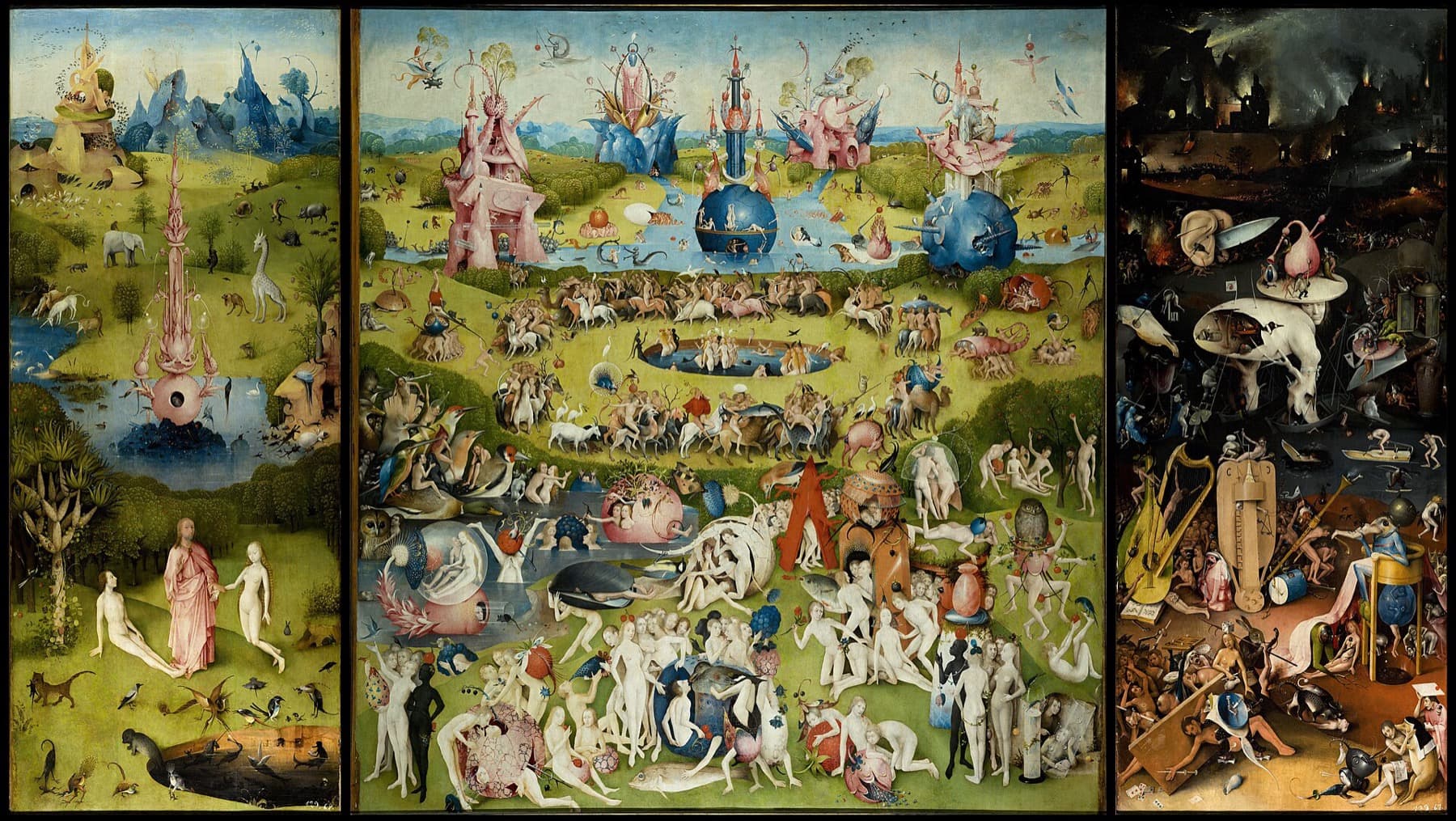
The Garden of Earthly Delights: What It Means and Why It Is in Madrid