The three museums of Madrid's Paseo del Prado, the Prado, the Reina Sofía and the Thyssen-Bornemisza, are usually sold as a convenient cluster: a Golden Triangle, three great collections within a short walk. That is true, and it misses what the avenue itself has to say.
The Paseo del Prado tour walks ten stops over about 1.8 kilometers, gently downhill, from the Plaza de Cibeles past the Apollo and Neptune fountains, the Prado's Goya and Velázquez doors, the Botanic Garden gate, CaixaForum, the Palacio de Fomento and Atocha's iron hall, to the Reina Sofía. Its argument is simple: this is an avenue built to teach, and many of the buildings on it were built for one job and now do another.
A promenade made by a king
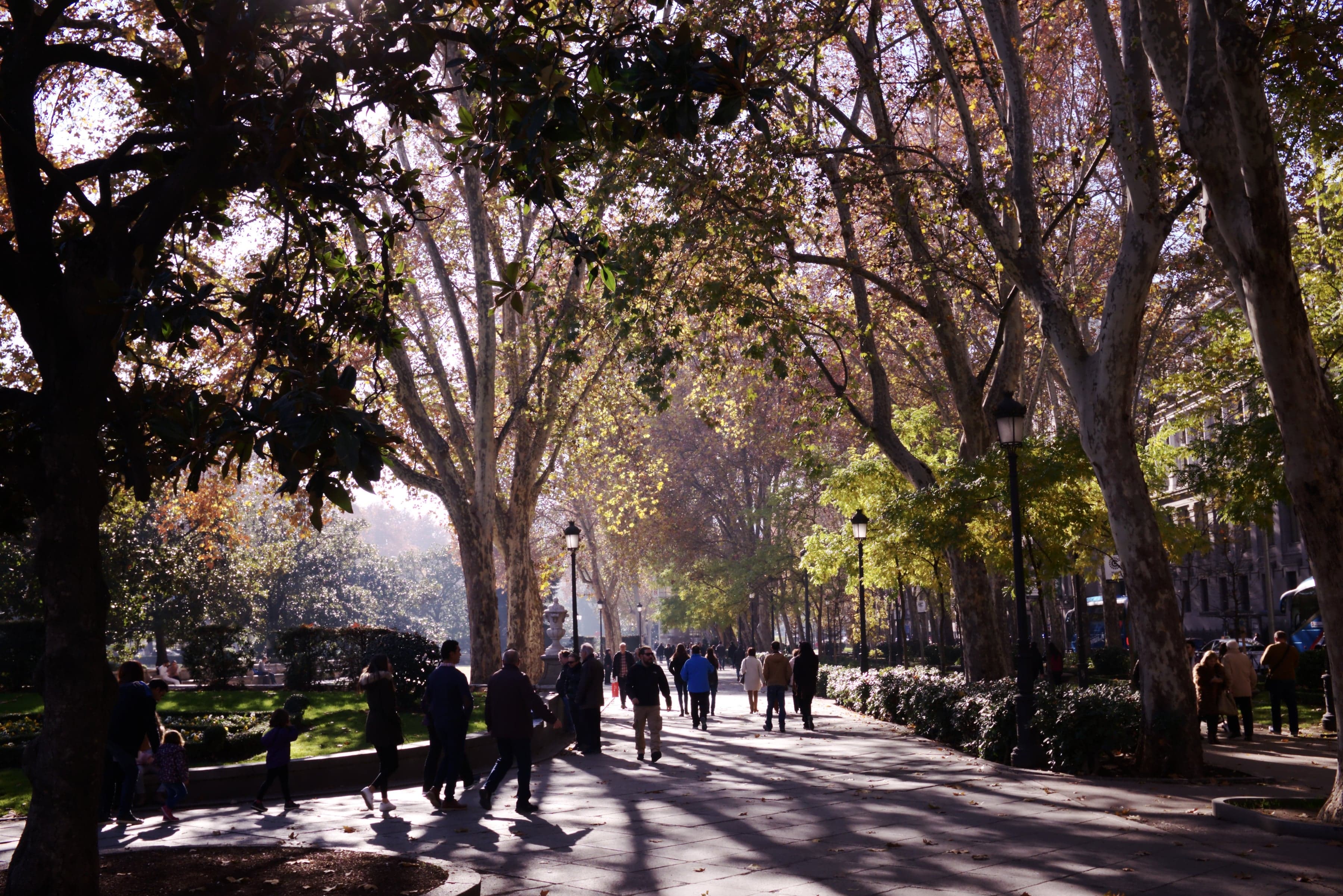
Before Carlos III, this was a string of meadows along a stream, already a tree-lined walk, in three stretches with three names: Recoletos, San Jerónimo and Atocha. In the 1760s and 1770s the king had them joined into one promenade, with trees planted in rows, the stream channeled and fountains set down the middle. Ventura Rodríguez, the city's master of fountains and water supply, drew the fountains. Cibeles was designed in 1777, not commissioned in 1780 as is often written; its lions, in the city's own records, are Atalanta and Hippomenes. Neptune was begun the same year and finished by the sculptor's pupils in 1786. Both first stood facing each other down the promenade and were moved into the middle of their squares at the end of the nineteenth century.
In 2021 UNESCO inscribed the Paseo del Prado and the Retiro beside it as a landscape of arts and sciences. Its wording is careful: the Paseo is "believed to be the first" public green space designed within a European capital in the early modern period.
Built for science, now for art
Hear a stop from this walk
Museo Reina Sofía: The Unfinished Hospital
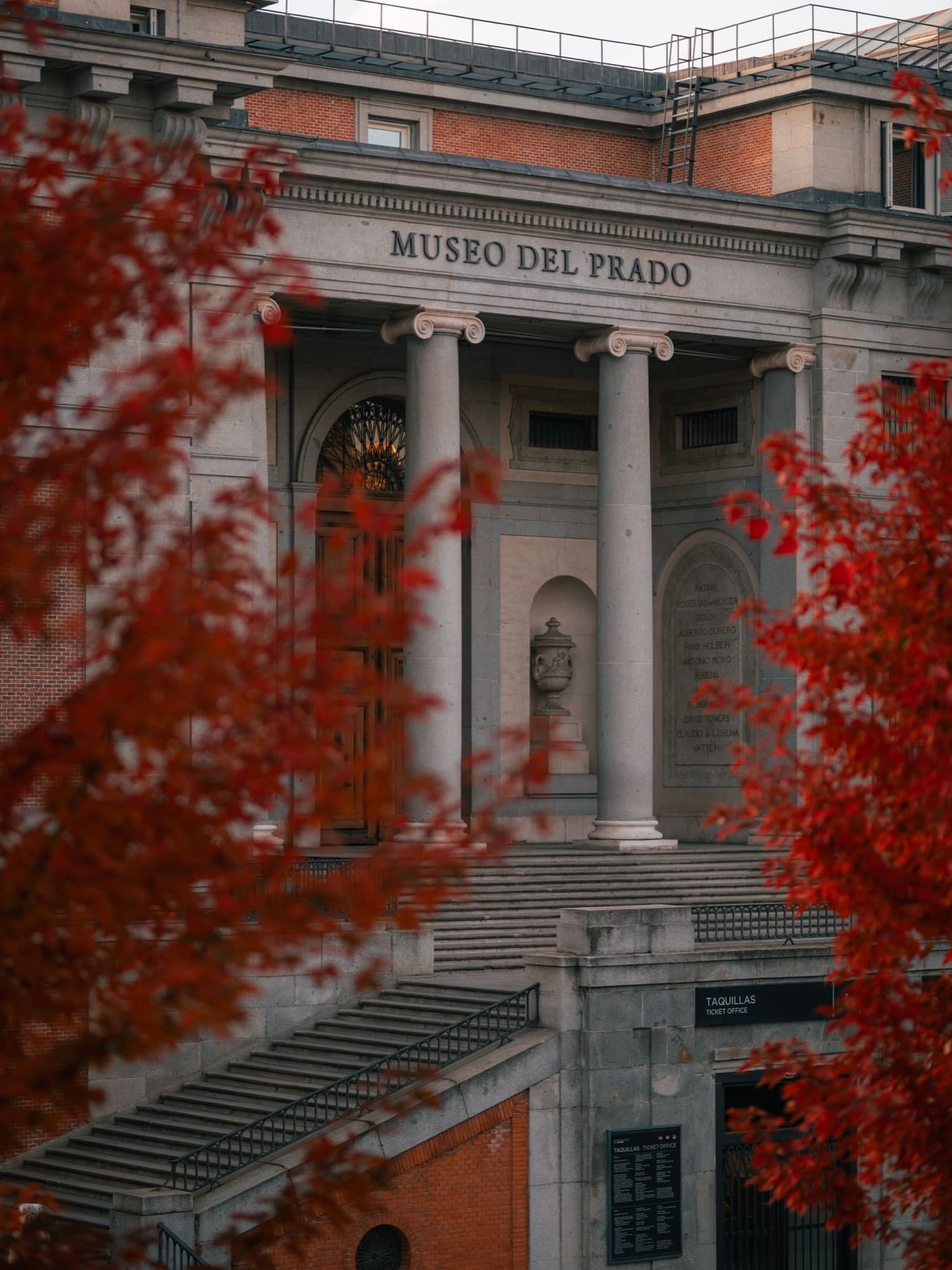
The clearest change of job is the Prado itself. Juan de Villanueva designed it in the 1780s for Carlos III as a cabinet of natural history: a museum, but of nature, not of art. It was built between 1785 and 1808, and in 1819 it opened as the Royal Museum of Paintings. Next to it, the Botanic Garden, founded in 1755 out by the river, opened on this ground in 1781, laid out on three terraces with its plants ordered by the system of Linnaeus. A cabinet of nature and a garden ordered like a catalogue stood side by side, and UNESCO singles out exactly that: the sciences as an essential part of the avenue.
The same pattern runs down the walk. The Palacio de Villahermosa became the Thyssen-Bornemisza museum. The Mediodía power station of around 1900 became CaixaForum, where Herzog and de Meuron cut away the base of the brick walls so the block seems to float over a covered square, and clad the new upper floors in old brick and plates of cast iron; it opened in 2008. Atocha's 1892 iron and glass shed stopped covering the tracks after the remodel of 1984 to 1992, when the trains moved next door, and held a tropical garden that has been closed for renovation work. And at the end of the walk, the Reina Sofía is the surviving third of a royal general hospital planned in the eighteenth century, a hospital until the 1960s, declared a historic monument in 1977, opened as an arts center in 1986 and made a national museum in 1988.
The early 1990s: the art mile fills in
The avenue was laid out by a monarchy. Its present role as Madrid's art mile was completed much later, in a few busy years. Guernica arrived in Spain in 1981 and was first shown at the Casón del Buen Retiro, part of the Prado; in 1992 it moved to the Reina Sofía, where the permanent collection opened with it. The Thyssen collection came on loan and opened in the Palacio de Villahermosa in October 1992. In June 1993 the government bought it by an emergency decree-law, Real Decreto-ley 11/1993, for more than forty-two billion pesetas, paid over five years. The figures often repeated for that purchase, 775 works and about 350 million dollars, are not in the decree, and we no longer state them as fact.
We trace the single most charged decision of those years in Guernica at the Reina Sofía. For a room-by-room look inside the Prado, see our Museo del Prado guide.
Why this reframes the walk
If you treat the Golden Triangle as three collections to tick off, you will have a fine day and miss the design. Walk it instead as one avenue: a king's promenade of fountains and science, whose buildings kept changing what they were for, from natural history to painting, from electricity to exhibitions, from healing to Guernica.
The avenue also has neighbors with walks of their own. The Retiro Park walk takes the royal garden UNESCO listed together with it, and the Barrio de las Letras walk starts a few streets west. The wider story of how Madrid came to hold all this is in our essay on Madrid as a capital by decree.
Start the Paseo del Prado tour at Cibeles and read the avenue as one lesson. The introduction and first stop are free to hear in full.
Ready to experience it?
Paseo del Prado: The Avenue Built to Teach
75 min · 1.8 km · easy
More from Madrid
Explore more at your own pace.
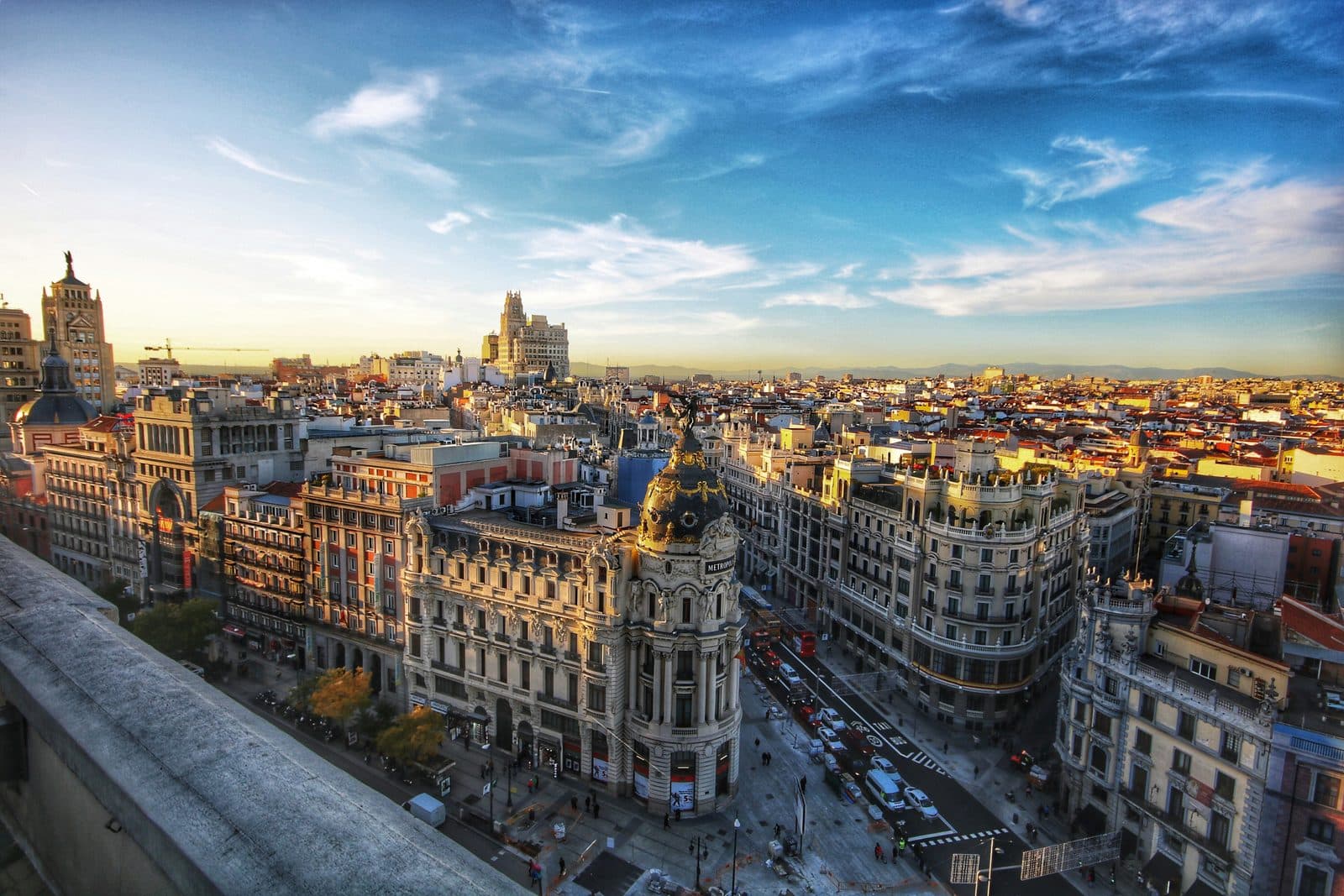
Best History Walking Tours in Madrid (2026)
Best Nature Walking Tours in Madrid (2026)
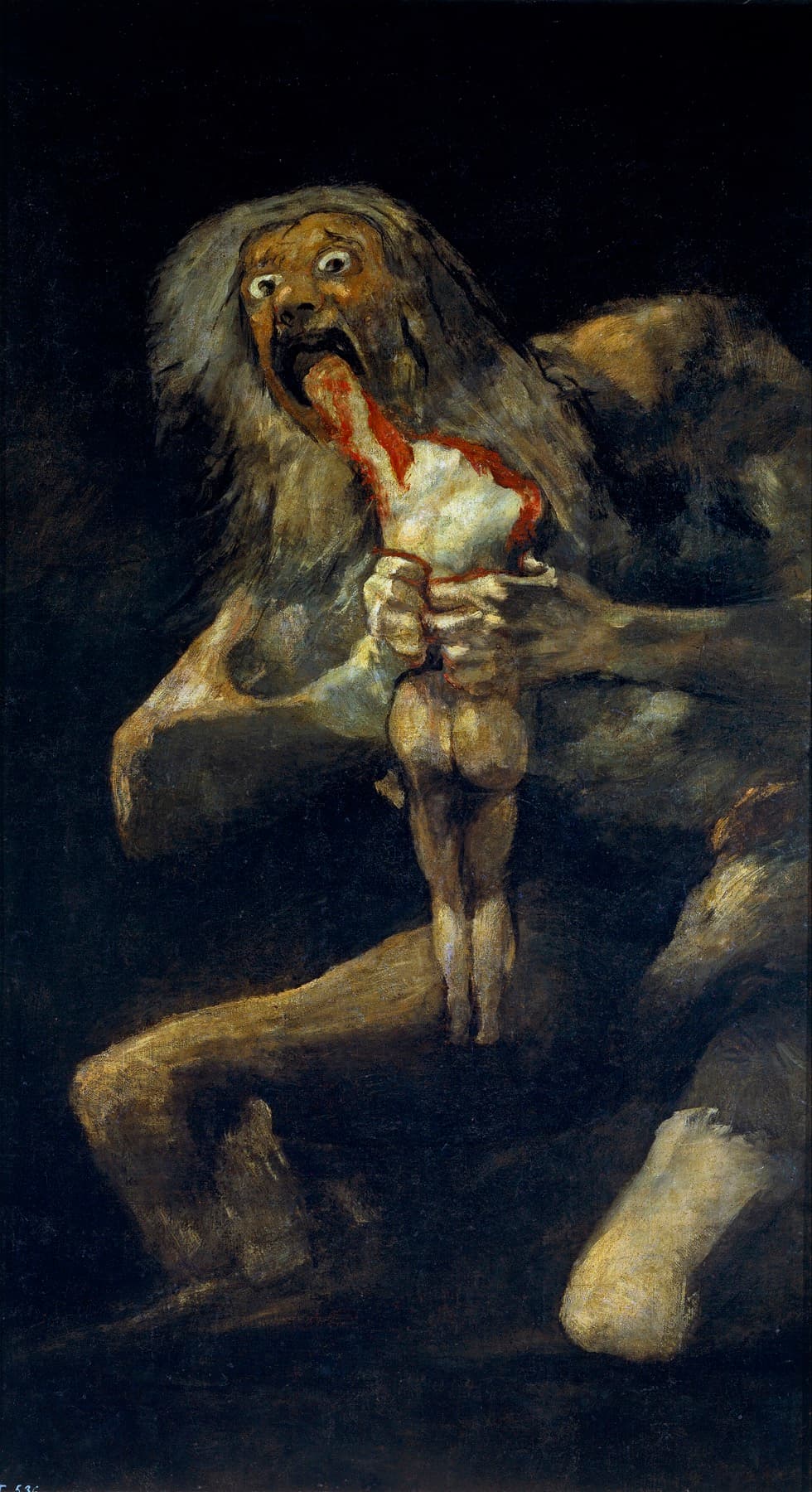
Goya's Black Paintings: Saturn, the Dog and the House That No Longer Exists
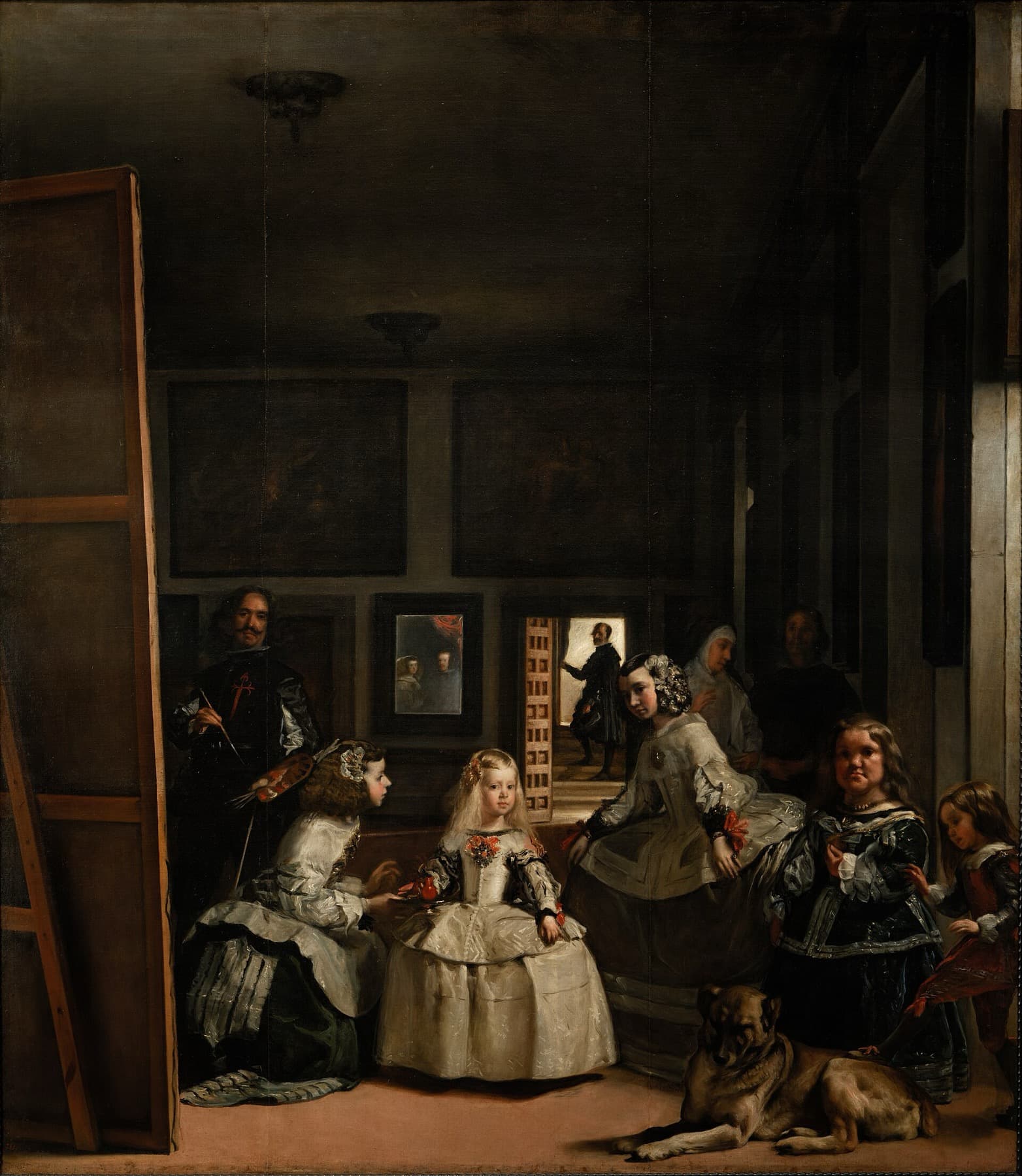
Las Meninas: Who Is Looking at Whom, in Room 12
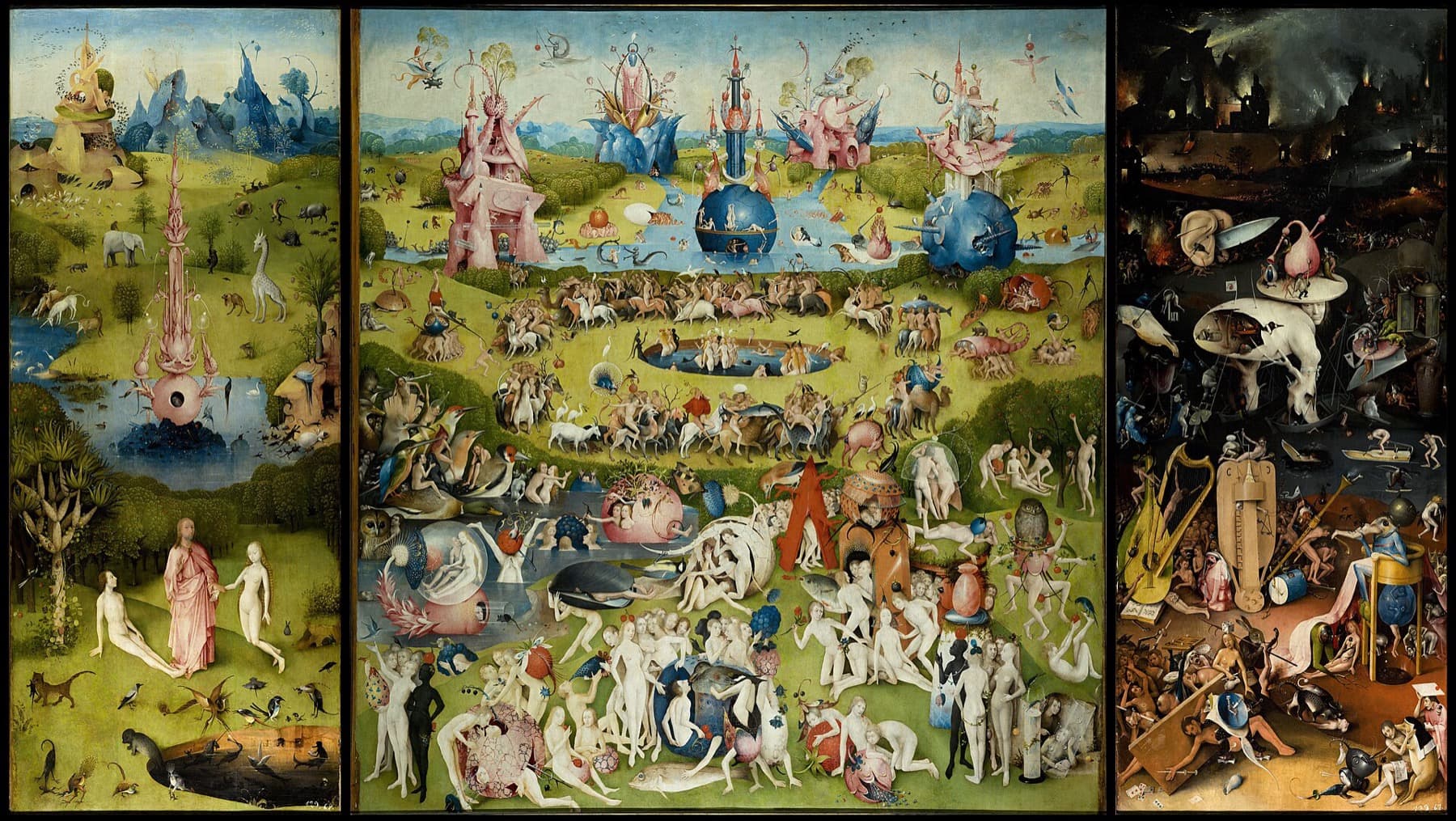
The Garden of Earthly Delights: What It Means and Why It Is in Madrid