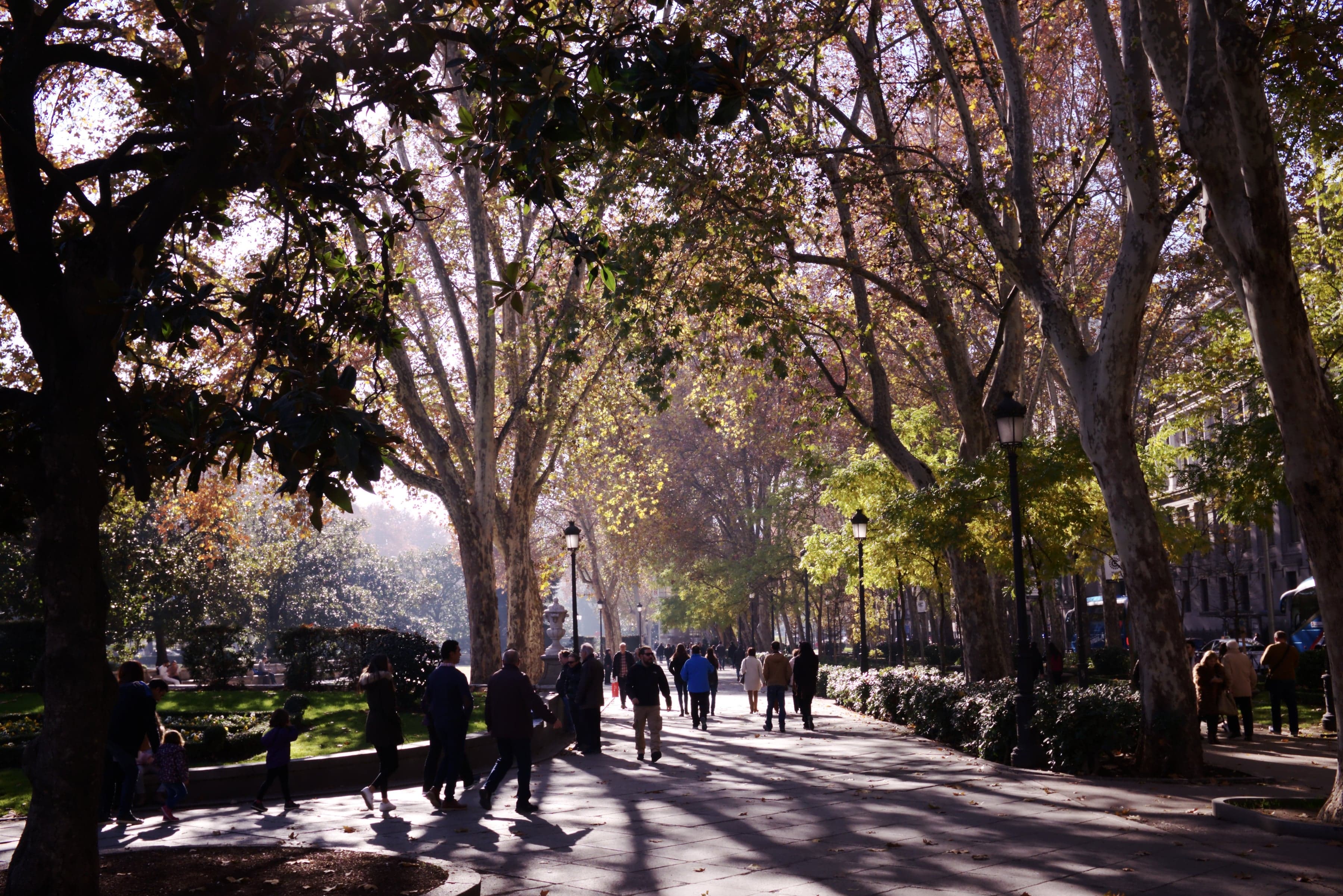
Walk from the Plaza de Cibeles down the Salón del Prado, past Apollo and Neptune, the Prado's Goya and Velázquez doors, the Botanic Garden gate, CaixaForum and Atocha's iron hall, ending at the Reina Sofía.
Start · Plaza de Cibeles: The Goddess and the Palaces
DirectionsStops
- 1
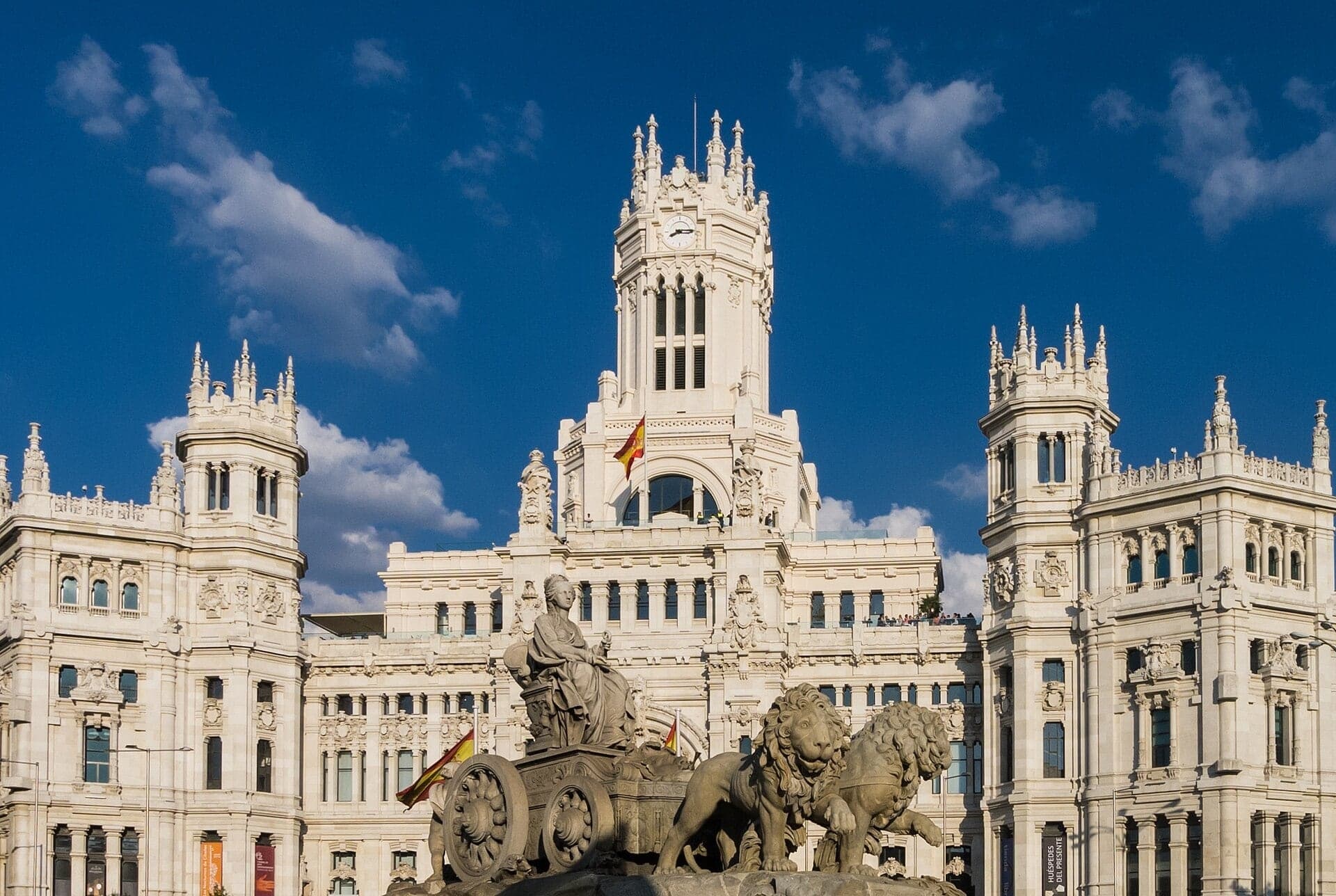
Plaza de Cibeles: The Goddess and the Palaces
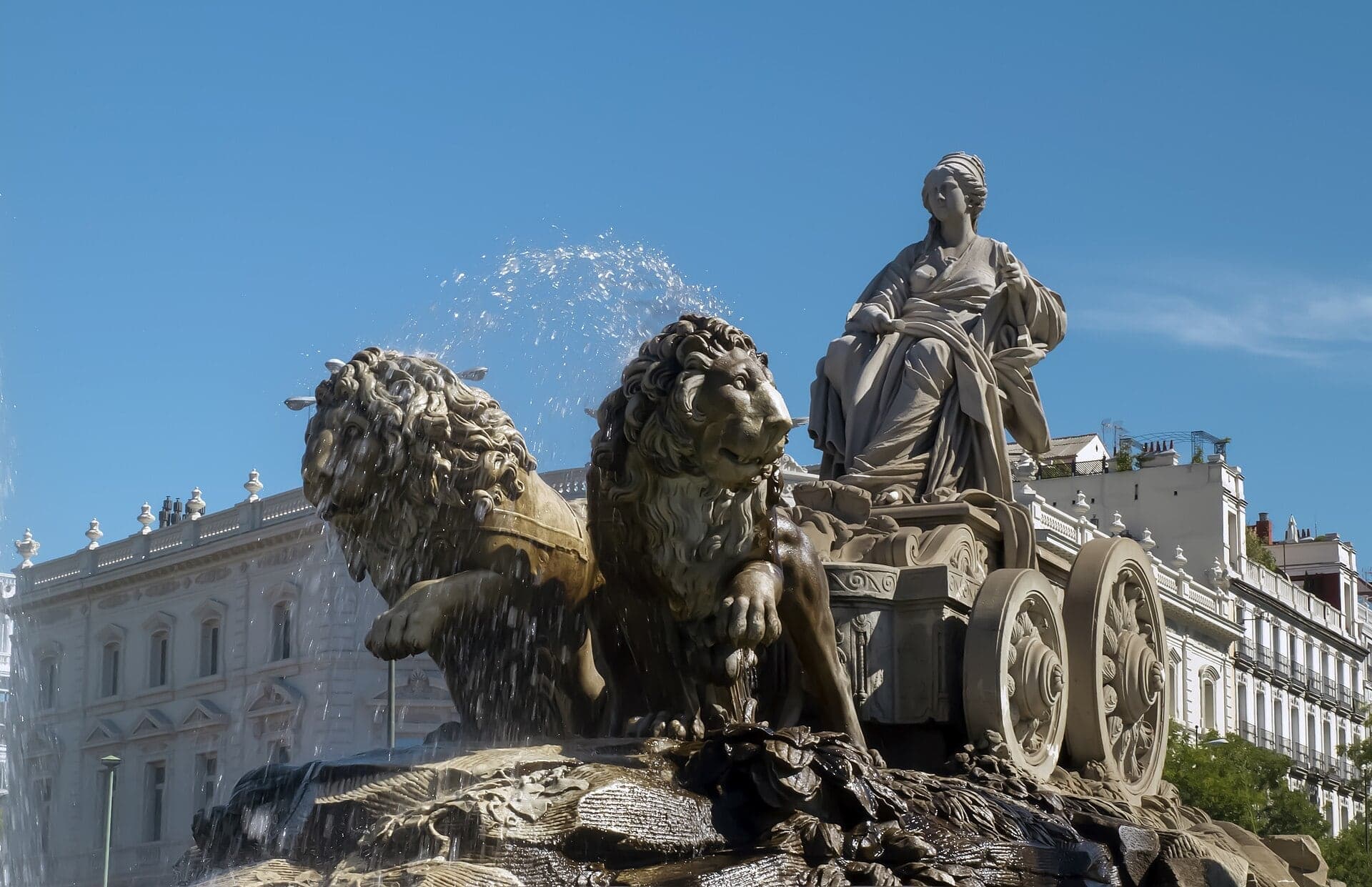
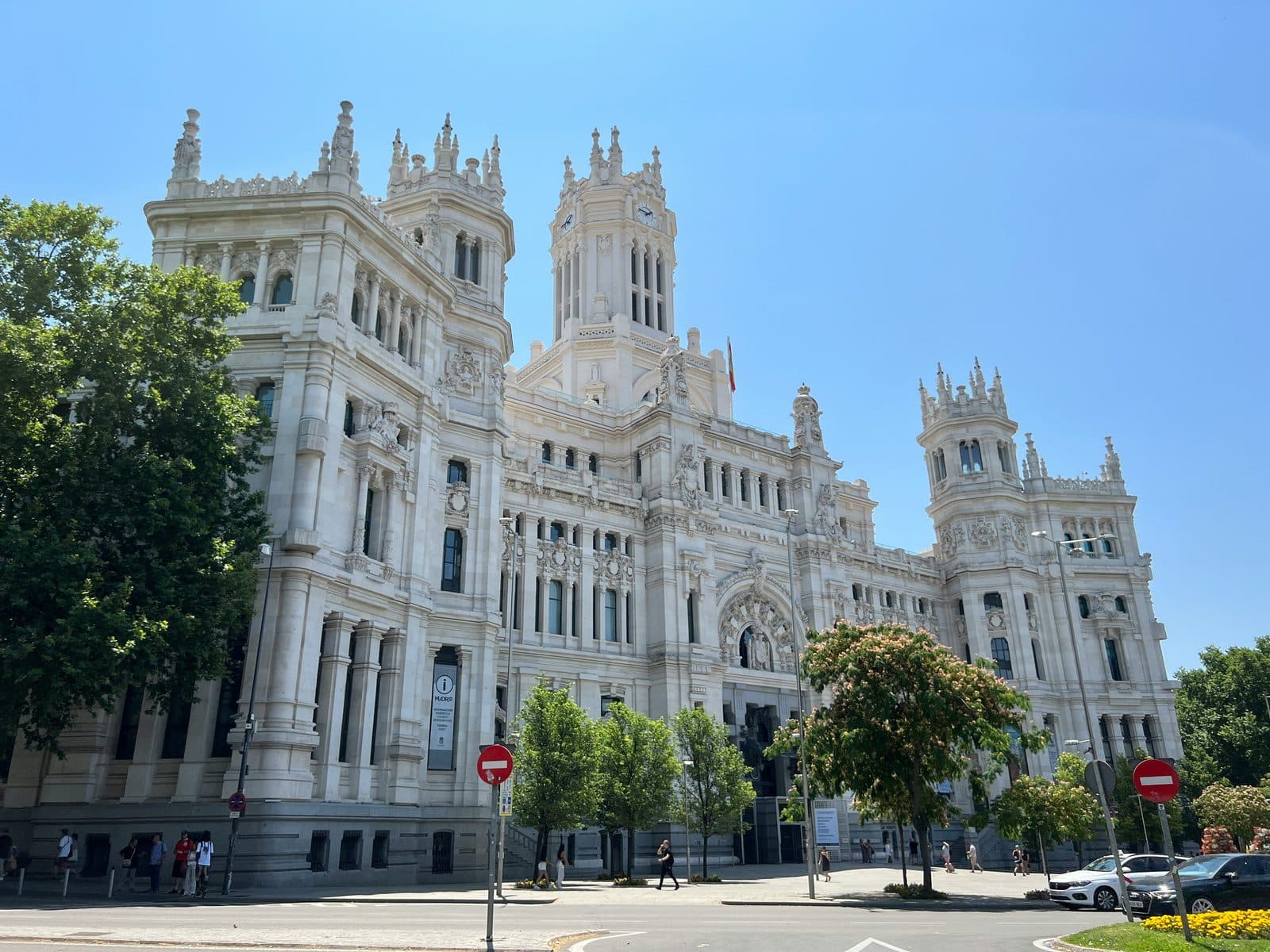
A goddess in a lion-drawn chariot opens the promenade, ringed by a bank and a post office palace that is now the city hall.
- 2
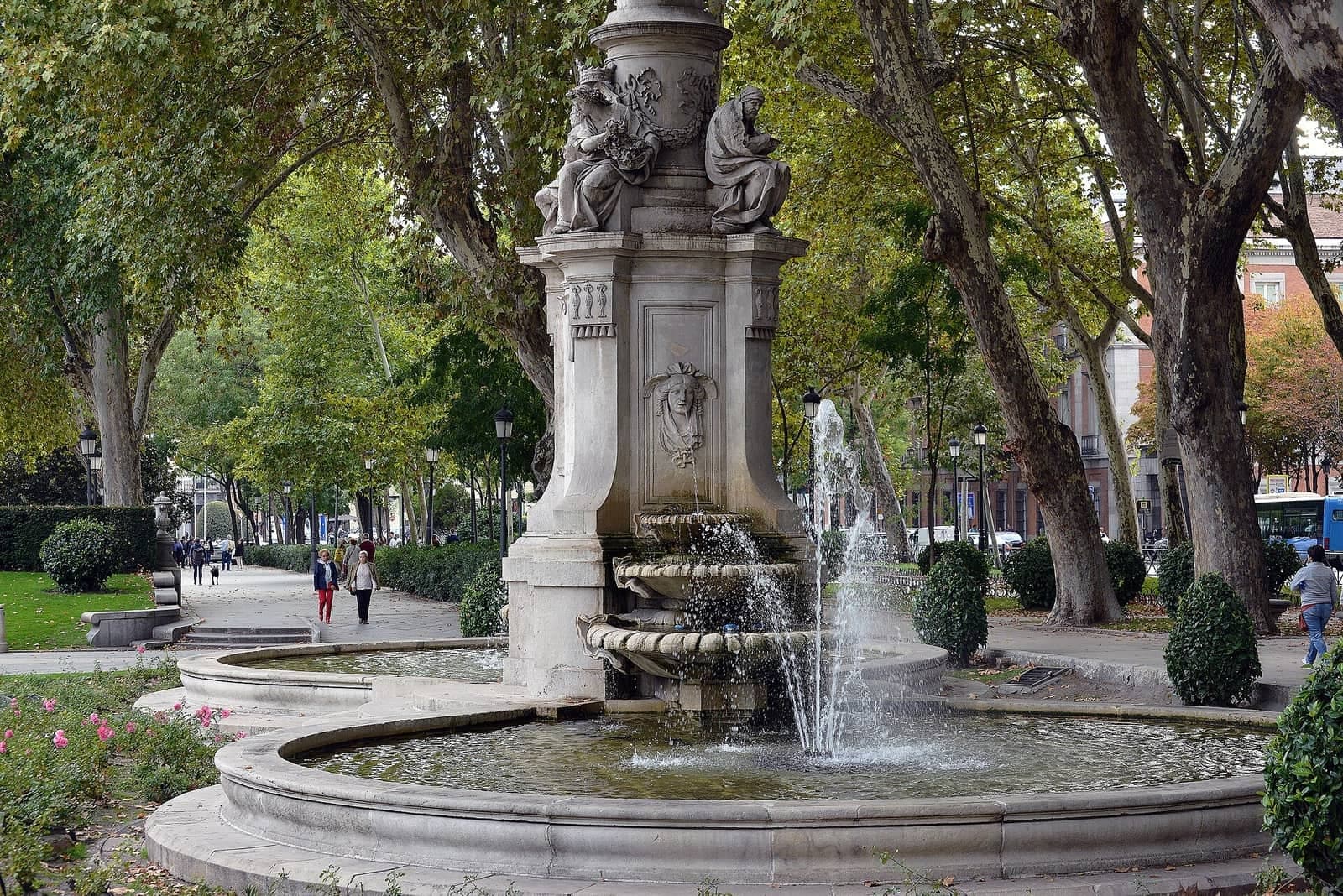
Fuente de Apolo: The Middle of the Plan
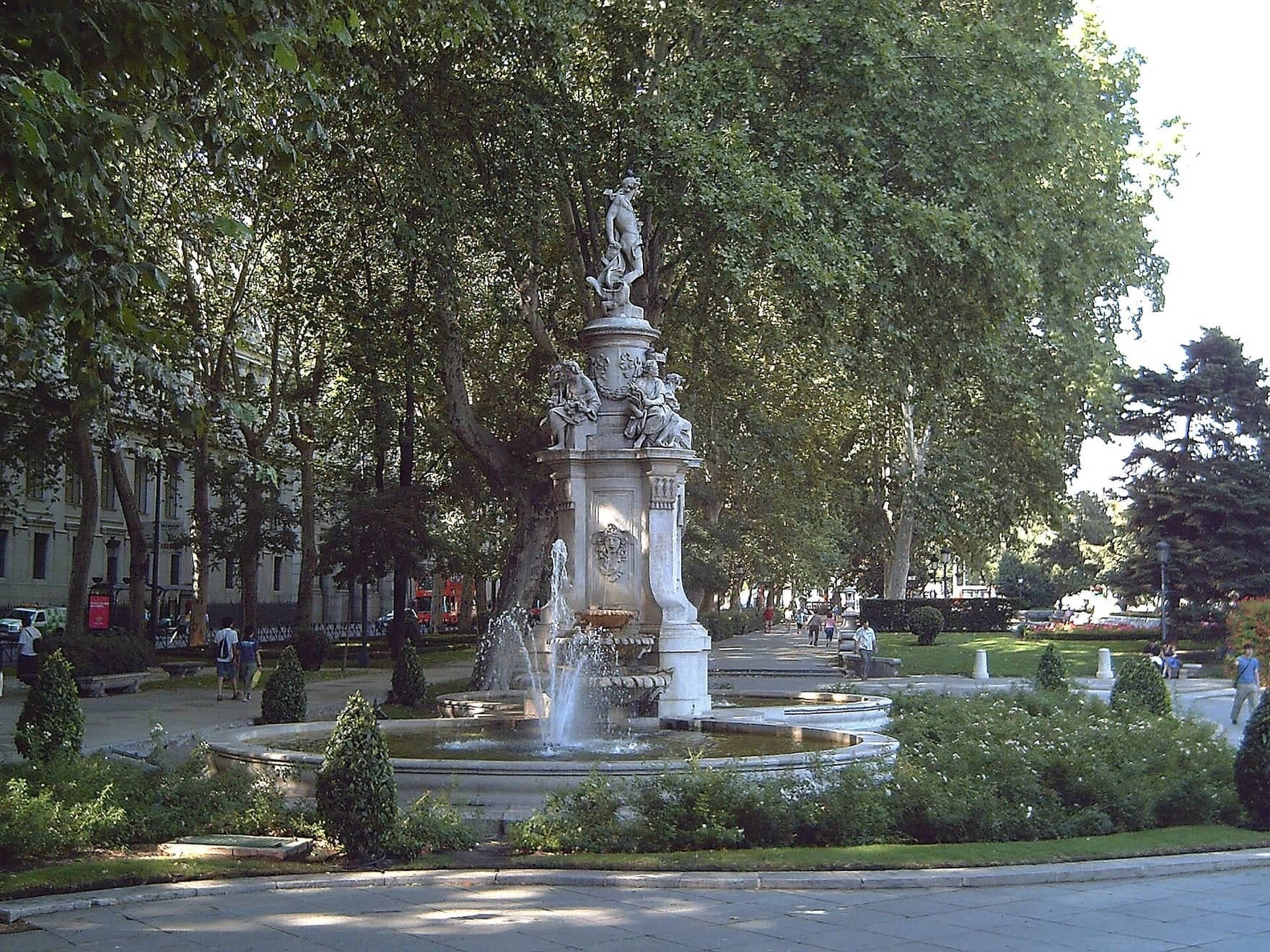
Apollo and the Four Seasons stand at the promenade's exact center, the middle of Carlos III's three fountains.
- 3
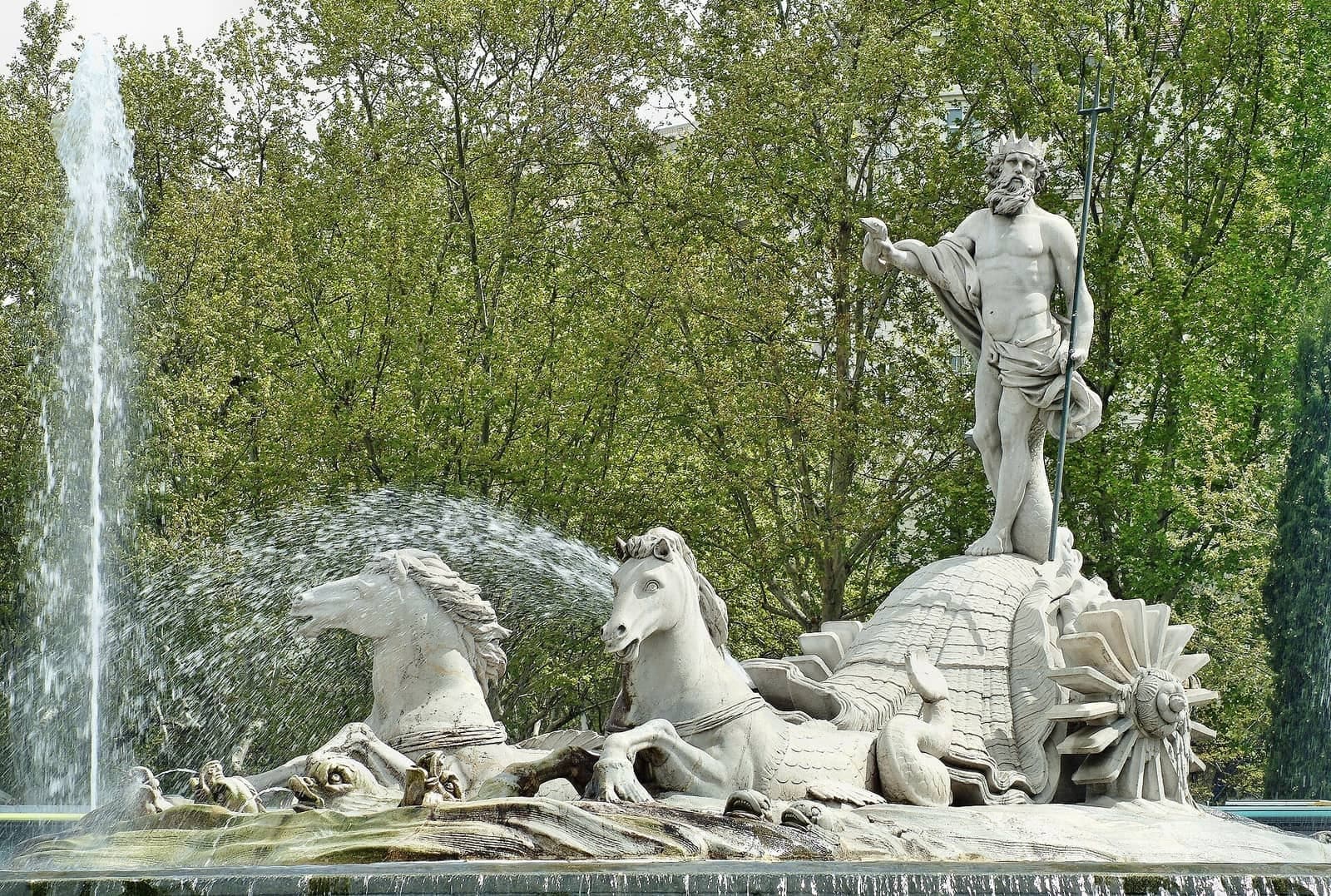
Fuente de Neptuno: The Thyssen and the Ritz
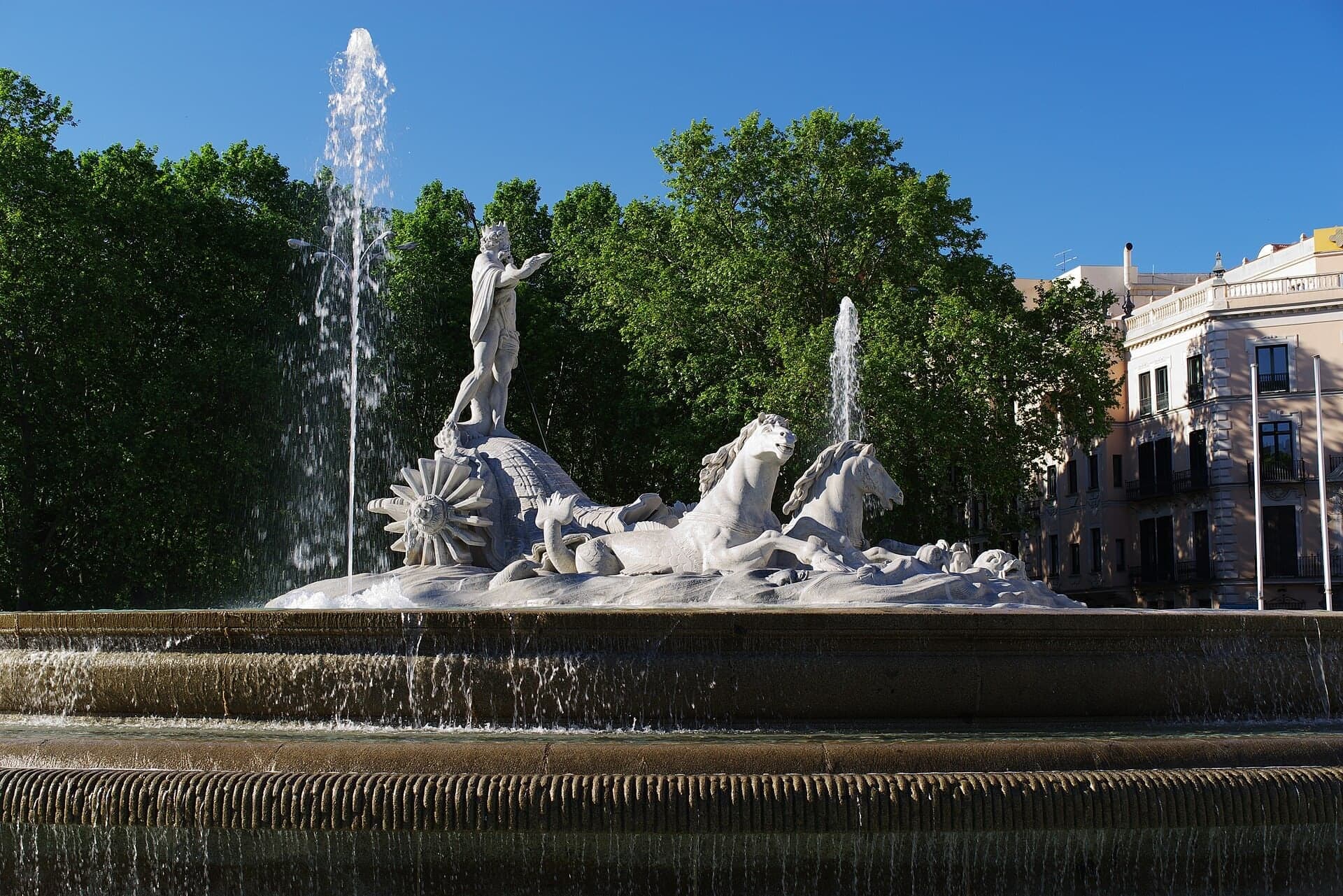
Neptune's fountain is the hinge of the walk, with the Thyssen museum, the Ritz and a war memorial round one square.
- 4
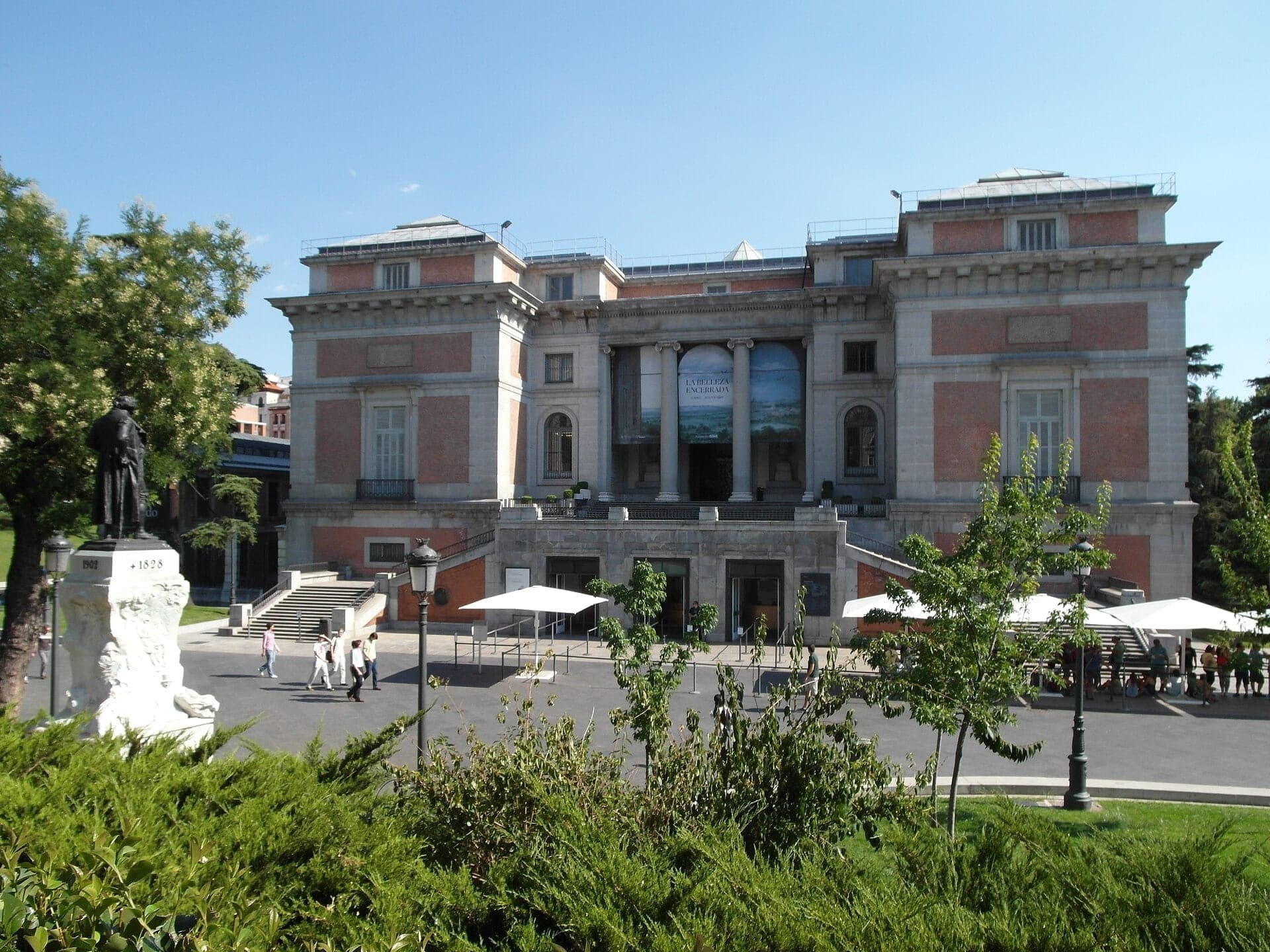
Puerta de Goya: A Stair Added Later
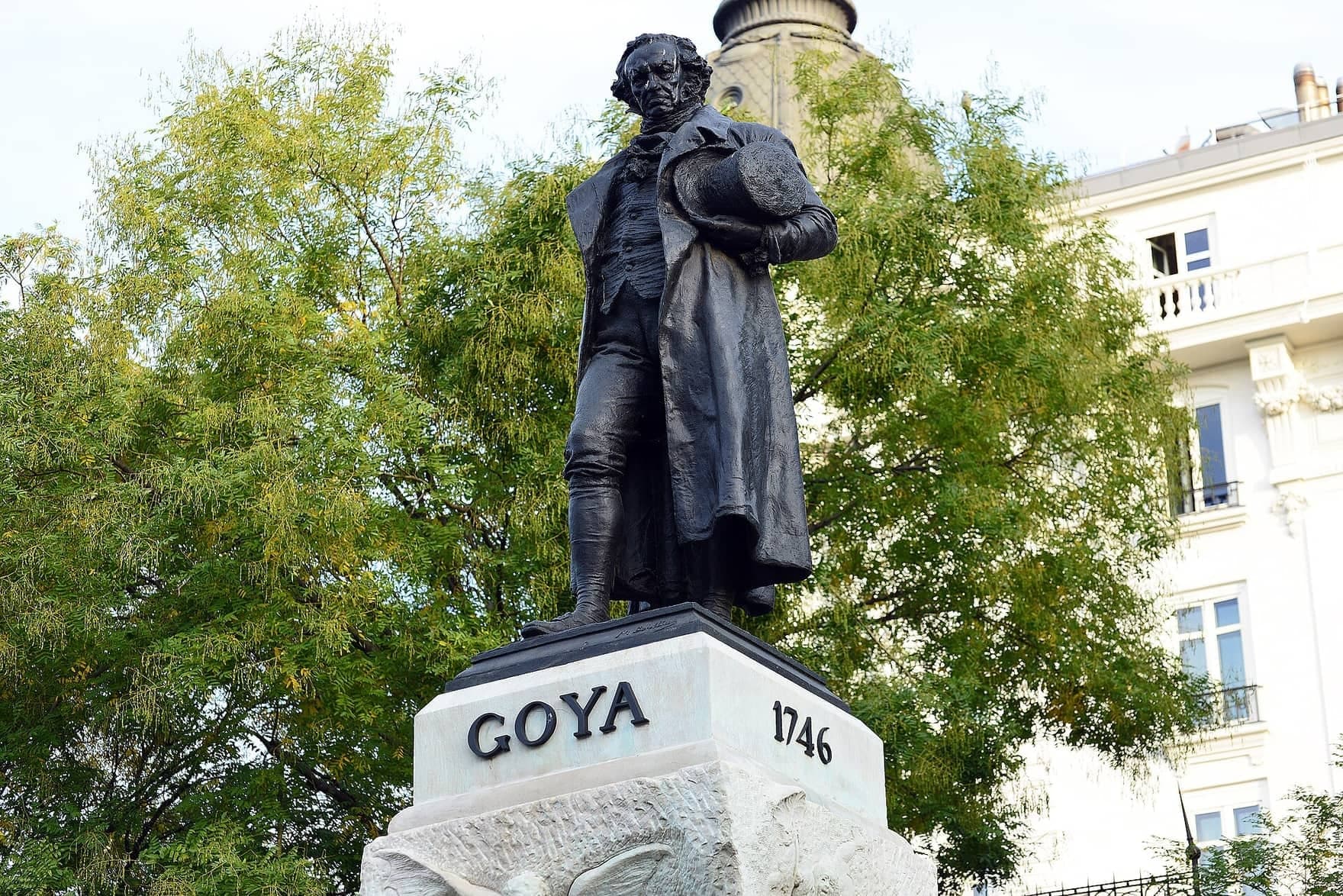
Goya in bronze guards the Prado's north end, where a grand stair climbs to a door left high above the street.
- 5
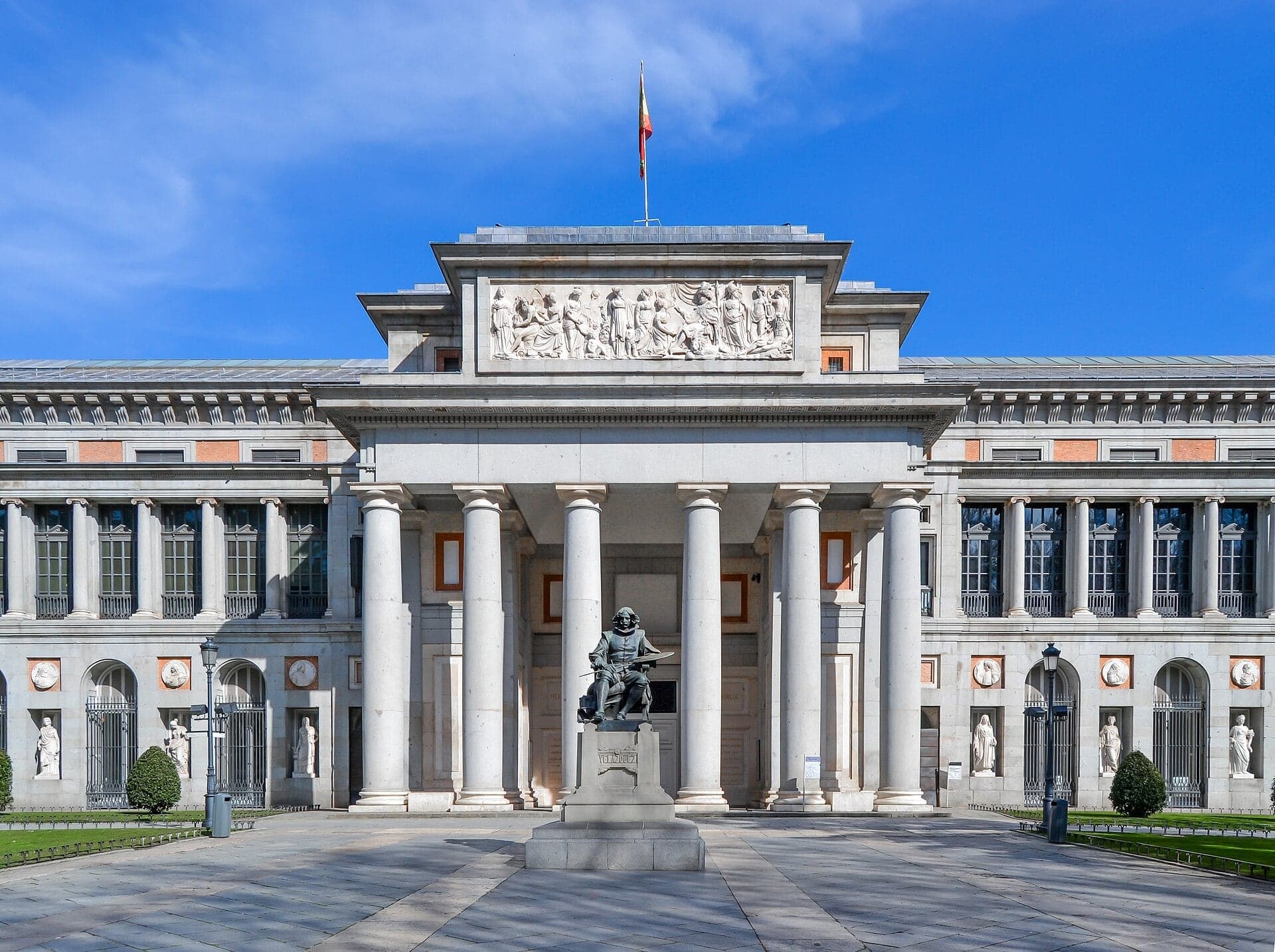
Puerta de Velázquez: Reading the Prado's Front
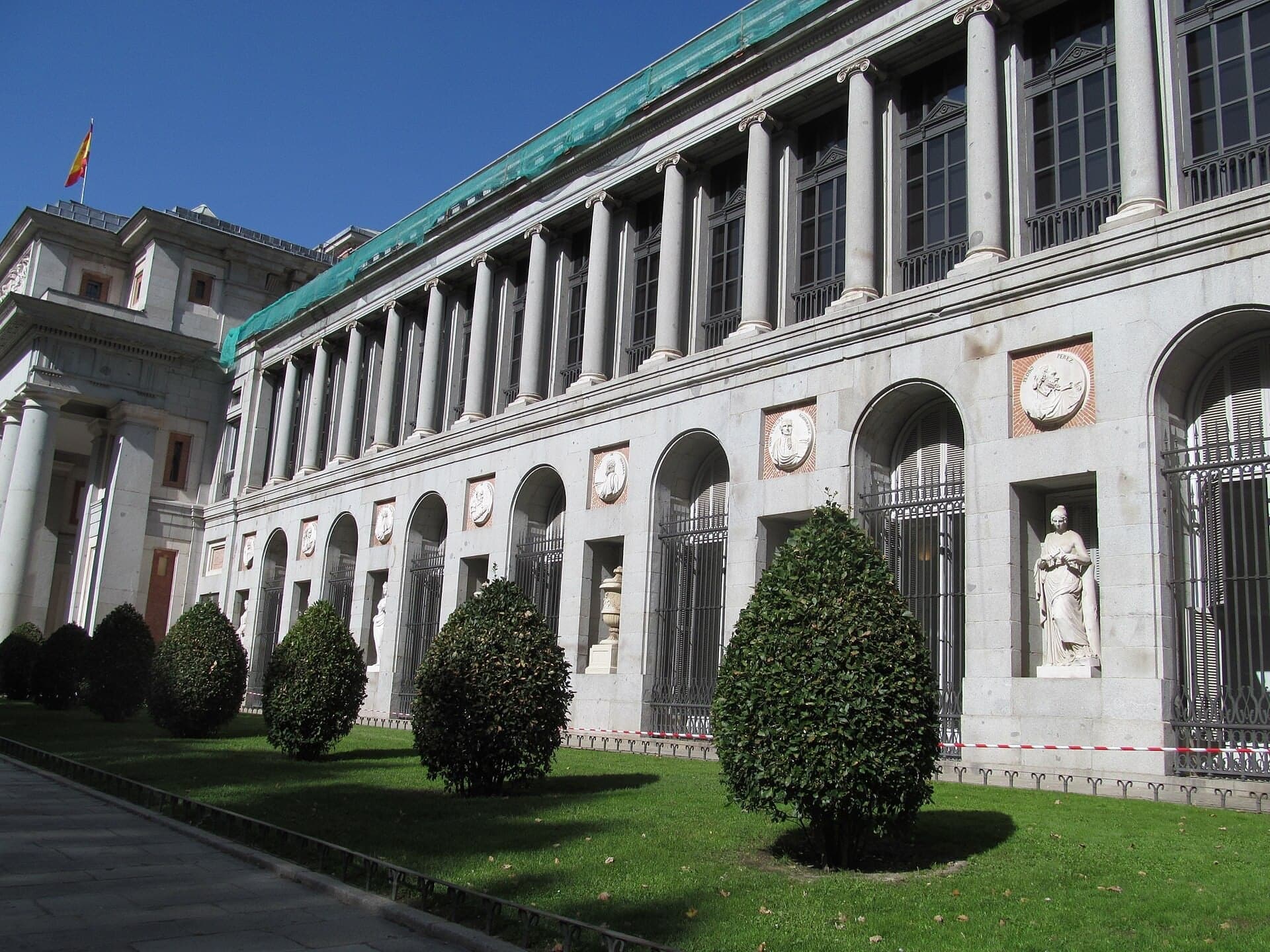
This is the classic view of the Prado's long front, with Velázquez in bronze before its Doric portico and a carved frieze above.
- 6
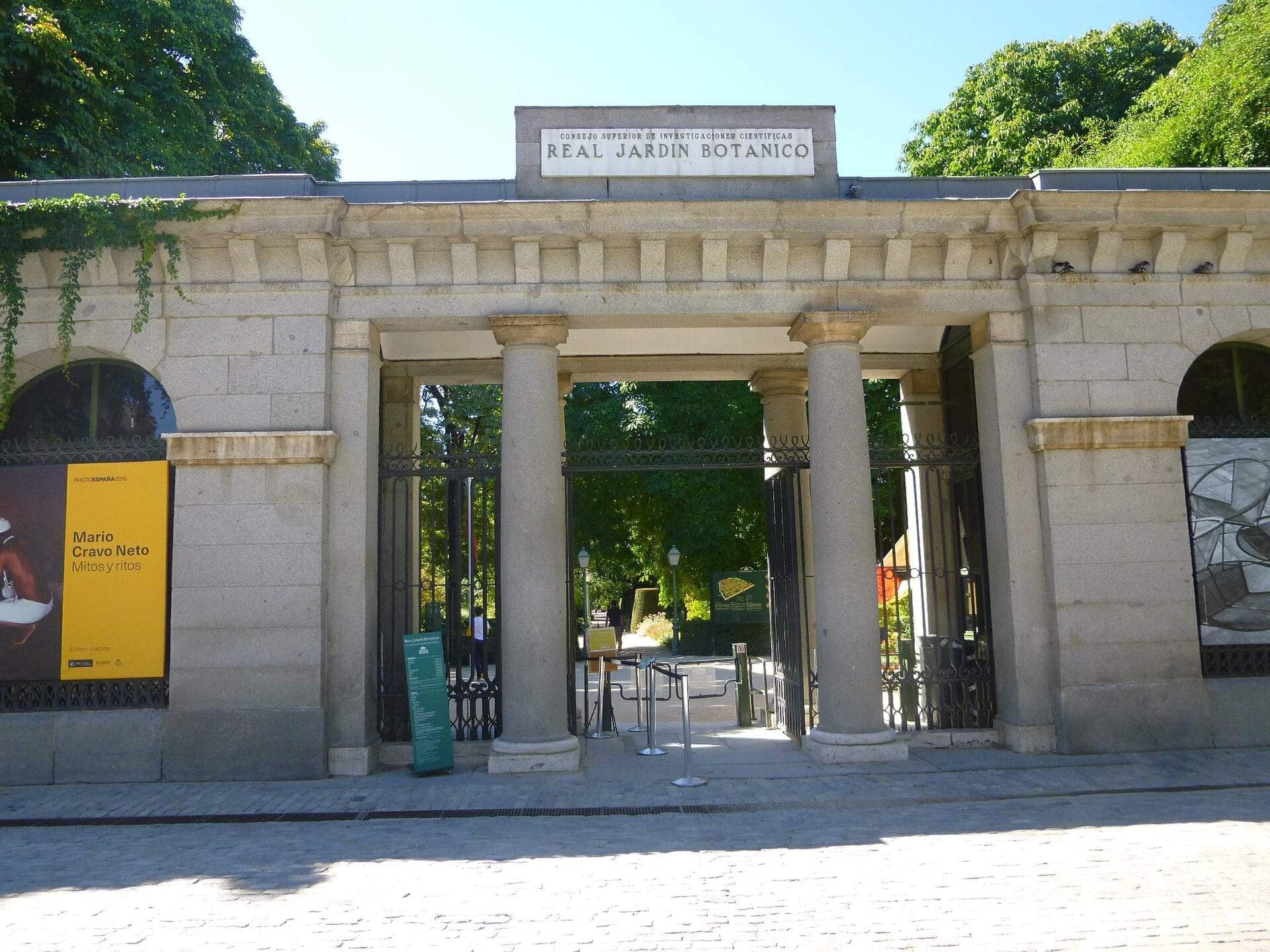
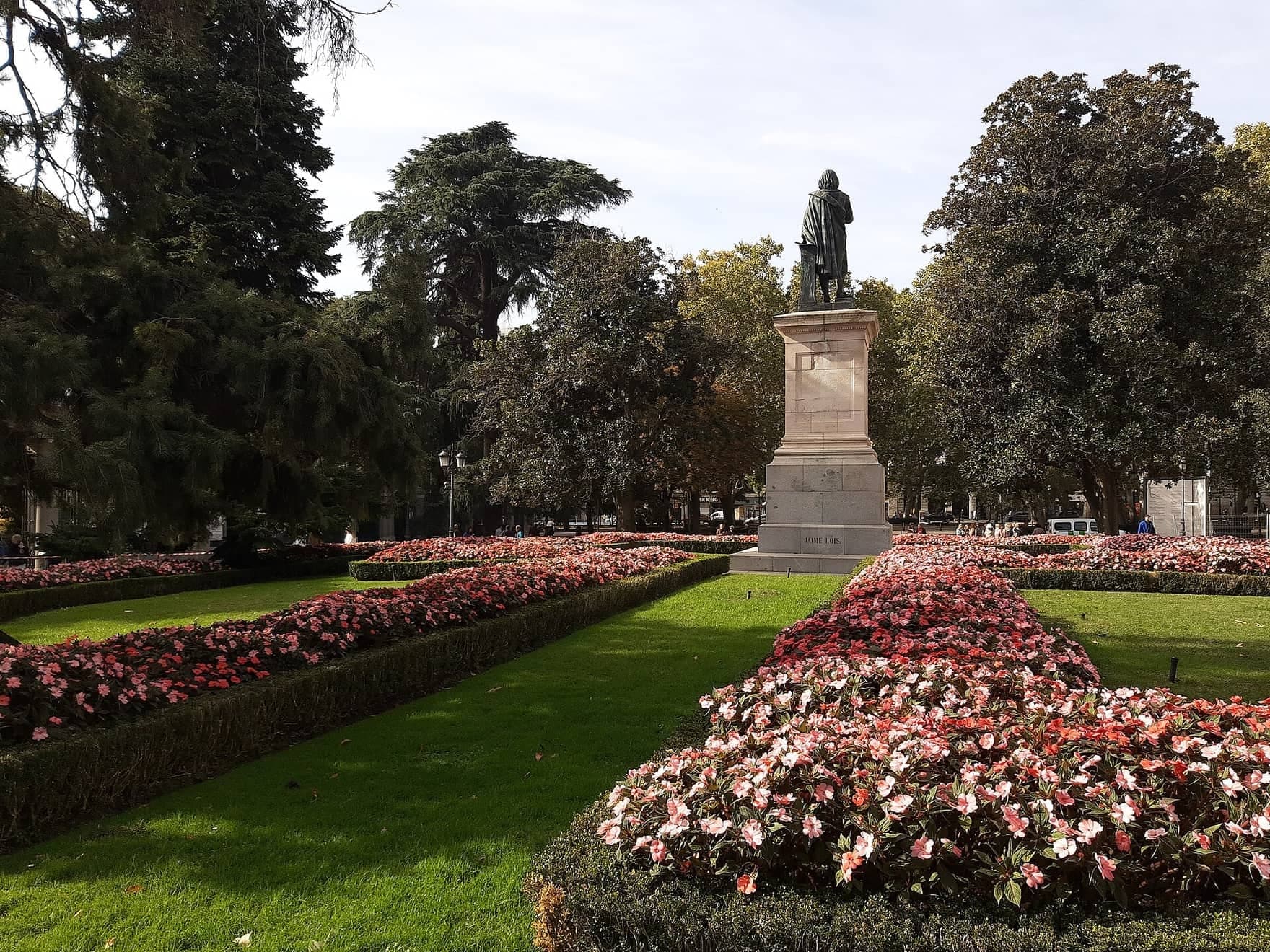
Plaza de Murillo: The Botanic Garden Gate
The science half of the king's plan faces the art half here, between the Prado's south door and the Botanic Garden's gate.
- 7
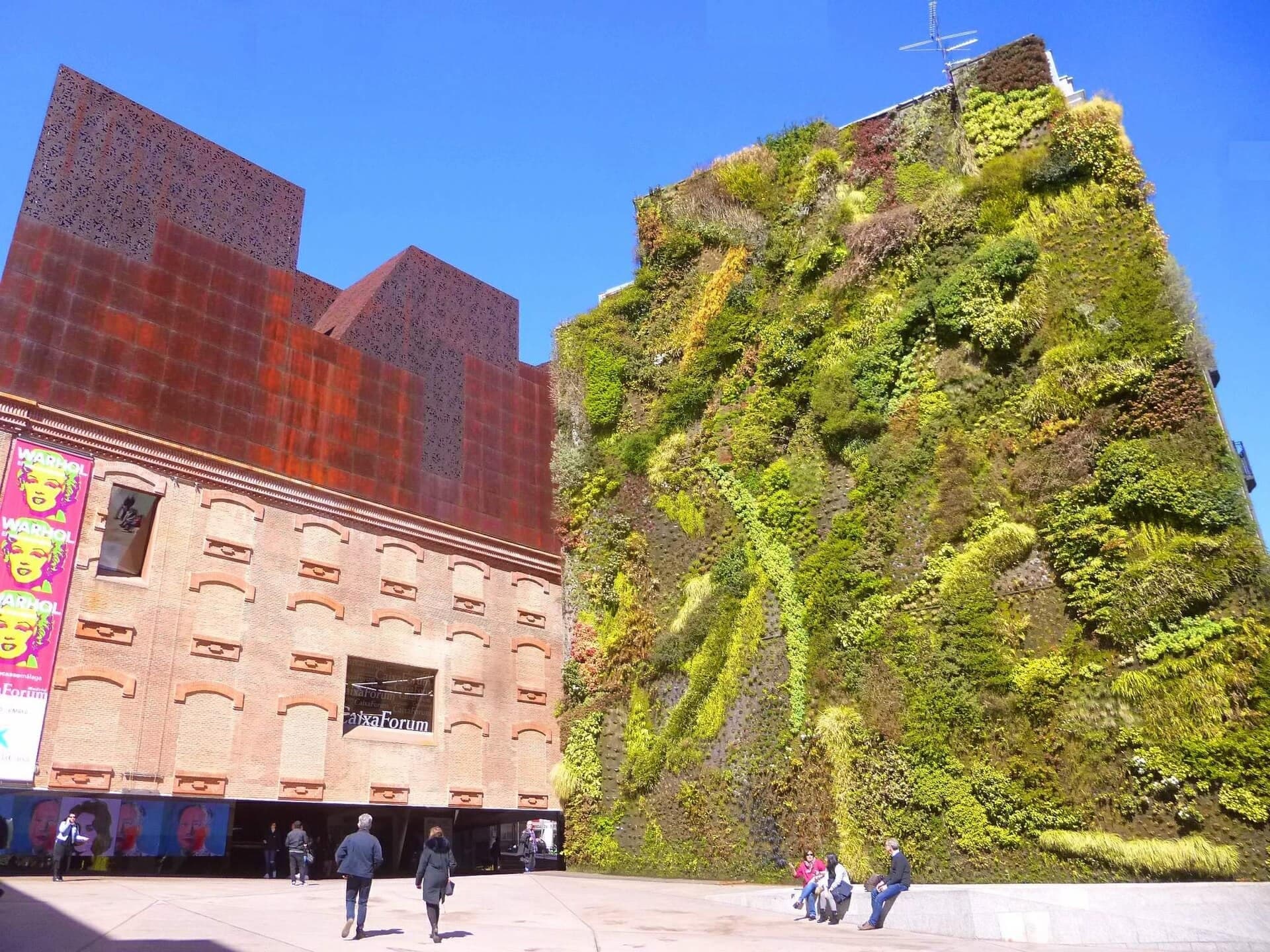
CaixaForum: The Floating Power Station
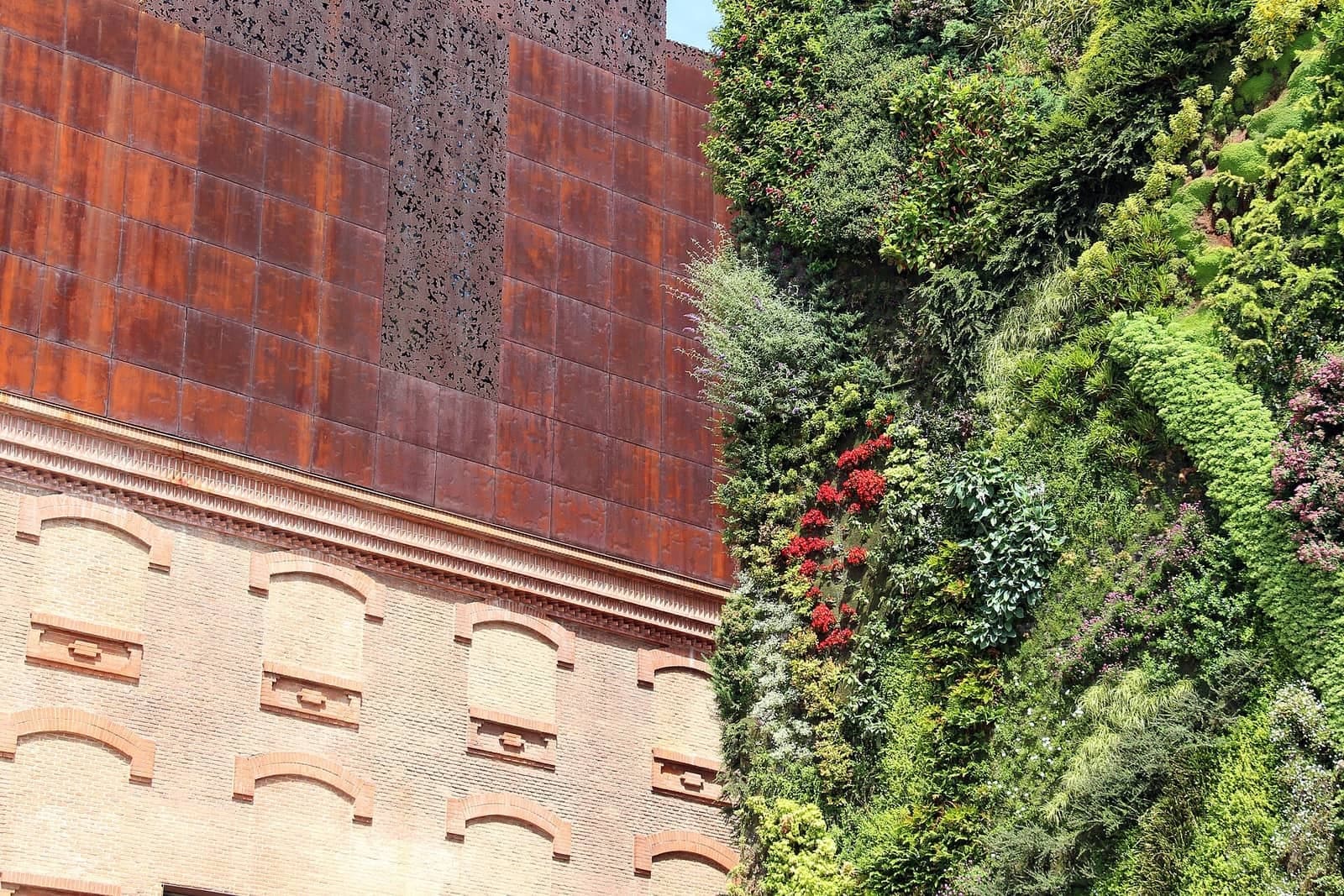
An old brick power station floats over a covered square, beside a wall of living plants.
- 8
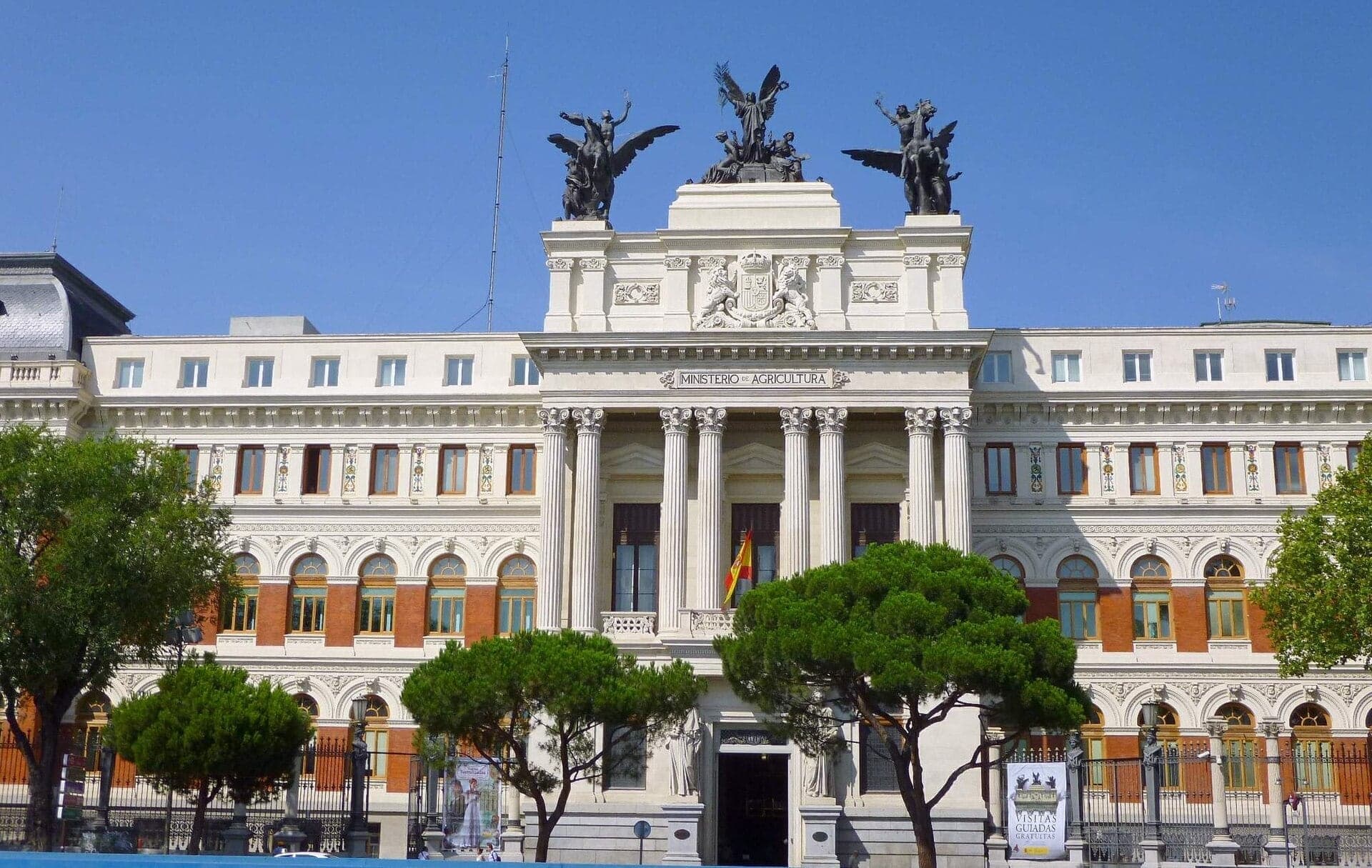
Palacio de Fomento and Cuesta de Moyano
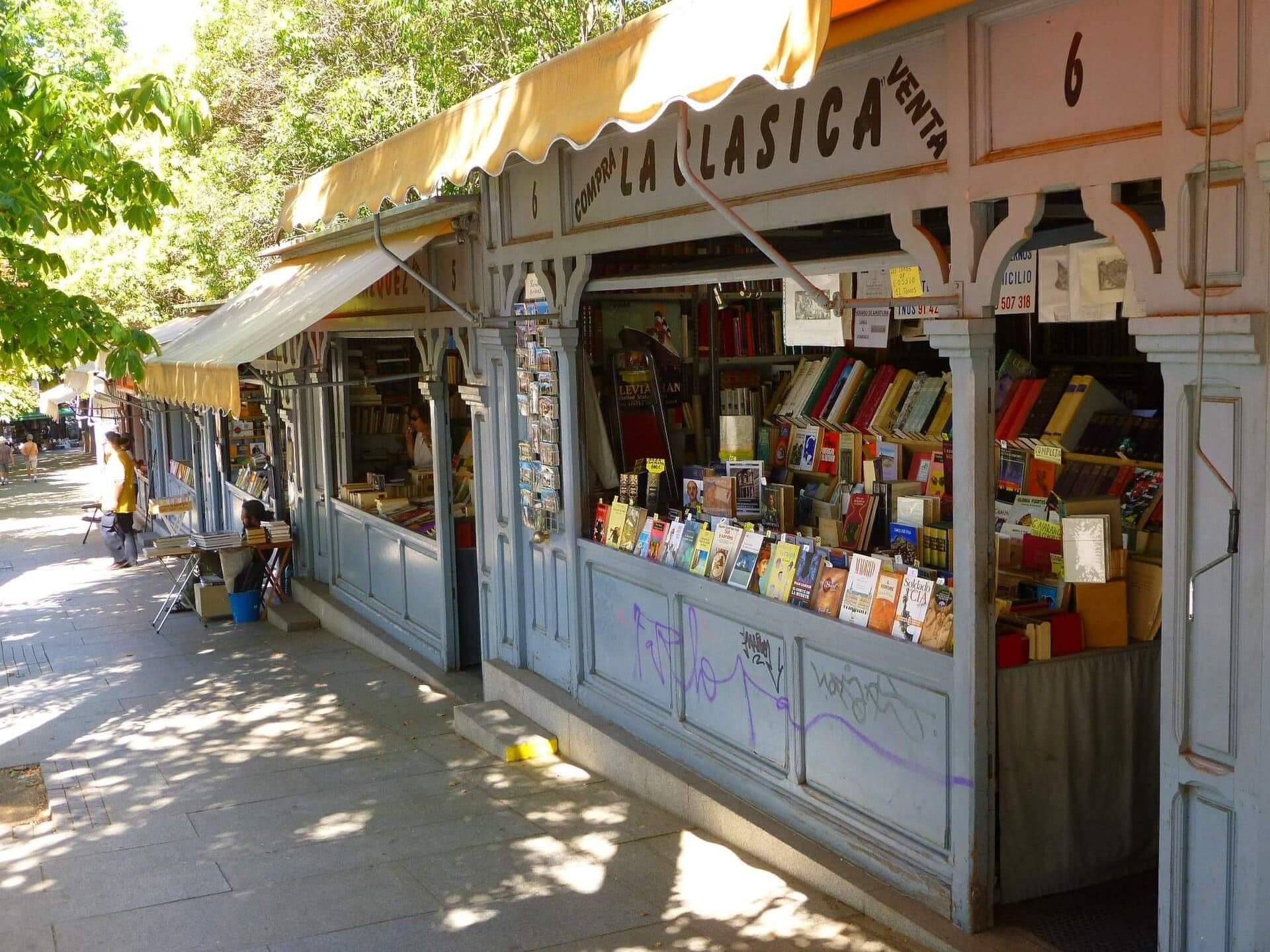
A ministry stands on ground taken from the Botanic Garden, with bronze winged horses on its roof and bookstalls beside it.
- 9
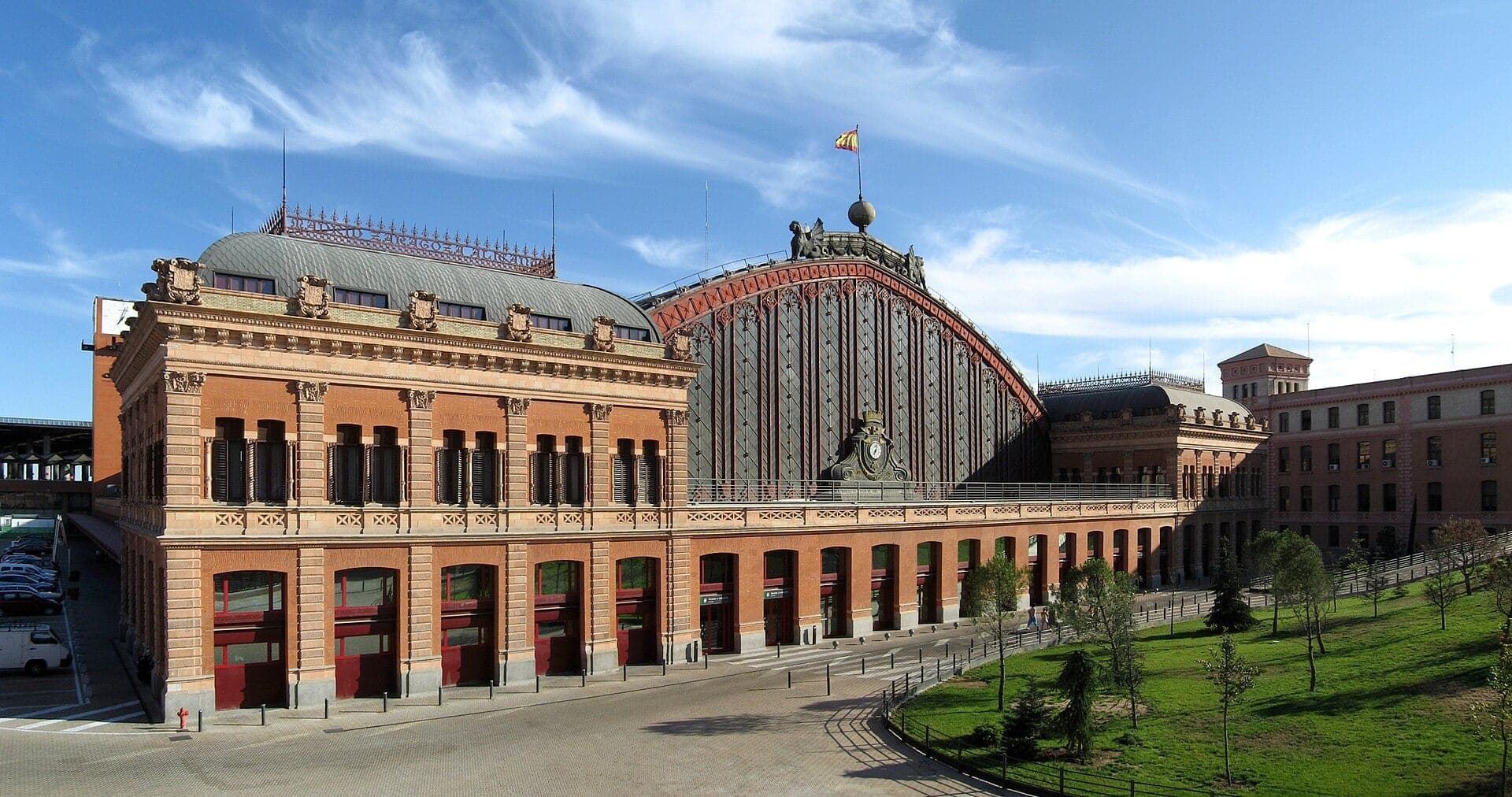
Estación de Atocha: The Iron Hall
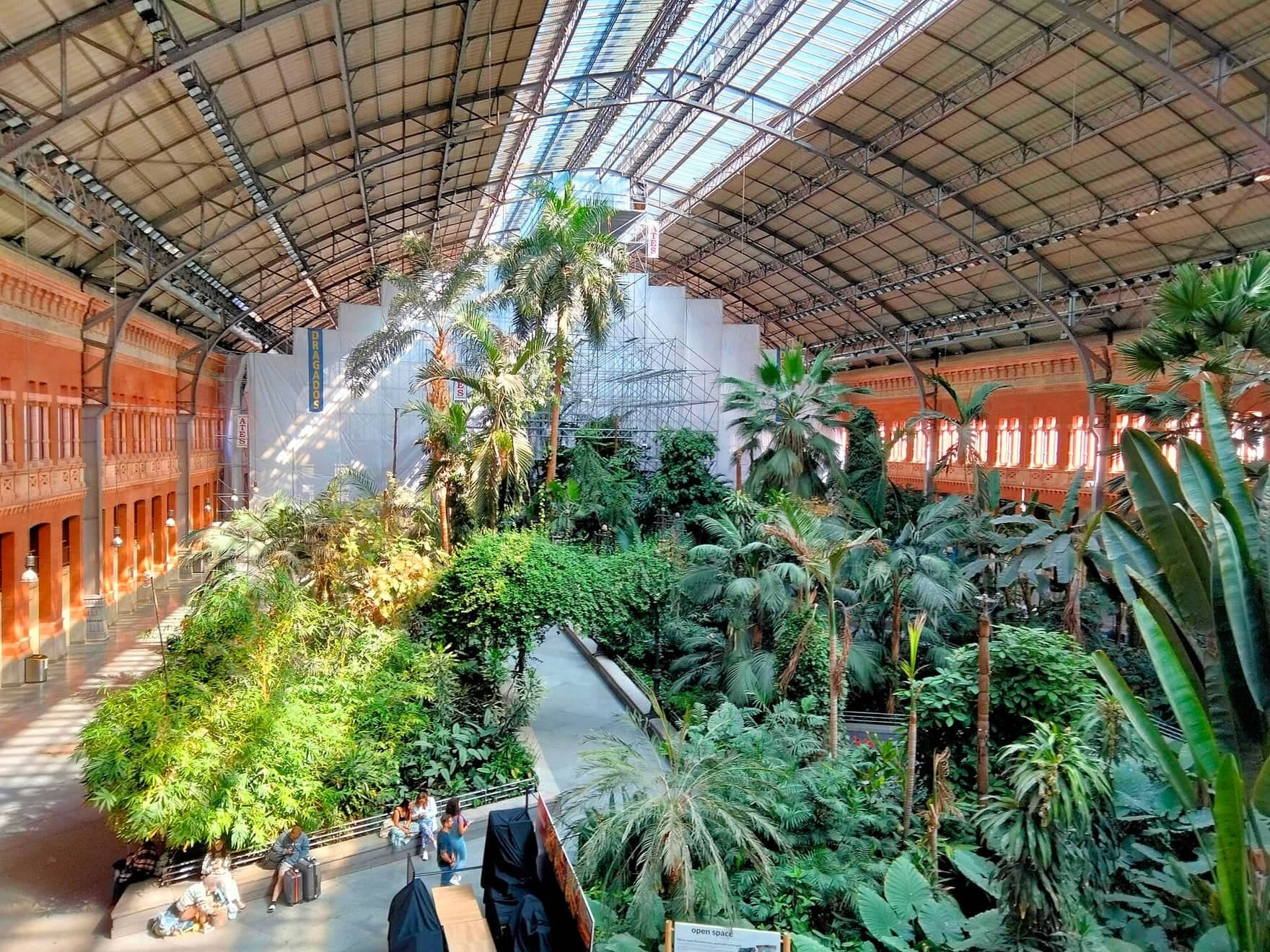
Atocha's iron and glass hall of 1892 became a palm garden, beside the working trains.
- 10
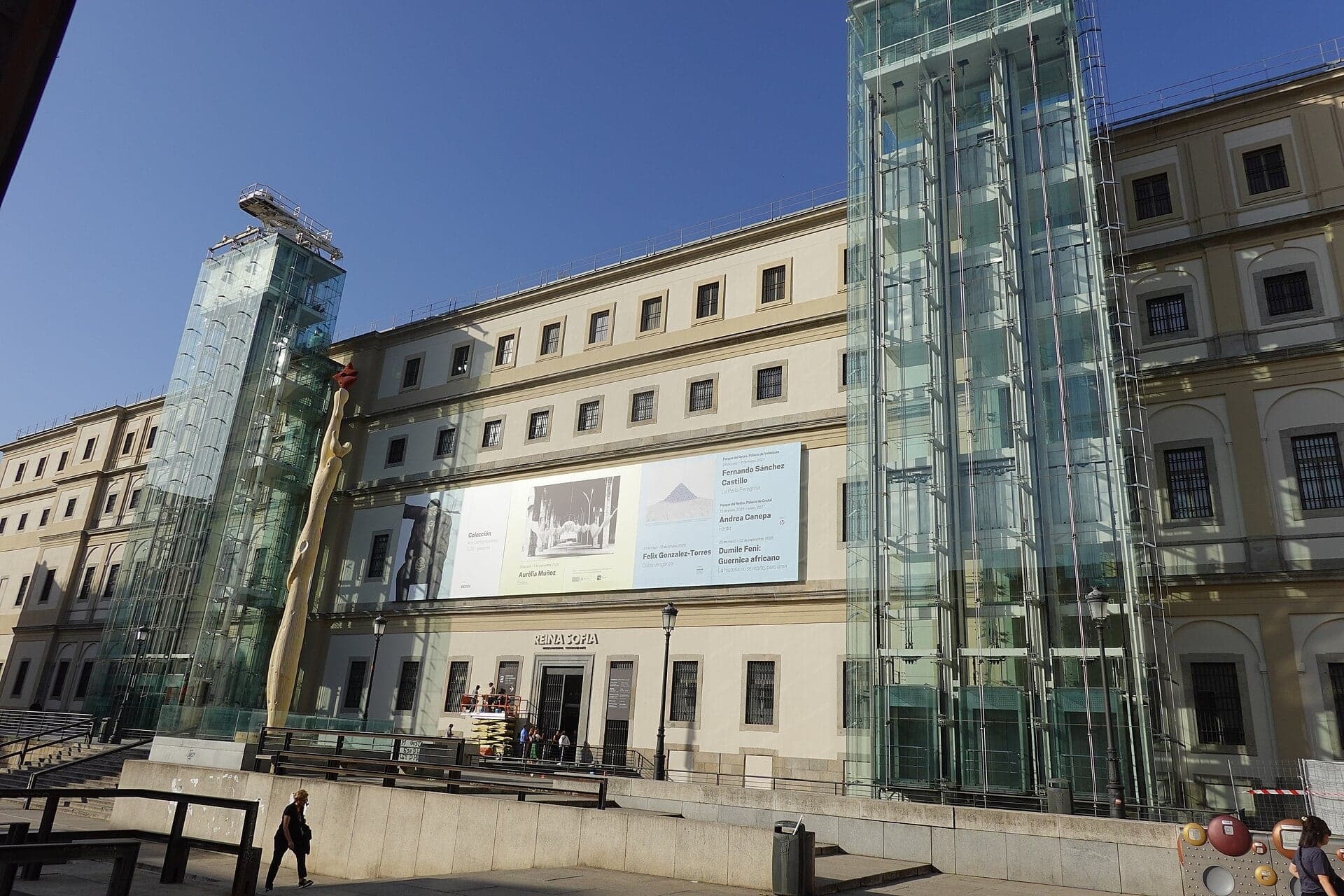
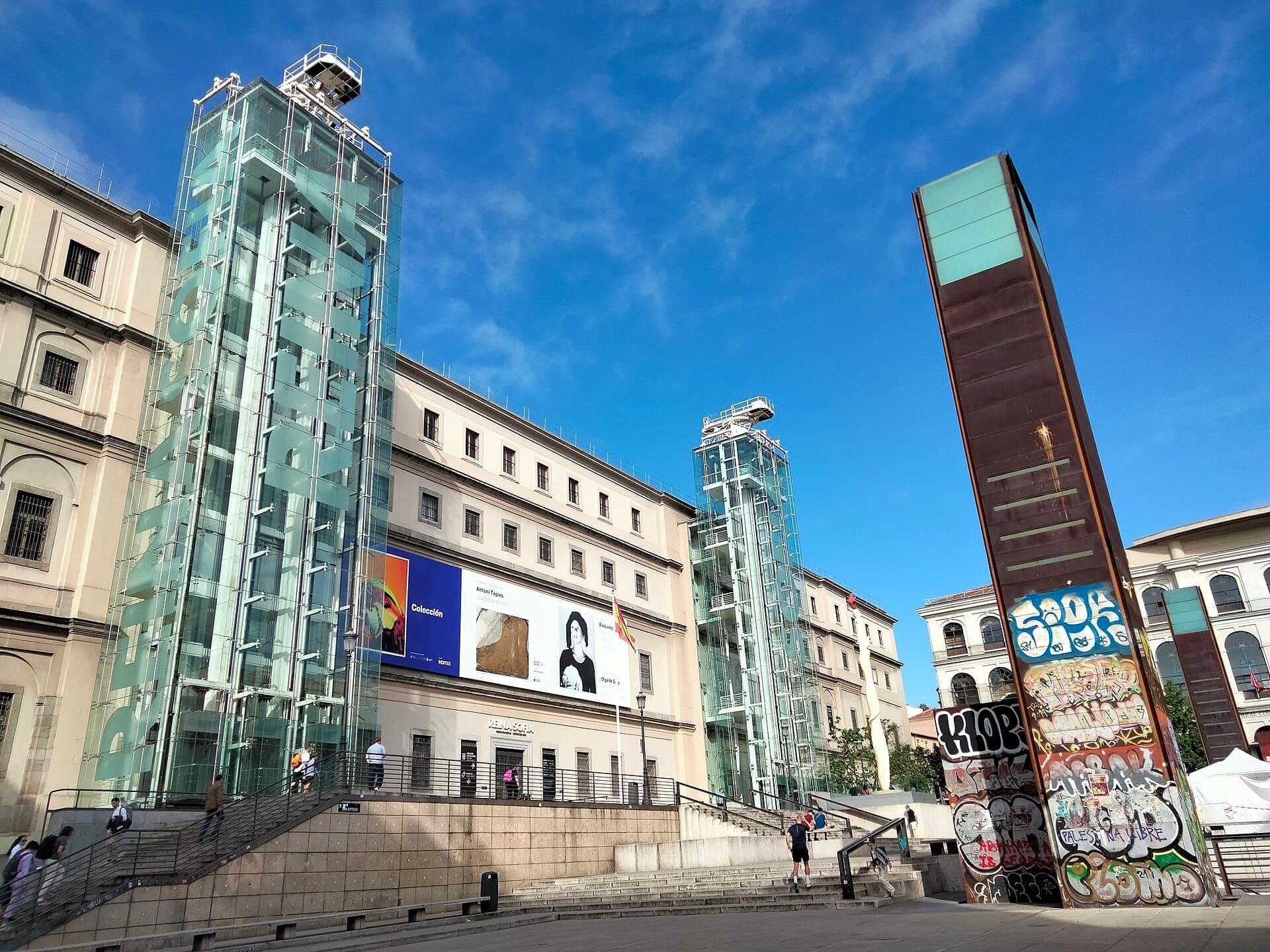
Museo Reina Sofía: The Unfinished Hospital
Only a third of this royal hospital was ever built, and it was saved from demolition, given glass towers and made the home of Guernica.
Details
Best Time to Visit
Any day except Tuesday if you want to finish inside the Reina Sofía, which is closed on Tuesdays (on a Tuesday morning, though, the Botanic Garden is free from 10:00 to 13:30). Afternoons are best: the Prado's front faces west and is backlit in the morning. To end in the Reina Sofía's free hours, start at about 17:30 on a Monday or Wednesday to Saturday and reach the museum around 19:00 (free 19:00 to 21:00). The Botanic Garden closes at 19:00 in October and 18:00 in November and December, last entry 30 minutes earlier. On Mondays the Thyssen's collection is free from 12:00 to 16:00. Checked 14 October 2026.
Pro Tips
- •Getting to the start: Banco de España Metro (line 2) is at the start. Come up on Calle de Alcalá and cross the Paseo's road at the traffic lights to the tip of the central promenade. Recoletos station (Cercanías lines C1, C2, C7, C8 and C10) is also close, and many city buses stop at Cibeles. Checked 14 October 2026.
- •Getting away from the end: Estación del Arte Metro (line 1) is about 150 meters from the Reina Sofía, Atocha Metro (line 1) is a little further, and long-distance and Cercanías trains leave from Madrid-Atocha. Checked 14 October 2026.
- •The Prado (stops 4 to 6): Monday to Saturday 10:00 to 20:00, Sundays and holidays 10:00 to 19:00, last entry 30 minutes before closing. The main ticket desks are at the Goya entrance (stop 4) and open 15 minutes before the museum; desks at the other doors open at 10:00. Groups, and our in-app guide to the inside of the Prado, start at the Puerta de los Jerónimos on the building's east side, about two minutes from stop 4. The last hours of the day are free; check today's price and free hours on the museum's site. Checked 14 October 2026.
- •Museo Thyssen-Bornemisza (stop 3): 14 EUR; free Mondays 12:00 to 16:00 and Saturdays 21:00 to 23:00. Checked 14 October 2026 at museothyssen.org.
- •Real Jardín Botánico (stop 6): 4 EUR, free on Tuesdays 10:00 to 13:30; in October open 10:00 to 19:00. Entry only by the Puerta de Murillo at stop 6. Checked 14 October 2026 at rjb.csic.es.
- •CaixaForum (stop 7): daily 10:00 to 20:00; exhibitions 6 EUR, free for under-16s. The square, the covered space under the building and the plant wall are free at any hour. Checked 14 October 2026.
- •Cuesta de Moyano bookstalls (stop 8): about thirty second-hand bookstalls, open daily roughly 9:30 to 13:30 and 16:30 to 19:00, each setting its own hours. Walking up the slope and back is a short detour. Checked 14 October 2026 at esmadrid.com.
- •Museo Reina Sofía (stop 10): closed Tuesdays; free Monday and Wednesday to Saturday 19:00 to 21:00 and Sunday 12:30 to 14:30, but you still need a ticket. Jean Nouvel's red-roofed extension, unveiled in June 2005, is round the back on Ronda de Atocha, and it is the recommended entrance with an online ticket. Checked 14 October 2026.
- •The central promenade from stop 1 to stop 3 and again after stop 6 is shaded by plane trees; stops 8 to 10 are open and hot in summer, so carry water.
Safety & Precautions
- •The Cibeles fountain (stop 1) went under scaffolding for restoration in late July 2026, for about five months, so it may still be covered. The stop works without it. The fountains at stops 1 and 3 stand on traffic islands: there is no access to them. Checked 14 October 2026.
- •Atocha's tropical garden (stop 9), inside the old 1892 hall, is temporarily closed for works, and there may be hoardings round the old station. Stop 9 is told from outside. Checked 14 October 2026.
- •Between stops 3 and 4 the route goes down one short flight of steps, with no handrail, into the Prado's north garden. We have not been able to confirm a step-free way into the garden at that point.
- •Cross the Paseo del Prado and the big squares only at the marked crossings on the route, almost all with traffic lights. Between stops 3 and 4 you cross three roads at lights (the Paseo's east side, the Plaza de la Lealtad road and Calle de Felipe IV). Between stops 6 and 8 you cross the Paseo's east side at the lights by the Four Fountains, then the west side at the crossing in front of CaixaForum (twice) and the east side again at lights. Between stops 8 and 10 you cross the Paseo de la Infanta Isabel, the Avenida de la Ciudad de Barcelona and two arms of the Plaza del Emperador Carlos V, all at lights. Never cut across the Plaza del Emperador Carlos V elsewhere.
- •Pickpockets work the Prado's queues, the Cibeles bus island and the area round Atocha station. Keep bags closed and in front of you.
- •The Prado's Goya entrance (stop 4) has queues at opening time; keep to the side of the path and do not block the line.
- •The Reina Sofía is closed on Tuesdays, and the Botanic Garden closes at 19:00 in October and 18:00 from November: the walk works from outside at any hour. Checked 14 October 2026.
Travel advisory: Exercise Increased Caution (Level 2).
Gallery
Related Reading
Go deeper on what you'll see, hear, and walk through.
Overview
Best Self-Guided Walking Tours in Madrid (2026)
6 min
Overview
Madrid Travel Guide: How Many Days, Getting Around, When to Go (2026)
5 min
Overview
One Day in Madrid: A Walkable Center-to-Prado Itinerary (2026)
6 min
Thematic
Best Culture Walking Tours in Madrid (2026)
3 min
Thematic
Capital by Decree: Why Madrid Is the Capital of Spain
5 min
Companion
Reading Madrid's Historic Center: The Wall You Cannot See
6 min
Companion
The Paseo del Prado: An Avenue Built to Teach, and the Buildings That Changed Their Jobs
5 min
Deep dive
Guernica at the Reina Sofía: The Painting That Moved Against Picasso's Wish
5 min

Read
Barcelona vs Madrid: Which Should You Visit?
4 min
Read the walk
The full story of Paseo del Prado: The Avenue Built to Teach, in words. Prefer to listen? Play it narrated, from home or on location.
Introduction
Madrid, the capital of Spain, has one avenue that UNESCO added to its World Heritage list in two thousand twenty-one, together with the Retiro park beside it, as a landscape of arts and sciences. This walk follows it: the Paseo del Prado.
In the seventeen sixties and seventies, King Carlos the Third turned a string of meadows along a stream into one designed promenade, with rows of trees, fountains down the middle and new institutions of science around it. One idea runs through the walk: many of the buildings here were built for one job and now do another. A natural history cabinet became the Prado museum, a power station became an arts center, and a royal hospital became the home of Guernica.
Three people shape what you will see: Carlos the Third, the king who ordered it; Ventura Rodríguez, the city's master of fountains; and Juan de Villanueva, the architect of the Prado's building.
The walk is ten stops over about one point eight kilometers, just over a mile, and takes about an hour and a quarter. It runs gently downhill, with one short flight of steps and a small rise at the very end, and big roads are crossed at marked crossings. The museums and the Botanic Garden are ticketed, and every stop works from outside. It begins at the Plaza de Cibeles, by Banco de España Metro, and ends at the Reina Sofía museum, near Atocha station.
1. Plaza de Cibeles: The Goddess and the Palaces
Welcome to the Plaza de Cibeles, where this walk begins. Walk on to the tip of the central promenade, just short of the crossing to the bus island, and stop there. Beyond the island is the fountain of Cibeles: the goddess in her chariot.
If the fountain is wrapped in scaffolding, that is the restorers at work, cleaning and sealing the stone. This stop works either way.
The fountain was drawn in seventeen seventy-seven by Ventura Rodríguez, whose official title was master of the town's fountains and water supply. It belonged to one plan: three fountains on one line, with this one at the top. The goddess rides a carriage pulled by two lions, and the city's own records give them names: Atalanta and Hippomenes.
It was never only decoration. Water ran from its spouts for public use and for the water carriers who took it round the city.
And it did not start where it stands. It first stood by the Palacio de Buenavista, on the far side of the square at the head of the Paseo de Recoletos, looking straight down the promenade at its partner, Neptune. At the end of the nineteenth century both fountains were moved into the middle of their squares.
Now the buildings. The white palace with towers, across the road from the promenade, is the Palacio de Cibeles, a post office palace finished in nineteen nineteen and today the city hall. Back on the corner of Calle de Alcalá, the way you came from the Metro, stands the Banco de España, finished in eighteen ninety-one. When Real Madrid wins, its fans celebrate here, at Cibeles.
Follow the route down the middle of the promenade, under the plane trees. Next is the fountain that stands exactly in the middle.
2. Fuente de Apolo: The Middle of the Plan
Walk on down the middle of the promenade until a fountain stands just ahead of you, and stop there. This is the Fuente de Apolo, Apollo's fountain.
First, look at what you are walking on. Before Carlos the Third, this was a string of meadows along a stream, already a tree-lined walk since the fifteen hundreds, in three stretches with three names: Recoletos, San Jerónimo and Atocha. The king had them joined into one: trees planted in rows, the stream channeled, and fountains set along the middle. The ground still follows that old stream valley, falling gently south, which is why this walk runs downhill.
UNESCO calls this avenue the prototype of the Spanish alameda, the tree-lined promenade, and says it is believed to be the first public green space designed within a European capital in the early modern period.
This one sits right in the middle of the three, and the city's tourist board says that is no accident: from here, Apollo, god of the arts and of light, watches over the city as if he were the king himself. Ventura Rodríguez drew it, but Carlos the Third never saw it finished. A shortage of stone held up the work, and it was opened only in eighteen oh three, under the next king.
Now look below Apollo. Madrid also calls this the fountain of the Four Seasons, and there they are, four figures, each holding a season: spring a basket of flowers, summer a sheaf of wheat, autumn a bunch of grapes, winter a crown of vine leaves. Between them are Madrid's arms, the bear and the strawberry tree, and carved masks spout the water.
In leaf, the plane trees hide the buildings on both sides. The fountains never vanish: they stand in the promenade itself.
Follow the route on down the middle. Next is Neptune, the third fountain.
3. Fuente de Neptuno: The Thyssen and the Ritz
Walk on to the very end of the central promenade and stop at its tip, where the traffic of the Plaza de Cánovas del Castillo circles round. In the middle of it is Neptune. The Thyssen museum across this square is ticketed, and this stop works from the street; the details are on this stop's card.
The sea god rides a shell chariot drawn by sea horses with fishes' tails, his trident in one hand, while seals and dolphins spout water around him. Ventura Rodríguez designed this one too. The sculptor who began it in seventeen seventy-seven died before it was done, and his pupils finished it in seventeen eighty-six. Like Cibeles, it first stood somewhere else, at the foot of the Carrera de San Jerónimo, facing Cibeles down the promenade, and it was moved here at the end of the nineteenth century. Atlético de Madrid's fans celebrate here.
Here the eighteenth-century plan meets its later tenants. Across the road on the city side, behind a garden, is the Palacio de Villahermosa, an old palace that is now the Thyssen-Bornemisza museum. The collection came on loan and opened here in nineteen ninety-two. A year later the government bought it by emergency decree, for more than forty-two billion pesetas, and the decree gives the reason in its own words: a unique chance to fill the gaps in the country's collections of modern painting.
Two grand hotels flank the square: the Ritz, opened in nineteen ten, on the Prado side, and the Palace on the city side. And through the trees on the Prado side, inside a railed garden, rises a stone obelisk: a monument from eighteen forty to the Madrid uprising of the second of May, eighteen oh eight.
Follow the route across the roads at the lights and down a short flight of steps into the Prado's garden. Next is the Goya door, where the tickets are sold.
4. Puerta de Goya: A Stair Added Later
Walk on into the garden at the north end of the Prado museum and stop at its corner, near the foot of the long stone stair. Goya stands on his pedestal in bronze, and the stair climbs to a door a full story up. The Prado is ticketed and worth every minute: the main ticket desks…
Full narration for this stop unlocks with the tour.
5. Puerta de Velázquez: Reading the Prado's Front
Walk on along the path in front of the museum and stop when Velázquez, seated in bronze, is beside you, with the long front stretching away both ways. This is the classic view of the Prado. The big central door behind him is not the way in today: the main doors in use are the…
Full narration for this stop unlocks with the tour.
6. Plaza de Murillo: The Botanic Garden Gate
Walk on into the little square at the south end of the museum and stop there, with the gate of the Botanic Garden in front of you and its railings running away along the road. Behind the statue of the painter Murillo, a copy of the one in Seville, is the Prado's third public…
Full narration for this stop unlocks with the tour.
7. CaixaForum: The Floating Power Station
Walk on into the open square in front of CaixaForum and stop there. Find the wall of living plants climbing the side of the next building, and beside it a brick block standing over an open, shaded space. The exhibitions here are ticketed, the square is free at any hour, and the…
Full narration for this stop unlocks with the tour.
8. Palacio de Fomento and Cuesta de Moyano
Walk on down the pavement beside the Botanic Garden's railings and stop near the end of the garden. Ahead, across the end of the road, a big stone building carries sculpture on its roof: winged horses around a figure of Glory. That is the Palacio de Fomento, today the Ministry…
Full narration for this stop unlocks with the tour.
9. Estación de Atocha: The Iron Hall
Walk on along the edge of the lawn in the Plaza del Emperador Carlos V and stop when the old station's end wall is on your left. Turn to face it: a great arch of iron and glass between two brick towers. This is Atocha station. In eighteen fifty-one Spain's second railway line…
Full narration for this stop unlocks with the tour.
10. Museo Reina Sofía: The Unfinished Hospital
Walk on into the Plaza de Juan Goytisolo and stop on its upper level. This is the end of the walk. Now turn round to face the long building across the street: an old hospital front with two glass towers standing against it. This is the Museo Reina Sofía. It is ticketed, closed…
Full narration for this stop unlocks with the tour.
- The Fuente de Apolo (Fountain of Apollo), also called de las Cuatro Estaciones (the Four Seasons” is a large fountain situated on the Paseo — Harvey Barrison from Massapequa, NY, USA, CC BY-SA 2.0 · source
- View of the Fountain of Apollo in Madrid (Spain). — Luis García, CC BY-SA 2.5 · source
- Neptune's fountain, Madrid (Spain). — Javier Perez Montes, CC BY-SA 4.0 · source
- Puerta de Goya del museo del Prado, Madrid. — Rowanwindwhistler, CC BY-SA 3.0 · source
- Statue of Goya outside the North Portico of the Museo Nacional del — Harvey Barrison from Massapequa, NY, USA, CC BY-SA 2.0 · source
- Pórtico hexástilo (seis columnas) de estilo neoclásico del Museo del Prado en Madrid, conocido como Puerta de Velázquez. Diseñado por el arq — Emilio J. Rodríguez Posada, CC BY-SA 2.0 · source
- Medallones y estatuas alegóricas del Museo del Prado, fachada oeste o de Velázquez. Fachada lateral derecha del Museo. — Oilisab, CC BY-SA 4.0 · source
- Huertas | Paseo del Prado CaixaForum Madrid is a museum and cultural center sponsored by La Caixa. The complex combines an old abandoned ele — Fred Romero from Paris, France, CC BY 2.0 · source
- Exterior of the old Atocha Station in Madrid. — Gryffindor, CC BY-SA 3.0 · source
- Estación de Atocha (Madrid), jardí tropical a l'antic vestíbul — Enric, CC BY 4.0 · source
- Sabatini Building, Museo Nacional Centro de Arte Reina Sofía Madrid — Joseolgon, CC BY 4.0 · source
- Museo Nacional Centro de Arte Reina Sofía, c. Santa Isabel 52 (Madrid), edifici Sabatini — Enric, CC BY-SA 4.0 · source
Images may be cropped or resized. Other photos via Unsplash and Pexels.