Historic Center: The Wall Madrid Built Over
75 min · 2.4 km · easy
Madrid grew up on high ground, and the El Rastro and Lavapiés tour walks down its southern slope. Ten stops over about 2.2 kilometers, almost all of it downhill, from the Plaza de Tirso de Molina through the Rastro flea market, past two churches burned in 1936, a galleried corrala and the Plaza de Lavapiés, to the old tobacco factory and a queen's garden at the foot of the hill. The audio takes it one stop at a time. Here is the argument that holds the walk together.
Below the old town, the city kept the work it needed but did not want next door: slaughter and tanning, a royal factory, and the crowded homes of the people who worked in them. Walk down the slope and you read that arrangement in order.
The myth the walk does not repeat
Lavapiés has a famous origin story. The name means "wash feet", and you will read that it was Madrid's medieval Jewish quarter and that people washed before entering a synagogue here. You will even find it in print, on official pages. No document and no excavation has shown it. Archaeologists working on Madrid's small medieval Jewish community place it up by the royal palace and the Almudena, on the far side of the old town. Nobody knows for sure where the name Lavapiés comes from, and the tour says exactly that, at the Plaza de Lavapiés, before moving on to what can be shown.
The dirty work, sent downhill
Hear a stop from this walk
Puerta Cerrada: The Closed Gate
The walk opens in the Plaza de Tirso de Molina, a square made from the hole left by a Mercedarian convent pulled down in the 1830s, when the state seized and sold Church property. Its eight flower kiosks, each named after one of Tirso de Molina's plays, came with a plan of 2004 to give the square back to people on foot.
Then the Rastro. At the Plaza de Cascorro, the statue of Eloy Gonzalo, a Madrid foundling who volunteered to burn an insurgent-held house at Cascorro in Cuba in 1896 with a rope tied round him, marks the head of the market. Below it runs the Ribera de Curtidores, the Tanners' Slope: the city's tourism office says the tanneries that cured the hides stood in this area. In old Spanish a rastro was a slaughter place; one old dictionary explains it as the place where the sheep are killed, because they are dragged there. The tale that the market is named for a trail of blood is the city's favorite version, and one historian calls it a cliché. The market itself runs on Sunday and public holiday mornings; on other days the shops and the two courtyards of dealers are open.
Two churches burned in 1936
Two stops show the same wound treated two ways. San Cayetano, whose granite front the tourism office credits mostly to Pedro de Ribera, was set on fire at the start of the Civil War, shored up, rebuilt and reopened in 1962. A few minutes away, the church of the Escuelas Pías, the Piarist fathers' first school in Madrid, founded in 1729 to teach poor children, burned in the same days and was left a ruin for nearly seventy years. In the early 2000s it became a library for Spain's public distance-learning university, with the new roof set low so the building still reads from outside as a ruined church.
The corrala and the factory women
La Corrala shows the housing of the working south. A corrala is a tenement built round a shared yard, its small rooms opening onto long balconies that work as corridors. Most keep those balconies inside; this one faces a public square. In 1977 the state declared it a historic and artistic monument of local interest, not a national monument, as it is often called; the order was published in the official gazette in January 1978, for the building at Calle del Sombrerete 13 and Calle del Tribulete 12. It is still homes, and the tour asks you to look from the square.
From here the walk follows one thread. The historian Álvaro París Martín, writing on the cigar makers' riot of 1830, describes a flood of women coming down the steep streets of Ave María, Lavapiés and Mesón de Paredes every morning into the Embajadores ravine, gathering at the factory gate to wait for it to open. The tour walks part of that way down, past the Plaza de Lavapiés, which the city's tourism office calls one of the most traditional and most multicultural neighborhoods in Madrid, and La Casa Encendida, a brick building of 1913 put up for a charity pawnshop and savings bank in a working district.
At the bottom stands La Tabacalera. It was built between 1780 and 1792 as the Royal Factory of Spirits and Playing Cards and turned over to tobacco in April 1809, under French occupation, when eight hundred women were hired to roll cigars. By 1830 there were three thousand five hundred of them, working in teams of about six round a table, paid by the piece. On 11 February 1830 they rose, took the factory and beat the director, who saved himself by locking himself in his office, and the protest lasted five days. The factory made tobacco until the end of the twentieth century. Today it is closed for building works, so its front may be under scaffolding.
The walk ends in the garden of the Casino de la Reina, given by the city to Queen Isabel of Braganza in 1817 as a country retreat. Among its later lives, it held an asylum for the cigarreras. The queen's garden ended up sheltering some of the factory's women.
Why the walk works this way
Most neighborhood walks give you a mood. This one gives you a slope and a sequence: a convent square, a slaughter slope turned flea market, two burned churches, a tenement, a pawnshop and a factory gate, each one further down the hill. For where to eat along the way, see eating through Lavapiés, and for the town above the slope, the Historic Center walk.
Start the El Rastro and Lavapiés tour at Tirso de Molina and follow the women down the hill. The introduction and first stop are free to hear in full.
Ready to experience it?
Historic Center: The Wall Madrid Built Over
75 min · 2.4 km · easy
More from Madrid
Explore more at your own pace.
Best History Walking Tours in Madrid (2026)
Best Nature Walking Tours in Madrid (2026)
Goya's Black Paintings: Saturn, the Dog and the House That No Longer Exists
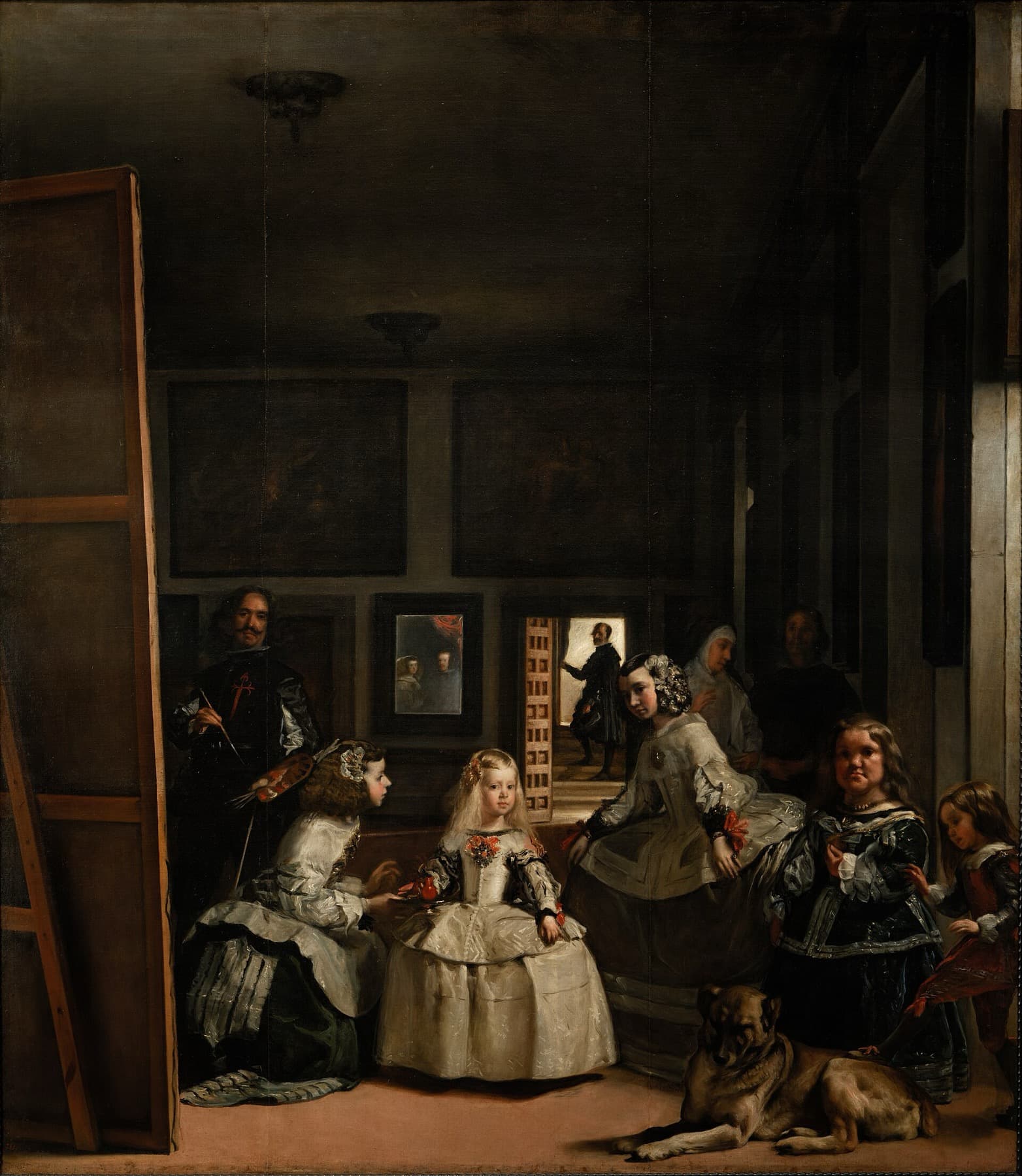
Las Meninas: Who Is Looking at Whom, in Room 12
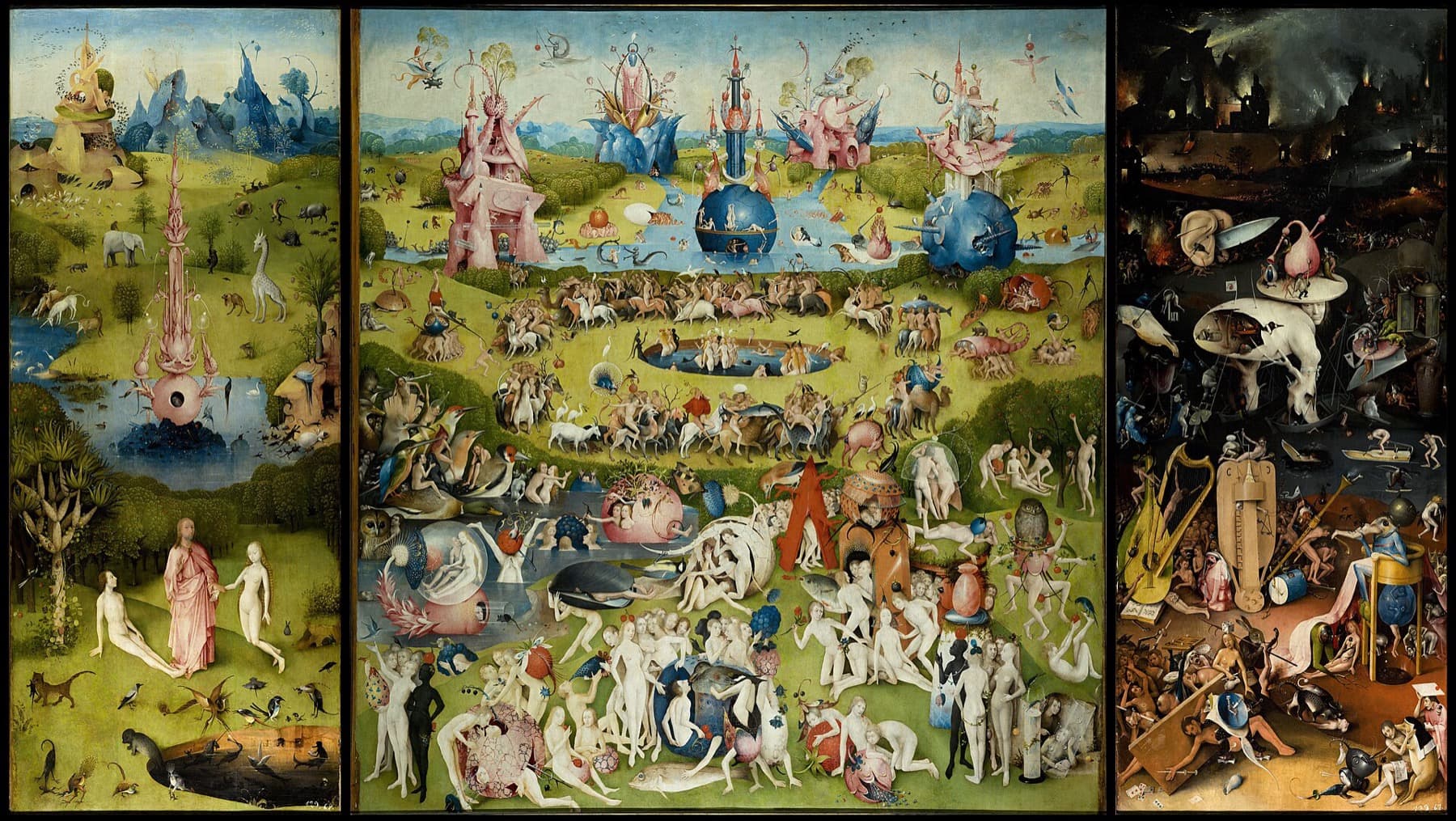
The Garden of Earthly Delights: What It Means and Why It Is in Madrid