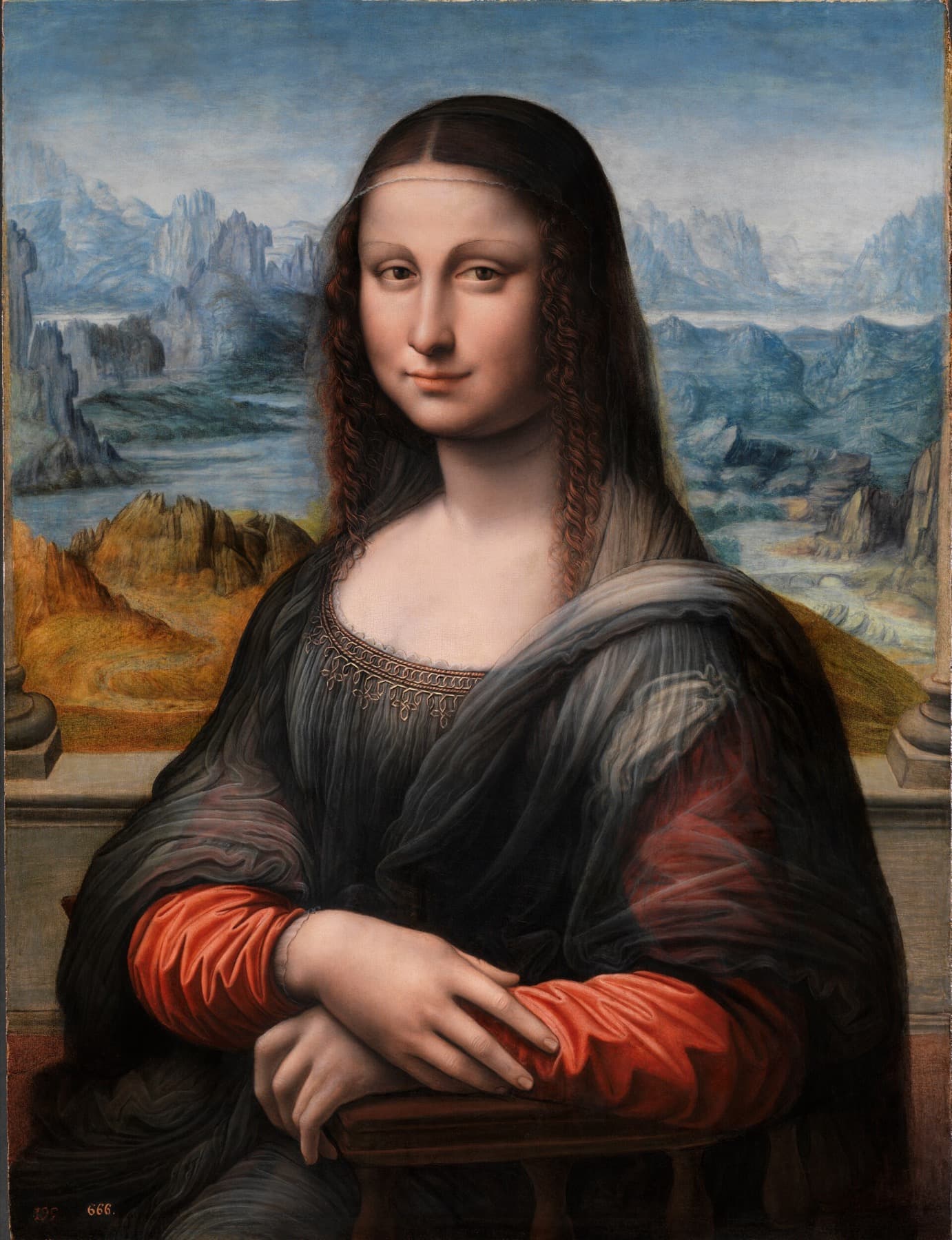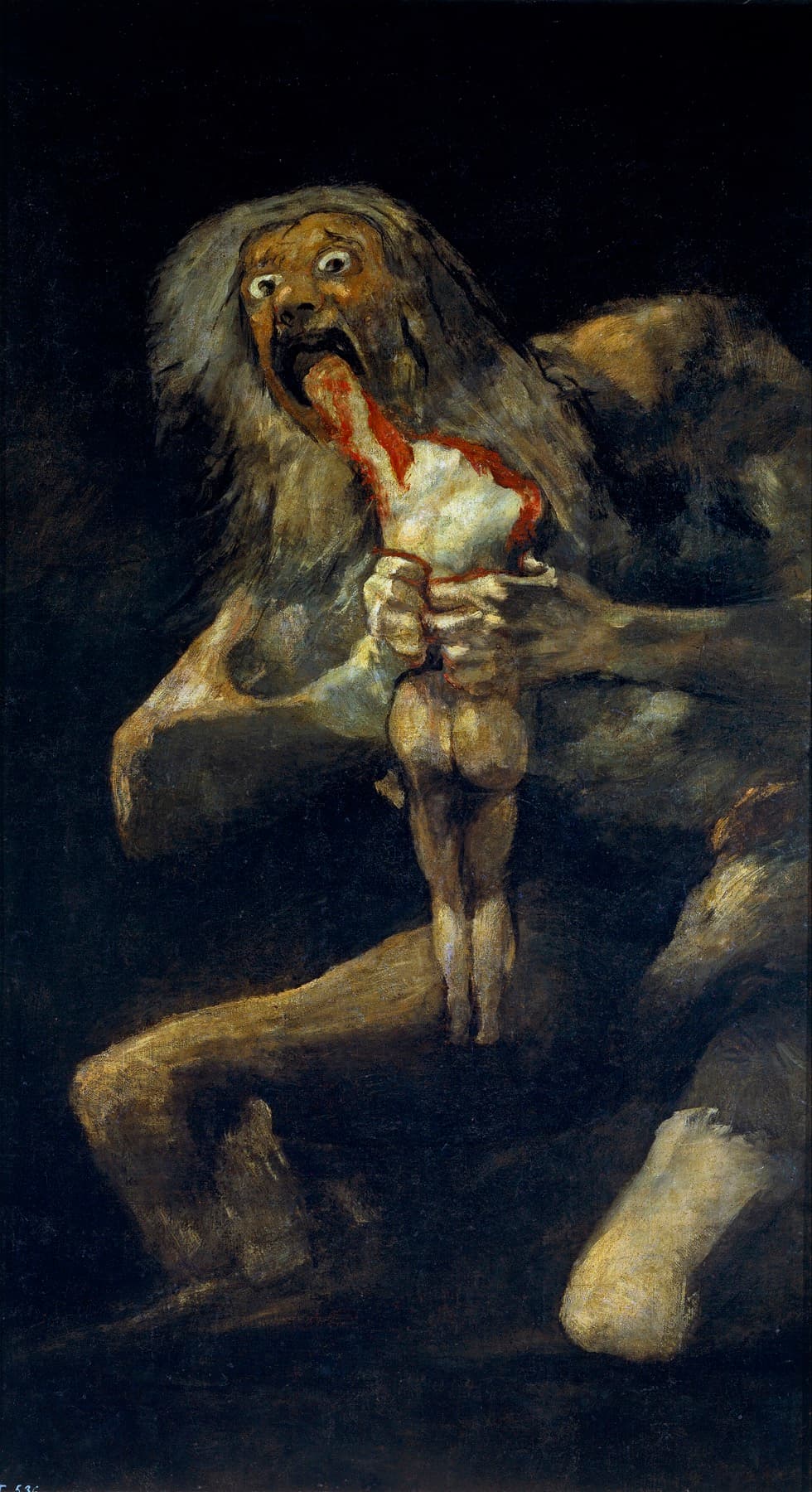
Goya's Black Paintings are fourteen murals he painted between about 1820 and 1823 on the walls of his house outside Madrid. They were lifted onto canvas in the 1870s and given to Spain in 1881, and they hang in Room 67 on the ground floor of the Museo del Prado, including Saturn Devouring His Son. They are the originals, but they were transferred and restored.
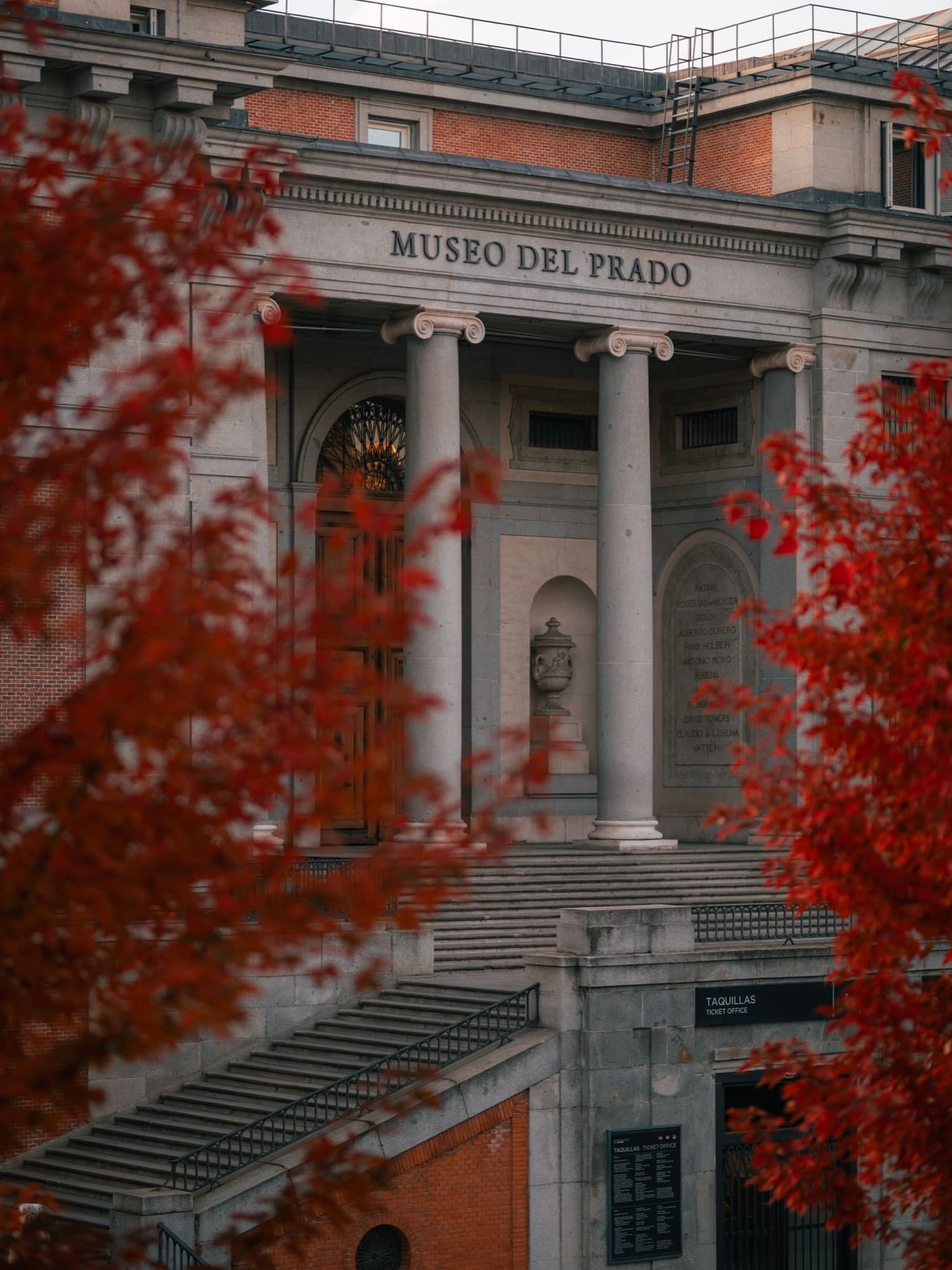
If you are asking where Goya's Black Paintings are: they hang together in Room 67 on the ground floor of the Museo del Prado in Madrid, at the Murillo end of the building. If you are asking whether they are the originals: yes, they are the paintings Goya made, but they did not begin as paintings on canvas.
A house that no longer exists
In 1819 Goya, aged seventy-two and deaf, bought a country house beside the Manzanares river, outside Madrid. It was already called the Quinta del Sordo, the deaf man's house, after an earlier owner. Between about 1820 and 1823 he covered its two main rooms, one downstairs and one up, with fourteen scenes. He worked in oil straight onto the dry plaster. Nobody commissioned them, and he gave them no titles. The names we use were added by others, after his death, in an inventory by his friend the painter Antonio Brugada.
In 1823 Goya gave the house to his grandson, and soon after he left for France. The house was demolished around 1909. By then the paintings had long been off the walls.
How they reached the Prado
Hear a stop from this walk
Buen Retiro: The Habsburg Park the Bourbons Opened
In 1873 a banker, Baron Frédéric Émile d'Erlanger, bought the house and had the murals transferred to canvas. The Prado's restorer, Salvador Martínez Cubells, did the work from 1874 to 1876. d'Erlanger showed them at the Paris Exposition Universelle of 1878, hoping to sell them, and nobody bought. In 1881 he gave them to the Spanish state, and the Prado has shown them since 1889. They exist nowhere else.
Saturn
Saturn Devouring His Son hung on the ground floor of the house, in the room where Goya probably ate. A giant with staring white eyes bites into a human body. The head and part of one arm are already gone. The only colours against the darkness are the pale body, the red of blood and the white of his own knuckles.
In the Roman myth, Saturn ate his children as they were born, to stop a prophecy that one would overthrow him. Goya turns the myth into butchery. He never named the picture; the title Saturn comes from Brugada's inventory. What Goya meant, nobody knows. Time devouring everything, a country eating its own children, an old man's terror: each reading has its defenders.
What the transfer cost
The word original needs a footnote. The murals were lifted from the walls and restored, and some of what you see is a restorer's work.
In Fight with Cudgels, two men swing clubs in front of an empty landscape, and for more than a century viewers have read their buried legs as Spain sinking into its own quarrel. But photographs by Jean Laurent, taken while the murals were still on the walls, show the men standing in grass. The scholars Nigel Glendinning, in 1975, and later Carlos Foradada have argued that the lower legs were damaged in the transfer and painted over.
In Witches' Sabbath, which is more than four metres wide, a huge black he-goat preaches to a crowd of old women. Laurent's photograph shows a large section on the right that was moved to canvas but no longer survives. In Two Old Men, the bright touches on the forehead, the beard and the hands were added by Martínez Cubells. And in The Dog, almost the whole picture is empty yellowish sky, with only a dog's head above a dark slope; X-rays taken at the Prado in 1983 found traces of earlier, lighter scenes beneath several of the murals. When Joan Miró last visited the museum, he asked to see two pictures: this one and Las Meninas.
Where to find them
Room 67 is on the ground floor, at the Murillo end of the building. A few rooms along, Room 64 holds Goya's two paintings of the 1808 uprising and the executions that followed, so the war and the dark house can be seen in one visit.
Works rotate and rooms are rehung, so check the museum's plan on the day. In the Roamer guide, Saturn and four other Black Paintings have their own stories in Room 67, and Saturn is a stop on the Prado in an Hour, the Masterpieces in Two Hours and Goya: From Light to Dark routes. You can listen at your own pace, with no group, and skip any room you do not want. The guide is independent and not affiliated with the museum, and admission to the museum is separate. The full guide to the museum is here: Museo del Prado: what to see, floor by floor.
Cover: Saturn Devouring His Son, Francisco de Goya, Museo del Prado. Photograph from Wikimedia Commons, public domain.
Ready to experience it?
Capital by Decree: The Habsburg-Bourbon Spine of Madrid
130 min · 6.5 km · moderate
More from Madrid
Explore more at your own pace.
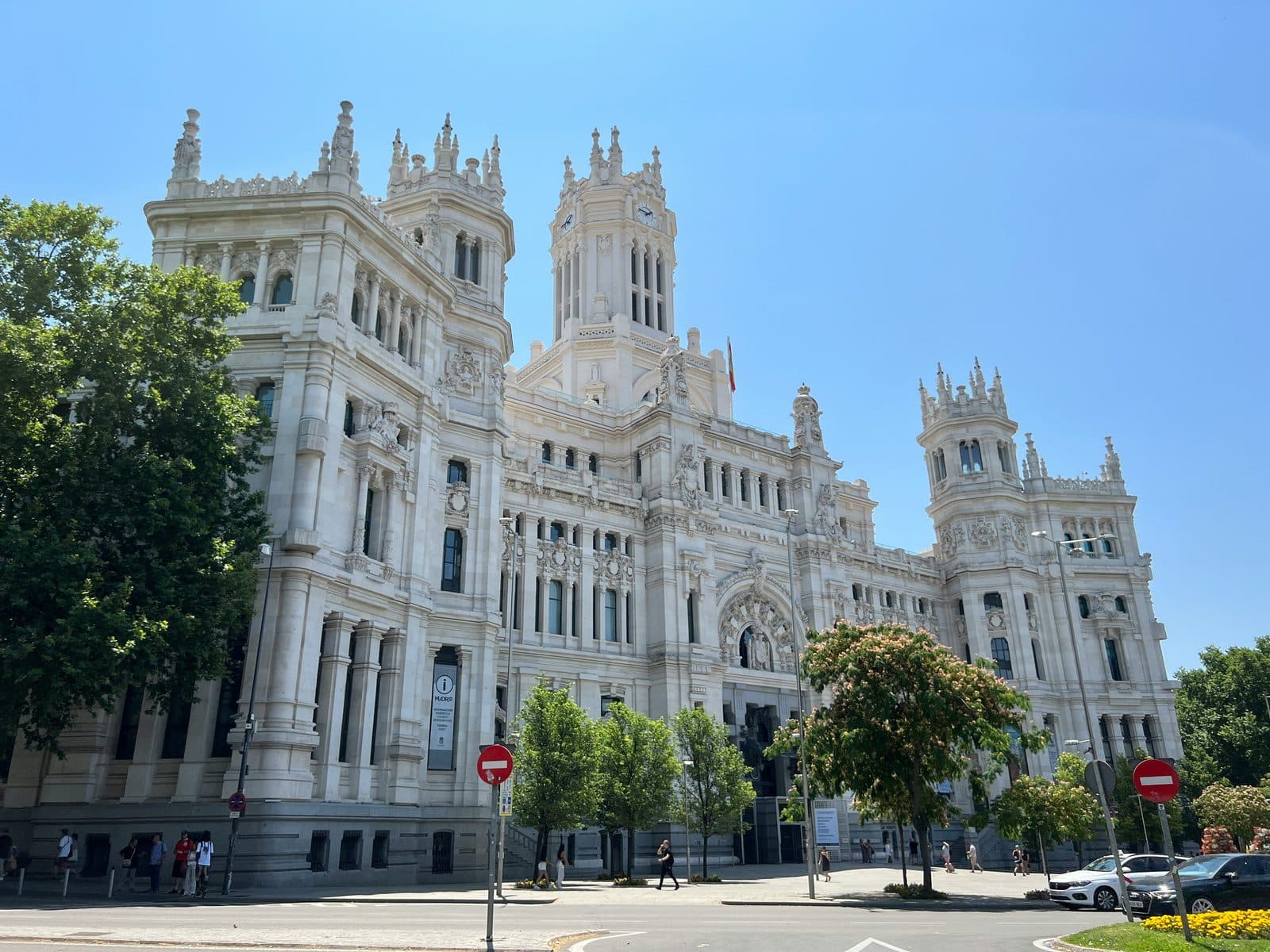
Capital by Decree: Why Madrid Is the Capital of Spain

Eating Through Lavapiés: A Neighborhood You Can Taste in Layers
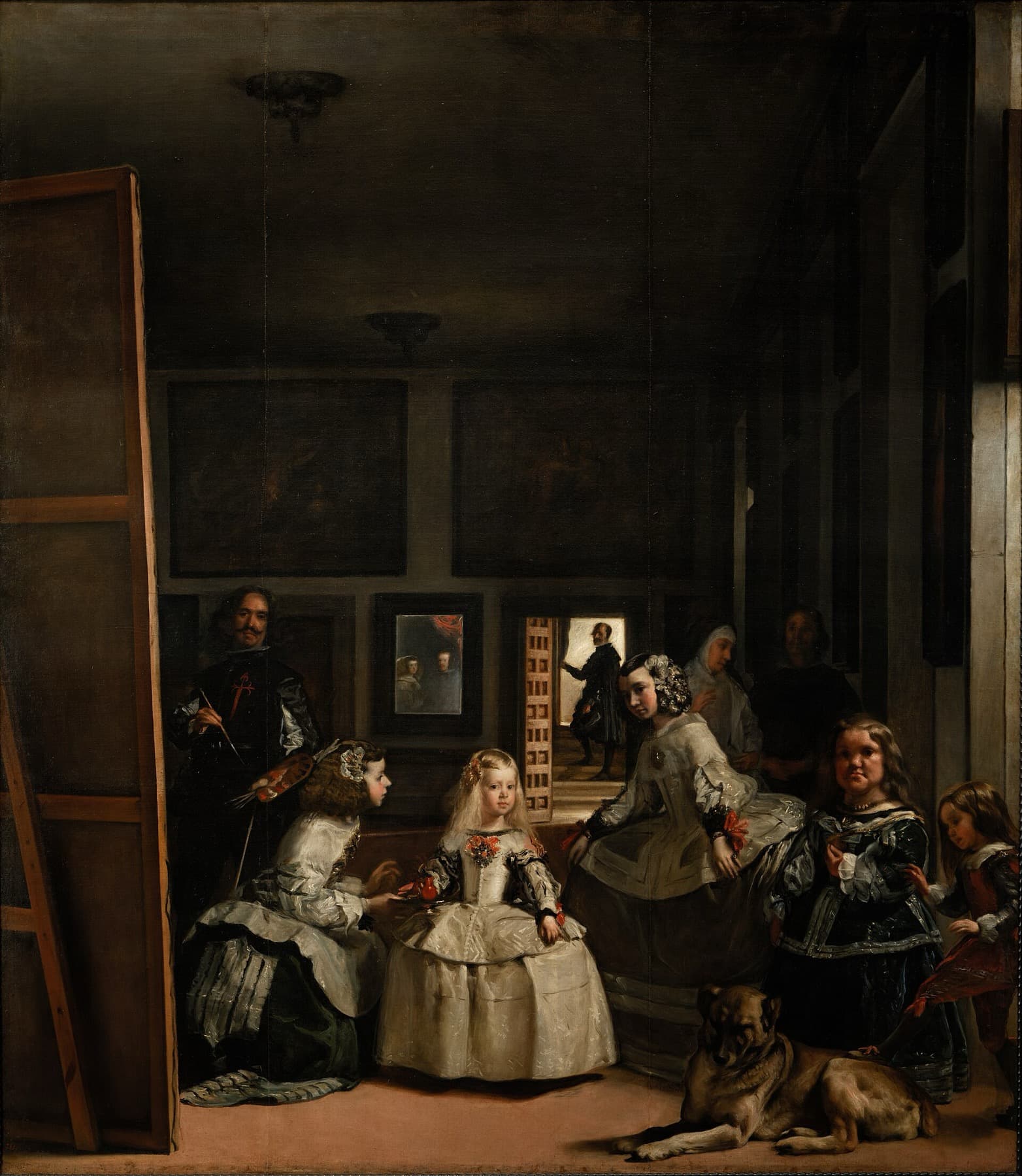
Las Meninas: Who Is Looking at Whom, in Room 12
Museo del Prado: What to See, Floor by Floor
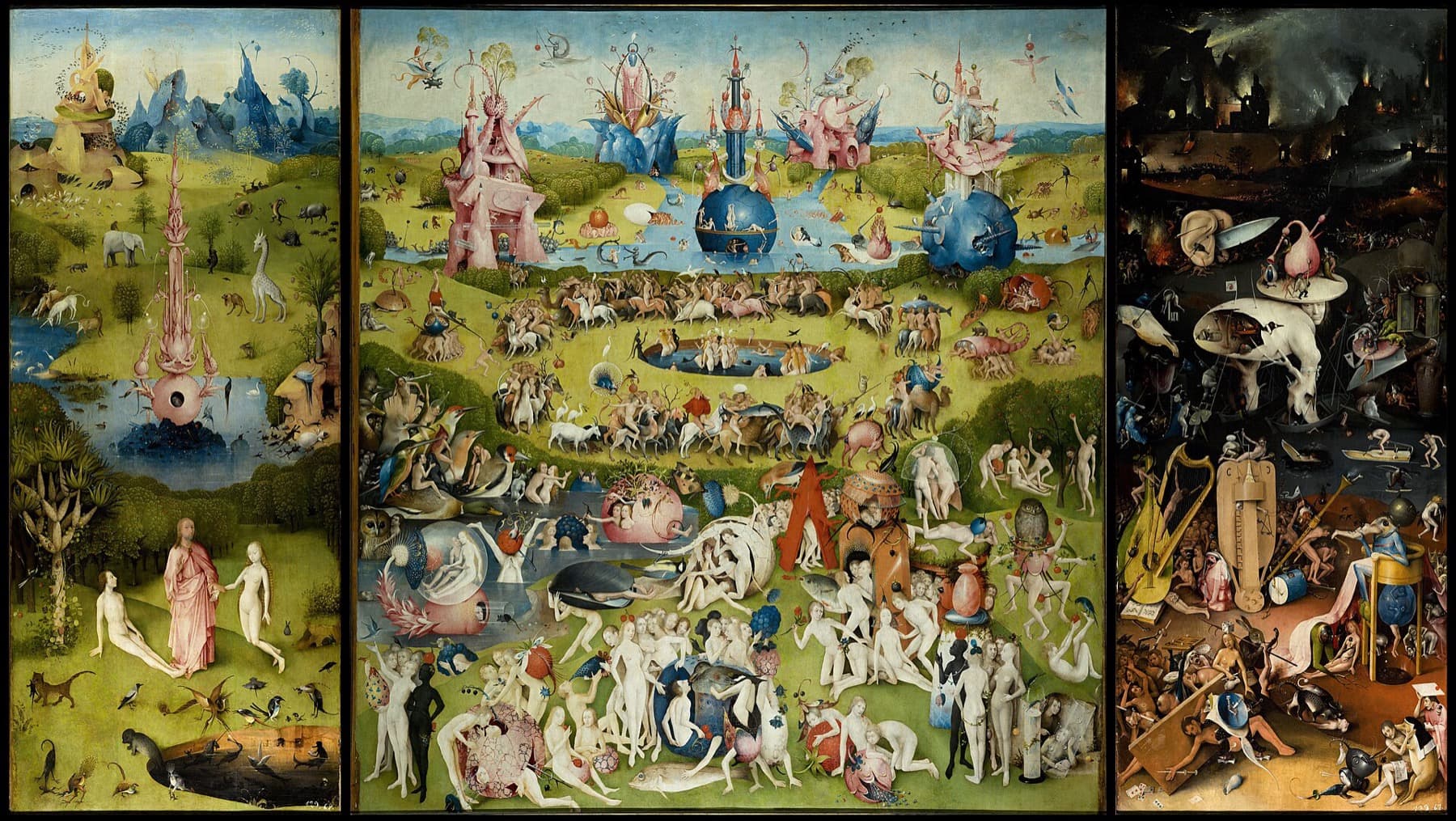
The Garden of Earthly Delights: What It Means and Why It Is in Madrid