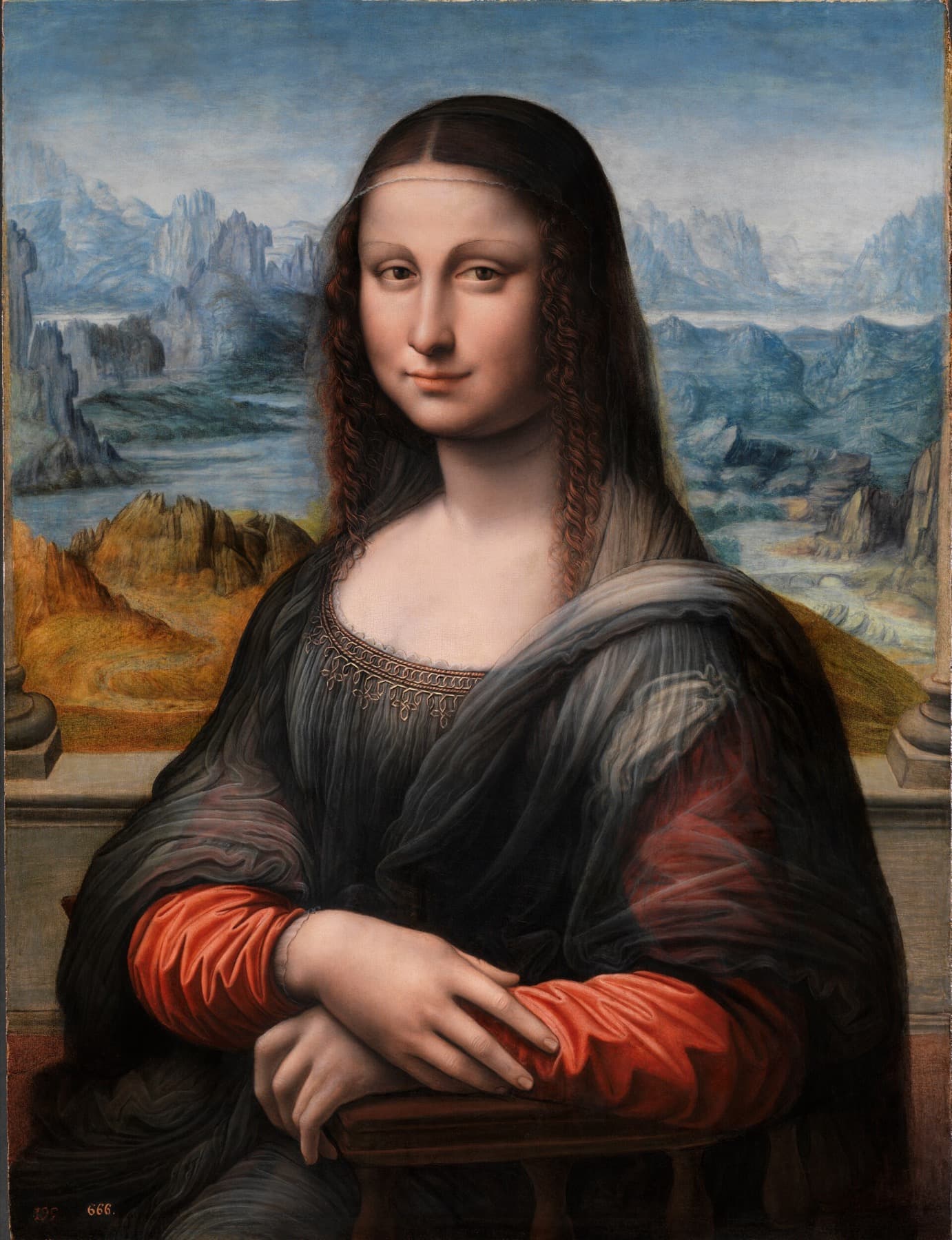
The Prado's Mona Lisa is a workshop copy of Leonardo da Vinci's painting, made between 1507 and 1516, probably by a pupil beside the master. It hangs in Room 52B on the ground floor of the Museo del Prado. Restored in 2011 and 2012, it lost a black background added after 1750 and regained its landscape, and its underdrawing repeats the changes Leonardo made to the original.
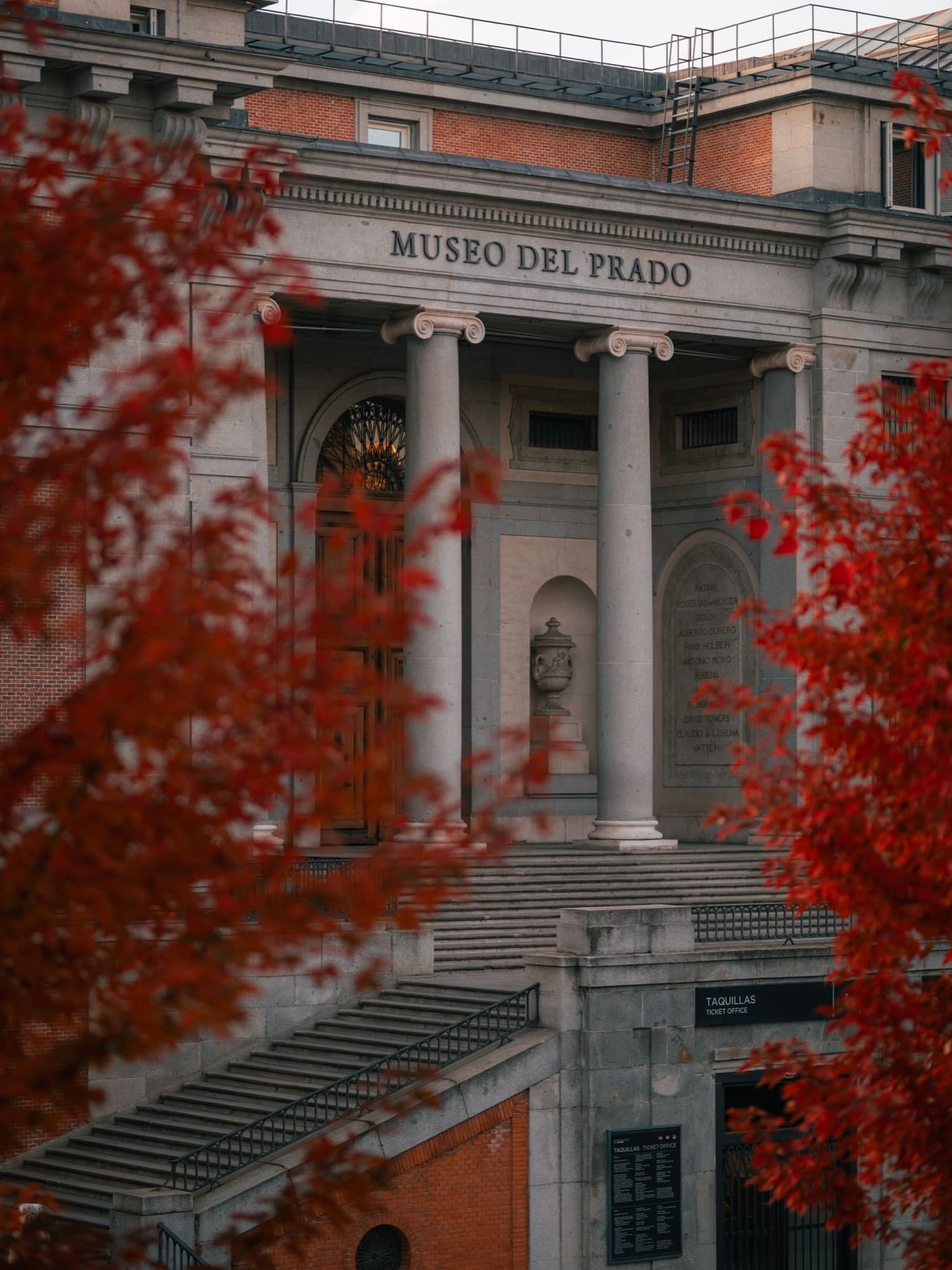
If you are asking whether the Mona Lisa is in Madrid: the famous one is in Paris. But the Museo del Prado has a Mona Lisa of its own, in Room 52B on the ground floor, and it is more interesting than its label suggests.
What it is
The Prado's picture is catalogued as the work of the workshop of Leonardo da Vinci: oil on a walnut panel, 76.3 by 57 centimetres, made between 1507 and 1516. It shows the same woman in the same pose. For centuries it was treated as just another copy, set against a flat black background.
The black that was not Leonardo's
Hear a stop from this walk
Buen Retiro: The Habsburg Park the Bourbons Opened
The surprise came when the Louvre asked to borrow the Prado picture for its 2012 exhibition on Leonardo's Saint Anne. The Prado's conservators studied it first, and restored it in 2011 and 2012. Infrared images showed a landscape hidden under the black paint, which had been applied after 1750.
When the black was removed, the rocks and misty distances came back, unfinished in places. The landscape had been left unfinished in places.
Painted at the same time
The bigger surprise was underneath. The underdrawing shows that every correction Leonardo made in the drawing of his own Mona Lisa is repeated in the Prado copy. The figure is also exactly the same size as the Louvre's. Those two facts mean the pictures were made side by side in the same studio, by someone who watched Leonardo change his mind.
The Prado points to a pupil close to Salaì or Francesco Melzi. It names no one as the painter, and other experts have proposed different names, so the safest label is the one on the wall: workshop of Leonardo.
Prado versus the Louvre
The comparison people want is easy to state. The Louvre painting is Leonardo's own; the Prado's is a studio replica made alongside it. Because the Prado's version was covered by a dark repaint, then cleaned, it shows the landscape colours more clearly than the Paris painting, whose varnish has yellowed with age.
How it reached Madrid
The Prado's record says the picture was probably listed in the Alcázar of Madrid in 1666 as a woman by Leonardo's own hand. It is recorded in the royal palace inventories until 1814 to 1818. Wikipedia says it has been in the Prado since the museum opened in 1819; the museum's record gives no entry date.
What else is in Room 52B
Room 52B is a small room about Leonardo seen through the people around him. His assistants copied his compositions, sometimes while he was still painting them, so their copies can preserve stages that he later changed. A Saint Anne from his workshop records a version of Leonardo's Louvre Saint Anne before he altered it. Bernardino Luini's Holy Family borrows a gesture from Leonardo's Virgin of the Rocks and its children from his drawings; Cosimo de' Medici gave it to Philip II, and it arrived at the Escorial in 1574 as a Leonardo.
How to see it
Works rotate and rooms are rehung, so check the museum's plan on the day. In the Roamer guide, the Prado's Mona Lisa has its own story in Room 52B, and it is a stop on the Masterpieces in Two Hours route. You can listen at your own pace, with no group, and skip any room you do not want. The guide is independent and not affiliated with the museum, and admission to the museum is separate. The full guide to the museum is here: Museo del Prado: what to see, floor by floor.
Cover: Mona Lisa (copy), workshop of Leonardo da Vinci, Museo del Prado, after restoration. Photograph from Wikimedia Commons, public domain.
Ready to experience it?
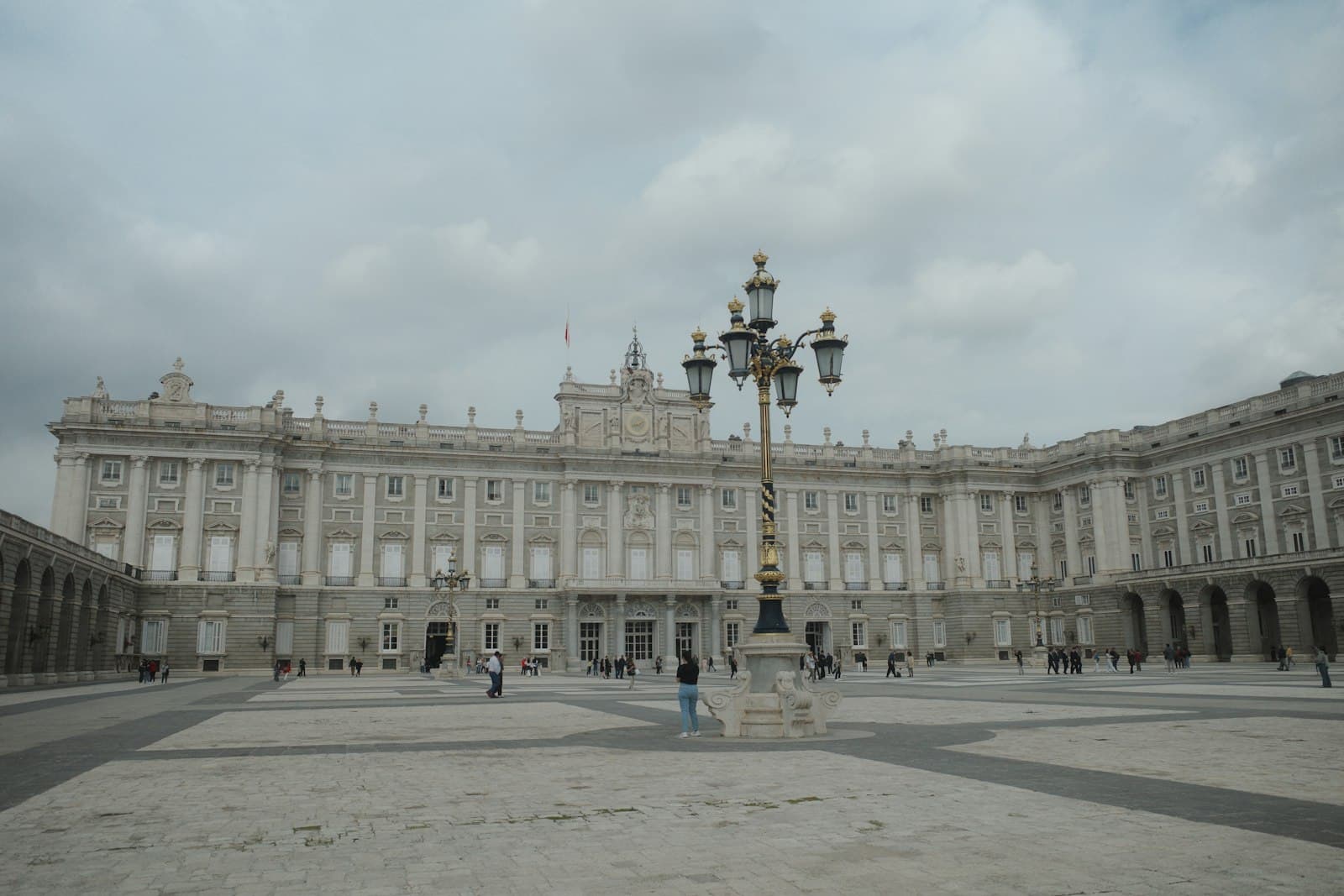
Capital by Decree: The Habsburg-Bourbon Spine of Madrid
130 min · 6.5 km · moderate
More from Madrid
Explore more at your own pace.
Capital by Decree: Why Madrid Is the Capital of Spain
Eating Through Lavapiés: A Neighborhood You Can Taste in Layers
Goya's Black Paintings: Saturn, the Dog and the House That No Longer Exists
Las Meninas: Who Is Looking at Whom, in Room 12
Museo del Prado: What to See, Floor by Floor