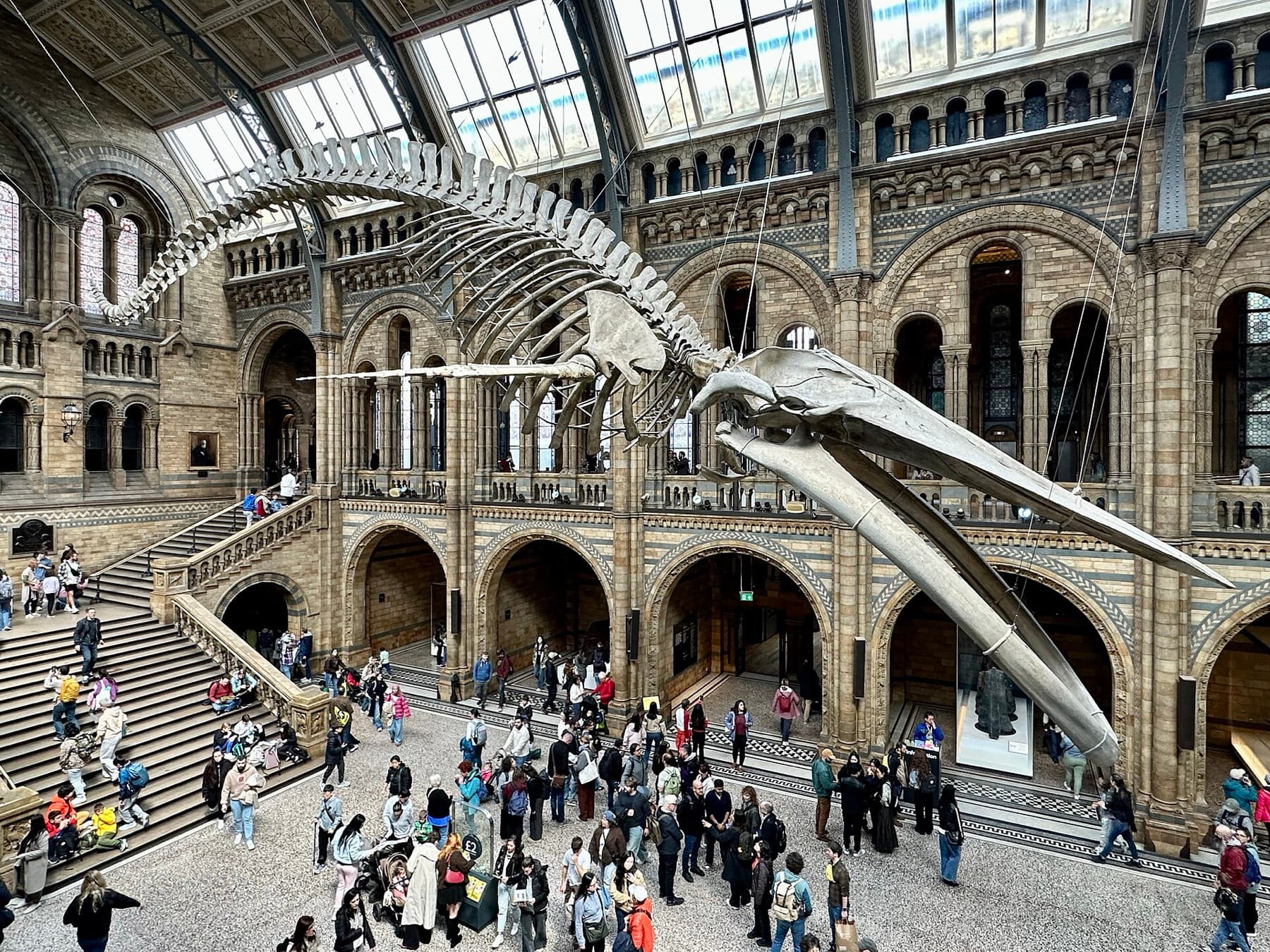
Hope is the skeleton of a young blue whale that stranded at the mouth of Wexford Harbour in Ireland on 25 March 1891. She is 25.2 metres long, with 221 bones weighing about 4.5 tonnes. Since July 2017 she has hung in Hintze Hall at the Natural History Museum in London, diving as if lunge feeding.
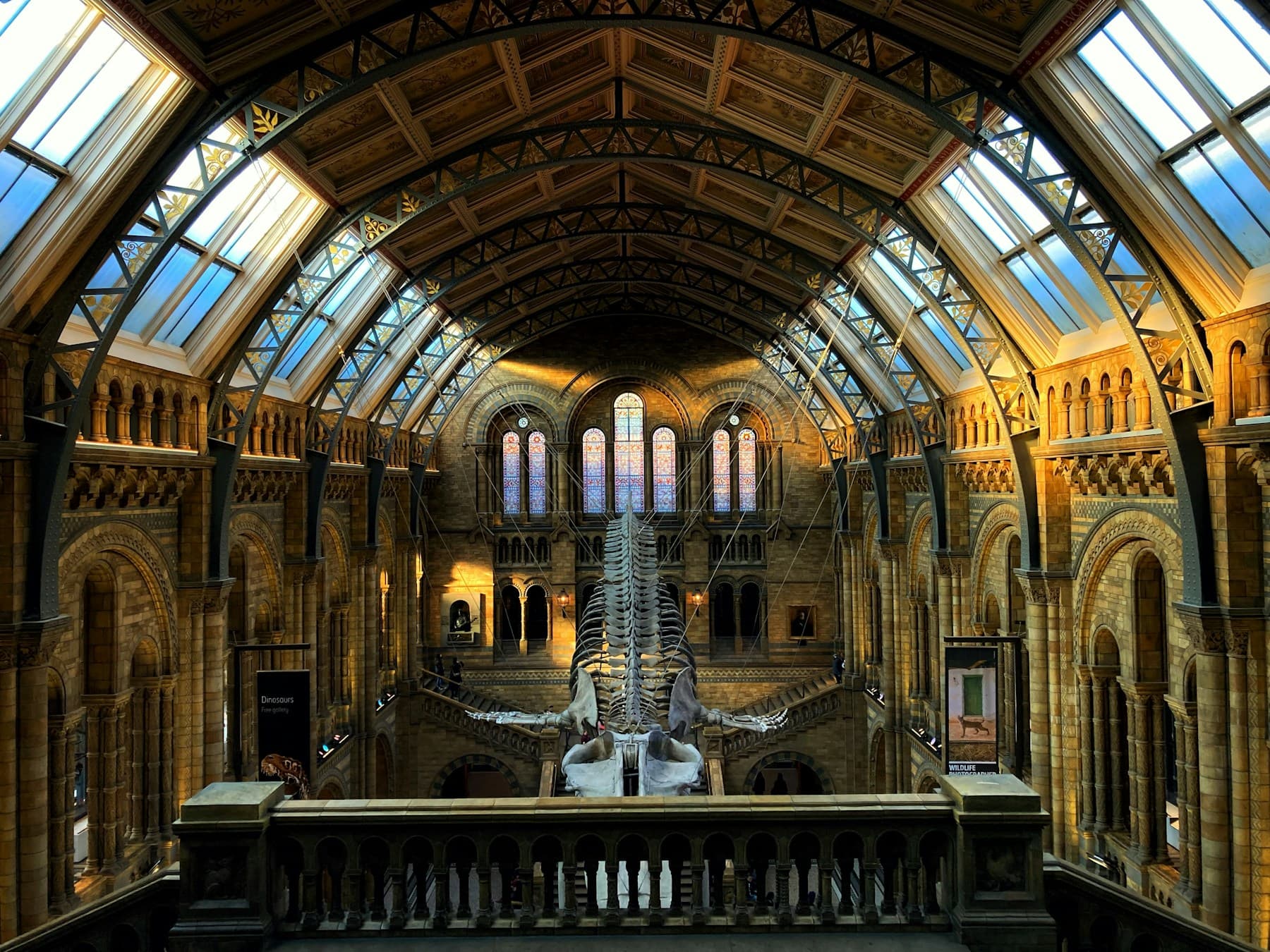
Natural History Museum audio guide
London · 3 floors · stories room by room
Walk through the Central Entrance of the Natural History Museum and the first thing above you is a blue whale skeleton, plunging head first towards the doors with its jaws wide open. Her name is Hope. She is 25.2 metres long, her 221 bones weigh about 4.5 tonnes, and the blue whale is the largest kind of animal that has ever lived.
She took a long route to that spot.
Stranded at Wexford, 1891
On 25 March 1891 a young blue whale, not yet fully grown, was caught by a low tide on Swantons Bank, a sandbar at the mouth of Wexford Harbour on the east coast of Ireland. A local man, Ned Wickham, spotted her. The museum's account says she was stuck on the sandbar for two days before Wickham, leading a crew who rowed out to her, killed her with an improvised harpoon.
The carcass was sold at auction by the Receiver of Wreck for £111. The buyer, William Armstrong, towed it away, extracted almost 3,000 litres of oil and sold the flesh. He sold the skeleton to the museum for £250. It arrived in South Kensington in 1892, when the Waterhouse building had been open for about a decade.
Much later, scientists sampled her baleen, the comb-like plates blue whales use to strain their food. More than 100 samples, roughly one for every four weeks of the last seven years of her life, suggested she was about 15 years old when she died.
Forty-two years in storage, eighty-one years flat
Hear a stop from this walk
Victoria Tower Gardens: Pankhurst at Parliament's Door
There was nowhere big enough to show her. The skeleton waited in storage for 42 years. In 1934 she finally went on display in the museum's new Whale Hall, now called the Mammals Hall. The taxidermist Percy Stammwitz worked on that display, and she hung there in a flat, straight pose for 81 years.
When conservators took her down, they found traces of that 1934 work. The discs between her backbones had been rebuilt from wooden blocks, plaster of Paris and old newspapers. One of the papers was a page of the Daily Herald from February 1932.
Taking her down and putting her back
Work to move her began in October 2015, with scaffolding built around the skeleton. The team cleaned off 81 years of dust and found yeasts and other fungi in it. More than a century after her death, the bones were still leaking oil. Conservators swabbed them with ethanol, again and again, until they stopped feeling sticky.
The skull, about six metres long, was too big for anywhere except the museum's offsite store. The skeleton was 3D scanned over six months, partly in an aircraft hangar outside London, and the team printed a scale model 1.5 metres long to plan the new mount.
The new pose was designed by Richard Sabin, the museum's principal curator of mammals, who watched living blue whales off California to get it right. It shows lunge feeding: a blue whale surging forward to take in an enormous mouthful of water and krill.
Getting her back inside was the hardest part. The front doors were taken off, and the skull came through with only a few centimetres to spare. Hope was unveiled on 13 July 2017, nearly 18 months after she left the Mammals Hall, and she took the central place in the hall once held by Dippy, the cast of a Diplodocus.
Why she is called Hope
The name is a message. Commercial whaling pushed blue whales close to extinction. The museum estimates there were about 250,000 blue whales in the oceans in the 1800s and only about 400 by 1966. The International Whaling Commission then banned the hunting of blue whales, and numbers have recovered to around 20,000. The species is still endangered. Hope stands for that recovery, and for what people can do when they decide to.
What to look for
Start under her jaw. At her lowest point her jaw is 4.2 metres above the floor. The arch of her back rises to 13.5 metres. Stand beneath the head and look along the body to feel the scale.
Find the throat. Lunge feeding is the reason for the pose. The open jaws and the plunge towards the doors show the moment a blue whale fills its mouth with water and krill.
Climb the stairs. From the balconies on the first and second floors you look across at Hope instead of only up at her, and you can follow the spine from skull to tail. The top balcony is also where the giant sequoia stands.
Then visit the other whale. In the Mammals Hall, the room where Hope hung for 81 years, a life-size blue whale model still hangs. It is about 28 metres long and was finished in 1938, built from a wooden frame, wire mesh and plaster inside the hall in full view of visitors. Its makers worked from pictures of whales washed up on beaches, which swell after death, so the model is much fatter than a living blue whale. Seeing both, the real bones in the great hall and the plaster body in the old whale hall, is the best way to understand what Hope looked like alive.
Hope the blue whale, in short
- What she is: the skeleton of a young blue whale, not yet fully grown.
- Where she came from: Swantons Bank, at the mouth of Wexford Harbour, Ireland, 25 March 1891.
- Size: 25.2 metres long, 221 bones, about 4.5 tonnes.
- Where to see her: hanging in Hintze Hall, the museum's central hall, since July 2017.
- The name: a sign of the recovery of blue whales after commercial hunting.
How this fits the Roamer guide
Roamer's independent audio guide to the Natural History Museum starts with Hope in Hintze Hall, and she is the first stop on both "The Natural History Museum in an Hour" and "The Giants" routes. You can find it in the Natural History Museum guide. For the rest of the museum, wing by wing, read what to see at the Natural History Museum.
Cover photo: APK, CC BY 4.0, via Wikimedia Commons.

Ready to experience it?
Westminster: The Rebels at Parliament's Gates
90 min · 2.9 km · easy
More from London
Explore more at your own pace.
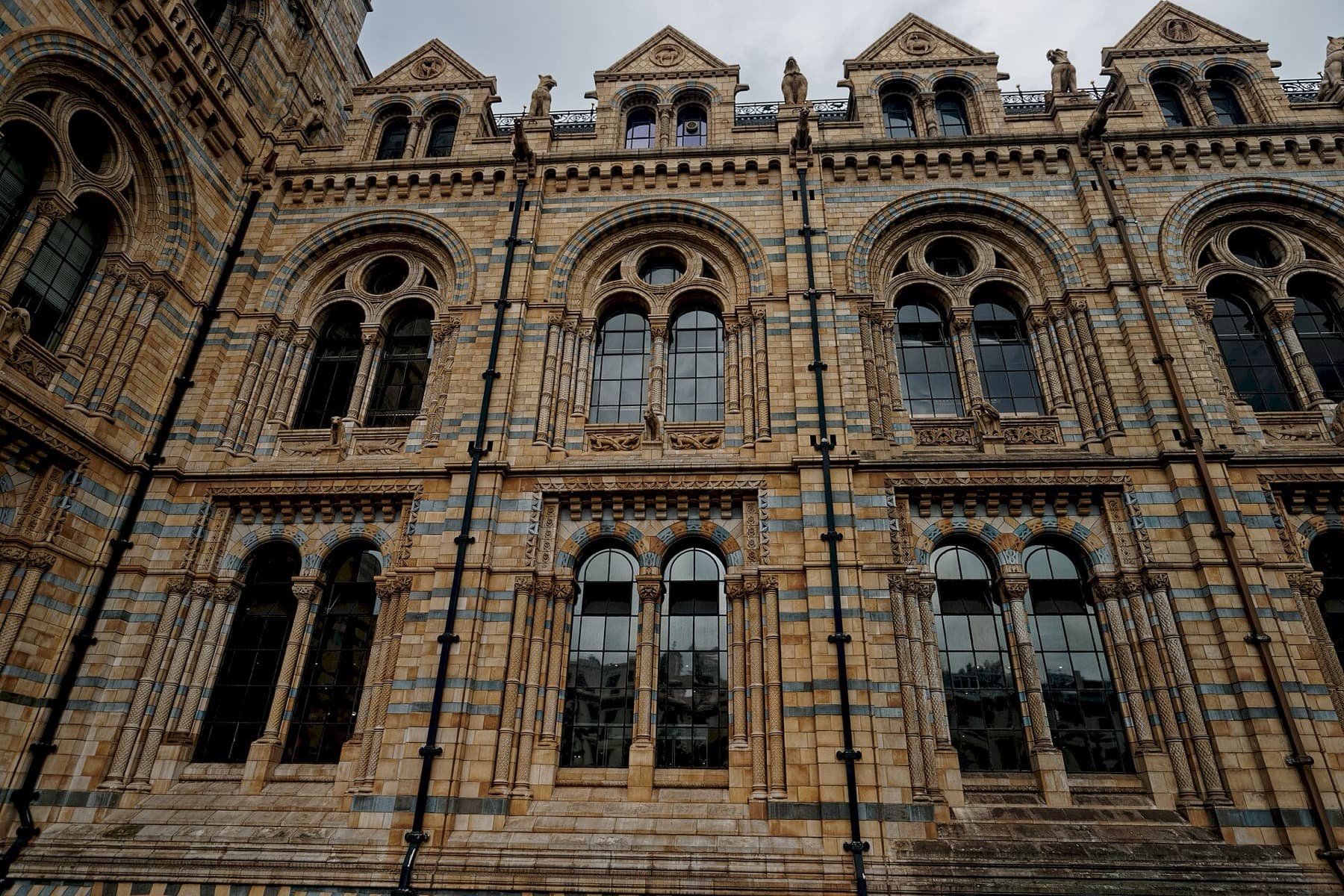
A Cathedral to Nature: Reading the Natural History Museum Building
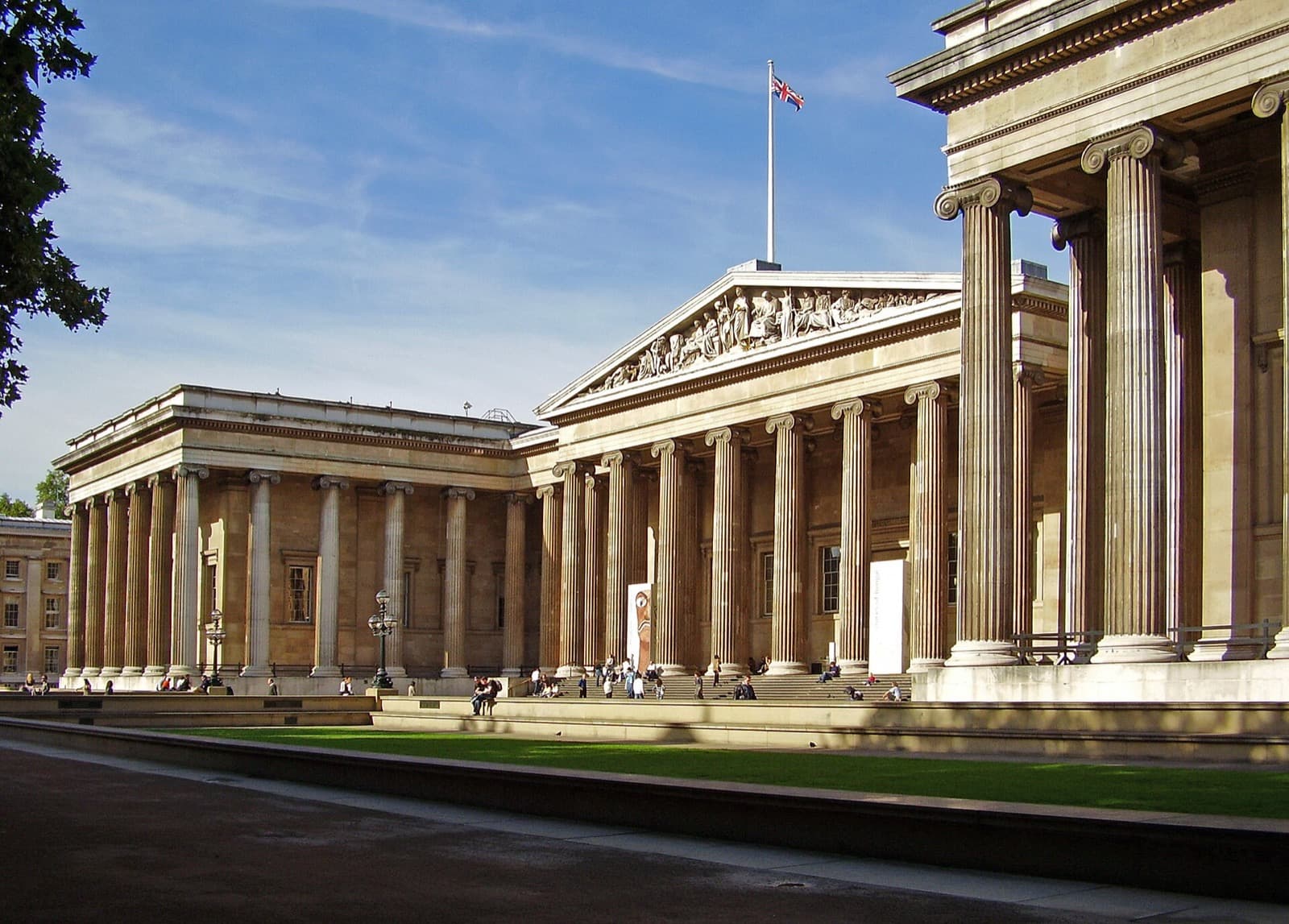
British Museum: What to See, Floor by Floor
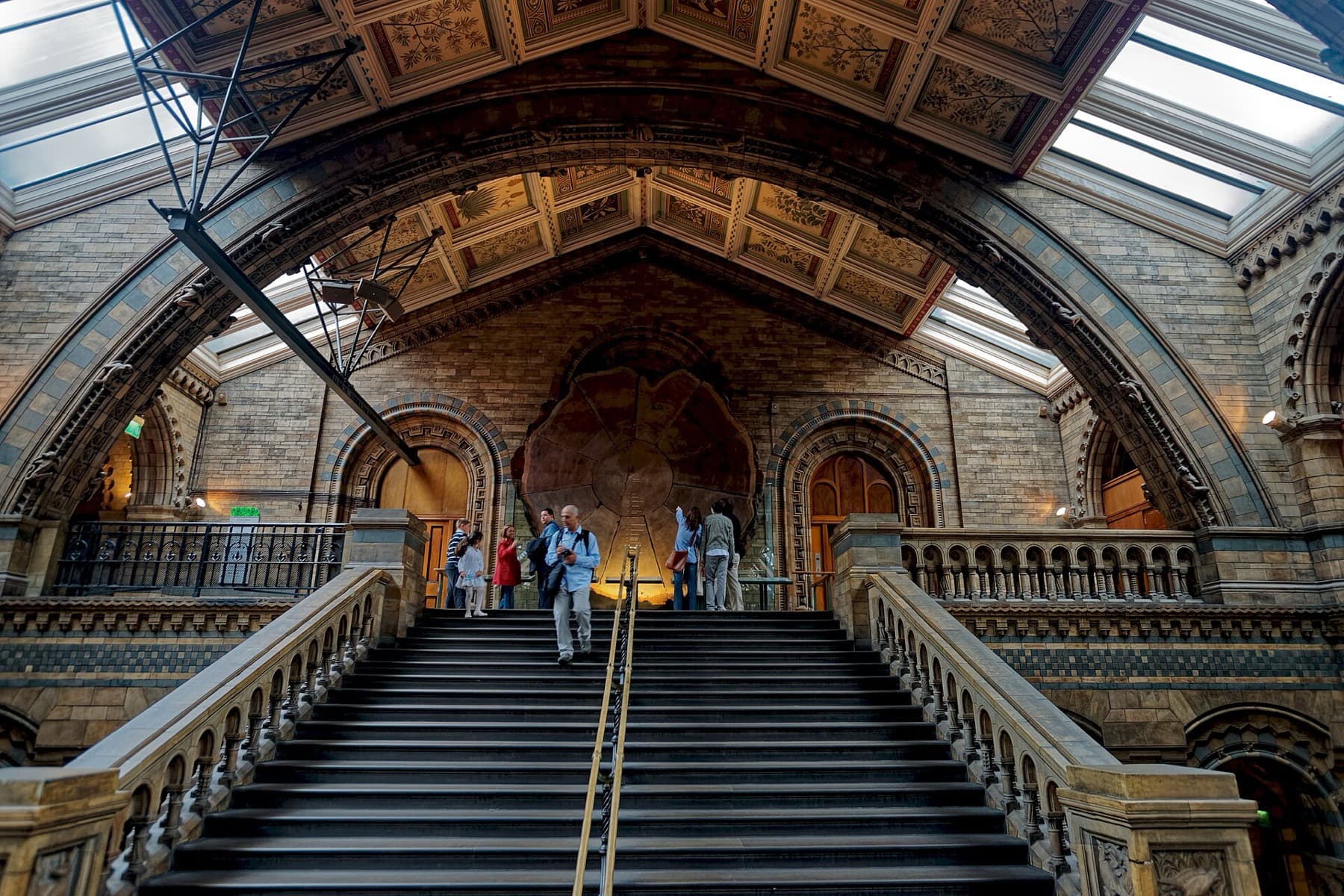
The Giant Sequoia at the Natural History Museum: 1,341 Years in One Slice
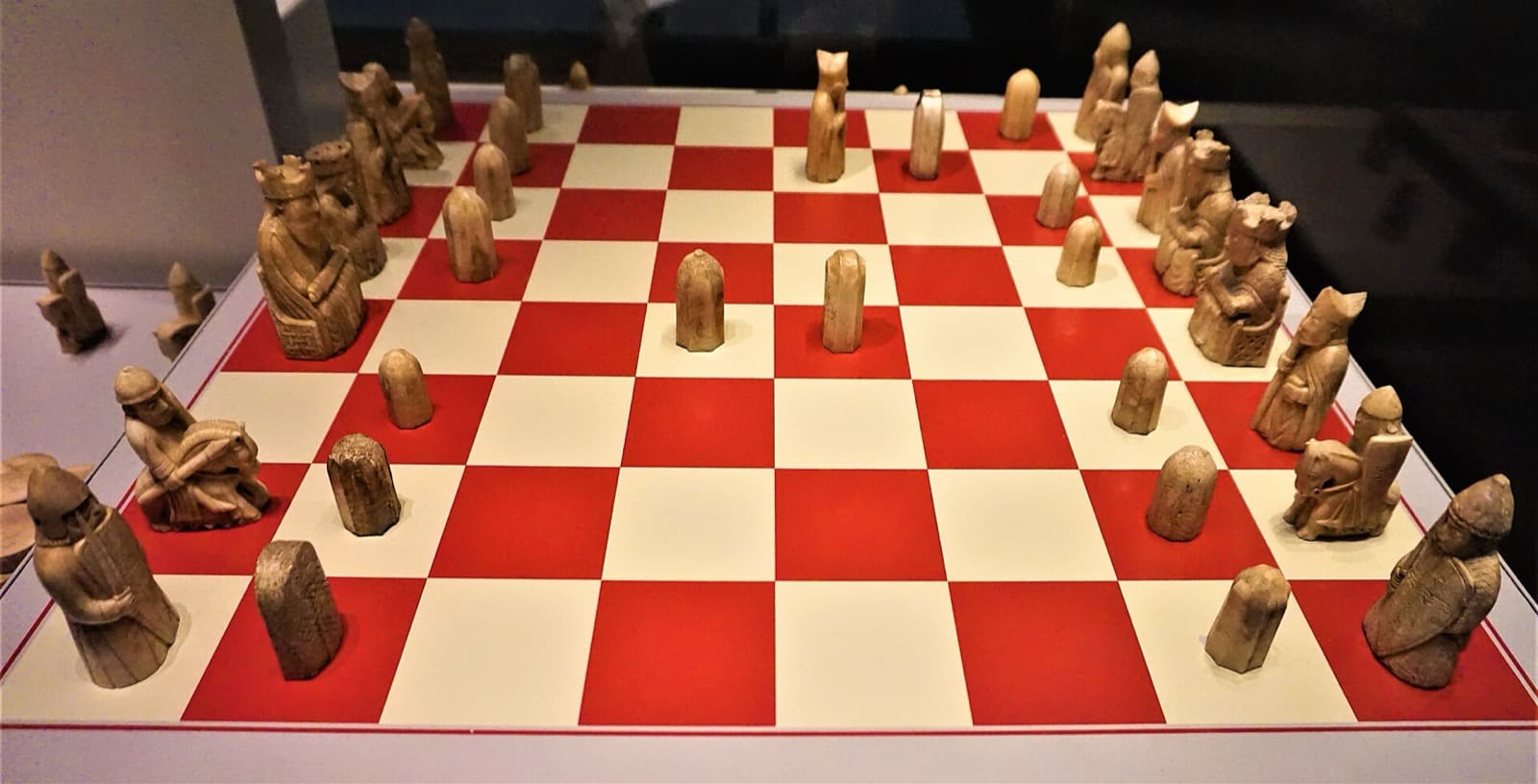
The Lewis Chessmen: Kings, Queens and Berserkers in Room 40
The Parthenon Sculptures: What Is in Room 18 and How It Got There