Natural History Museum audio guide
London · 3 floors · stories room by room
London rewards a little planning. Its famous sights are spread across a wide city, its transit runs on a deep Tube network and flat-fare buses best paid with a tap of your phone, and its calendar swings between crowded summers and quiet, good-value shoulder seasons. This guide answers the practical questions travelers actually search, answer first, then the detail.
How many days do you need in London?
Short answer: three to four days for most people.
- 2 days covers the essential core if you are on a tight schedule: Westminster, the City of London, and the South Bank along the river. Follow our one day in London route and stretch it over two.
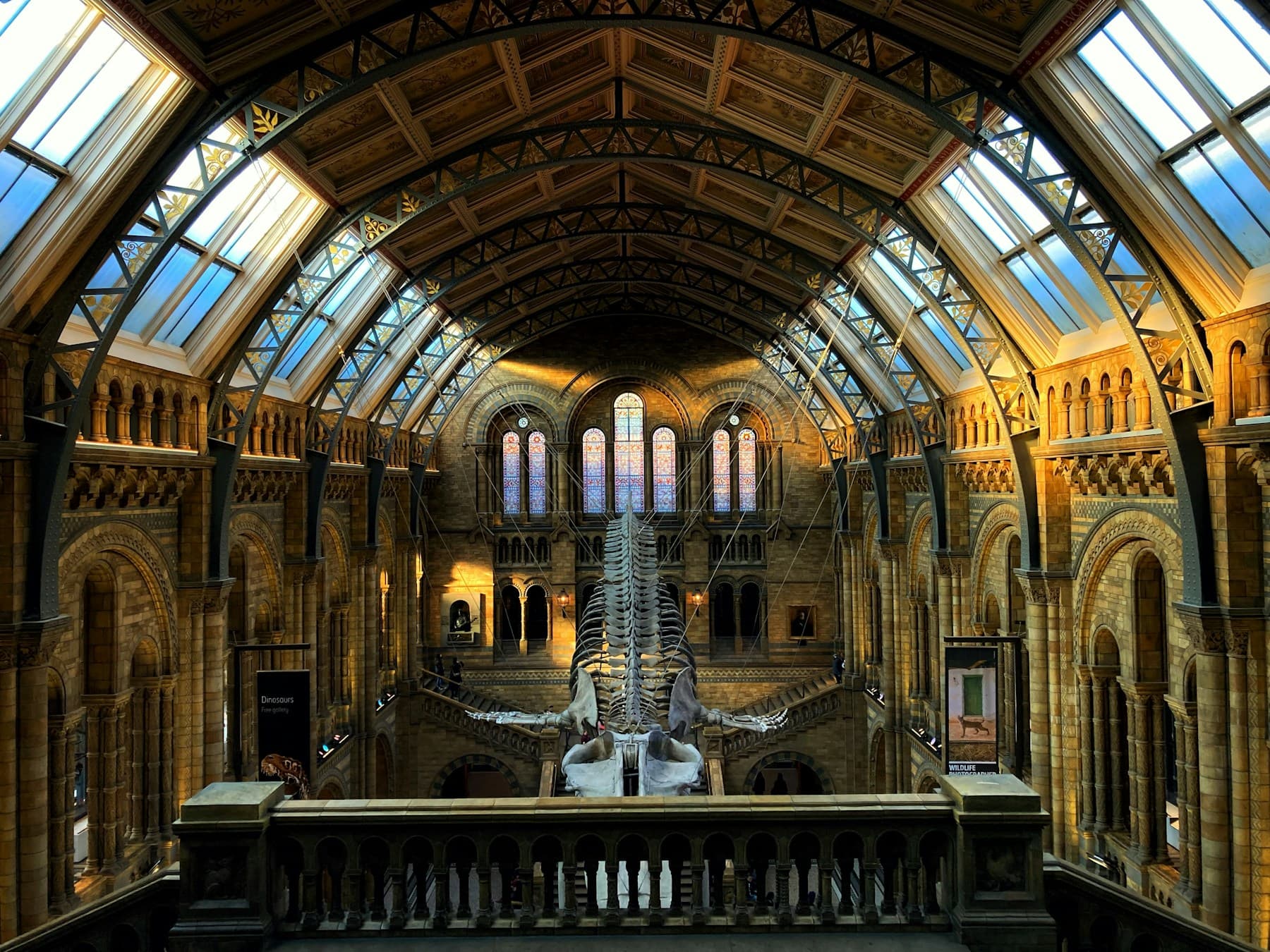
- 3 days adds the free museums of South Kensington, a park or two, and a market such as Borough or Camden, without rushing. Our Covent Garden and Soho walk fits a free half-day here, from Trafalgar Square through Chinatown and Seven Dials to the piazza. The National Gallery stands on the same square: see what to see there, period by period, or take the National Gallery audio guide room by room. At the Natural History Museum, see what to see there, wing by wing, or take the Natural History Museum audio guide room by room.
- 4 to 5 days reaches Greenwich, the East End, and day trips to Windsor, Oxford, or Cambridge at an unhurried pace. For the East End, our Spitalfields and Brick Lane walk runs from Liverpool Street to the old Whitechapel Bell Foundry.
The reason under-scheduling is the classic mistake: London is large and its draws sit in different quarters, so travel time between them is longer than the map suggests. Build in transit time and you will enjoy each place more.
Getting around London
Hear a stop from this walk
Victoria Tower Gardens: Pankhurst at Parliament's Door
Individual areas are a joy on foot. Westminster, the City, and the South Bank are best walked, and walking is how our self-guided London tours are built. Between areas, you combine walking with London's excellent transit:
- The Tube. The Underground is the fastest way across the city, eleven lines reaching almost everywhere a visitor wants to go, backed by the newer Elizabeth line and the Overground.
- Buses. An extensive network and a fine way to see the city above ground. A single fare is a flat 1.75 pounds no matter how far you go, and the Hopper fare lets you change buses free within one hour of your first tap.
- How to pay. Just tap a contactless bank card or phone, or an Oyster card, on the yellow reader. Both charge identical fares and both hit the same daily cap (about 8.90 pounds across Zones 1 to 2 in 2026), so pay-as-you-go never overcharges you. Tap in and out on the Tube and rail; tap once on buses.
- Oyster or contactless? Contactless is simpler for most visitors, nothing to buy or top up. Choose Oyster only if you lack contactless, want to share across a group, or need a child fare.
Most of the central sights on this guide sit within a short walk or one Tube stop of each other.
Best time to visit London
The trade-offs by season:
- Late spring (May). Mild, long days, gardens in bloom, and lighter crowds before the summer peak. One of the two best windows.
- Early autumn (September). Comfortable temperatures and summer crowds thinning after the school holidays. The other sweet spot.
- Summer (June to August). Warmest and busiest, with the longest daylight and the highest prices and queues.
- Shoulder and winter (March to April, October to February). Best value and shortest lines, cooler and darker, with Christmas lights making December atmospheric despite the cold.
London rain is possible in any month and usually light. Pack a compact waterproof rather than writing off a season for it.
Is London safe?
Yes. London ranks among the safer major world cities for visitors, and it is a welcoming place for solo and female travelers. Central areas are busy, well-lit, and heavily monitored. The realistic risk is opportunistic rather than violent: pickpocketing and phone snatching in crowds, on the Tube, and at riverside cafes where phones sit on tables. Ordinary precautions cover it: keep your phone in hand or pocket rather than on the table, wear a bag across your body in busy markets, watch your belongings on packed transport, and stick to main streets late at night. Violent crime affecting tourists is rare.
London on a budget
London is friendlier to a tight budget than its reputation suggests, because so much of the best of it is free:
- Free national museums: the British Museum, the National Gallery, Tate Modern, Tate Britain, the V&A, and the Natural History Museum are all free to enter. Only special temporary exhibitions are ticketed, and the British Museum asks you to book a free timed slot in the busy months. At the British Museum, see what to see there, floor by floor, or take the British Museum audio guide room by room.
- Free to walk: the Thames Path, the royal parks, Westminster's streets, the City's lanes, and the exterior of every landmark cost nothing. See what to eat in London for cheap, excellent street and market food.
- Cap your transit: contactless automatically limits your daily fare, so you cannot overspend on the Tube and buses.
- Skip the guide fee: Roamer self-guided audio tours are free to start, so you get expert narration without booking a private guide, a start time, or a tip.
Start planning your walk
Ready to route your days? Read our one day in London itinerary, see what to eat in London, browse the best self-guided walking tours in London, or see all London tours. Every tour is free to start: the introduction and first stop play in full, and every later stop plays a short preview before an optional purchase. Tours can also be downloaded in advance for offline listening.
Frequently asked questions
- How many days do you need in London?
- Three to four days is the sweet spot for most travelers. Two days covers the essential core, Westminster, the City, and the South Bank, if you are on a tight schedule. Three days adds the museums of South Kensington and a market or park. Four or five days lets you reach Greenwich, the East End, and day trips like Windsor, Oxford, or Cambridge at a relaxed pace. Because London is large and its draws are spread out, under-scheduling is the common mistake.
- How do you get around London?
- The Underground (the Tube) is the fastest way across the city, backed by an extensive bus network, the Elizabeth line, and the Overground. Pay by tapping a contactless bank card or phone, or an Oyster card, directly on the readers. Contactless and Oyster charge the same per-journey fares and hit the same daily cap, so you never overpay. A single bus is a flat 1.75 pounds regardless of distance, with a Hopper fare giving unlimited buses within one hour of your first tap. Many central sights are close enough to walk between, which is how our self-guided tours are built.
- Do I need an Oyster card, or is contactless enough?
- For most visitors, contactless is enough and simpler. Tapping a contactless bank card or a phone gives you exactly the same fares and the same daily and weekly caps as an Oyster card, with nothing to buy or top up. An Oyster card is worth it mainly if you do not have contactless, want to share one card across a group, or are a child needing a discounted fare. Either way, tap the same yellow reader on entry and (on the Tube and rail) on exit.
- What is the best time of year to visit London?
- Late spring (May) and early autumn (September) are the sweet spots: mild temperatures, long daylight, and thinner crowds than the peak summer of June to August. Summer is warmest and busiest, with the highest prices. The shoulder months of March to April and mid-September to November offer better value and fewer queues. London rain is possible in any season and usually light, so pack a compact waterproof rather than avoiding a month for it.
- Is London safe for tourists?
- Yes. London is as safe as any major world city and safer than many, and it is an easy place for solo and female travelers. Central areas are busy, well-lit, and heavily monitored. The realistic risk is opportunistic, not violent: pickpocketing and phone snatching in crowds and on transport. Keep your phone off the table at riverside cafes, wear a bag across your body in busy markets, and stay on main streets late at night. Violent crime affecting tourists is rare.
- How can you see London on a budget?
- London is cheaper than its reputation because so much of it is free. Every major national museum, the British Museum, the National Gallery, Tate Modern, Tate Britain, the V&A, and the Natural History Museum, is free to enter (special exhibitions aside). The parks, the Thames Path, the markets, and the exteriors of every landmark cost nothing. Contactless caps your daily transit spend automatically, street markets feed you well for little, and Roamer self-guided audio tours are free to start, so you get expert narration without a guide fee, a start time, or a tip.
Ready to experience it?
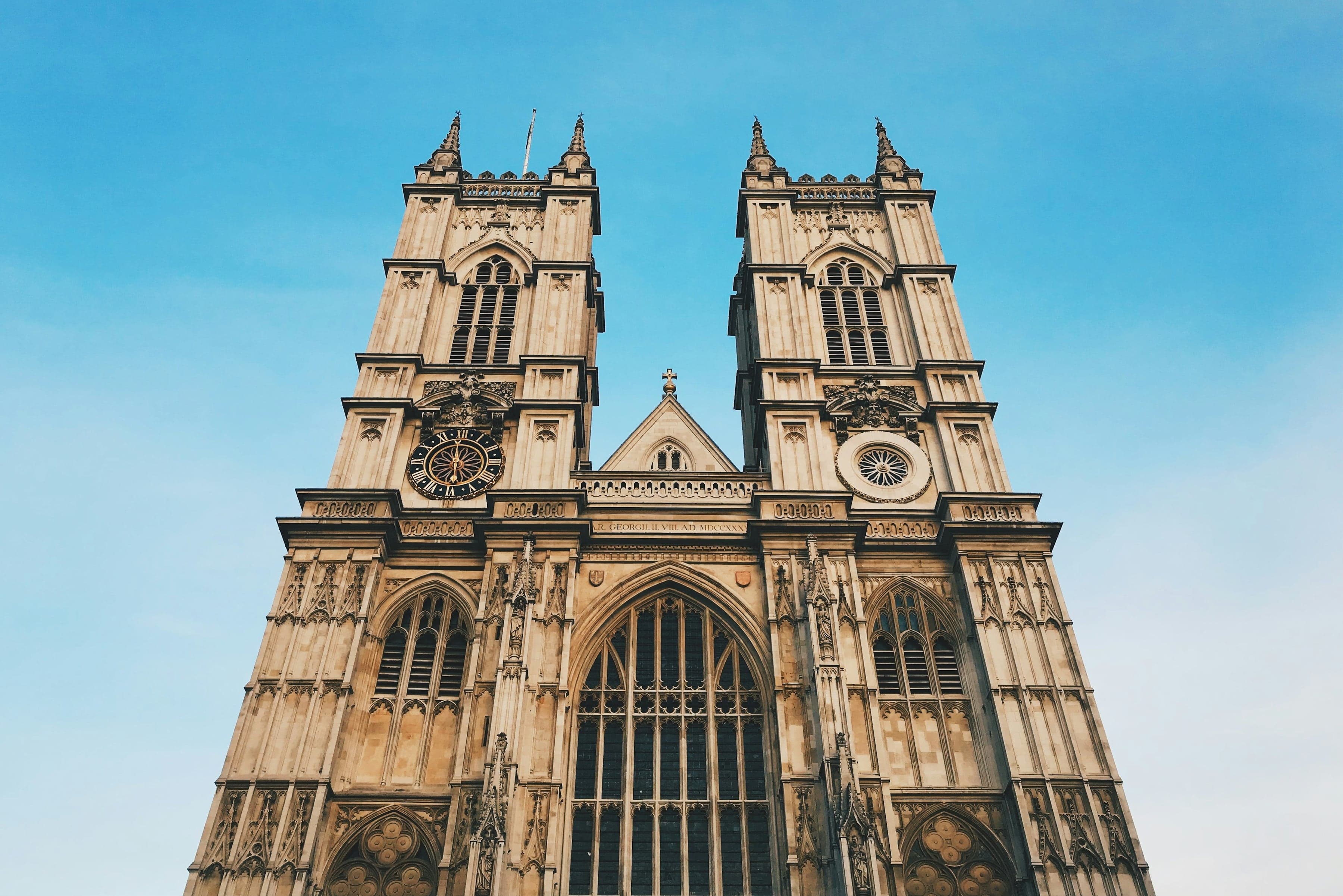
Westminster: The Rebels at Parliament's Gates
90 min · 2.9 km · easy
More from London
Explore more at your own pace.
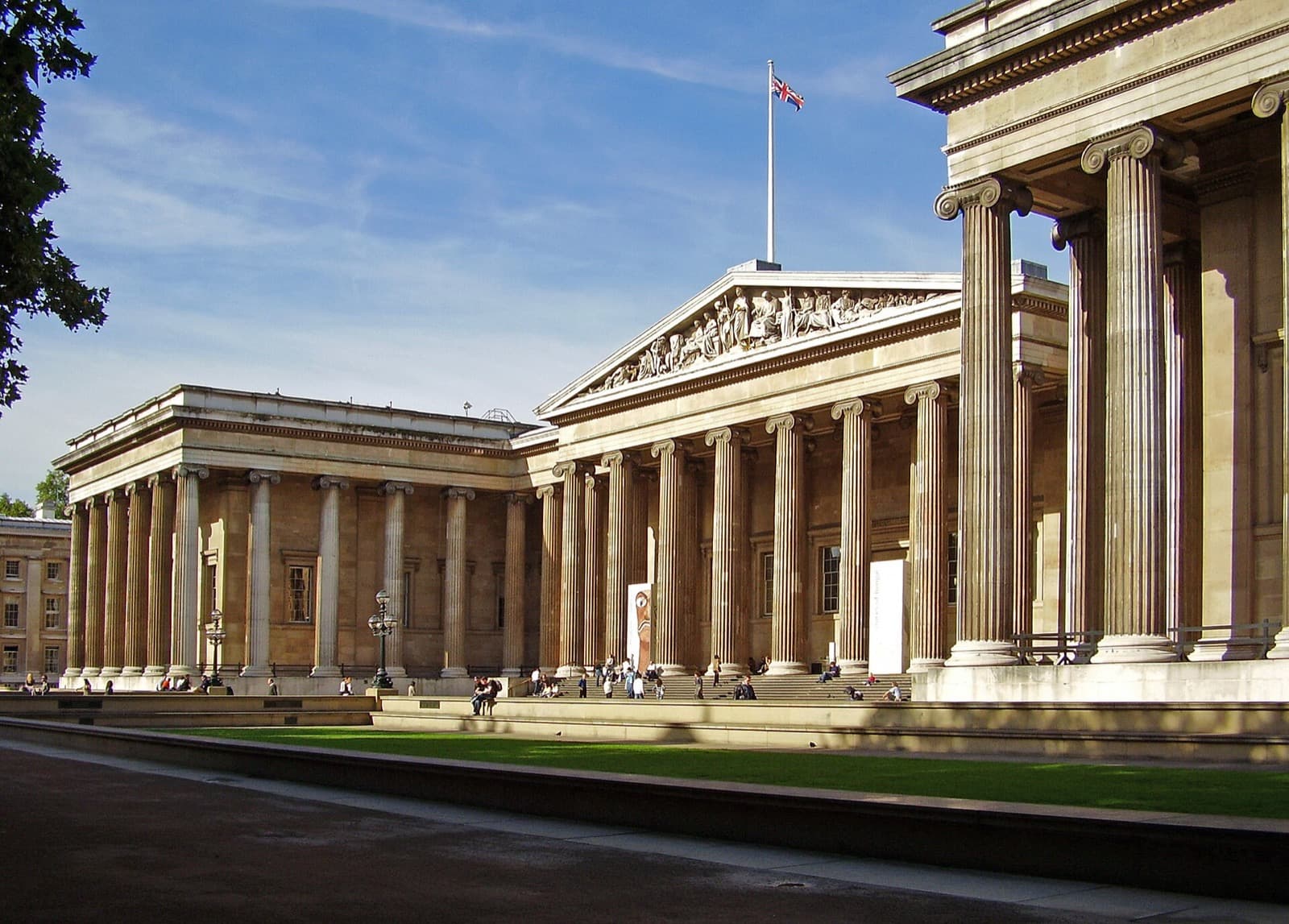
British Museum: What to See, Floor by Floor
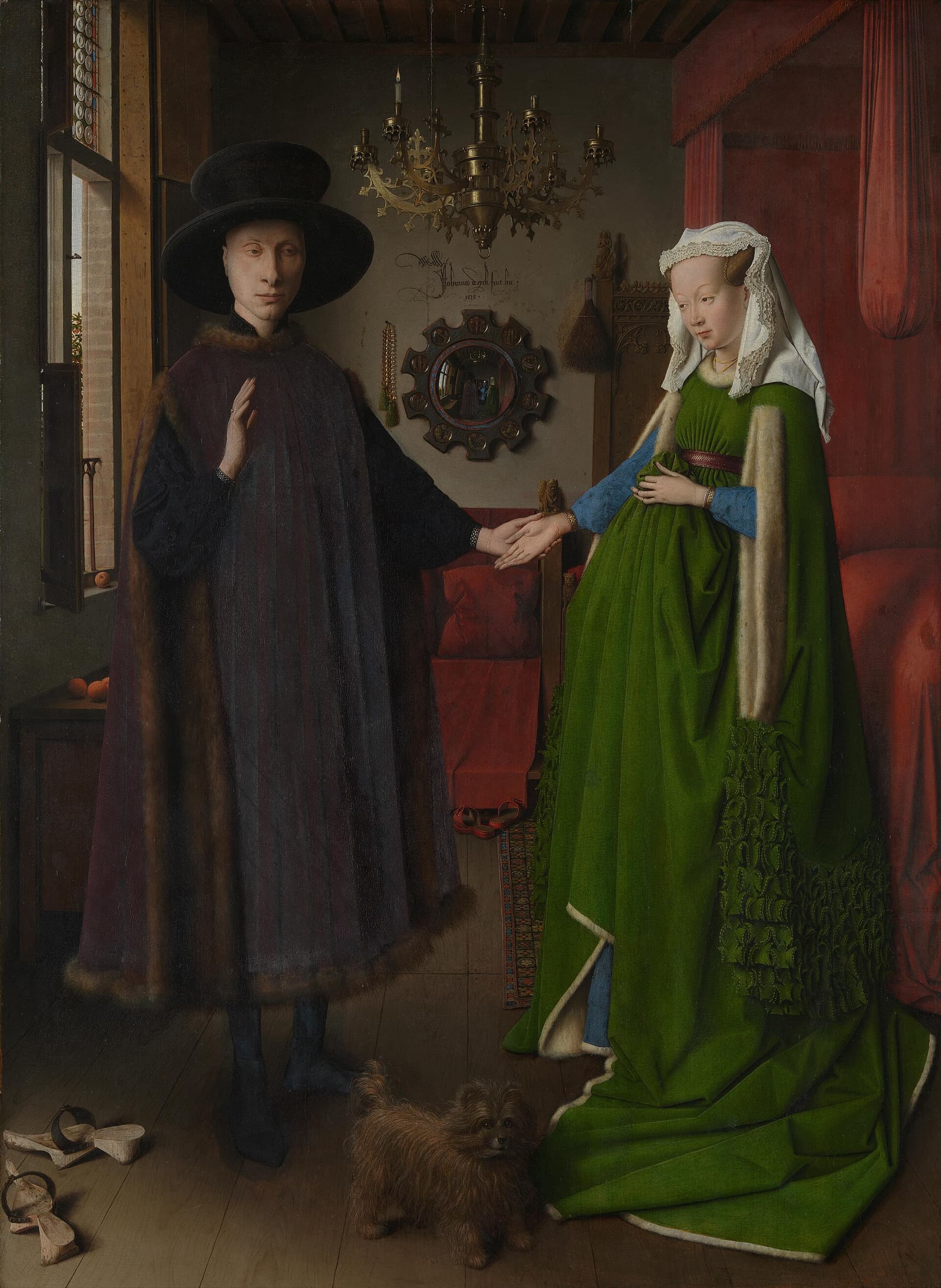
The Arnolfini Portrait: The Mirror, the Meaning and the Myths
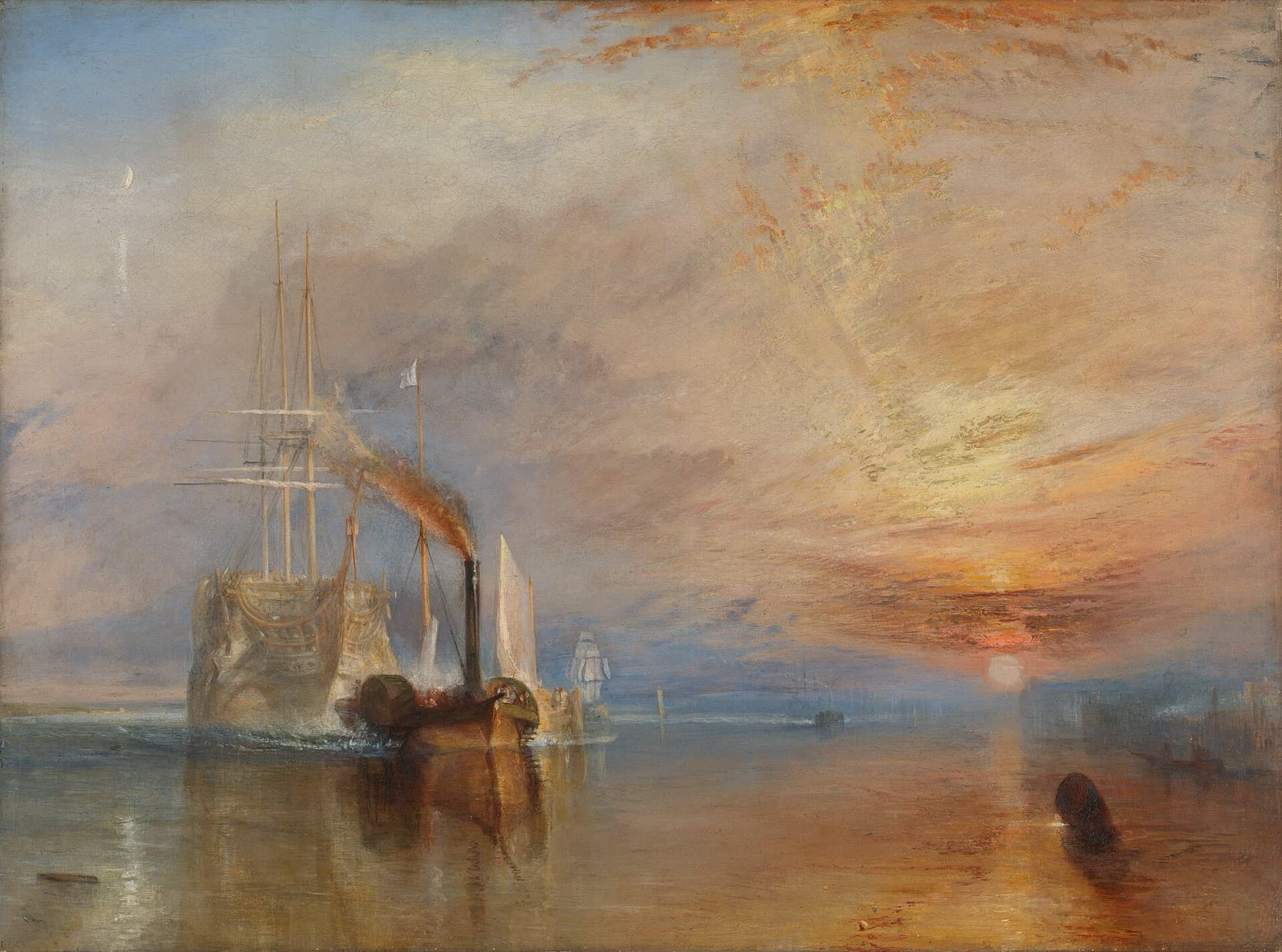
The Fighting Temeraire: Turner's Last Voyage of a Trafalgar Ship

The Lewis Chessmen: Kings, Queens and Berserkers in Room 40

The Parthenon Sculptures: What Is in Room 18 and How It Got There