London has been inhabited since around the year 50. In nearly two thousand years a city that size produces an enormous number of dead. Where they went, and where they still are, is one of the most direct ways to read the city's history.
The short answer is that London has never had one answer to the question of where to bury its dead. Each age found ground at the edge of the city, and then the city grew over it. The dead are still there. The city walks on them.
The Roman edge
Roman burials lay outside the walls, along the roads out of the city. The east side, around Spitalfields, has been dug more than once. MOLA's excavation there found a Roman cemetery of 493 burials, and in 1999 it found the Spitalfields Roman woman, buried in the fourth century in a stone coffin with an inner decorated lead coffin, wearing Chinese damask silk with purple bands and gold thread.
She was found within the precinct of a medieval hospital, in a district that later held a market. The dig that found her ran from 1991 to 2007, and it turned up a Roman cemetery, a medieval hospital and its burials on one site.
The hospital outside the gate
Hear a stop from this walk
Whitechapel Bell Foundry: The Sign Above the Door
The Priory and hospital of St Mary Spital was founded around 1197 by Walter Brunus and his wife Roisia, citizens of London, outside Bishopsgate, and it lasted until the Dissolution in 1539. MOLA calls it London's first religious house founded by Londoners. Its excavations between 1991 and 2007 recovered more than ten and a half thousand medieval skeletons, a pharmacy wing with distilling equipment and herb gardens, and, from the famine of 1257 to 1258, mass graves holding more than three thousand burials.
That is one of the largest groups of medieval dead ever recorded by archaeologists. It sits under Spitalfields, a district whose name is just the old hospital's "spital". The fields it left behind became a market, and the market, a modern office quarter and shops.
The ground bought after a plague
After the severe plague of 1563 the City acquired a new burial ground outside Bishopsgate for people who could not pay for a churchyard. It was called the New Churchyard, and then "Bedlam", after the hospital next to it. It was used from 1569 to 1739, and around 25,000 people were buried there in all. The Levellers John Lilburne and Robert Lockyer lie among them, and so does Sir Ambrose Nicholas, a Lord Mayor.
Crossrail building work reached the site in 2015. MOLA excavated 3,354 burials, and found a mass grave of about forty-five people laid three or four deep, which the researchers hoped to link to the plague of 1665 but have not confirmed. The burial ground lay beside Liverpool Street Station, not beneath the concourse; the station itself stands on the site of the first Bethlem, a priory founded outside Bishopsgate in 1247. Nothing from the burial ground is visible at street level.
A well-known story says that Crossrail engineers found thirty plague skeletons at Liverpool Street and confirmed the plague bacterium in their teeth. That DNA find belongs to Charterhouse Square at Farringdon, where about twenty-five Black Death skeletons turned up in 2013. The Liverpool Street result is more modest and more honest: a large, careful sample of ordinary and poor Londoners over two centuries.
The church in the middle of the district
Christ Church Spitalfields, Nicholas Hawksmoor's church, was built in the 1720s under the Fifty New Churches Act of 1711, paid for by a tax on coal, in a parish that contained nineteen Nonconformist or French Protestant meeting-houses. It was consecrated on 5 July 1729. Its crypt was excavated in the 1980s, and the crypt has since been redeveloped as a visitor space. It was built to put the Church of England on a street of chapels.
The churchyard that became a park
Whitechapel is named for a white chapel that stood by the road in the thirteenth century. The church that grew from it, St Mary Matfelon, was rebuilt in 1329, in 1673 and in the 1870s, and was destroyed by firebombs on 29 December 1940. The shell was cleared in 1952, and the churchyard opened as a public garden in 1966. It is now Altab Ali Park, named for a young Bangladeshi clothing worker killed in a racist attack in Adler Street beside the park in 1978. A raised walkway traces the line of the 1870s church, and stone plinths mark earlier walls. At the park's far corner stands a small version of the Shaheed Minar of Dhaka, unveiled in 1999.
What this means for a walk
The Spitalfields and Brick Lane walk starts at Liverpool Street, at the edge of the City, and goes out through the ground the City used for its poor and its sick. It passes the hospital's fields at Brushfield Street, Hawksmoor's church, the weavers' houses of Fournier Street and the Brick Lane mosque, and ends at the Whitechapel Bell Foundry. In between it crosses the churchyard that became a park. The walk is about who lived outside the gate, not a haunted-London tour, and most of what you pass has nothing visible to do with the dead.
London does not contain its dead. It contains itself, on top of them, and sometimes a dig reaches the layer where the two meet. That is the plain fact underneath every one of these places.
Ready to experience it?
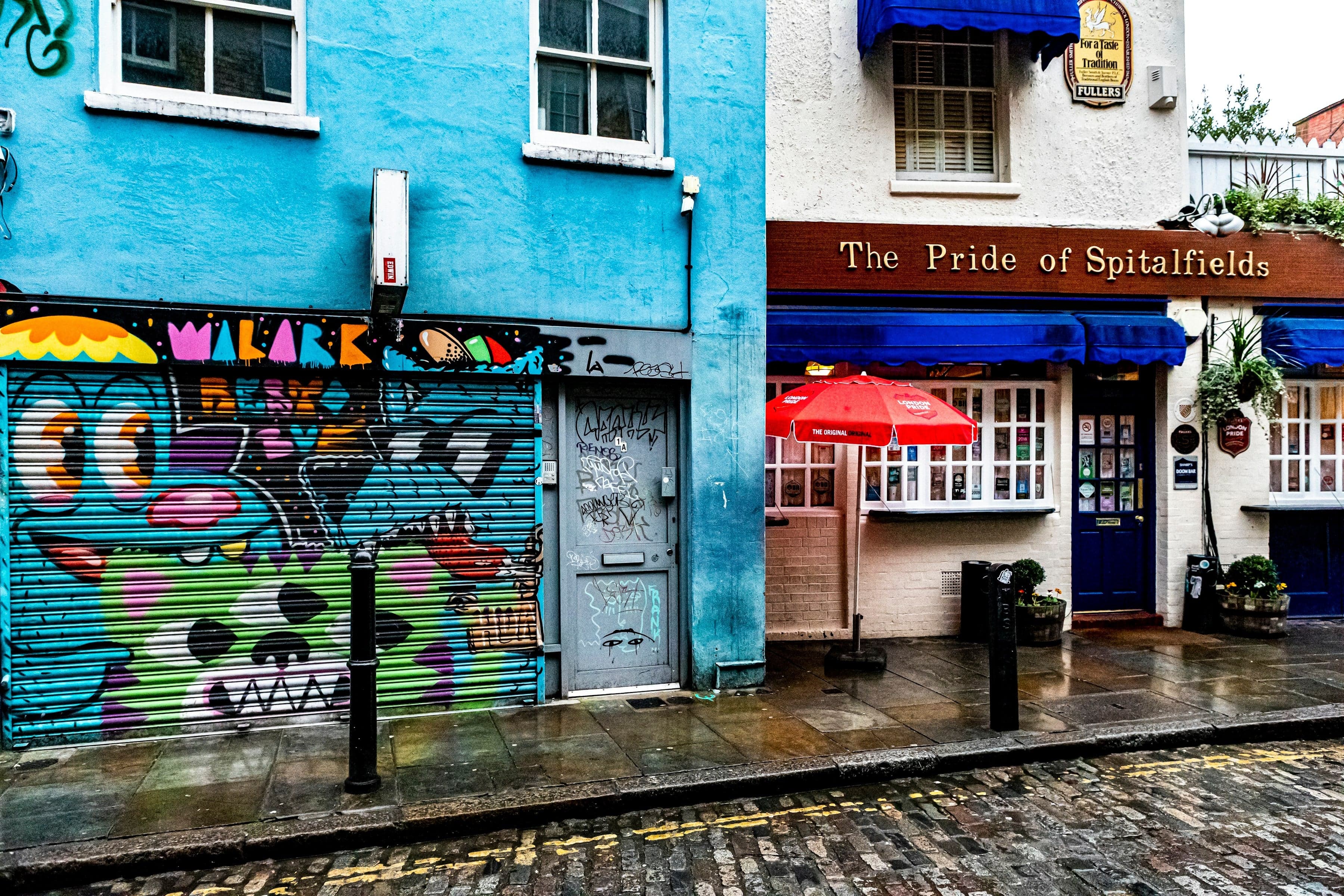
Spitalfields and Brick Lane: Outside the City Gate
75 min · 1.7 km · easy
More from London
Explore more at your own pace.
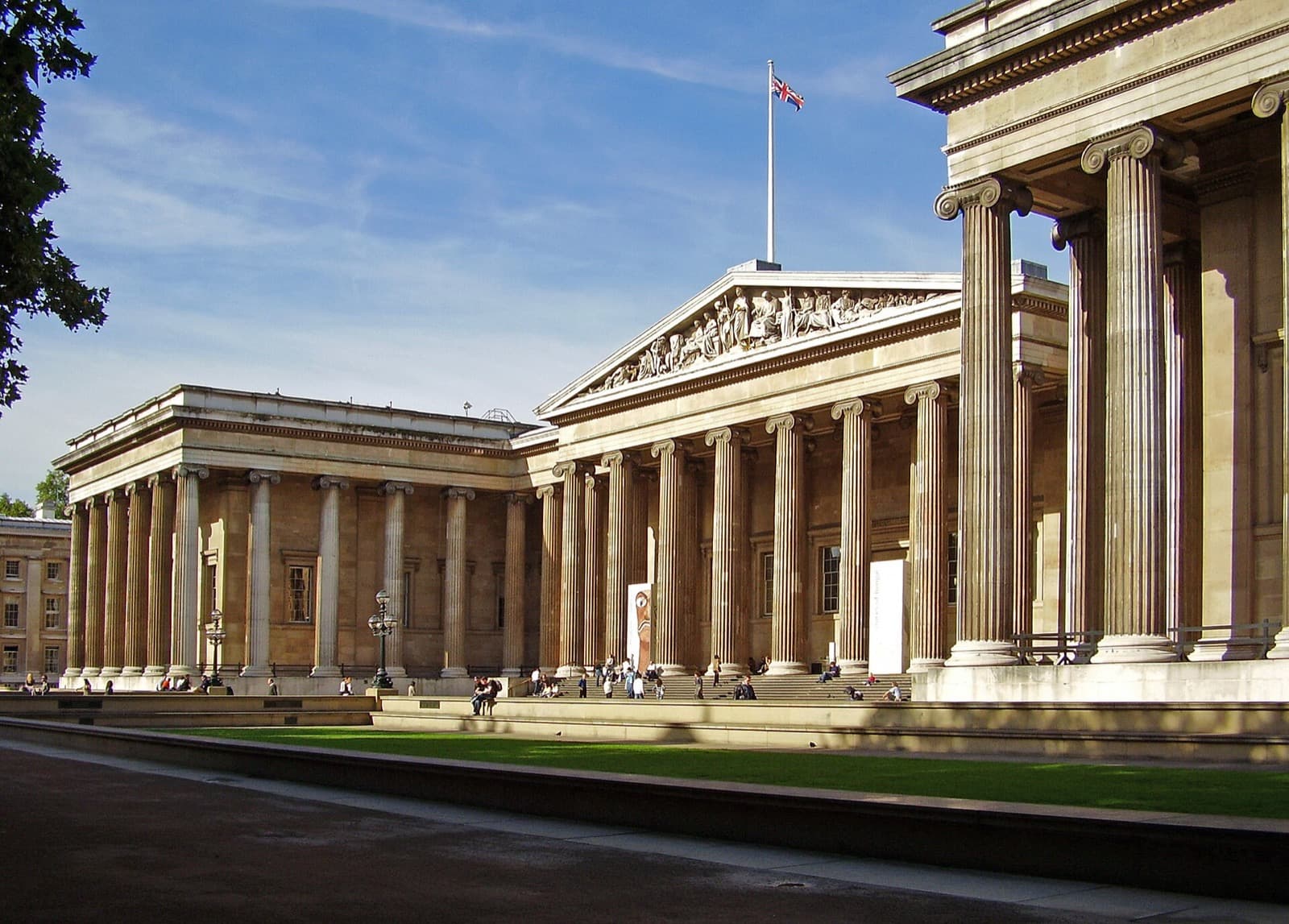
British Museum: What to See, Floor by Floor
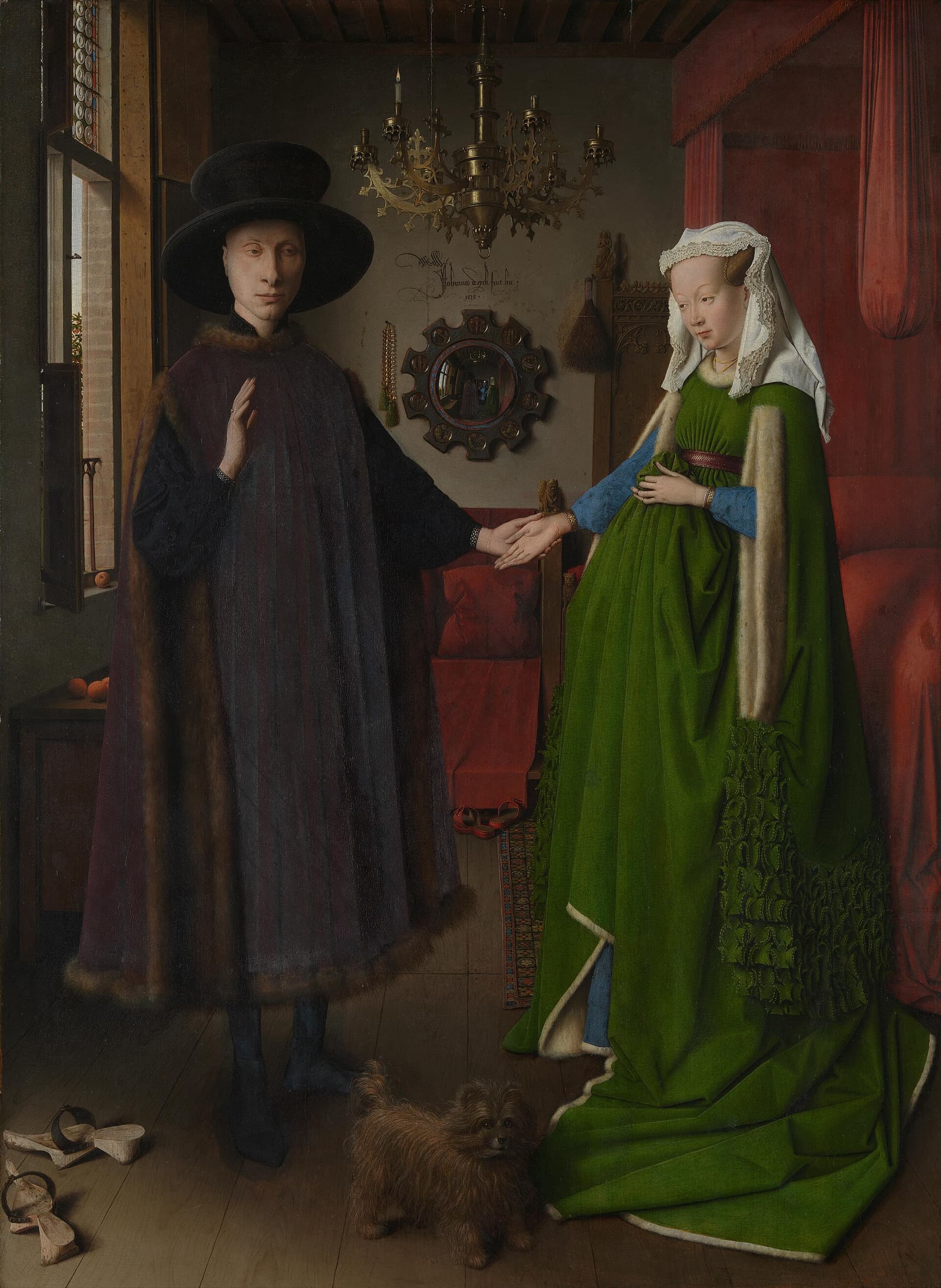
The Arnolfini Portrait: The Mirror, the Meaning and the Myths
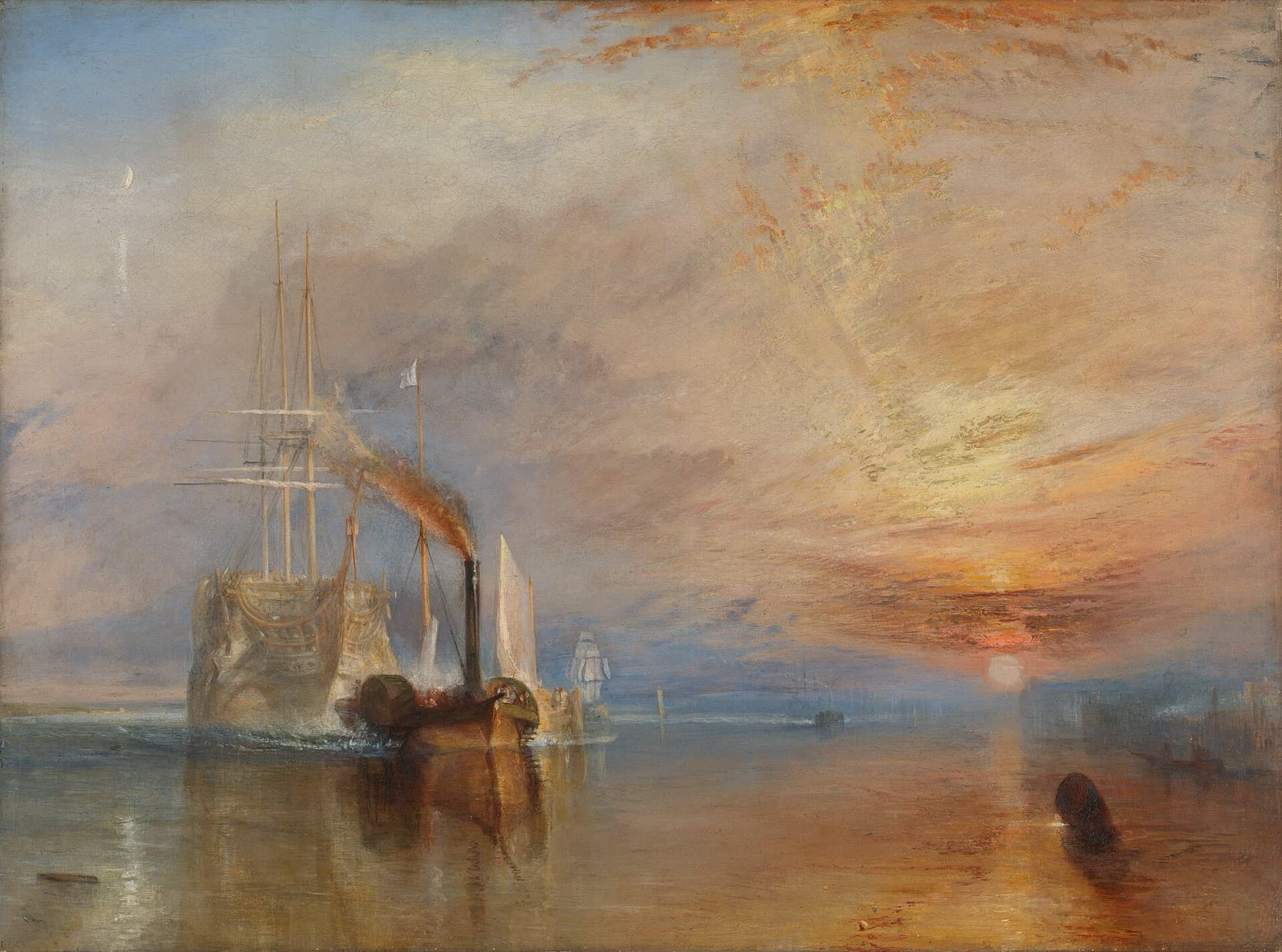
The Fighting Temeraire: Turner's Last Voyage of a Trafalgar Ship
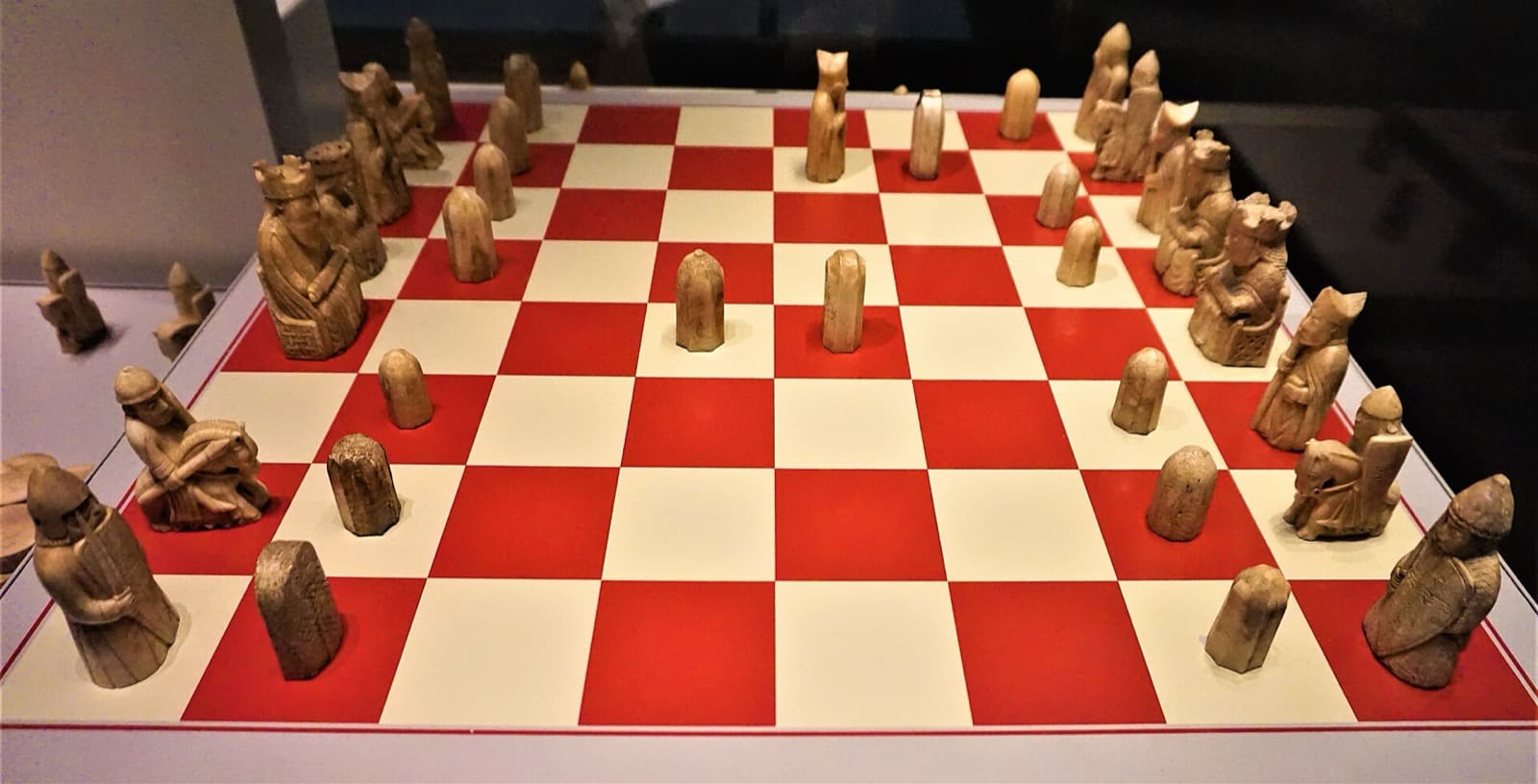
The Lewis Chessmen: Kings, Queens and Berserkers in Room 40
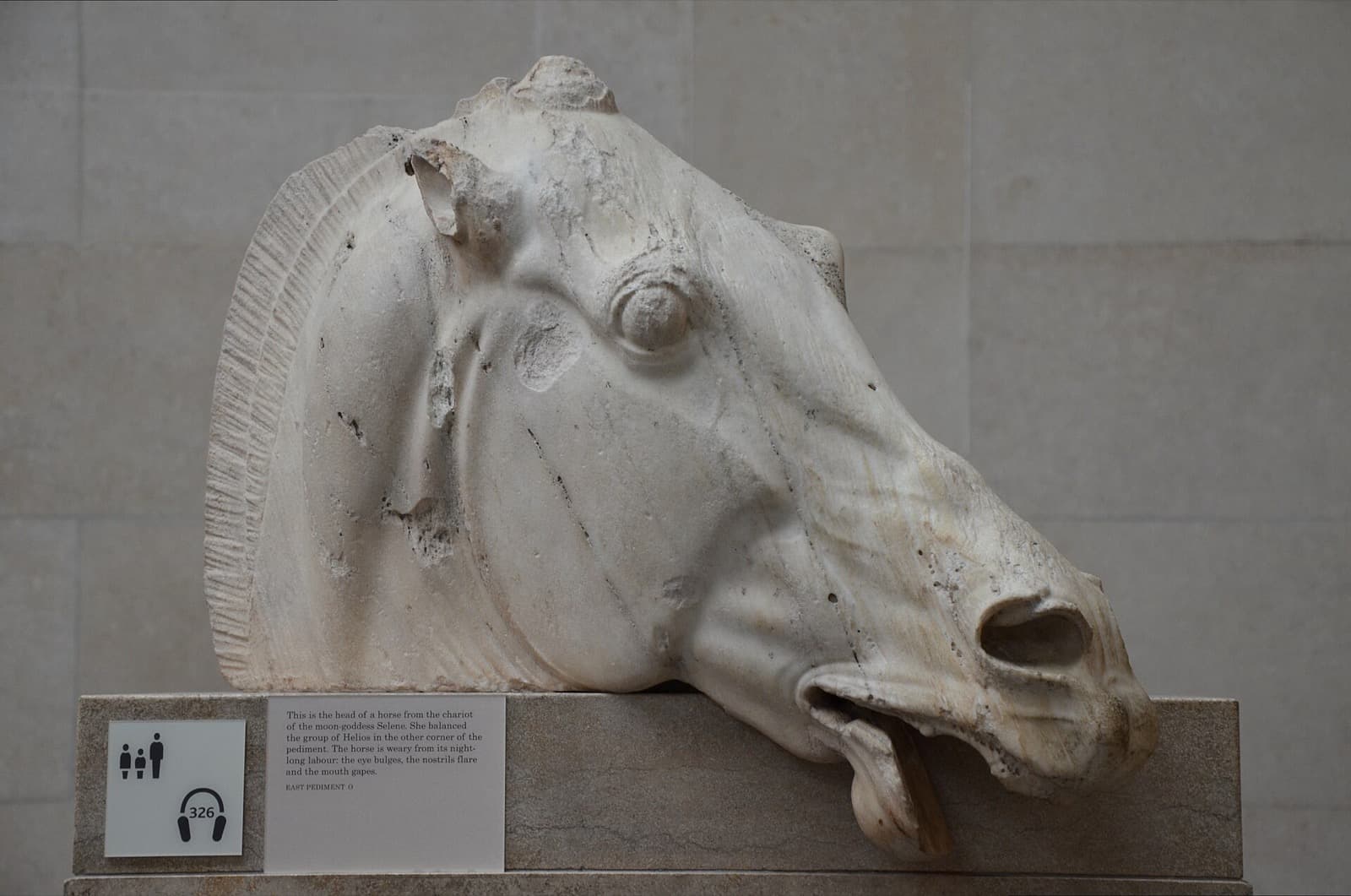
The Parthenon Sculptures: What Is in Room 18 and How It Got There