City of London: The Plan That Outlived the Fire
100 min · 2.8 km · easy
London food is two stories at once. One is a set of hearty British classics born of a working river city: the Sunday roast, fish and chips, and the dockers' own pie and mash. The other is one of the most multicultural food scenes on earth, shaped by wave after wave of immigration into curry houses, bagel shops, and market stalls where hundreds of languages meet over a plate. Eat well in London and you are tasting both the old port and the world that came through it. This guide covers the dishes worth seeking out and where the food culture actually lives, and it pairs naturally with a slow walk on one of our London self-guided tours.
The British classics
The Sunday roast. The great British ritual meal: roast beef, chicken, lamb, or pork with crispy roast potatoes, seasonal vegetables, a Yorkshire pudding, and rich gravy, eaten unhurried on a Sunday afternoon. The best place to have one is a pub, and half the joy is the setting. Two historic pubs sit on our walks: The George Inn, the last stop of the South Bank walk, and the Jamaica Wine House in St Michael's Alley, stop 7 of the City of London walk. Check what each is serving on the day.
Fish and chips. Britain's most iconic dish: white fish in crisp batter with thick-cut chips, usually with mushy peas, tartare sauce, and a shake of malt vinegar. A good local "chippy" beats a tourist-trap version every time.
Pie and mash. The taste of the old East End. A minced-beef pie with a scoop of mashed potato and "liquor", a green parsley sauce, with malt vinegar on the side. It began in the early 1800s dockside, where sellers served cheap, warming eel pies to dock workers before minced beef took over. A handful of historic pie and mash shops still serve it in East and South London, and it is one of the most genuinely local things you can eat.
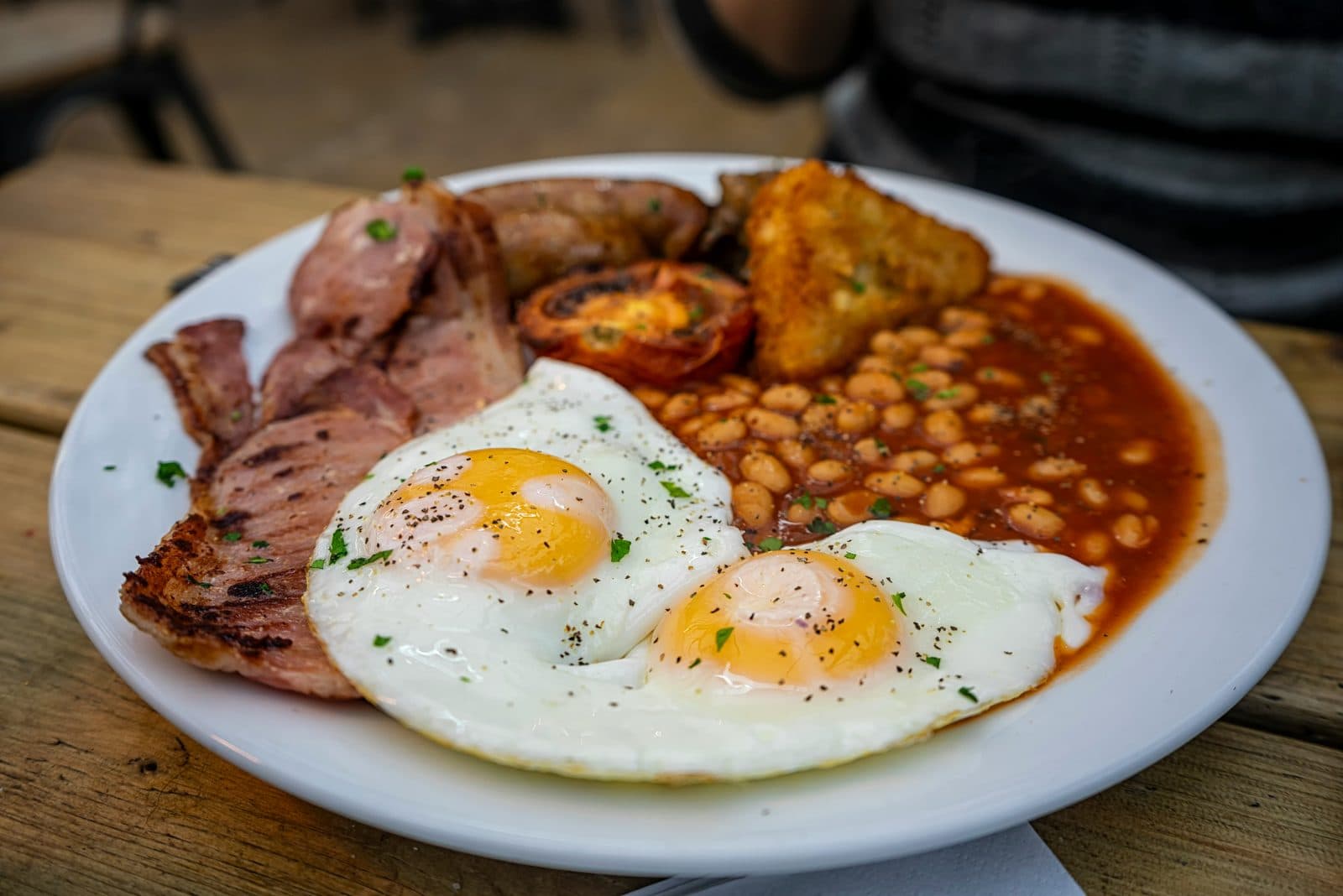
The full English breakfast. Bacon, sausage, eggs, baked beans, grilled tomato, mushrooms, toast, and often black pudding. Built for a working day, and a proper one sets you up for hours of walking.
The multicultural table
Hear a stop from this walk
St Paul's Cathedral: The Dome the City Keeps in View
London is one of the most multicultural cities in the world, and its food is where that shows most deliciously.
Curry and the Brick Lane story. South Asian food is woven into London life. Chicken tikka masala is so beloved it is often called Britain's unofficial national dish, and Brick Lane in the East End is its most famous address, a street shaped by centuries of immigration, from French Huguenots and Jewish refugees to the Bangladeshi families who lined it with curry houses.
Salt beef bagels. The same East End streets carry a Jewish food heritage, and the salt beef (or "beigel") bagel, piled with brined beef and mustard, is its enduring classic, still served late into the night at Brick Lane's historic bagel shops.
Dim sum in Chinatown. London's compact Chinatown, off Shaftesbury Avenue in the West End, is the place for dim sum, roast duck, and hand-pulled noodles, a quick and cheerful stop between West End sights.
Where the food culture lives
Borough Market, for grazing. Near London Bridge on the South Bank, Borough Market says its story began around a thousand years ago, when a market took shape at the foot of London Bridge, and it has stood in its current spot since 1756. It is the single best place to graze: cheeses, oysters, fresh bread, salt beef rolls, and produce from across Britain and beyond. It is free to enter and closed on Mondays. It sits a few steps from the end of our South Bank and Bankside walk, between Southwark Cathedral and the George Inn, so it doubles as your lunch stop.
Brick Lane and Spitalfields, for the East End. Curry houses, bagel shops, and, on weekends, some of London's best street-food markets. The most rewarding eating in the city for the money. Our Spitalfields and Brick Lane walk runs through the district, with Brick Lane as stop 7 and the story of its Huguenot, Jewish and Bangladeshi communities along the way.
The pub, for the classics. For a Sunday roast, a pie, or fish and chips with a pint, a good pub is the whole experience. Our South Bank and Bankside walk ends at the George Inn, which the National Trust calls London's last remaining galleried inn.
Soho, Covent Garden, and the South Bank, for an evening. These central quarters hold the greatest concentration of restaurants, from tiny counters to landmark dining rooms. Our Covent Garden and Soho walk goes through Chinatown on Gerrard Street, Old Compton Street and Neal's Yard before ending at the piazza, and the riverside quarter flows naturally into a walk along the river.
Eat as you walk
The best way to work through this list is on foot, one quarter at a time. Pair a morning in Westminster or the City with a pub lunch, an afternoon on the South Bank with a graze through Borough Market, and an evening in the East End with a curry or a late-night bagel. Route your day with the one day in London itinerary, plan the practical side with the London travel guide, and browse all London tours. Every tour is free to start: the introduction and first stop play in full, and every later stop plays a short preview before an optional purchase.
Frequently asked questions
- What food is London known for?
- London is known for British classics and for its multicultural food scene in equal measure. The classics are the Sunday roast (roast meat with potatoes, vegetables, Yorkshire pudding, and gravy), fish and chips, the full English breakfast, and pie and mash, the old dockers dish of a minced-beef pie with mash and green parsley "liquor". Alongside them, London is one of the best cities anywhere for South Asian food, from Brick Lane curry houses to chicken tikka masala, often called Britain's unofficial national dish, plus dim sum in Chinatown and salt beef bagels in the East End.
- Where should you eat in London?
- For markets and grazing, Borough Market near London Bridge, which says its story began around a thousand years ago, is the classic choice; Brick Lane and Spitalfields in the East End are the home of curry houses, bagel shops, and street food. For a traditional Sunday roast, a proper pub. For fish and chips, a good "chippy" anywhere. For dim sum, Chinatown in the West End. The riverside South Bank, Soho, and Covent Garden are dense with choices for an evening out.
- What is pie and mash, and where did it come from?
- Pie and mash is a Cockney working-class dish: a minced-beef pie served with mashed potato and "liquor", a green parsley sauce, with malt vinegar on the side. It originated in the early 1800s in the East End docks, where pie sellers served cheap, warm eel pies to dock workers (eels were plentiful and cheap in the Thames). Minced beef later replaced the eel in most shops. A handful of historic pie and mash shops still serve it across East and South London.
- Is London good for vegetarians and vegan food?
- Very. London is one of the most vegetarian and vegan-friendly cities in the world, with dedicated plant-based restaurants, meat-free menus in most pubs and cafes, and huge variety thanks to its South Asian and Middle Eastern communities, whose cuisines include many naturally vegetarian dishes. Markets like Borough and the East End street-food stalls always have strong meat-free options.
Ready to experience it?
City of London: The Plan That Outlived the Fire
100 min · 2.8 km · easy
More from London
Explore more at your own pace.
British Museum: What to See, Floor by Floor
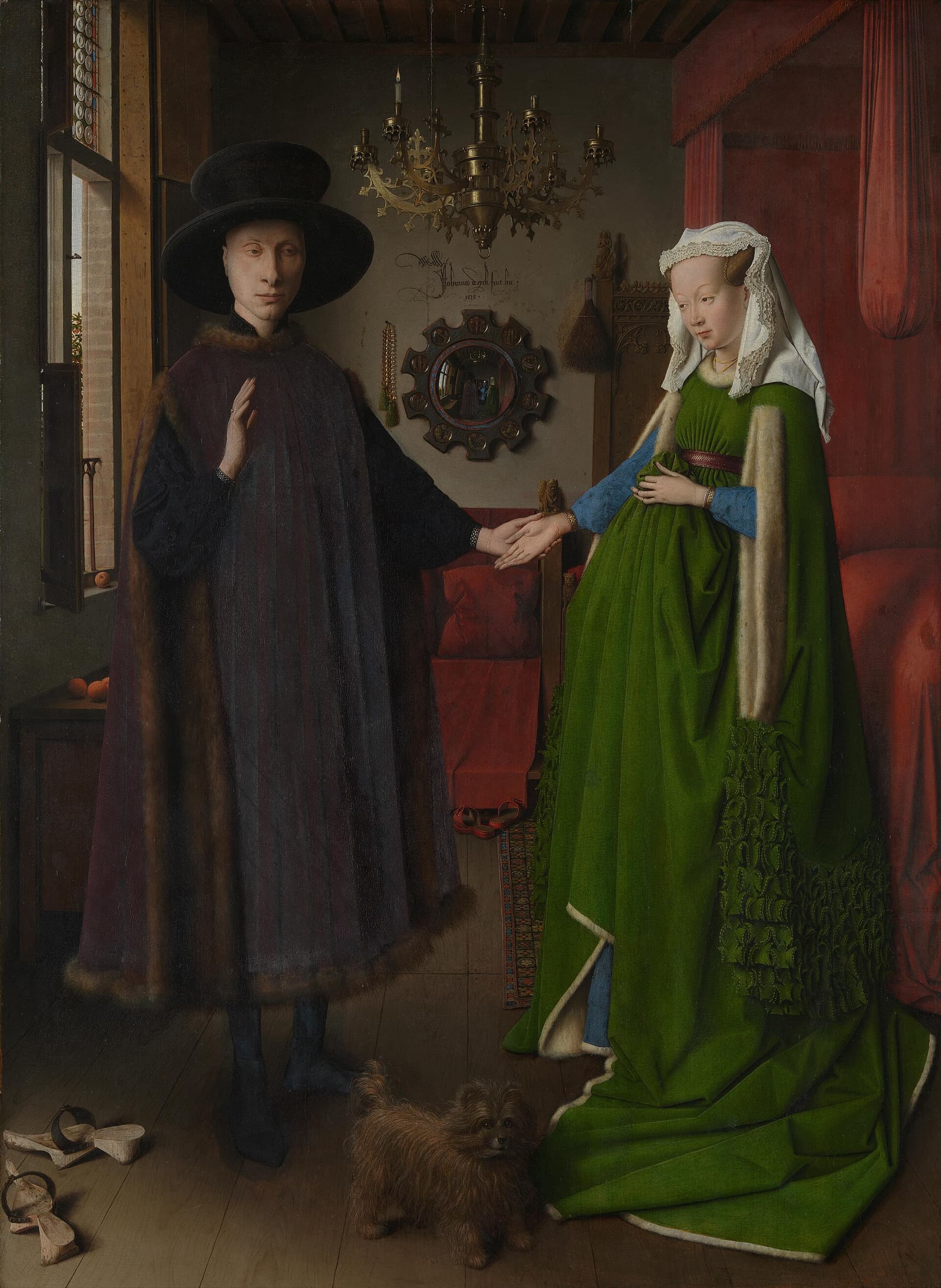
The Arnolfini Portrait: The Mirror, the Meaning and the Myths
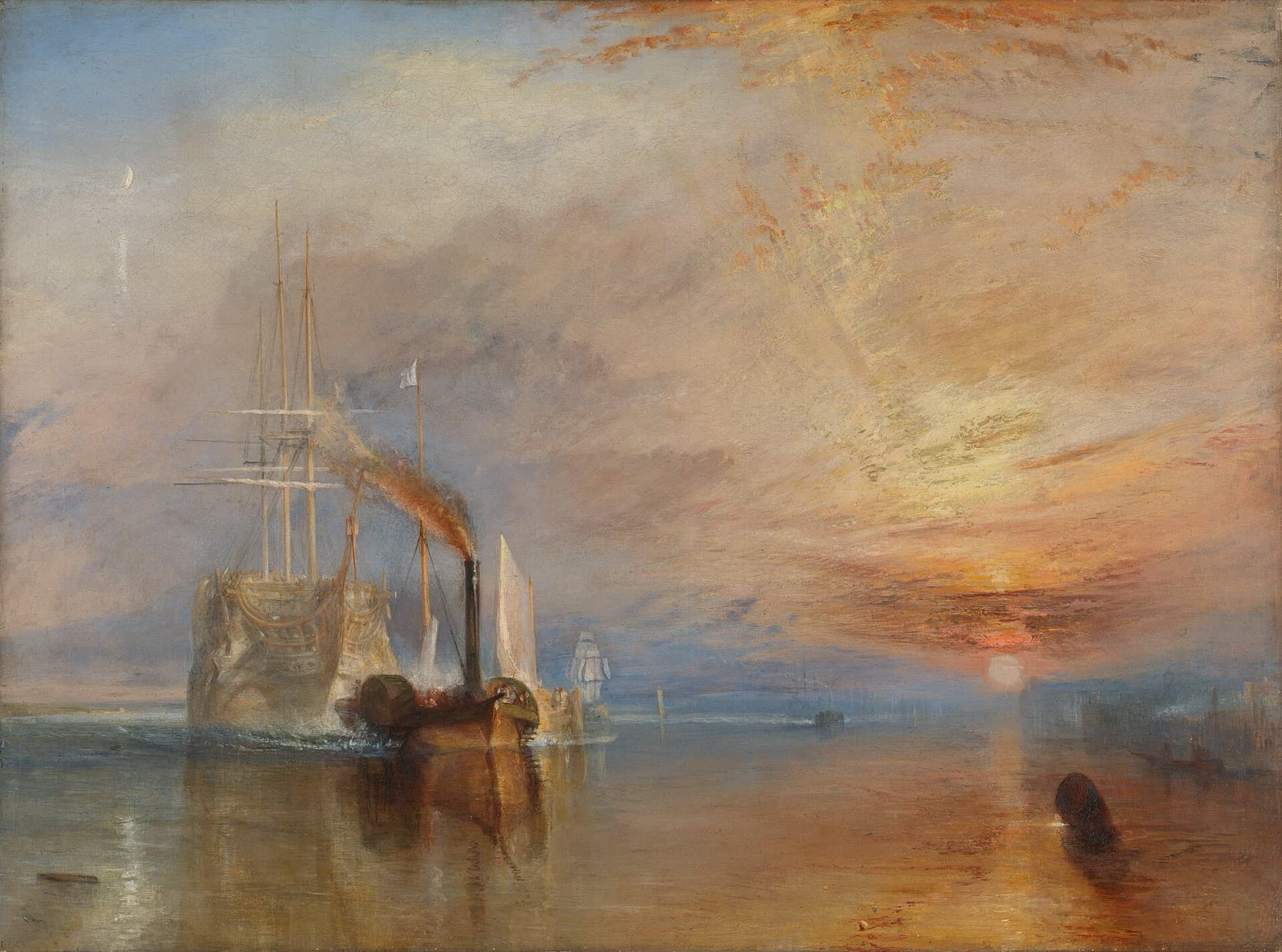
The Fighting Temeraire: Turner's Last Voyage of a Trafalgar Ship
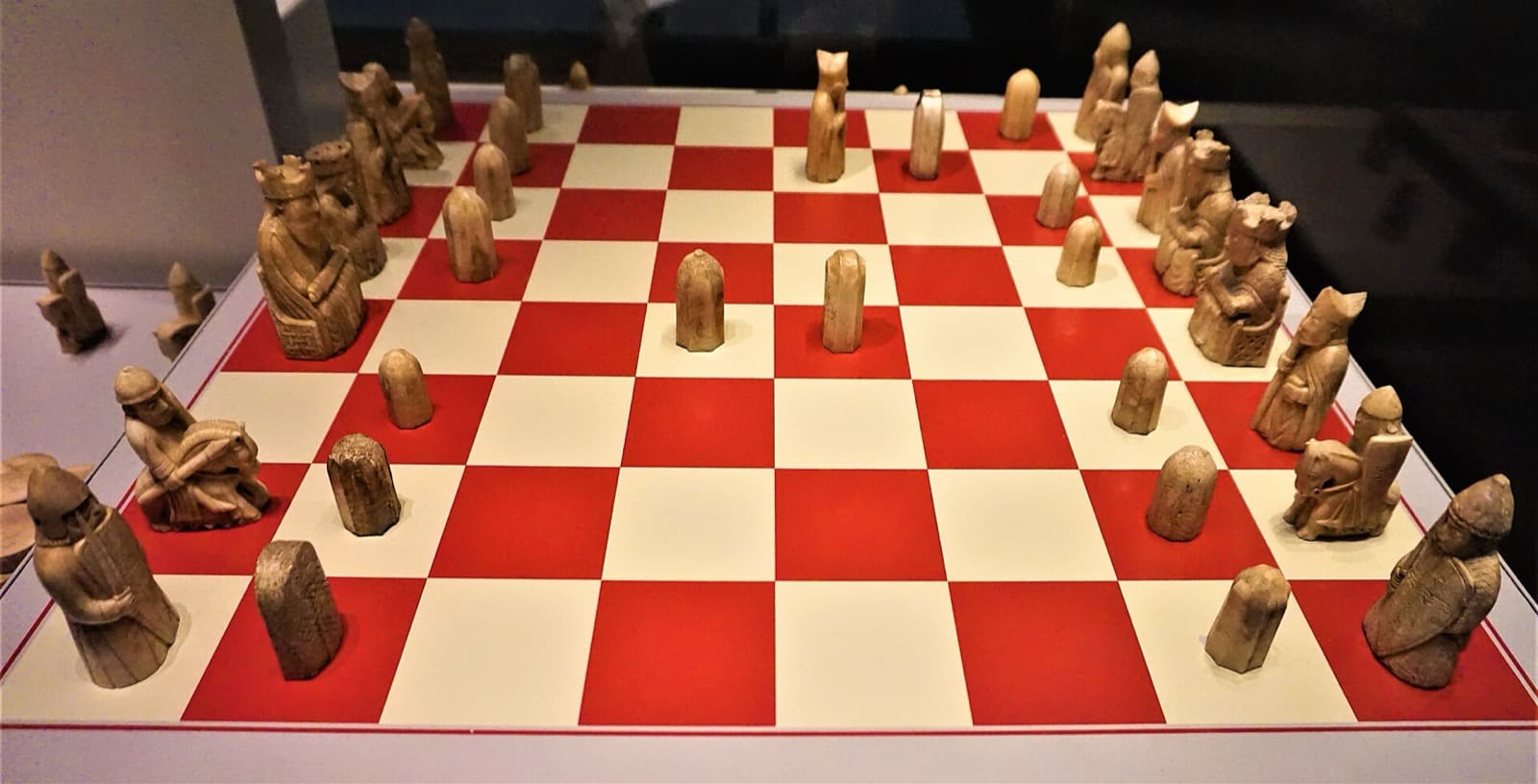
The Lewis Chessmen: Kings, Queens and Berserkers in Room 40
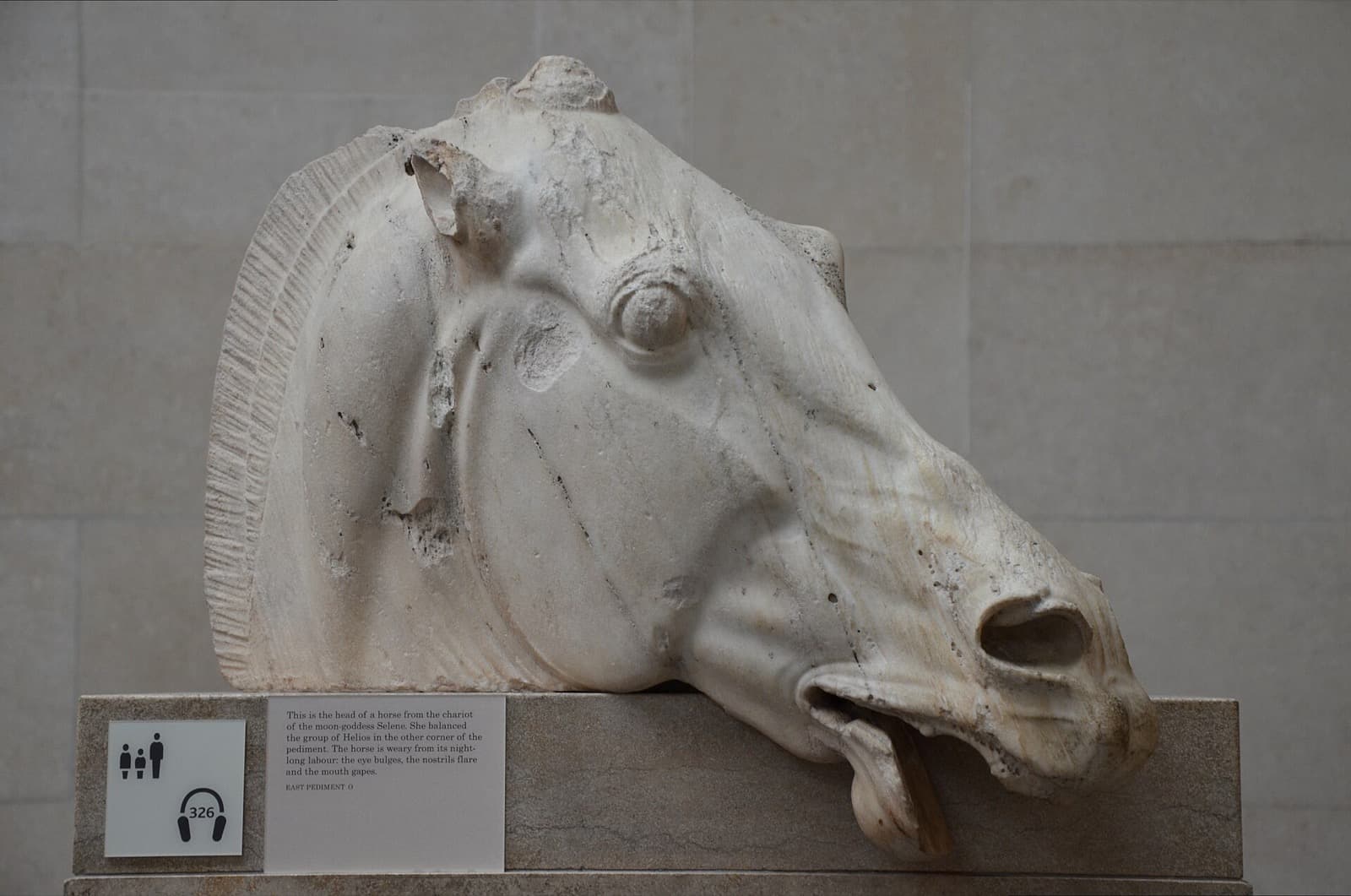
The Parthenon Sculptures: What Is in Room 18 and How It Got There