Natural History Museum audio guide
London · 3 floors · stories room by room
Yes, you can see central London's historic core in a day. Here is the route.
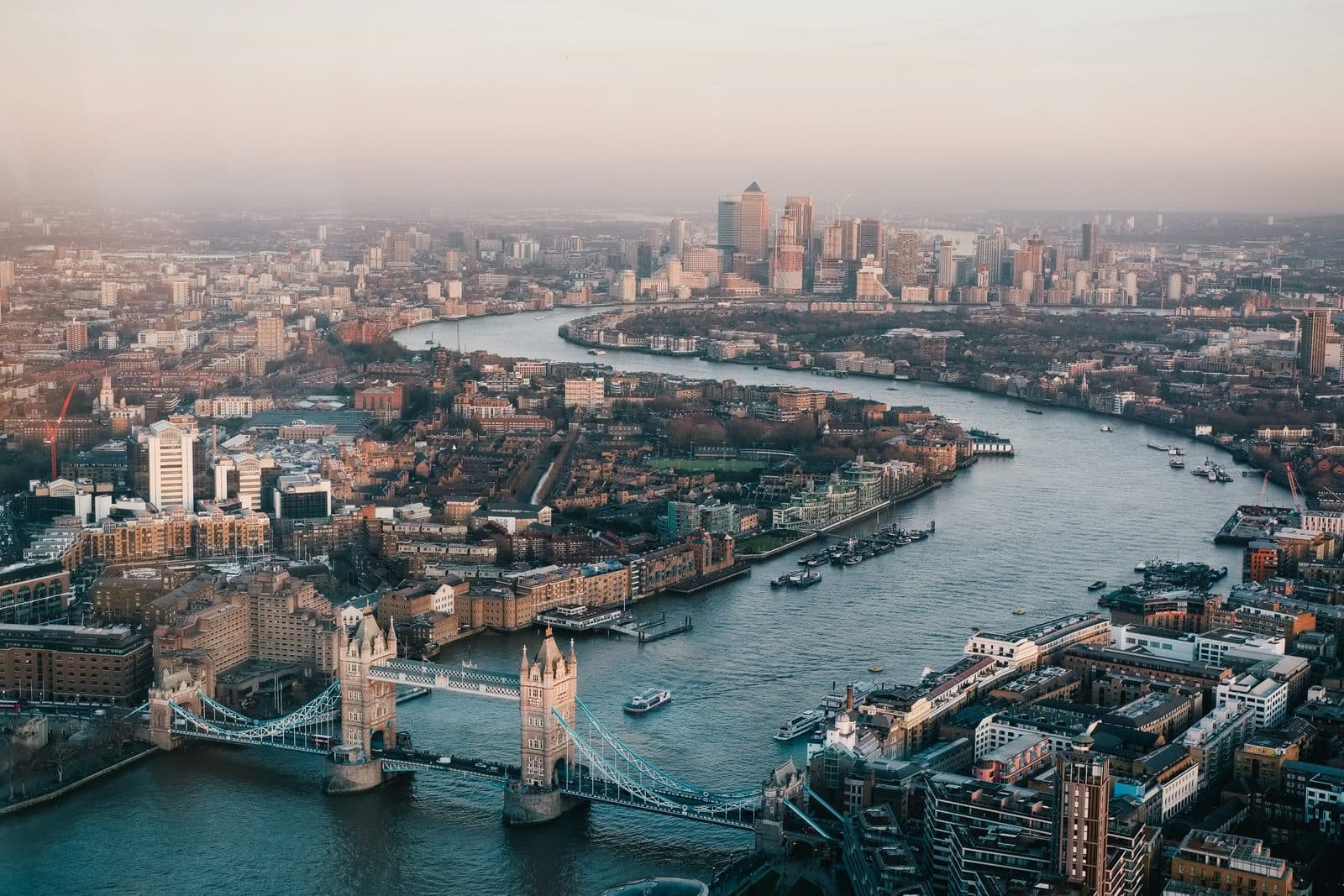
You cannot fit two thousand years of Roman wall, royal power, plague, fire, and reinvention into a single day, and you should not try. What you can do is walk the connected core of the city, where its most famous sights sit along one great bend of the Thames: the seat of power at Westminster, the ancient City of London to the east, and the reinvented South Bank across the river. This itinerary routes those three into a comfortable walking loop and names the self-guided London walking tour that anchors each block so the history walks with you.
A note on pace before you start. This is a full day on your feet, roughly 7 to 10 km, though the ground is flat and much of it follows the riverside. Wear comfortable shoes, carry a light waterproof for London's changeable sky, and treat the lunch and pub stops below as part of the plan, not interruptions to it.
Morning: Westminster, the seat of power
Start early at Westminster station. By the exit, at the foot of Westminster Bridge, Boudica stands in her bronze chariot, with the Houses of Parliament and Big Ben across the road. Walk up Whitehall past the Cenotaph and the gates of Downing Street to the Banqueting House, the only complete building left of the old Palace of Whitehall, then through Horse Guards into St James's Park for the view from the Blue Bridge. Loop back past the Churchill War Rooms to Westminster Abbey, where monarchs have been crowned since 1066, and round Parliament Square, with its statues of Churchill, Mandela, Gandhi and Millicent Fawcett, to Cromwell outside Westminster Hall and the statue of Emmeline Pankhurst in Victoria Tower Gardens.
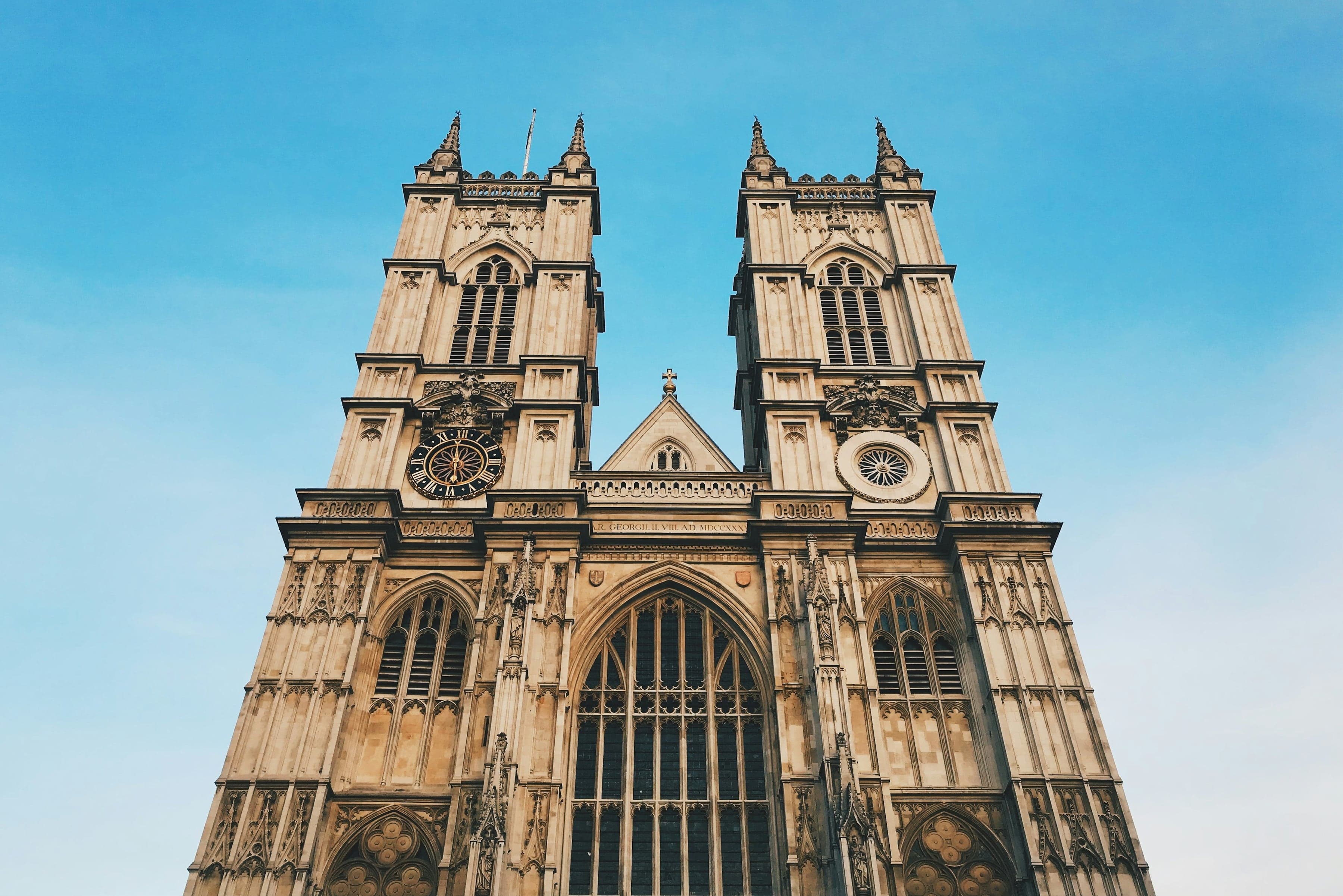
This is the block to walk with the Westminster: The Rebels at Parliament's Gates self-guided audio tour, a loop of ten stops, about 2.9 km and an hour and a half. It reads Westminster through the statues of the people who defied it, from a queen who burned London to women who went to prison for the vote, and shows how Westminster ends up honouring its rebels: reluctantly, late, and on its own terms.
When the walk ends, head back up Whitehall to Trafalgar Square, where you can slip into the National Gallery, free to enter, if you want a warm interior break: our National Gallery audio guide has a one-hour route through its most famous paintings. Trafalgar Square is also where the Covent Garden and Soho walk begins, if you want to add a free half-day of streets, Chinatown and Seven Dials (11 stops, about 2.3 km, 85 minutes). For where to eat around here and everywhere on this route, see what to eat in London.
Midday: the City of London, the Square Mile
Hear a stop from this walk
Victoria Tower Gardens: Pankhurst at Parliament's Door
From Trafalgar Square, ride one stop or walk east along the Strand and Fleet Street into the City of London, the original square mile the Romans walled around AD 200, which keeps its own rules inside Greater London. Take the Tube to Tower Hill, where a stretch of the Roman wall stands beside the Tower of London, and walk west through the Square Mile past the Monument to the Great Fire and Leadenhall Market, the ornate Victorian arcade, to end at St Paul's Cathedral, Christopher Wren's cathedral raised after the Great Fire.
Walk this block with the City of London: The Plan That Outlived the Fire tour, which runs from Tower Hill to St Paul's in twelve stops, about 2.8 km and 100 minutes. It reads the Square Mile as a street plan that kept its shape through the Fire, the Blitz and the glass towers: the Roman wall, Pepys's church, the Monument, Leadenhall Market on the Roman forum, Lloyd's, Bank, the Roman arena in the paving of Guildhall Yard, Temple Bar and the dome. Lunch is easy here, from Leadenhall Market to the sandwich shops and pubs that feed the City's workers.
Afternoon: cross to the South Bank
Cross the river on the Millennium Bridge, the pedestrian span that lands you directly at Tate Modern (the collection is free to enter, and the single best interior stop of the day). From there the Thames Path runs both ways. East takes you past Shakespeare's Globe, the reconstructed Elizabethan theatre, the ruin of the Bishop of Winchester's palace, Southwark Cathedral and Borough Market; west takes you past the National Theatre, the Southbank Centre and the London Eye.
This is the block for the South Bank and Bankside: London's Other Side self-guided tour, 12 stops, about 3.1 km and 100 minutes, from County Hall and the Eye to the George Inn. It reads the river bank as a place assembled in stages: a bishop's liberty outside the City's law, the Festival of Britain's one survivor, the concrete that came after it, a rebuilt Globe and a power station turned gallery. If you arrive from St Paul's, cross the Millennium Bridge and pick the walk up at Tate Modern, stop 7, then follow it east to the George Inn; the first six stops, from the Eye along the Southbank Centre to Blackfriars Bridge, are the stretch to walk first if you start the afternoon at the Eye.
The South Bank saves the best light for last. As the afternoon turns to evening, the Thames Path fills with walkers, the buskers come out along the river, and the whole north bank, Parliament, St Paul's, the City towers, lights up across the water.
Evening: a pub, then dinner
End where Londoners do, in a pub. The best of them for the end of this route is The George Inn in Southwark, the last galleried coaching inn in London according to the National Trust, rebuilt in 1677 and the last stop of the South Bank walk, a short walk from Borough Market. Back in the City, the Jamaica Wine House in St Michael's Alley is a Victorian pub whose wall carries a plaque to London's first coffee house; it is stop 7 on the City walk. Then eat: Borough Market's traders, the restaurants of Southwark, or a walk back over the river to the choices of the West End.
The one-day route at a glance
| Block | Where | Anchor tour |
|---|---|---|
| Morning | Westminster Bridge, Whitehall, St James's Park, the Abbey, Parliament Square, then Trafalgar Square | Westminster: The Rebels at Parliament's Gates |
| Midday | Tower Hill, the Monument, Leadenhall, Bank, St Paul's, lunch | City of London: The Plan That Outlived the Fire |
| Afternoon | Millennium Bridge, Tate Modern, the Globe, Southwark Cathedral, Borough Market | South Bank and Bankside: London's Other Side |
| Evening | The George Inn, then dinner | Last stop of the South Bank walk |
Plan the rest of your trip
One day covers the core along the river. For how many days London really deserves, how to get around, and when to go, read the London travel guide. For what to eat as you walk, see what to eat in London. For every route in the city, see the best self-guided walking tours in London, or browse all London tours. Every tour is free to start: the introduction and first stop play in full, and every later stop plays a short preview before an optional purchase.
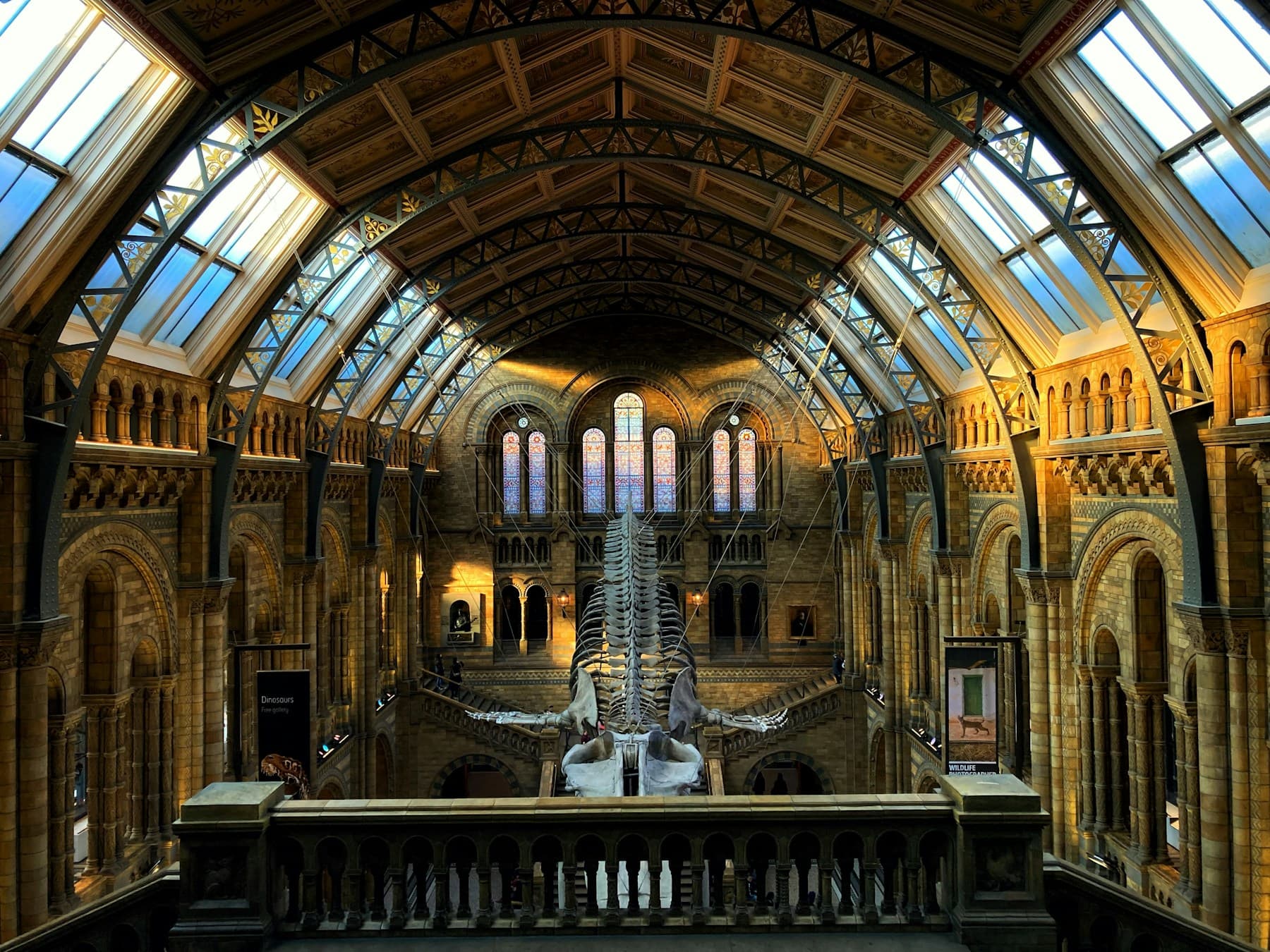
With a second day, South Kensington's free museums are the obvious next block. For the Natural History Museum, read what to see there, wing by wing, or take the Natural History Museum audio guide room by room. For the British Museum, read what to see there, floor by floor, or take the British Museum audio guide room by room.
Frequently asked questions
- Can you see London in one day?
- You cannot see all of London in a day, but you can see its historic core well. A focused day covers Westminster (Parliament, the Abbey, Trafalgar Square), the City of London (St Paul's, the Monument, Tower Bridge), and the South Bank (the Thames Path, Tate Modern, Borough Market), three areas that sit along one bend of the river and connect on foot. The outlying draws, Kensington's museums, Greenwich, the markets of Camden and Notting Hill, are worth a second day rather than a rushed detour.
- What is the best area to base a one-day visit to London?
- Base yourself in or near Westminster, the South Bank, or the City, all within a short walk or one Tube stop of this route. Central hotels put you inside the loop so your first hour is sightseeing, not commuting. Staying near a Zone 1 Tube or Elizabeth line station keeps travel time low if you arrive by train or from an airport.
- How much walking is a one-day London itinerary?
- Expect roughly 7 to 10 km on foot across the day, most of it flat along pavements and the riverside Thames Path. There are no serious hills, but you will be on your feet for hours, so wear comfortable shoes and build in coffee, lunch, and a pub stop. London weather is changeable in any season, so carry a light waterproof.
- Do I need to book anything in advance for one day in London?
- Most of this route is free and needs no booking: Westminster's streets and squares, the City's lanes, the Thames Path, and the exteriors of every landmark are open to walk up. Westminster Abbey and the Tower of London charge admission and are worth pre-booking a timed slot for. The free national museums (Tate Modern, the National Gallery) need no ticket, though the British Museum asks you to reserve a free timed entry in the busy months. The self-guided audio tours that anchor each block are free to start and download in advance.
Ready to experience it?
Westminster: The Rebels at Parliament's Gates
90 min · 2.9 km · easy
More from London
Explore more at your own pace.
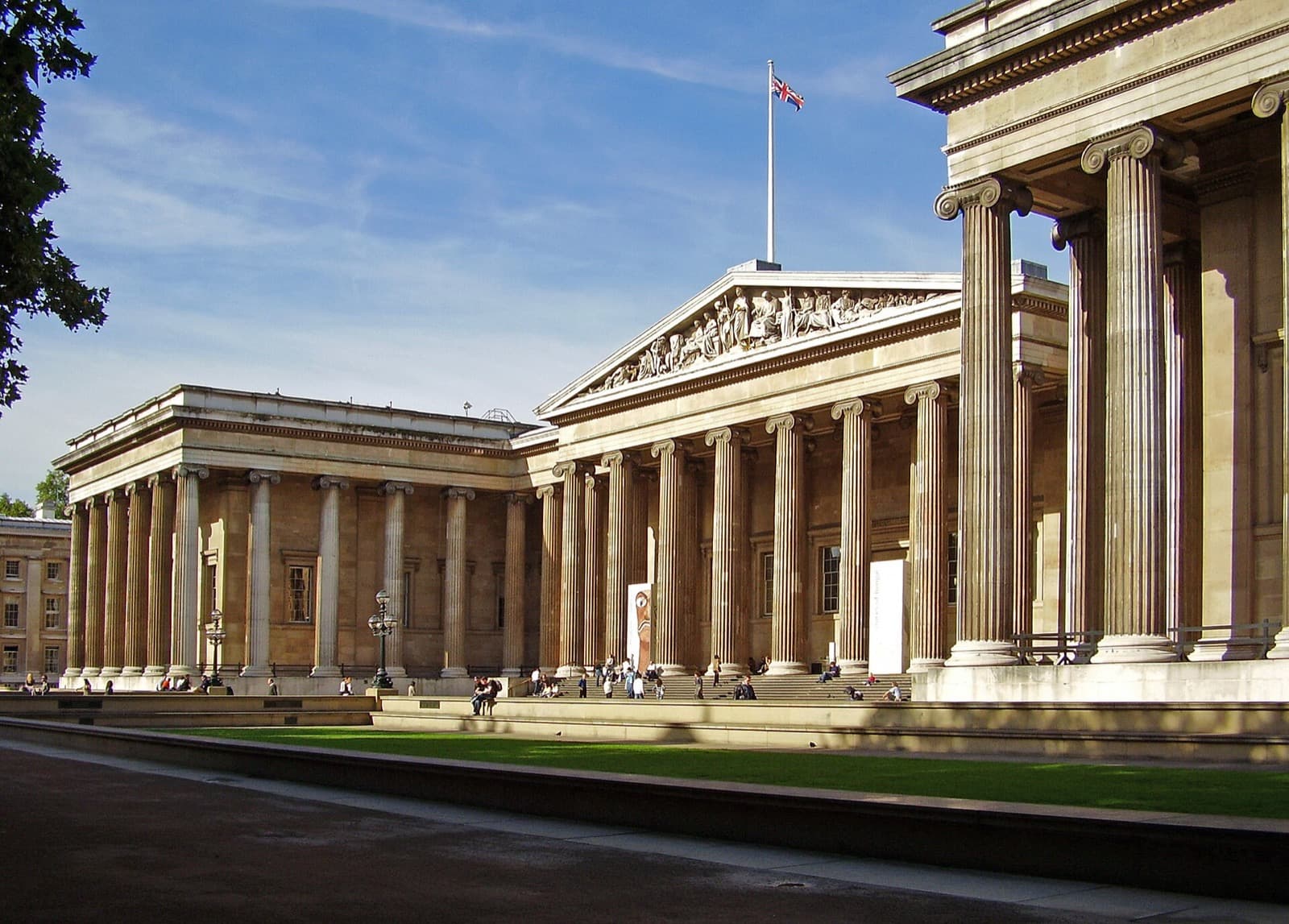
British Museum: What to See, Floor by Floor
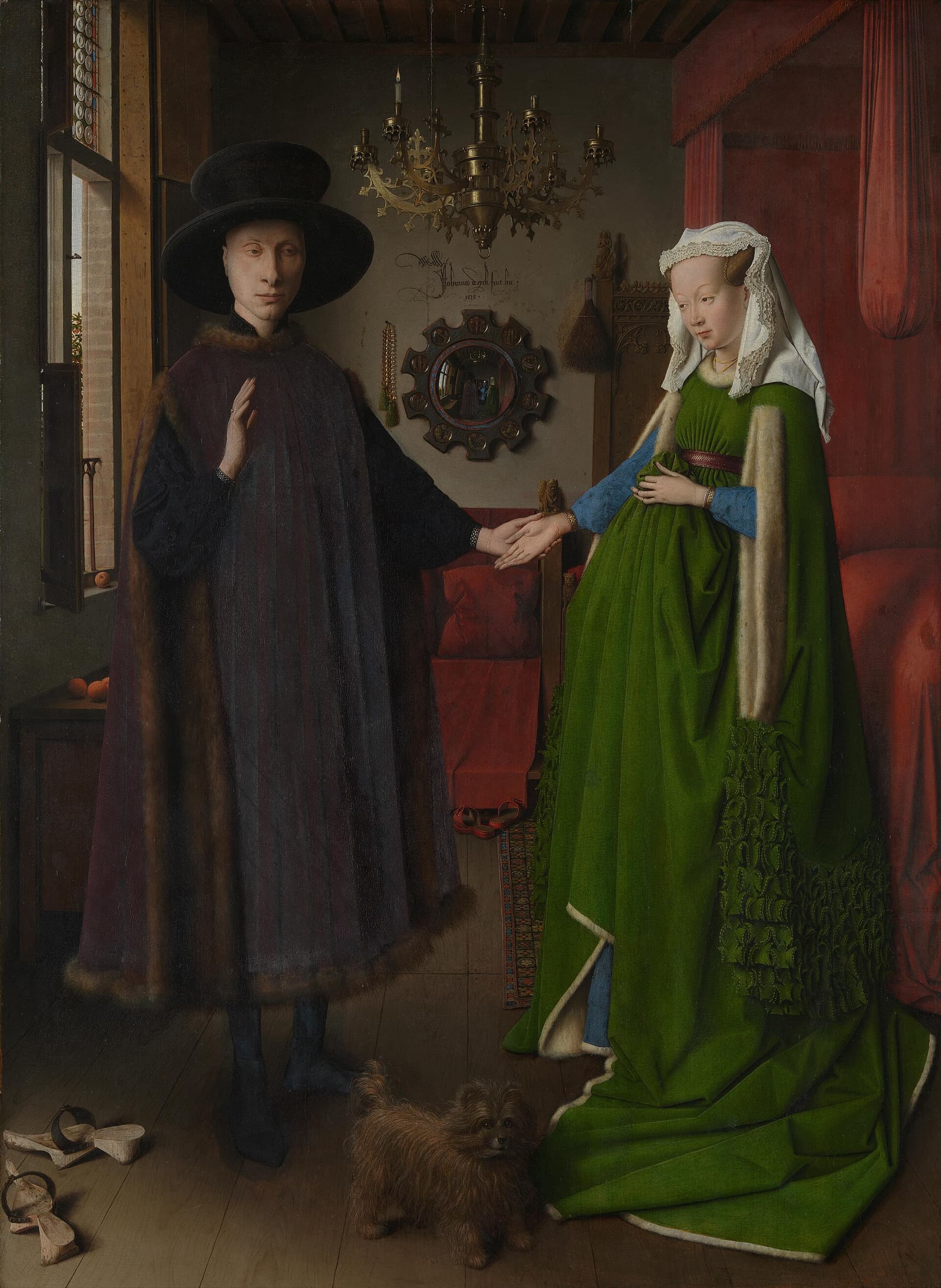
The Arnolfini Portrait: The Mirror, the Meaning and the Myths
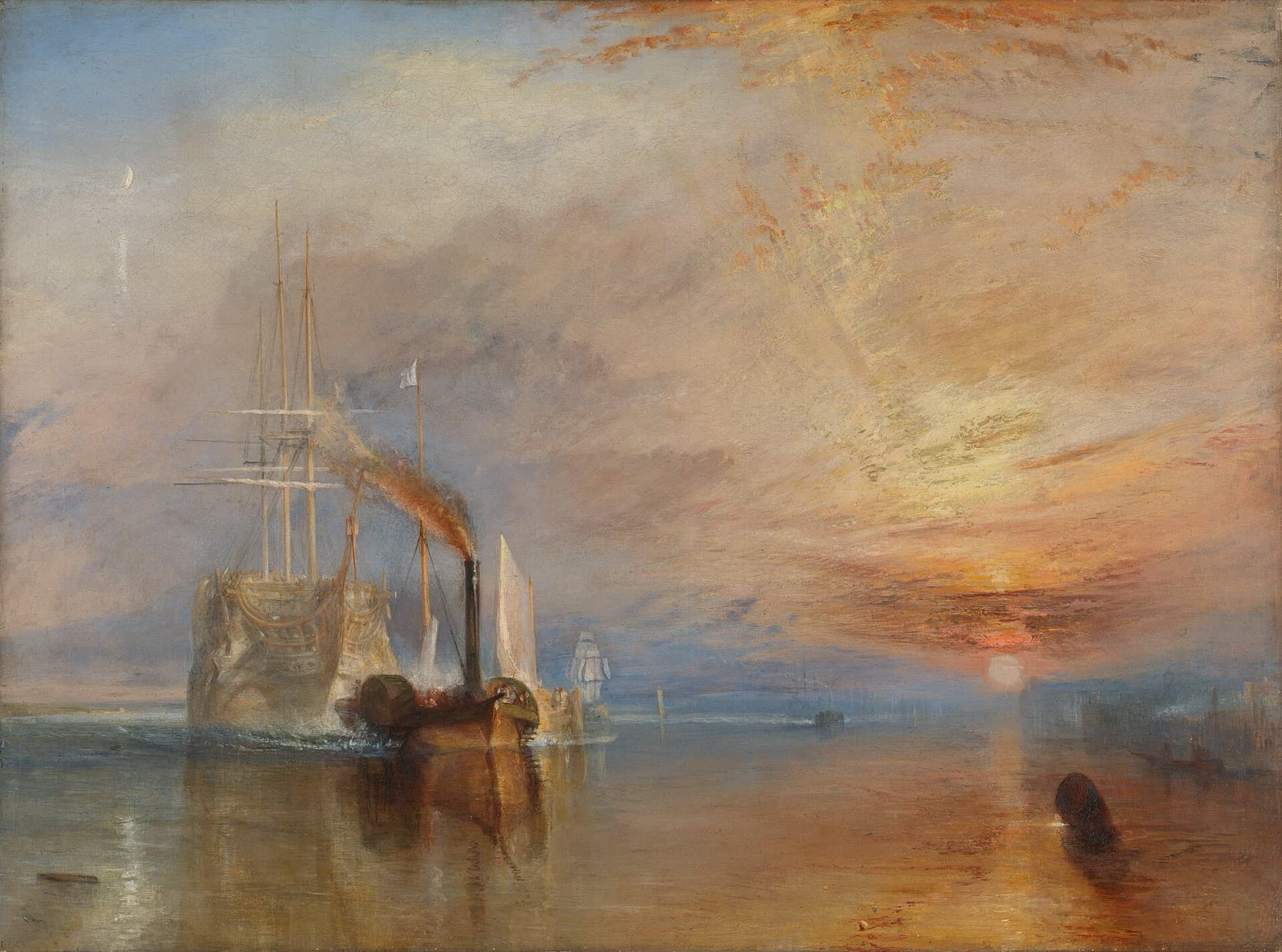
The Fighting Temeraire: Turner's Last Voyage of a Trafalgar Ship
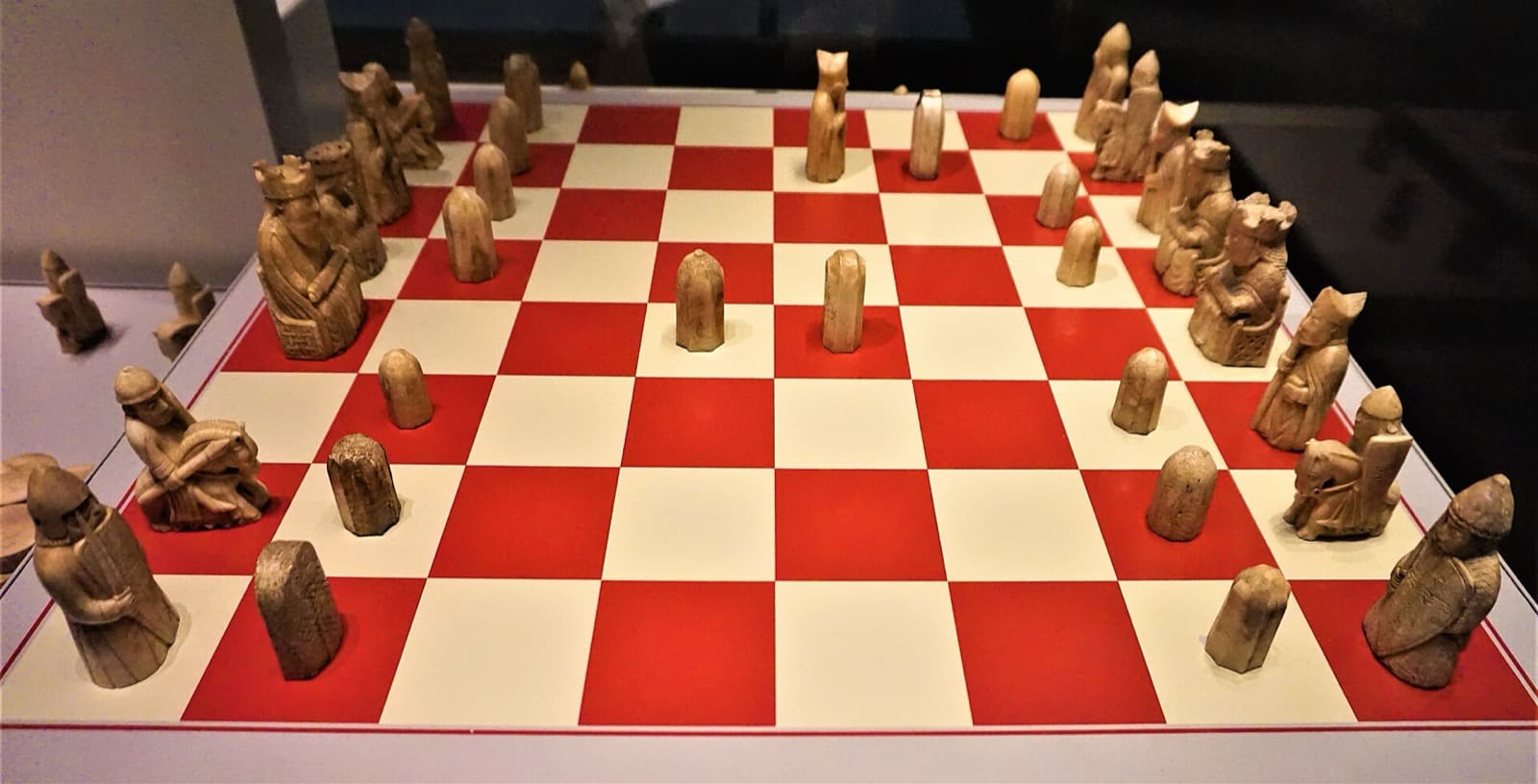
The Lewis Chessmen: Kings, Queens and Berserkers in Room 40
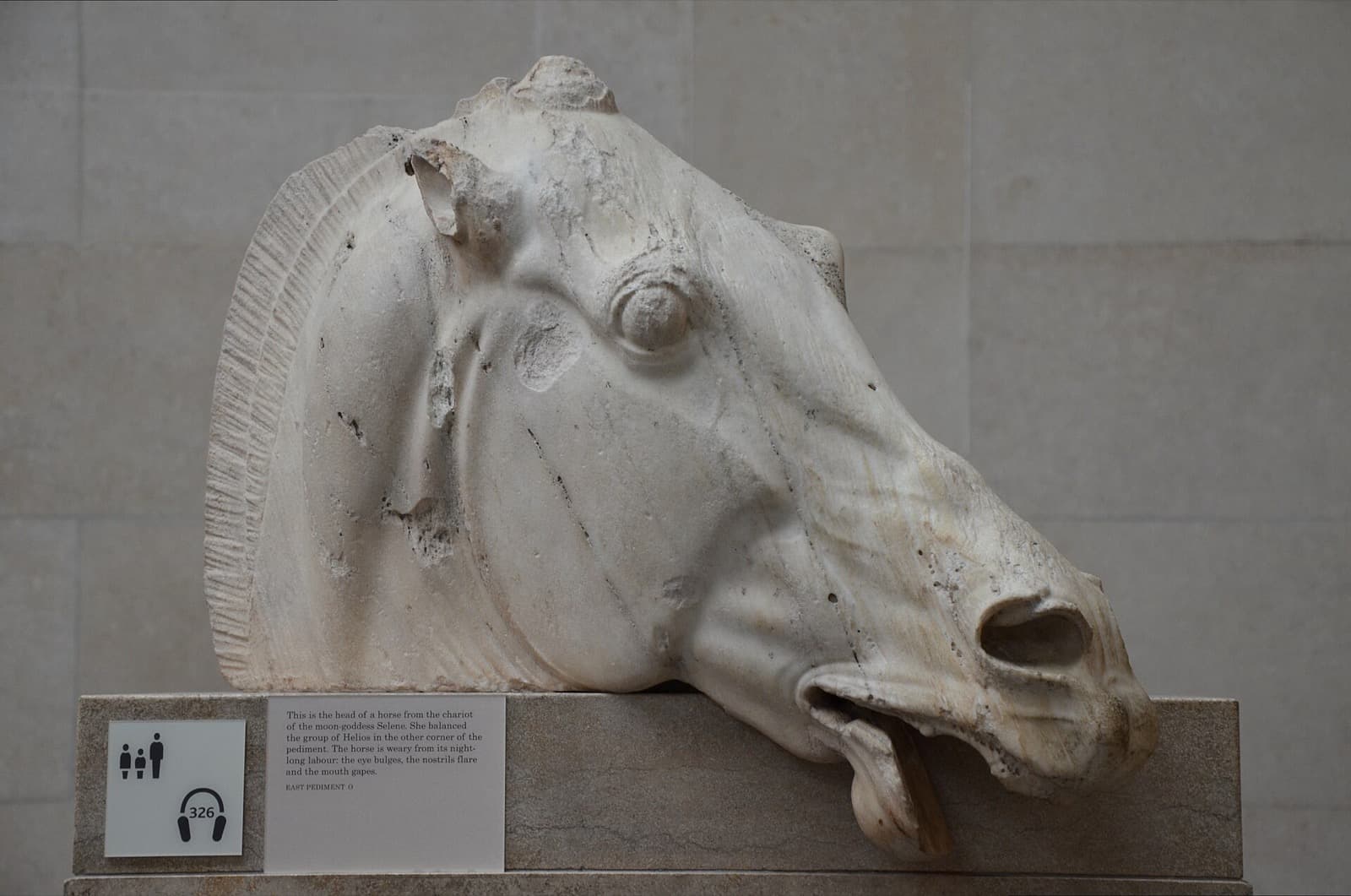
The Parthenon Sculptures: What Is in Room 18 and How It Got There