The Pier Head: The Port That Built the Empire, and Reckons With What It Carried
95 min · 2.1 km · easy
Liverpool exists because of the sea. Not near it, or beside it, but because of it. The city has no cathedral-and-castle medieval core, no Roman street grid, no royal court. It has a river, and everything the river brought and took away. Read the whole city as a single argument with the water, and it starts to make sense: the wealth, the buildings, the music, the reckoning, and even the honour it won and then lost.
The dock that started everything
In 1715 a Liverpool engineer named Thomas Steers opened the Old Dock, the world's first commercial enclosed wet dock. A wet dock holds the tide back behind gates so a ship sits at a constant water level, loading and unloading around the clock instead of racing the falling tide. It sounds like a small piece of engineering. It changed the scale of what a port could do.
Before Steers, Liverpool was a modest tidal creek. After him, it could turn ships around faster than almost anywhere in Britain, and the docks multiplied along the river for the next two centuries. That first dock is still there, buried under the Liverpool ONE shopping centre, visible through a glass viewing window in the pavement. The Pier Head history tour opens by standing over it. Everything the city became grew out of that single hole in the ground filled with tide-water.
The wealth, and where a large share of it came from
Hear a stop from this walk
Bramley-Moore Dock and the UNESCO-Delisting Viewpoint: The Reckoning Is Ongoing
By the eighteenth century Liverpool was the second city of the British Empire by tonnage handled, behind only London. Sugar, tobacco, cotton and grain moved through its docks. So did people, in chains.
This has to be said plainly, because the city built the wealth into its stone and then spent two centuries deciding how to talk about it. Between 1700 and 1807, Liverpool grew to dominate the British slave trade. In the final decades before Parliament abolished the trade in 1807, Liverpool ships carried roughly 80 percent of all British slaving voyages, and around 40 percent of all European transatlantic slaving voyages departed from this one port. Its merchants, its banks, its insurers and its shipbuilders were entangled with the trade at every level. A great deal of the money that raised the docks, the warehouses and the merchant palaces was made moving enslaved Africans across the Atlantic.
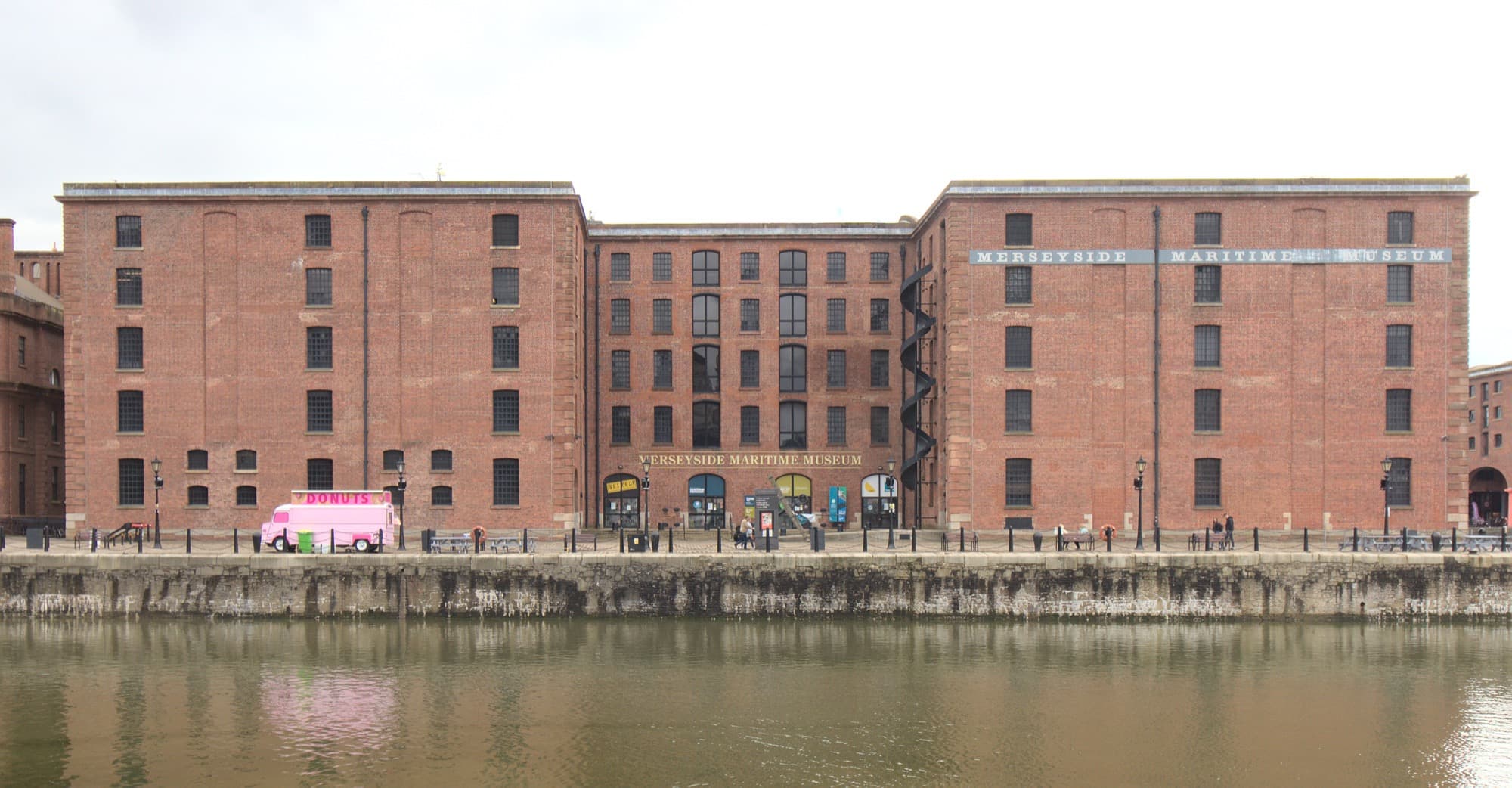
Liverpool does not hide this. The International Slavery Museum sits inside a Victorian warehouse on the Albert Dock, yards from the dry docks where slaving ships were once fitted out. Placing the reckoning inside the architecture of the wealth is the point, and the waterfront tour walks the two as one conversation rather than pretending they are separate stories.
The buildings the sea paid for
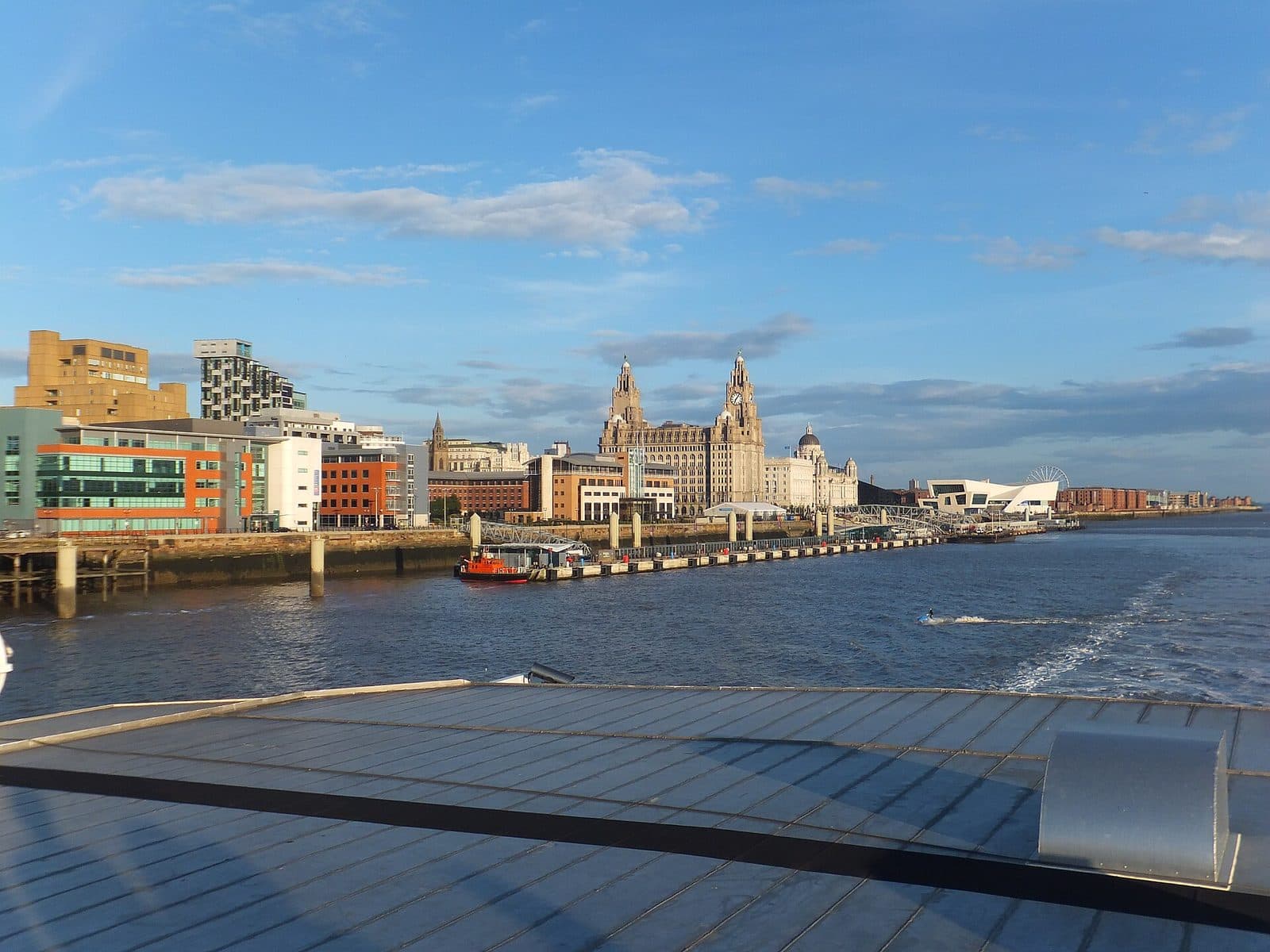
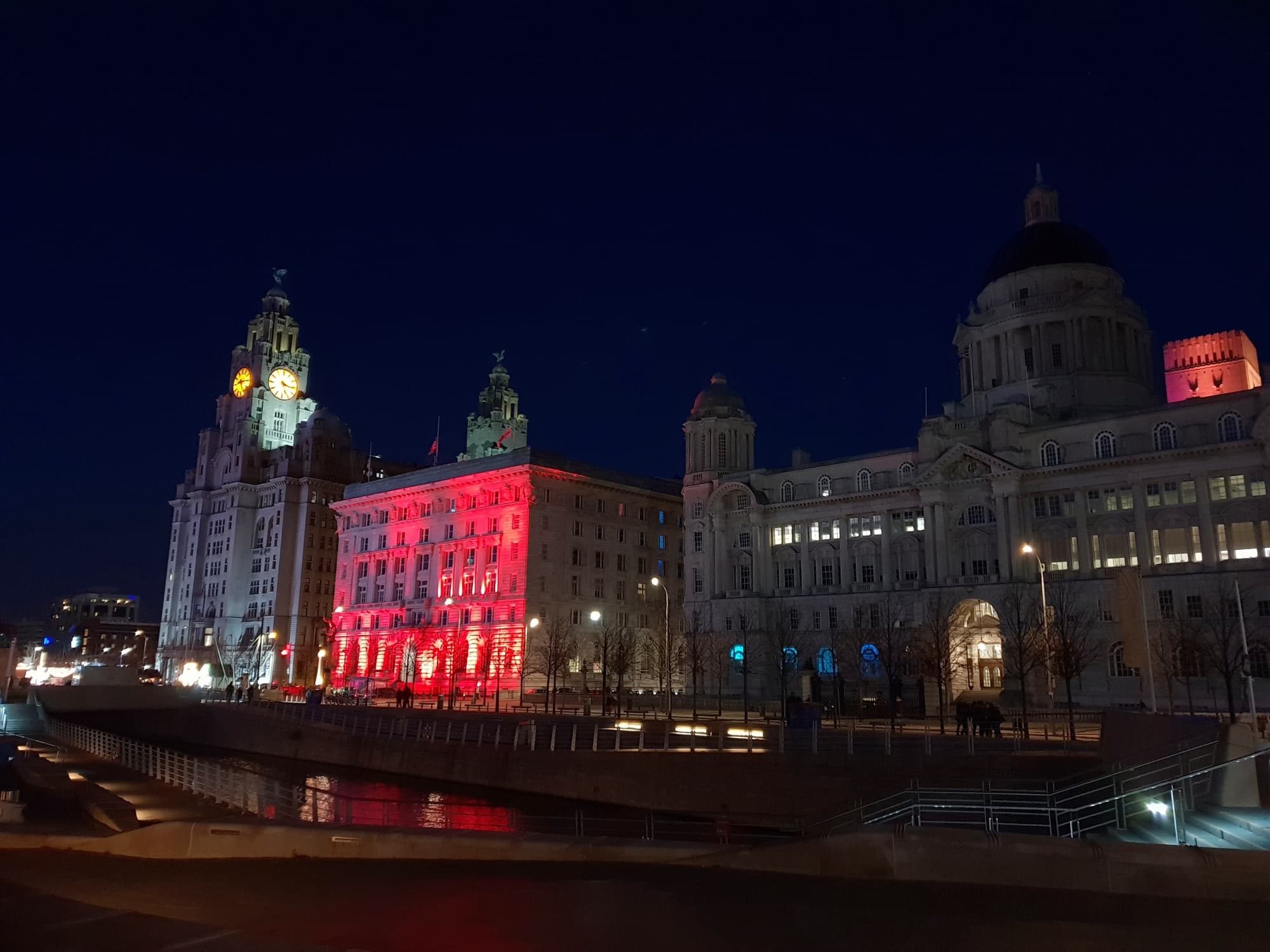
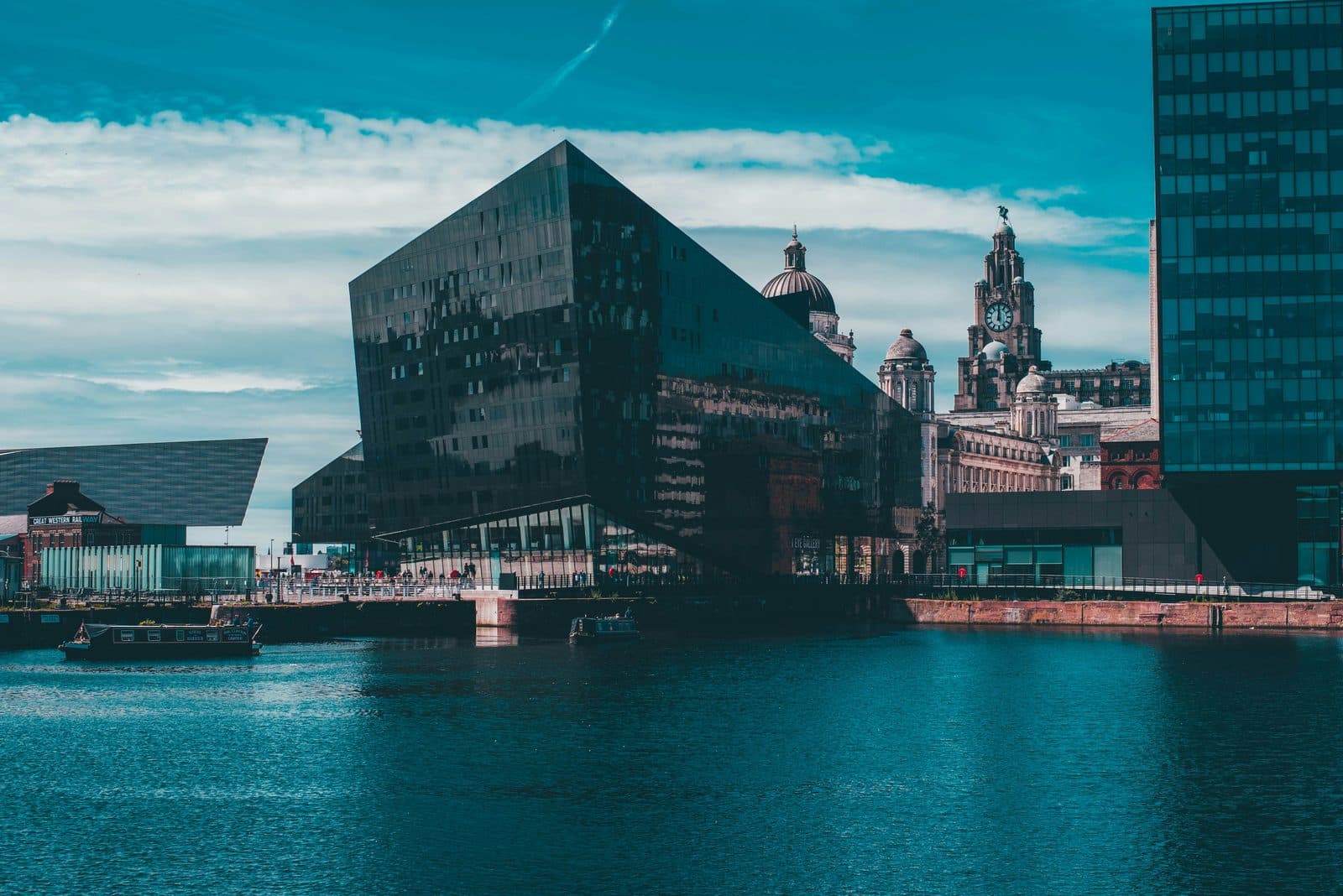
Stand at the Pier Head and the maritime wealth is right in front of you as architecture. The Three Graces, the Royal Liver Building of 1911, the Cunard Building of 1917 and the Port of Liverpool Building, are Edwardian confidence rendered in Portland stone and granite: the buildings a port throws up when it believes it will be rich forever.
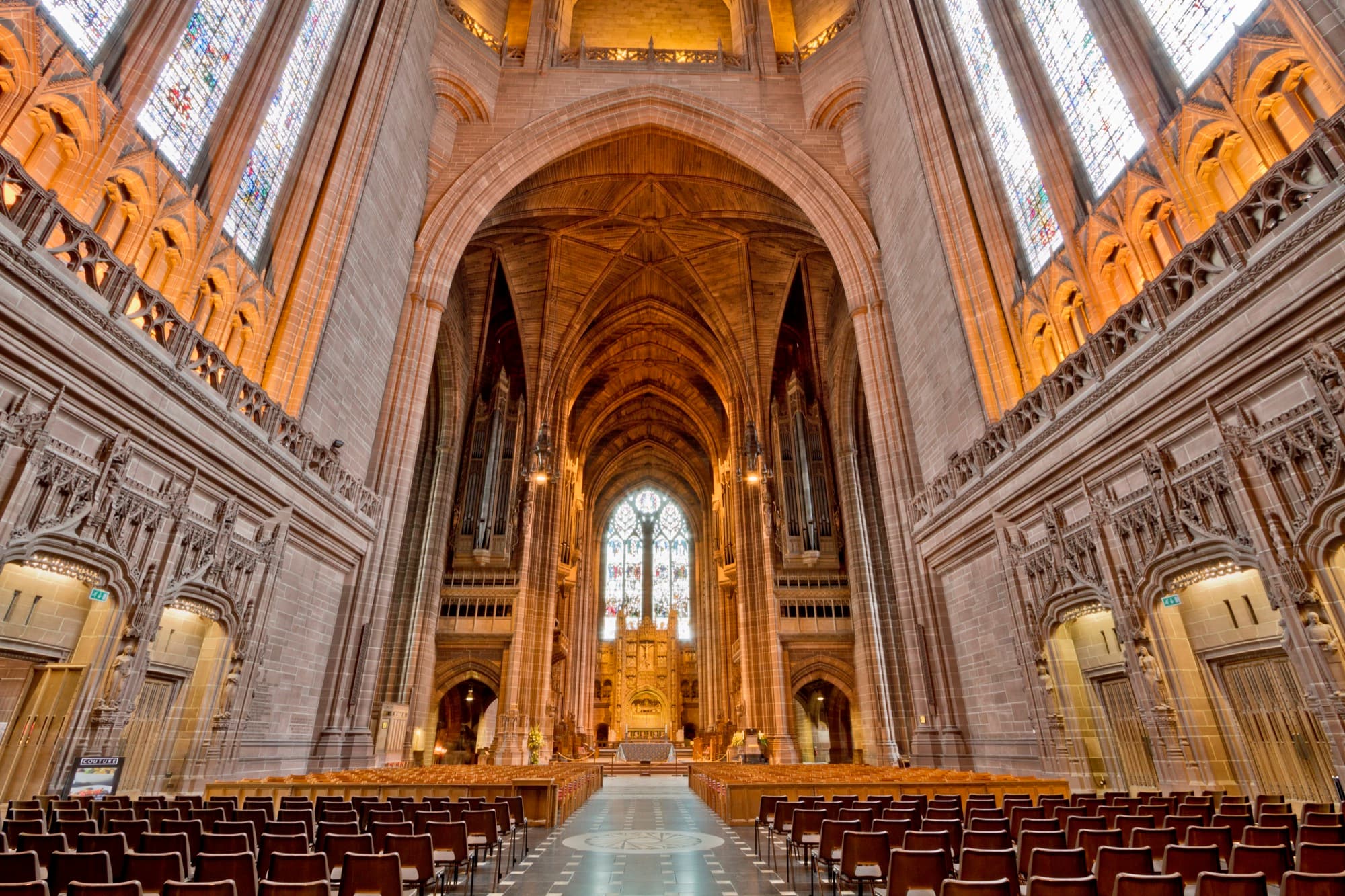
That same confidence built the city inland. Liverpool poured its commercial fortune into civic culture on a scale that outran cities many times its size, and nowhere shows it more clearly than Hope Street, where two twentieth-century cathedrals face each other half a mile apart. The Anglican cathedral is the longest cathedral in the world and the largest religious building in Britain; the Catholic Metropolitan Cathedral is a radical modernist crown of glass and concrete. A city with only a river and its trade decided it would have not one landmark cathedral but two, and the Hope Street architecture tour reads that ambition building by building.
The port that also sent the music back
The sea did not only carry cargo. It carried records. Liverpool sat at the eastern end of the Atlantic shipping and airline routes, and for two centuries American popular music came ashore here first: ragtime, jazz, swing, then blues and rock and roll on the Cunard liners and the Pan American flights. Sailors brought records home. A generation of Liverpool teenagers grew up listening to American music that reached them before it reached most of Britain.
In a basement on Mathew Street, four of them turned that inheritance around and sent it back across the water. The story of how a port town reversed the direction of the Atlantic music trade is its own tour, told at the Cavern Club and Mathew Street, but it belongs to the same thesis as the docks and the cathedrals: everything here arrived by, and left by, the sea.
The honour won, and then lost
In 2004, UNESCO inscribed the city as a World Heritage Site under the title "Liverpool, Maritime Mercantile City." Six areas of the waterfront and commercial centre were recognised as an outstanding example of a world trading port at the height of Britain's global influence. It was, in effect, the world formally acknowledging that Liverpool's maritime story mattered to everyone, not just to Liverpool.
Then the same instinct that first built the waterfront put the honour at risk. A large redevelopment scheme called Liverpool Waters proposed new towers along the northern docks. In 2012 UNESCO placed the city on its List of World Heritage in Danger. The development went ahead anyway, including a new football stadium at Bramley-Moore Dock. On 21 July 2021, the World Heritage Committee voted 13 to 5, with 2 abstentions, to delete Liverpool from the World Heritage List, citing the irreversible loss of the very qualities the inscription had celebrated.
Liverpool became only the third place ever struck from the list, after the Arabian Oryx Sanctuary in Oman in 2007 and the Dresden Elbe Valley in Germany in 2009. The city's response was defiant rather than mournful. The waterfront that built its wealth had been rebuilt again, and the delisting was the price. This is the resolution beat of the waterfront tour: the reckoning with the sea is not a finished chapter of history but an argument the city is still having with itself.
How to read the city on foot
The sea is the through-line. Start at the Pier Head and the docks for the wealth and the reckoning that made it. Climb to Hope Street for what the wealth built once it moved inland. Walk Mathew Street for the one thing the city sent back out across the water that changed the world more than any cargo. Three walks, one argument. Liverpool is what the sea made, in stone and in sound, glory and debt in the same buildings.
Frequently asked questions
- Why was Liverpool so wealthy?
- Liverpool's wealth came almost entirely from the sea. It built the world's first commercial enclosed wet dock in 1715 and grew into the second port of the British Empire by tonnage handled. Its merchants dominated Atlantic trade in the eighteenth and nineteenth centuries, including a large share of the transatlantic slave trade, and later the great migration and cargo routes.
- How was Liverpool involved in the slave trade?
- Between 1700 and 1807, Liverpool grew to dominate the British slave trade. Its ships carried roughly 80 percent of British slaving voyages in the final decades before abolition, and in that late period Liverpool accounted for around 40 percent of all European transatlantic slaving voyages. The wealth built docks, banks, insurance houses and civic buildings, much of which still stands.
- Why did Liverpool lose its UNESCO World Heritage status?
- Liverpool was inscribed as 'Liverpool, Maritime Mercantile City' in 2004, then placed on the List of World Heritage in Danger in 2012 over the Liverpool Waters development. On 21 July 2021 the World Heritage Committee voted 13 to 5, with 2 abstentions, to delete it, citing irreversible loss of the qualities that made it outstanding. It was only the third site ever removed from the list.
- What are the Three Graces in Liverpool?
- The Three Graces are the trio of Edwardian buildings on the Pier Head waterfront: the Royal Liver Building (1911), the Cunard Building (1917) and the Port of Liverpool Building. Together they are the postcard image of Liverpool and the visual centrepiece of the city's maritime story.
Ready to experience it?
The Pier Head: The Port That Built the Empire, and Reckons With What It Carried
95 min · 2.1 km · easy
More from Liverpool
Explore more at your own pace.
The Georgian Quarter: Liverpool's Arts District, Two Cathedrals and the Half-Mile Between
Hope Street on Foot: Two Cathedrals, Half a Mile, and the Argument Between Them
Mathew Street on Foot: The Cellar That Reversed the Atlantic Music Trade
A Case History: The Hope Street Suitcases Are About Emigration, Not the Beatles
The International Slavery Museum: The Reckoning Inside the Warehouse of the Wealth