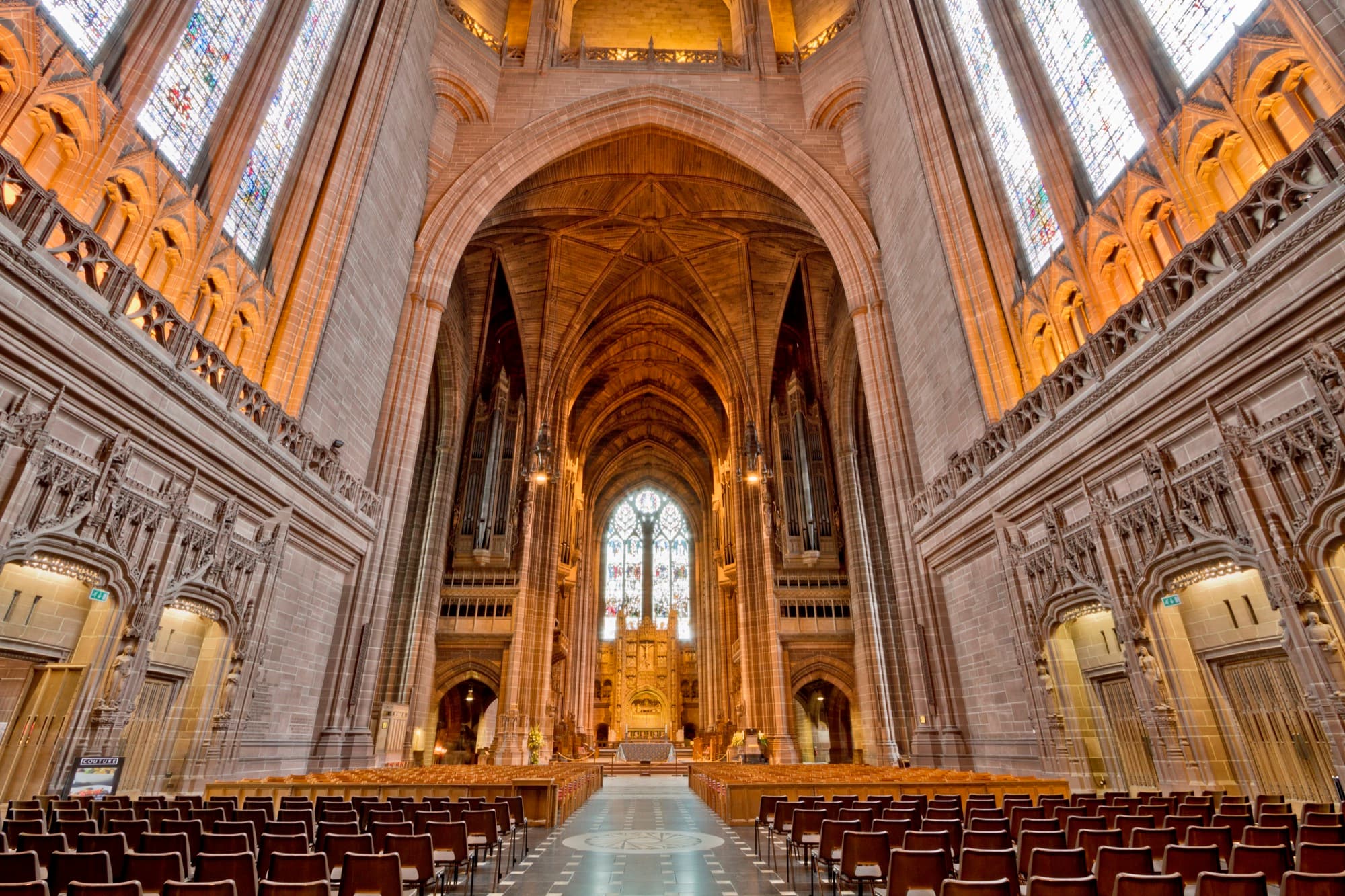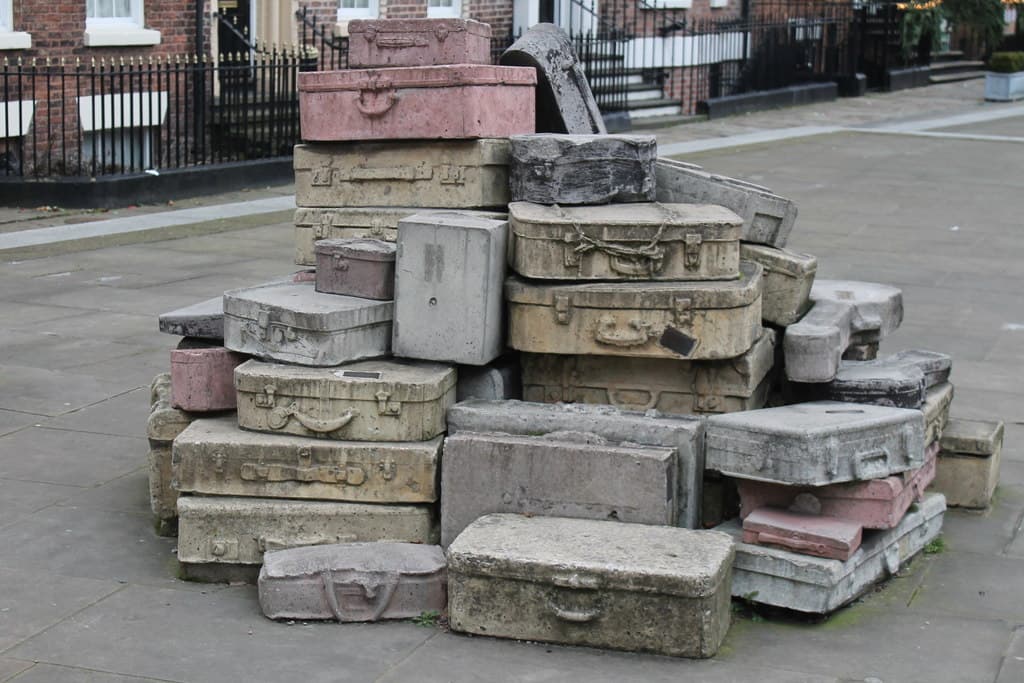
Halfway along Hope Street, on the pavement near the junction with Mount Street, a pile of coloured concrete suitcases sits stacked and waiting. It is one of the most photographed pieces of public art in Liverpool, and one of the most misread. Ask most visitors and they will tell you it is a Beatles tribute. It is not. It is a monument to everything the Beatles are usually allowed to overshadow: Liverpool as a port that people left.
What the work is
The sculpture is called "A Case History." The artist is John King, and it was installed in 1998; the canonical catalogue record is ArtUK reference 330990. It sits opposite the old Liverpool Institute, now LIPA, in the heart of the Georgian Quarter. The cases are coloured concrete, piled as if just dropped off or about to be carried away, and each one is labelled with a name.
The names are the point. Among the labelled cases are figures from across the Liverpool region's history: writers, social reformers, musicians and conductors. There is a case for Sir Malcolm Sargent, the conductor of the Royal Liverpool Philharmonic. There is one referencing Charles Dickens, and one for Kwok Fong, honouring the Chinese and Asian crews who served the port's ships. The subject is the sheer breadth of the people who passed through this city.
Why it is not a Beatles memorial
Hear a stop from this walk
Liverpool Metropolitan Cathedral: Gibberd Above, Lutyens Below
Four of the cases do carry Beatles names: John Lennon, Paul McCartney, George Harrison, and Stuart Sutcliffe, the original bassist who studied at the nearby Liverpool College of Art. McCartney's case is rendered as a guitar case. That is why the misreading happens.
But those are four cases among many, and their inclusion makes the opposite point to the one people assume. The Beatles are not the subject; they are examples. They belong to the same crowd of people who came through Liverpool as everyone else labelled here. The work quietly refuses to let the city's most famous four crowd out the millions of ordinary travellers who make up the real story of the port. The Mathew Street music tour tells the Beatles story in full elsewhere; this sculpture is deliberately doing something larger.
The story it actually tells
Liverpool was one of the great emigration ports of the world. In the nineteenth and early twentieth centuries, millions of people passed through the city on their way to America and beyond, some fleeing famine in Ireland, some crossing Europe to reach the Atlantic liners, some Liverpool families leaving for a new life, some merely passing through. The suitcases evoke all of them: the arrivals and departures of a city defined by movement.
That is the same water-borne story the whole city tells. The second port of empire thesis sets it out: everything in Liverpool arrived by, or left by, the sea. Cargo, enslaved people, migrants, records, and eventually the Beatles themselves, sailing the other way. The suitcases are that thesis rendered as a pile of luggage on a pavement.
Seeing it on the walk
The suitcases sit roughly midway on the Hope Street architecture tour, between the two cathedrals, and the tour treats them as a deliberate reset: a reminder, in the middle of a walk about grand buildings, that the city was made of people passing through as much as of stone. It is free to look at, always accessible, and worth reading the labels rather than just taking the photo. The architecture tour companion sets the sculpture in the context of the whole Hope Street walk.
Start the Hope Street architecture tour free in the Roamer app.
Ready to experience it?
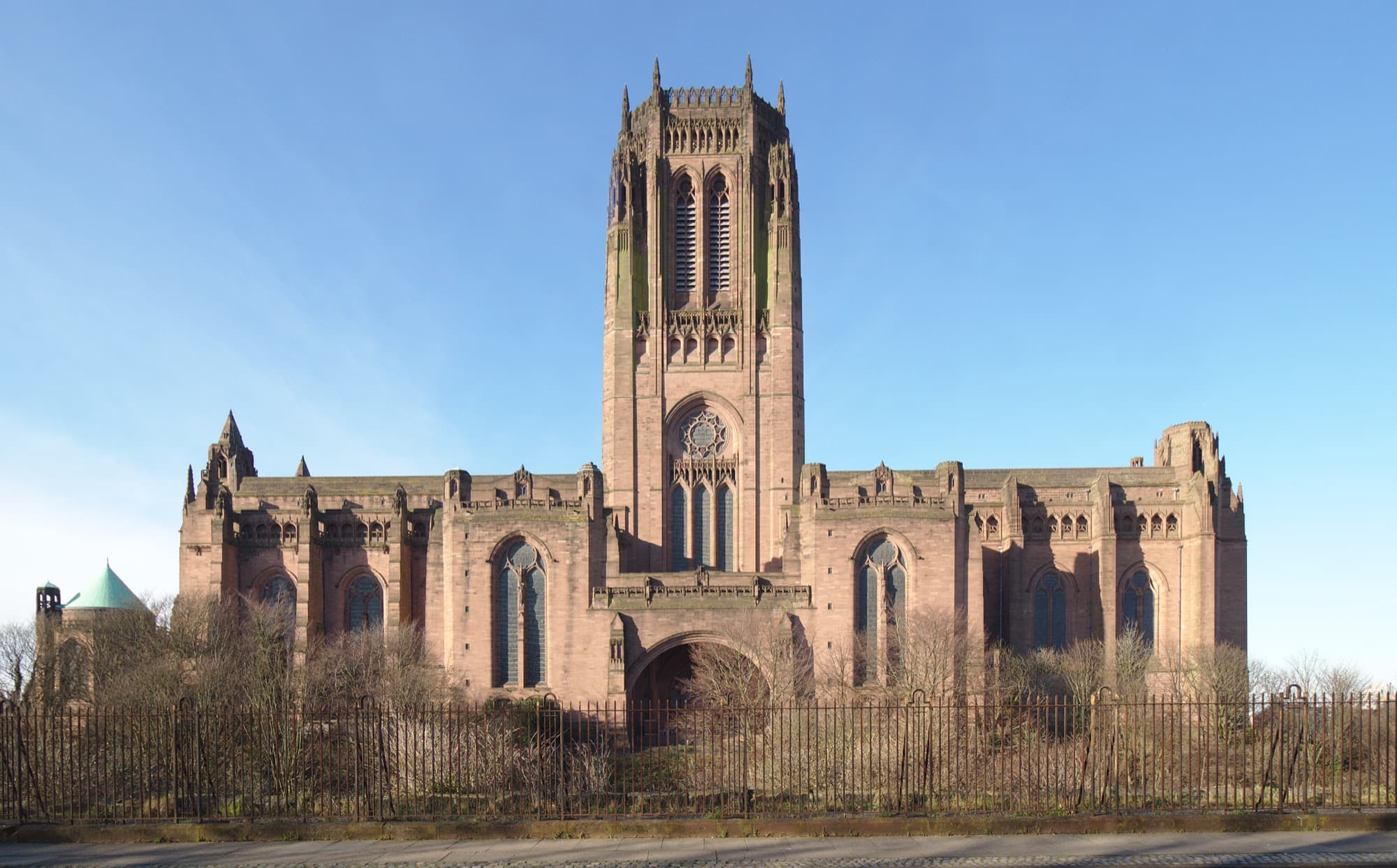
Hope Street: A Protestant Cathedral and a Catholic Cathedral, and Half a Mile Between
90 min · 1.2 km · easy
More from Liverpool
Explore more at your own pace.
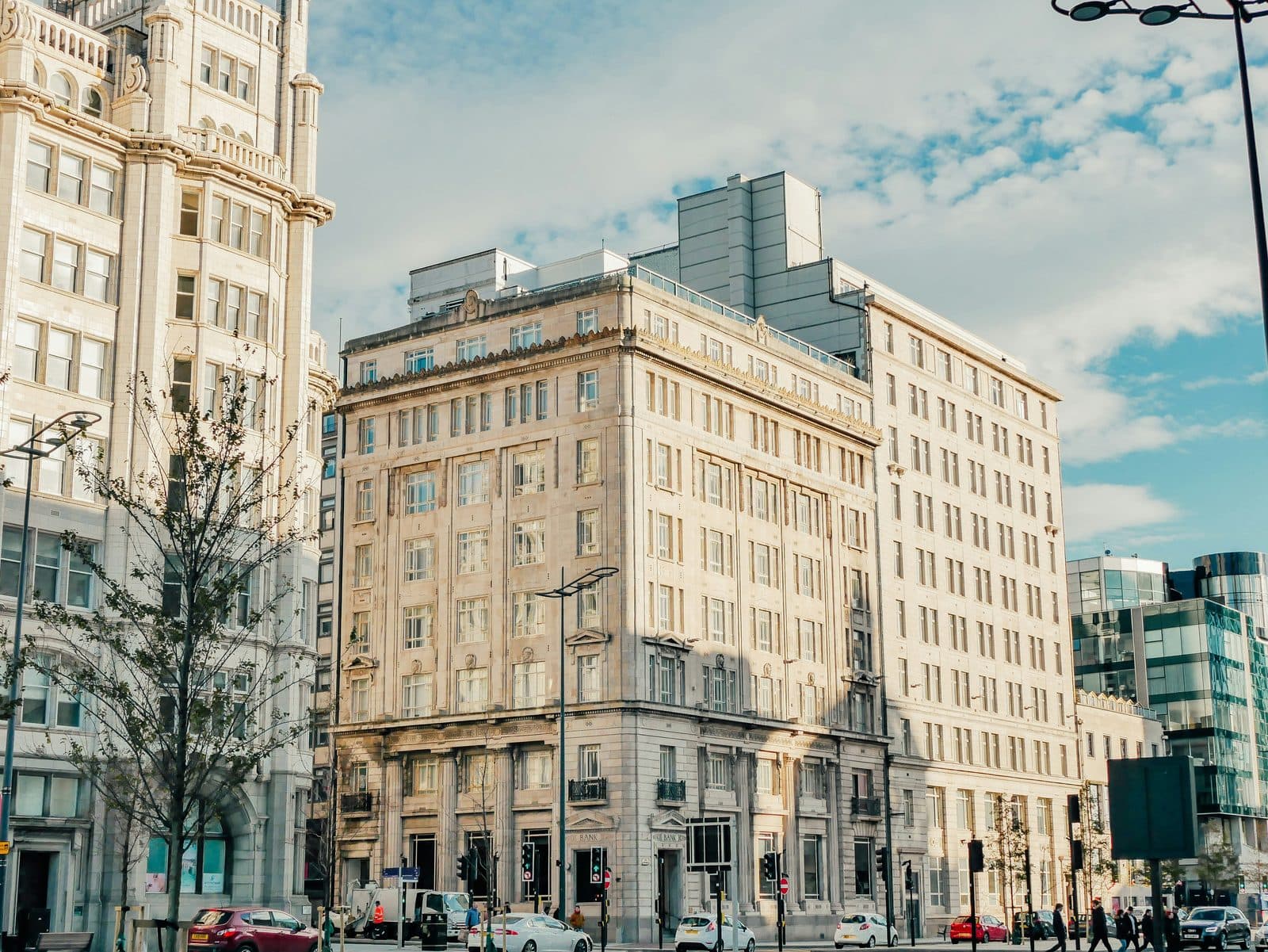
The Georgian Quarter: Liverpool's Arts District, Two Cathedrals and the Half-Mile Between
The Second Port of Empire: How the Sea Built Liverpool, and What It Carried
Hope Street on Foot: Two Cathedrals, Half a Mile, and the Argument Between Them
Mathew Street on Foot: The Cellar That Reversed the Atlantic Music Trade
The International Slavery Museum: The Reckoning Inside the Warehouse of the Wealth