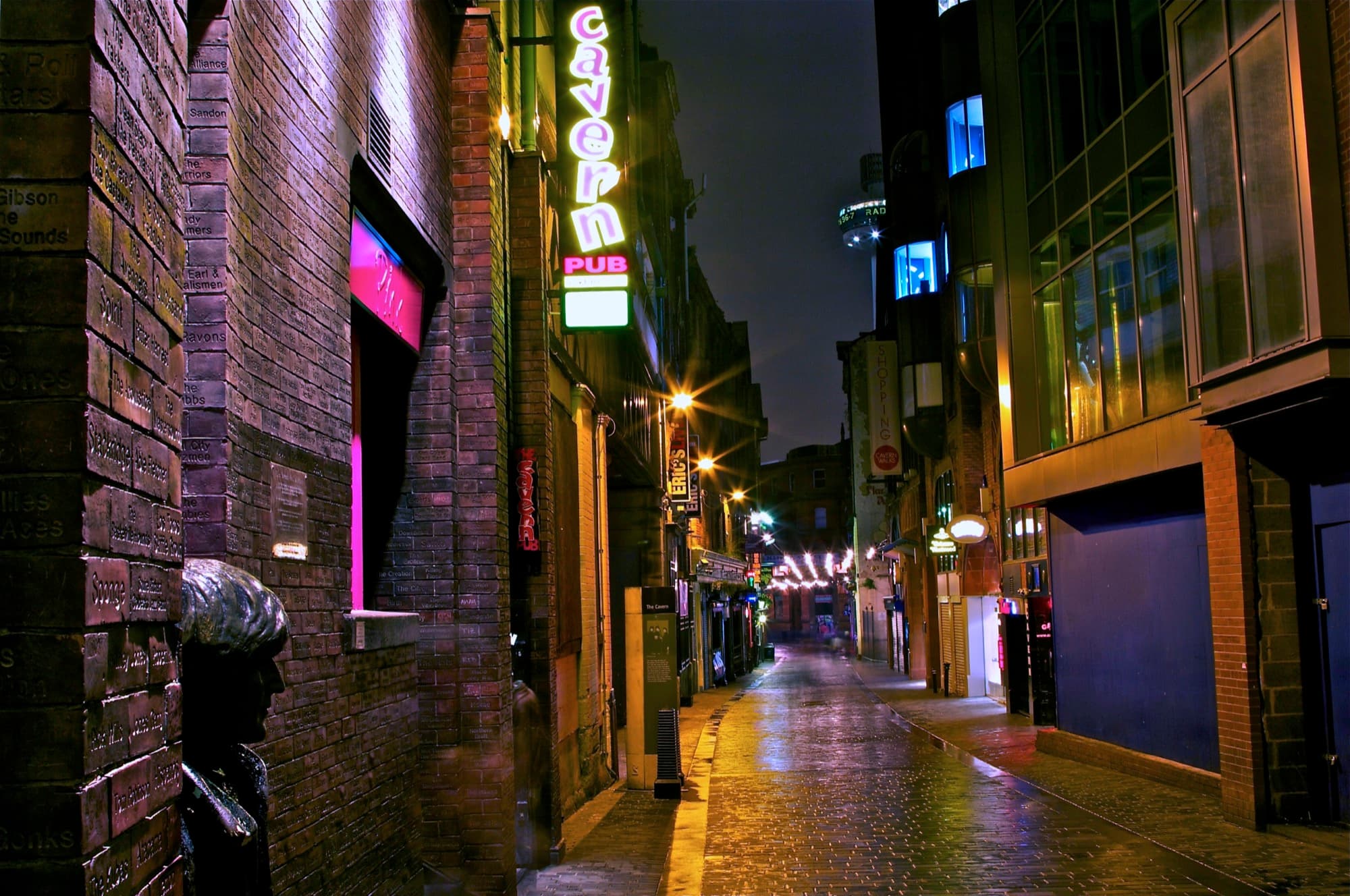
Three hundred sets in a basement, four streets to a record shop, fifty-one years to a statue at the river. The cellar that reversed the Atlantic music trade, and the city that took half a century to put up a sign.
Start · The Cavern Club: The Basement Underneath
DirectionsStops
- 1
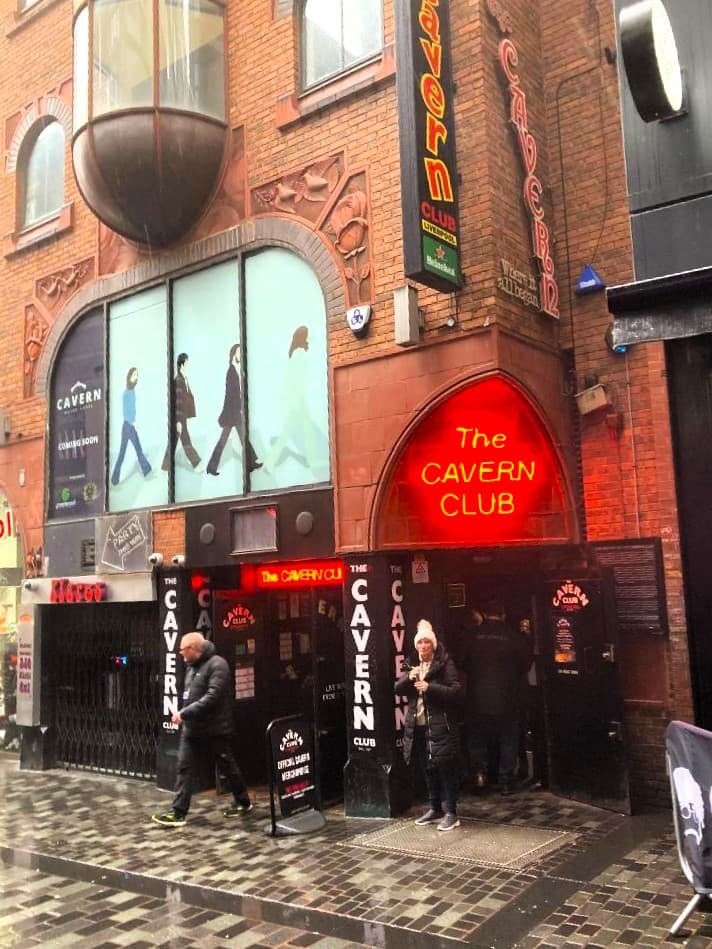
The Cavern Club: The Basement Underneath
Ten Mathew Street. Opened as a jazz club on the sixteenth of January, nineteen fifty-seven. The cellar where the Beatles played roughly three hundred sets between February nineteen sixty-one and August nineteen sixty-three.
- 2
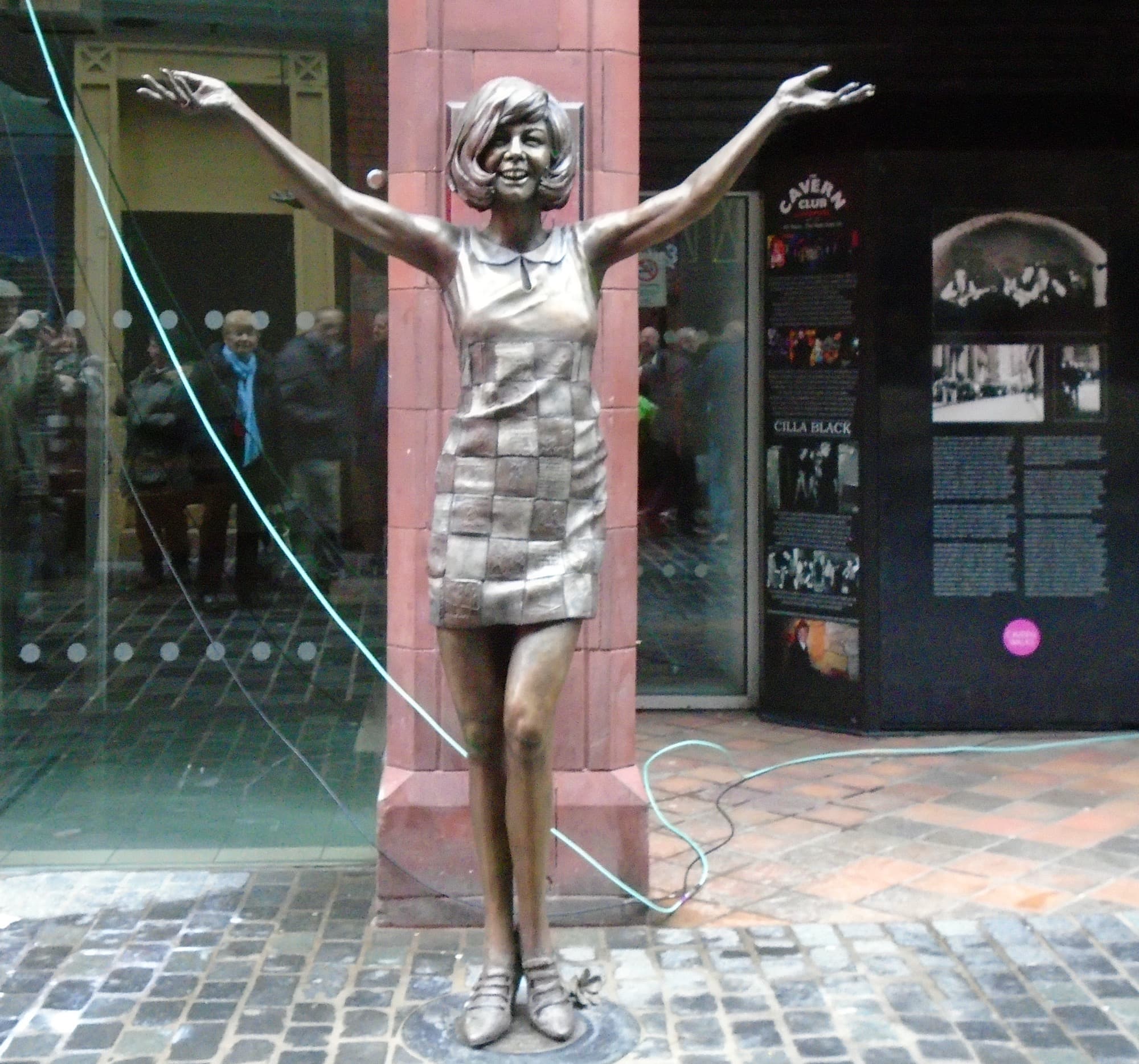
Cilla Black Statue: The Doorway Marker
Bronze of Priscilla Maria Veronica White, born Vauxhall, Liverpool, the twenty-seventh of May, nineteen forty-three. Sculptors Andy Edwards and Emma Rodgers. Unveiled the sixteenth of January, twenty seventeen, on the spot of the original nineteen fifty-seven Cavern doorway.
- 3
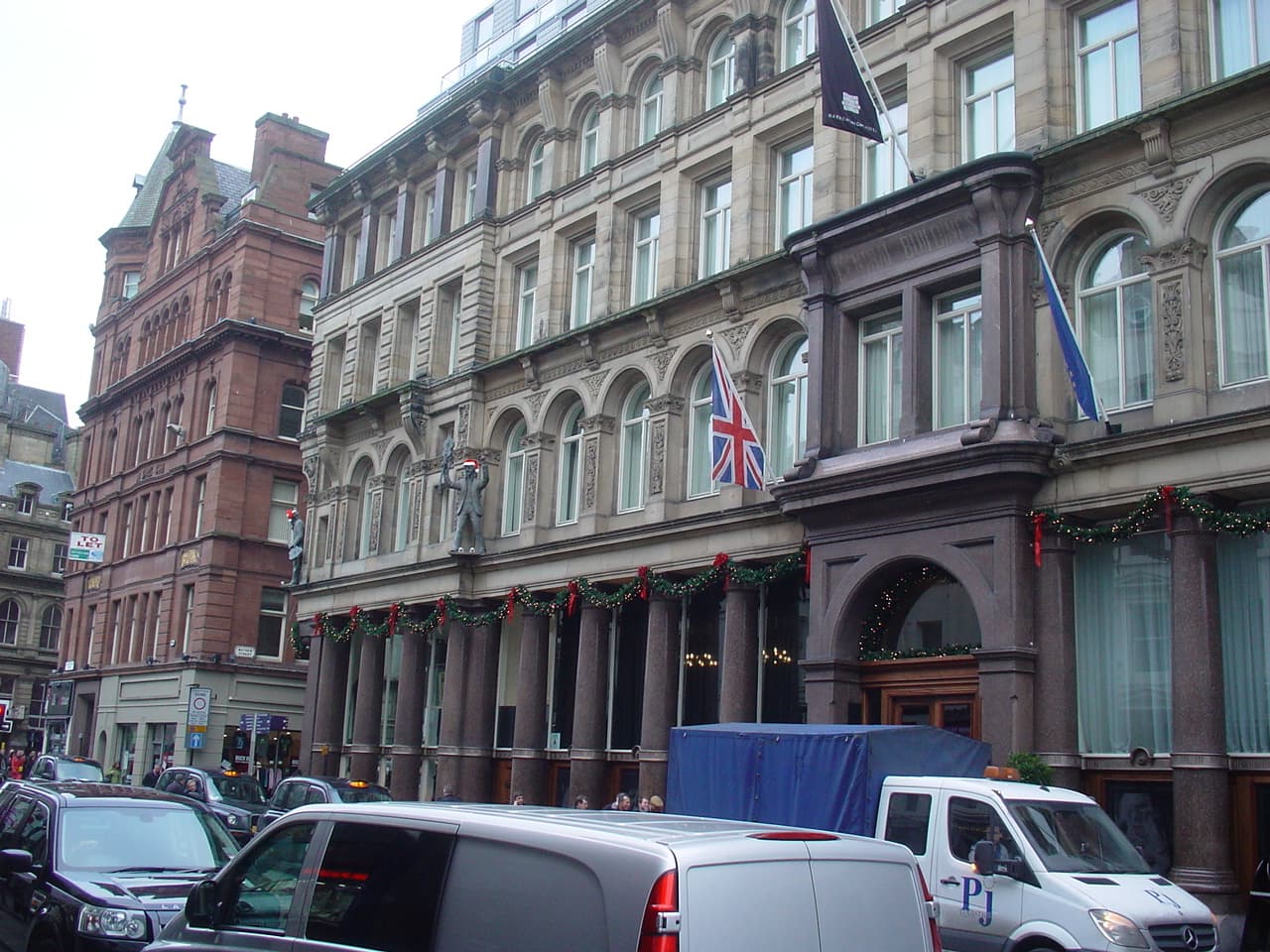
North John Street: The Scene Around the Four
Corner of Mathew Street and North John Street. The Cavern Quarter and the wider Mersey Beat scene of nineteen sixty-one to nineteen sixty-three, named in print by Bill Harry's newspaper.
- 4
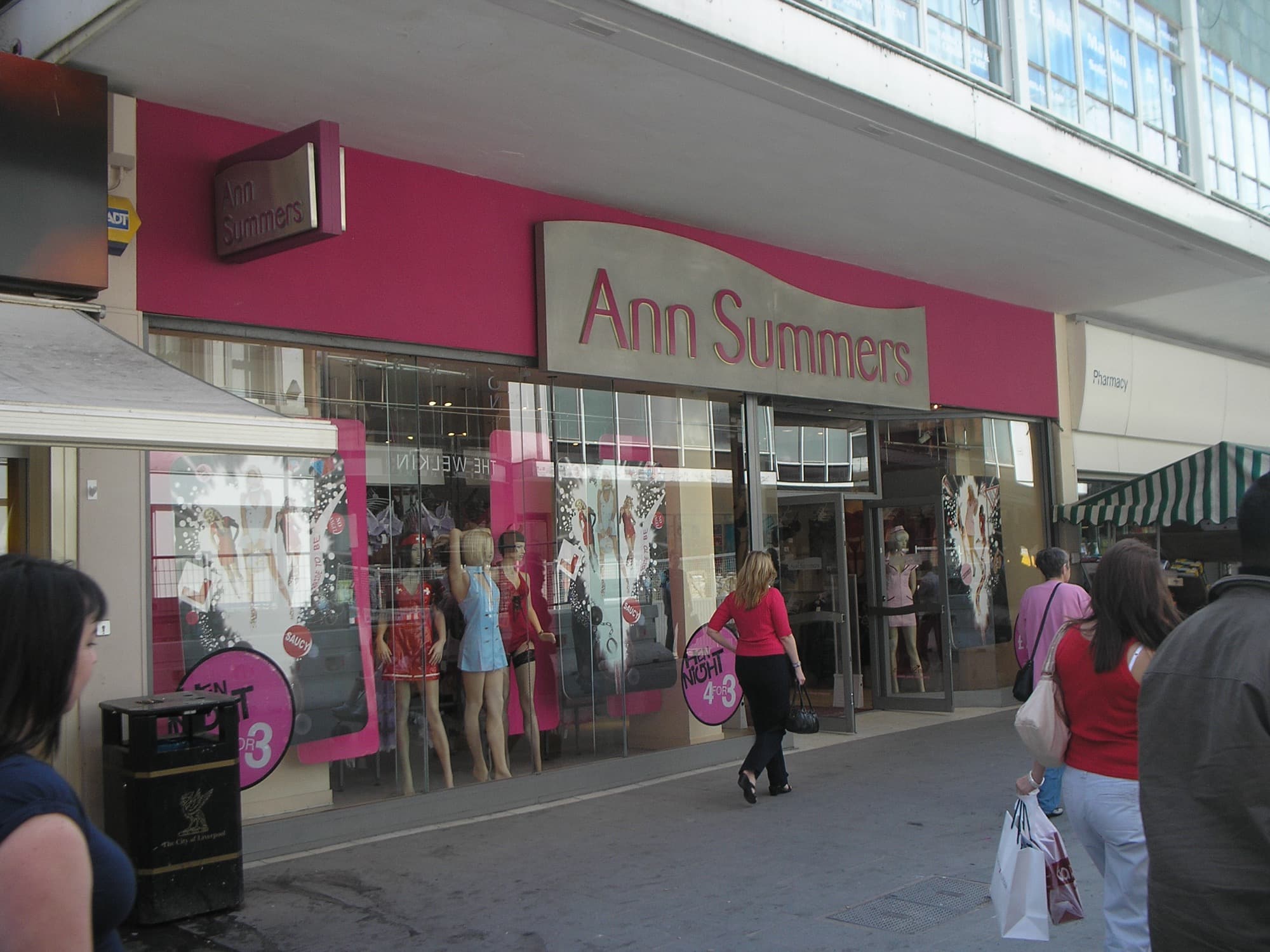
NEMS, Twelve to Fourteen Whitechapel: The Manager's Counter
Site of the Epstein family flagship record store, opened nineteen sixty, demolished in the nineteen nineties. Where Raymond Jones asked Brian Epstein for My Bonnie on the twenty-eighth of October, nineteen sixty-one.
- 5
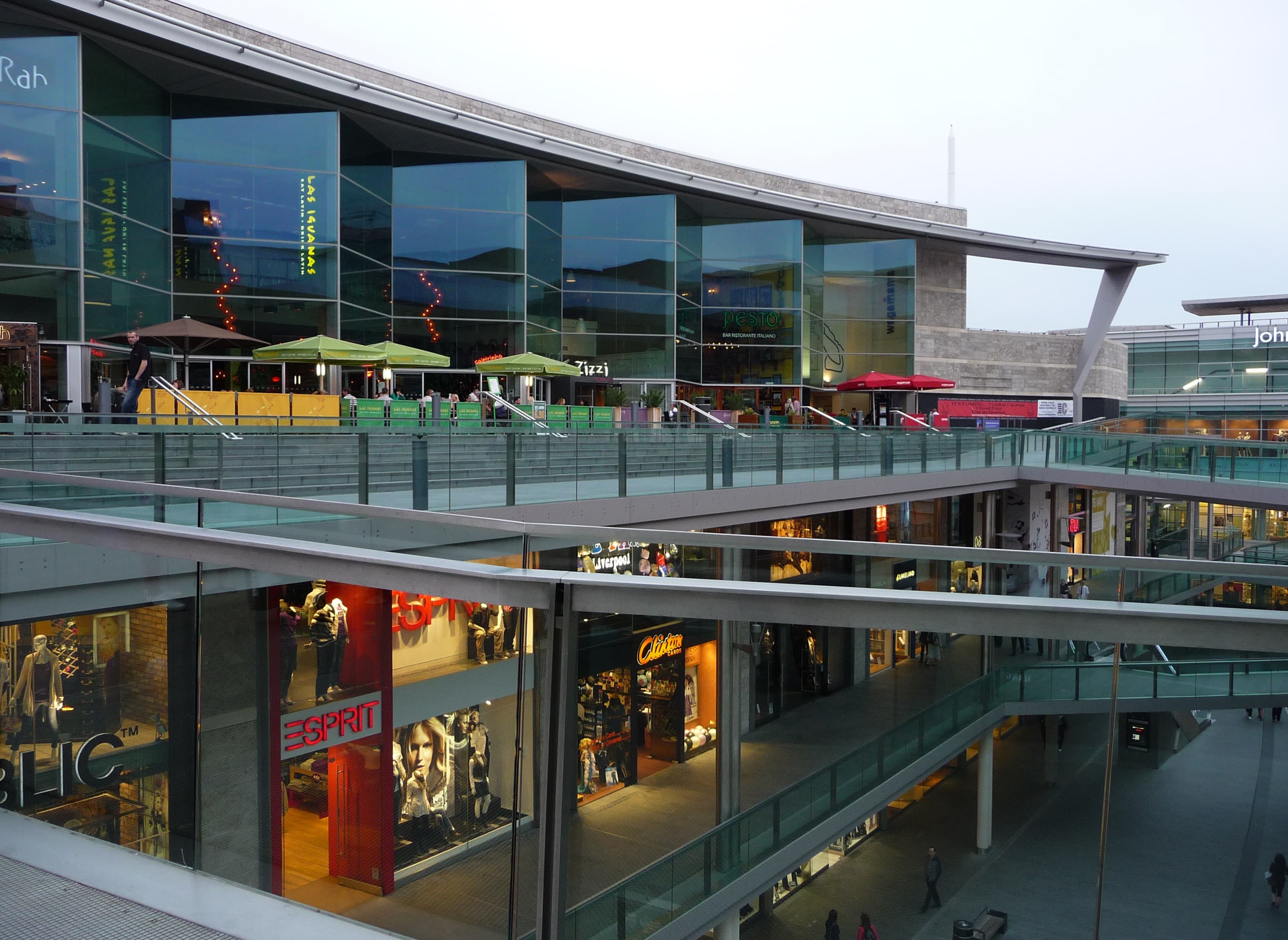
Liverpool ONE: The Commercial Layer Over the Old Dock
The city's largest twenty-first-century commercial redevelopment, opened in stages from two thousand and eight. Sits on top of the world's first commercial wet dock, opened seventeen fifteen, infilled eighteen twenty-six.
- 6
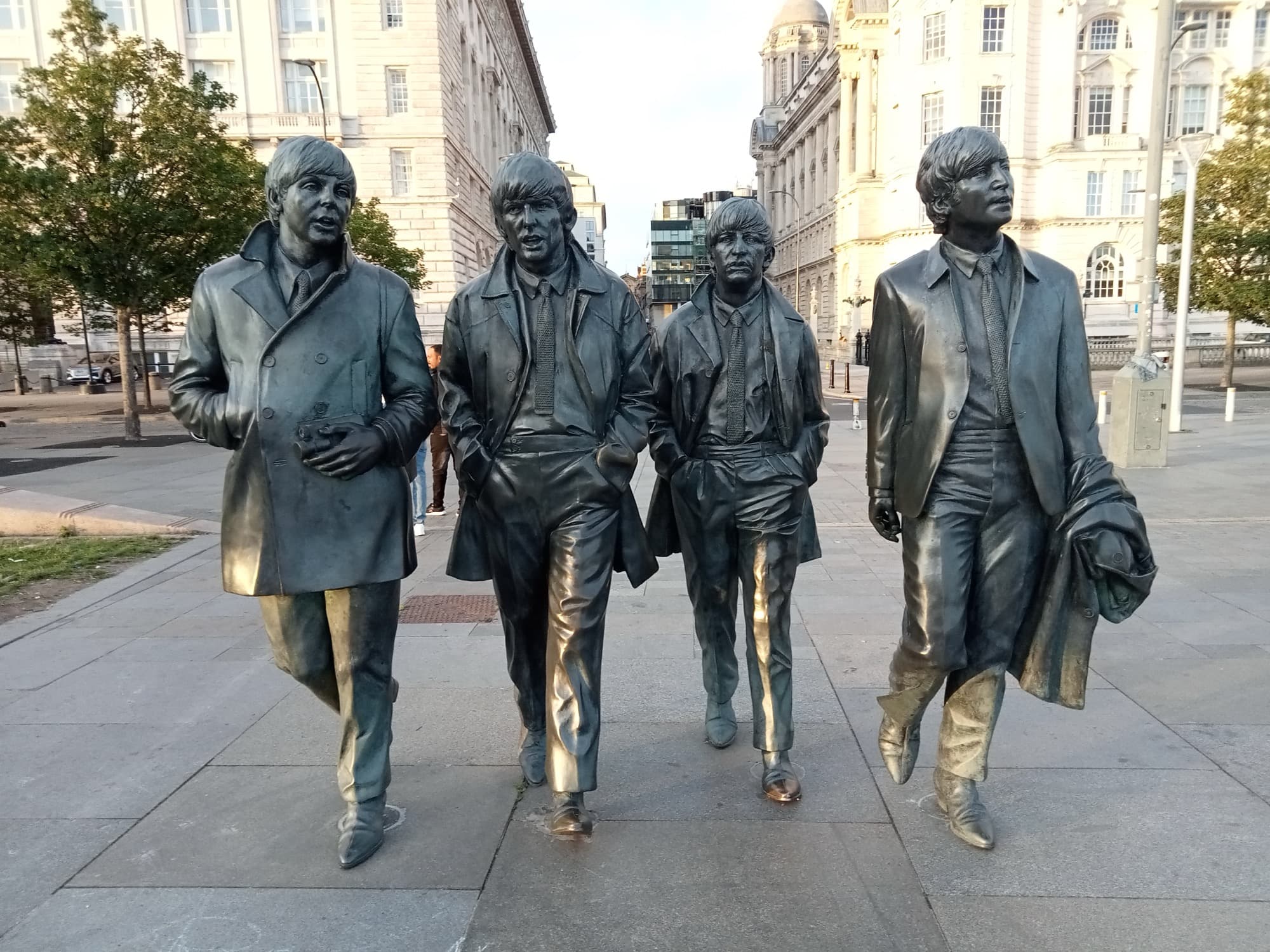
Beatles Statue, Pier Head: The City's Acknowledgement, Fifty-One Years Late
Bronze by sculptor Andy Edwards, approximately one point three tons. Unveiled the fourth of December, twenty fifteen. Funded and donated by the Cavern Club for its sixtieth anniversary year. The four figures face west, toward the River Mersey.
- 7
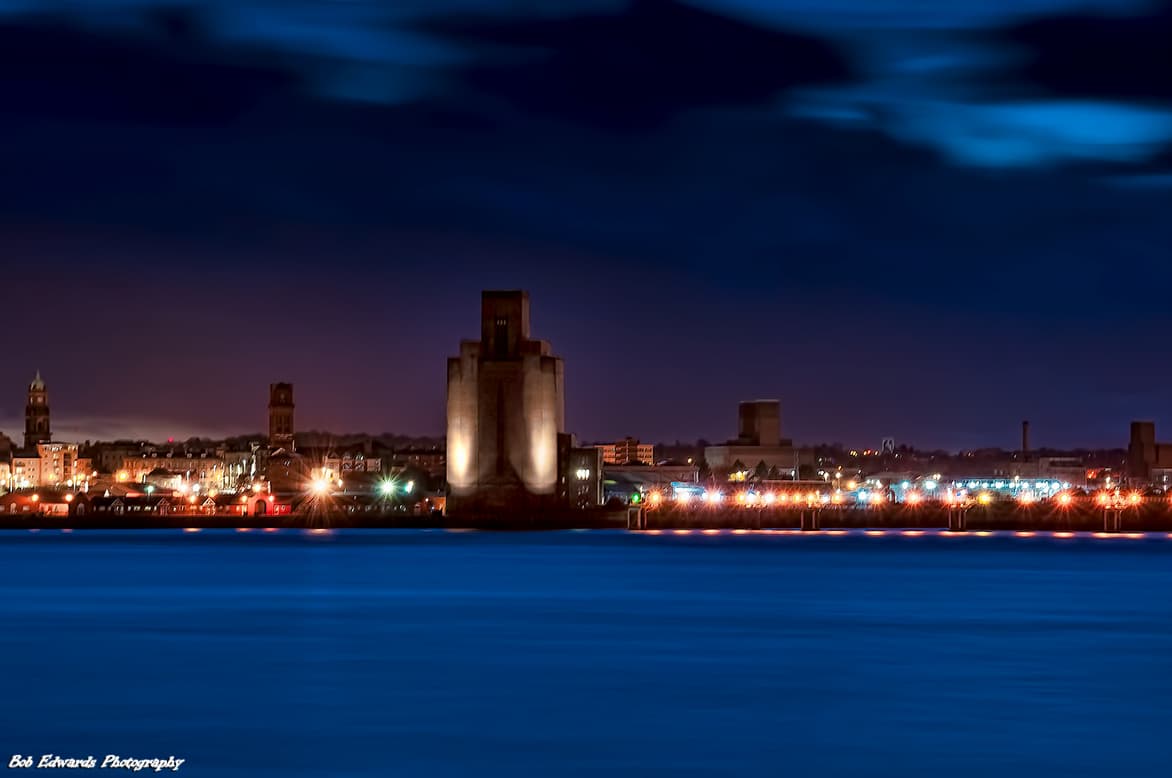
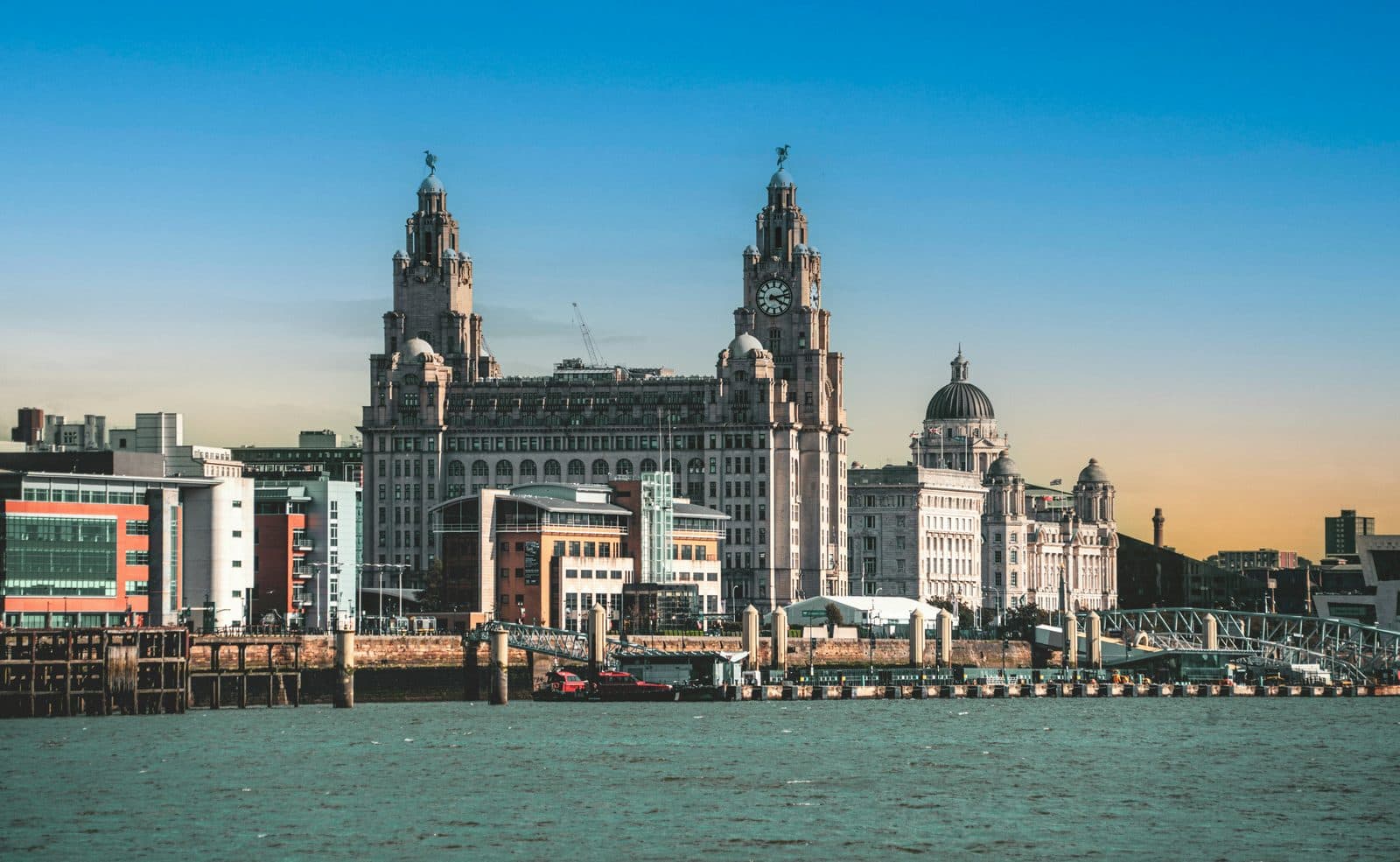
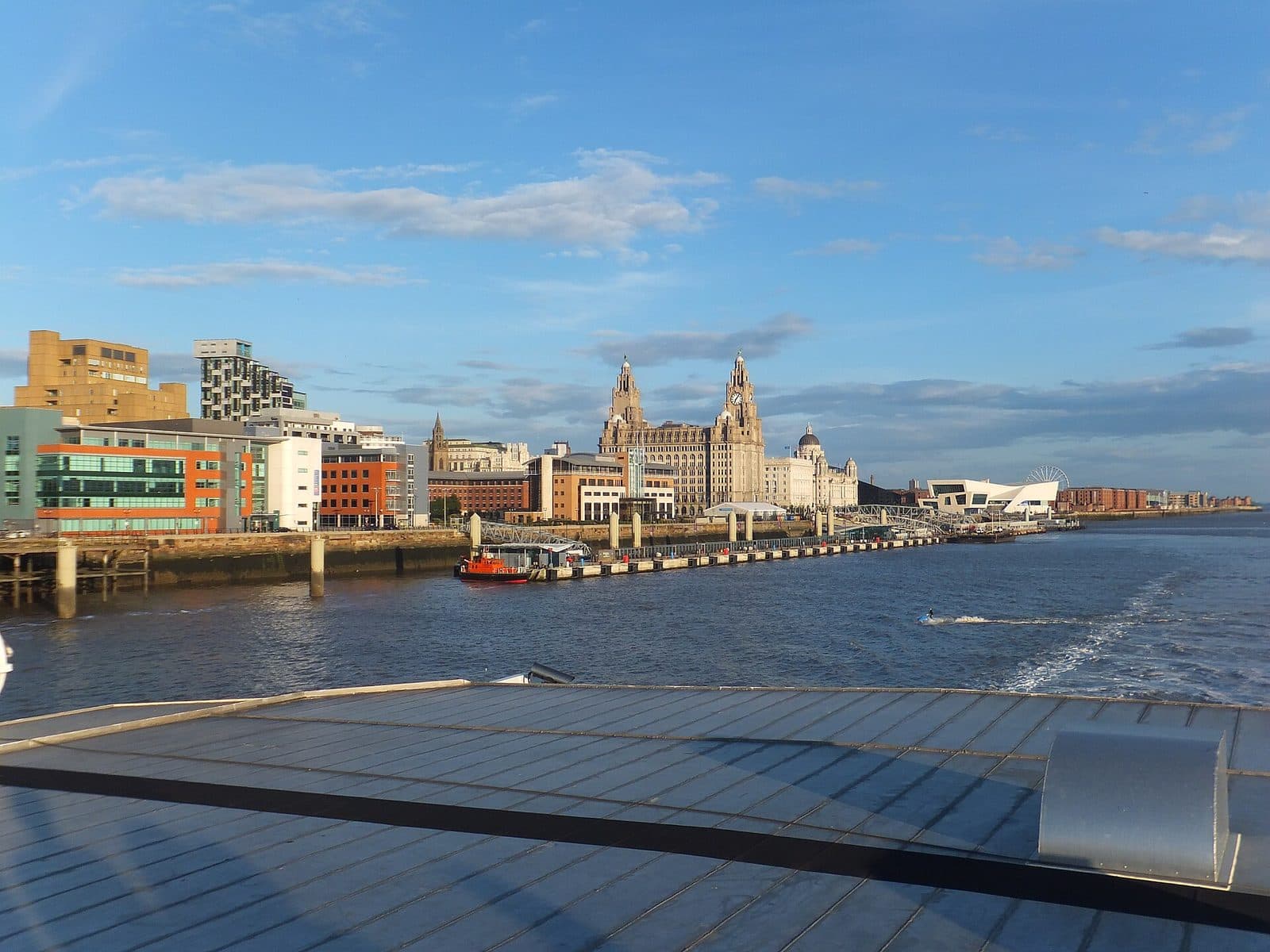
Pier Head Waterfront Looking West: The Water the Music Crossed
The River Mersey at Pier Head, approximately one and a half kilometres wide. Birkenhead and the Wirral on the far bank, the Irish Sea opening to the north-west, the Atlantic beyond.
Details
Best Time to Visit
Late morning to mid-afternoon, Tuesday through Saturday, in dry weather. The Cavern Club at Stop one is open most days; lunchtime entry is typically free of charge and the cellar interior is worth the ten minutes if you want to stand on the same brick floor the audio is anchored above. The Cilla Black statue at Stop two is at pavement level and accessible at any hour, but the bronze and the fire exit door read better in daylight when the lettering on the plinth is legible. The Pier Head waterfront at Stops six and seven is wind-exposed off the Mersey; even in summer the air at the railing is colder than three streets inland. Avoid Bank Holiday weekends and Saturday afternoons in tourist season if the crowd around the statue matters to your photography.
Pro Tips
- •Mathew Street is pedestrianised and runs about two minutes end to end. Stops one and two are on the same block; do not walk past the Cilla Black statue without stopping, because the fire exit door immediately behind it is part of the reveal at Stop two.
- •The Cavern Club entrance you see at Stop one is the nineteen sixty-six enlargement position, not the original nineteen fifty-seven doorway. The original doorway is two doors east, behind the Cilla Black statue, currently the fire exit. The Cavern Club's institutional history page on cavernclub.com is specifically written to debunk the myth that the venue was on the other side of the street.
- •The original NEMS building at twelve to fourteen Whitechapel was demolished in the nineteen nineties. The audio at Stop four anchors on the pavement in front of whatever retail tenant currently occupies the address; there is nothing visibly Beatles-era to photograph. The historical content carries the stop, not the building.
- •If you want to see the Old Dock archaeology under Liverpool ONE at Stop five, National Museums Liverpool runs a separate guided tour with advance booking via liverpoolmuseums.org.uk. The Roamer audio anchors at street level only.
- •The Beatles statue at Pier Head, Stop six, is a heavy tourist photo stop. Stand slightly to the side rather than directly in front; the audio reads the statue's westward orientation, and the orientation is easier to register if you can see the figures from the side.
- •The Beatles Story museum at the Royal Albert Dock is about a ten-minute walk south of Stop seven. It opened on the first of May, nineteen ninety, and is the canonical commercial Beatles museum. If you have a full day, take both this tour and the Beatles Story; the corridor walk and the museum are complementary, not redundant.
- •Mendips at two hundred and fifty-one Menlove Avenue (John Lennon's childhood home) and twenty Forthlin Road (Paul McCartney's childhood home) sit four miles south of city centre in Woolton and Allerton. The National Trust runs the only ticketed-interior access; booking is required in advance. They are not on this corridor.
Safety & Precautions
- •Mathew Street and the Cavern Quarter lanes are pedestrian busy in tourist season, with bar crowds outside the Cavern from late afternoon onwards. Stand off the kerb when listening to Stops one and two, and let groups pass.
- •The Cavern Club interior is reached by a steep flight of stairs down into the cellar. There is no lift. Listeners with mobility constraints can take the full audio from the pavement at Stop one without going down.
- •The Pier Head esplanade at Stops six and seven is wind-exposed off the Mersey year round. In autumn and winter the wind off the water is significant; bring a layer.
- •The Pier Head is a working ferry terminal. Watch for the Mersey Ferries vehicle entrance and exit lanes when walking from Stop six to the railing at Stop seven.
- •The walk descends gently from Mathew Street to the waterfront. The return from the Pier Head back to Lime Street or Liverpool Central station is uphill and roughly twenty minutes on foot, or a short bus or taxi ride. Plan accordingly.
Travel advisory: Exercise Increased Caution (Level 2).
Gallery
Related Reading
Go deeper on what you'll see, hear, and walk through.
Overview
Best Self-Guided Walking Tours in Liverpool (2026)
4 min
Overview
Liverpool Travel Guide: How Many Days, Getting Around, When to Go (2026)
5 min
Overview
One Day in Liverpool: A Walkable City-Centre Itinerary (2026)
6 min
Thematic
The Second Port of Empire: How the Sea Built Liverpool, and What It Carried
6 min
Thematic
What to Eat in Liverpool: A Food Guide (2026)
5 min
Companion
Mathew Street on Foot: The Cellar That Reversed the Atlantic Music Trade
4 min
Read the walk
The full story of Mathew Street: The Four Boys Who Broke American Music, in words. Prefer to listen? Play it narrated, from home or on location.
Introduction
Mathew Street, in Liverpool, England, is two warehouse blocks long, late nineteenth century brick, built for the fruit and vegetable trade that supplied Liverpool's docks. Three floors below the pavement is a brick cellar that opened as a jazz club on the sixteenth of January, nineteen fifty-seven. Alan Sytner, the man who opened it, had been to Paris and wanted Liverpool to have what the cellar clubs of Saint-Germain-des-Prés had.
For two centuries American popular music had crossed the Atlantic eastward, in sheet music, jazz records, radio signals. Between February nineteen sixty-one and February nineteen sixty-four, four boys from this cellar sent it back west, on top of every American chart, and the city they came from spent the next fifty years figuring out what to do with that fact.
The Beatles first played the cellar on the ninth of February, nineteen sixty-one, and last played it on the third of August, nineteen sixty-three. Six months later they landed at JFK with roughly five thousand fans on the runway; two days after, seventy-three million Americans watched them on Ed Sullivan. This walk ends at the river, the water the music crossed.
The Beatles Story museum at the Royal Albert Dock and the National Trust homes at Mendips and Forthlin Road are the canonical interiors; this Roamer walk is the corridor between them. Lewisohn's Tune In is our chronology.
The walk is seven stops, about one point six kilometres and ninety minutes. When you arrive at the Cavern Club entrance on Mathew Street, begin with stop one.
1. The Cavern Club: The Basement Underneath
You've arrived at the Cavern Club, ten Mathew Street. Stand on the pavement, facing the entrance sign. The doorway in front of you leads down a flight of steps to the cellar floor.
What you are looking at is mostly nineteen eighty-four. The original Cavern, opened on the sixteenth of January, nineteen fifty-seven by a Liverpool man called Alan Sytner as a jazz club, closed on the twenty-eighth of May, nineteen seventy-three. British Rail had issued a compulsory purchase order for the warehouses above the cellar to make way for a Merseyrail ventilation shaft. The warehouse was demolished. The cellar was filled with rubble. The shaft was never built, because engineers found a water-table problem under the site, and the land sat derelict as a car park through the nineteen seventies. Reconstruction began in nineteen eighty-two. The original cellar walls were too fragile to retain, so the structure was dismantled. The Cavern Club's institutional history records that fifteen thousand of the original bricks were saved and reused. The rebuild opened in nineteen eighty-four on about seventy per cent of the original footprint.
Now the count. Per Mark Lewisohn's nineteen sixty-one to nineteen sixty-three Cavern chronology, the Beatles' first appearance under that name was a lunchtime session on Thursday, the ninth of February, nineteen sixty-one. Their final appearance was a Saturday evening show on the third of August, nineteen sixty-three. The venue's own institutional record, kept by resident DJ Bob Wooler, puts the total at approximately two hundred and ninety-two appearances in those two and a half years. The precise number is contested. Barry Miles, in his biography of Paul McCartney, counts two hundred and seventy-five. Lewisohn documents the first and last appearances but does not adjudicate the figure. Use the order of magnitude. Roughly three hundred sets, in this cellar, before the band the world heard of.
This is where the trade reversal began. Underground. In a basement that had been an air-raid shelter during the Second World War. The four streets ahead of you will carry the rest of it.
Now look east along Mathew Street. Two doors that way, in front of the Cavern's current fire exit, is a bronze figure on the pavement. That is your next stop.
2. Cilla Black Statue: The Doorway Marker
You've arrived at the Cilla Black statue. Stand on the pavement in front of the bronze, looking at the figure on the plinth and the fire exit door immediately behind her.
The statue is Priscilla Maria Veronica White, born in the Vauxhall district of north Liverpool on the twenty-seventh of May, nineteen forty-three. The world knew her as Cilla Black. Before the recording career, she worked the coat-check inside the Cavern, on the other side of the door behind this bronze. Per Mark Lewisohn's Cavern-era chronology, Brian Epstein signed her as a management client in September nineteen sixty-three, alongside the Beatles. Her first single, Love of the Loved, was released on Parlophone on the twenty-seventh of September, nineteen sixty-three. She came out of the same cellar economy as the four men one door behind her. Same booker, Ray McFall. Same management, Epstein and NEMS Enterprises. Same record label, Parlophone. Same producer, George Martin.
Now the doubling. The bronze was unveiled on the sixteenth of January, twenty seventeen, the Cavern Club's sixtieth anniversary. Sculptors Andy Edwards and Emma Rodgers. Commissioned by Cilla Black's three sons, Robert, Ben, and Jack, after her death in August twenty fifteen. And the location is the load-bearing part: the fire exit door behind her sits on the spot of the original nineteen fifty-seven Cavern doorway. The current entrance you walked past at Stop one is the nineteen sixty-six enlargement position. The original doorway, the one you walked through if you were here in February nineteen sixty-one, is the door this statue stands in front of. The Cavern Club's institutional history page on cavernclub.com is specifically devoted to debunking the myth that the venue was on the other side of the street. It was not. It was here.
So what looks like a singer's tribute is also a doorway marker. A woman who walked through that door to clock in. A statue placed on the spot, sixty years after.
Now walk east on Mathew Street to North John Street, the next corner. The Cavern Quarter opens out to your right.
3. North John Street: The Scene Around the Four
You've arrived at North John Street. Stand at the corner where Mathew Street meets it. Look right, down the lane of brick warehouses, then back the way you came. The Cavern Walks arcade is on the north side. Smaller bars and music venues line the rest.
This corner is the edge of what was, in nineteen sixty-one through nineteen sixty-three, the central node of the Mersey Beat scene. The scene was named in print by Bill Harry, a Liverpool College of Art student who had studied alongside John Lennon and the bassist Stuart Sutcliffe. Harry founded the newspaper Mersey Beat on the sixth of July, nineteen sixty-one. The paper documented a Liverpool guitar-and-vocal-harmony sound that the Cavern was the central venue for, and the bands it covered were not only the Beatles. Per Hunter Davies's nineteen sixty-eight authorised biography and the Mersey Beat archive at Liverpool Central Library, the scene around the Cavern included Gerry and the Pacemakers, the Searchers, the Merseybeats, the Swinging Blue Jeans, the Big Three, the Fourmost, Billy J. Kramer with the Dakotas, the Undertakers, the Remo Four, and Cilla Black, along with several dozen more.
The trade reversal was not the work of four men in a vacuum. The Cavern was a city-wide scene's central platform, and the Beatles were the scene's top export. Brian Epstein, when he walked into the Cavern on the ninth of November, nineteen sixty-one, ended up managing five of these acts. The four streets you are about to walk are the documentary geography of how that worked. The scene was here. The four took it out.
Now continue east on North John Street to Lord Street, then turn east on Lord Street and walk to Whitechapel. Your next stop is four minutes that way, on the pavement in front of a building that used to house the largest record shop in Liverpool.
4. NEMS, Twelve to Fourteen Whitechapel: The Manager's Counter
You've arrived at twelve to fourteen Whitechapel. Stand on the south side of the street, in front of the building currently occupying the address. The original structure was demolished in the nineteen nineties. The site has since held various retail occupants. Nothing of the…
Full narration for this stop unlocks with the tour.
5. Liverpool ONE: The Commercial Layer Over the Old Dock
You've arrived at Liverpool ONE. Stand near the Paradise Street and South John Street junction and look around. The shops, the open paving, the staircases up to the second-level walkways. This is the city's largest twenty-first-century commercial redevelopment, approximately one…
Full narration for this stop unlocks with the tour.
6. Beatles Statue, Pier Head: The City's Acknowledgement, Fifty-One Years Late
You've arrived at the Beatles statue, Pier Head. Stand a few paces back from the bronze, with the figures between you and the river. Behind you to the north rise the Three Graces, the Royal Liver Building, the Cunard Building, the Port of Liverpool Building. Behind the figures,…
Full narration for this stop unlocks with the tour.
7. Pier Head Waterfront Looking West: The Water the Music Crossed
You've arrived at the Pier Head railing, the final stop. Stand at the riverside, facing west. The Mersey is approximately one and a half kilometres wide at this point. Birkenhead and the Wirral peninsula are the far bank. To the north-west, the Irish Sea opens out. Past the…
Full narration for this stop unlocks with the tour.