The Pier Head: The Port That Built the Empire, and Reckons With What It Carried
95 min · 2.1 km · easy
Liverpool food is port food. The clearest proof is in the name: the city and its people are called after Scouse, a thrifty stew that fed sailors long before it fed tourists. Everything interesting about eating here follows from the same fact, that this was one of the world's great ports, pulling in people, trade, and flavours from everywhere. That history gave the city Europe's oldest Chinatown and its own salt-and-pepper cooking, a deep pub and Sunday-roast tradition, first-rate fish and chips, and, lately, a young independent scene built inside the old warehouses of the Baltic Triangle. This guide covers the dishes worth seeking out and where the food culture actually lives, and it pairs naturally with a slow walk on one of our Liverpool self-guided tours.
The dishes to seek out
Scouse. The dish that named the city. A slow-cooked stew of lamb or beef with potatoes, carrots, and onions, born from lobscouse, the sailors' stew common in Northern European ports, and shortened to scouse in Liverpool by the mid-19th century. It was a thrift dish, made from cheap cuts and leftovers, and there is no single recipe. It is traditionally served with pickled red cabbage or beetroot and crusty bread. A meat-free version, blind scouse, was eaten by those who could not afford meat. Eating a bowl of it is the most direct taste of Liverpool's working-class, seafaring past, and it is why locals are Scousers.
Salt and pepper. Liverpool's own Chinese-British invention, from Europe's oldest Chinatown: chips, ribs, chicken, and more tossed in a fiery mix of salt, pepper, chilli, and onion. It came out of Chinese families taking over local chip shops and fusing Cantonese cooking with British comfort food, and it is now a genuine city specialty you will not find done quite this way anywhere else.
Fish and chips. In a great port city, the chippy is a serious institution. Freshly fried fish, thick chips, mushy peas, and gravy or curry sauce, done properly, is one of the most satisfying cheap meals in Liverpool.
The Sunday roast. The full British ritual, roast meat, potatoes, vegetables, Yorkshire pudding, and gravy, is a Liverpool weekend staple, best sought out in the city's historic pubs. If you are here on a Sunday, plan your afternoon around one.
Where the food culture lives
Hear a stop from this walk
Bramley-Moore Dock and the UNESCO-Delisting Viewpoint: The Reckoning Is Ongoing
The Baltic Triangle, for street food and the indie scene. The old warehouse district just south of the centre has become Liverpool's most exciting place to eat. Its centre of gravity is Baltic Market, the city's first street-food market, running Thursday to Sunday inside the former Cains Brewery, with a rotating cast of independent vendors. Around it, the Baltic Triangle has filled with independent restaurants, craft breweries, and coffee roasters, and it now even holds a Michelin star. It is the best single stop for the young, experimental side of Liverpool eating.
Chinatown, for Cantonese cooking and salt-and-pepper. Around Nelson Street, under the largest Chinese ceremonial arch outside China, sits the oldest Chinese community in Europe, rooted in the seamen of the Blue Funnel line that traded with Shanghai and Hong Kong from the 1860s. This is where the city's salt-and-pepper style was born and where you eat it best, alongside classic and modern Cantonese cooking. It is a short walk up from the waterfront you cover on the Pier Head tour, and the essay on Liverpool as the second port of empire sets the trade history that put Chinatown here.
Bold Street, for global small plates and cafes. The centre's most eclectic eating street, lined with independent cafes, bakeries, and restaurants drawing on kitchens from around the world, a compact expression of a port city's mixed appetite. It sits an easy walk from Mathew Street and the Cavern Quarter tour, which makes it a natural lunch stop on a Beatles afternoon.
The pubs, for roasts and a proper pint. Liverpool's historic pubs, including the grand ones near Hope Street and the Georgian Quarter, are where the Sunday roast and the traditional side of the city's eating live. The companion on the Georgian Quarter's arts life gives a feel for that end of town.
Eat as you walk
The best way to work through this list is on foot, one part of the city at a time. Pair a morning on the waterfront with a Chinatown lunch, a Beatles afternoon around Mathew Street with a Bold Street stop, and an evening at Baltic Market with a bowl of Scouse or a plate of salt-and-pepper chips. Route your day with the one day in Liverpool itinerary, plan the practical side with the Liverpool travel guide, and browse all Liverpool tours. Every tour is free to start: the introduction and first stop play in full, and every later stop plays a short preview before an optional purchase.
Frequently asked questions
- What food is Liverpool known for?
- Liverpool is known first for Scouse, a lamb or beef stew with potatoes, carrots, and onions that gave the city its nickname and gave locals theirs, Scousers. Beyond that, the city food identity is a port city one: Europe oldest Chinatown and its distinctive salt-and-pepper cooking, a strong Sunday roast and traditional pub tradition, excellent fish and chips, and, in recent years, a fast-growing independent scene led by the street-food stalls of the Baltic Triangle.
- What is Scouse, and why is Liverpool named after it?
- Scouse is a slow-cooked stew of lamb or beef with potatoes, carrots, and onions, traditionally made from cheap cuts and leftovers, often served with pickled red cabbage or beetroot and crusty bread. It descends from lobscouse, a stew eaten by sailors across Northern Europe and common in port cities like Liverpool. By the mid-19th century locals had shortened lobscouse to scouse, and the dish became so tied to the city that Liverpudlians are called Scousers and even the local accent is called Scouse. A meat-free version, blind scouse, was eaten by those who could not afford meat.
- Where should you eat in Liverpool?
- For street food and the buzziest independent scene, the Baltic Triangle, especially Baltic Market in the old Cains Brewery. For Chinese food and the city salt-and-pepper specialties, Chinatown around Nelson Street, home to Europe oldest Chinese community. For independent cafes and global small plates, Bold Street. For a traditional pub Sunday roast, the historic pubs around the centre and the Georgian Quarter near Hope Street. And for a proper bowl of Scouse, look for cafes and pubs that list it as the day dish.
- Where does Liverpool salt and pepper food come from?
- It comes from Liverpool Chinatown, the oldest Chinese community in Europe, which grew from the seamen of the Blue Funnel shipping line that traded with Shanghai and Hong Kong from the 1860s. Chinese families who later took over local chip shops fused Cantonese cooking with British comfort food, and the result is the city beloved salt-and-pepper style, chips, ribs, chicken, and more tossed with salt, pepper, chilli, and onion. It is a genuinely local invention, born from a port city mixing its migrant kitchens.
Ready to experience it?
The Pier Head: The Port That Built the Empire, and Reckons With What It Carried
95 min · 2.1 km · easy
More from Liverpool
Explore more at your own pace.
The Georgian Quarter: Liverpool's Arts District, Two Cathedrals and the Half-Mile Between
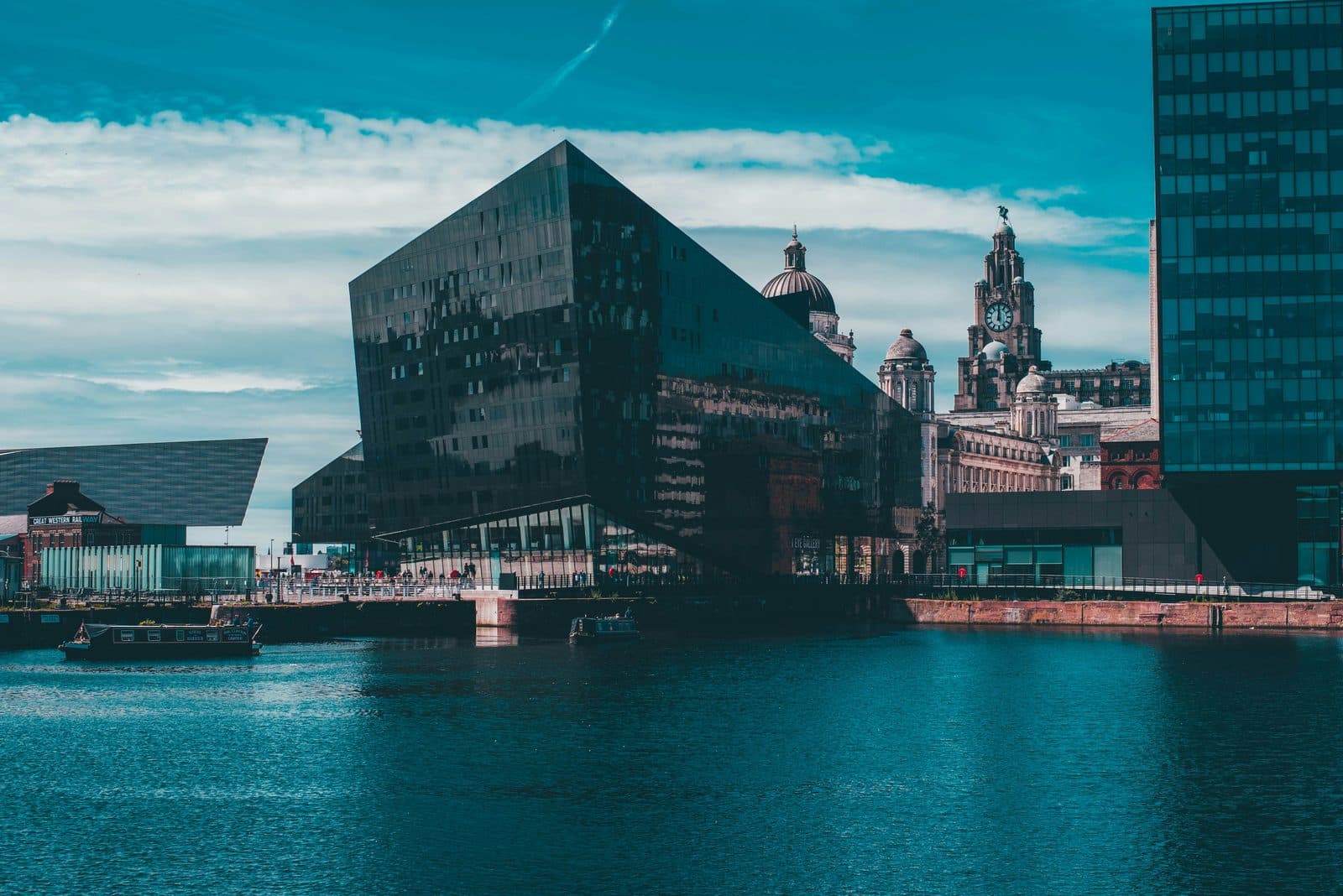
Hope Street on Foot: Two Cathedrals, Half a Mile, and the Argument Between Them
Mathew Street on Foot: The Cellar That Reversed the Atlantic Music Trade
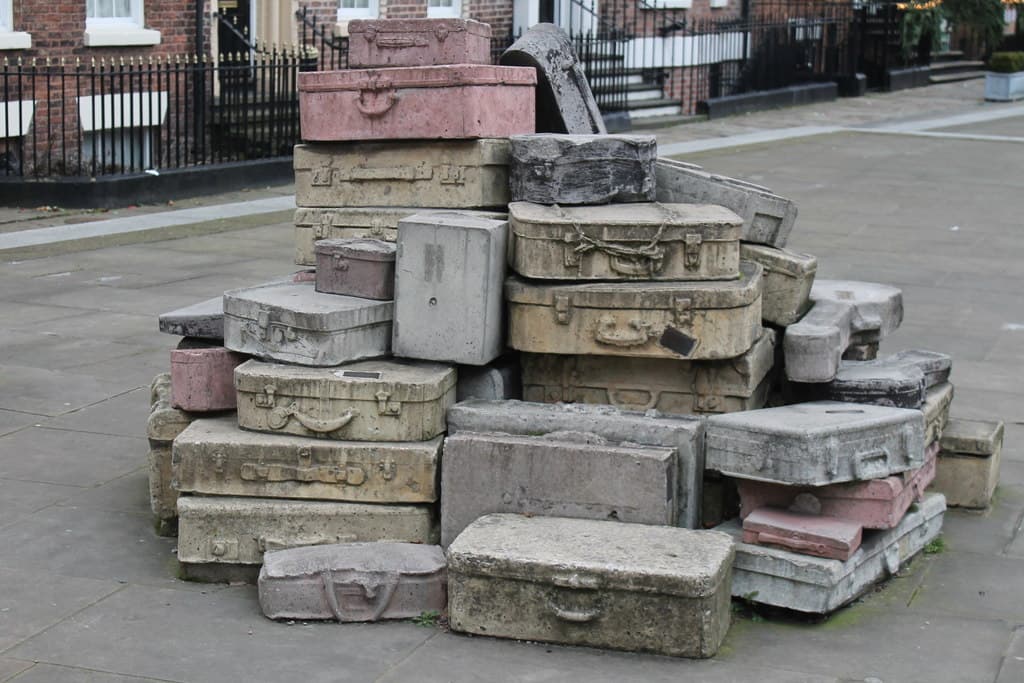
A Case History: The Hope Street Suitcases Are About Emigration, Not the Beatles
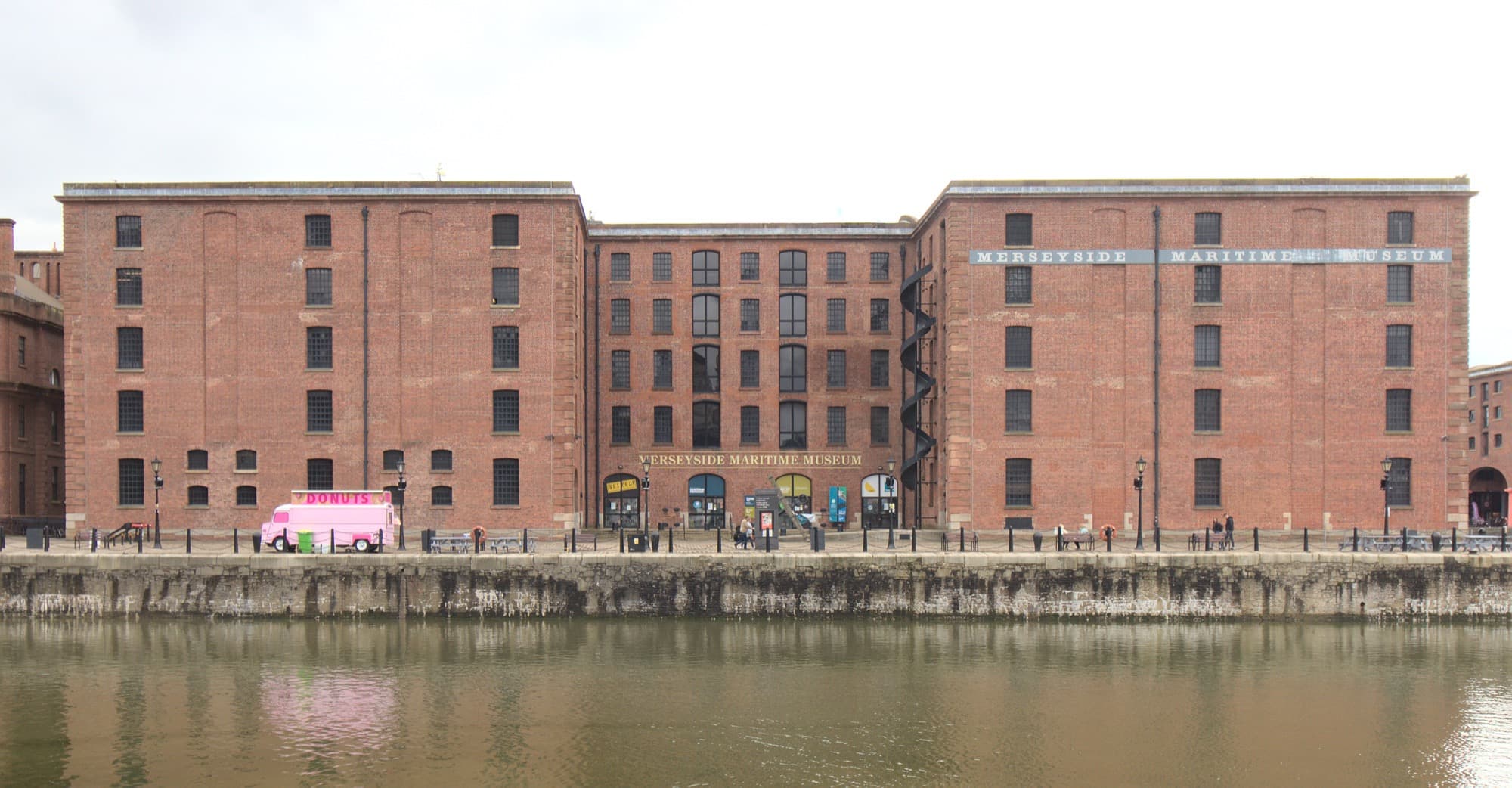
The International Slavery Museum: The Reckoning Inside the Warehouse of the Wealth