Climb the hill east from Liverpool's waterfront and the city changes character. The docks and the commercial centre give way to a grid of Georgian streets, terraces of elegant townhouses, and at the top of the rise, Hope Street, with a cathedral anchoring each end. This is the Georgian Quarter, officially the Canning conservation area, and often called the Arts Quarter. It is where the wealth that Liverpool made on the water turned into culture rather than more commerce.
The grid the merchants built
In the late Georgian period, Liverpool's merchants, made rich by the docks below, built their homes up here on the higher, cleaner ground away from the river. The result is one of the best-preserved Georgian grids in Britain: straight streets of brick and stucco townhouses laid out with a regularity that the tangled medieval waterfront never had. The second port of empire thesis tells the story of where that money came from, some of it entangled with the transatlantic slave trade; the Georgian Quarter is one of the places you can see it standing in stone, as domestic architecture rather than dockside warehouse.
Hope Street itself was laid out in the 1790s and named for a merchant, William Hope, whose house stood where the Philharmonic Hall now stands. Neither cathedral existed then. The street got its two great bookends much later, and the coincidence of its hopeful name became one of the best-loved accidents in the city.
Hope Street, end to end
Hear a stop from this walk
Liverpool Metropolitan Cathedral: Gibberd Above, Lutyens Below
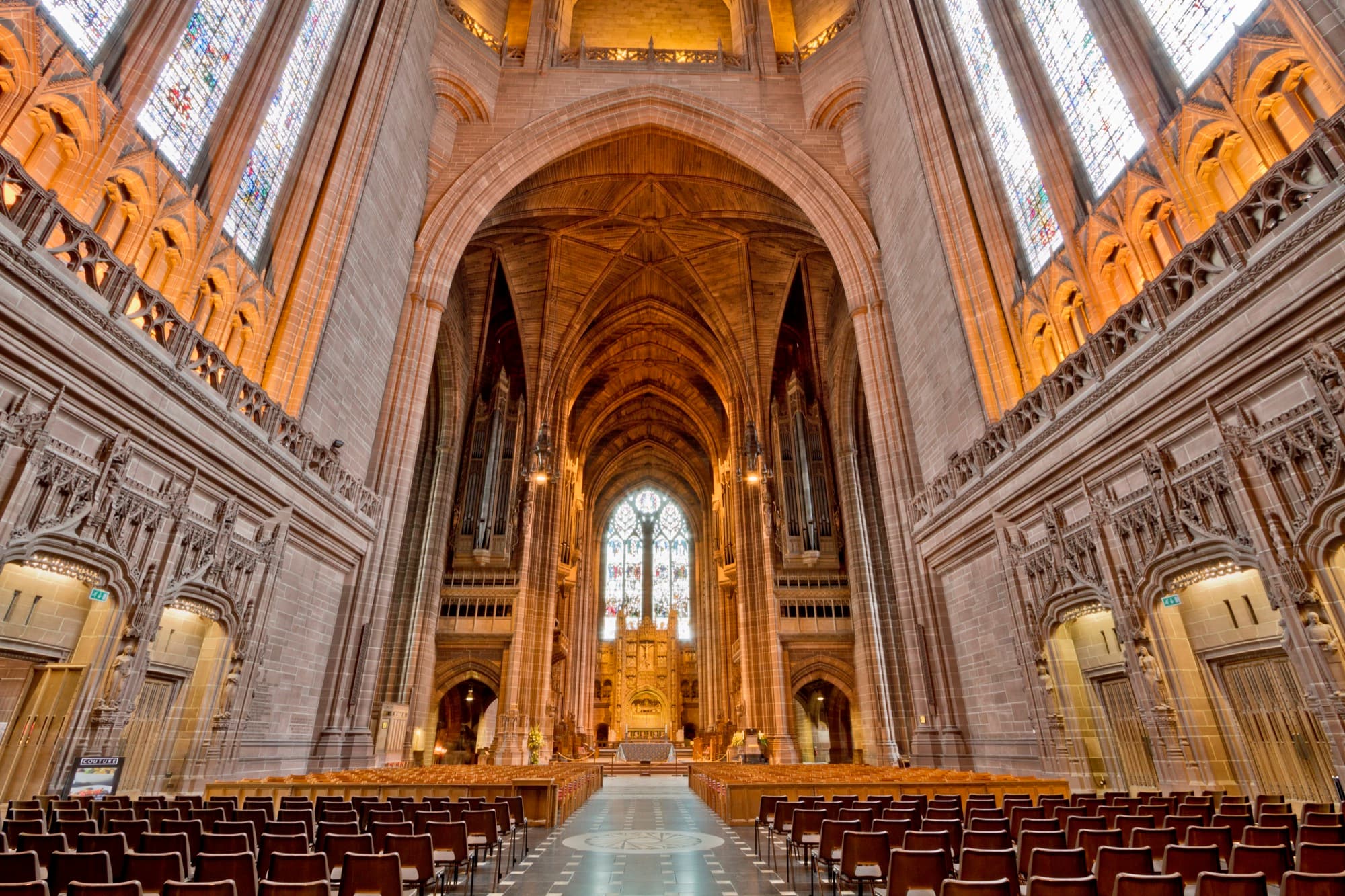
The architecture tour walks the half-mile of Hope Street from one cathedral to the other, and the street is the spine of the whole district. At the south end stands the Anglican Cathedral, the longest cathedral in the world, Giles Gilbert Scott's neo-Gothic mountain. At the north end sits the Metropolitan Cathedral, Frederick Gibberd's 1960s modernist crown of concrete and glass on the crypt of an unbuilt Lutyens scheme. Two cathedrals, two centuries of taste, one street.
Between them is the sediment that makes the quarter an arts district rather than a monument corridor:
- The Philharmonic Hall, a 1939 Streamline Moderne concert hall, home of the Royal Liverpool Philharmonic, one of the country's oldest orchestras.
- The Philharmonic Dining Rooms, an 1898 pub opposite, so lavishly decorated it is Grade One listed. The young Paul McCartney is said to have played here, and its gentlemen's toilets are famous enough that people ask to look at them.
- The Everyman Theatre at the northern end, a cornerstone of Liverpool's theatrical life for decades.
- LIPA, the Liverpool Institute for Performing Arts, founded by Paul McCartney and Mark Featherstone-Witty inside the 1837 school building where McCartney and George Harrison had been pupils, rescued from dereliction in the 1990s.
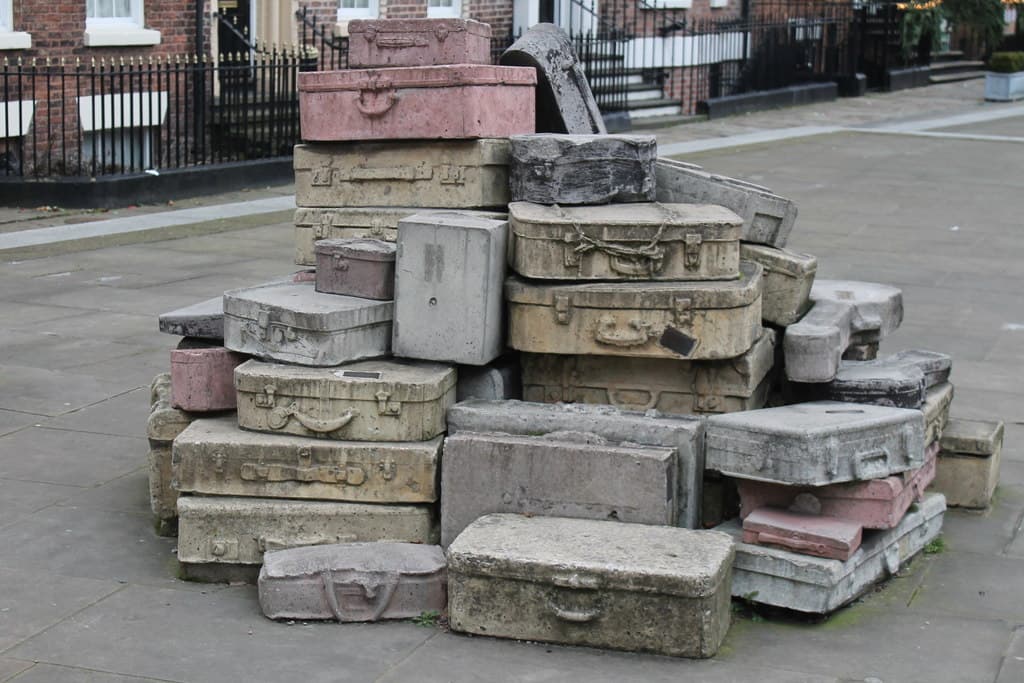
- "A Case History", John King's 1998 sculpture of stacked concrete suitcases, a monument to Liverpool as a city people emigrated from. It is often mistaken for a Beatles tribute; the full story of the suitcases explains why it is really about the port people left.
Eating and drinking on the hill
The Georgian Quarter is one of the better parts of the city to eat and drink because it is a real neighbourhood, not a tourist strip. Hope Street and the streets around it hold a run of independent restaurants, bistros and bars, with the Philharmonic Dining Rooms the obvious pint stop for the interior alone. The area fills up on concert and theatre evenings and quiets down in the mornings, which is also the best time to walk it if you want the audio and the architecture without the crowds.
Walking it
The quarter is compact and best explored on foot, roughly fifteen minutes uphill from the Pier Head or ten from Lime Street station. The Hope Street architecture tour is the natural way to read it, walking the two cathedrals and everything between as a single argument about how a merchant city chose to build its culture. If you want the wealth-and-water story that sits underneath the whole district, start with the Pier Head waterfront tour down at the river first, then climb the hill.
Start the Hope Street architecture tour free in the Roamer app.
Frequently asked questions
- What is Liverpool's Georgian Quarter?
- The Georgian Quarter, officially the Canning conservation area and often called the Arts Quarter, is a preserved grid of Georgian streets on the rise above Liverpool's city centre and docks. It contains one of the finest concentrations of Georgian townhouses in the UK, and Hope Street runs through its heart, linking the city's two cathedrals.
- What is there to do on Hope Street in Liverpool?
- Hope Street links the Anglican Cathedral at its south end and the Metropolitan Cathedral at its north, with the Philharmonic Hall, the Grade One listed Philharmonic Dining Rooms pub, the Everyman Theatre, LIPA and the 'A Case History' suitcase sculpture along the way. It is walkable end to end in about ten minutes, or you can take it slowly with an audio tour.
- Why is it called the Arts Quarter?
- Through the twentieth century the area around Hope Street became the centre of Liverpool's creative life, home to the Royal Liverpool Philharmonic, the Liverpool College of Art, theatres and, later, LIPA. The merchant wealth that once filled these Georgian houses gave way to a district defined by music, theatre and performance.
- How do I get to the Georgian Quarter?
- It is a short uphill walk east from Liverpool's waterfront and central shopping district, roughly fifteen minutes on foot from the Pier Head. Liverpool Lime Street station is about a ten-minute walk away. The area is compact and best explored on foot.
Ready to experience it?
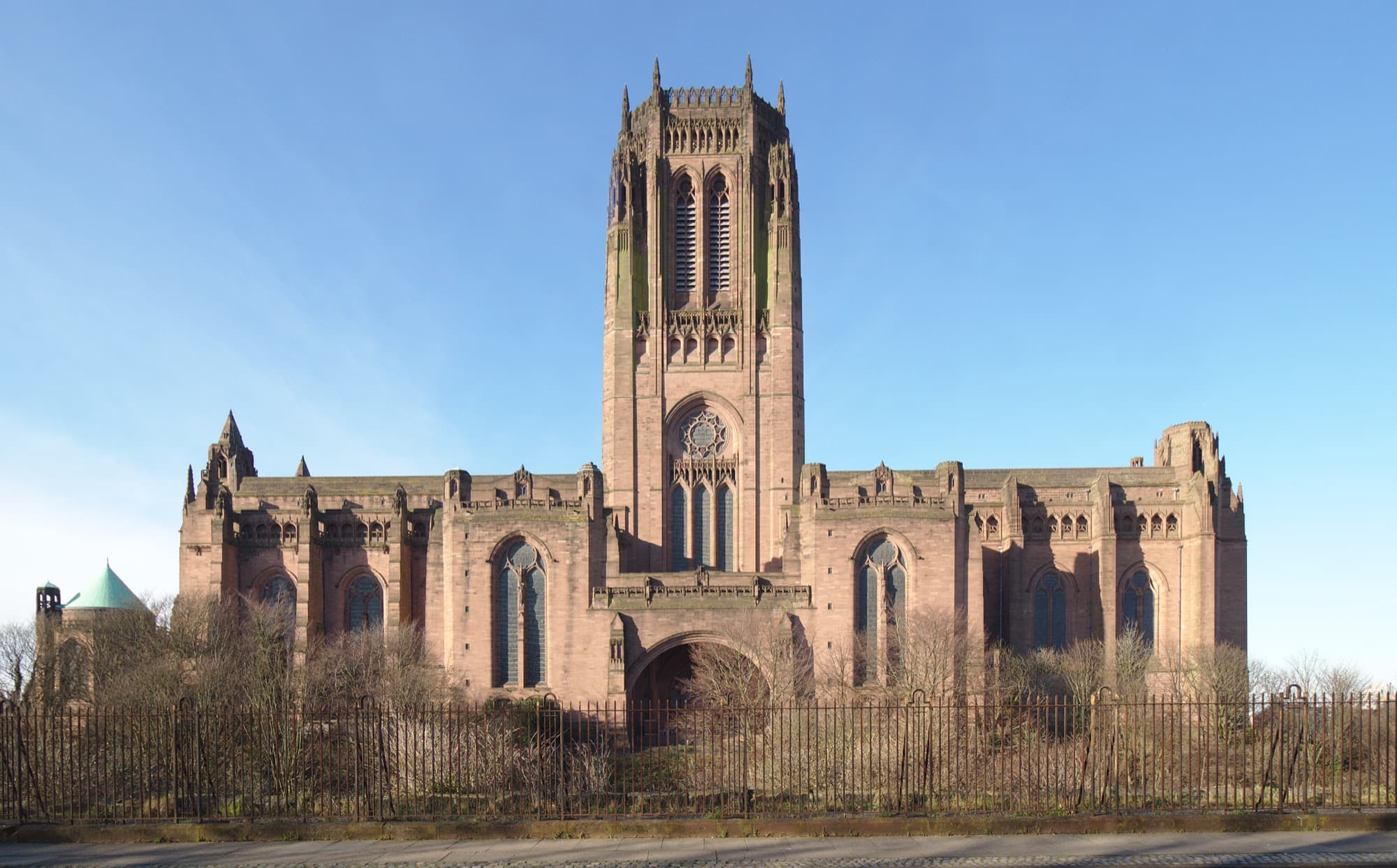
Hope Street: A Protestant Cathedral and a Catholic Cathedral, and Half a Mile Between
90 min · 1.2 km · easy
More from Liverpool
Explore more at your own pace.
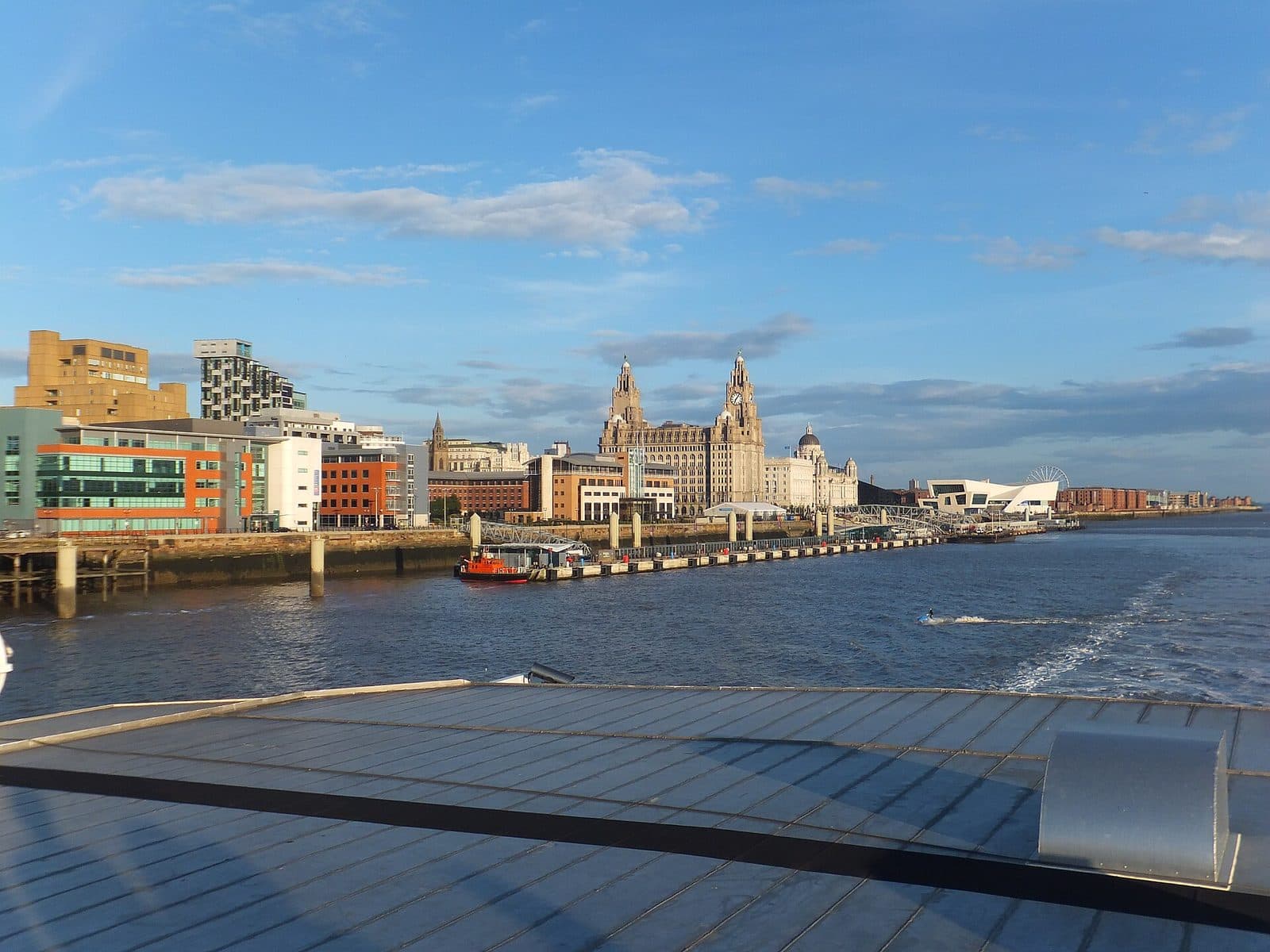
The Second Port of Empire: How the Sea Built Liverpool, and What It Carried
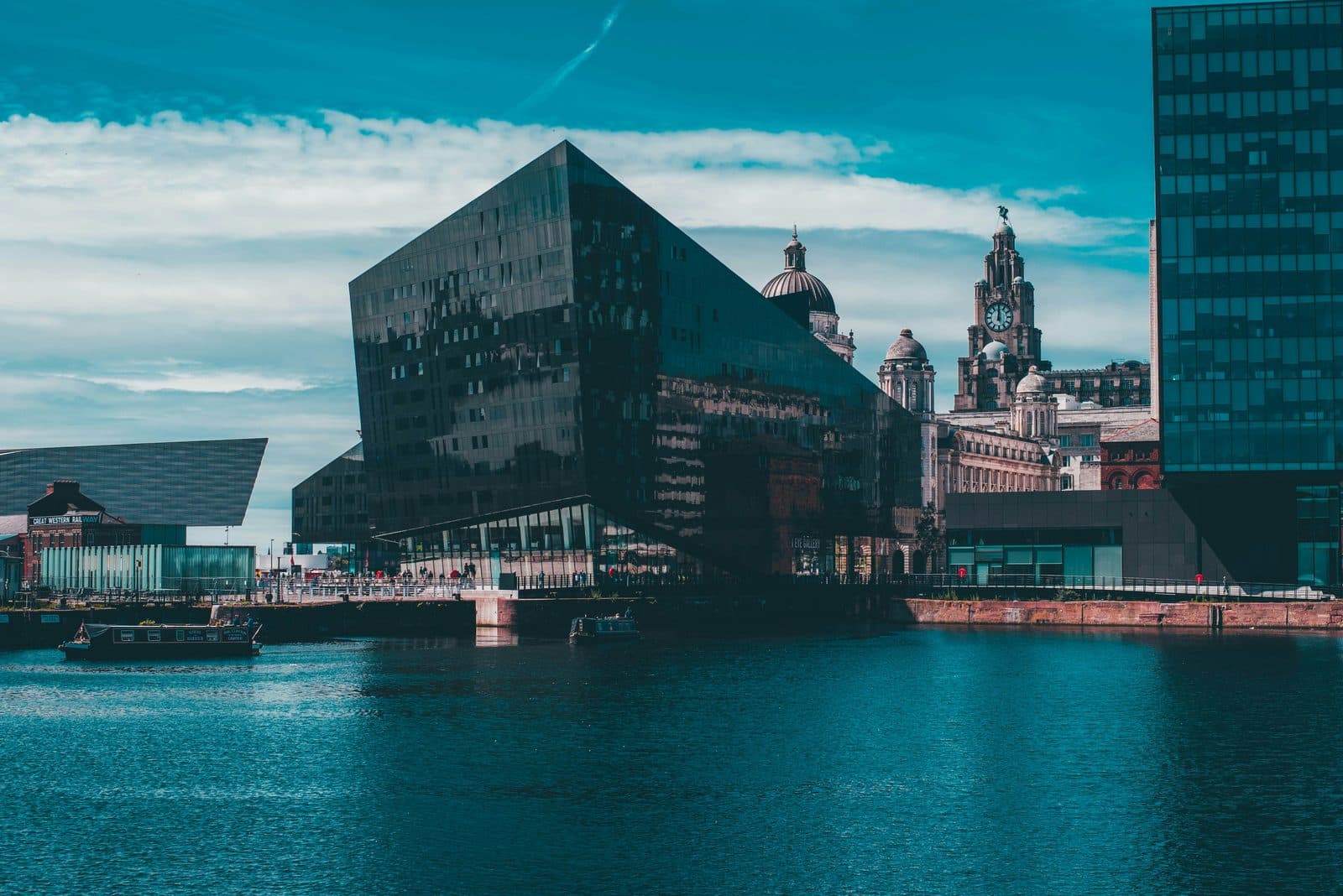
Hope Street on Foot: Two Cathedrals, Half a Mile, and the Argument Between Them
Mathew Street on Foot: The Cellar That Reversed the Atlantic Music Trade
A Case History: The Hope Street Suitcases Are About Emigration, Not the Beatles
The International Slavery Museum: The Reckoning Inside the Warehouse of the Wealth