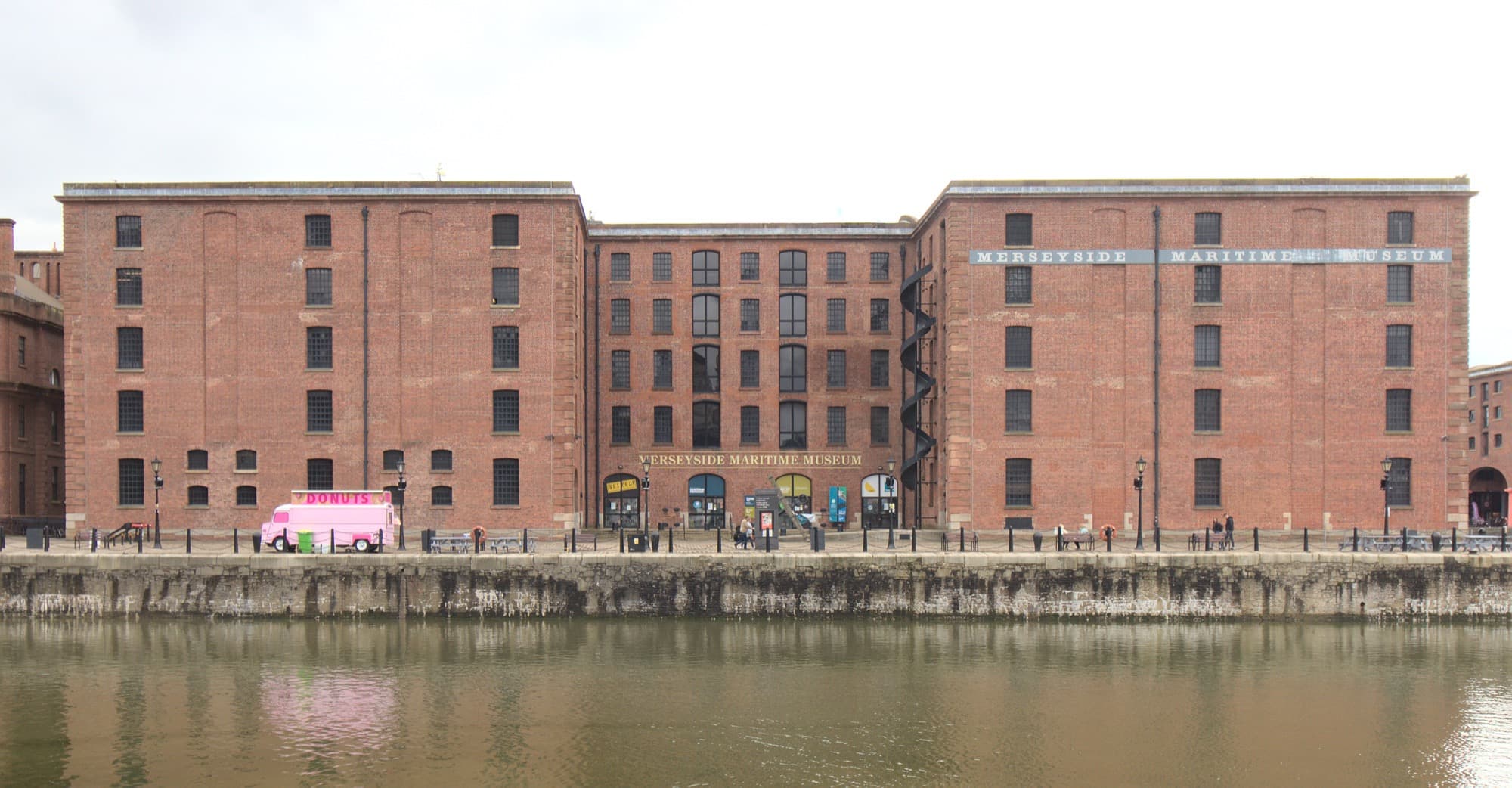
The International Slavery Museum occupies the third floor of a Victorian warehouse on the Royal Albert Dock. That address is not an accident, and it is the most important thing to understand before you go in. Liverpool did not build a memorial in a neutral civic square, away from the docks. It put the reckoning inside the architecture of the wealth, in a warehouse of the same dock complex, yards from the dry docks where slaving ships were once repaired and fitted out for the Atlantic crossing.
What the port did
The plain history has to come first. Between 1700 and 1807, Liverpool grew to dominate the British slave trade. In the final decades before Parliament abolished the trade in 1807, Liverpool ships carried roughly 80 percent of all British slaving voyages, and in that late period around 40 percent of all European transatlantic slaving voyages departed from this single port. Liverpool's merchants, banks, insurers and shipbuilders were bound into the trade at every level.
The wealth it generated did not stay abstract. It built docks, warehouses, banks and civic buildings, a great deal of which still stands and is walked past every day. The second port of empire thesis traces how far that money reached into the fabric of the city. The museum's task is to make sure the people the trade was built on are not erased by the buildings it paid for.
Why the location matters
Hear a stop from this walk
Bramley-Moore Dock and the UNESCO-Delisting Viewpoint: The Reckoning Is Ongoing
The museum opened on 23 August 2007. That date is not arbitrary either. It is the United Nations International Day for the Remembrance of the Slave Trade and its Abolition, observed on the anniversary of the 1791 uprising in Saint-Domingue that became the Haitian Revolution, the successful revolt of the enslaved. The year 2007 was also the bicentenary of Britain's 1807 abolition of the trade. The museum did not choose an anniversary of a British parliamentary act as its founding day. It chose the anniversary of a self-liberation.
That instinct runs through the whole institution. It centres the experience, culture and agency of enslaved and free Africans, not just the mechanics of the trade or the moment of British abolition. It sits inside the dock architecture as a deliberate refusal to hold the subject at a comfortable distance from the money that ran through these very buildings.
Standing at the dock
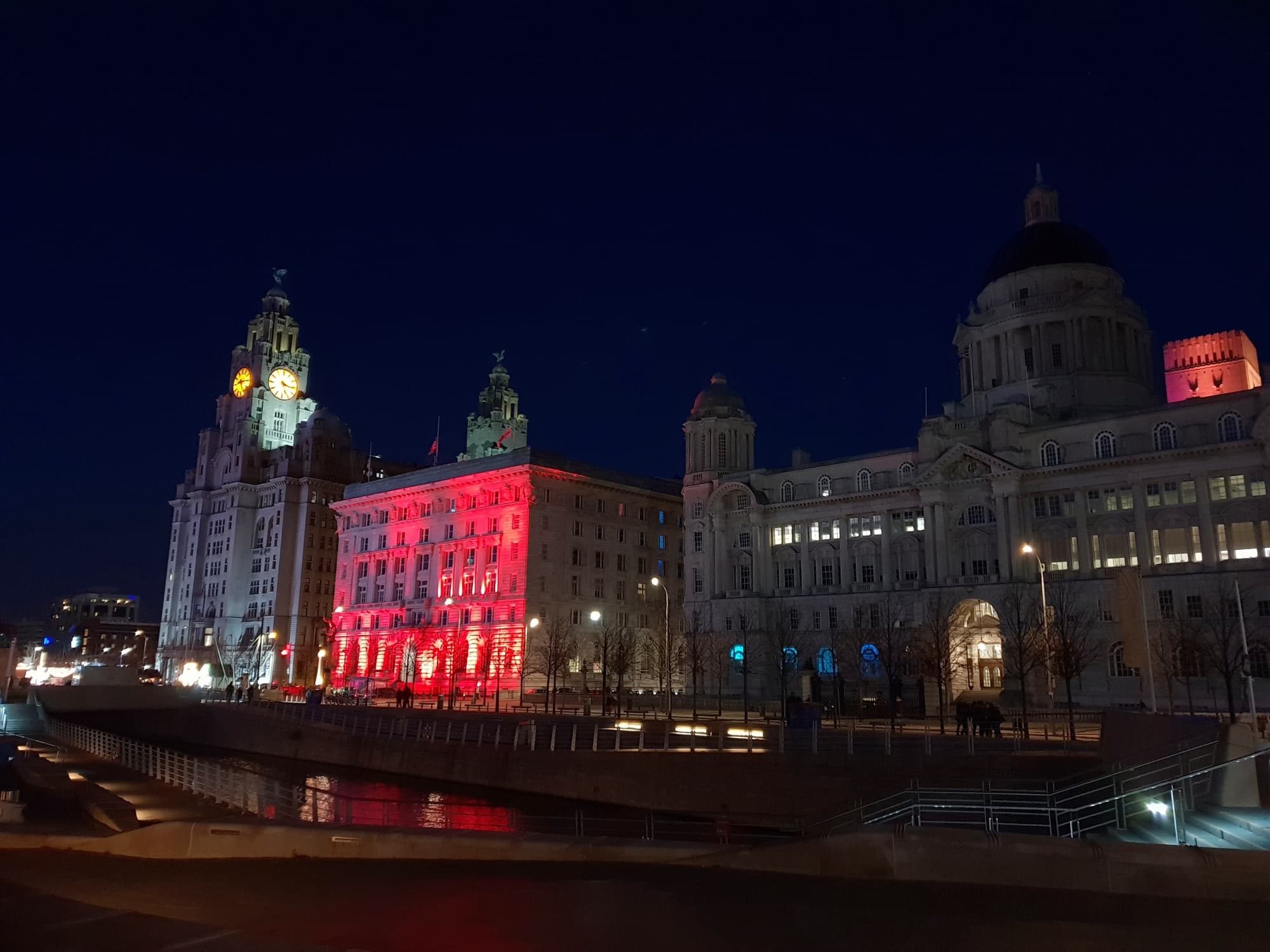
The waterfront history tour treats this as its emotional climax and slows right down here. You arrive having already stood at the Three Graces, the wealth made visible, and at the Old Dock, the engineering that made the wealth possible. Then you reach the warehouse where the reckoning lives. The tour holds the two halves of the story in a single continuous walk rather than separating the glory from the debt, which is exactly what the museum's placement asks of the whole city.
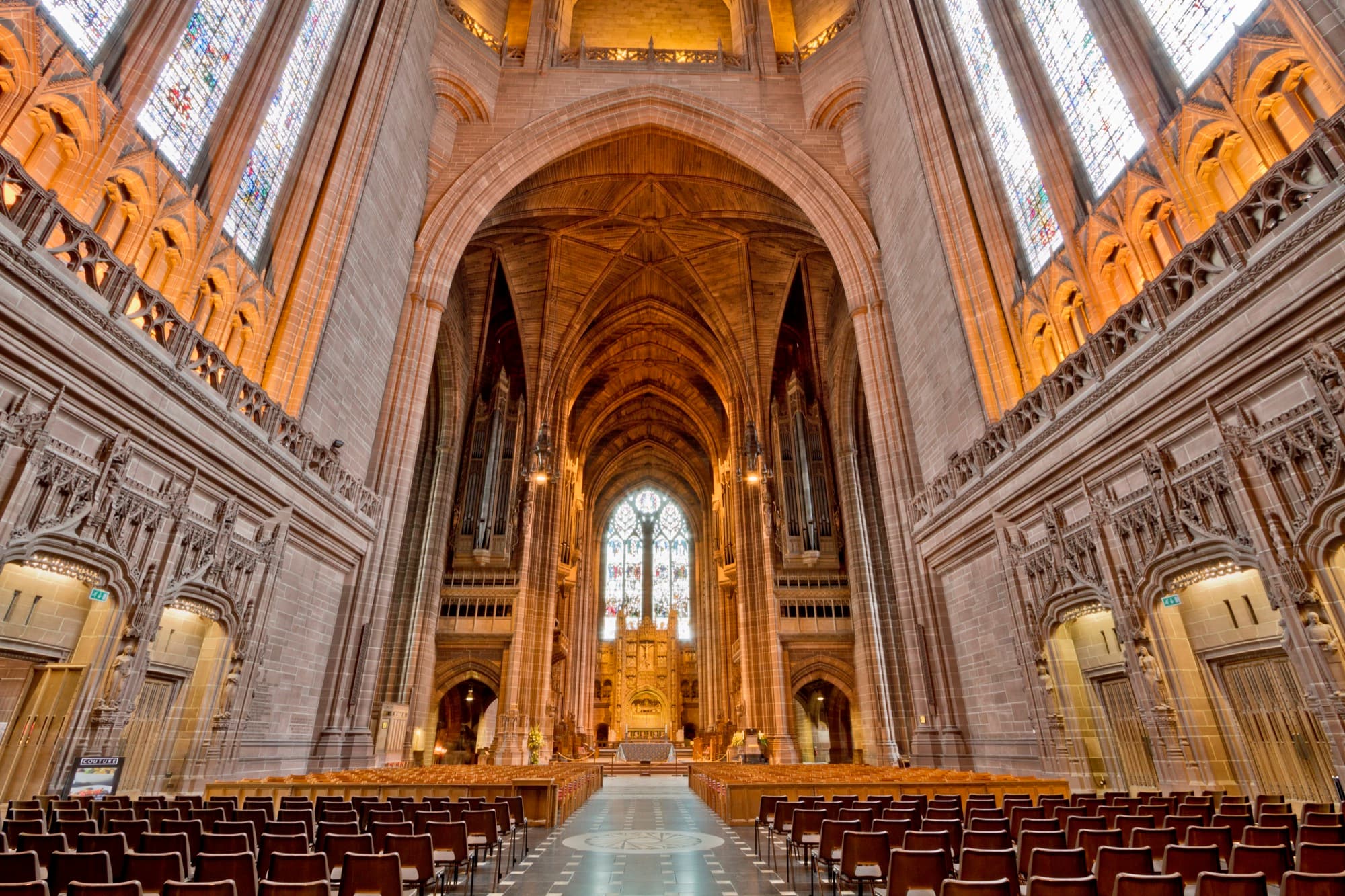
The Royal Albert Dock warehouses themselves are a marvel of Victorian construction, opened in 1846 as the first structure in Britain built entirely from cast iron, brick and stone with no structural timber. The building is beautiful, and the beauty is part of the difficulty the museum is designed to sit with. The architecture that Liverpool built with its wealth reaches its grandest expression up on Hope Street, but the same fortune runs through these dock walls too.
Before you visit
The museum is part of National Museums Liverpool and, like all their sites, has traditionally been free to enter. It is currently undergoing a major redevelopment, so check the National Museums Liverpool website for its current opening status before you plan your visit, as parts of the display and the dock entrance may be behind hoardings or closed during the works. Whenever you go, give it real time. The waterfront tour is designed so you can pause the audio and go inside, and this is the stop above all others to do that.
For the full arc of how the sea made Liverpool and what the sea carried, read the second port of empire thesis before you walk. Start the Pier Head waterfront tour free in the Roamer app.
Ready to experience it?
The Pier Head: The Port That Built the Empire, and Reckons With What It Carried
95 min · 2.1 km · easy
More from Liverpool
Explore more at your own pace.
The Georgian Quarter: Liverpool's Arts District, Two Cathedrals and the Half-Mile Between
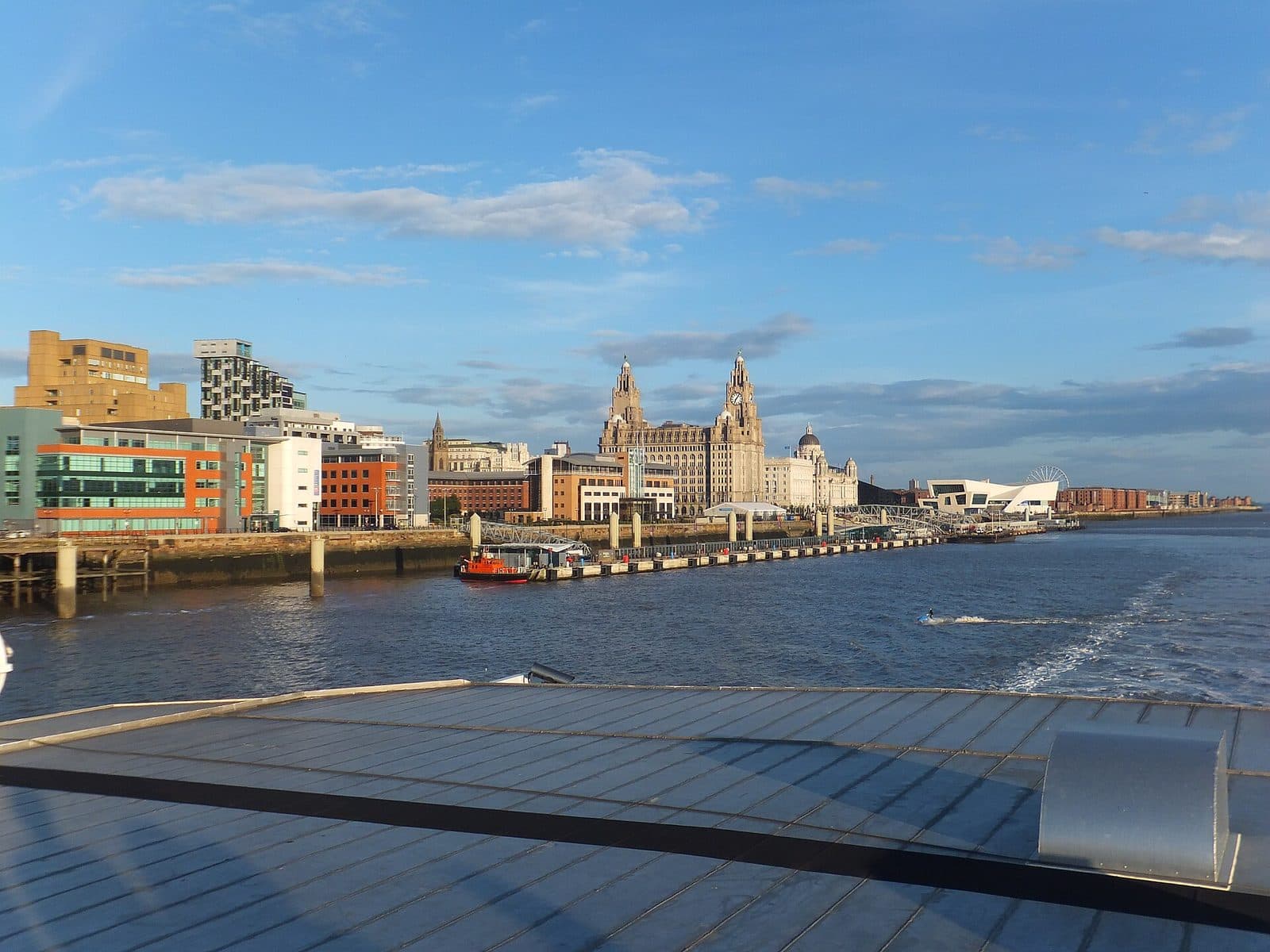
The Second Port of Empire: How the Sea Built Liverpool, and What It Carried
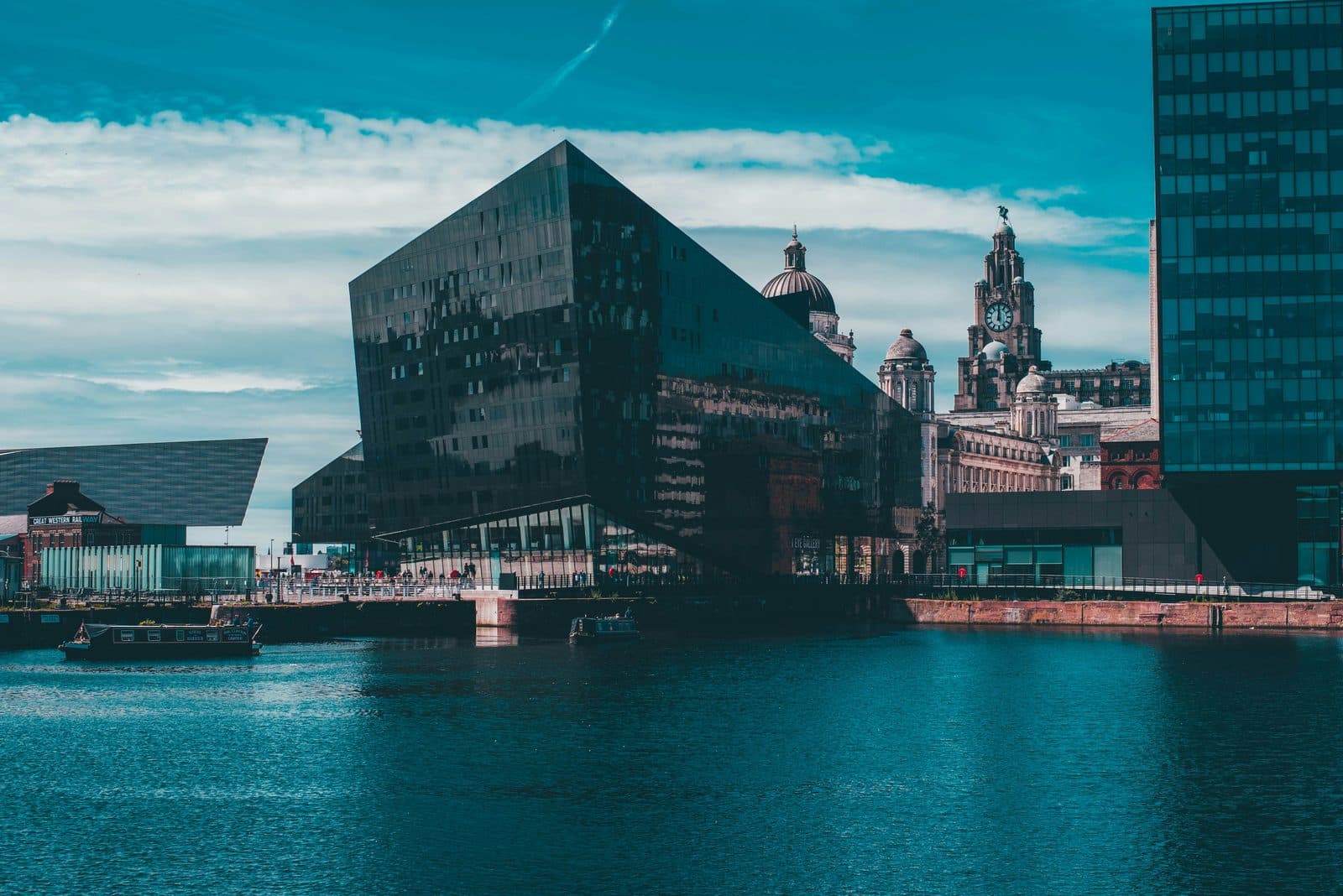
Hope Street on Foot: Two Cathedrals, Half a Mile, and the Argument Between Them
Mathew Street on Foot: The Cellar That Reversed the Atlantic Music Trade
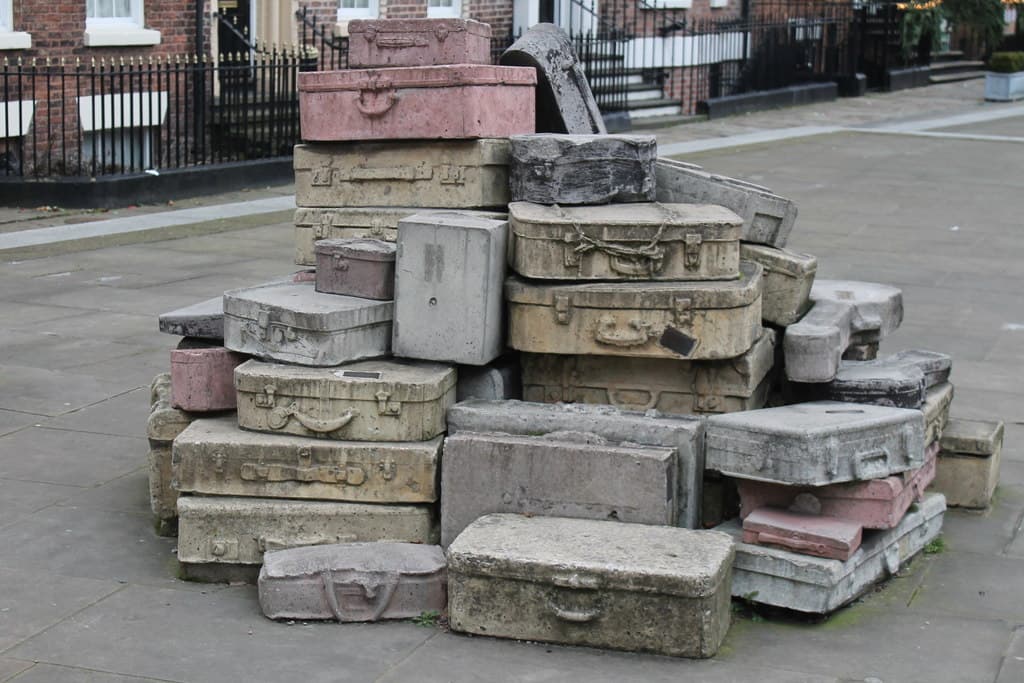
A Case History: The Hope Street Suitcases Are About Emigration, Not the Beatles