The Pier Head: The Port That Built the Empire, and Reckons With What It Carried
95 min · 2.1 km · easy
Liverpool is one of the easiest great British cities to plan. It is compact, walkable, and largely free, its national museums cost nothing to enter, and its centre is small enough to cross on foot in half an hour. The main decisions are simply how many days to give it and whether you want the Beatles sites out in the suburbs. This guide answers the practical questions travelers actually search, answer first, then the detail.
How many days do you need in Liverpool?
Short answer: two days for most people.
- 1 day covers the walkable centre well, the waterfront and Three Graces, the Cavern Quarter, and the two cathedrals on Hope Street. Follow our focused one day in Liverpool route.
- 2 days adds the suburban Beatles sites, deeper museum time, and the Mersey ferry. This is the comfortable choice.
- 3 days is for serious Beatles fans, or anyone wanting to fold in a Wirral or Chester day trip.
Under-scheduling is not really the risk here, the centre is small. The one thing that catches people out is assuming Penny Lane and Strawberry Field are walkable from the docks. They are not; they sit a few miles south, so budget the time or the tour.
Getting around Liverpool
Hear a stop from this walk
Bramley-Moore Dock and the UNESCO-Delisting Viewpoint: The Reckoning Is Ongoing
The centre is a joy on foot, mostly flat, and almost every headline sight is inside that walkable core, which is exactly how our self-guided Liverpool tours are built. For anything further out:
- On foot. The waterfront, Mathew Street, and the run up to Hope Street are all a short walk apart. The only real climb is the gentle rise from the docks to the cathedrals.
- Merseyrail. The local rail network, with underground stations right in the centre and frequent trains to the suburbs, the airport, and across the Mersey. This is how you reach outer neighbourhoods.
- Buses. Fill the gaps Merseyrail misses, including routes toward the Penny Lane area.
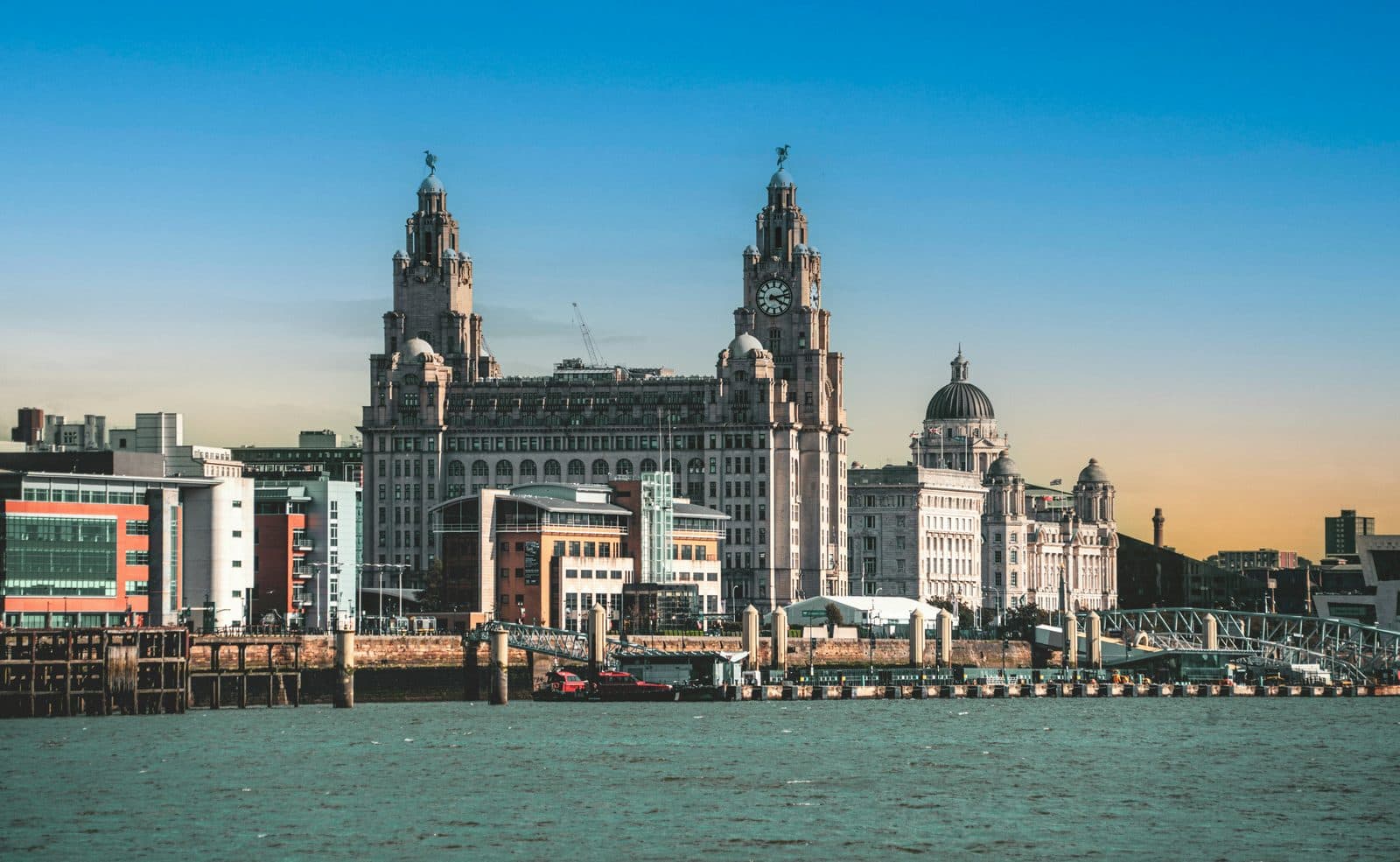
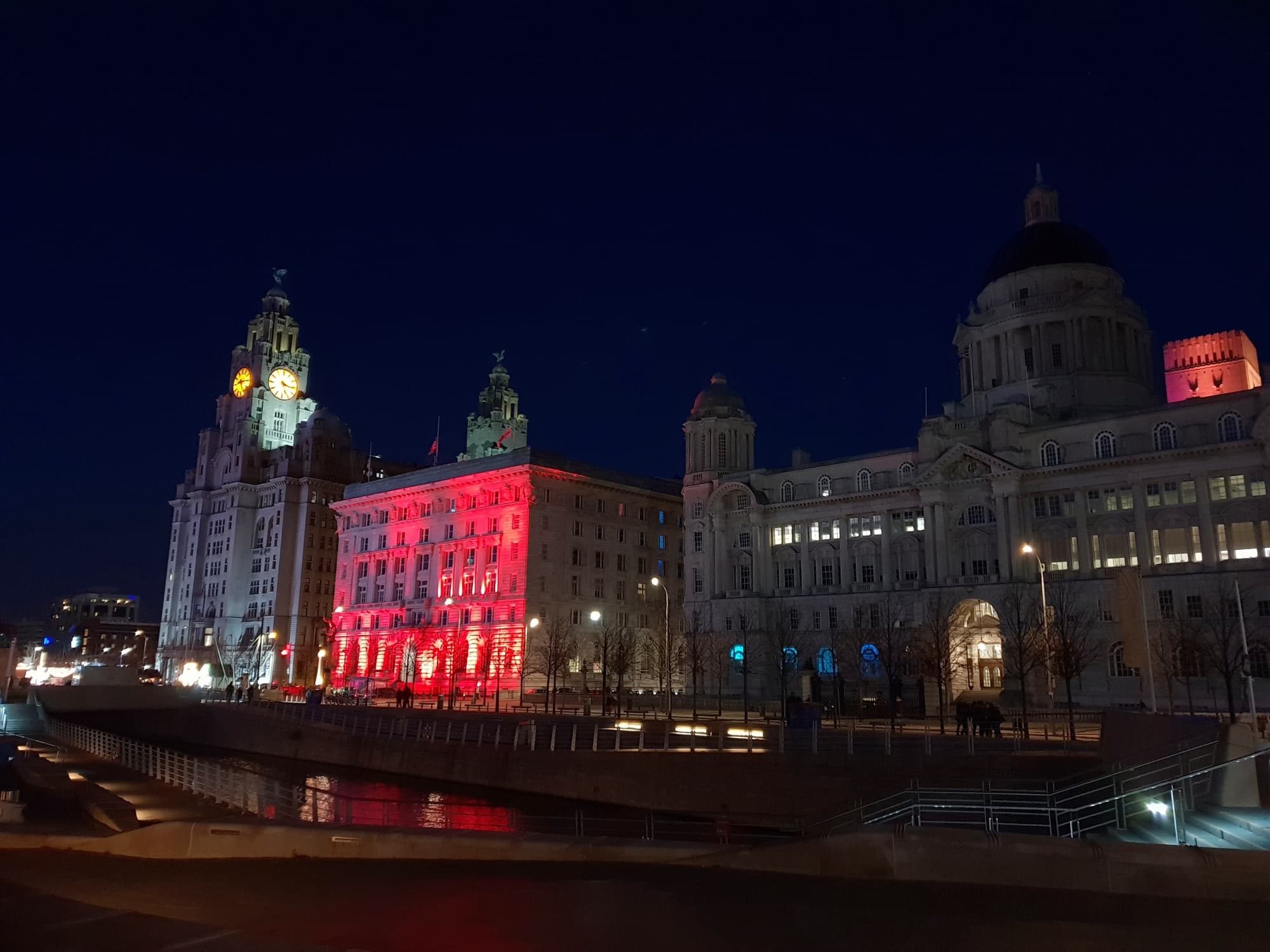
- Mersey Ferry. The famous crossing to Birkenhead on the Wirral, worth doing for the skyline view of the Three Graces from the water.
Getting to Liverpool is easy too: Manchester is only about 35 to 50 minutes away by direct train (roughly an hour door to door), and Liverpool Lime Street is the central mainline station with fast services to London, Chester, and beyond.
Best time to visit Liverpool
- May to September. The warmest weather and longest days, best for the waterfront and walking. Also the busiest and priciest.
- Spring (April to May) and early autumn (September to October). Thinner crowds, still-reasonable conditions, good value.
- Winter. Cold, damp, and often grey, but the free museums, cathedrals, and Cavern nights keep the city lively indoors.
Whatever the month, Liverpool faces the Irish Sea, so a shower can arrive on a sunny day. Pack a waterproof layer and treat the free national museums as your built-in wet-weather plan.
Is Liverpool safe?
Yes. Liverpool is among the safer major UK cities for visitors, and an easy, friendly place for solo and female travelers. It has held Purple Flag status for well-run nightlife since the scheme launched in 2010, one of the longest-running in the world, and surveys regularly put it near the top for feeling safe walking the centre after dark. The tourist zones, the waterfront, Albert Dock, the Cavern Quarter, and the Baltic Triangle, stay busy and well-lit into the evening. Ordinary precautions still apply: keep an eye on belongings in crowds and around the busy late-night spots like Concert Square and Mathew Street.
Liverpool on a budget
Few great cities are cheaper to visit well, because so much is free:
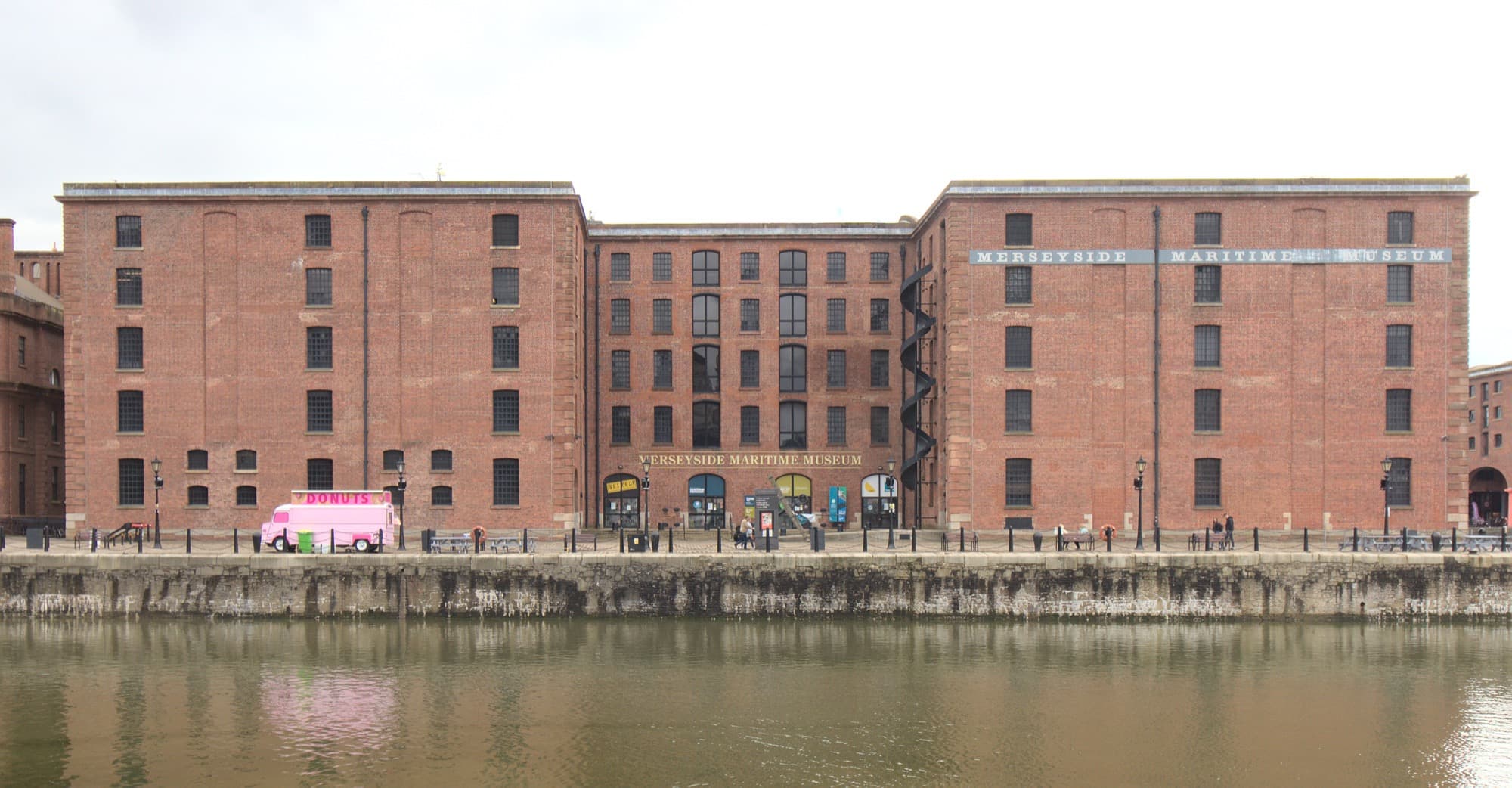
- Free national museums. Every National Museums Liverpool site is free with no ticket: the Museum of Liverpool, the Merseyside Maritime Museum, the International Slavery Museum, the Walker Art Gallery, and the World Museum. The companion on the International Slavery Museum is worth reading before you go.
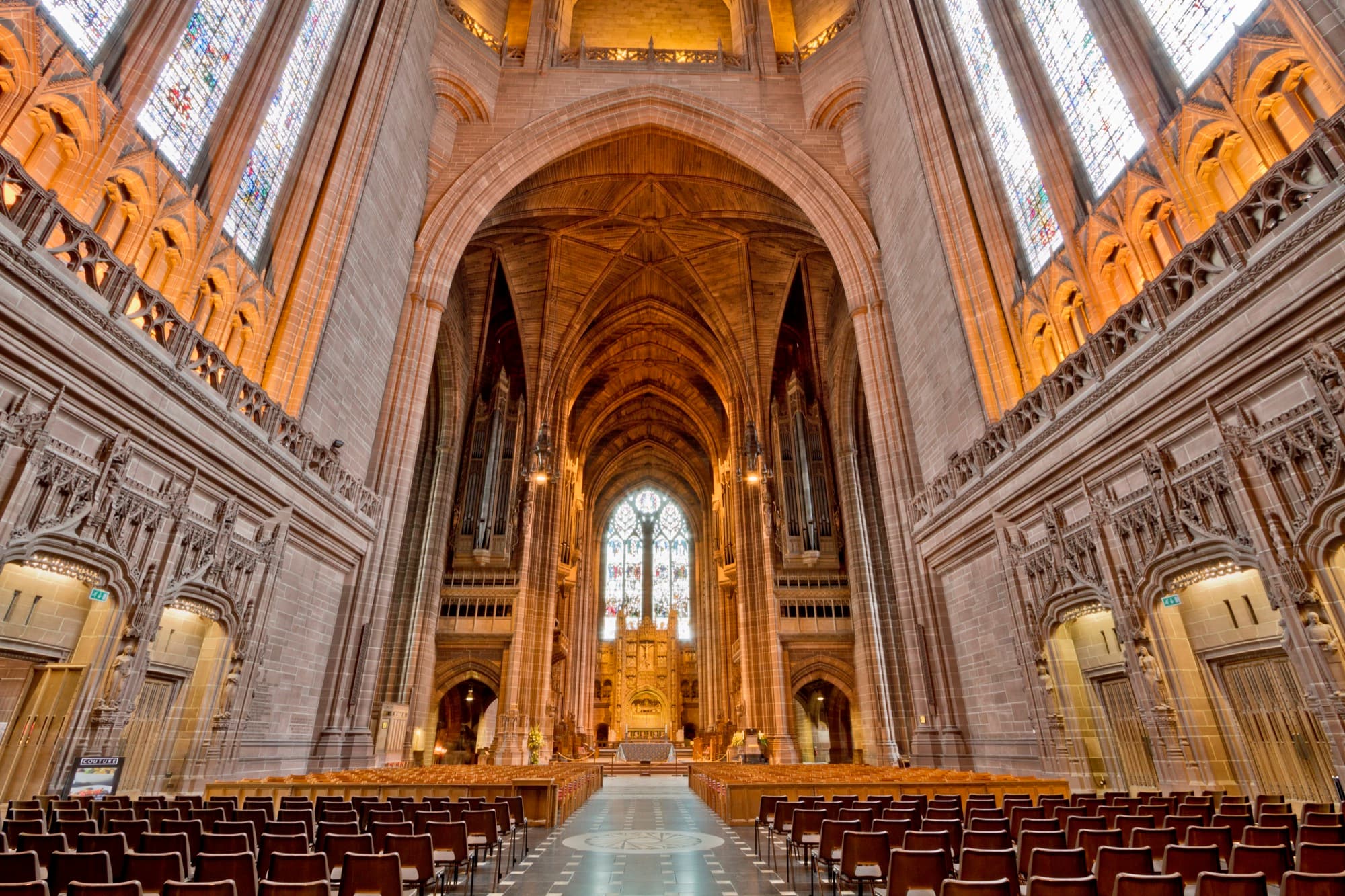
- Free to walk, free to enter. The waterfront, Mathew Street, and both cathedrals cost nothing, and the two cathedrals on Hope Street are free to enter.
- Eat cheap and well. Baltic Market street-food stalls, Chinatown, and Bold Street. See what to eat in Liverpool for what to order.
- Skip the guide fee. Roamer self-guided audio tours are free to start, so you get expert narration without booking a start time, a private guide, or leaving a tip.
Doing the Beatles properly
Liverpool's Beatles heritage comes in two halves, and knowing which is which saves a lot of confusion.
- In the centre, on foot. The Cavern Quarter around Mathew Street, where the Cavern Club (rebuilt in 1984 near the original site) anchors the story. This is walkable and fits an afternoon. Walk it with the Mathew Street tour.
- In the suburbs, by tour. Penny Lane and Strawberry Field in south Liverpool, plus the Lennon and McCartney childhood homes, which the National Trust opens by pre-booked tour only, since the interiors are seen with a guide. Give these a half-day of their own.
Start planning your walk
Ready to route your days? Read our one day in Liverpool itinerary, browse the best self-guided walking tours in Liverpool, or see all Liverpool tours. Every tour is free to start: the introduction and first stop play in full, and every later stop plays a short preview before an optional purchase. Tours can also be downloaded in advance for offline listening.
Frequently asked questions
- How many days do you need in Liverpool?
- Two days is the sweet spot for most travelers. One full day comfortably covers the walkable centre, the waterfront and Three Graces, the Cavern Quarter, and the two cathedrals on Hope Street. A second day lets you add the suburban Beatles sites (Penny Lane, Strawberry Field, and the Lennon and McCartney childhood homes), go deeper into the free national museums, or take the ferry across the Mersey. Serious Beatles fans should plan three days. One day alone is enough to see the highlights if you are passing through.
- Is Liverpool walkable, and how do you get around?
- Liverpool city centre is very walkable and mostly flat, and almost every headline sight sits inside that compact core, so on foot is how most of a visit happens. For anything further out, Merseyrail is the local rail network, with underground stations in the city centre and frequent trains to the suburbs, the airport, and across the Mersey to the Wirral. Buses fill the gaps, and the famous Mersey Ferry crosses to Birkenhead. You rarely need a taxi in the centre, and you never need a car.
- What is the best time of year to visit Liverpool?
- May to September brings the warmest weather and the longest daylight, and is the best window for the waterfront and walking. Spring (April and May) and early autumn (September and October) offer thinner crowds and still-decent conditions. Liverpool sits on the northwest coast facing the Irish Sea, so rain and wind are possible in any season, even on a sunny day. Pack a waterproof layer whenever you come, and remember that the free national museums make excellent wet-weather backups.
- Is Liverpool safe for tourists?
- Yes. Liverpool is one of the safer major UK cities for visitors, including for solo and female travelers. It has held Purple Flag status for its well-managed nightlife since the scheme began in 2010, and surveys regularly rank it among the UK cities where people feel safest walking the centre after dark. The tourist areas, the waterfront, Albert Dock, the Cavern Quarter, and the Baltic Triangle, are busy and well-lit into the evening. Normal city sense applies: mind your belongings in crowds and around busy nightlife spots like Concert Square and Mathew Street late at night.
- How can you see Liverpool on a budget?
- Liverpool is one of the cheapest great-city visits in Britain, because so much of it is free. All of the National Museums Liverpool sites, the Museum of Liverpool, the Merseyside Maritime Museum, the International Slavery Museum, the Walker Art Gallery, and the World Museum, are free to enter with no ticket. Walking the waterfront, Mathew Street, and both cathedrals costs nothing, and the cathedrals are free to enter. Eat well cheaply at Baltic Market street-food stalls, Chinatown, and Bold Street. Self-guided audio tours are free to start on Roamer, so you add expert narration without hiring a guide.
- How do you do the Beatles properly in Liverpool?
- Split it in two. In the city centre, walk the Cavern Quarter around Mathew Street, where the Cavern Club (rebuilt in 1984 near the original) sits at the heart of the story, all on foot and doable in an afternoon. The suburban sites are the second half: Penny Lane and Strawberry Field in south Liverpool, plus the Lennon and McCartney childhood homes, which are National-Trust-run and best seen by pre-booked tour since interiors are visited only with a guide. If you have one day, do the centre; if the Beatles are your reason for coming, give it a full second day.
Ready to experience it?
The Pier Head: The Port That Built the Empire, and Reckons With What It Carried
95 min · 2.1 km · easy
More from Liverpool
Explore more at your own pace.

The Georgian Quarter: Liverpool's Arts District, Two Cathedrals and the Half-Mile Between

Hope Street on Foot: Two Cathedrals, Half a Mile, and the Argument Between Them
Mathew Street on Foot: The Cellar That Reversed the Atlantic Music Trade
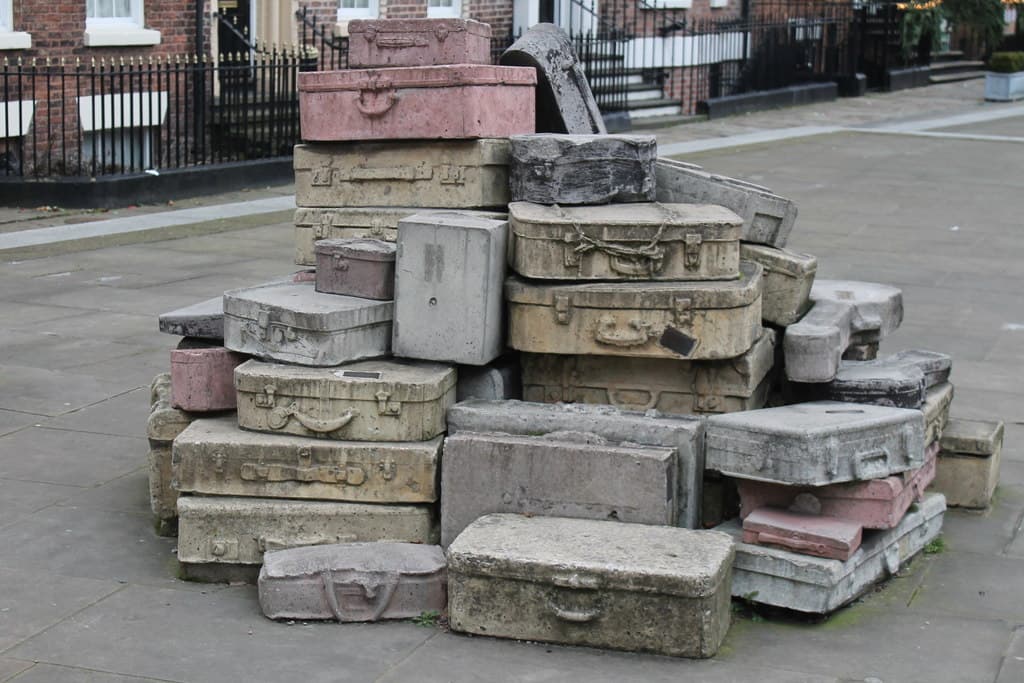
A Case History: The Hope Street Suitcases Are About Emigration, Not the Beatles
The International Slavery Museum: The Reckoning Inside the Warehouse of the Wealth